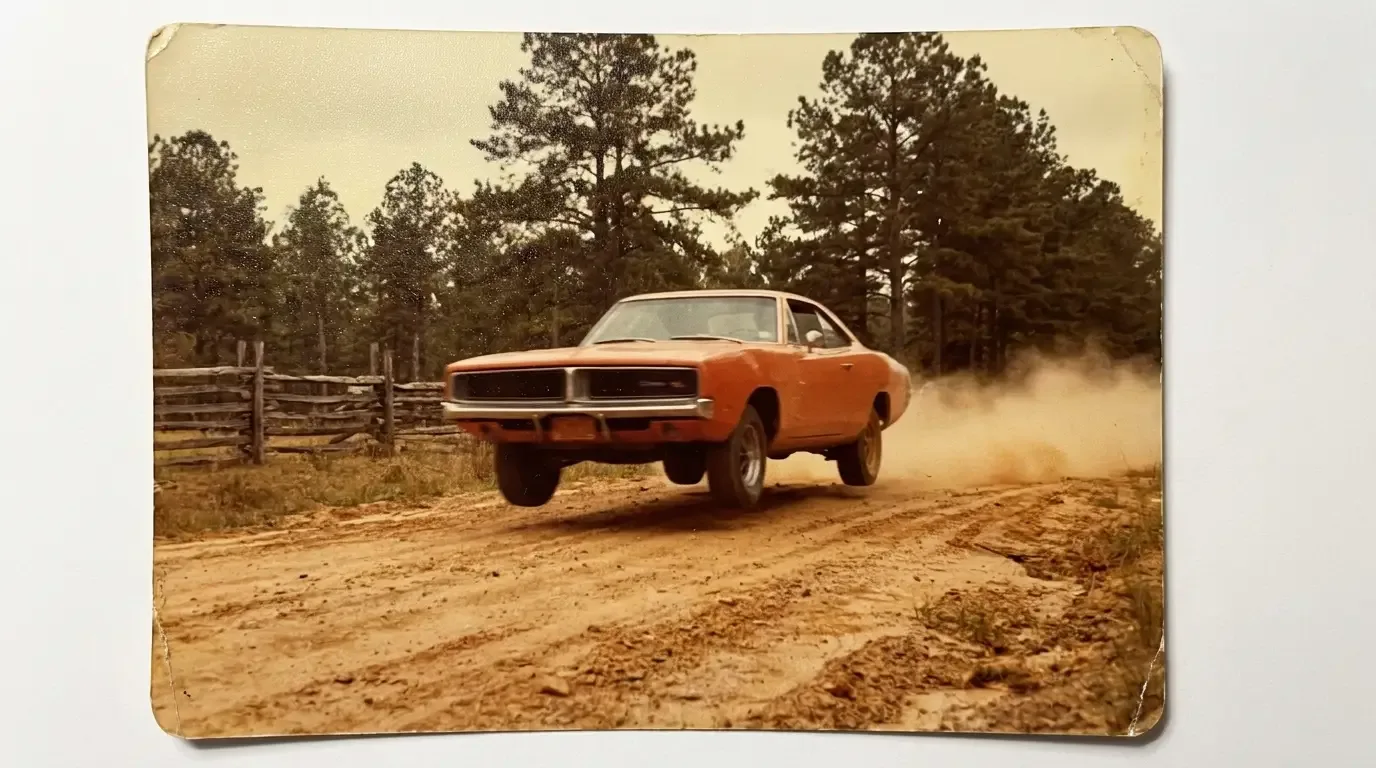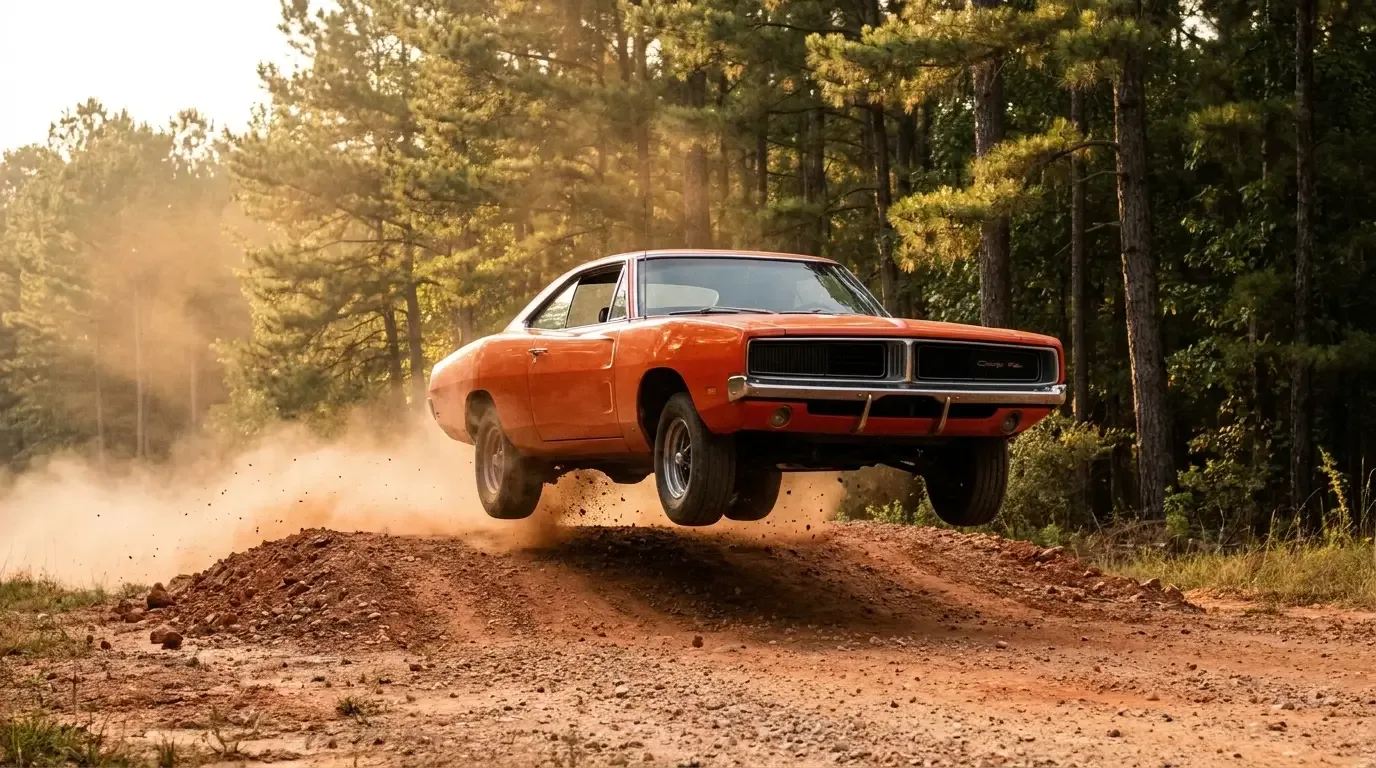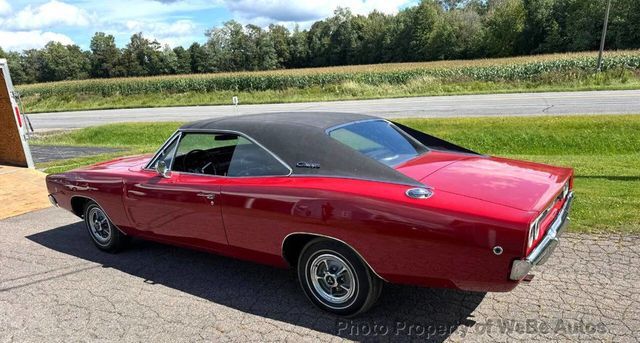
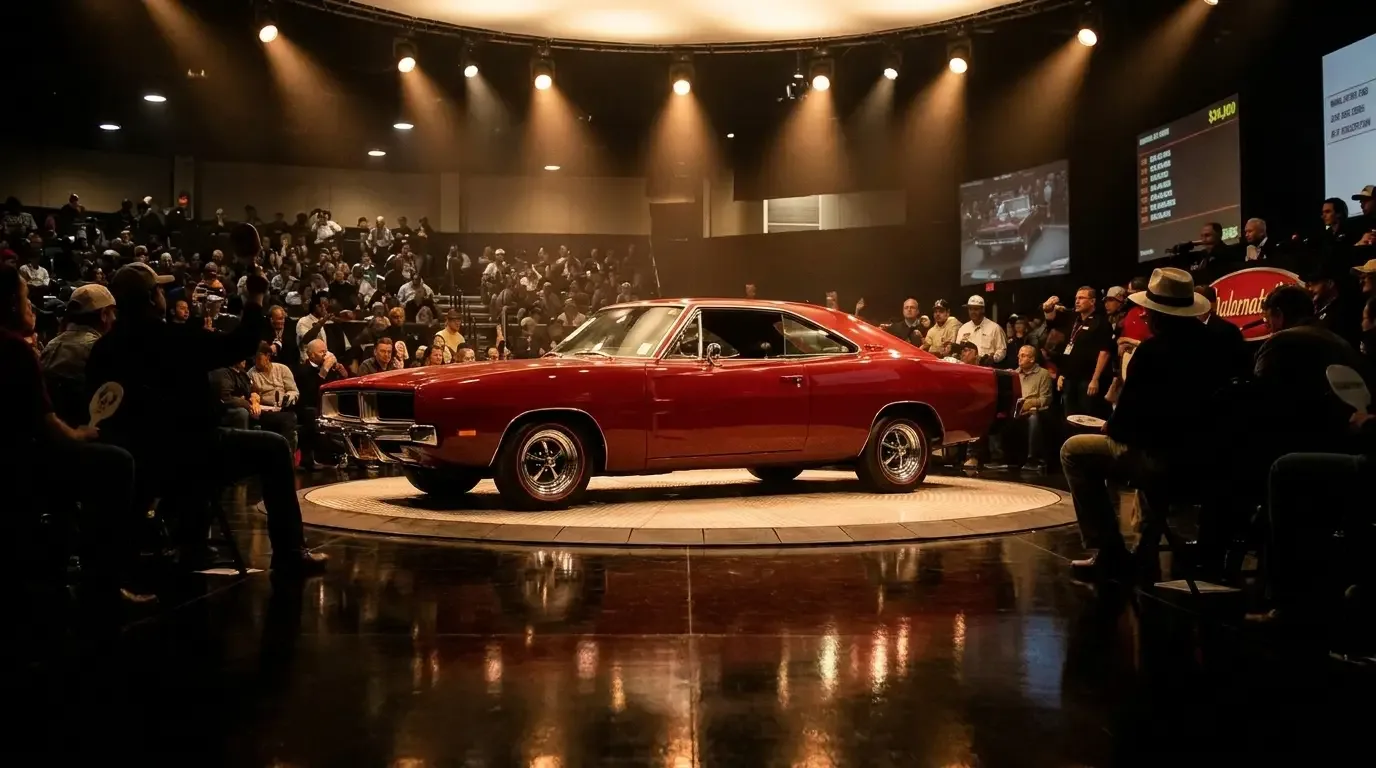
A Charger with a documented screen history is not the same asset class as a Charger that merely looks like one. That distinction sounds obvious stated plainly, yet I've watched buyers at auction blur the line under bright lights and a fast-talking auctioneer more times than I can count. Before you chase a "movie car" premium on this platform, you need to understand what actually moves the number, and what's just theater.
What actually creates value in a screen-used Charger
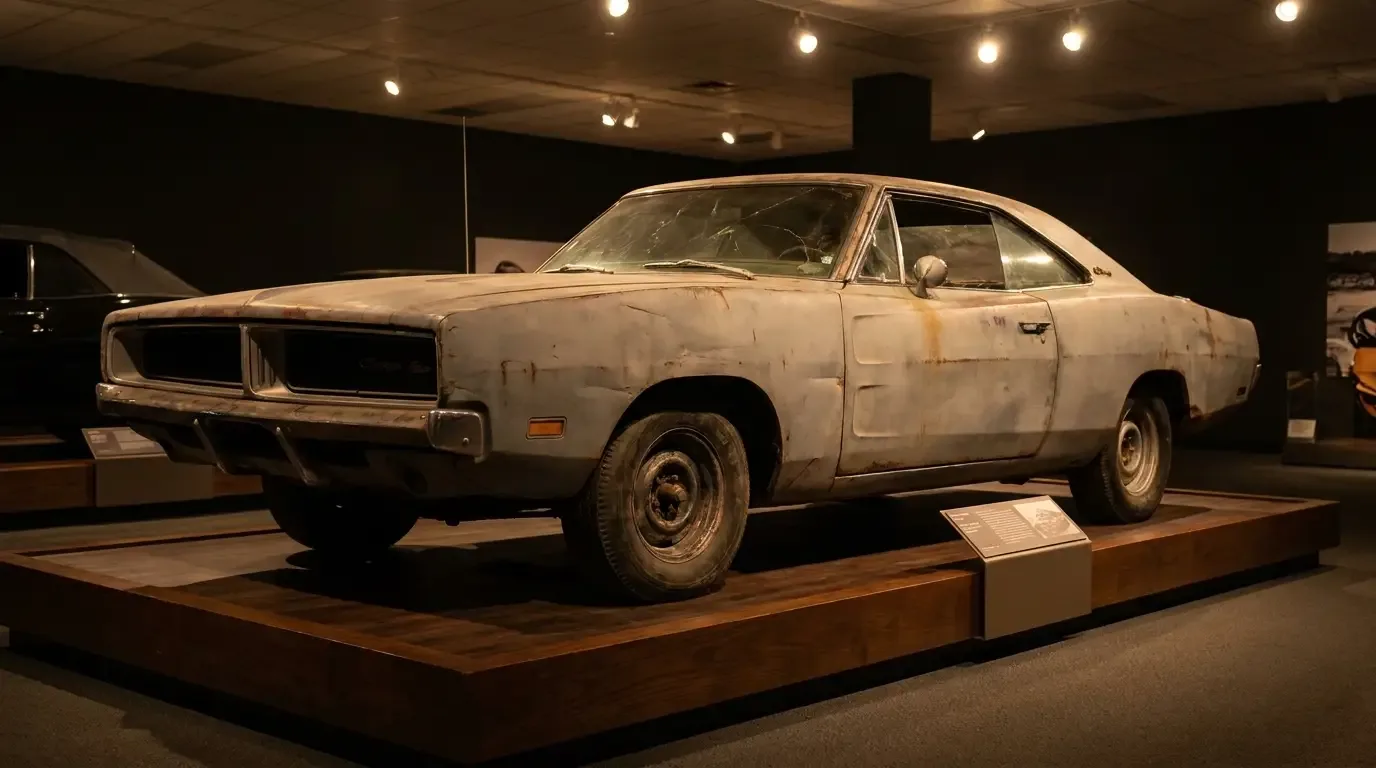
Documented production use is the entire premise of this market segment. A car with a chain of custody back to a specific film or television production, ideally supported by production paperwork, matching VIN records, or credible statements from people who worked on set, commands a real premium over an equivalent stock example. Without that documentation, you don't have a screen-used car. You have a well-executed tribute, and the two should never be priced the same, though sellers occasionally try.
Condition matters less here than it does in a traditional collector market, which surprises some buyers. A genuine screen-used car with honest wear, even damage consistent with stunt work, can outsell a pristine tribute build precisely because the imperfections are part of the provenance rather than a defect to be restored away. That inverts the usual collector logic, and appraisers who don't understand this segment sometimes misjudge value in both directions.
What recent results actually show
Auction houses that specialize in film and television memorabilia, alongside general collector car auctions running a themed lot occasionally, have moved verified screen-used Chargers at prices well above comparable stock examples, sometimes by a significant multiple depending on the strength of documentation and the production's cultural footprint. The documented cars back this up: the original opening-sequence "Lee 1" that made the show's very first jump sold at Barrett-Jackson for around $121,000, while other production-linked General Lees have reportedly reached up to roughly $450,000, both figures orders of magnitude above what the same 383-powered Charger would bring as a plain stock example. Exact hammer prices still vary enough by venue, year, and documentation quality that no single figure predicts what a given car brings today. What's consistent is the pattern, not the precise numbers: paperwork and provenance drive the premium far more than mechanical specification does.
"A #2 car with a thin paper trail isn't a #2 car when the check clears. In this segment it's worse than that. A beautifully restored tribute with no genuine production history isn't a screen-used car at all, no matter how convincing it looks under auction lighting, and the appraisal has to say so before the gavel comes down, not after."
— Marcus Feld
The documentation problem specific to this segment
Film and television productions in the 1970s and 1980s were not thinking about future collectibility when they acquired, modified, and disposed of cars for filming. Production paperwork from that era is inconsistent at best, and in many cases cars were sold off, scrapped, or simply lost track of once filming wrapped, with no formal record connecting a specific VIN to specific screen time. That gap is exactly why so many disputed claims exist today, and why buyers need to treat any screen-used claim with the same skepticism they'd apply to a disputed racing history on a stock car.
| Documentation tier | What it typically includes | Effect on value |
|---|---|---|
| Fully documented | Production paperwork, matching VIN, continuous chain of custody | Highest premium; treated as a genuine artifact |
| Partially documented | Credible witness statements, period photographs, incomplete paperwork | Moderate premium; priced with acknowledged risk |
| Undocumented claim | Seller assertion only, no supporting records | Should command little to no premium over a stock example |
| Tribute build | Cosmetic recreation with no genuine production connection | Valued on build quality alone, not screen association |
Why liquidity in this segment behaves differently
Buyers for genuinely documented screen-used Chargers skew toward collectors motivated by the pop-culture story as much as, or more than, the underlying automobile, which changes how liquid these cars actually are compared to stock examples. A stock numbers-matching Charger has a broad, relatively stable buyer pool built from decades of muscle car collecting infrastructure, auctions, clubs, appraisers who all understand the asset. A screen-used car depends more heavily on a narrower collector base tied to that specific production's ongoing cultural relevance. If the Charger in pop culture chapter of a given franchise fades from public memory over decades, that narrower buyer pool can soften, exposing an owner to downside risk a stock car collector doesn't carry.
That's not a reason to avoid the segment. It's a reason to appraise it honestly, factoring exposure and liquidity risk into any valuation rather than treating a documented screen car as a straightforward, low-risk asset the way a numbers-matching Hemi car might be treated.
Advice for buyers entering this market
Get independent verification of any documentation before you bid, not after. Auction house lot descriptions are marketing documents first and factual records second, and the burden of confirming provenance sits with the buyer, not the seller, once the gavel falls. If you're specifically drawn to this segment because of a particular character, read more here for the background on one of the most heavily chased and, unfortunately, most heavily faked screen Chargers in the market. For the wider platform history that underpins all of this, dodge charger history is worth reading before you commit real money to a documentation claim you can't fully verify. And if a documented screen car isn't within reach, there's no shame in the stock market instead. You can browse Dodge Chargers for sale and build a collection around genuine originality rather than a paper trail you have to take on faith.
Insuring and holding a screen-used car long term
Once a buyer actually owns a documented screen car, the appraisal questions don't stop at the auction block. Insurance underwriters unfamiliar with this specific niche sometimes default to standard collector-car valuation methods that undervalue the provenance component entirely, treating the car as though its worth begins and ends with condition and mechanical spec. A serious owner needs a specialist appraisal on file, one that explicitly documents the chain of custody and explains why the number sits above a comparable stock car, before a claim situation ever forces the question. I've reviewed too many policies written for cars like this that would have paid out a fraction of actual replacement value had something gone wrong, simply because nobody had put the provenance case in writing at the time the policy was underwritten.
Holding period matters here too. Unlike a stock numbers-matching car, whose value has decades of auction data behind it to project forward with reasonable confidence, a screen-used car's long-term value is tied partly to how a specific franchise's cultural relevance ages. That's a real variable, not a footnote, and any honest appraisal of this segment has to say so plainly rather than pretending the provenance premium is as stable as the underlying steel.
Sources and notes
- Motor Authority, "The Very First General Lee Hits the Auction Block" - confirmed how documentation and chain of custody underpin screen-used value, with production cars reaching up to ~$450,000.
- General Lee (car), Wikipedia - confirmed the "Lee 1" opening-jump car's ~$121,000 sale and the scarcity of documented originals.
- Mental Floss, "What Happened to All Those Chargers?" - confirmed how thin 1970s-80s production paperwork fuels disputed provenance claims.
- The Dukes of Hazzard, Wikipedia - confirmed the production scale and franchise footprint that anchors the screen-used market.
- Dodge Charger (B-body), Wikipedia - confirmed the stock second-gen baseline against which screen-car premiums are measured.