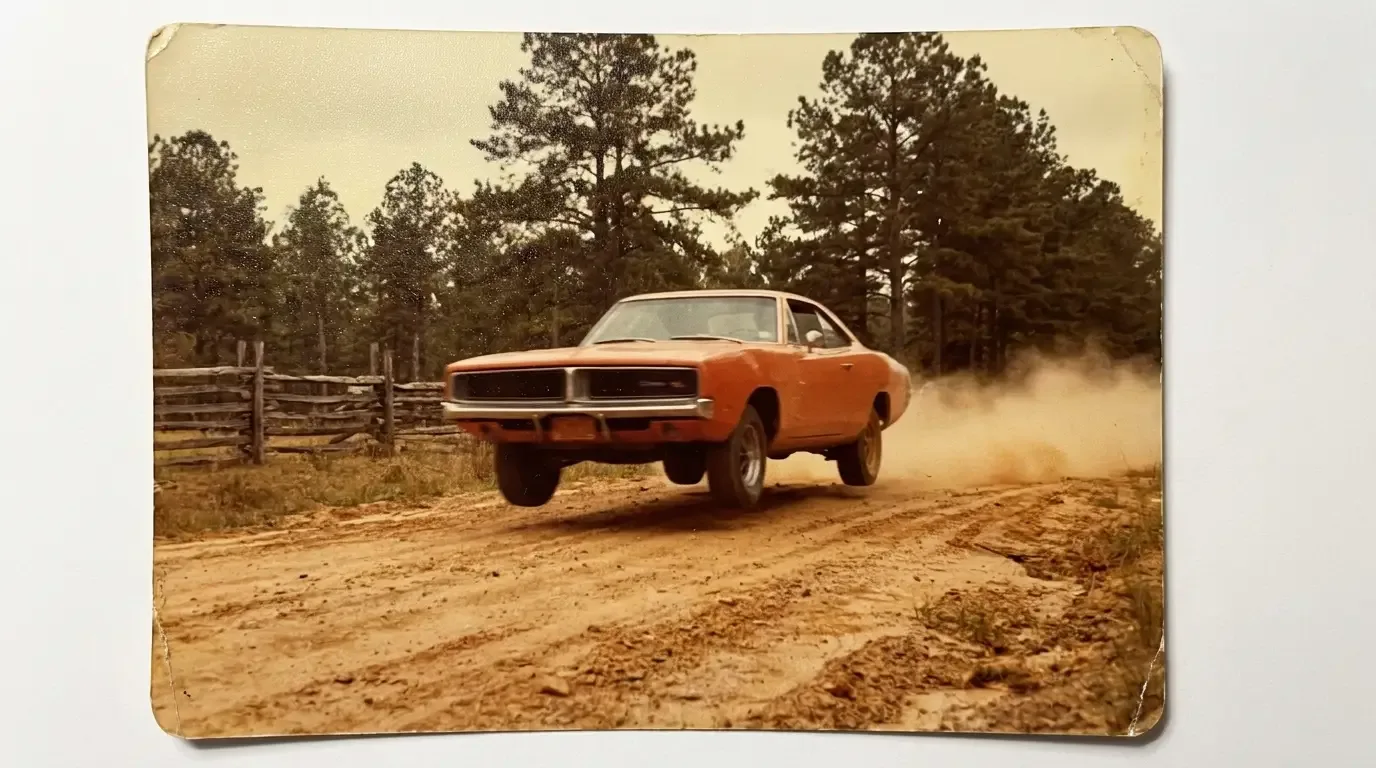
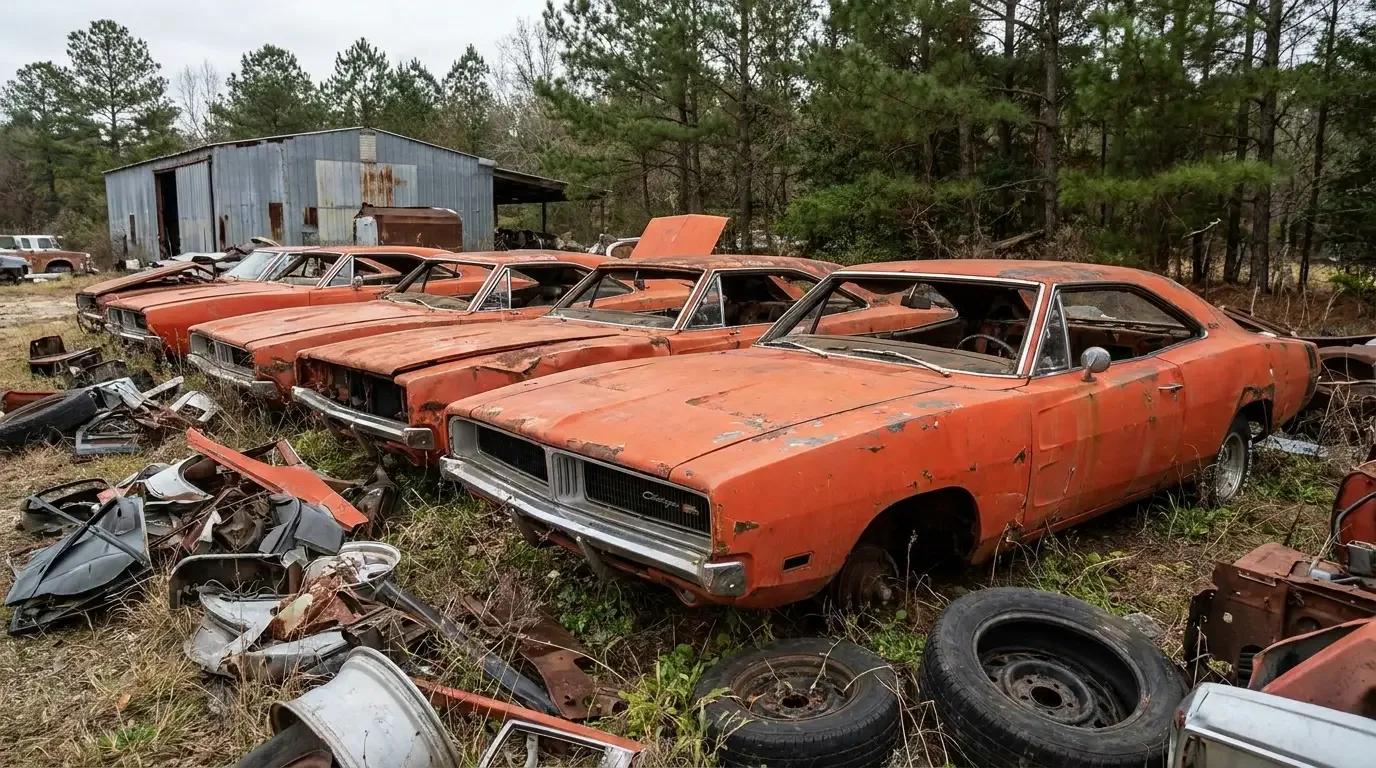
The call sheet on a Georgia back road in the summer of 1979 rarely used the word "car." It used the word "unit." Somewhere between forty and fifty identical orange Dodges cycled through Warner Bros' stunt fleet before the first season of The Dukes of Hazzard wrapped, and by the time the cameras stopped rolling on the last one, most of them were scrap piled behind a Covington, Georgia body shop. Nobody involved thought they were building a legend. They were burning through a budget line item as fast as the stunt team could total them.
The car itself was a 1969 Dodge Charger, chosen less for nostalgia than for what was sitting on used car lots at the time: a body style with a wide stance, a long hood, and enough structure under the skin to survive being launched off a dirt berm at forty miles an hour, at least once. Painted a color the production called Hazzard County Orange, numbered 01 on both doors, its horn rigged to blast the first bars of "Dixie" and its doors welded shut so the Duke boys could slide through the windows, it became General Lee before anyone on set had settled on how many of them the show would need.
Why the 1969 Charger became the General Lee
Warner Bros needed a car that read as muscle from a hundred yards away and could take a beating in front of the camera. The second-generation Charger, built for 1968 through 1970, had the sculpted body and the low roofline that read as menacing on film, but the production leaned on 1969 models specifically because that was the year most readily available on used lots in the late 1970s. A car built and sold roughly a decade earlier was, at that point, simply a used muscle car, not yet a collector's item, and that made it disposable in a way nobody would tolerate today.
The door-number and horn choices were pure television instinct. A number reads on camera from a moving shot in a way a badge never will, and a horn gag gives an editor a beat to cut on. Whether the production fully understood what those choices would come to represent decades later is a separate question entirely, and one this site leaves to the more on the Charger in pop culture piece to address directly.
How many Chargers the show actually used
The exact count depends on who is doing the counting and which seasons are included, since the production sourced cars in batches as the supply of clean 1968 and 1969 Chargers thinned out over the show's run. Estimates from cast members and the builders involved land somewhere between roughly 255 and 325 cars over the full series, and no single verified studio ledger has ever settled the figure precisely. On average, more than one General Lee was discarded per episode. The show's stunt coordinators became genuinely creative about which cars got the hero treatment, saved for close-ups and dialogue scenes, and which ones were designated for jumps and were already half-stripped before they ever left the ground.
The stunts that made the car iconic
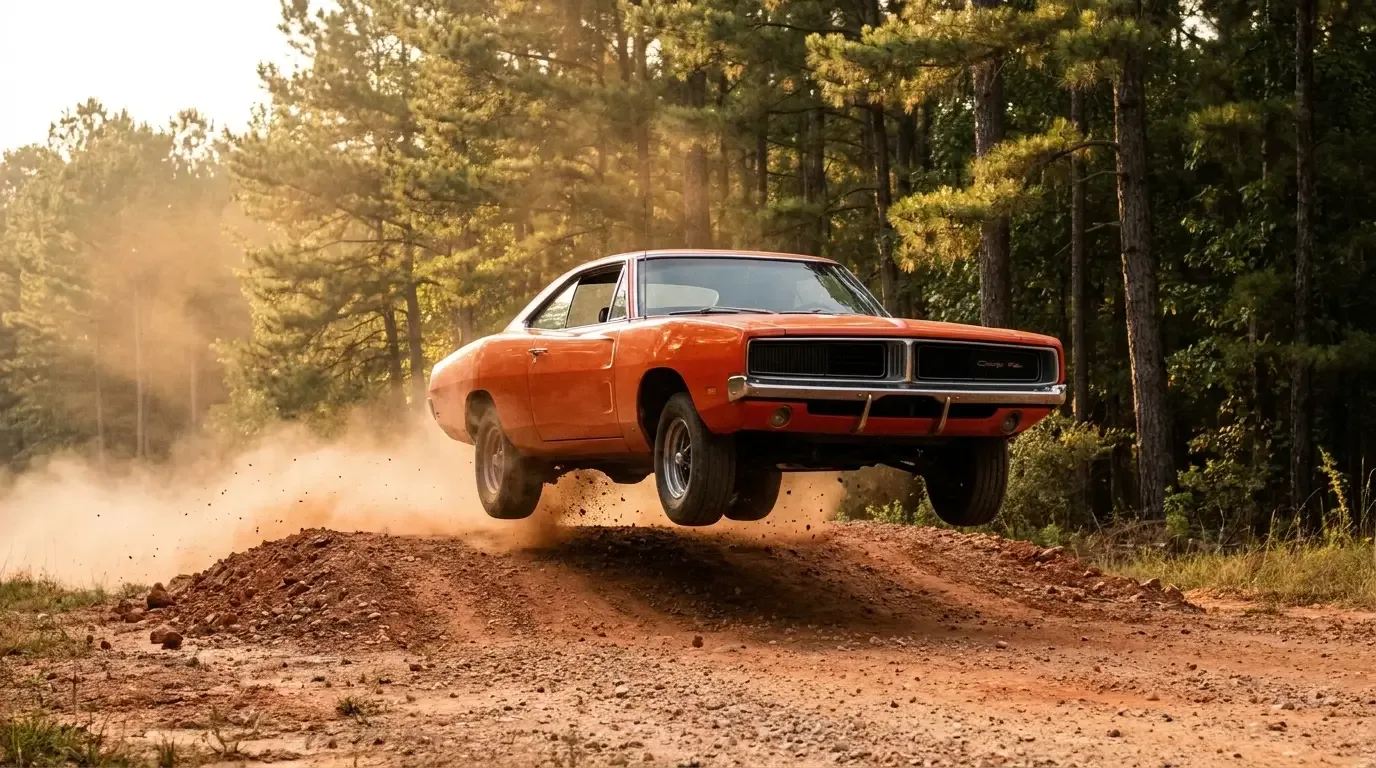
The jumps are the reason anyone remembers the car at all. A General Lee airborne over a creek bed or a police cruiser became the show's signature image, repeated so often that stunt drivers developed a specific technique for launching the Charger's nose-heavy front end without folding the frame on landing. Most jumps destroyed the car outright. Suspension components buckled, frames bent, and a car that survived one jump rarely survived a second, which is part of why the production burned through so many units in a single season.
The physical toll on the cars is a story in itself, one covered in more depth in the piece asking directly read more here, which walks through just how few of the original stunt cars are believed to have survived filming.
What the General Lee means for collectors now
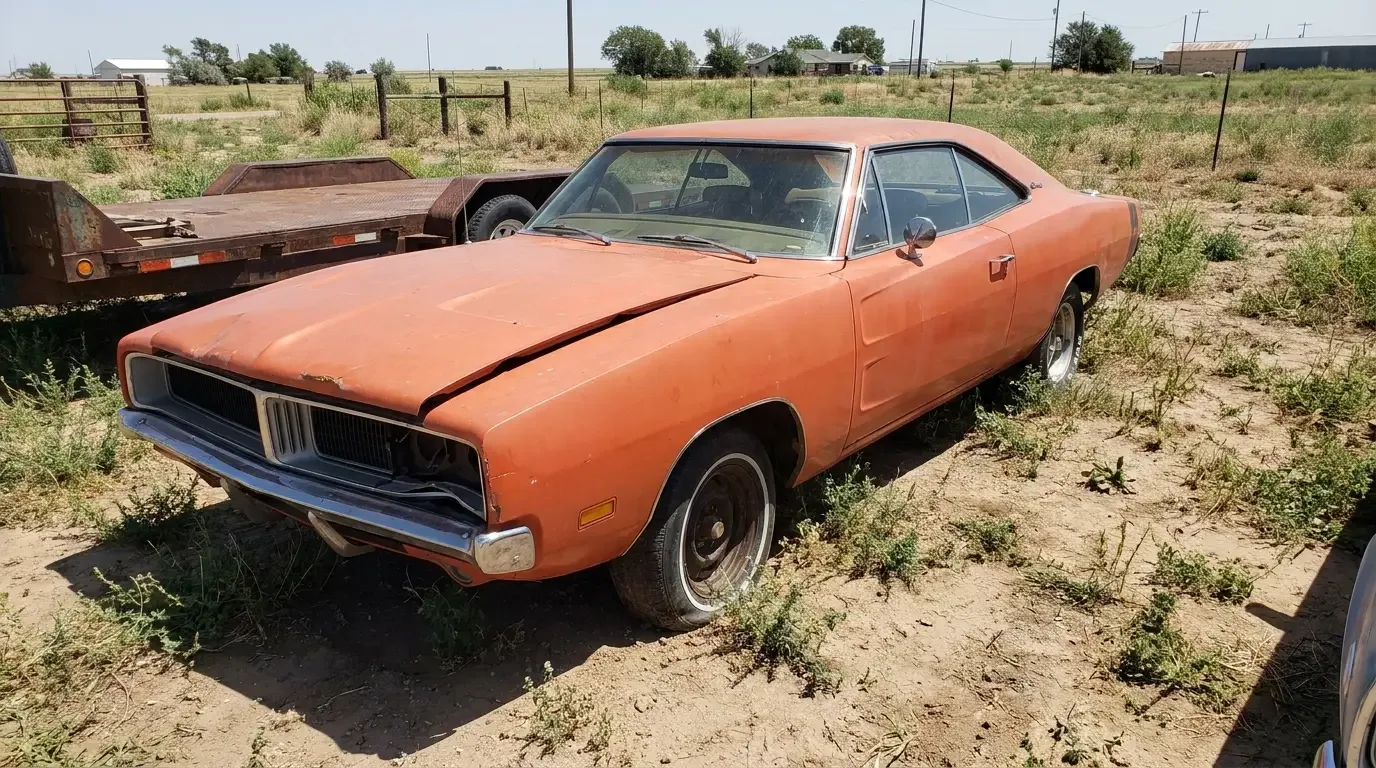
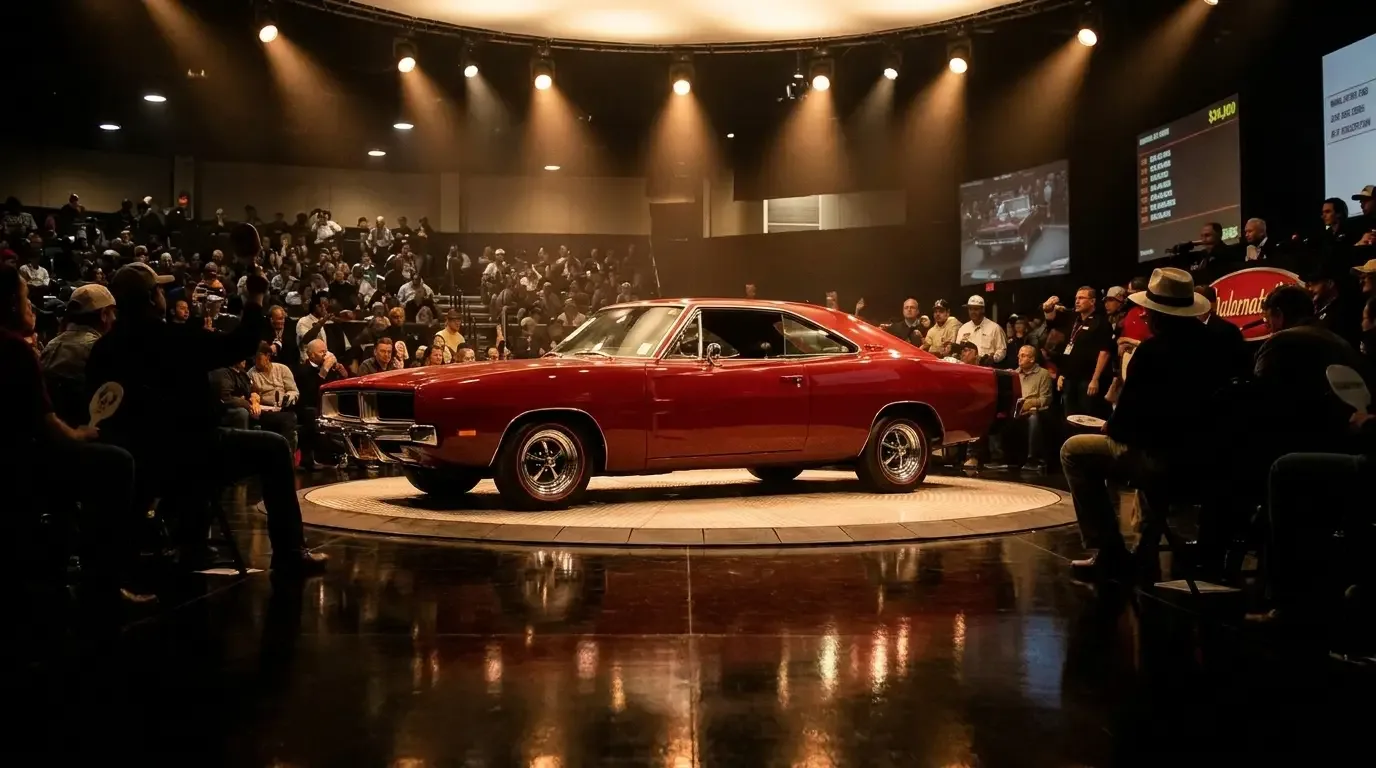
A genuine screen-used General Lee, verified through production paperwork or a documented chain of ownership, commands attention at auction that has nothing to do with what a standard 1969 Charger R/T would bring on its own merits. That gap between a real screen car and one of the thousands of orange tribute builds that followed the show's popularity is the entire ballgame for anyone shopping this corner of the hobby. A tribute car, built by a fan decades later with the right paint and door number, is a fine driver and a fun weekend project. It is not the same thing, and pricing it as if it were is where buyers get burned.
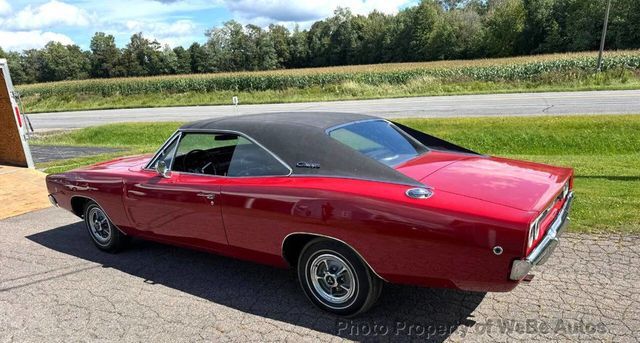
For anyone starting further back, before the orange paint and the horn, the car's own story begins with the factory, and that origin is laid out fully in dodge charger history. Plenty of unrestored, honestly represented examples from the same era, General Lee tribute or not, turn up among the Dodge Chargers for sale listed here, and most of them come without the Hollywood premium attached.
"People ask me if I'd rather have a real screen car or a clean, honest 1969 R/T that never saw a film set. I'll take the R/T every time. It still runs like a car is supposed to, and nobody's going to ask me to jump it over a ravine."
— Nora Beckett
What lingers about the General Lee isn't really the paint job or the horn gag. It's that a disposable prop, built from a car nobody was collecting yet, ended up defining how an entire generation pictured a muscle car flying through the air. The Chargers that survived that fate, quietly, in someone's garage instead of a stunt yard, are the ones worth finding now.
Sources and notes
- Wikipedia - General Lee (car) - confirmed the 1969 (and some 1968) Charger basis, welded doors, "Dixie" horn, "01" doors, and estimates of roughly 255 to 325 cars used with about 17 originals surviving.
- Mental Floss - What Happened to All Those Chargers - corroborated the roughly one-car-per-episode attrition and batch buying of used Chargers across the South.
- SlashGear - How Many Chargers Were Destroyed - cross-checked the total-cars figure and the range of published estimates.
- HotCars - The Dukes of Hazzard Charger - confirmed the disposable-prop production model and the second-generation body's on-screen appeal.
- SlashGear - General Lee facts fans should know - verified stunt-car handling details and the value gap between screen cars and tribute builds.