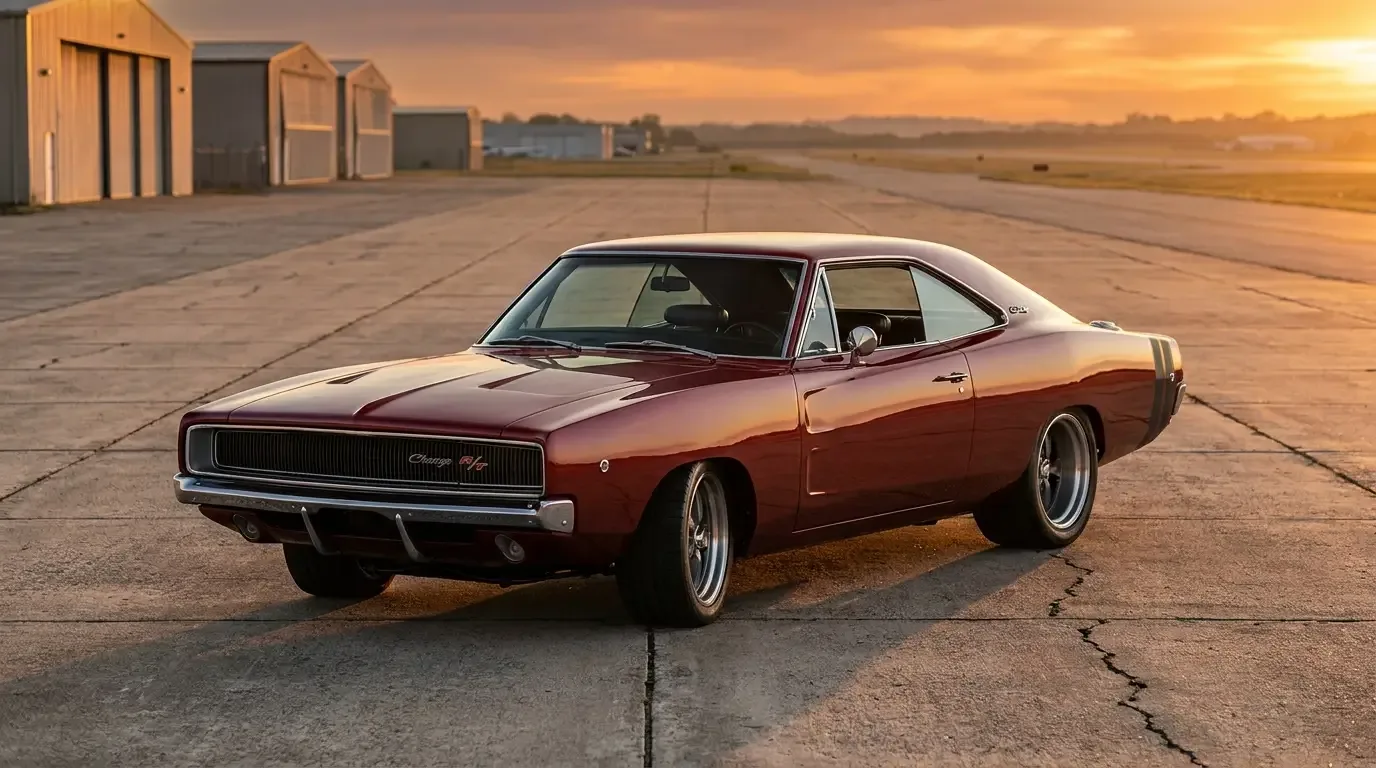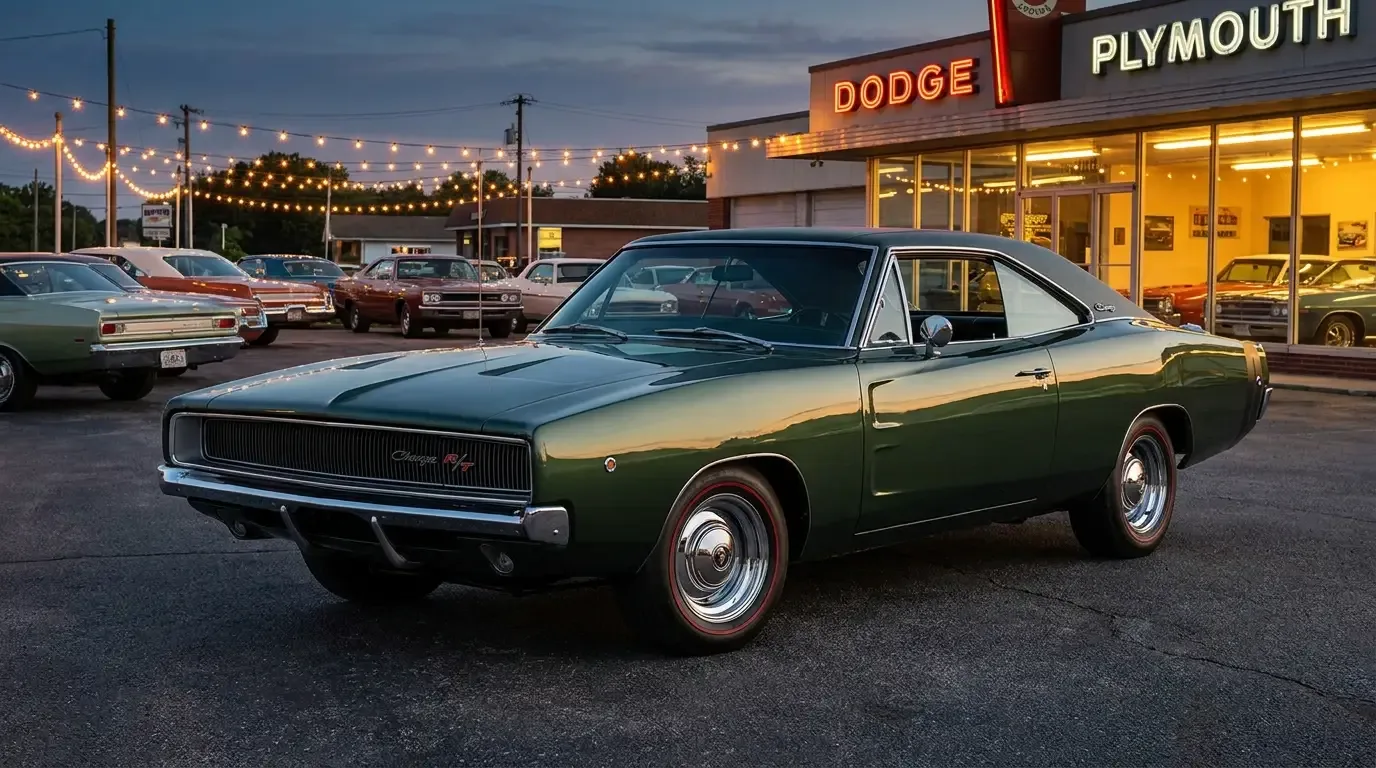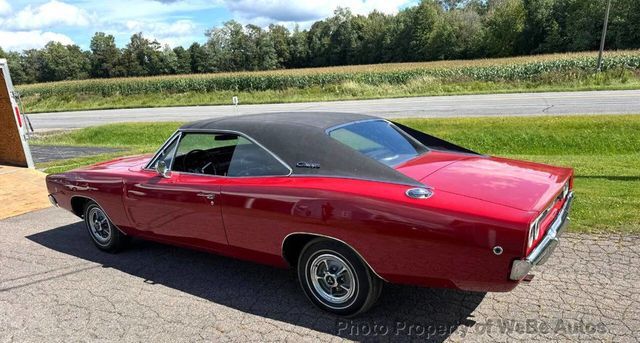
375 hp. That's the number Dodge put on paper for the 440 Magnum in the 1968 through 1970 Charger R/T, and it's the number that made the R/T a serious car without anybody having to check an options box. No other engine came standard in the package. You ordered an R/T, you got the 440 Magnum, full stop, and that single fact separated the Charger from a lot of competitors that called a small block with stripes a performance model.
I've dyno tested enough of these blocks to know the factory rating and the real world output aren't always the same conversation, and I'll get into where that gap actually sits. But start with the basics, because the basics are what most buyers get wrong.
What the 440 Magnum actually was
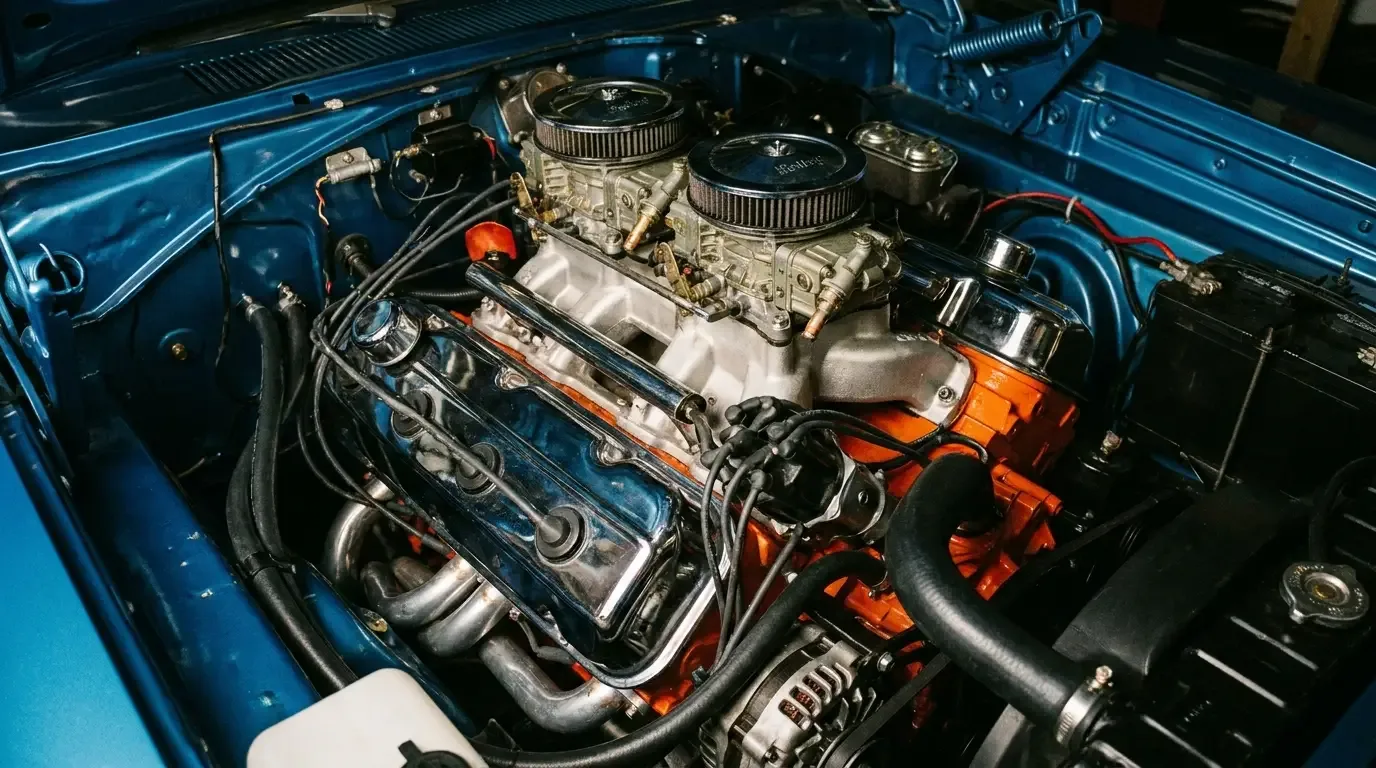
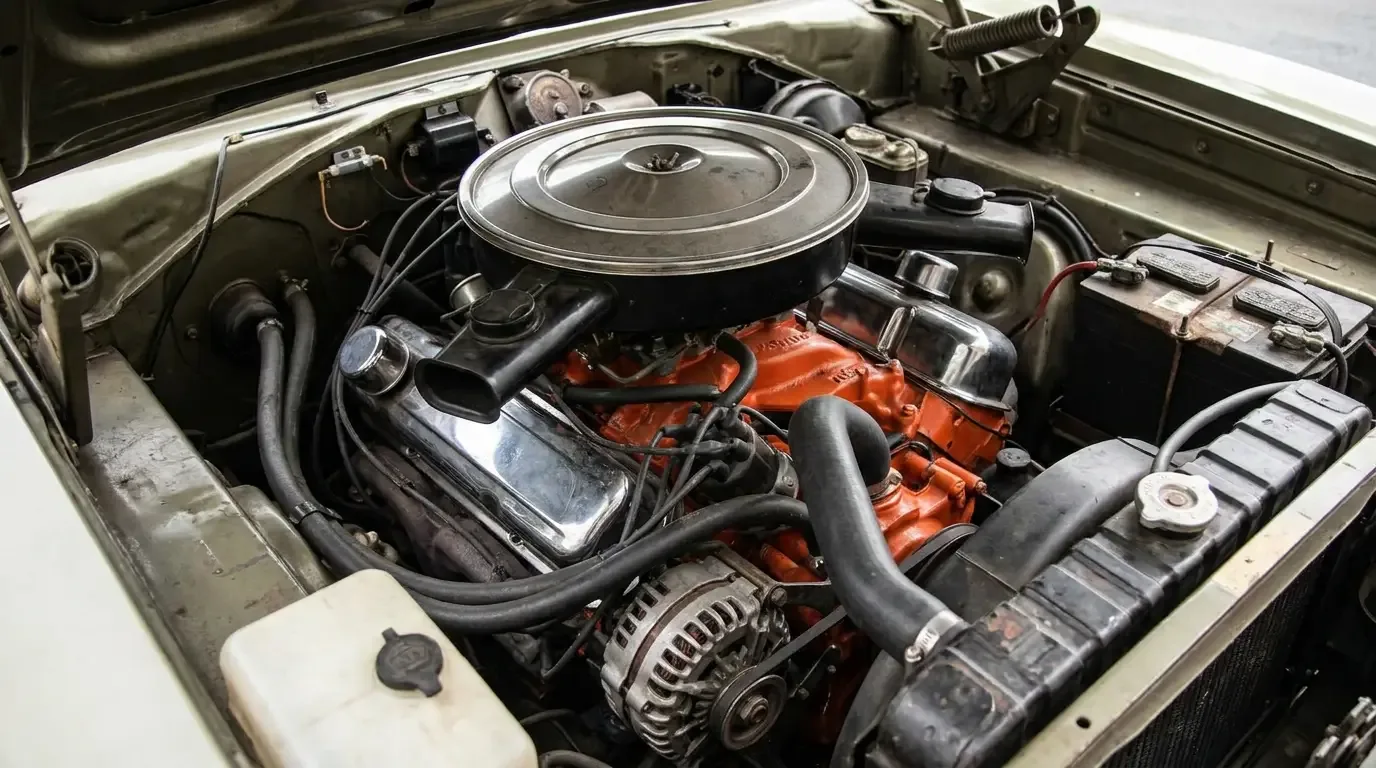
The 440 Magnum is a big block wedge V8, displacing 440 cubic inches, built around a cast iron block and iron heads with a single four barrel carburetor, a Carter AVS in most applications. It's not the Six Pack version, that's a different animal with three two barrel carbs and a different intake, and it's not the 440 used in lower trim Chargers, which ran a milder cam and different exhaust manifolds rated lower. The Magnum designation meant a specific camshaft, specific heads, and a dual exhaust system that the standard 440 didn't get. Compression sat around 10.1:1, which mattered because it meant premium fuel was mandatory, not optional, something a lot of buyers today forget when they fill an R/T with regular at the pump.
375 hp at 4600 rpm and 480 lb-ft of torque at 3200 rpm were the published figures, using the gross measurement standard of the era. Convert that to something closer to modern SAE net numbers and you're looking at meaningfully less, somewhere in the low 300s depending on which conversion method you trust. That's not a scandal, every manufacturer measured the same way back then. It's just context that matters when someone tells you their numbers matching R/T makes 375 hp today. It doesn't, not without a rebuild that changes the compression and cam from stock.
How it stacked up against the optional Hemi
The 426 Hemi sat above the 440 Magnum as a documented option, rated at 425 hp on paper, a number everyone in this hobby knows was conservative for insurance reasons. On a straight quarter mile run, a well tuned Hemi car will usually beat a well tuned 440 Magnum car by a few tenths, sometimes less than people expect given the 50 hp gap on paper. The real difference showed up in tuning complexity and cost. The Hemi needed more attention, ran hotter in traffic, and cost a real premium at the dealer, which is why take rates on the Hemi option stayed in the low single digits most years while the 440 Magnum carried the bulk of R/T production. If you want the full comparison, read more here on what the Hemi option actually delivered and cost.
"The blower looks great on the invoice. On the dyno it made twelve more horsepower than the combo that cost a third as much. That's the number that matters."
— Dan Reeves
| Spec | 440 Magnum (Charger R/T standard) |
|---|---|
| Displacement | 440 cubic inches |
| Horsepower | 375 hp (gross rating) @ 4600 rpm |
| Torque | 480 lb-ft @ 3200 rpm |
| Carburetion | Single 4-barrel Carter AVS |
| Compression | 10.1:1 |
| Fuel requirement | Premium, mandatory |
What actually goes wrong on these engines
The 440 Magnum is a genuinely durable block, that's not in question. What fails on these cars usually isn't the bottom end, it's the peripherals. Exhaust manifolds crack, especially the driver's side on cars that saw hard use, and factory replacements are getting harder to source correctly numbered. Carburetors get rebuilt badly by shops that don't understand the AVS circuit, leading to flat spots and rich idle that owners blame on the engine instead of the tune. And timing chains stretch on higher mileage cars that never got a chain replacement, showing up as sluggish low end response that a lot of sellers describe as "just needs a tune up" when it's actually a bigger job.
None of that makes the 440 Magnum a bad engine to own. It makes it an engine you inspect with a mechanic who's actually pulled a few apart, not one who's only read the spec sheet. The block numbers stamped on the pad should match what the fender tag claims, and that's the same due diligence that applies across the Charger R/T chapter of this car's history, where the standard engine spec is really the whole story for most buyers.
Why the standard engine still defines the car
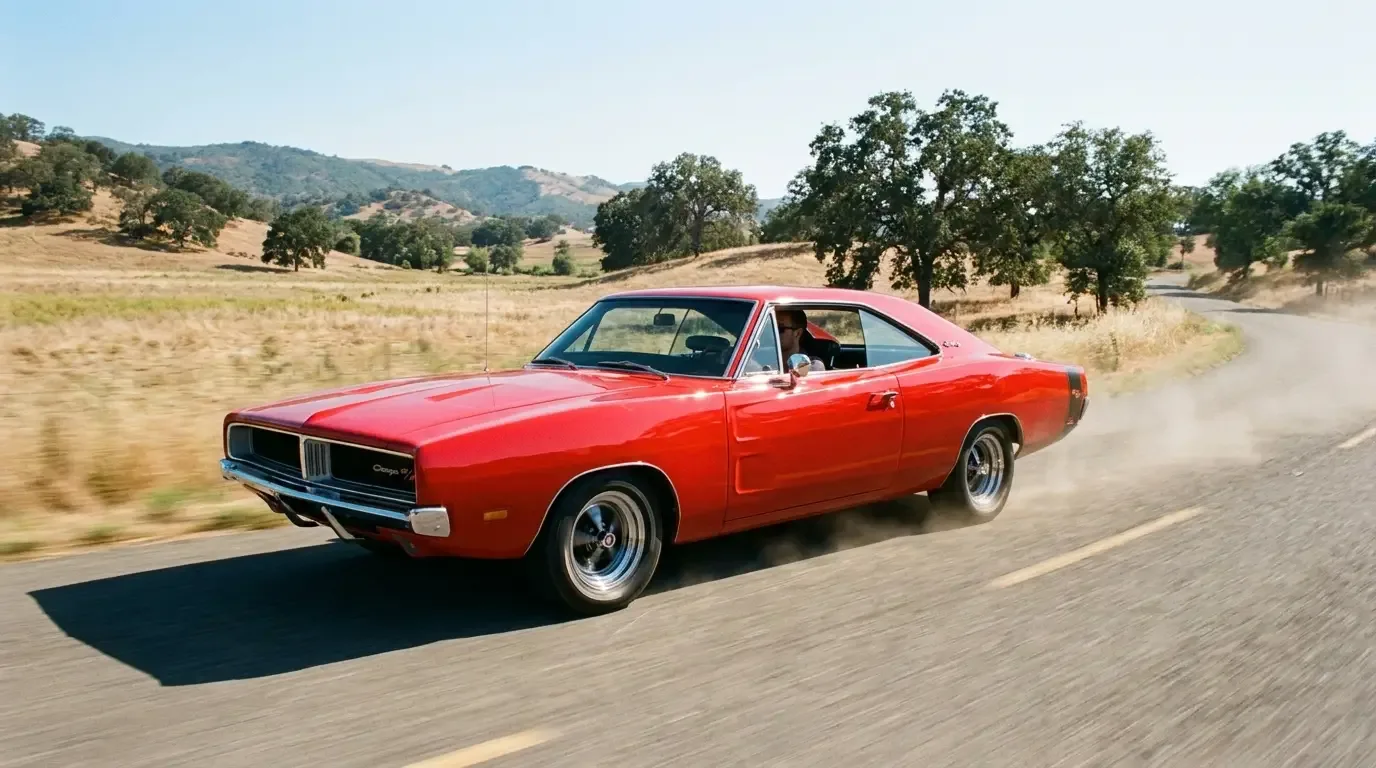
People chase the Hemi cars for the headlines and the auction results, and that's fair, rarity drives price. But the 440 Magnum is what made the R/T package a genuine performance car for the overwhelming majority of buyers who actually wrote a check for one in period. It's the number that shows up on most build sheets, the engine most surviving R/Ts actually carry, and the one that determines what a "numbers matching" claim really means on the car you're looking at. Skip the Hemi mythology for a minute and look at what the 440 Magnum actually delivered: a genuinely quick car, a durable long block, and a straightforward ownership experience compared to the more finicky top option. That's not a consolation prize. For most of this car's history, it was the point.
Sources and notes
- Mac's Motor City Garage: Inside the Dodge 440 Magnum - 375 hp gross, 480 lb-ft, compression and carburetor detail.
- Jalopnik: 440 vs 440 Magnum - Magnum-specific cam, larger valves and dual exhaust versus the base 440.
- Automobile-Catalog: 1968 Charger R/T 440 Magnum - factory output figures and rpm peaks.
- Wikipedia: Chrysler RB / B engine - 440 architecture shared with C body sedans in milder tune.
- Muscle Car Club: Chrysler 440 engine guide - durability, common failure points, gross-to-net context.