The guy running the swap meet table at a Mopar show in Ohio had a stack of period magazine ads spread out under glass, Road Runner next to Charger R/T next to Chevelle SS, all from the same year, all making the same promise in slightly different words. That's the muscle wars in one folding table. Not a single dramatic showdown, but four or five manufacturers running the same play at the same time, each convinced their version of big engine plus mid-size body was the one buyers would remember.
The Charger R/T entered that fight in 1968 and never really left it until the segment itself collapsed a few years later. Understanding where it sat in that competitive landscape says more about the car than any spec sheet, because the R/T wasn't built in a vacuum. It was built as an answer to specific competitors, and it kept changing in response to what those competitors did next.
Who the R/T was actually built to beat
Dodge's own corporate stablemate, the Plymouth Road Runner and GTX, shared engines and often shared a factory floor with the Charger, which made the internal competition almost as sharp as the external one. Outside the Chrysler family, the R/T's real rivals were the Chevrolet Chevelle SS 396, the Pontiac GTO, and the Ford Torino GT, all mid-size cars carrying big-block or near-big-block power in a package built for a young buyer with a factory job and a weekend to spend on it. The the Charger feature on Classic Cars Arena covers the R/T's own mechanical specifics in detail, but the short version for comparison purposes is a standard 440 Magnum backed by an optional 426 Hemi, output that matched or beat most of what Chevrolet and Pontiac were fielding in the same years.
Where the Charger actually won
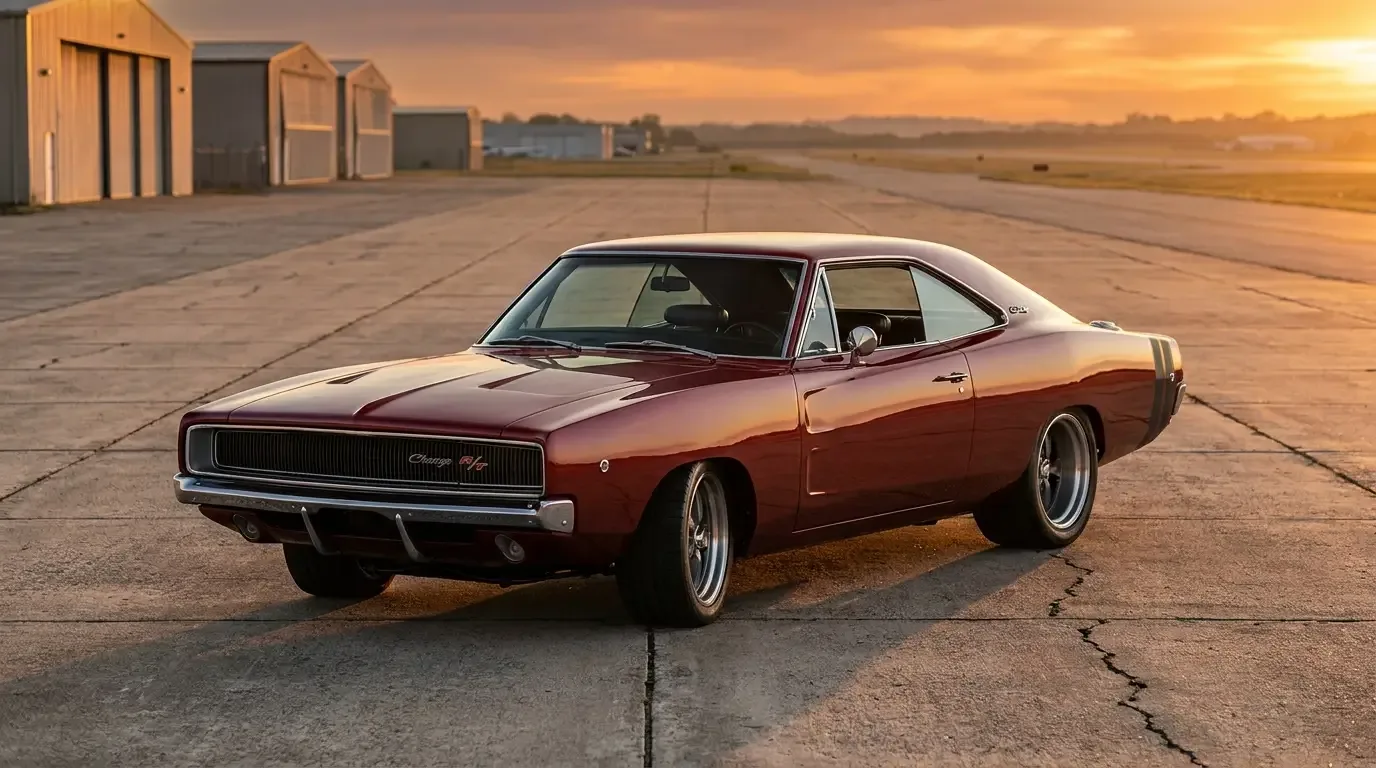
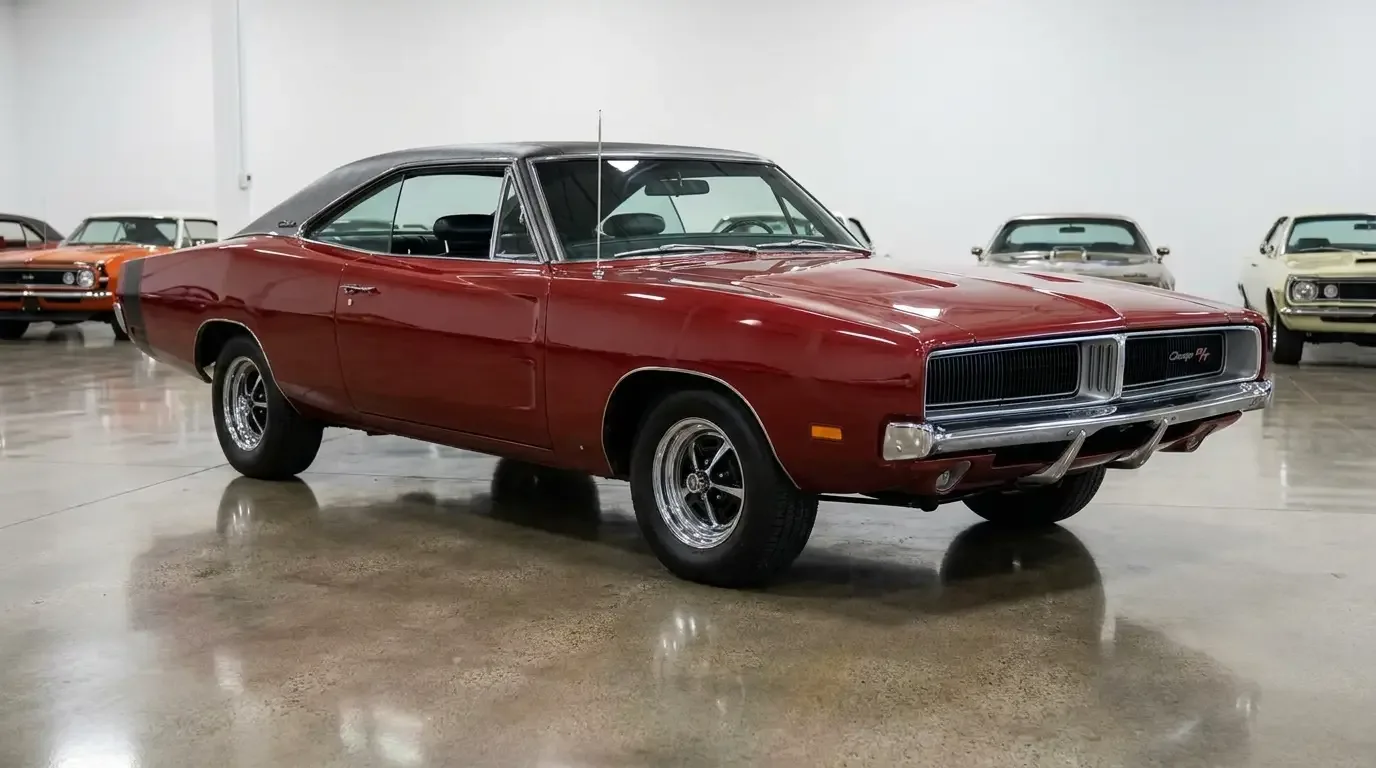
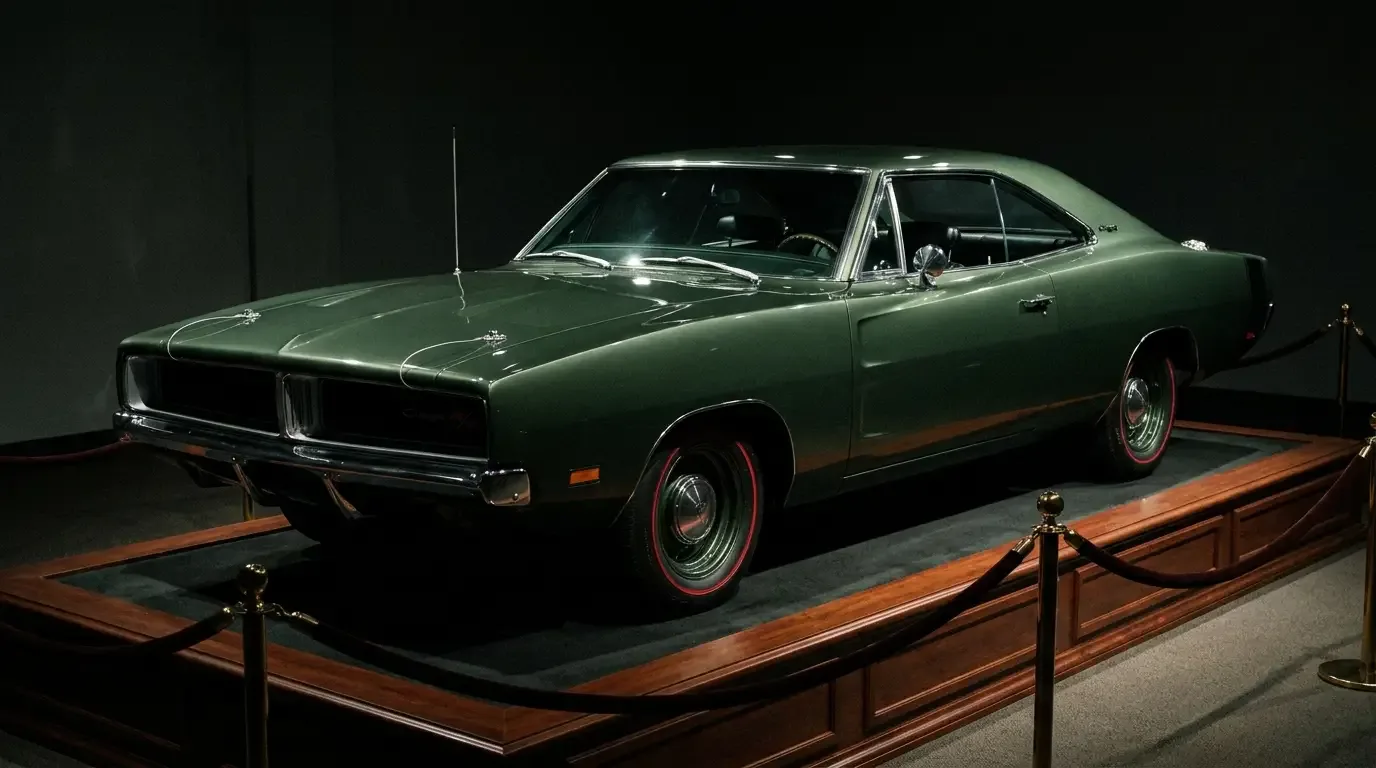
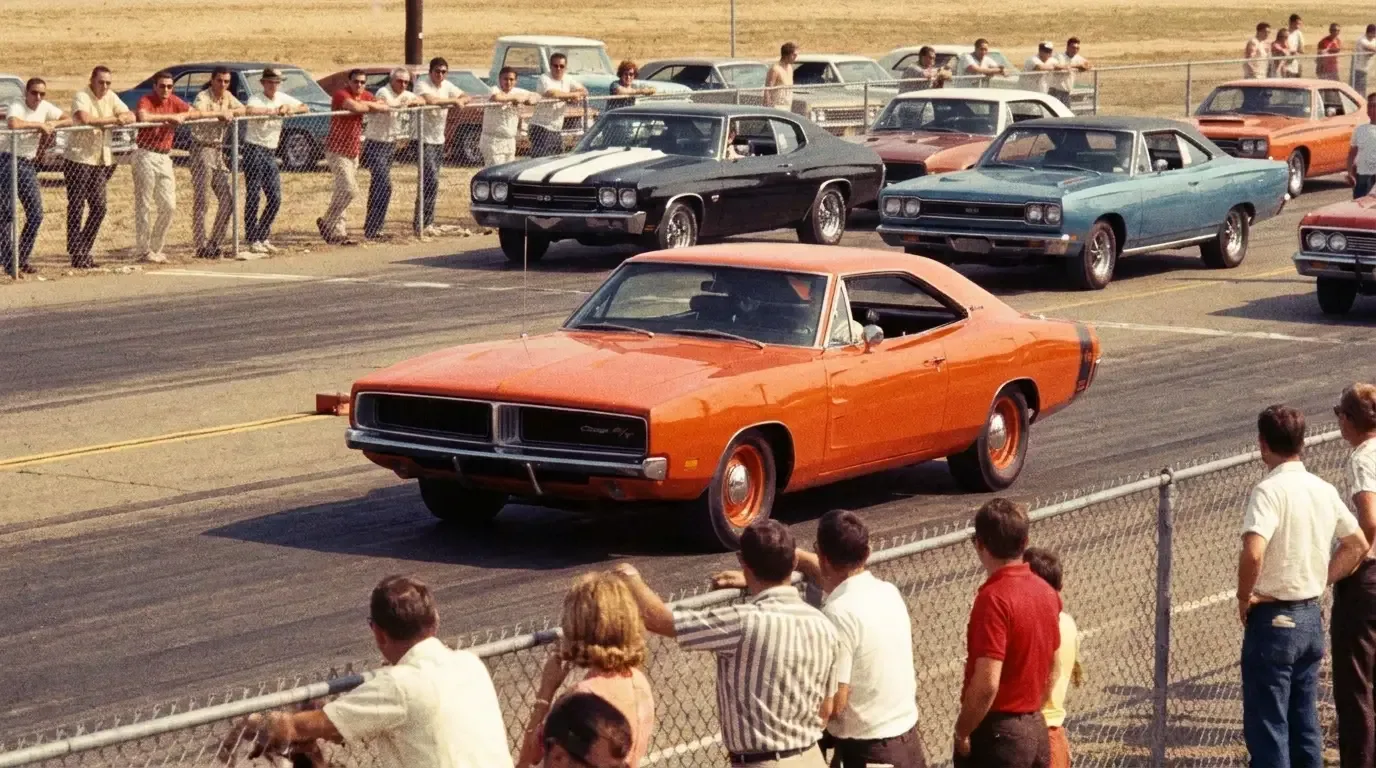
On a drag strip, in a straight line, the Hemi-equipped R/T could out-run nearly anything GM or Ford built for the street in the late 1960s, at least on paper. In practice, Hemi Chargers were rare enough, and expensive enough, that most head-to-head bragging happened between 440-equipped R/Ts and 396 or 400-cubic-inch competitors, a fight the Charger usually won by a modest but real margin. Where the R/T pulled ahead of nearly everyone, though, wasn't on the strip. It was in styling. The 1968 to 1970 coke-bottle body remains, even now, one of the most photographed and most replicated shapes to come out of Detroit's muscle era, and it gave the R/T a cultural footprint that outlasted its actual sales numbers.
"The guy I talked to at Carlisle had owned his car since 1974. Drove it there every single year, even the time the water pump let go outside Harrisburg."
— Patrick Walsh
Where the R/T actually lost ground
Sales tell a less flattering story than styling does. The Chevelle SS consistently outsold the Charger R/T across nearly every comparable year, and the Road Runner, the R/T's own corporate sibling, undercut it on price while offering nearly identical mechanical hardware. Plymouth built the Road Runner as a stripped-down, cartoon-branded budget muscle car, and it worked. Buyers who wanted the engine but not the extra trim and price of the R/T package simply bought the cheaper Plymouth instead, which is part of why Road Runner production regularly beat the Charger R/T's numbers during the same seasons.
That internal cannibalization matters as much as the external competition when explaining the R/T's overall production figures. Chrysler wasn't just fighting Chevrolet and Ford for muscle car buyers, it was fighting itself across three or four different badges built on the same B-body platform, and the Charger R/T often lost that fight to its cheaper cousin.
| Competitor | Key Engine | How It Compared to the R/T |
|---|---|---|
| Plymouth Road Runner | 440 Six Pack, 426 Hemi | Cheaper, similar power, higher volume |
| Chevrolet Chevelle SS 396 | 396/402 big block | Slightly less power, much higher sales |
| Pontiac GTO | 400/455 big block | Stronger brand identity, similar performance range |
| Ford Torino GT | 428 Cobra Jet | Comparable straight-line performance, different market focus |
The marketing fight mattered as much as the mechanical one
Advertising in this era wasn't subtle, and the muscle wars were fought as hard in magazine spreads as they were on any drag strip. Plymouth leaned into cartoon branding and a stripped-down, no-frills pitch with the Road Runner, right down to licensing the actual Road Runner cartoon character and horn sound from Warner Bros. Dodge took a different approach with the R/T, positioning it as the more grown-up, better-equipped performance car in the family, closer in spirit to the GTX's "gentleman's muscle car" pitch than to the Road Runner's deliberate cheapness. That positioning meant the R/T often cost more than a comparably equipped Road Runner, and it meant Dodge's ad campaigns spent more time talking about ride quality, standard equipment, and overall refinement than raw quarter-mile numbers.
Chevrolet ran a similar split strategy within its own lineup, the Chevelle SS competing on both value and image depending on trim level, while Pontiac built its entire GTO identity around being first to the big-engine-in-a-mid-size-body formula and defended that reputation aggressively in every ad it ran. None of these companies were just building cars. They were building narratives, and the narratives shaped which buyers ended up on which showroom floor as much as the actual dyno numbers did.
Rarity as the R/T's real legacy
Because the R/T lost the volume war to several of its rivals, especially its own corporate siblings, it ended up with a lower total production count across its four model years than cars people often assume outsold it. That relative scarcity is exactly why certain R/T configurations command such attention from serious collectors today. the Rarest Charger R/T story gets into the specific engine, color, and option combinations that turn an already uncommon car into a genuinely rare one, and it's a natural next stop for anyone trying to understand why some R/Ts sell for multiples of others that look nearly identical.
What the muscle wars actually decided
The muscle wars didn't end because one manufacturer won. They ended because insurance companies, emissions regulators, and a shifting economy made the whole category expensive to build and expensive to insure at roughly the same time, around 1971 and 1972 across nearly every nameplate involved. The Charger R/T didn't lose to the Chevelle or the Road Runner in any final sense, it just stopped being built alongside them when the entire fight moved on. Anyone who wants the fuller arc of how the Charger nameplate absorbed that shift and kept going in different forms should read the dodge charger history for the complete picture from 1966 through the final B-body years. What the R/T left behind wasn't a trophy from beating the competition. It was a shape and a reputation that outlasted every rival's sales figures from the same years.
Sources and notes
- Wikipedia - Dodge Charger - confirmed the R/T's 440 Magnum standard / 426 Hemi optional lineup and its B-body platform siblings.
- Wikipedia - Plymouth Road Runner - confirmed the Road Runner's budget positioning, Warner Bros. licensing, and higher volume than the R/T.
- Wikipedia - Chevrolet Chevelle SS - confirmed the SS 396/402 big-block spec and its strong sales relative to the Charger R/T.
- Wikipedia - Pontiac GTO - confirmed the GTO's 400/455 engines and its "first mid-size big-block" brand identity.
- Hagerty - 1968 - 70 Charger buyer's guide - background on the R/T's styling-led reputation outlasting its sales figures.