Every appraisal of a Charger R/T starts with the same question, and it isn't about the paint or the engine bay. It's how many were built the year this one left the factory. Production numbers set the ceiling on what a car can be worth before condition, documentation, or originality ever enter the conversation. A rare year with a thin surviving population supports a real premium. A common year does not, no matter how clean the car looks in photos.
The R/T package ran from 1968 through 1971, four model years, and the production curve across those years isn't a straight line. It rises, peaks, and then falls off a cliff, and understanding why matters more than just memorizing the totals. For the broader story of what the R/T represented mechanically and culturally, there's more on the Charger R/T worth reading alongside these numbers.
1968: the introduction year
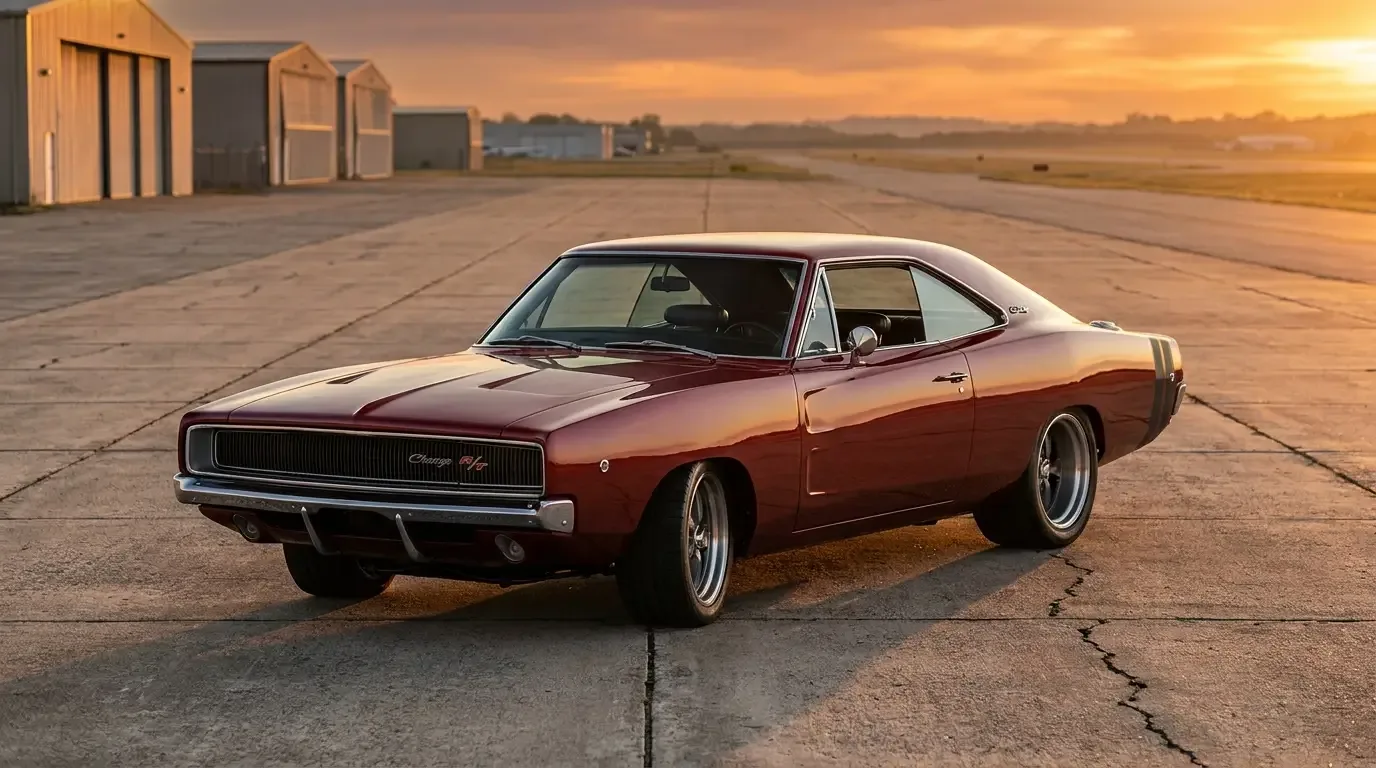
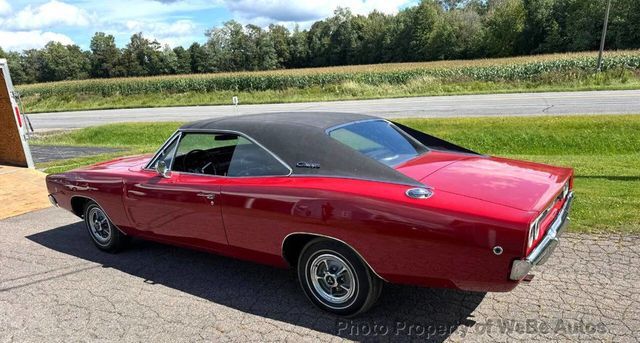
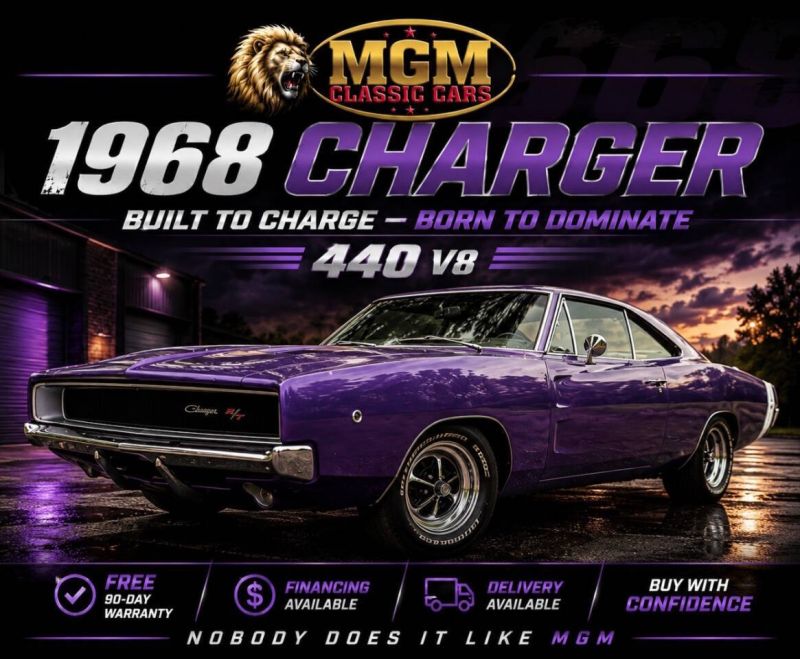
The R/T debuted alongside the second-generation Charger's coke-bottle redesign, and Dodge built approximately 17,665 Charger R/Ts for 1968, a strong opening year that the package would only exceed once, in 1969, before the long decline set in. The 440 Magnum was the standard engine, with the 426 Hemi available as a well-known but low-volume option. That first year benefited from genuine novelty, the new body shape was a sensation on the show floor, and the R/T package rode that wave to numbers that held for exactly one more season.
1969: a strong second year, with an asterisk
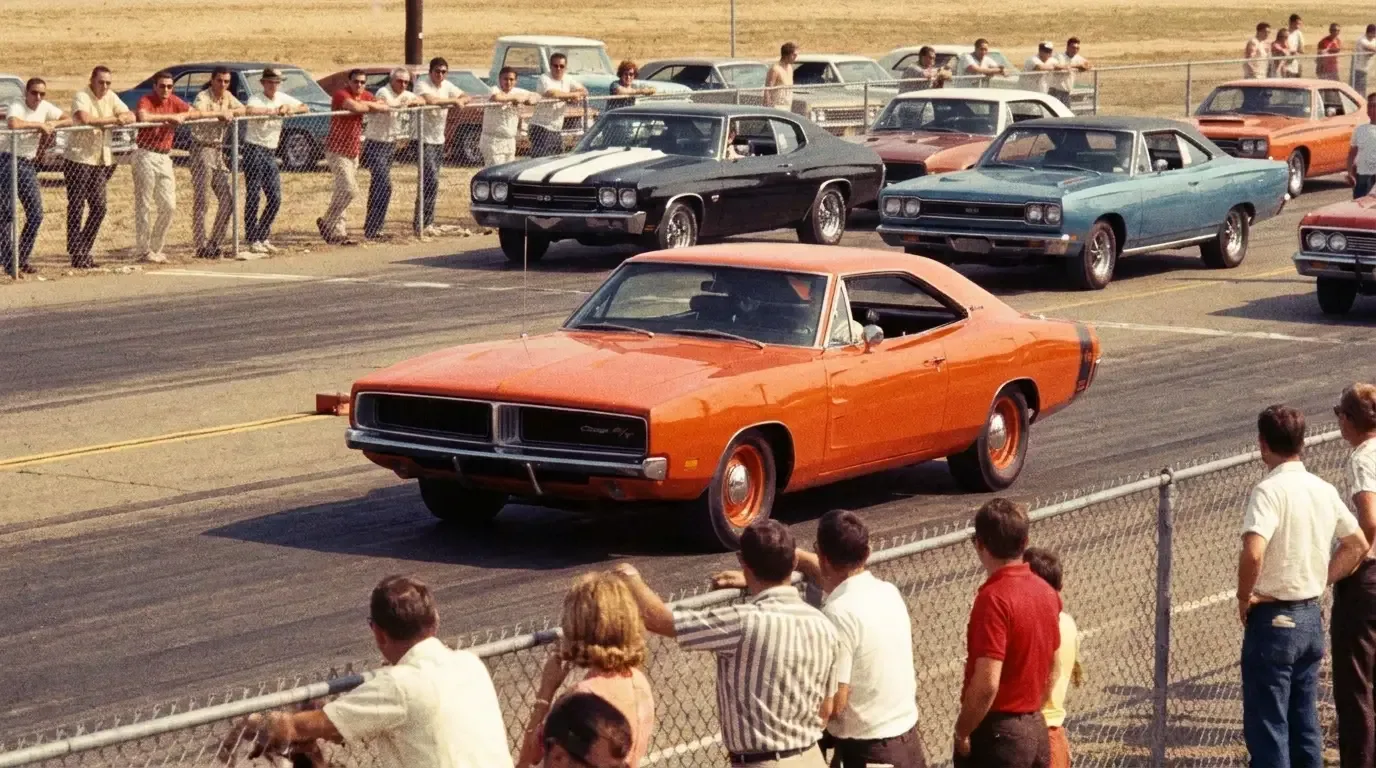
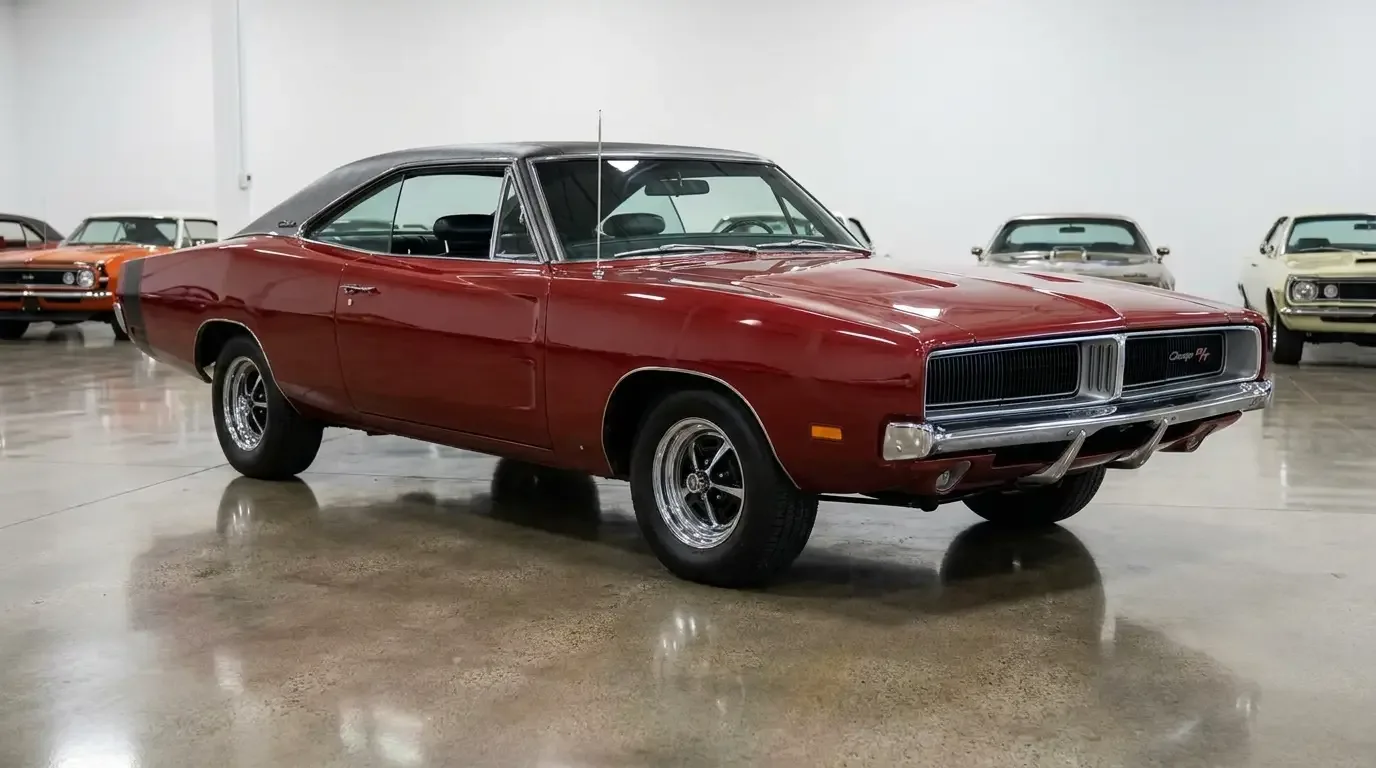
1969 production held reasonably steady, with Dodge building around 20,057 R/Ts once the Charger 500 and Daytona variants are set aside as their own distinct models. This is the year most collectors point to as the sweet spot, strong power, minimal emissions compromise, and a body style that had settled into being one of the most recognizable shapes of the era. Fender tag codes from this year are heavily scrutinized because the aftermarket has produced more convincing clones of 1969 R/Ts than any other year, simply because demand supports the effort.
"A #2 car with a thin paper trail isn't a #2 car when the check clears. It's a #3 with a good story, and the appraisal has to say so."
— Marcus Feld
1970: the last of the second generation
Production dropped further for 1970, with roughly 10,337 R/Ts built in the final year of the coke-bottle body before the fuselage redesign. This is a genuinely underrated year in the collector market. The 1970 R/T carries a unique grille and taillight treatment, sits between the two more famous body generations, and as a result often trades for less than a comparable 1968 or 1969 car despite lower production numbers. That gap has been narrowing over the last several years as buyers do the math on scarcity versus nostalgia.
| Model Year | Approximate R/T Production | Body Style |
|---|---|---|
| 1968 | 17,665 | Second-generation coke-bottle |
| 1969 | 20,057 | Second-generation coke-bottle |
| 1970 | 10,337 | Second-generation, final year |
| 1971 | 3,118 | Third-generation fuselage |
1971: the collapse and the end
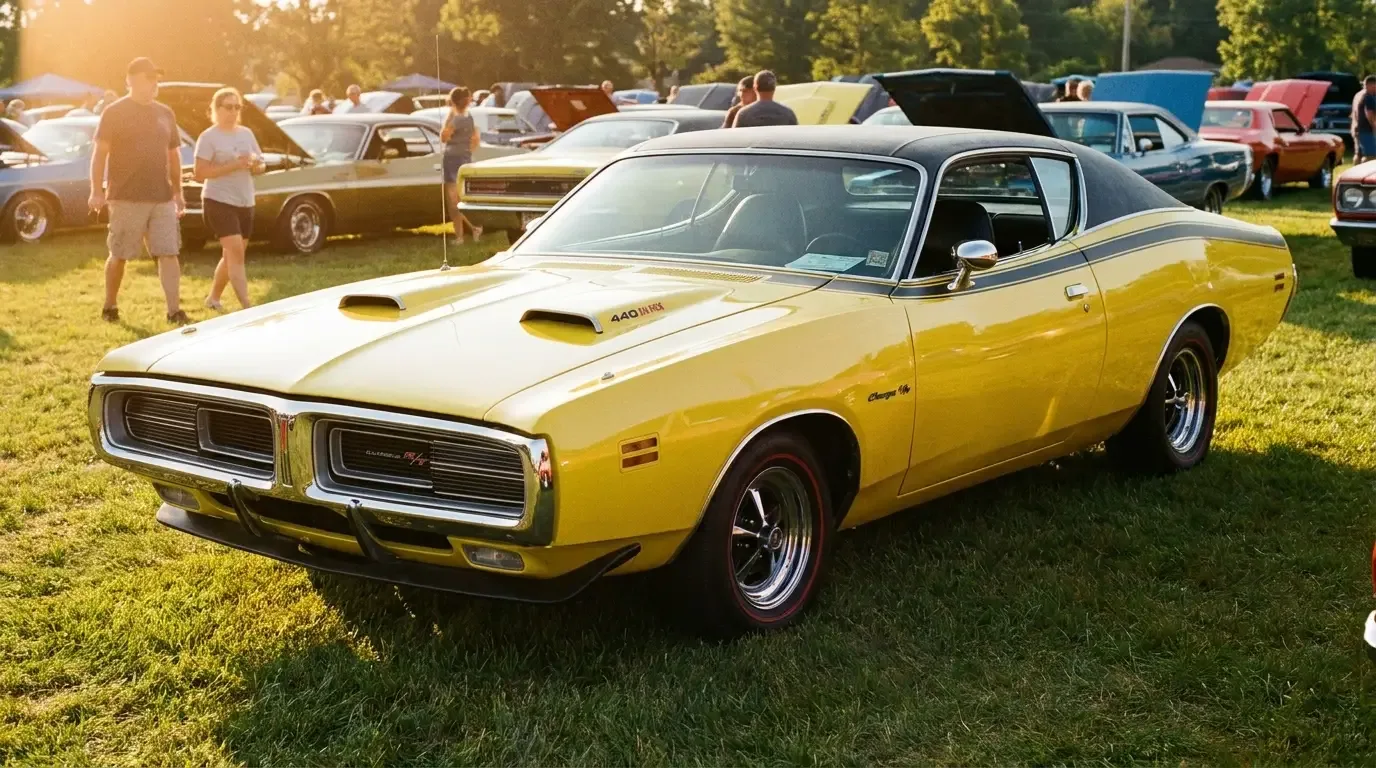
The 1971 redesign brought the fuselage body, and R/T production collapsed to approximately 3,118 units, less than a fifth of the 1968 introduction year. Insurance surcharges, tightening emissions rules, and a general market pullback from high-performance packages all compounded at once. Dodge discontinued the R/T name after this year, replacing it with lower-output trims that borrowed some visual language without the mechanical substance. A full account of how that shift played out across the muscle car segment generally is worth a look, and read more here covers how the R/T fit into that wider decline.
Why comparing production numbers across years is tricky
One mistake I see constantly in appraisal disputes is comparing raw production totals across years as if they measure the same thing. They don't, not exactly. The 1968 total includes a body style that ran for three model years with only minor annual changes, so the population of 1968-specific parts and trim pieces is smaller than the headline number suggests once you account for how many cars got updated grilles or taillights during a mid-year running change. The 1971 total, by contrast, represents a single, self-contained body style that never carried over, which makes every surviving 1971 R/T a cleaner data point for scarcity purposes than a 1968 car might be. I factor this into every appraisal, because a client who hears "1971 had the lowest production" needs to understand that low production combined with a distinct body style is a stronger rarity claim than low production alone.
There's also the question of how these totals were originally compiled. Chrysler's own internal records from this era weren't always kept with the same rigor collectors now apply to them, and independent researchers have had to cross-reference broadcast sheets, dealer invoices, and surviving VIN registries to arrive at the numbers most sources cite today. That's part of why you'll see slightly different totals depending on which reference book or registry you consult, and why I treat any single-source production figure as an estimate rather than gospel until I've checked it against at least one other source.
What the numbers mean for value today
Scarcity alone doesn't set a price. A 1970 R/T with fewer than 11,000 built can still trade below a well-documented 1969 car if the 1969 example has better provenance, original paint, and a clean chain of ownership. What the production numbers do is establish the baseline argument for any premium a seller wants to charge. If someone's asking Hemi money for a car with a 440 build sheet, the production totals for that specific engine and year combination are the first thing to check, not the last. Buyers who skip that step end up paying 1968 introduction-year prices for a 1971 car that never had the same collector base to begin with.
The broader lesson from four years of data is that rarity in this segment moves in one direction only, down, as the market cooled year over year even while the cars themselves got more refined. That inverse relationship between refinement and volume is unusual in the muscle car world and it's part of why the R/T's production history rewards a closer look than most buyers give it.
Sources and notes
- Wikipedia - Dodge Charger - confirmed R/T production of 17,665 (1968), 20,057 (1969) and 10,337 (1970).
- Hagerty - 1968 - 70 Charger buyer's guide - corroborated the year-by-year R/T totals and the 1970 drop.
- 1971 Charger R/T Registry - confirmed the 3,118 total for 1971, the collapse year.
- Classic.com - 2nd-gen Charger R/T - market data supporting the scarcity-versus-value discussion by year.
- Wikipedia - Dodge Charger Daytona - confirmed the Charger 500 and Daytona are counted separately from standard R/T totals.