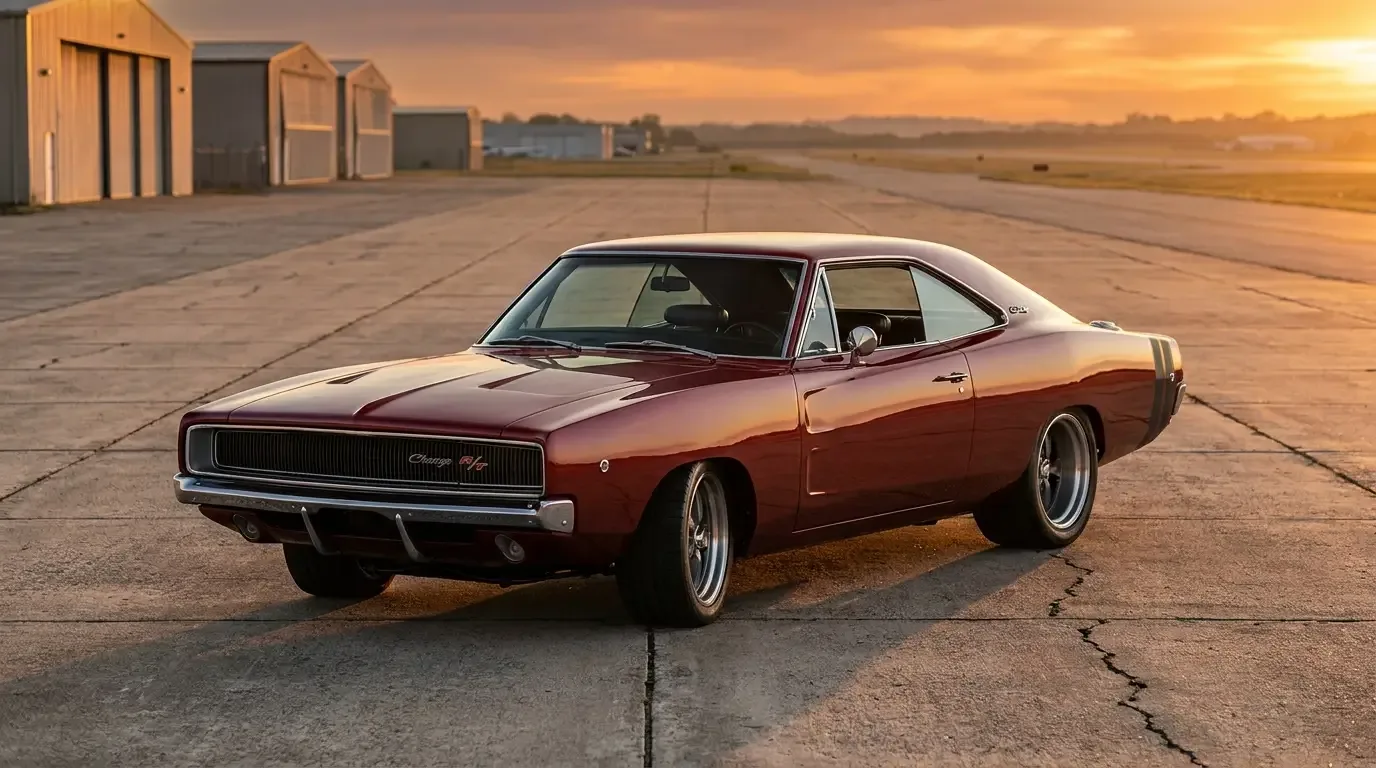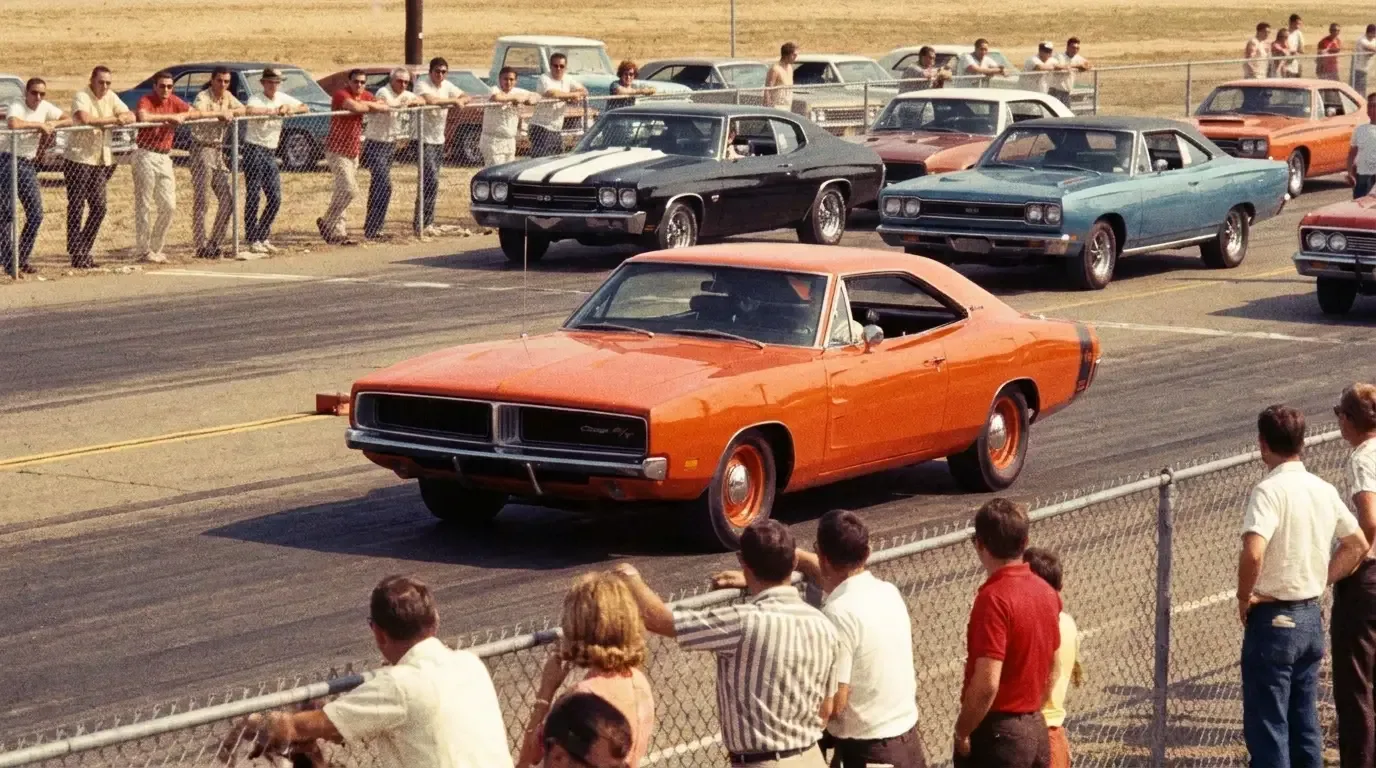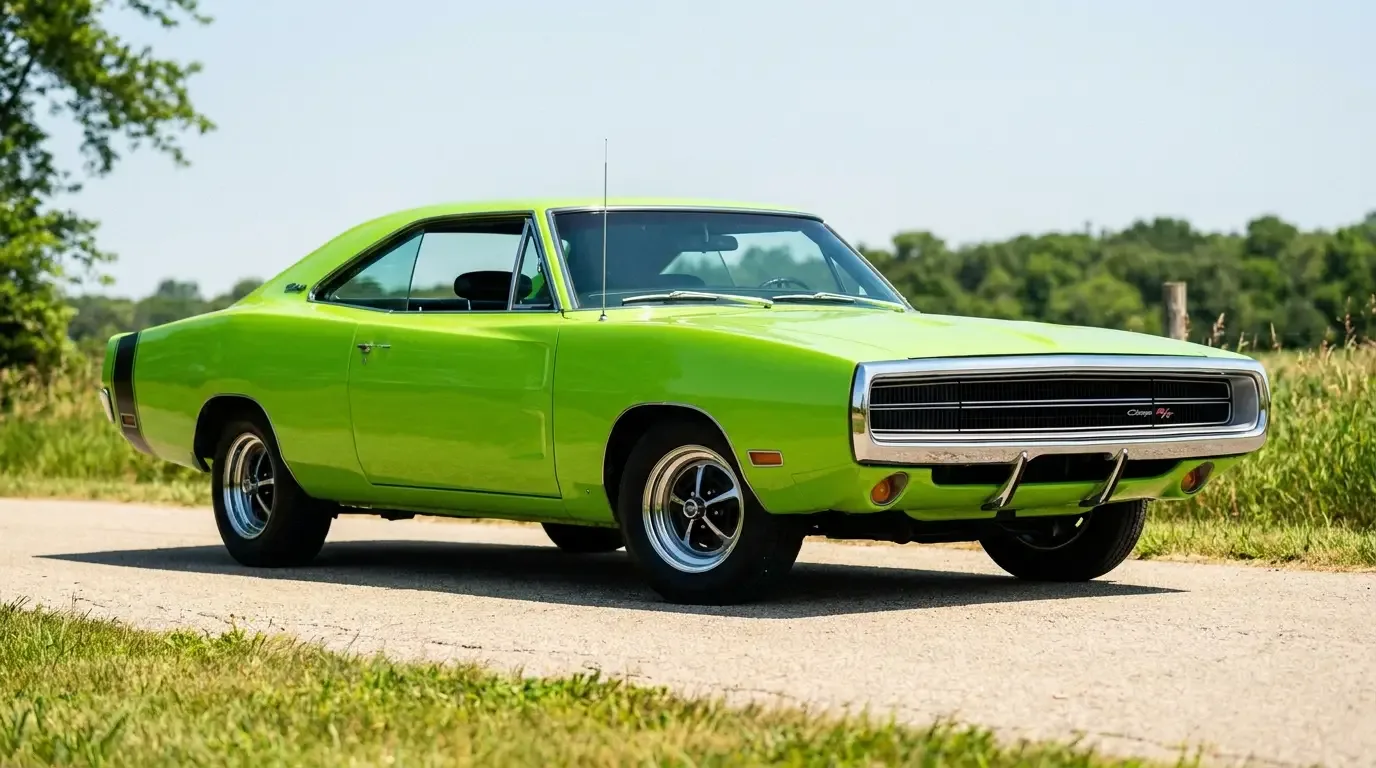
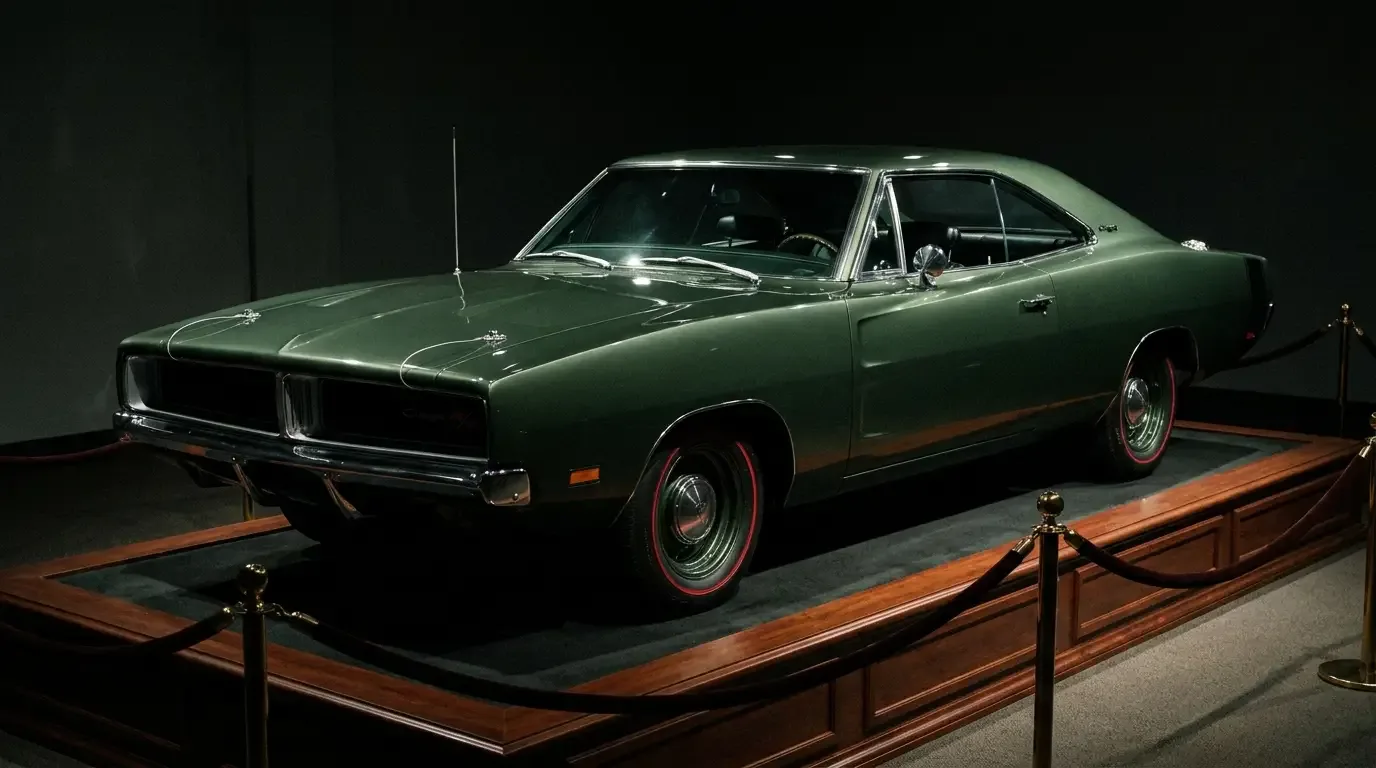
Everybody at the club had a theory about which R/T configuration was the rarest until somebody actually started pulling build sheets and comparing notes, and then most of the theories fell apart. A guy swore his 1969 was one of maybe a dozen built in that color with that interior. Turned out the color wasn't as rare as he thought, but the transmission he had was, and nobody had mentioned it because it wasn't the part he'd been bragging about for twenty years.
That's usually how it goes with rarity claims in this hobby. The R/T package itself was never mainstream, but within it there are combinations of engine, transmission, color, and options that go from uncommon to genuinely scarce, and the difference between those two categories is worth real money at a sale.
Hemi cars, the obvious answer
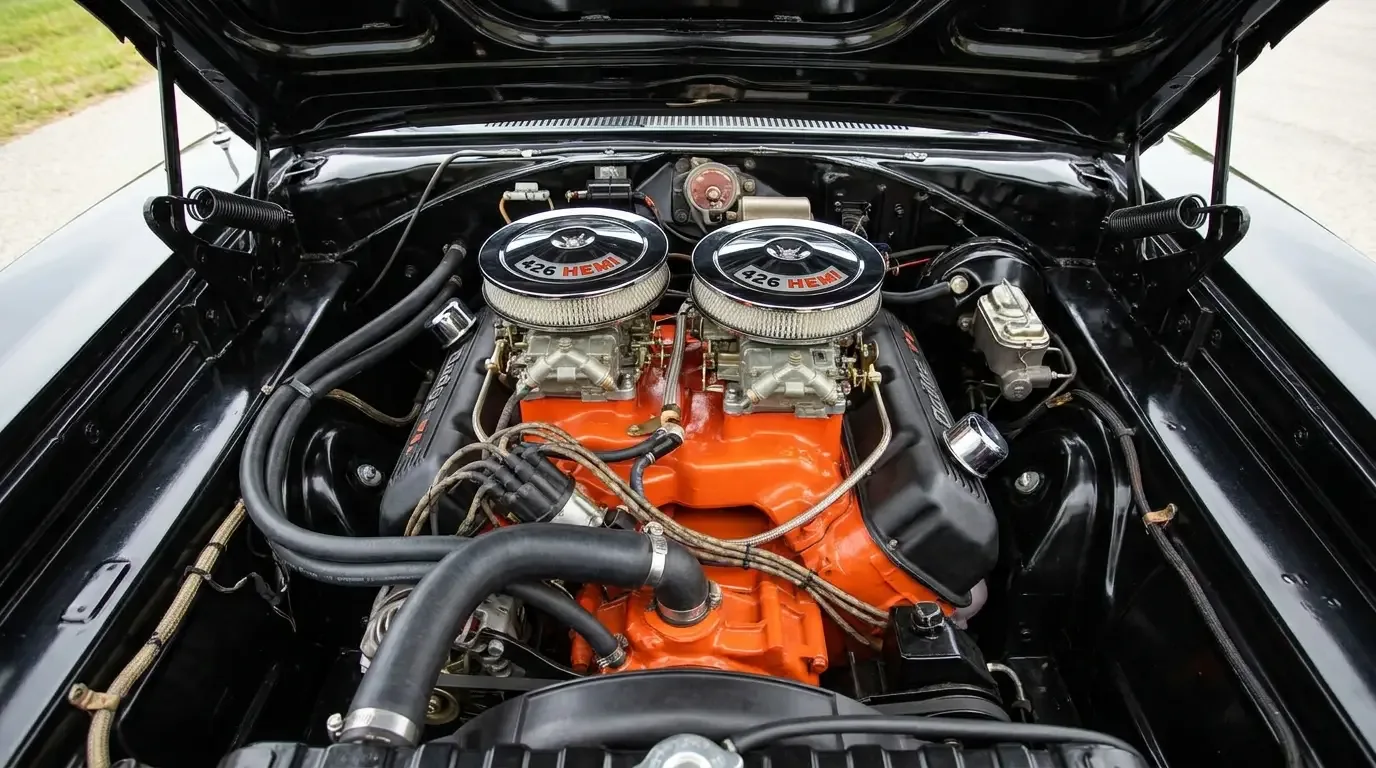
The 426 Hemi option is the first thing anyone mentions when the rarity question comes up, and for good reason. Hemi take rates across all four R/T model years were small, on the order of a thousand cars combined across 1968 through 1971, and the option added enough cost that most buyers who wanted serious performance chose the 440 Magnum instead and put the difference toward a nicer interior or a set of options. A documented, numbers-matching Hemi R/T from any year is genuinely rare, but it's also the rarity everyone already knows to look for, which means fakes and clones get built specifically to chase that premium. see the details on how the Hemi and 440 options compared mechanically before assuming a Hemi tag alone settles the question.
The four-speed cars nobody talks about
Less discussed, and arguably rarer in practical terms, are documented four-speed manual R/Ts, especially paired with the 440 rather than the Hemi. Most R/T buyers ordered the TorqueFlite automatic, and manual take rates across the full production run were a minority. A clean 440 four-speed car with the original clutch linkage and a build sheet to back it up is a genuinely uncommon find, and it doesn't carry the same clone risk as a Hemi car because there's less financial incentive to fake it. That gap between actual rarity and market recognition is exactly where a careful buyer can find real value.
"Everybody at the club had a theory until somebody pulled the paperwork, and just like that the bench-racing was over."
— Wayne Coburn
Color and stripe combinations that barely happened
Certain paint and stripe pairings simply weren't ordered often, sometimes because a color was unpopular that year, sometimes because a dealer discouraged a combination that didn't photograph well on the lot. Low-production colors paired with the R/T's bumblebee stripe or full-length side stripe, depending on year, can turn an otherwise standard 440 automatic car into something genuinely scarce on paper even though nothing under the skin is unusual. This is a category where documentation matters enormously, because color alone, without a fender tag confirming the factory code, is just a claim. The full breakdown of which colors and stripe treatments were actually rare versus just unpopular is covered in the R/T Colors, Stripes and Options story, and it's worth reading before paying a premium for a color combination someone swears was limited.
| Configuration | Why It's Rare | Verification Method |
|---|---|---|
| 426 Hemi, any year | Extremely low take rate | Fender tag, broadcast sheet, casting numbers |
| 440 four-speed manual | Automatic dominated orders | Original bellhousing, pedal assembly, build sheet |
| Low-production color and stripe combo | Unpopular at time of sale | Fender tag paint code cross-check |
| Factory sunroof or vinyl top R/T | Rarely ordered on performance trim | Broadcast sheet option codes |
The Track Pak axle combinations that quietly disappeared
Beyond engine and color, rear axle ratio is a category that barely gets discussed but genuinely separates cars by rarity. The Track Pak option bundled a Dana rear end with specific gear ratios aimed at drag strip use rather than highway cruising, and it wasn't a common order on cars destined for daily street duty. A documented Track Pak car, especially paired with a four-speed, represents a buyer who ordered the R/T specifically to race it, not just to drive it, and that intent shows up in surviving population numbers. Most of these cars got used hard and a fair number didn't survive the decades in one piece, which makes an intact, documented Track Pak car scarcer than its original sales figures alone would suggest.
I've also seen collectors chase interior color combinations that never got much attention when new, black exterior paired with certain interior trims, or bench seat cars ordered with the console delete, which was actually a cost-saving choice some buyers made and which now reads as unusual precisely because nobody thought to preserve it as a selling point at the time. Rarity in this hobby often comes from what buyers didn't think mattered fifty years ago, not from what they bragged about.
Why documentation beats every other rarity claim
None of these configurations mean anything at a sale without paper to back them up. A fender tag, a broadcast sheet, or a build card confirming the original engine, transmission, and color combination is worth more to a serious buyer than any story about how rare a car supposedly is. This is the lesson that keeps coming up at every club meet and every auction preview, the car with the thinner story but the thicker file of documentation usually sells for more, because buyers have been burned often enough by convincing stories that didn't hold up under a title search or a casting number check.
Where rarity actually shows up in asking prices
The market has gotten more sophisticated about this over the last decade. Sellers used to be able to claim rarity and get away with a vague answer about why. Now, serious buyers ask for the fender tag before they ask for a test drive, and configurations that can't be verified get discounted accordingly, regardless of how good the story sounds. Anyone shopping this segment should treat that as the baseline expectation, not an extra step. For a look at what's currently available across the model range, Dodge Chargers for sale is worth browsing with these rarity categories in mind, comparing what's actually documented against what's simply claimed in the listing description.
Sources and notes
- Hagerty - 1968 - 70 Charger buyer's guide - confirmed the low Hemi take rates: roughly 475 (1968), 432 (1969) and 116 (1970).
- 1971 Charger R/T Registry - confirmed just 63 Hemi and 178 440 Six Pack cars in 1971, bringing the four-year Hemi total near a thousand.
- HowStuffWorks - 1970 Charger R/T Hemi - corroborated the 116 Hemi cars for 1970, split roughly between automatic and four-speed.
- Wikipedia - Dodge Charger - background on R/T option availability, TorqueFlite dominance and the Track Pak axle package.
- Silodrome - 1969 Charger R/T 426 Hemi barn find - illustrates how documentation and casting-number checks govern Hemi authenticity.