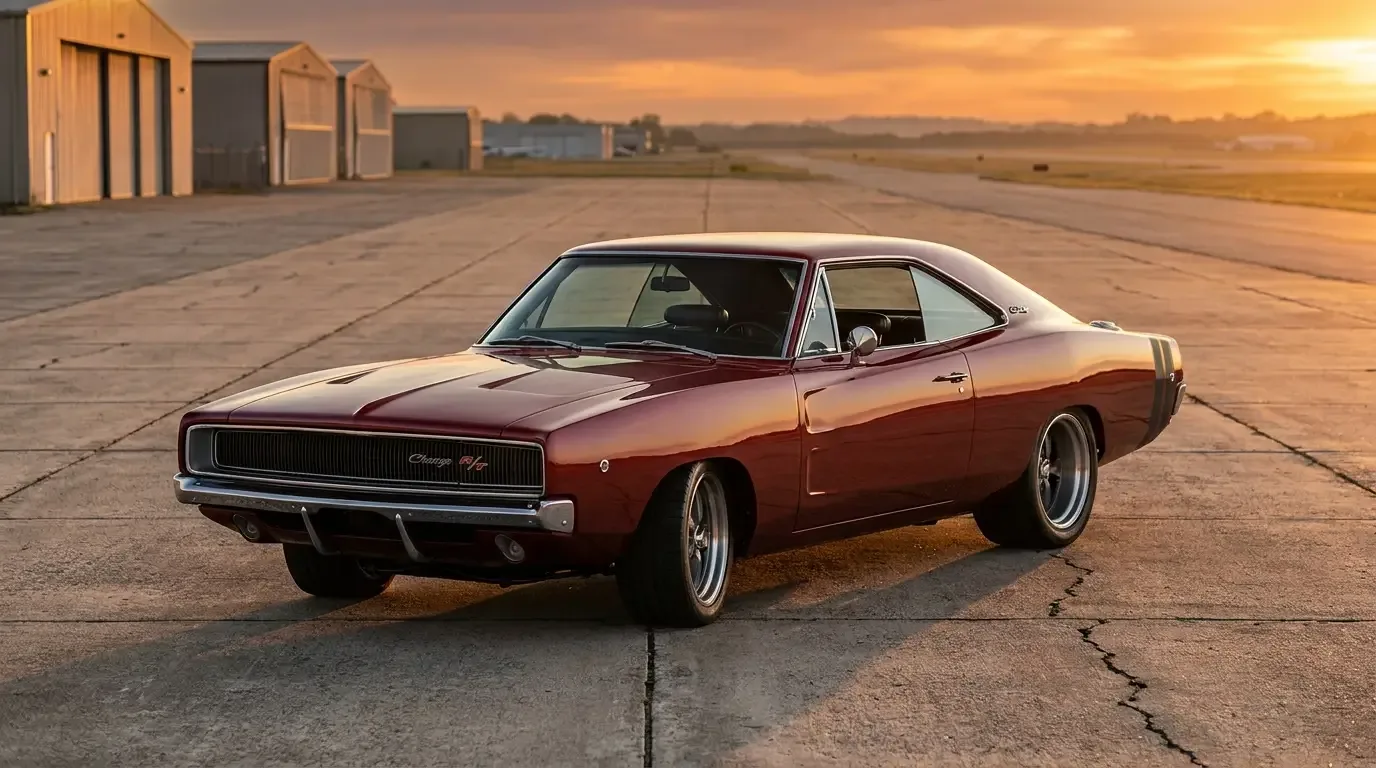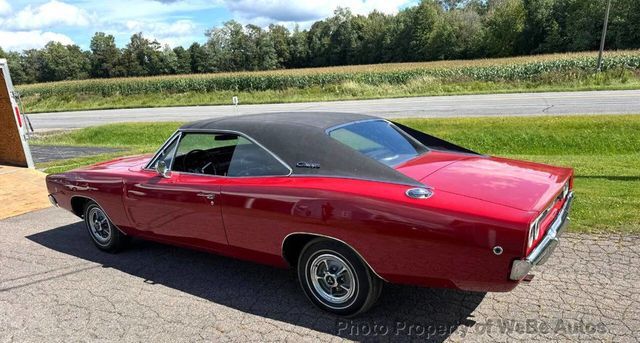
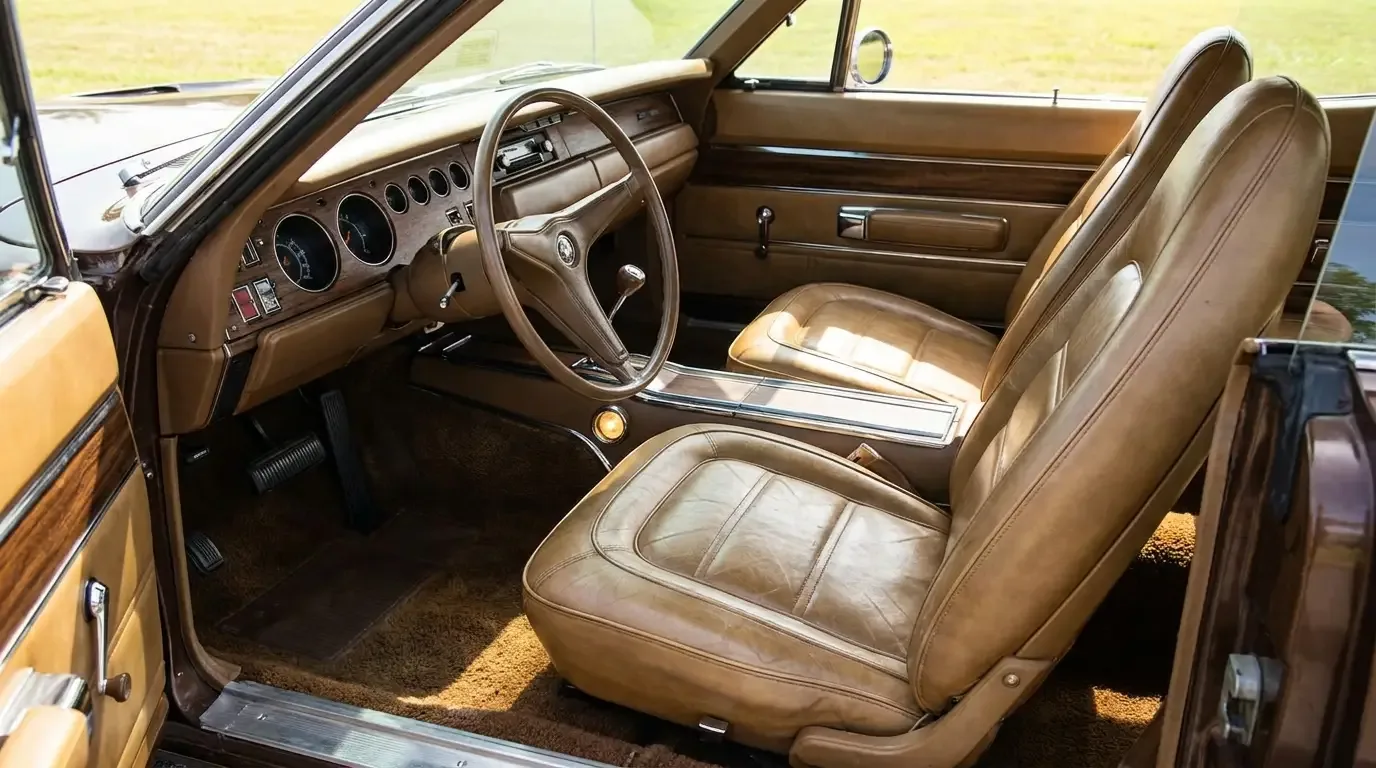
He bought it for his wife, or that was the story he told the dealer. What he actually wanted was the fastest car on the lot with seats she'd forgive him for. The R/T SE gave him both, a big block under the hood and bucket seats trimmed in leather that made the interior feel like it belonged somewhere quieter than a stoplight drag.
The SE package didn't soften the R/T's performance. It just proved a muscle car could also be a nice place to sit, and for a certain kind of buyer in the late sixties and early seventies, that combination was the whole appeal.
What SE actually added to the R/T
Special Edition, that's what the letters stood for, and Dodge applied them to an interior and trim upgrade rather than anything mechanical. Underneath, an R/T SE ran the same 440 Magnum, the same heavy duty suspension, the same brakes as any other R/T that year. The SE package lived entirely in the cabin and on the outside trim, leather or leather grained vinyl seating surfaces, wood grain accents on the dash and door panels, deep pile carpet, and a center console that made the whole interior feel considered rather than assembled from a parts bin.
Exterior cues were subtler, a different grille treatment on some years, SE badging small enough that you'd miss it walking past in a parking lot. That restraint was deliberate. This wasn't a car meant to shout. It was meant to reward the person who already knew what it was.
Why buyers paid extra for comfort on a muscle car
There's a version of automotive history that treats the late sixties as one long unbroken shout, big engines, loud stripes, nothing subtle allowed. That version misses a real slice of the market, buyers who wanted genuine performance but didn't want to sacrifice the parts of a car that made a three hour drive bearable. The R/T SE split that difference cleanly. You got the same straight line performance as any 440 Magnum R/T, the same standing quarter mile numbers, the same stoplight credibility, but you climbed into a cabin that felt closer to a Chrysler Newport than a stripped down race car with a back seat bolted in as an afterthought.
That mattered more to period buyers than modern collectors sometimes give credit for. A lot of R/T buyers were driving these cars daily, commuting, taking families places, and a genuinely comfortable interior wasn't a compromise on the performance mission, it was table stakes for a car somebody actually planned to live with.
"She kept the car in the barn for eleven years before she could sell it. When the new owner started it, she cried in the driveway."
— Nora Beckett
What survives and what doesn't
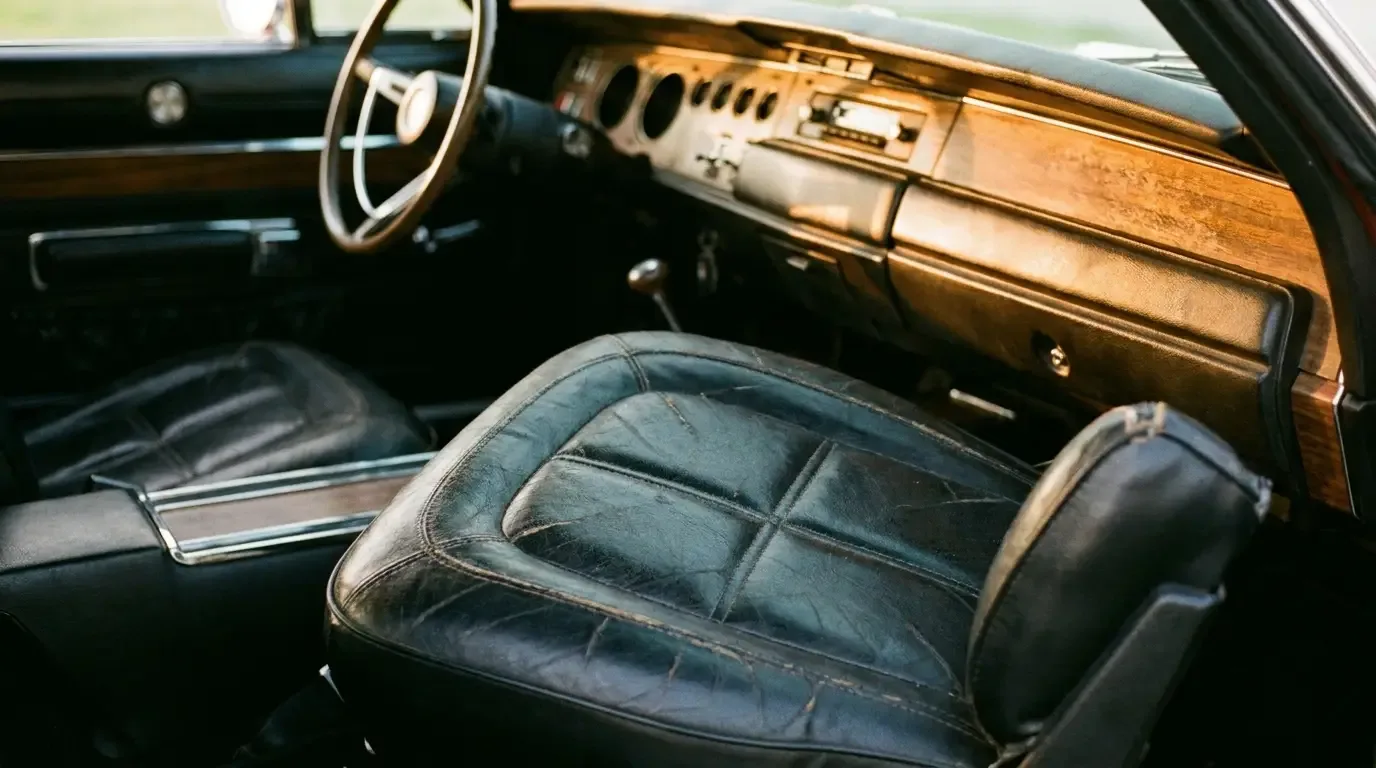
The leather and vinyl trim that made the SE special is also what tends to disappear first on cars that sat outside or spent decades under a cover that didn't actually keep moisture out. Original SE seating surfaces are genuinely hard to find in good condition now, and reproduction options exist but rarely match the factory grain and stitching pattern exactly, something restoration purists will notice immediately even if a casual buyer wouldn't. Wood grain dash accents, most of them applied vinyl rather than real wood, crack and lift with age and sun exposure, and finding replacement pieces that fit correctly for a specific model year takes patience.
What this means practically is that a well preserved R/T SE interior carries real premium value over one that's been reupholstered in aftermarket materials, even when the mechanical specifications are identical. Buyers shopping this segment should look closely at seat stitching, dash trim condition, and carpet originality before anything else, because those details are what separate an honest survivor from a car that's been quietly downgraded during a budget restoration.
| Feature | R/T SE Package |
|---|---|
| Engine | Same 440 Magnum as standard R/T |
| Seating | Leather or leather-grained vinyl bucket seats |
| Interior trim | Wood grain dash and door accents |
| Exterior | Subtle SE badging, minor grille differences |
| Performance | Identical to standard R/T mechanically |
Buying an SE today
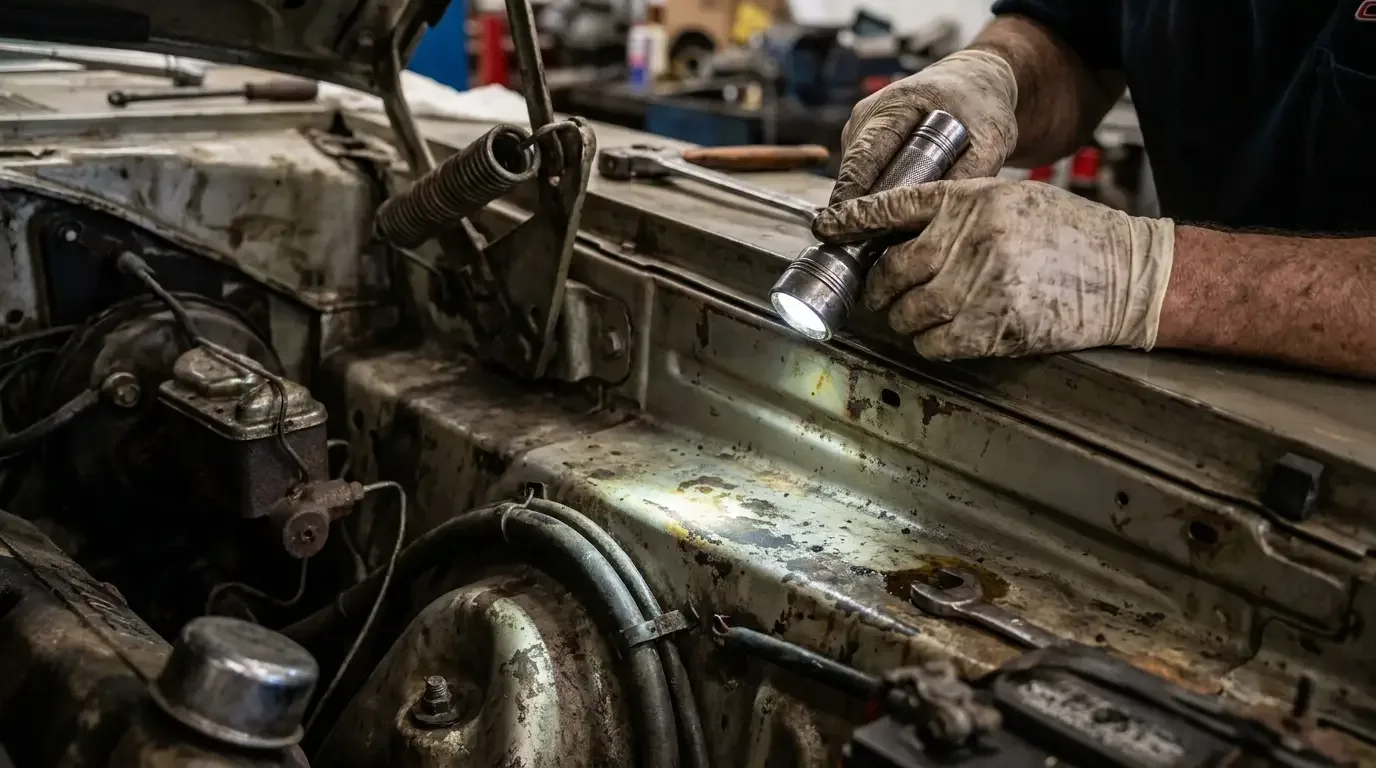
Anyone shopping this package should approach it as two separate questions layered on top of each other. First, is this a genuine R/T, verified through fender tags and VIN decode the same way any Charger R/T needs to be checked, a process worth understanding fully before you shop, and something covered in depth if you read on about the R/T package more broadly. Second, is the SE trim genuine and original, since some restorations mix and match interior components from donor cars that weren't originally SE spec, creating a car that looks right at a glance but doesn't match its own build sheet.
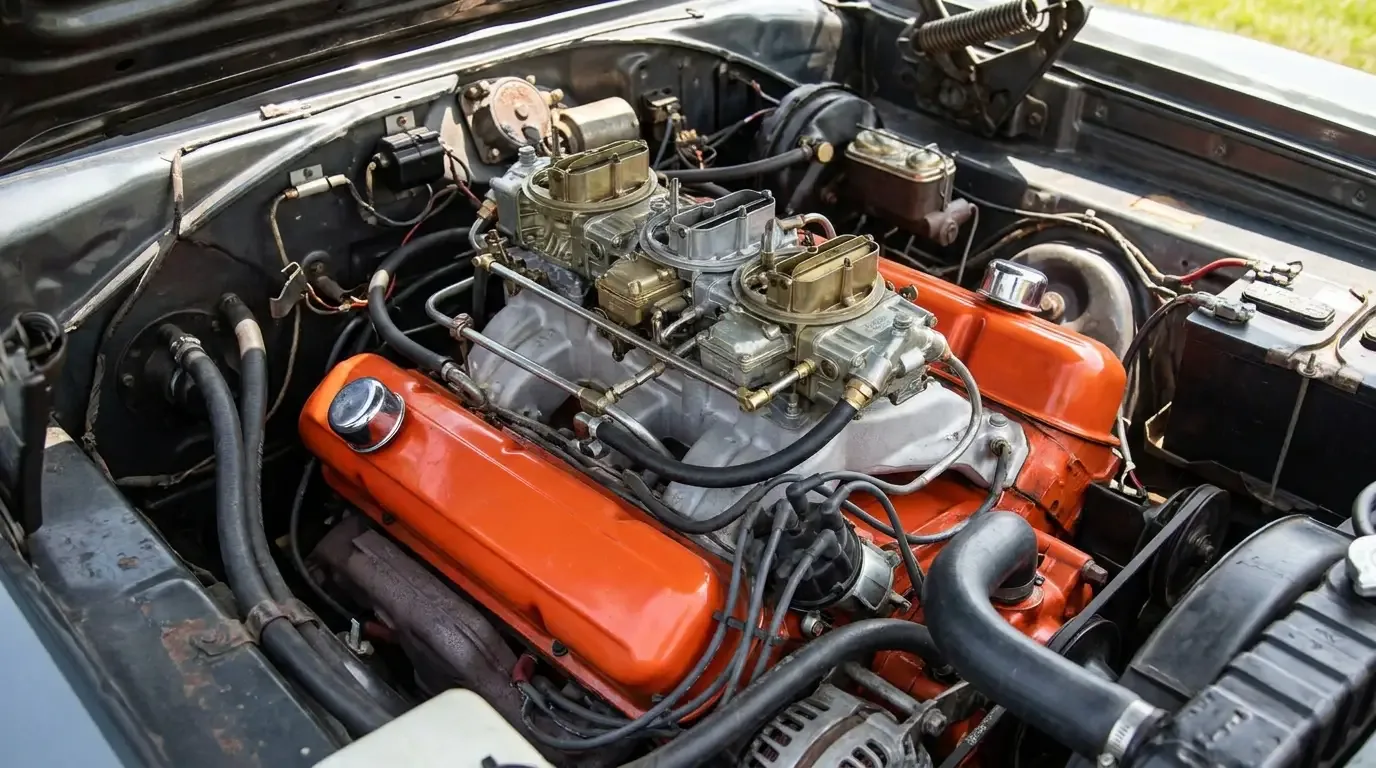
The mechanical side of ownership, meanwhile, doesn't change based on trim level. A 440 Magnum in an SE car needs the same attention as one in a base R/T, and buyers curious about the more aggressive induction option available on some Chargers of this era should look at the 440 six pack charger for a sense of how the performance side of this lineup varied beyond the standard four barrel setup. The SE never offered that induction option itself, its identity was always about the cabin, not the carburetor.
Sources and notes
- Hagerty 1968 - 70 Charger buyer's guide - SE trim as an interior and appearance package layered on the R/T.
- Wikipedia: Dodge Charger (1966) - SE (Special Edition) package content and the shared 440 Magnum drivetrain.
- Classic Industries: 1966 - 1974 Charger history - SE interior features, wood-grain trim and leather seating.
- Mac's Motor City Garage: 440 Magnum - confirms the SE ran the same standard R/T 440 Magnum mechanically.
- Conceptcarz: Dodge Charger - trim-level and option context for the R/T SE.