
A #2 condition Charger R/T with a thin paper trail isn't a #2 car once the check actually has to clear. It's a #3 with a good story, and the appraisal has to say so whether the seller likes hearing it or not. That's the single most useful sentence I can offer anyone trying to understand what these cars are actually worth in 2026, because the gap between asking price and closing price on R/Ts almost always comes down to documentation, not condition.
Car Features
6 min read
The R/T's Value Today
Documentation moves a Charger R/T's price more than restoration quality does, and the gap between the two is where most buyers get burned.
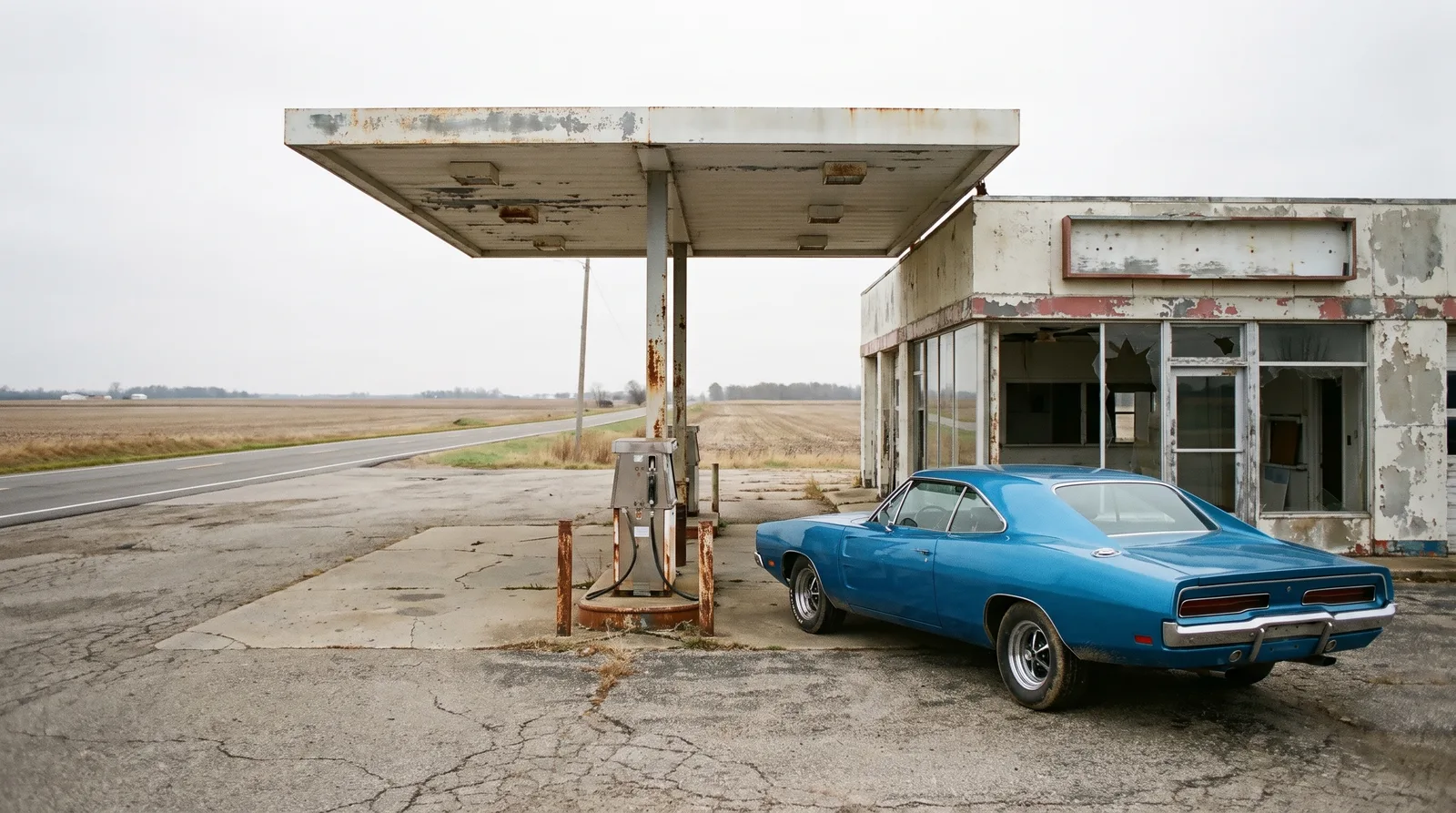
The market for these cars has matured considerably over the last decade. Buyers who once paid a premium for a good-looking car with a plausible story now expect a fender tag, a broadcast sheet, or at minimum a documented ownership chain before they'll pay top numbers. That shift has actually made the market more rational, if less forgiving of sellers who rely on charm instead of paperwork.
What sets the price floor and ceiling
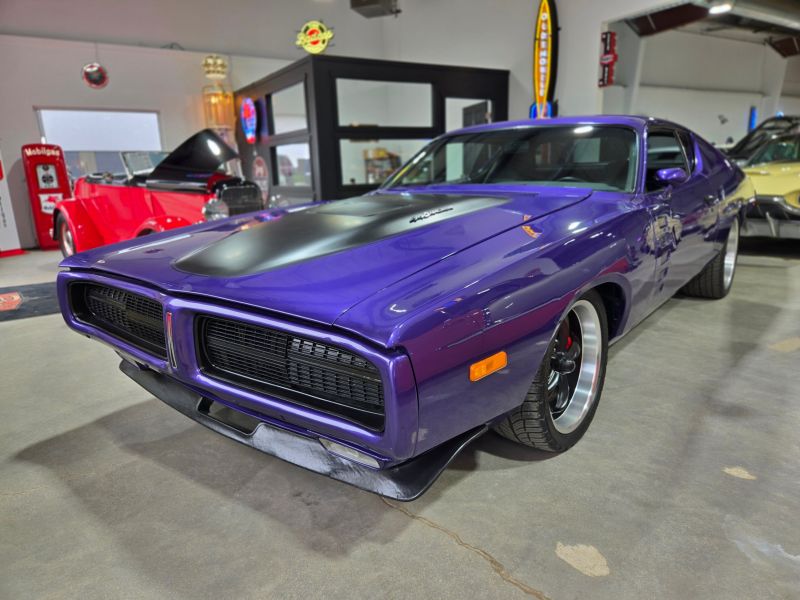
Engine and body style still do most of the work in setting a baseline. A documented 426 Hemi R/T sits in a completely different pricing tier than a 440 Magnum car, sometimes by a factor of three or four depending on year and condition. Body style matters too, the 1968 through 1970 coke-bottle cars generally command more collector interest than the 1971 fuselage body, though that gap has been narrowing as more buyers discover the later car's underrated styling. For the full mechanical backstory that underpins all of this pricing logic, the Charger R/T chapter is worth reading before comparing any two listings side by side.
| Configuration | Approximate Value Range (2026) |
|---|---|
| 440 Magnum R/T, driver quality | $45,000 to $75,000 |
| 440 Magnum R/T, #2 condition, documented | $80,000 to $120,000 |
| 426 Hemi R/T, documented, #2 condition | $175,000 to $325,000 |
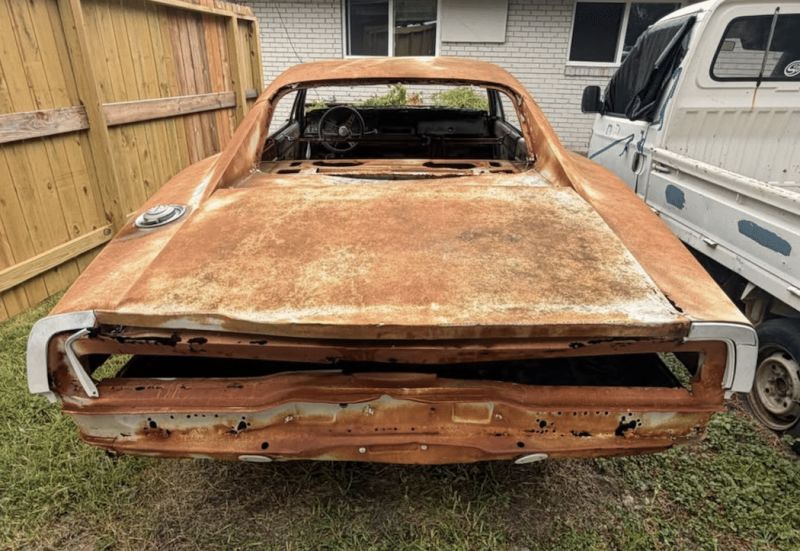
| Project or barn-find R/T, incomplete records | $20,000 to $40,000 |
Why documentation moves the number more than restoration quality
I've appraised cars with six-figure restorations that still sold below cars with rougher paint but a complete build sheet, original fender tag, and a documented chain of ownership back to the original buyer. Restoration quality matters, but it's a multiplier on a base value that documentation sets first. A flawless repaint on a car of uncertain originality is still a car of uncertain originality, just a nicer-looking one. Serious buyers, and serious money, follow the paperwork before they follow the paint.
"A #2 car with a thin paper trail isn't a #2 car when the check clears. It's a #3 with a good story, and the appraisal has to say so."
Marcus Feld
What didn't sell, and why it matters
Auction results that don't meet reserve get less attention than the ones that set records, but they're just as informative. Undocumented "numbers-matching" claims are the most common reason a Charger R/T fails to sell at auction, followed closely by rust repair that wasn't disclosed clearly in the listing. Buyers at this level do their homework, and a car that gets pulled from an auction or relisted repeatedly at a lower number is telling you something the seller isn't saying directly. Anyone shopping seriously should track relisted cars as closely as sold ones, because the pattern of what doesn't sell tells you where the real ceiling sits for a given configuration.
The barn-find wildcard
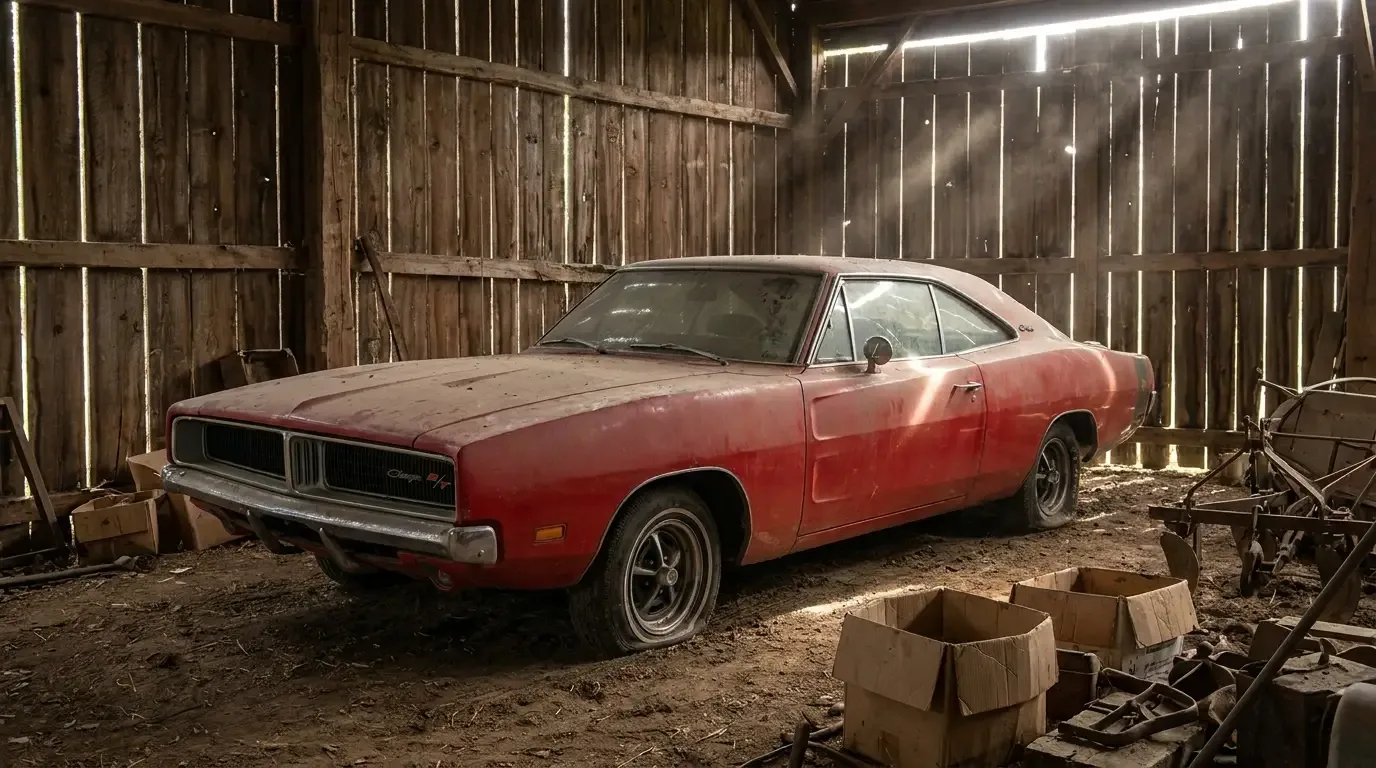
Unrestored, low-mileage barn-find R/Ts occupy a strange corner of the market, sometimes commanding a premium over restored cars purely for originality, sometimes selling for less because the buyer pool for an unrestored project is smaller than the buyer pool for a turnkey car. The variance here is wider than in any other category, and it depends heavily on how complete the documentation is and how much rust or mechanical work the car actually needs versus what the seller claims it needs. read more here for a closer look at how these unrestored survivors get appraised and what separates a genuine find from an overpriced project car.
Regional differences in what buyers will pay
Location affects R/T values more than most sellers want to admit. Cars that spent their lives in rust belt states, regardless of current condition, tend to appraise lower than an identical car with a documented history in a dry climate, simply because buyers assume hidden rust repair even when none exists, and that assumption shows up in what people are willing to bid. I've seen two nearly identical 440 R/Ts, both #2 condition, both properly documented, sell eighteen months apart for a difference of roughly $15,000, with the lower sale traced almost entirely to the car's Midwest ownership history versus the higher sale's Southwest provenance. It's not always fair to the seller with the rust belt car, but it's how the market actually behaves, and any appraisal that ignores regional history is incomplete.
Auction venue matters too. A well-known, high-attendance auction house tends to produce stronger prices than a regional sale for the same quality of car, partly because of buyer competition and partly because of the perceived vetting that comes with a recognized auction name. Private sales split the difference, sometimes producing better numbers for a seller willing to be patient, sometimes producing worse ones for a seller who needs to move a car quickly.
Where the market is headed
Values across nearly every R/T configuration have trended upward over the past several years, driven partly by generational buyers with more disposable income and partly by a shrinking pool of documented, unmolested cars. That trend isn't guaranteed to continue at the same pace, but the scarcity side of the equation only tightens as more cars get parted out, wrecked, or simply lost to time. For the complete history of the Charger nameplate that underpins all of this value discussion, the complete Charger guide covers the full arc from 1966 forward. And for buyers ready to act on any of this, classic Dodge Chargers for sale is the place to see what's actually on the market right now, priced against everything covered here.
Sources and notes
- Mopar Insiders - 1969 Hemi Charger R/T sells for $176K - recent auction result anchoring the documented Hemi R/T value tier.
- Autoevolution - record 1969 Hemi Charger R/T sale - corroborated six-figure Hemi pricing and the documentation premium.
- Classic.com - 2nd-gen Charger R/T market - sales spread supporting the 440 versus Hemi value gap and condition tiers.
- Hagerty - 1968 - 70 Charger buyer's guide - background on how body style and documentation drive R/T valuations.
- 1971 Charger R/T Registry - production scarcity underpinning the value discussion for late cars.
Related Reading
Have a
Dodge Charger
for Sale?
Reach thousands of serious classic car collectors across the US.
Sell It Here →
Selling a classic? Here's how: sell my classic car
Are You a Classic Car Dealer?
List your full inventory and connect with targeted classic car buyers.
Join as a Dealer →
#classic car appraisal
#hemi charger value
#charger rt value
#charger rt price guide
#charger rt appraisal
#440 magnum charger value
#mopar market trends
#charger rt documentation

About the author
Marcus Feld
Accredited collector-car appraiser who reads the market through hammer prices, condition tiers and risk.
Related Listings - Dodge Charger




Comments (1)
R
Russ G.
1 month ago
Where does a '71 land?