
The Buick GS gets left out of most muscle car conversations, and that's a documentation problem as much as a marketing one. Buick wasn't chasing the same buyer Pontiac and Chevrolet were fighting over. The GS was built for someone who wanted big-block performance without giving up the comfort and quiet a Buick badge implied, and that positioning meant it never generated the same volume or the same magazine coverage as the SS 396 or the GTO. The build records tell a more interesting story than the sales figures do.
Car Features
6 min read
SS vs Buick GS/GSX: The Forgotten A-Body Rival
Buick's Gran Sport and GSX never got the spotlight the GTO and Chevelle SS got. The build sheets tell a more interesting story than the sales figures.
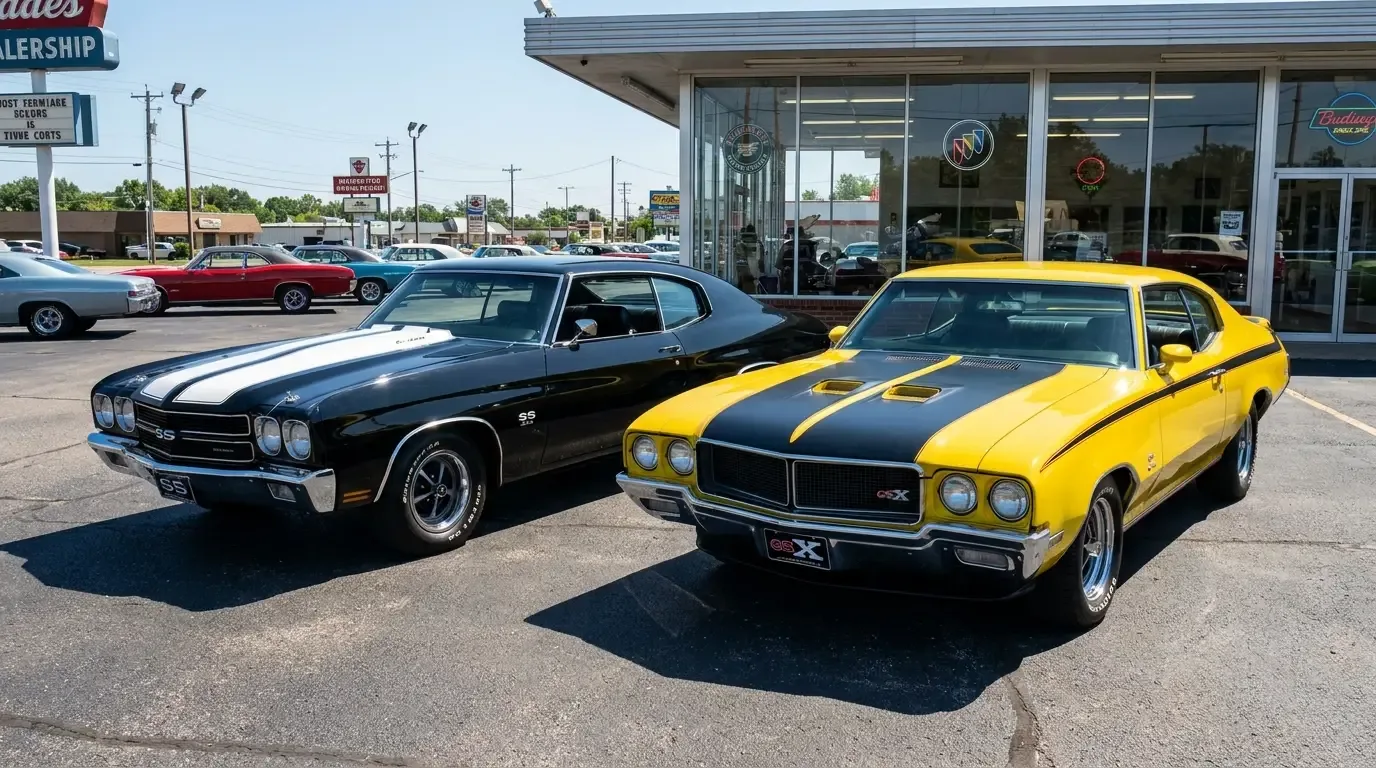
Buick introduced the Gran Sport as an option on the Skylark in 1965, running a 401 cubic-inch V8 Buick called the "Wildcat 445," a name referencing the torque figure rather than displacement, which is the kind of detail that gets lost once a car goes through a few owners without its original documentation. This is one chapter in Chevelle's muscle-car rivalries, and it's worth understanding on its own terms rather than as a footnote to the Chevelle and the GTO.
What the build sheet tells you
A documented 1965 or 1966 Gran Sport carries a Buick model code and a trim tag that specifies the 401 engine option, and that paperwork matters more on a GS than it does on a lot of other muscle cars from this era, because so many have had engine swaps or badge changes done over the decades to make a car more marketable. The GS didn't sell in Chevelle SS numbers to begin with, and decades of engine swaps and re-badging mean the survivors that still carry correct, numbers-matching drivetrains are a real minority of an already small production run.
Chevrolet's SS 396, by comparison, has a deeper documentation trail simply because so many more were built. The RPO codes on a Chevelle cowl tag are well understood by the collector community, reproduction parts are plentiful, and a buyer today has an easier time confirming what a car actually is versus what a seller says it is. That documentation gap between the two cars is one of the real, practical differences a buyer should weigh, separate from any argument about which engine made more power on a given dyno sheet.
The GSX and the moment Buick got serious
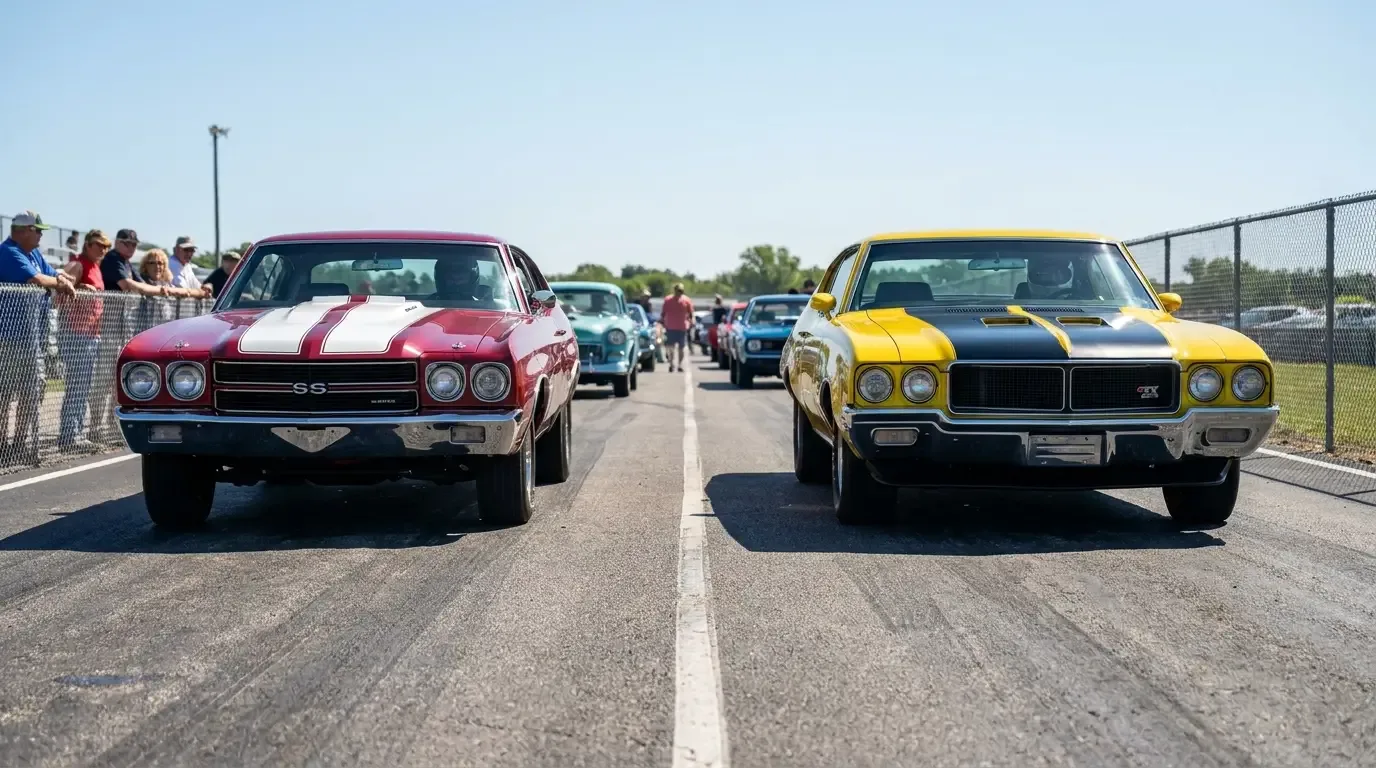
Buick's answer to the escalating horsepower race arrived in 1970 with the GSX package, built around the 455 cubic-inch V8 and, in Stage 1 tune, putting Buick into the same torque conversation as Chevrolet's SS 454. The GSX wasn't a high-volume car. Production numbers were modest compared to the Chevelle SS 454, and that scarcity is exactly why documented, correctly optioned GSX cars command real money today when they surface with build sheets intact.
What's notable from a factory-records standpoint is how late Buick came to full commitment on this fight. The GS existed through the mid and late 1960s as a competent but comparatively quiet entry in the segment. The GSX represented Buick deciding, in 1970, to stop playing it understated and build something that could stand toe to toe with the SS 454 on raw output. By then the muscle car era itself had maybe two or three years left before insurance rates and emissions regulations changed the whole conversation, which makes the GSX's timing almost poignant in hindsight.
| Model | Engine | Notable detail |
|---|---|---|
| 1965 Buick Gran Sport | 401 cu in "Wildcat 445" | Name references torque rating, not displacement |
| 1966 Chevelle SS 396 | 396 cu in big-block | First full-production SS 396 model year |
| 1970 Buick GSX Stage 1 | 455 cu in V8 | Limited production, high documented value today |
| 1970 Chevelle SS 454 | 454 cu in LS5/LS6 | Chevrolet's answer to the escalating displacement race |
How the two divisions treated the interior
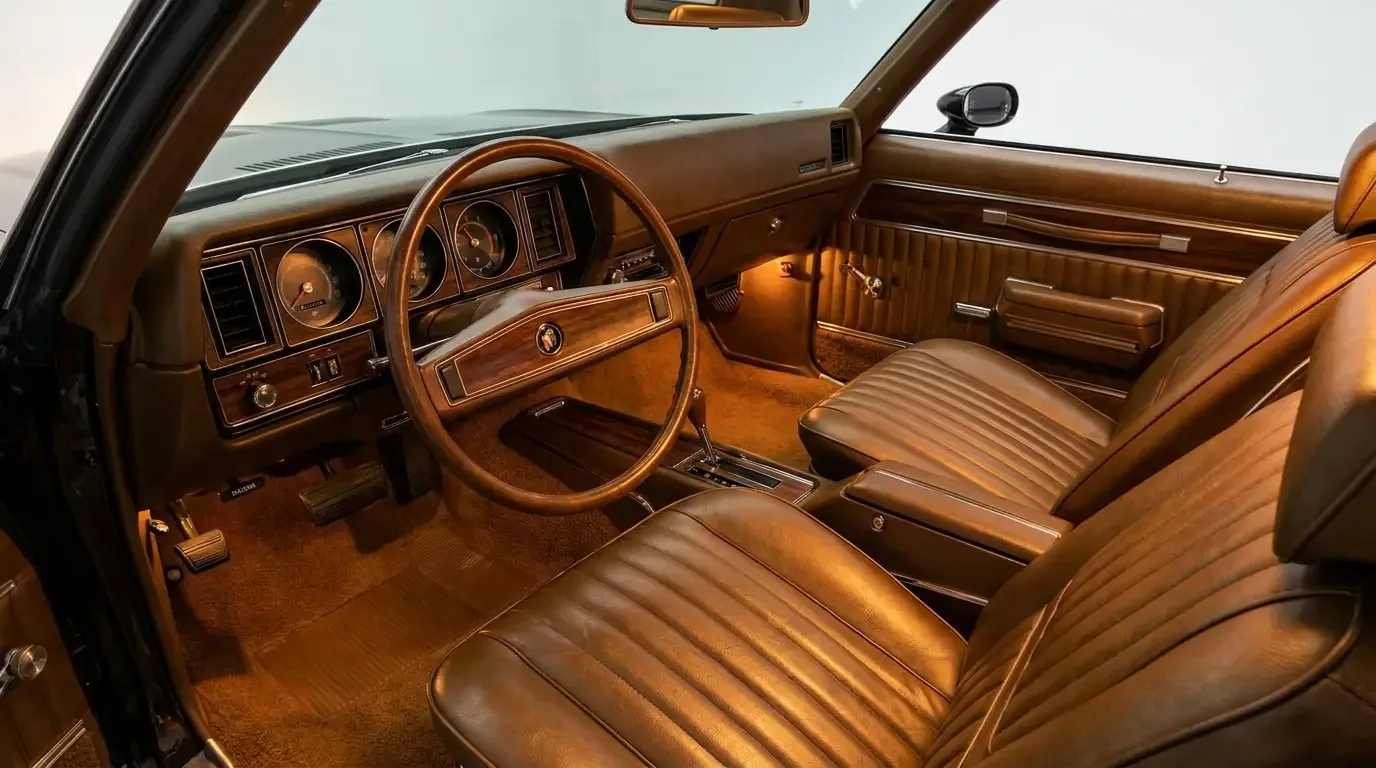
The documentation trail extends past the engine bay. Buick's option sheets for the Gran Sport show a division that assumed its buyer wanted the performance package layered onto a genuinely comfortable interior, better sound deadening, softer seats, trim details closer to what a standard Skylark buyer expected than what a Chevelle SS buyer got. Chevrolet's SS 396 and SS 454 leaned harder into a sport-package feel, with bucket seats and console configurations that read as more purpose-built for performance and less concerned with quiet-car comfort.
That distinction shows up in period road tests too, when writers labeled the GS a "gentleman's muscle car," a phrase used often enough in period coverage to describe the Gran Sport's subdued colors and upscale trim that it's become part of how the model is remembered, and part of what the more aggressive GSX package was built to shake off. It's a fair characterization based on how the two option sheets read side by side. Buick wasn't trying to out-brutalize Chevrolet. It was trying to prove a big-block could coexist with a genuinely nice interior, and the build records back that positioning up.
Why the GS deserves a second look
The case for the Gran Sport and the GSX isn't that they beat the Chevelle SS on any single measurable spec. It's that they represent a different engineering philosophy from the same corporation, built by a division that had less to prove and, arguably, less pressure to cut corners chasing volume. A properly documented GS or GSX is a rarer find today than a comparable SS 396, and for a collector who values scarcity and factory-correct originality over parts availability and community size, that rarity is the whole appeal. Anyone weighing the two should view Chevelle inventory alongside what's currently listed for Buick's side of this rivalry before deciding which direction to go.
The full arc of how the Chevelle SS badge evolved across every generation, including the 454-powered cars that eventually matched the GSX's torque numbers, is covered in the classic Chevelle story.
"The GSX doesn't get the reputation it earned, mostly because Buick built so few of them and never marketed the car the way Pontiac marketed the GTO. But the documentation on a real one, when you can find it, tells you exactly what you're looking at. That's worth more than a magazine headline from 1970."
Tom Ramirez
The torque numbers between these two cars only get more interesting once you get to the 454-versus-Stage-1 era. That story continues in next: SS454 vs Buick GSX Stage 1.
Sources and notes
Related Reading
Have a
Chevrolet Chevelle
for Sale?
Reach thousands of serious classic car collectors across the US.
Sell It Here →
Are You a Classic Car Dealer?
List your full inventory and connect with targeted classic car buyers.
Join as a Dealer →

About the author
Tom Ramirez
Corvette researcher and historian based in Bowling Green, Kentucky. Two decades documenting Corvette production history from original factory records.
Related Listings - Chevrolet Chevelle
Comments
Be the first to comment on this article.