
I've had both of these come through the shop over the years, and here's the thing nobody tells you upfront: the Super Bee and the Chevelle SS were built for the exact same guy. Not the guy with money to spend on options. The guy who wanted the biggest engine he could get for the least amount of extra cost, and didn't care much what the door panels looked like. Dodge built the Super Bee in 1968 to compete with the Road Runner concept on their own side of the Mopar family, and it landed on the same buyer the Chevelle SS had been chasing since the SS396 arrived in 1965.
Car Features
7 min read
SS vs Dodge Super Bee: A Budget Brawler Showdown
A Detroit wrench-turner breaks down how the Chevelle SS396 and Dodge Super Bee stacked up, from six-pack carbs to common rust points.
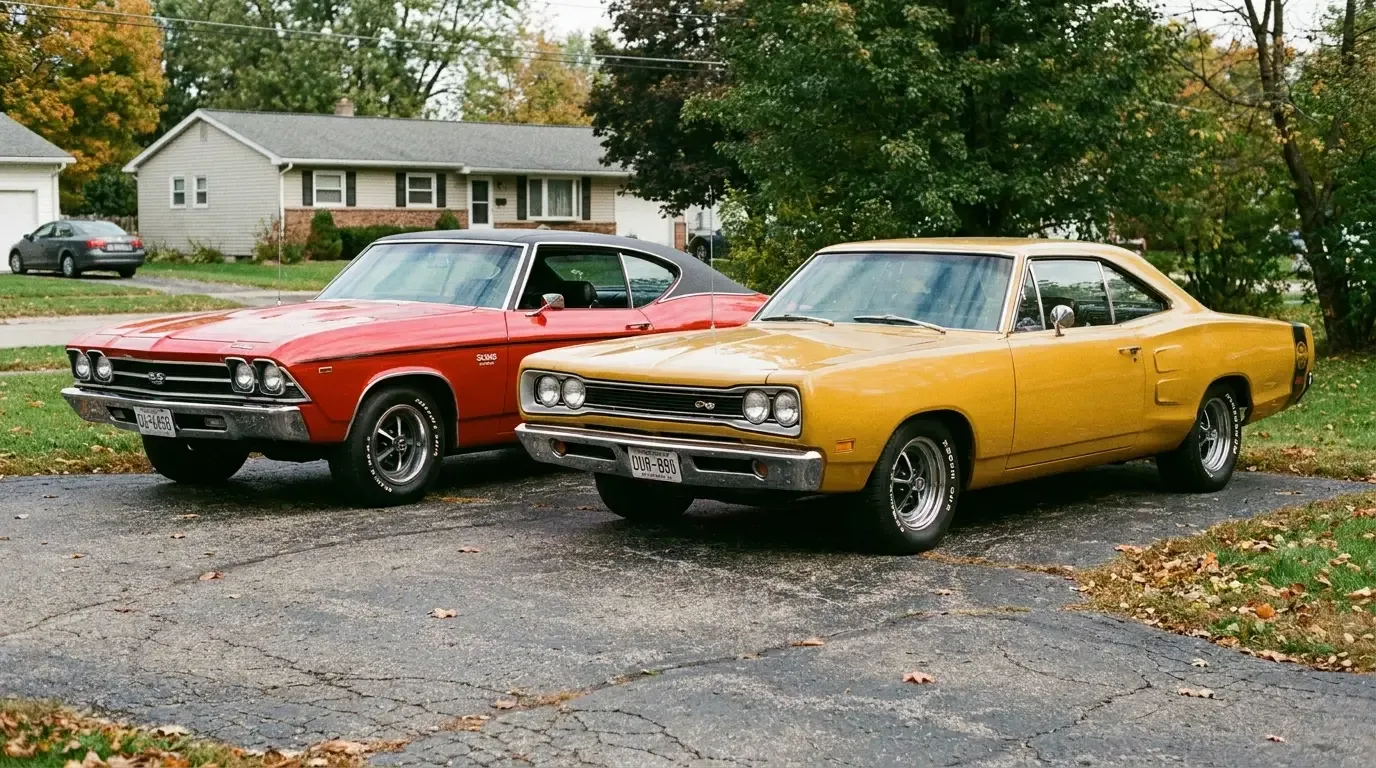
Two different plants, two different corporate philosophies, same basic math. Big engine, mid-size body, keep the price down.
What each company actually built
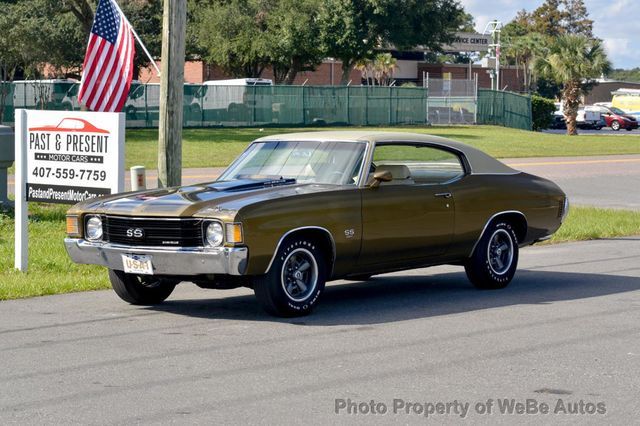
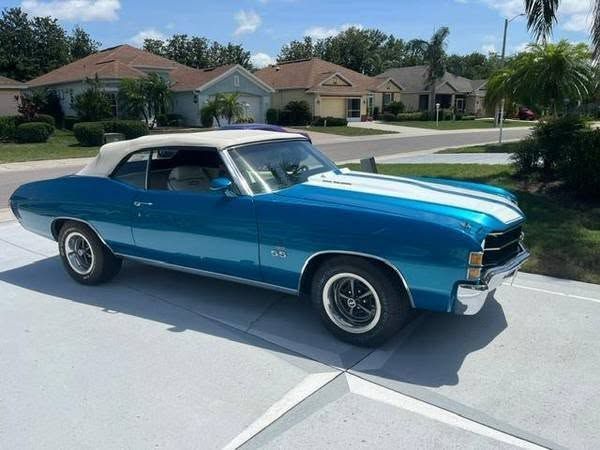
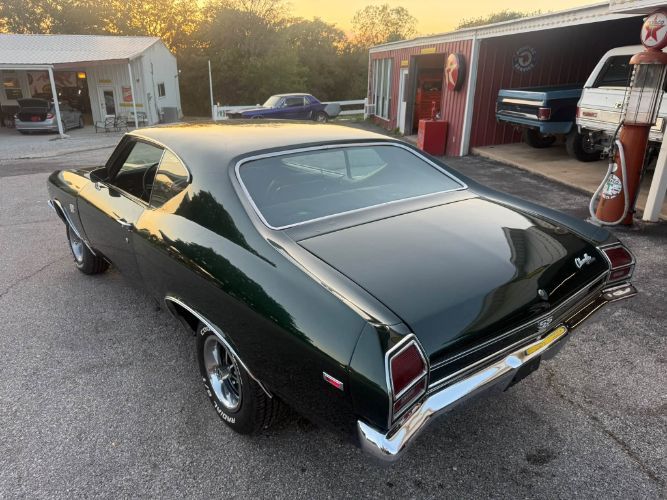
The Chevelle SS396 came out of the factory with real engineering behind the drivetrain. Chevy's big-block lineup by 1969 ran from a mild 325-horse 396 up through the L78's 375 horsepower, and the chassis had been tuned enough that it didn't feel like a truck wearing a fast engine. The B-body Super Bee, meanwhile, ran a standard 383 Magnum rated at 335 horsepower, with the 440 Six Pack becoming available mid-year as the serious option for guys who wanted more than the 383 could deliver.
Here's what I tell people who ask me which platform is the better base to build on: the Chevelle's A-body is lighter and generally easier to work with in terms of aftermarket support today, because there's just more of the industry built around Chevy small and big blocks. The Dodge B-body is a fine platform, don't get me wrong, but parts sourcing for factory-correct Mopar pieces gets expensive fast if you're chasing numbers-matching restoration instead of just building a driver.
The six-pack changes everything
When Dodge dropped the 440 Six Pack into the Super Bee for 1969, they weren't messing around. Three two-barrel Holley carburetors on a 440 cubic inch big block, factory rated at 390 horsepower (NHRA rated it closer to 410), and it ran hard enough that Chevelle guys who'd been comfortable with their SS396 suddenly had a real fight on their hands at the strip. I've torn into a few of these six-pack setups and the carburetor synchronization alone will humble a guy who thinks he knows how to tune. Get it wrong and you're either flooding two carbs or starving the third. Do it right and that thing pulls like nothing else in its price class.
Chevy's answer wasn't a mid-year surprise, it was just offering the L78 396 across a broader trim spread so more buyers could get to it without waiting for a special package. Different approach, same idea, get horsepower to the customer without inflating the sticker price too far.
What actually breaks on these cars
I'm not going to pretend either of these is a maintenance-free machine fifty-plus years later. On the Chevelle side, watch the trailing arm bushings and the rear frame rails behind the rear leaf spring mounts, that's a common rust point I've seen on cars that look solid everywhere else. On the Super Bee, the unibody construction means rust in the torsion bar crossmember area is a much bigger deal structurally than surface rust anywhere else on the car. Check it before you check anything about the engine.
Both platforms have decent parts availability for the driveline. Where they diverge is trim and interior pieces. Chevelle SS interior trim is reproduced heavily because the demand's been there for decades. Super Bee-specific trim, especially bumblebee stripe decals and correct Magnum 500 wheels, takes more hunting.
| Spec | Chevelle SS396 (1969) | Dodge Super Bee 440 Six Pack (1969) |
|---|---|---|
| Standard engine | 396 cu in, 325 hp | 383 cu in Magnum, 335 hp |
| Top performance engine | 396 cu in L78, 375 hp | 440 cu in Six Pack, 390 hp |
| Platform | GM A-body | Chrysler B-body |
| Common rust points | Trailing arm mounts, rear frame rails | Torsion bar crossmember, floor pans |
What they cost new, and what that tells you
The whole point of both these cars was staying cheap enough that a young guy with a regular job could actually finance one. A base Super Bee stickered at $3,271 in 1969, deliberately priced below Dodge's own R/T coupe, and Dodge kept it that way on purpose, no chrome trim packages forced onto the order sheet, no pressure to upsell the buyer into a nicer interior. Chevrolet's SS package added real cost to a base Chevelle once you started checking boxes for bucket seats, console, and the top engine, and that's the trade-off buyers were making the whole time. Cheaper and stripped, or a little more money for a car that felt more finished.
I've explained this to more than one guy standing in my shop trying to decide which route to go on a build: the Super Bee's simplicity isn't a downside if you're planning to gut the interior and build a driver anyway. It's a downside if you want factory-correct trim and don't want to spend years hunting NOS pieces.
Which one I'd tell you to buy
If someone's asking me straight, it depends what they want to do with it. Want the easier restoration with more parts support and a bigger community around it, go Chevelle. Want something that stands out a little more at a show because there are fewer of them running around, the Super Bee earns you that. Both of them will run hard if you build them right, and both of them have real factory history behind the performance claims, not marketing fluff.
You can see where Chevelle's muscle-car rivalries fit into the broader picture of this era, and if you want to see what's out there right now, go ahead and browse SS models to get a sense of current asking prices.
"I've never had a customer regret buying either one of these because the engine wasn't strong enough. I've had customers regret buying either one because they trusted a paint job that was covering up rot underneath. Look past the shine before you decide which badge you want on the fender."
Mike Sullivan
A rivalry that never really needed marketing
Neither of these cars had a huge ad campaign built around beating the other one specifically. They just ended up at the same tracks, chasing the same buyer, built by two different companies who'd figured out the same formula independently. That's rarer in this business than people think. Most rivalries get built by marketing departments after the fact. This one built itself on the street first.
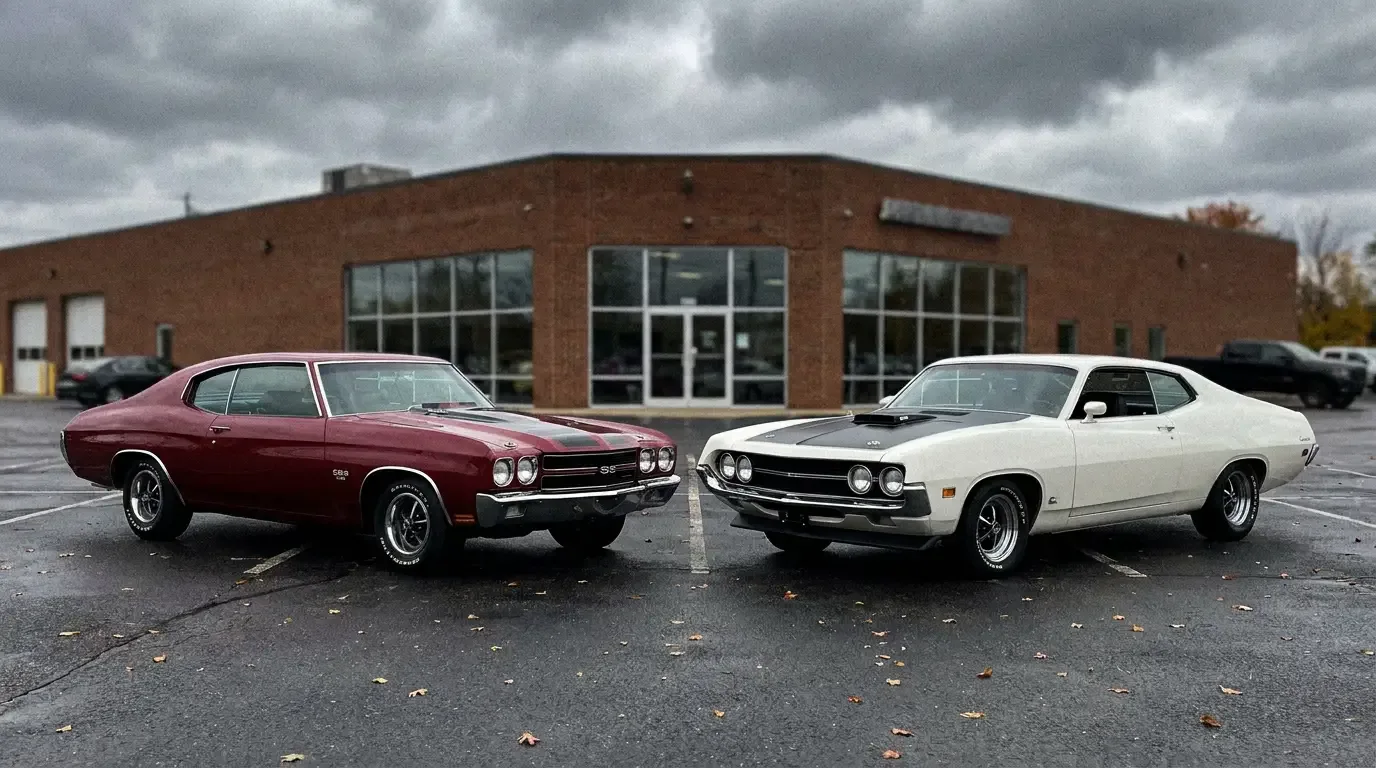
For the next fight in this same weight class, next: SS vs Ford Torino Cobra covers what happened when Ford showed up to the same conversation.
Sources and notes
Related Reading
Have a
Chevrolet Chevelle
for Sale?
Reach thousands of serious classic car collectors across the US.
Sell It Here →
Are You a Classic Car Dealer?
List your full inventory and connect with targeted classic car buyers.
Join as a Dealer →

About the author
Mike Sullivan
Detroit-area muscle car enthusiast and restoration specialist with three decades of hands-on experience working on American iron.
Related Listings - Chevrolet Chevelle
Comments (1)
G
Gary Tompkins
1 month ago
The pricing history in this article is useful context. Easy to forget how recently some of these values moved.