
There was a stretch of American car design when more chrome simply meant more car. A postwar luxury automobile could carry brightwork on its grille, bumpers, headlamp bezels, window surrounds, rocker panels, wheel covers, and half a dozen spears down each flank, and none of it did a single mechanical thing. It was there to catch light and signal money. Chrome trim on classic cars is one of the clearest examples of a material becoming a language, and for about fifteen years that language was spoken loudly.
Car Features
6 min read
Chrome Trim Culture: Why Luxury Cars Wore So Much Metal
Why postwar luxury cars piled on chrome trim, how the plating was made, and what the gleaming brightwork actually signaled to buyers.
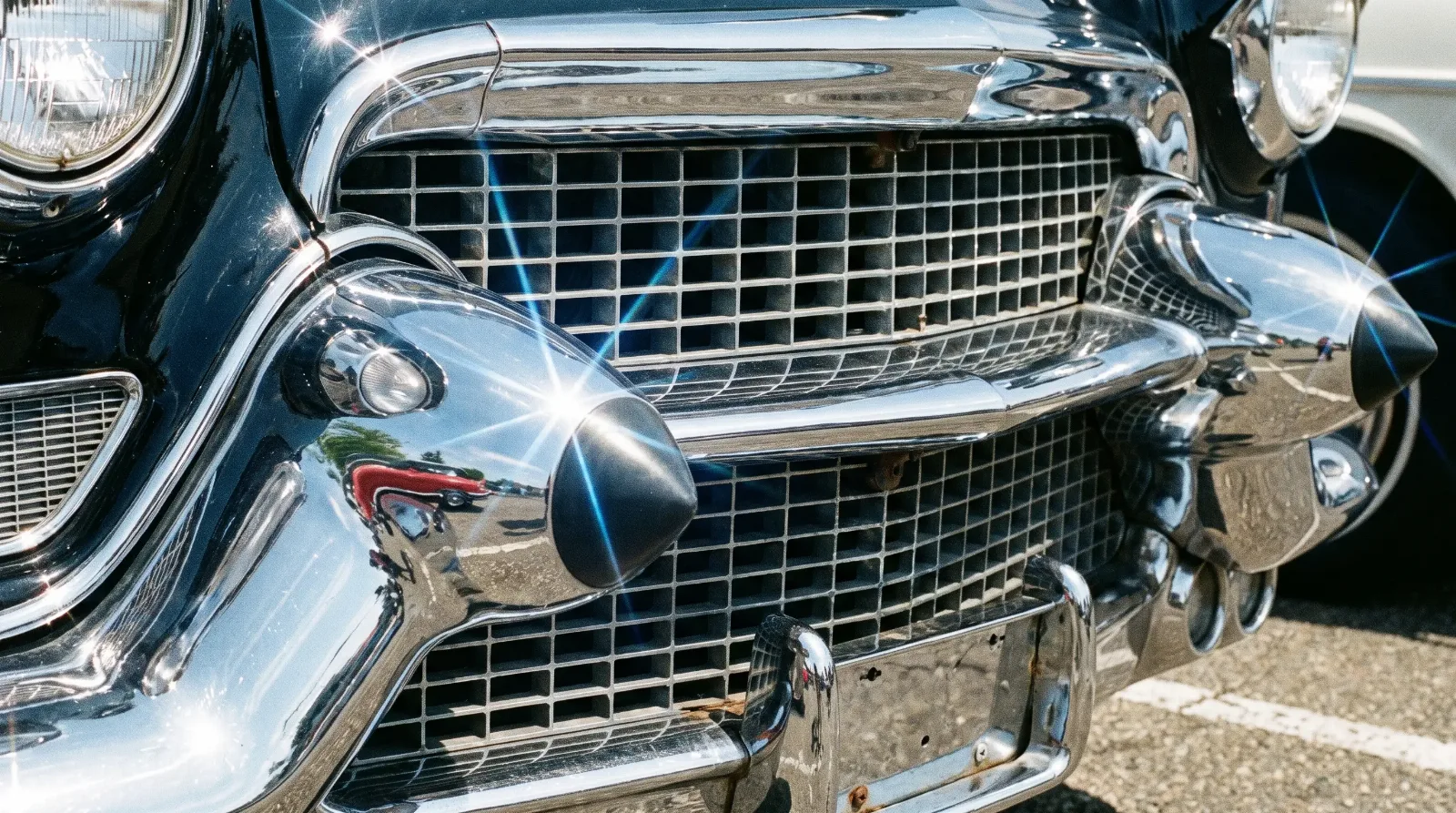
To modern eyes the chrome-laden cars of the late 1950s can look like too much of a good idea. That reaction misreads the period. The gleam was not accidental excess. It was a deliberate strategy tied to how these cars were built, sold, and understood by the people who bought them. Understanding why luxury cars wore so much metal means looking at what chrome actually was and what it was standing in for.
What chrome actually is
The bright trim on these cars is chromium electroplated over a base metal, usually steel, often with layers of copper and nickel underneath to build a deep, mirror-like finish. Good plating from the 1950s was thick and durable, laid down in multiple stages, and it is one reason surviving cars can still show brilliant original brightwork decades later. The process was expensive and labor intensive, which is precisely why chrome read as luxury. A buyer could see the cost.
That visible expense is the whole point. In a period when a luxury brand and a low-priced brand often shared major mechanical components, chrome was a way to make the difference obvious from across a parking lot. The more brightwork a car wore, and the better it was plated, the higher up the ladder it announced itself to be. This piece sits within the full design story of how American luxury signaled status through surface as much as substance.
Why the fifties piled it on
The chrome peak arrived in the late 1950s, and 1958 is the year most often held up as the high-water mark of brightwork excess. Cars from that season could carry so much trim that they earned nicknames tied to the glitter. The reasoning was the same one that drove the tail fin. Styling had become the primary selling tool, model years turned over fast, and adding chrome was a cheap, dramatic way to make this year's car look newer and richer than last year's.
There was also a cultural current underneath it. Postwar prosperity wanted to be seen. Chrome caught sunlight, threw it around, and made a car feel like an event. Combine that mood with a styling culture that rewarded visible novelty every autumn, and the brightwork kept multiplying until the cars nearly disappeared under it. The same buyers who once wanted a discreet luxury car now wanted one that sparkled, and the studios obliged.
The escalation followed a competitive logic much like the tail fin's. Once one manufacturer added a spear of trim to the front fender, the rival brand at the same price point could not afford to look plain beside it. Chrome became a category of arms race in itself, measured not in horsepower but in square inches of plated surface. Advertising of the period leaned into it, photographing cars so the brightwork threw highlights across the page. A prospective buyer flipping through a magazine was meant to register the gleam first and the mechanical specification, if at all, a distant second.
The craft behind the gleam
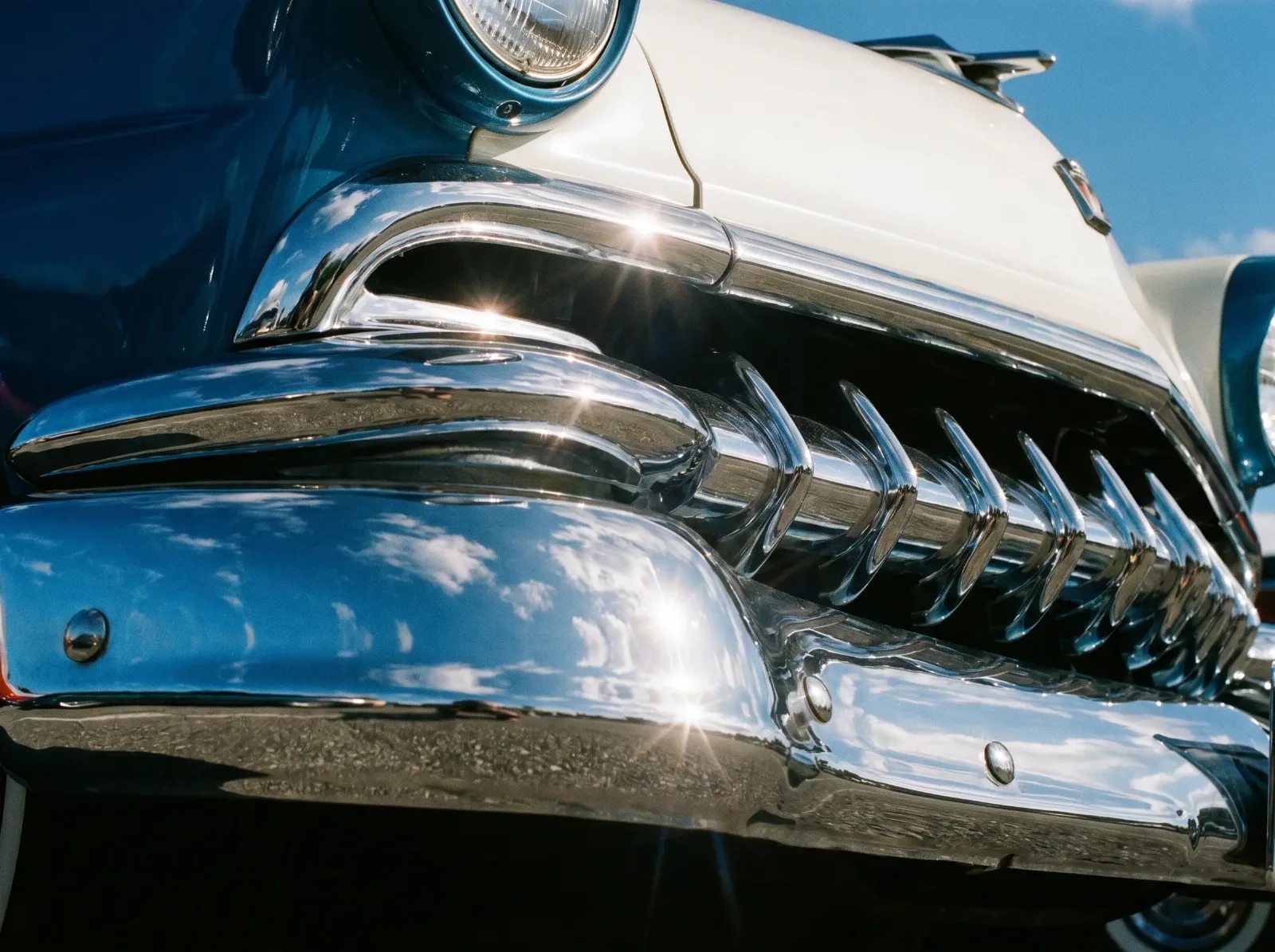
What gets lost in jokes about chrome barges is how much genuine craft the brightwork required. Each piece had to be formed, polished to a flawless base, plated in stages, and fitted with tight, even gaps. On the best cars the trim followed the body's shape precisely, tracing a fender line or wrapping a window with no waver. Poor fitment showed instantly, because chrome hides nothing. A wavy strip or a loose gap reads as cheapness the moment light hits it.
For collectors today, that craft is both the appeal and the expense. Re-plating chrome to period standard is costly and skilled work, and a car with its original high-quality brightwork intact carries real value over one that needs the trim redone. Clean, correctly plated examples are exactly what draws attention among classic luxury cars for sale, because good chrome is hard to fake and harder to restore cheaply.
Why the chrome era ended
The gleam did not last. By the early 1960s tastes were shifting toward cleaner surfaces, and Bill Mitchell's crisper design direction at GM pulled trim back in favor of sharper body lines. Later, safety regulation and the economics of the 1970s pushed heavy chrome bumpers toward extinction altogether. The material that had once shouted luxury came to look dated, then costly, then simply out of step with the times.
"Chrome was never decoration for its own sake. It was cost made visible. A buyer could not see the engineering, but they could see the plating, and in that period seeing the money was the whole transaction."
Sarah Whitfield
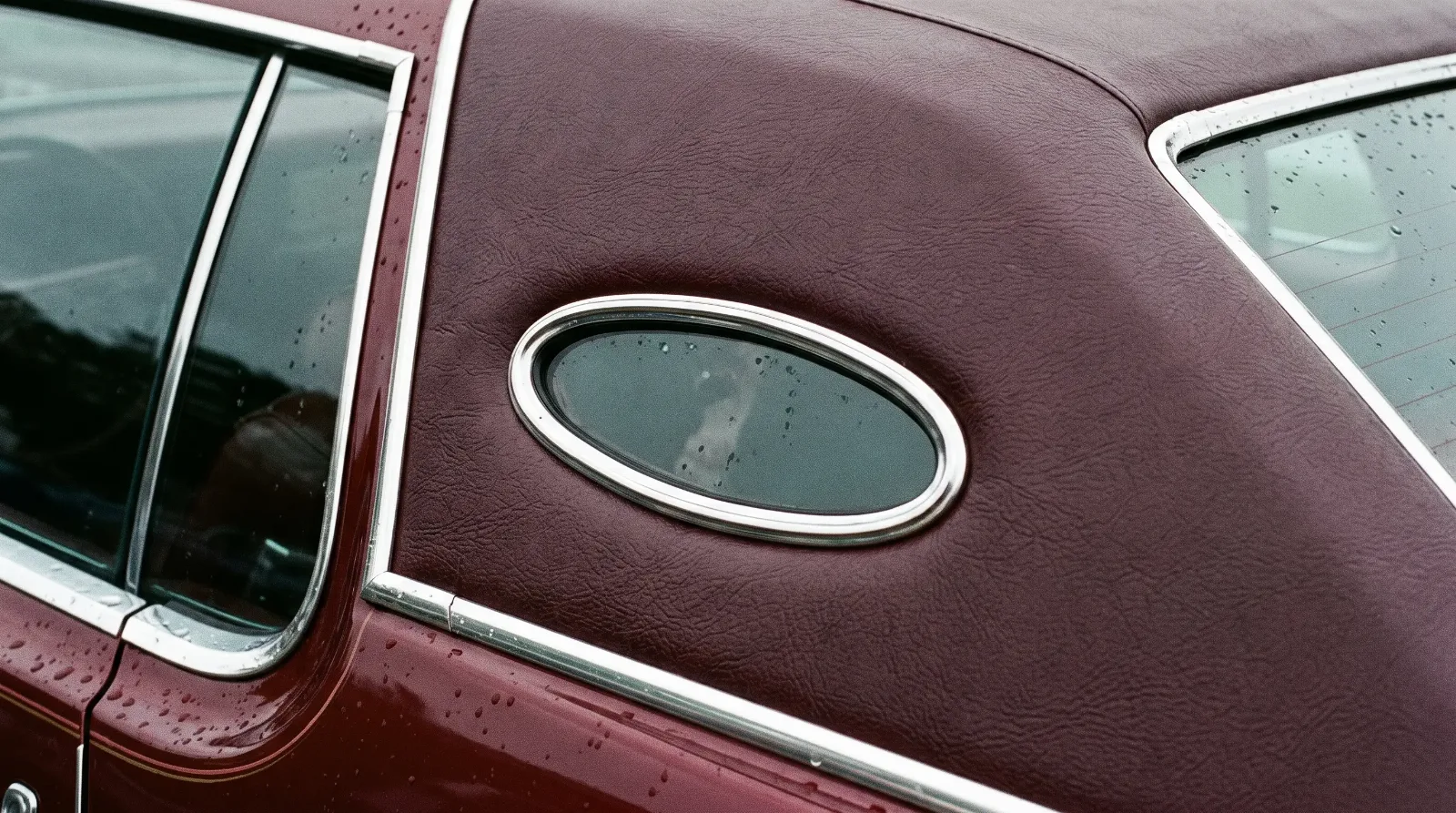
Looked at as artifacts, the chrome-heavy luxury cars record a specific confidence about wealth and how it should be displayed. They were built to be seen, and the brightwork was the medium. The fin and the chrome were not the only tricks these cars used to whisper status, though. Some of the most telling signals were smaller and quieter, which brings us to next: Opera Windows and Formal Roofs.
Related Reading


Have a
Classic Car
for Sale?
Reach thousands of serious classic car collectors across the US.
Sell It Here →
Are You a Classic Car Dealer?
List your full inventory and connect with targeted classic car buyers.
Join as a Dealer →

About the author
Sarah Whitfield
Third-generation classic car collector specializing in pre-war American and European coachbuilt automobiles. Researcher and concours enthusiast.

Comments
Be the first to comment on this article.