
Look at an American luxury coupe from the 1970s and two features tend to announce themselves before anything else: a small window set into the rear pillar, and a roofline that stands tall and squared off rather than sloping away. The first is the opera window. The second is the formal roof. Neither did much for visibility or aerodynamics. Both did a great deal for the impression of prestige, and together they became one of the most recognizable luxury design signatures of their era.
Car Features
6 min read
Opera Windows and Formal Roofs: A Luxury Design Signature
What opera windows and formal roofs meant on classic luxury cars, their coachbuilt roots, and why the signature defined the 1970s coupe.
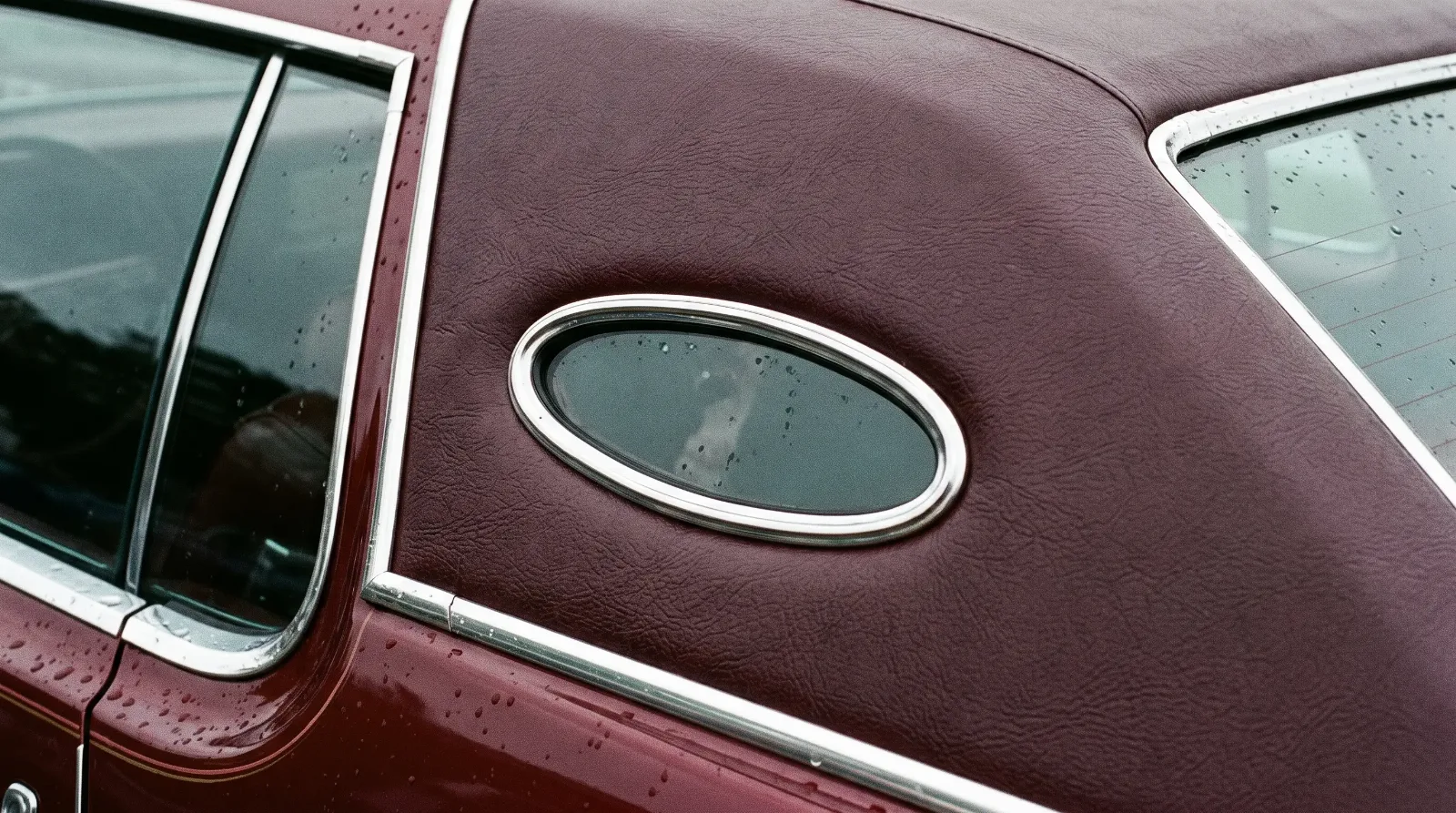
Opera windows on classic cars are easy to dismiss as a gimmick, and plenty of the later ones were. But the feature has real roots in coachbuilding tradition, and at its best it belonged to a coherent design idea about what a formal automobile should communicate. To read these cars fairly, you have to understand what the opera window and the formal roof were borrowing from, and why buyers wanted the reference.
What an opera window actually is
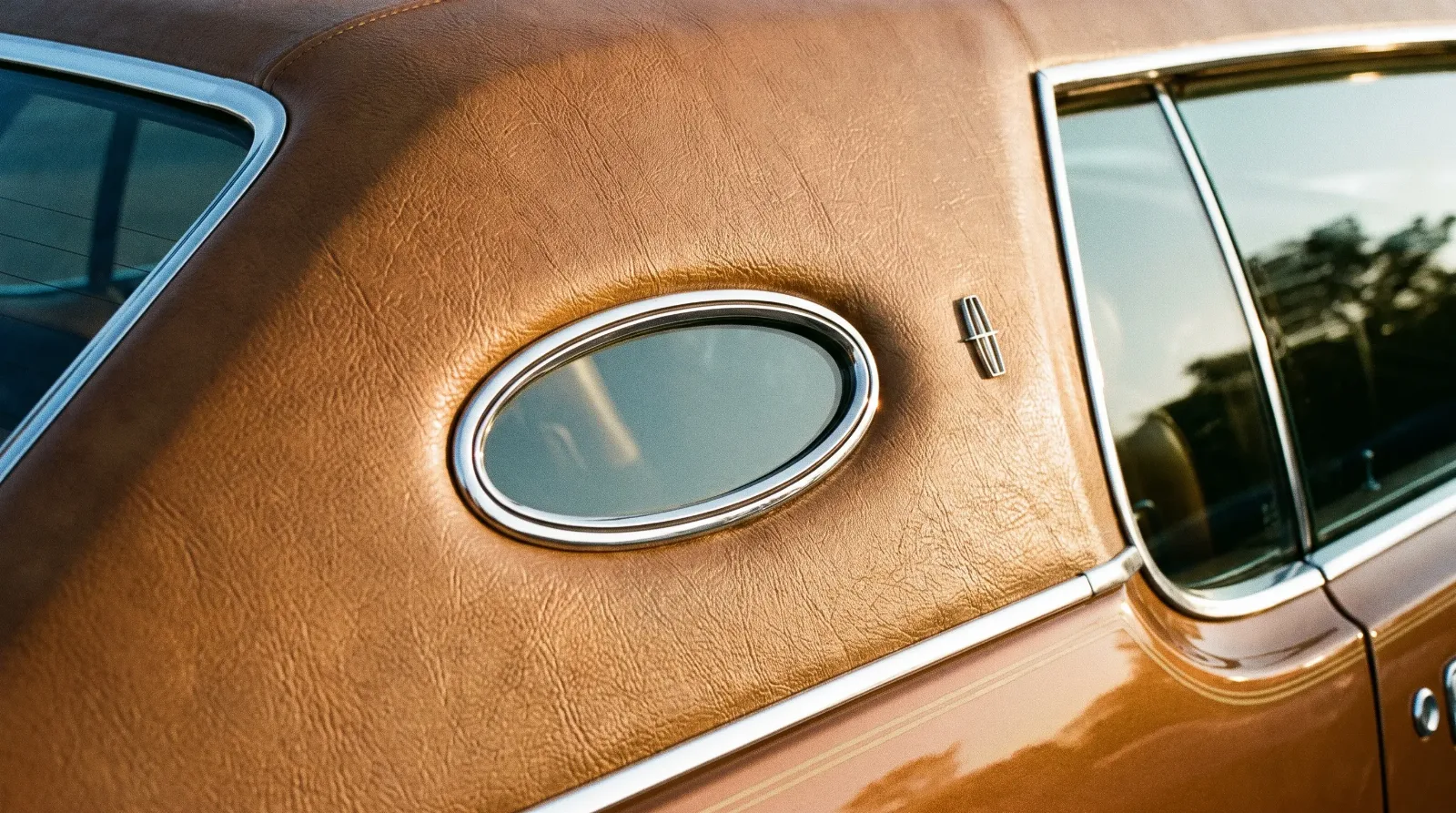
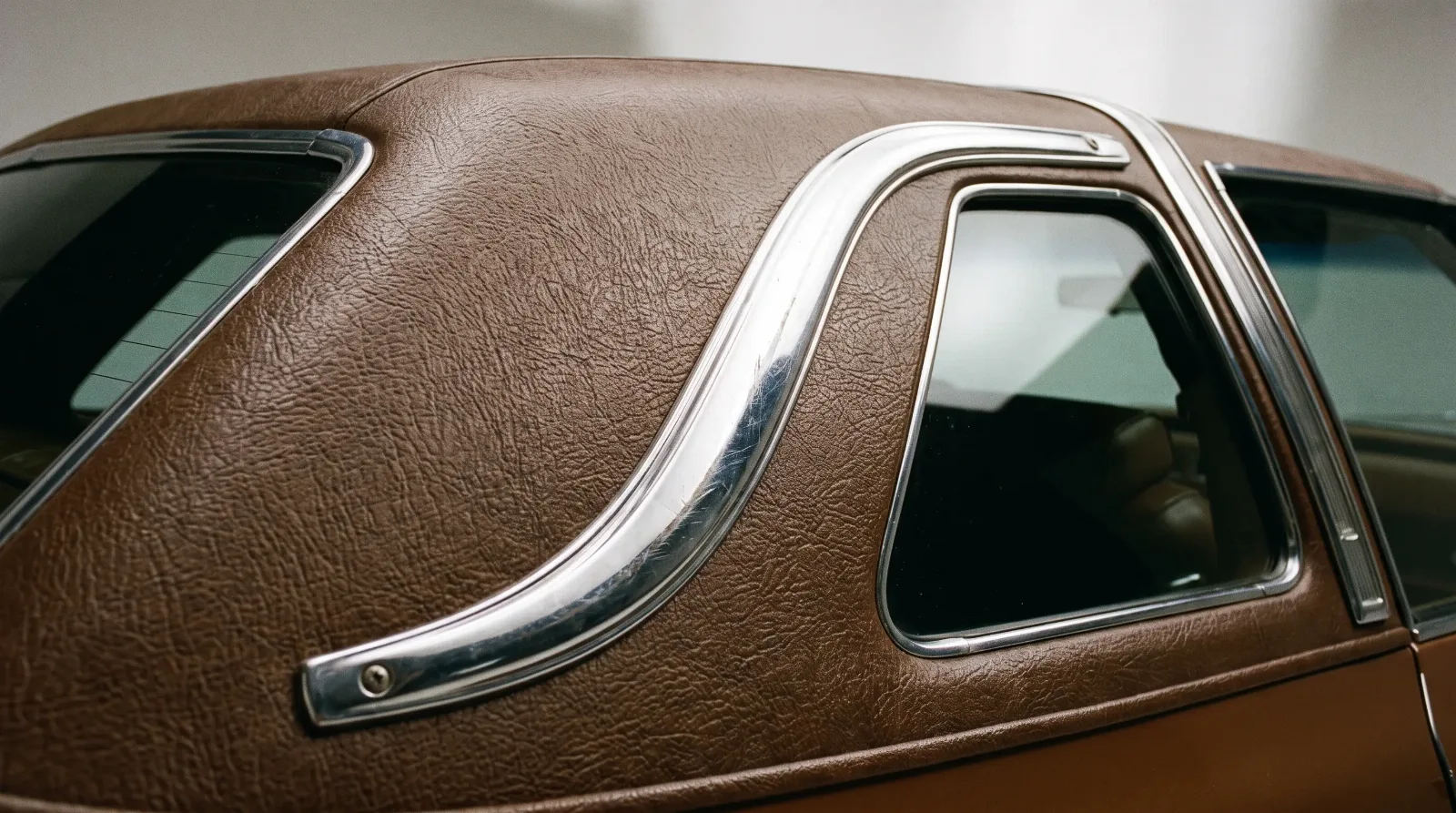
An opera window is a small, usually fixed pane set into the rear roof pillar or the quarter panel of a closed car. It is not there to be opened or, in most cases, to improve the view out. Its job is decorative and social. The name itself points back to the carriage era, when formal enclosed vehicles carried small windows so that passengers dressed for the opera could be glimpsed, or could glimpse out, without exposing the whole cabin.
That heritage matters. The opera window arrived in the automobile as a deliberate echo of coachbuilt formality, a way of saying this car belongs to the tradition of the town car and the limousine rather than the sporting roadster. When it worked, it worked because it sat inside a design that already spoke that language. This feature is one thread in the classic luxury design language story that ran through American styling for decades.
The formal roof and what it signaled
The formal roof is the opera window's natural partner. Where a fastback or a hardtop sweeps the roofline down toward the tail for a sporting look, a formal roof stays upright and square, often with a thick rear pillar and a near-vertical backlight. The effect recalls a horse-drawn carriage or a chauffeur-driven town car, upright and dignified rather than fast and low. It is a roof that says the person inside is being carried, not driving hard.
Very often the formal roof came wrapped in a padded vinyl covering, which heightened the coachbuilt reference by imitating the fabric-covered roofs of older formal cars. The thick pillar created by this treatment was exactly where an opera window could be cut, so the two features fed each other. A formal roof gave the pillar its bulk, and the opera window relieved that bulk with a small, jewel-like opening. They were designed as a set.
When it worked and when it did not
At its best, the opera window belonged to a genuinely elegant whole. On a well-proportioned personal luxury coupe, the small window balanced a heavy rear pillar and gave the eye a resting point, while the formal roof lent the car the upright dignity it was reaching for. The reference to coachbuilt formality felt earned rather than pasted on. These are the cars that still read as handsome today.
Then the idea spread, and spreading diluted it. By the later 1970s opera windows were appearing on cars whose proportions never called for them, cut into vinyl roofs on bodies that had nothing formal about their underlying shape. At that point the feature became a badge of aspiration rather than a considered design choice, a small window added because the category expected one. The gap between the thoughtful early examples and the reflexive later ones is wide.
The shapes of these later windows tell the story too. The early examples tended toward simple, restrained ovals or rectangles that sat quietly in the pillar. As the decade wore on, the openings grew fussier, taking on curlicued outlines, applied frames, and even etched or leaded-glass effects meant to suggest a hand-built refinement the assembly line never delivered. The more the feature strained to signal exclusivity, the less exclusive it actually was, since half the coupes in the showroom carried some version of it. That is the usual fate of a status cue once it goes mass market.
| Feature | What it does | What it signals |
|---|---|---|
| Opera window | Small fixed pane in the rear pillar or quarter | Coachbuilt formality, carriage-era reference |
| Formal roof | Upright, squared roofline with heavy rear pillar | Town-car dignity over sporting speed |
| Padded vinyl covering | Fabric-look covering over the formal roof | Imitation of older cloth-covered formal cars |
Why the signature faded
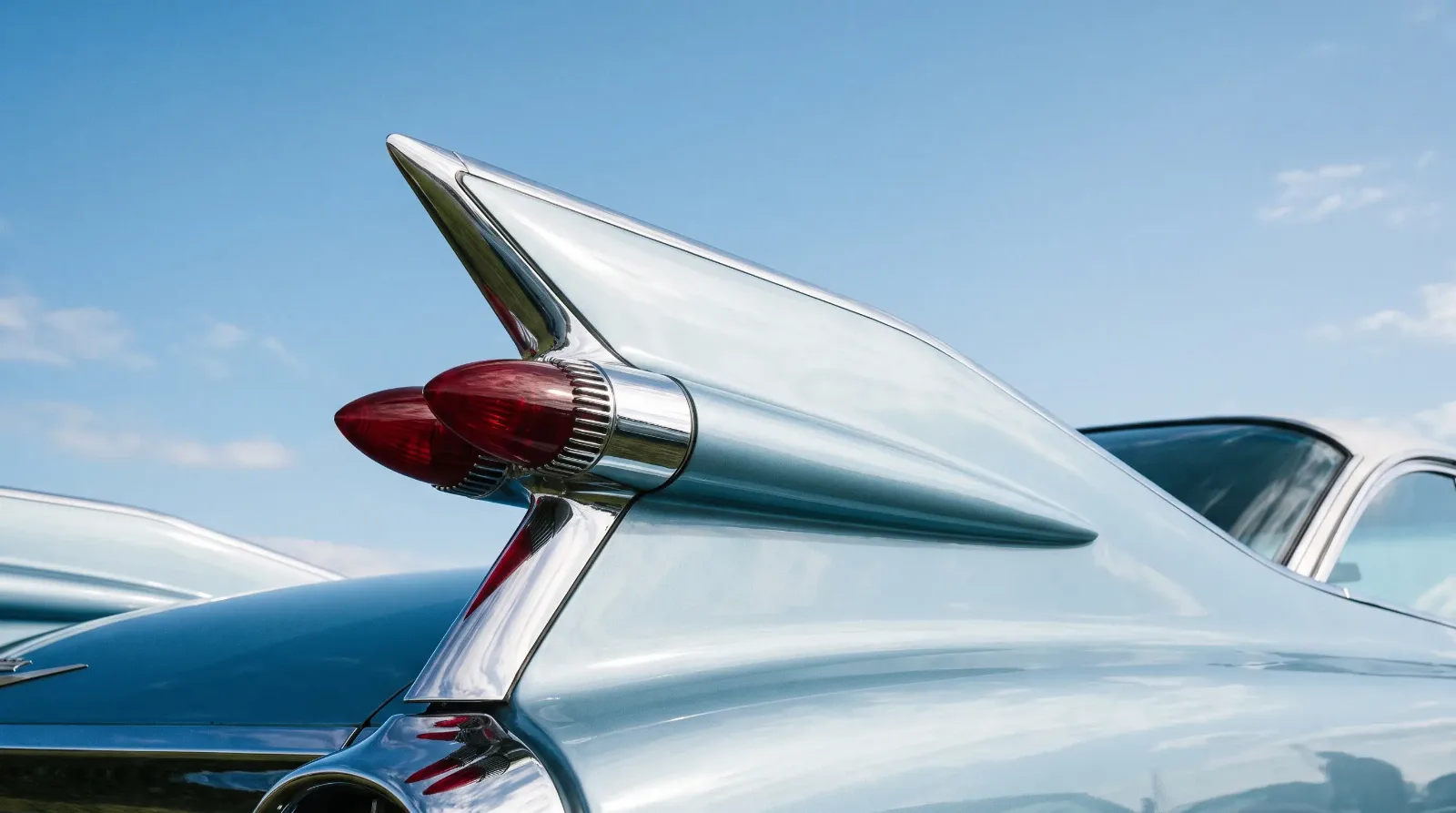
Like the tall fin and the acres of chrome before it, the opera window and formal roof eventually dated. As design taste moved toward cleaner surfaces and aerodynamics became a real engineering priority in the 1980s, the upright formal roof and its decorative window looked increasingly out of step. The features that had once signaled the top of the market came to signal a specific, closed chapter of American styling instead.
"The opera window was never about seeing out. It was about being seen in the right tradition. When it sat inside a proper formal roof it was one of the most quietly effective luxury cues American designers ever borrowed from the carriage trade."
Sarah Whitfield
Understood as artifacts, these features record a particular idea of prestige, one built on reference and dignity rather than speed. The opera window and the formal roof asked to be read as descendants of the coachbuilt town car, and for a while buyers happily read them that way. The vinyl roof that so often accompanied them has its own tangled history worth unpacking, which is why we turn to next: Vinyl Tops, Padded Roofs, and Landau Bars Explained.
Related Reading
Have a
Classic Car
for Sale?
Reach thousands of serious classic car collectors across the US.
Sell It Here →
Are You a Classic Car Dealer?
List your full inventory and connect with targeted classic car buyers.
Join as a Dealer →

About the author
Sarah Whitfield
Third-generation classic car collector specializing in pre-war American and European coachbuilt automobiles. Researcher and concours enthusiast.




Comments
Be the first to comment on this article.