We talk about the Oldsmobile Cutlass in our circles like it is family, and in a lot of ways it is, because so many of us grew up around one, whether it was a 442 in a cousin's driveway or a G-body Supreme somebody's older brother was still paying off. What does not always come up at the show, though, is what these cars are actually bringing at auction now, because the numbers have moved in ways that surprise even people who have been in this scene for decades.
The 442 sets the ceiling
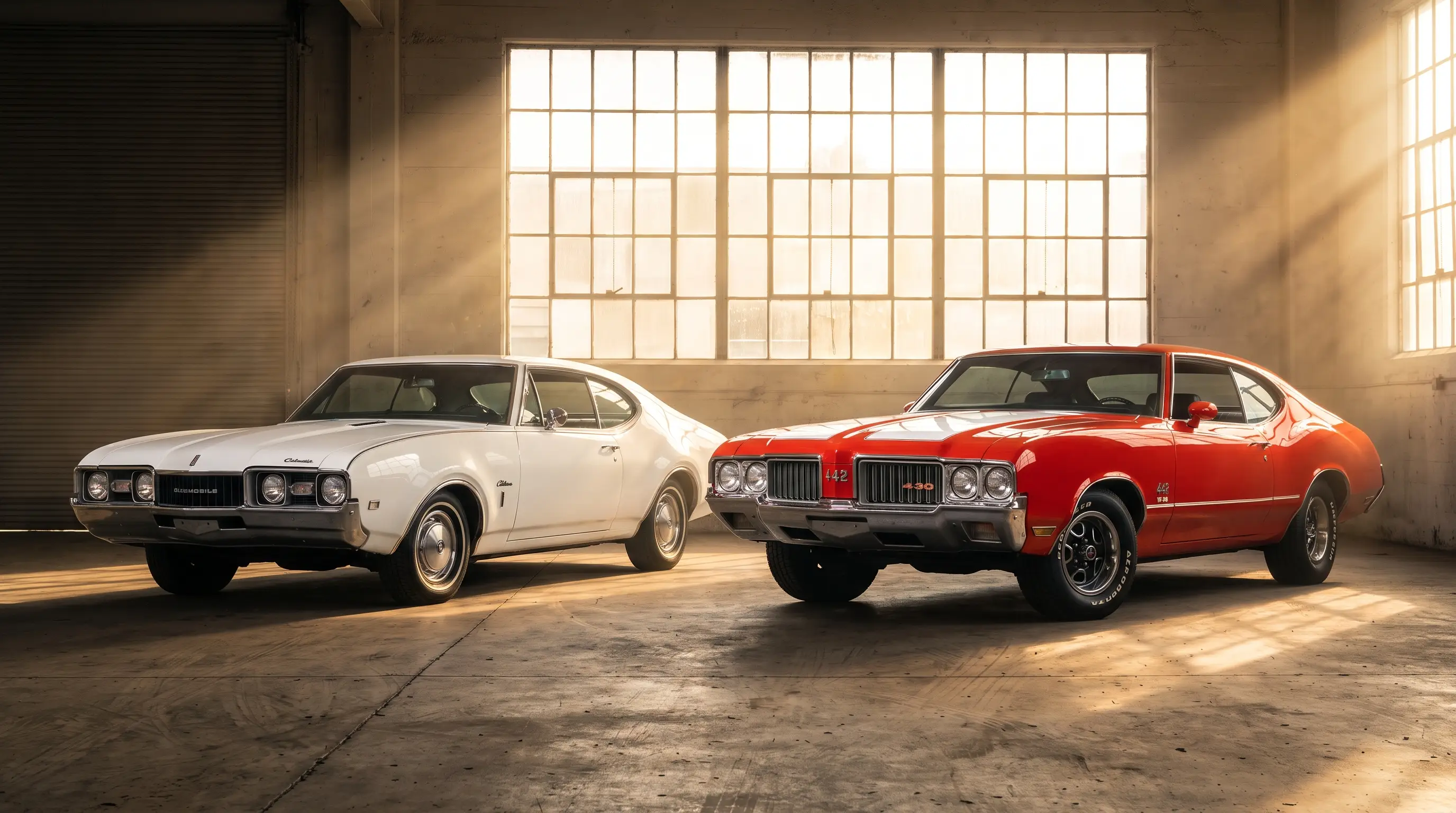
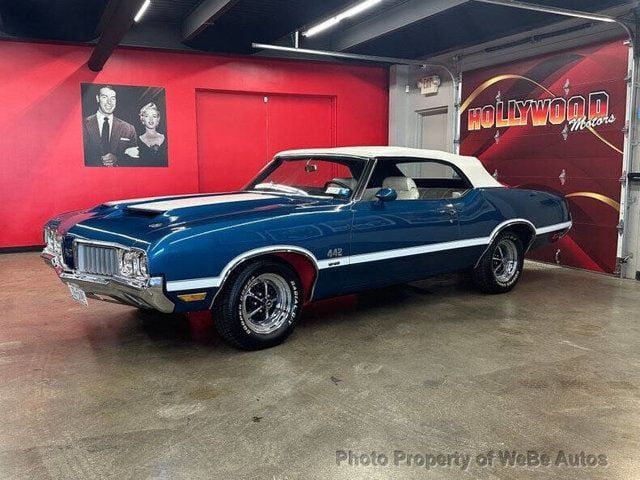
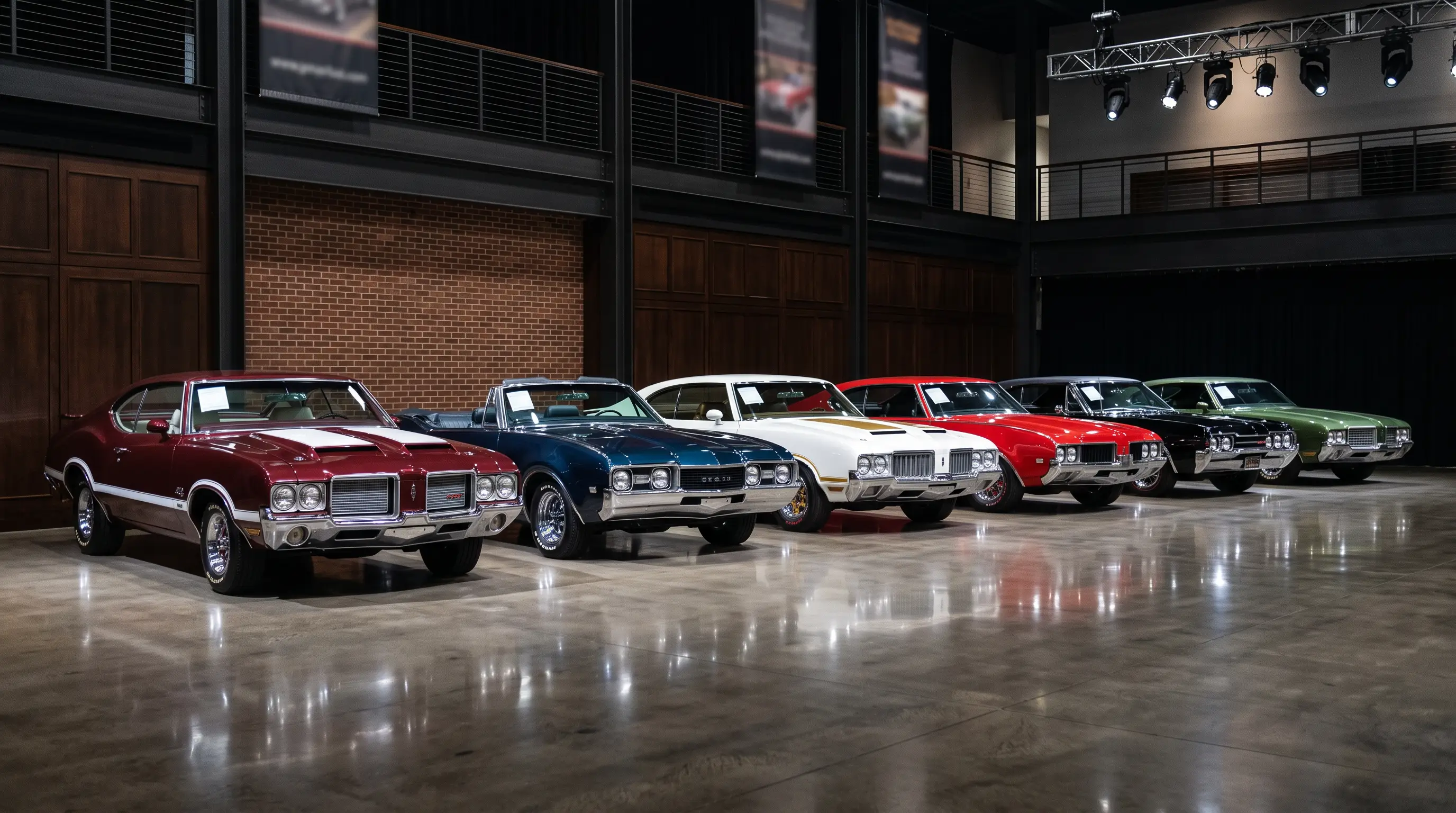
When people talk about serious Cutlass money, they are almost always talking about the 442, the performance package that turned a family car into something with real teeth. The rarest documented 442s, the ones with factory W-30 packages and verified build sheets, have crossed the auction block for six-figure sums at major houses like Mecum and Barrett-Jackson, with the finest documented W-30 convertibles clearing $200,000 and the top recorded sale for a 1970 442 reaching $357,500. What separates those cars from the rest of the pack is not just the engine under the hood. It is paperwork. A 442 with a documented build sheet, matching numbers, and a clean ownership trail brings real multiples over an otherwise identical car missing that history, sometimes double or more depending on the year and options.
The ordinary Cutlass, the six-cylinder coupe or the Salon sedan grandpa drove to work, was never built to command that kind of money, and it still does not. That gap between the top and the bottom of the Cutlass market is wider than almost any other GM nameplate from the era, because the name covered so many different cars at once.
| Segment | Typical auction range | What drives the price |
|---|---|---|
| Documented W-30 442 | Roughly $90,000 to $150,000 for the best examples, with rare convertibles topping $200,000 | Build sheet, matching numbers, factory options |
| Standard 442, driver quality | Roughly $30,000 to $50,000 | Condition, mileage, cosmetic originality |
| Hurst/Olds special editions | Often $100,000-plus, with the record near $187,000 | Low production numbers, Hurst branding, documented history |
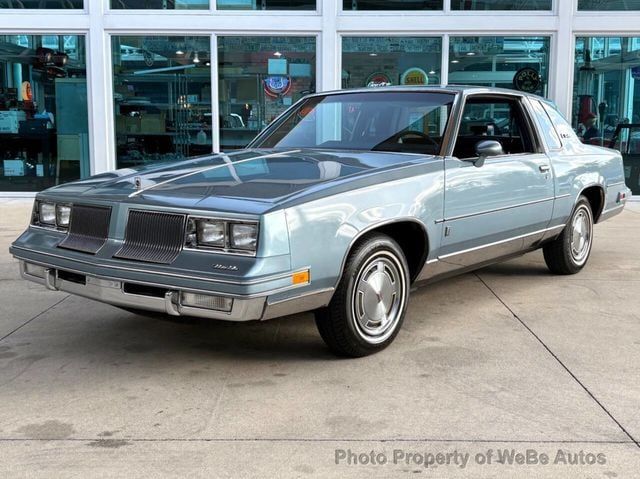
| Clean G-body Supreme, unmodified | Rising steadily from what were scrap-level prices a decade ago | Growing scarcity of rust-free, unmolested examples |
| Everyday Cutlass sedan or coupe | Modest driver-level money | Nostalgia, usability, low ownership cost |
Why the G-body has started climbing
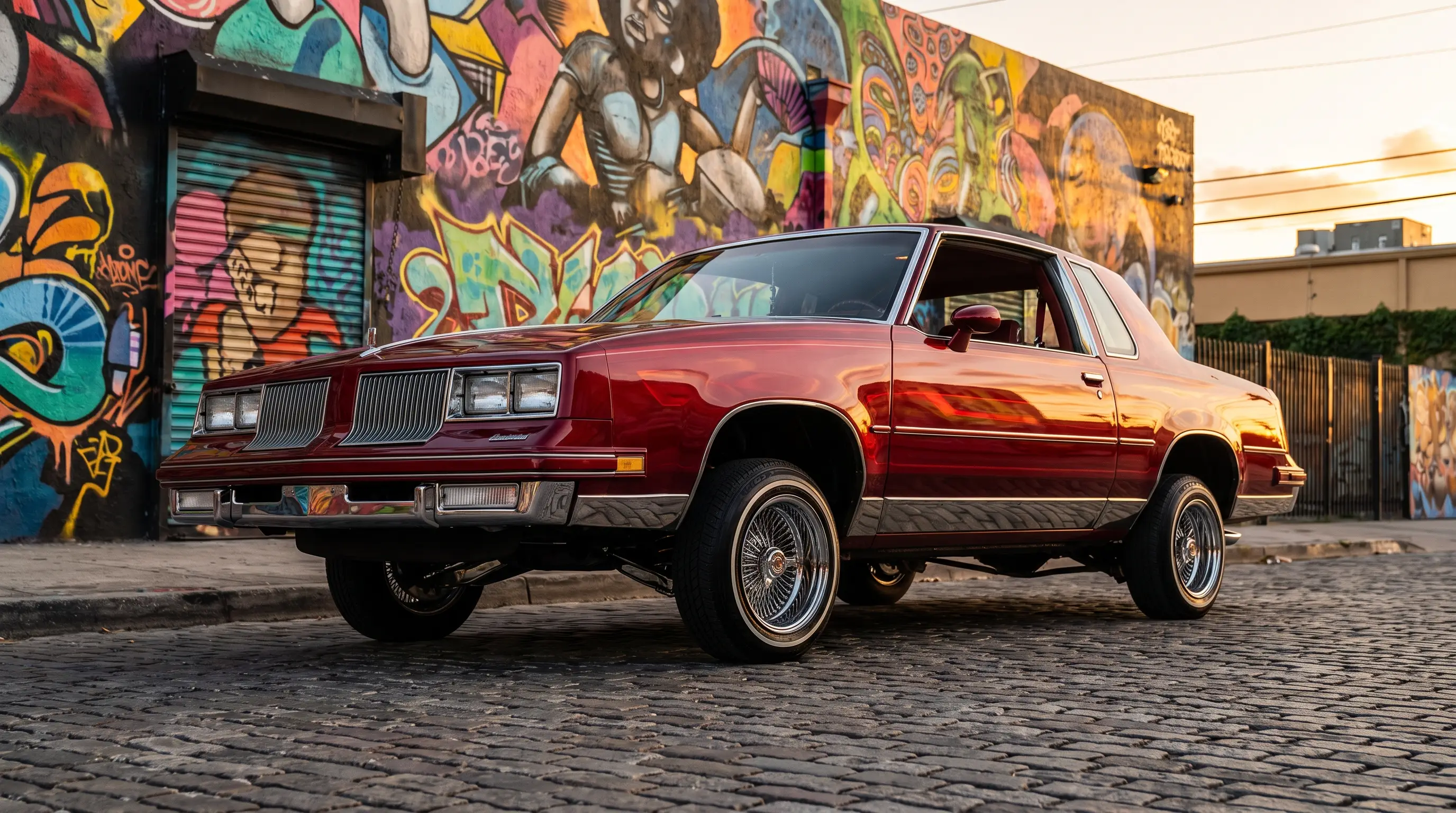
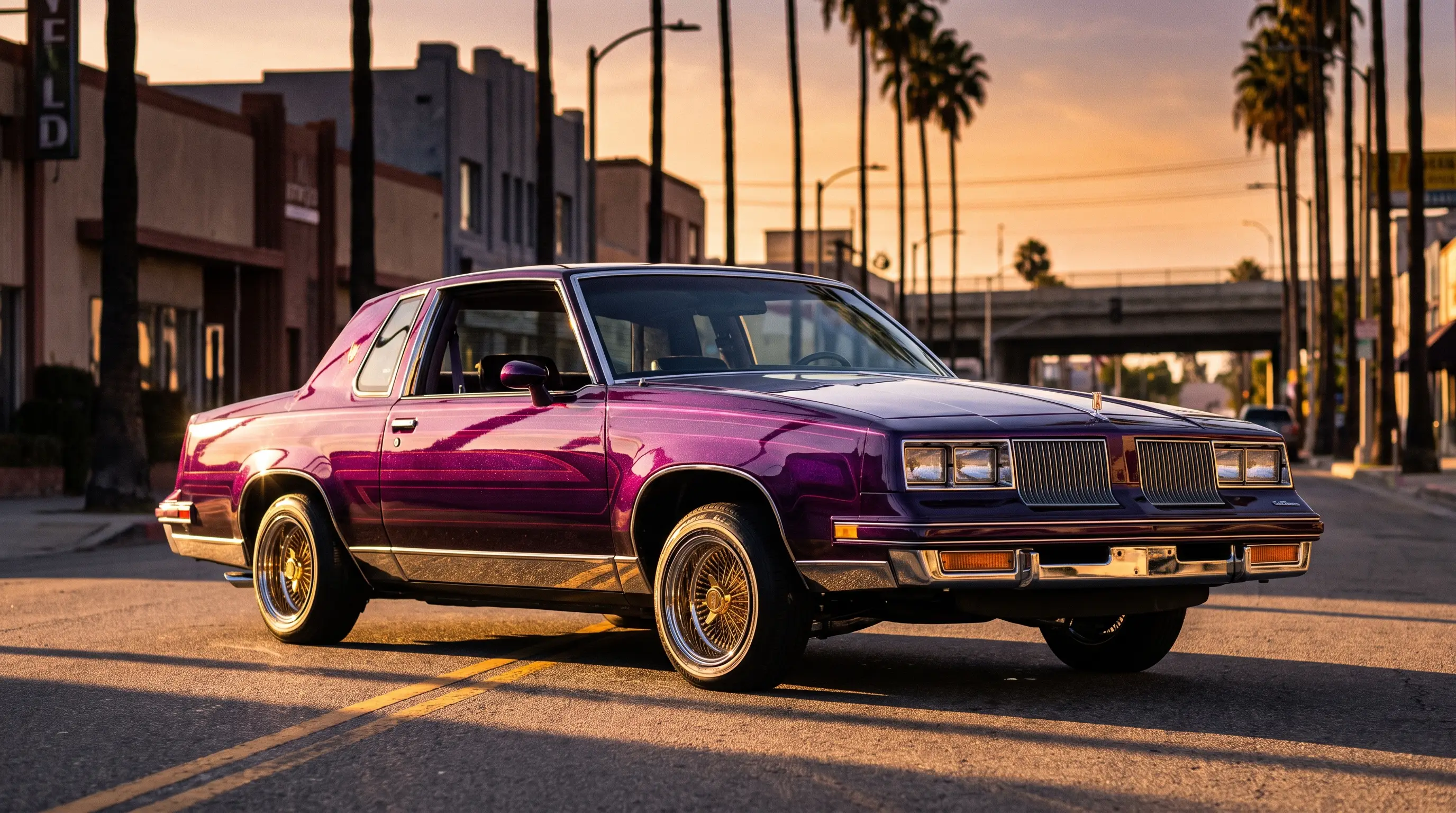
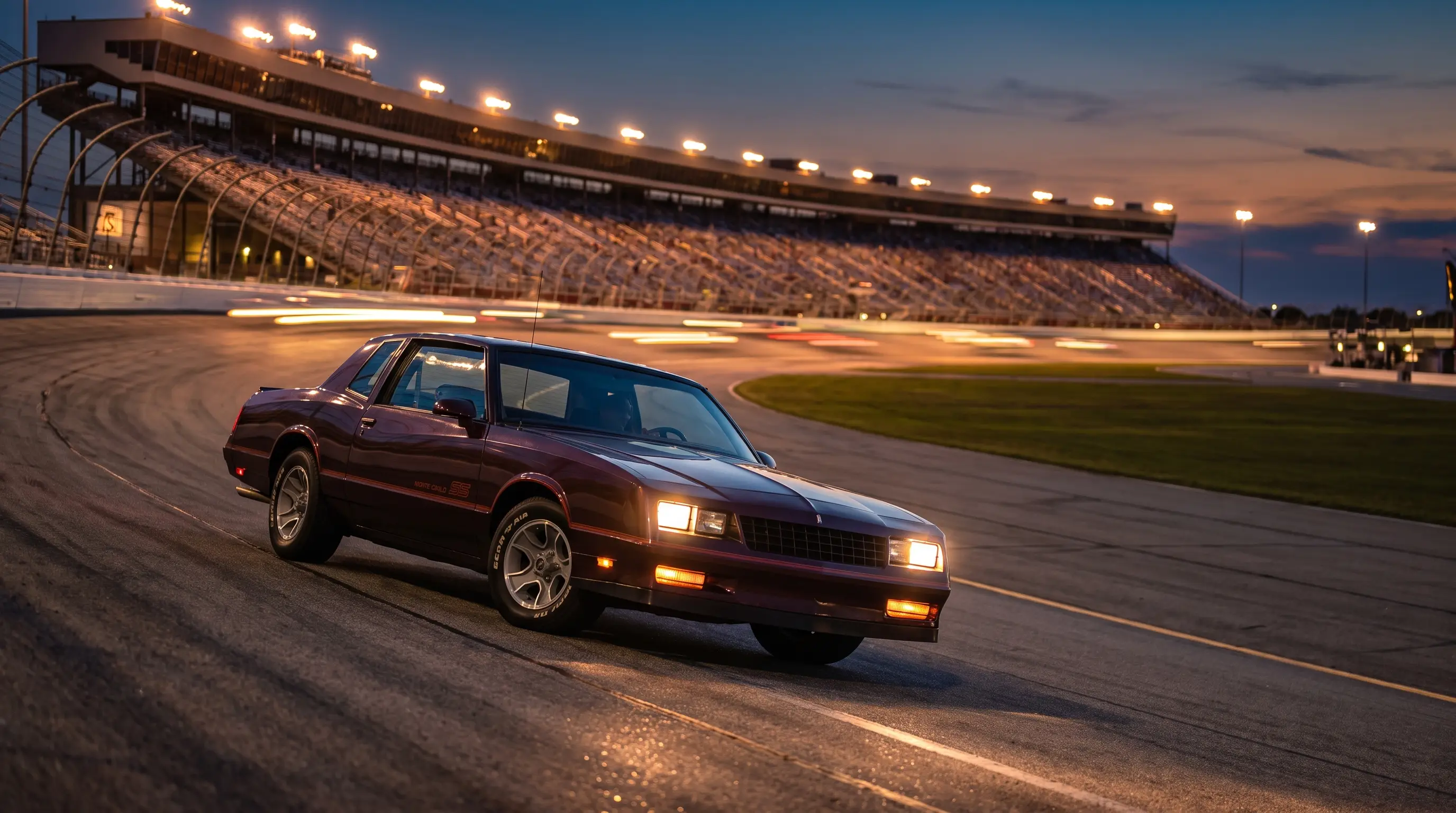
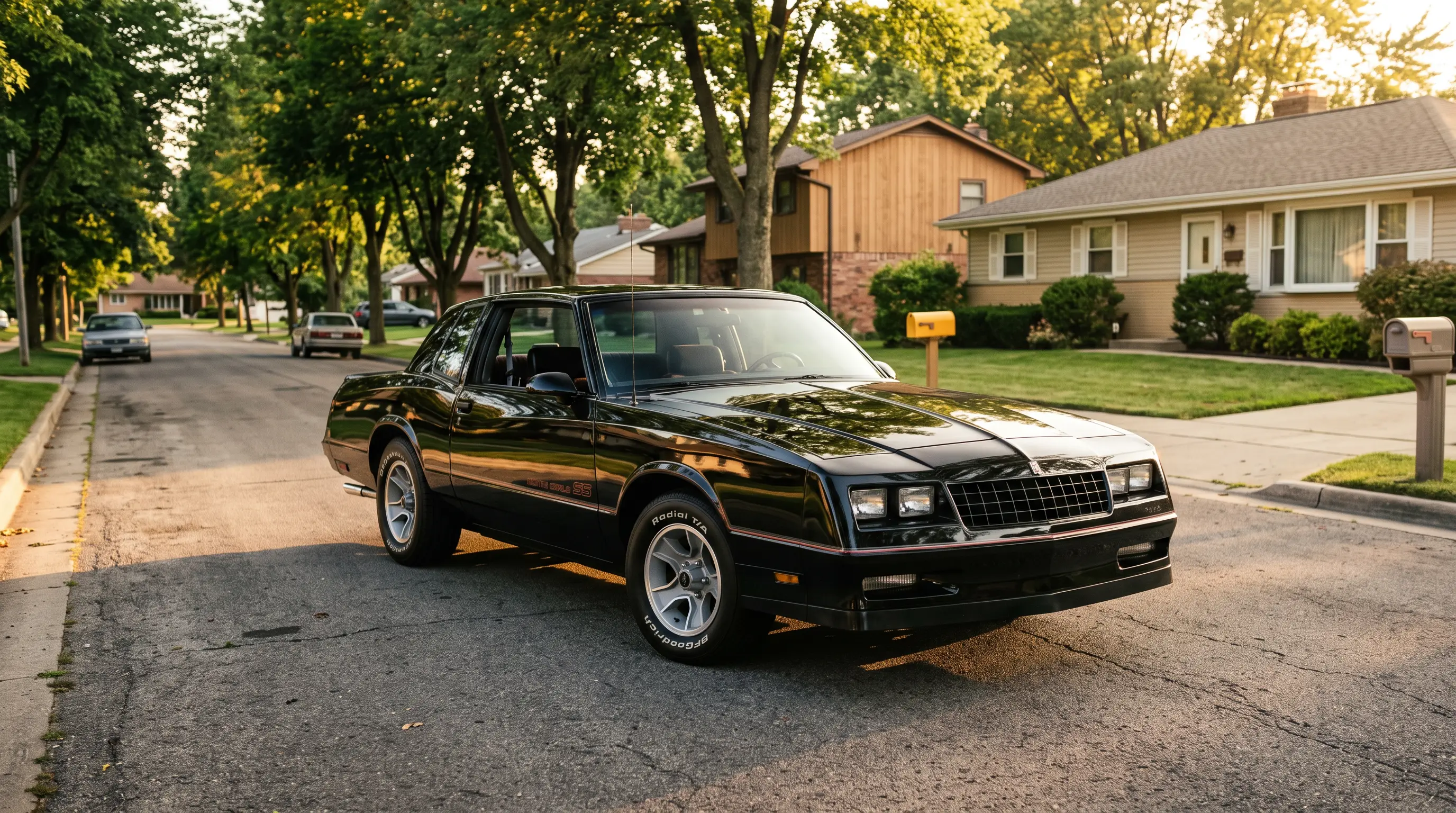
Here is the part that a lot of longtime collectors did not see coming. The plain G-body Cutlass Supreme, the car nobody thought twice about a generation ago, has been quietly climbing at auction because two very different buyer groups want the same increasingly scarce supply. Custom builders in the hydraulics and lowrider scene need clean, rust-free starting points, and there simply are not as many left as there were fifteen years ago. At the same time, a newer wave of collectors who grew up in the eighties and nineties are chasing the cars from their own childhoods, the same way an earlier generation chased 442s. Put those two groups against a shrinking supply of solid G-body cars, and the prices move, even on cars with nothing exotic under the hood.
That shift matters for anybody trying to understand where Cutlass values are headed next, and it connects directly to why the Cutlass endures as a nameplate people still care about decades after production ended. A car does not hold value, let alone gain it, without a real community behind it, and the Cutlass has one of the deepest, most varied communities of any American nameplate from this era.
What actually moves the needle on a specific car
We have watched enough auctions to know the pattern by now. Documentation moves the needle harder than almost anything else. A tank sticker, a factory build sheet, dealer invoice paperwork, these turn a good story into a provable one, and provable stories are what serious bidders pay for. Originality matters nearly as much. A 442 or Hurst/Olds that has never been repainted, never had its interior redone, holds a premium over an equally solid car that has been restored, even a restoration done well, because the market increasingly treats untouched originality as its own kind of rarity.
Rarity of options counts too, and it is not always the option you would expect. A 442 with a rare axle ratio or a documented factory air conditioning delete can carry surprising value among specialists chasing a specific configuration, even when the visible car looks identical to a more common example sitting next to it on the lot.
"We used to think the only Cutlass worth real money was a 442 with the right paperwork. Now we're watching plain G-body cars climb because two different communities want the same shrinking supply, and neither one of them is backing down."
— Hector Morales
Reading the market before you bid
Anybody watching this market with an eye toward buying should treat the 442 and the G-body Supreme as two separate conversations, because they are priced by two different logics. The 442 market rewards factory performance history and documentation above all else. The G-body Supreme market increasingly rewards scarcity and community demand, whether that demand comes from custom builders or nostalgic collectors. Readers weighing the 442 against the everyday Cutlass in terms of long-term value should look at a companion piece that breaks that specific comparison down in detail.
For anyone whose interest in these numbers turns into wanting to own one, there is classic Oldsmobile Cutlass for sale worth a look, because both segments of this market, the documented performance cars and the increasingly scarce clean G-body Supremes, are only getting harder to find at a fair price the longer you wait.
None of this is likely to slow down soon. The pool of documented, unrestored 442s only shrinks with each passing year, and every serious collector we talk to at the shows says the same thing, that the cars with real paperwork are getting harder to pry loose from families who have held them for decades. The G-body story is younger and still writing itself, but the direction looks the same. More buyers, fewer clean cars, and a community on both ends, collectors and builders alike, that is not walking away from the Cutlass name anytime soon. We have seen nameplates fall out of favor before. This is not one of them.