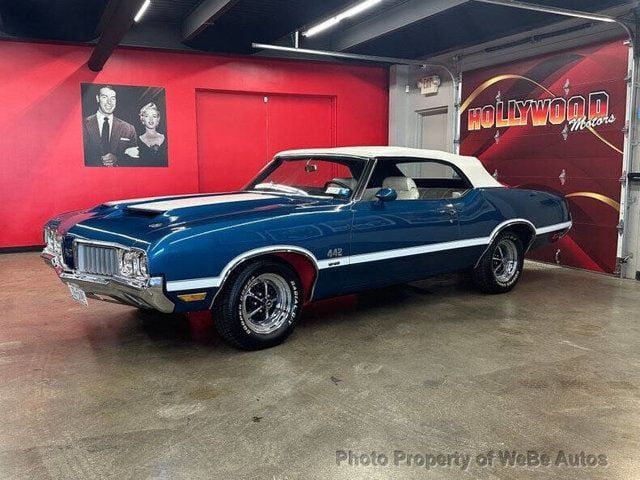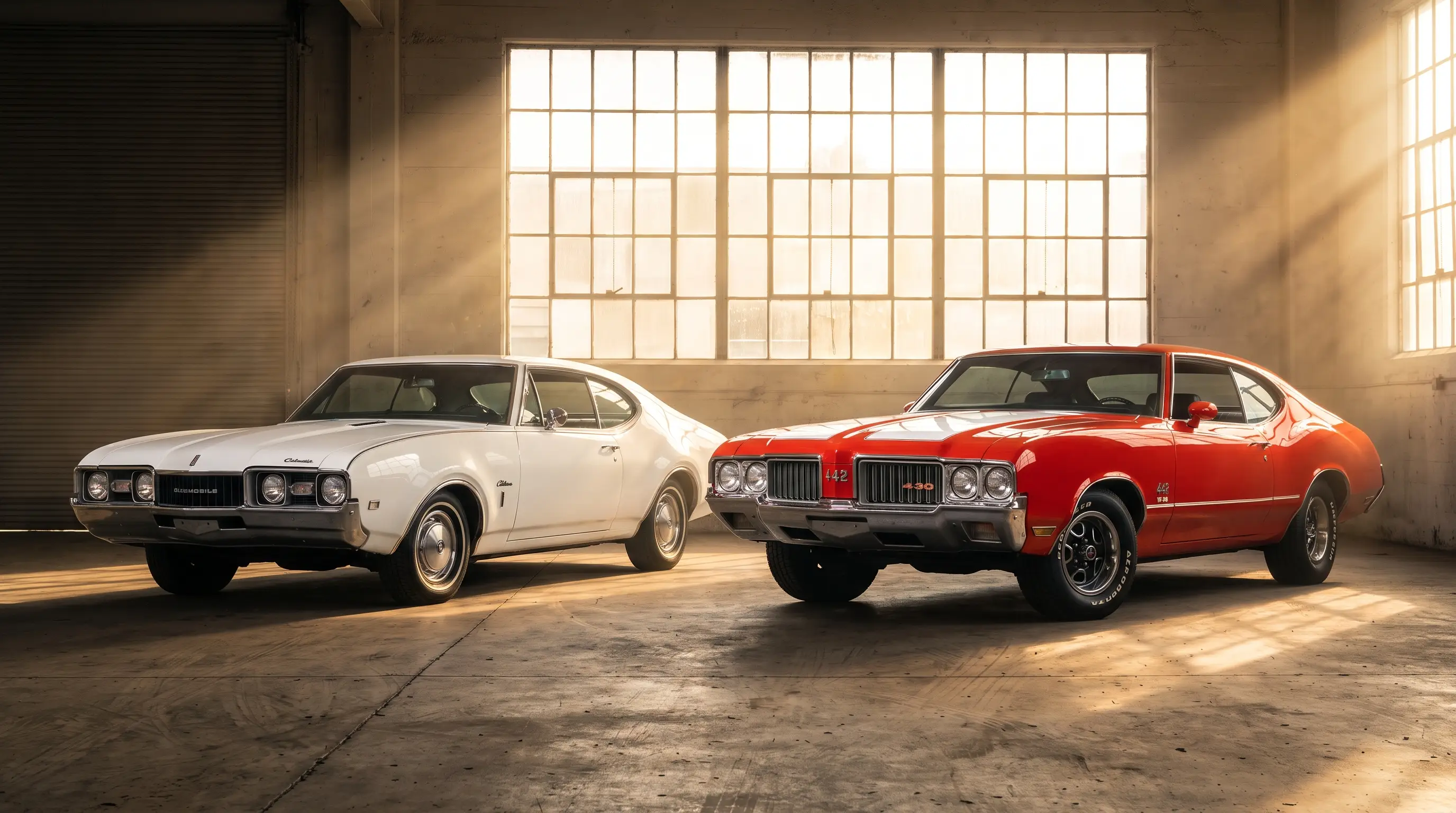
A man at a swap meet in Ohio once told me he had two Oldsmobiles parked side by side in his garage, a plain 1970 Cutlass sedan his mother had driven to church for a decade, and a 1970 442 he had bought as a teenager and never sold. Same model year. Same basic platform underneath. And by his own estimate, the 442 was worth something like ten times what the sedan would bring on its best day. That gap is the whole story of Cutlass value, and understanding why it exists tells you more about this car than almost any spec sheet could.
Two cars wearing one name
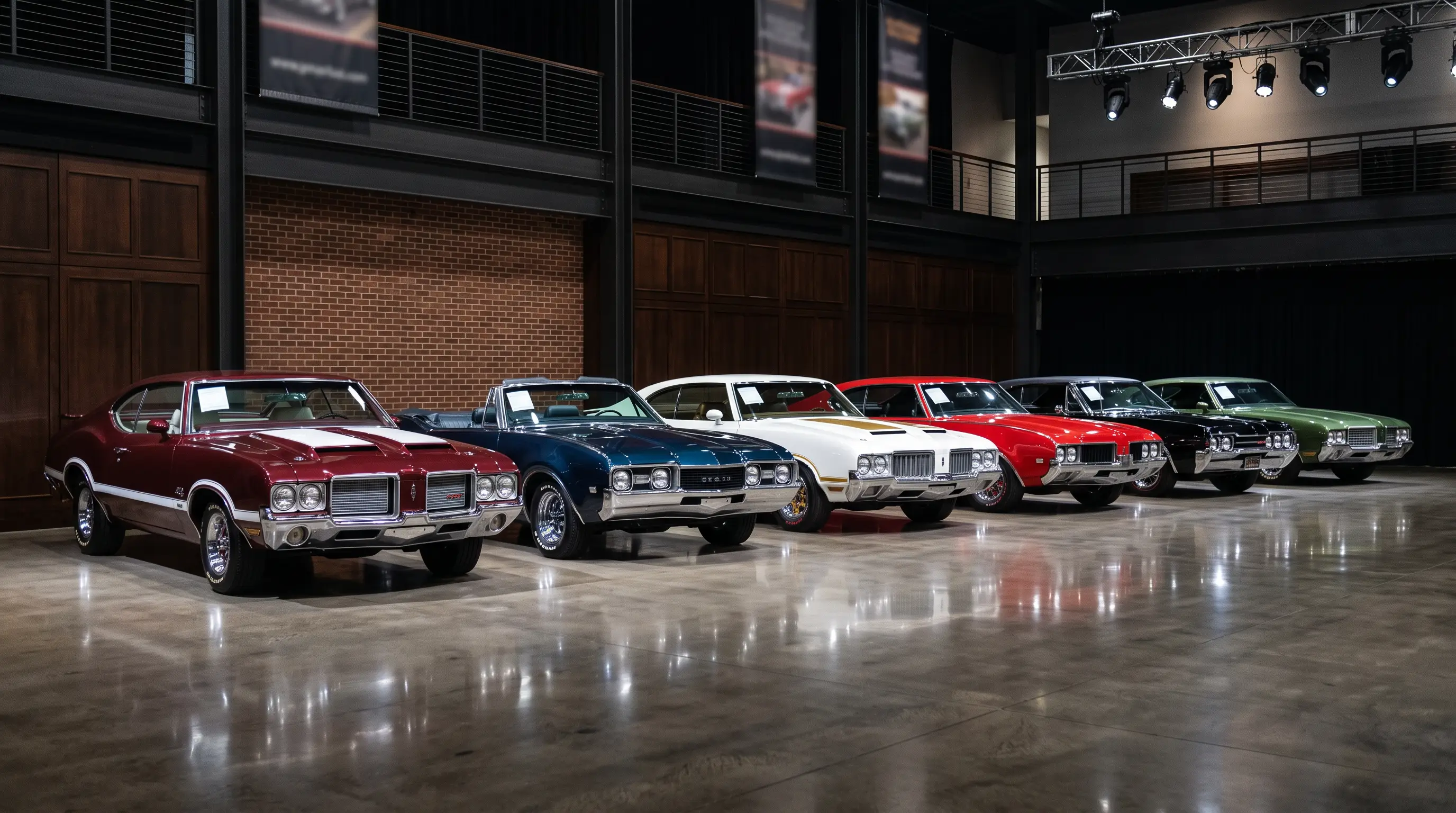
The word "Cutlass" never referred to a single car for very long. By the late sixties it covered a whole family, base coupes and sedans built for comfort and value, alongside the 442, a factory performance package built around a bigger engine, stiffer suspension, and a heavier duty drivetrain. Both cars rolled down the same assembly lines and shared the same basic body. What separated them was everything that mattered to a buyer forty years later: the engine under the hood, the documentation that proved what left the factory, and the demand from a very specific, very passionate group of collectors who grew up wanting exactly the 442 and nothing else.
That demand did not exist evenly across the whole model line. Nobody built a devoted fan club around the base Cutlass sedan the way they did around the 442, and that asymmetry shows up directly in what each car is worth today.
What actually separates the money from the mundane
Ask any serious buyer what drives the price gap and the answer comes back the same way every time: documentation and engine authenticity. A 442 with a verified factory build sheet, matching numbers on the block and heads, and a clean paper trail through its ownership history can bring a genuine premium over an otherwise identical car missing that proof. Buyers are not just paying for horsepower. They are paying for certainty, the confidence that the car in front of them is exactly what the badge on the fender claims it is, in a hobby where clones and reproductions have muddied the water for decades.
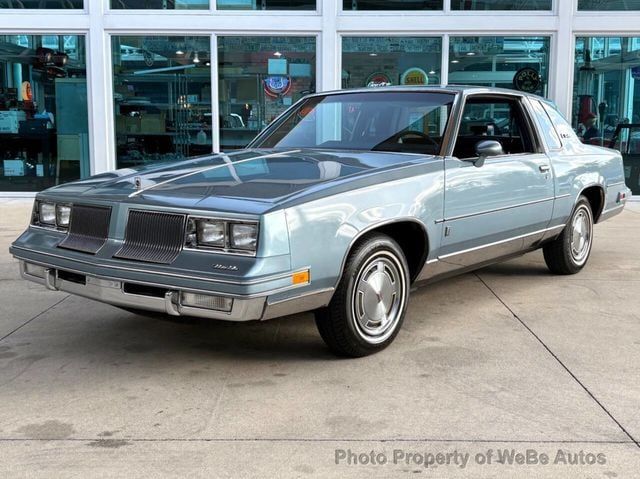
The base Cutlass never faced that same scrutiny, mostly because there was never much to fake. A six-cylinder coupe or a Salon sedan carries straightforward, honest value tied to condition and usability rather than provenance, and that is exactly why it remains one of the more affordable ways into classic Oldsmobile ownership. There is nothing wrong with that car. It simply competes in a different market, judged by different standards, against different buyers with different expectations.
| Cutlass variant | Value driver | Typical buyer |
|---|---|---|
| Documented 442, W-30 or similar | Matching numbers, build sheet, factory options | Serious collector, investment-minded buyer |
| Standard 442, driver quality | Condition, engine authenticity, usability | Enthusiast who wants to drive it, not just show it |
| G-body Supreme, clean and unmodified | Scarcity of rust-free examples, growing nostalgia demand | Younger collectors, custom scene builders |
| Base Cutlass coupe or sedan | Condition and everyday usability, not documentation | Budget-conscious classic car buyer |
Why the gap has widened rather than narrowed
You might expect that gap to shrink as more people rediscover the plain Cutlass sedan, but the opposite has happened. The 442 market has been driven upward for years by a well-organized, well-funded collector community that treats documentation almost like currency in its own right, chasing rarer engine and axle combinations with real specificity. Meanwhile the everyday Cutlass sedan has stayed anchored to its role as a usable, affordable classic, appreciating slowly if at all, because nobody is competing hard to own the most correct example of a car built by the hundreds of thousands with no performance pedigree behind it.
That divergence connects to something bigger than just two model variants. It connects to the Cutlass legend itself, the way a single nameplate managed to be a working-class family car and a genuine muscle car icon at the same time, and how that dual identity still shapes what buyers are willing to pay decades later.
The middle ground buyers overlook
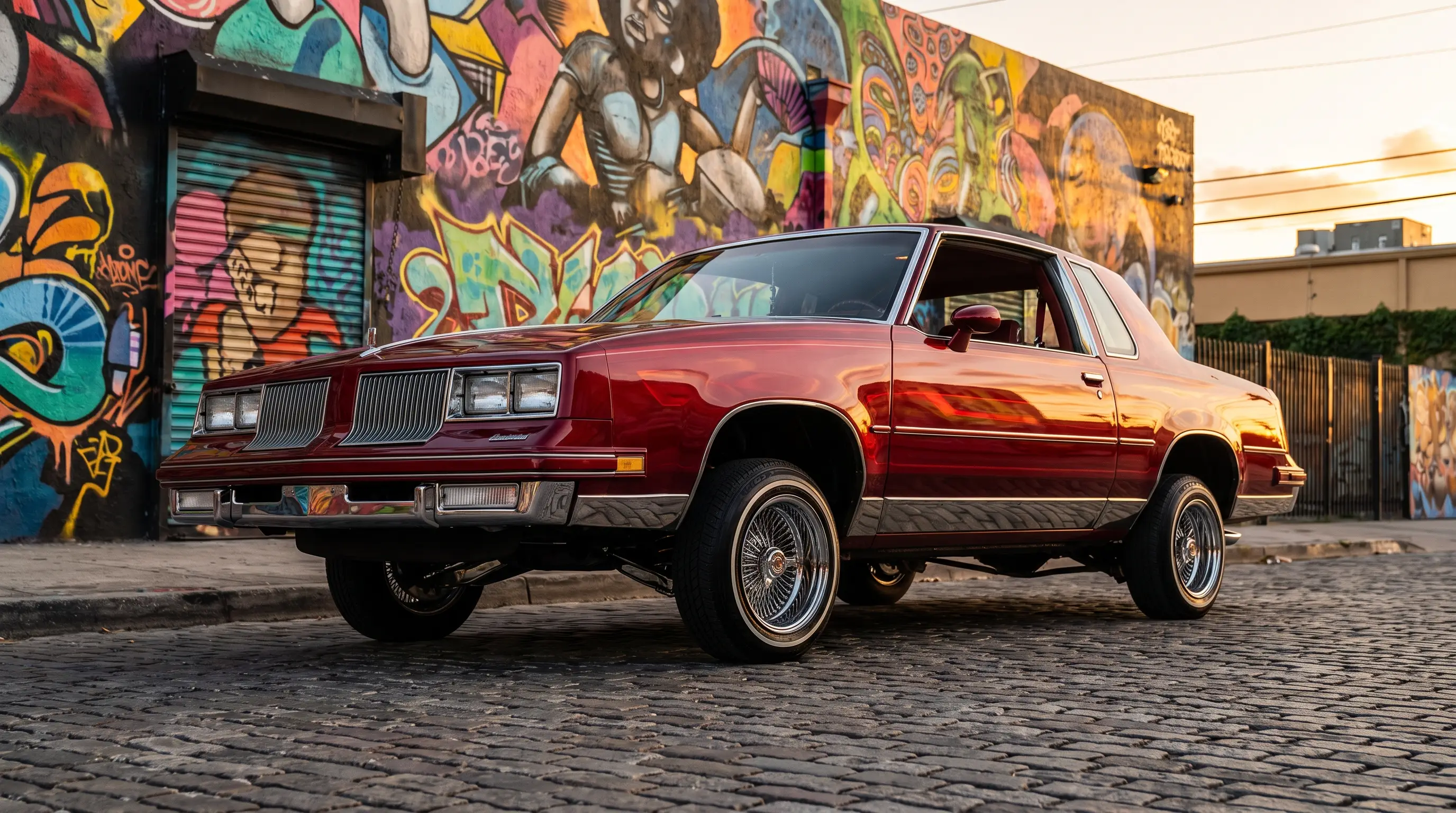
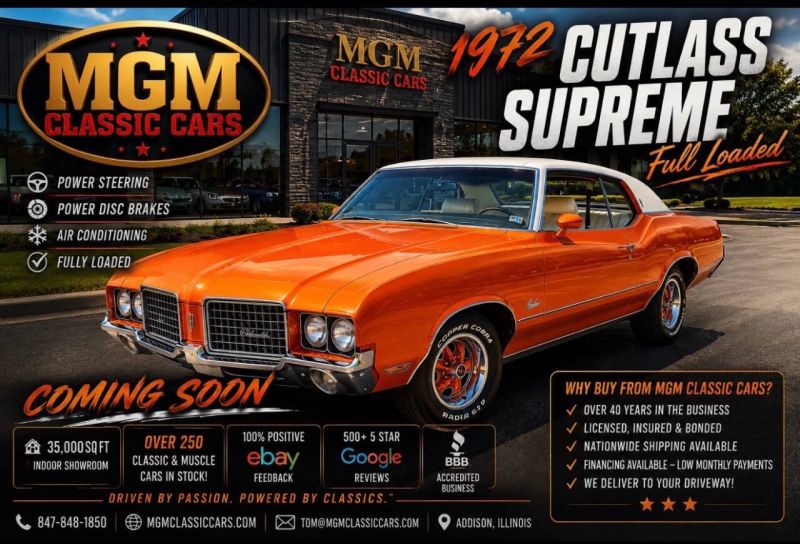
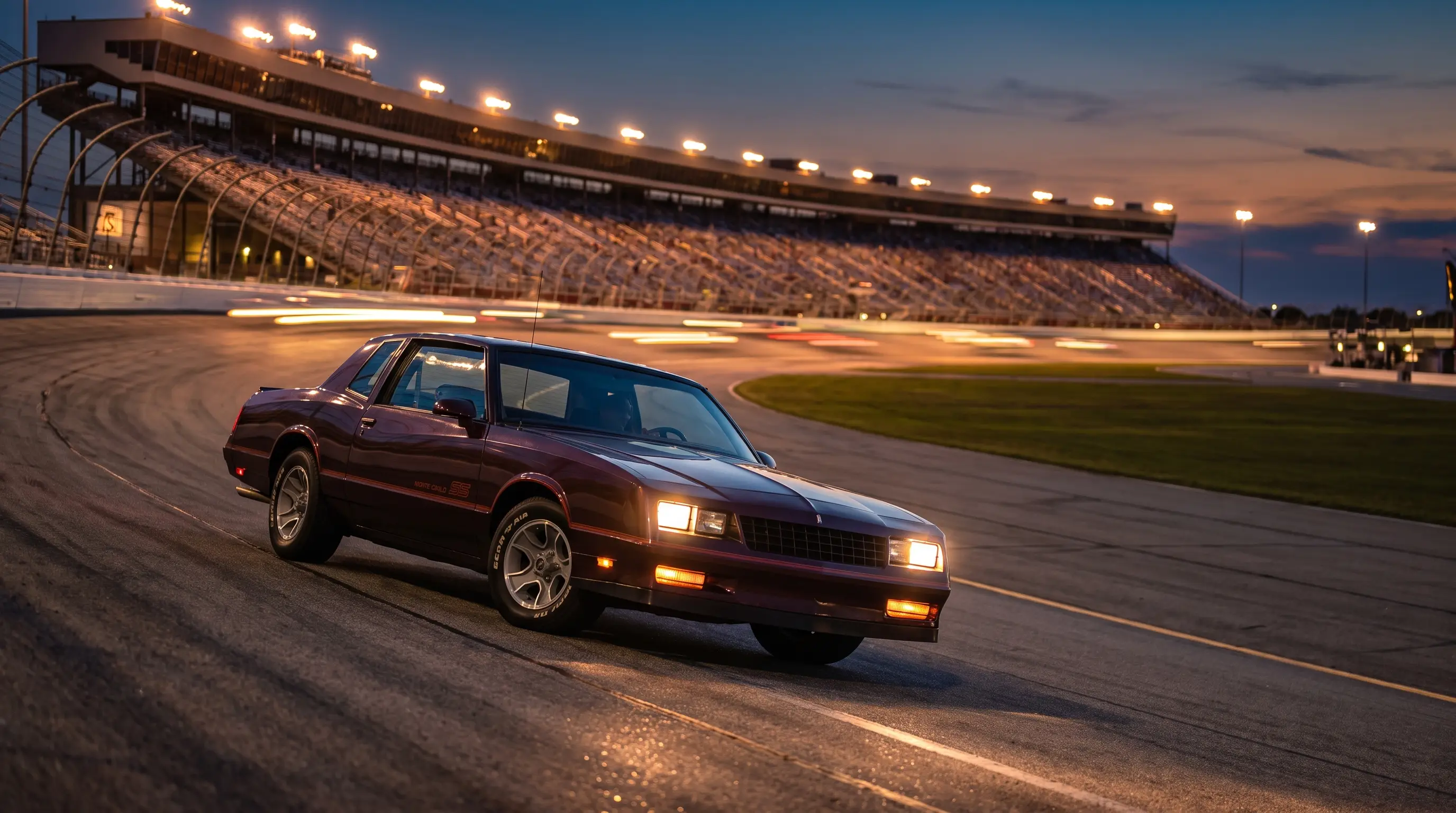
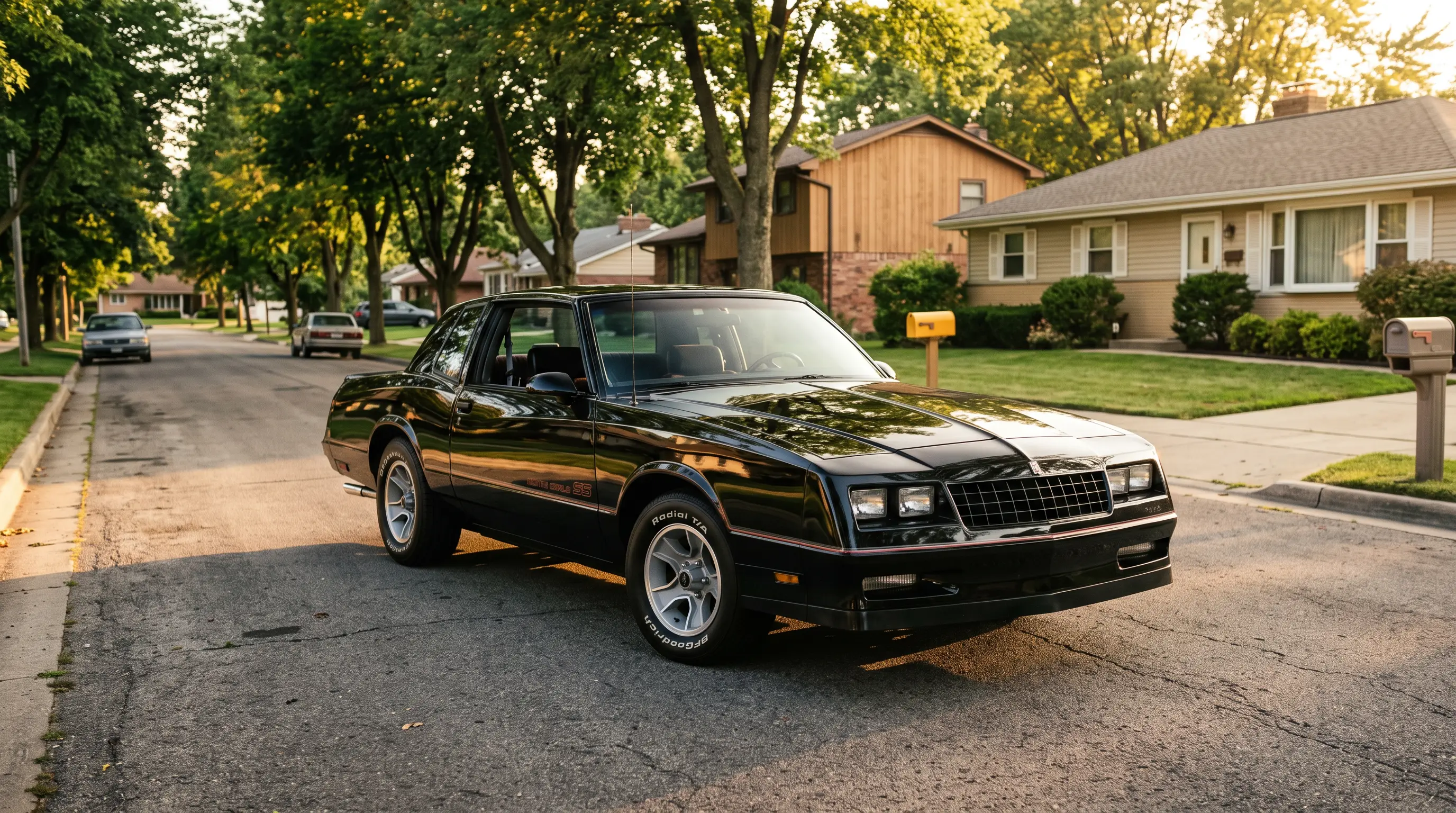
What gets lost in the conversation about six-figure 442s and budget-friendly base Cutlass sedans is the wide middle ground in between, particularly the G-body Cutlass Supreme from the late seventies and eighties. It never carried the 442's performance reputation, yet it has been climbing steadily as clean, rust-free examples grow scarcer and a new generation of buyers, some chasing nostalgia and some chasing a custom build platform, compete for the same shrinking supply. That segment deserves its own close look, and a related deep-dive covers exactly how that later chapter of Cutlass production is being valued today, separate from both the 442 and the earliest base models.
"People assume the 442 is simply the better car and that's why it's worth more. It's not that simple. The base Cutlass was never trying to be a 442. They were built for completely different buyers, and the market has just gotten a lot more honest about pricing that difference."
— Patrick Walsh
What this means if you are buying, not just watching
For a buyer trying to decide where to put their money, the honest answer depends entirely on what they actually want from the car. Someone chasing investment-grade appreciation and bragging rights at a national show belongs in the documented 442 market, accepting that entry costs real money and that provenance is non-negotiable. Someone who wants a comfortable, honest classic to drive on weekends without worrying about six-figure stakes has a perfectly legitimate home in the base Cutlass market, where the barrier to entry is a fraction of the cost and the car rewards use rather than paperwork. Neither choice is wrong. They are simply different bets on what "value" means, and the man in that Ohio garage, still holding onto both cars decades later, seemed to understand that better than most.
Anyone wanting the full arc behind both of these cars, how a single Oldsmobile lineup produced a factory hot rod and a family sedan under one badge, should read Oldsmobile's Cutlass history from the beginning. And for buyers ready to act on any of this, there is classic Oldsmobile Cutlass for sale covering both ends of that spectrum, from documented performance cars to honest, affordable drivers.