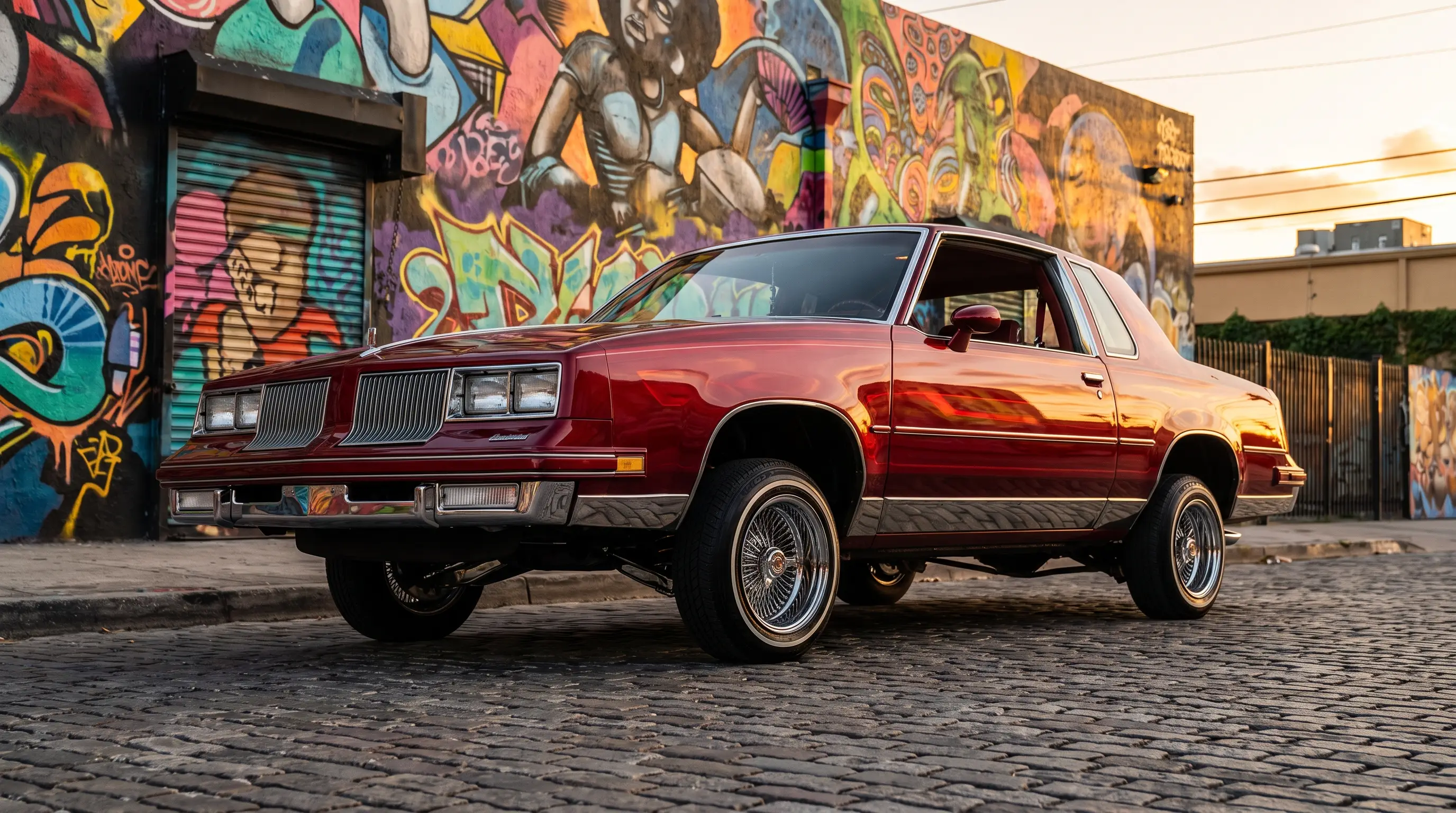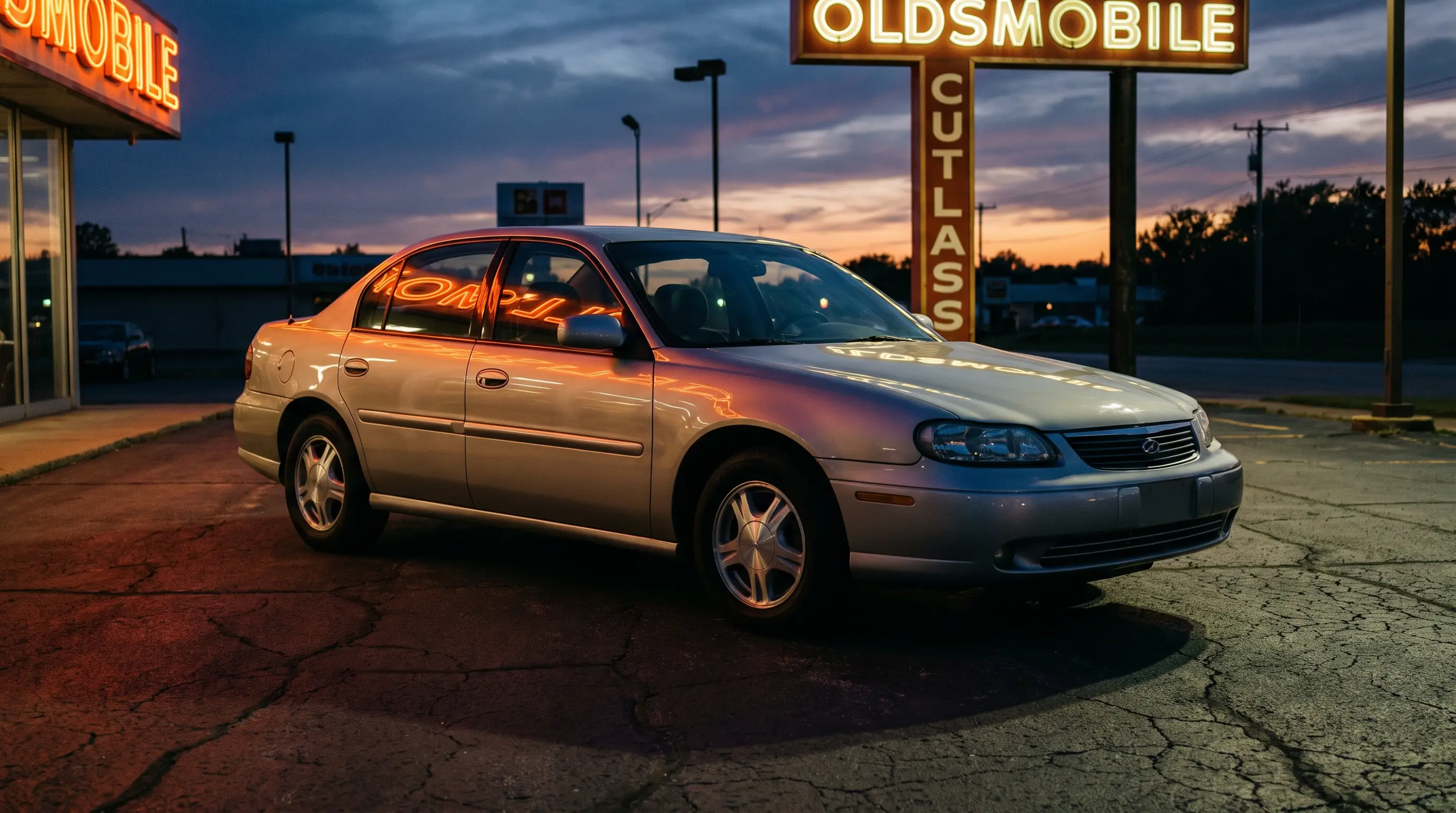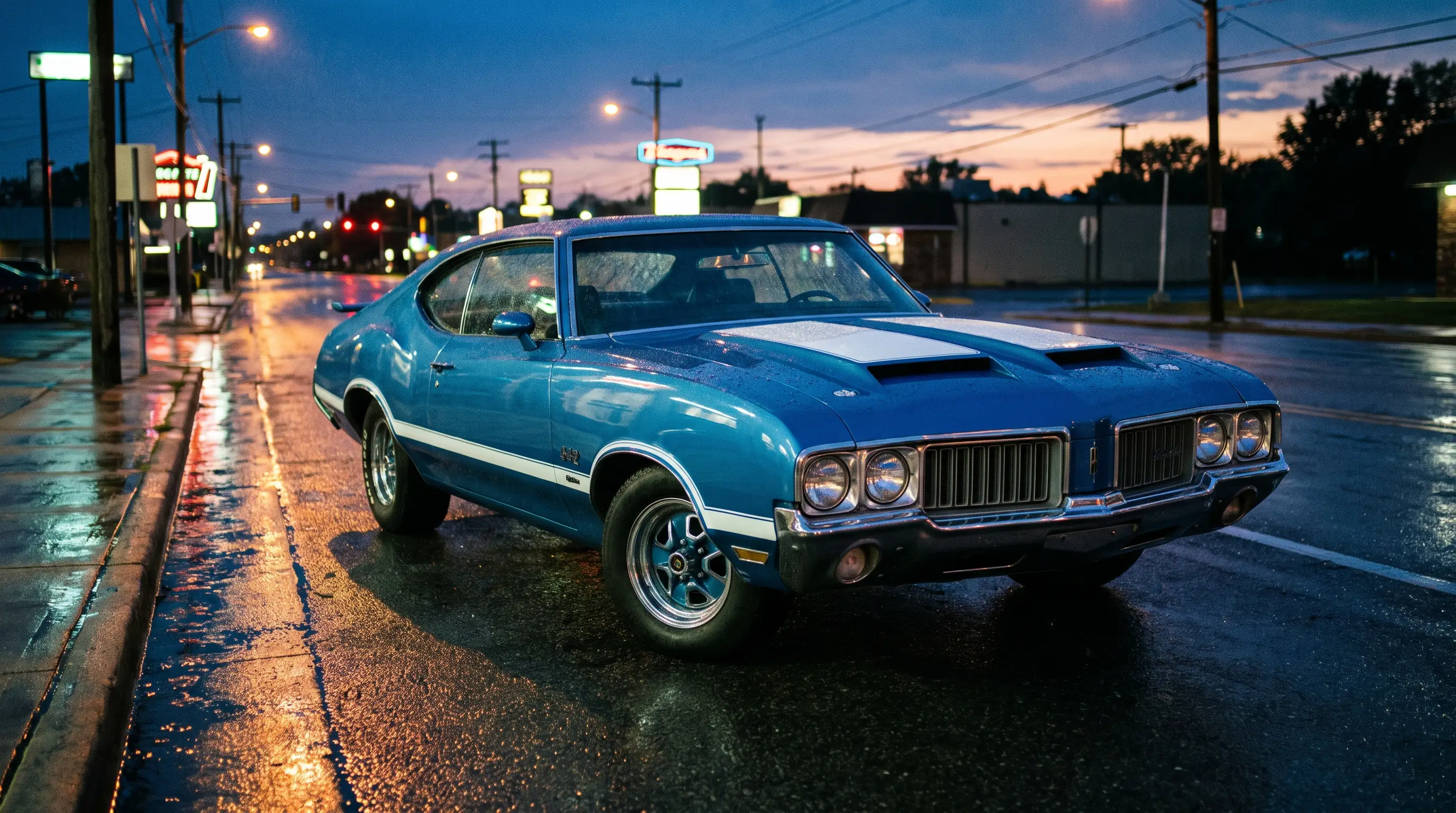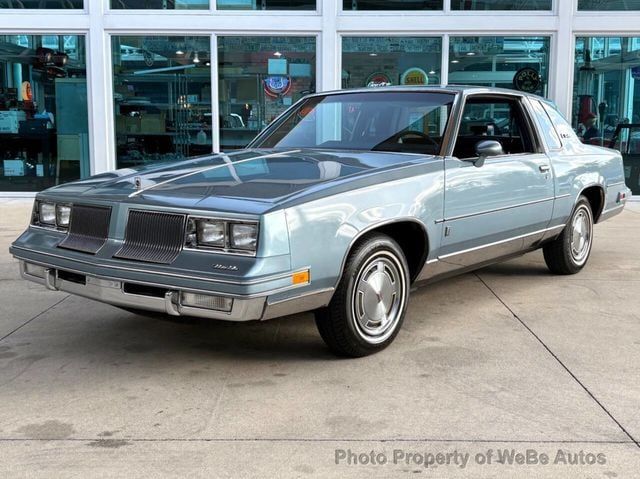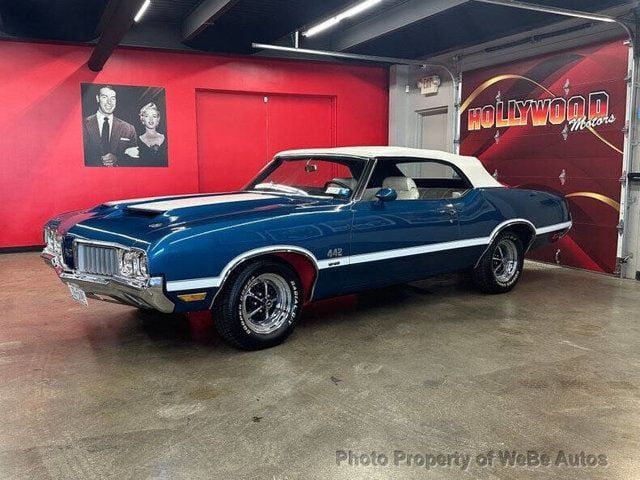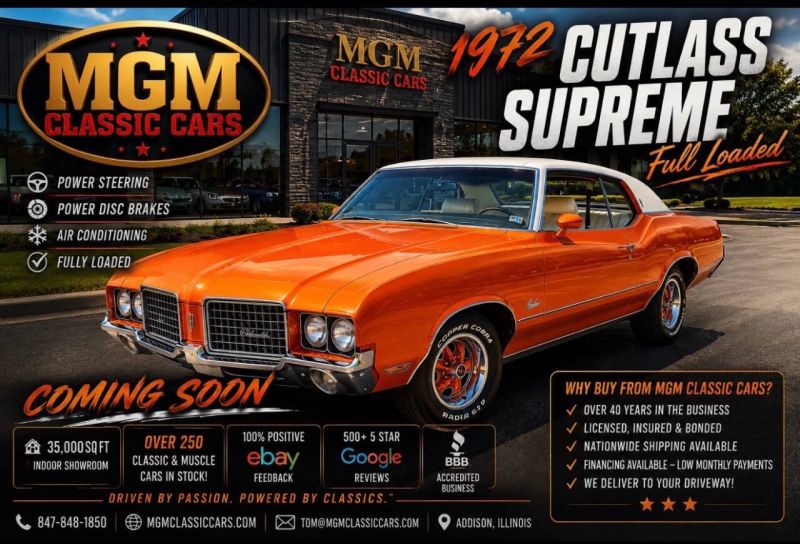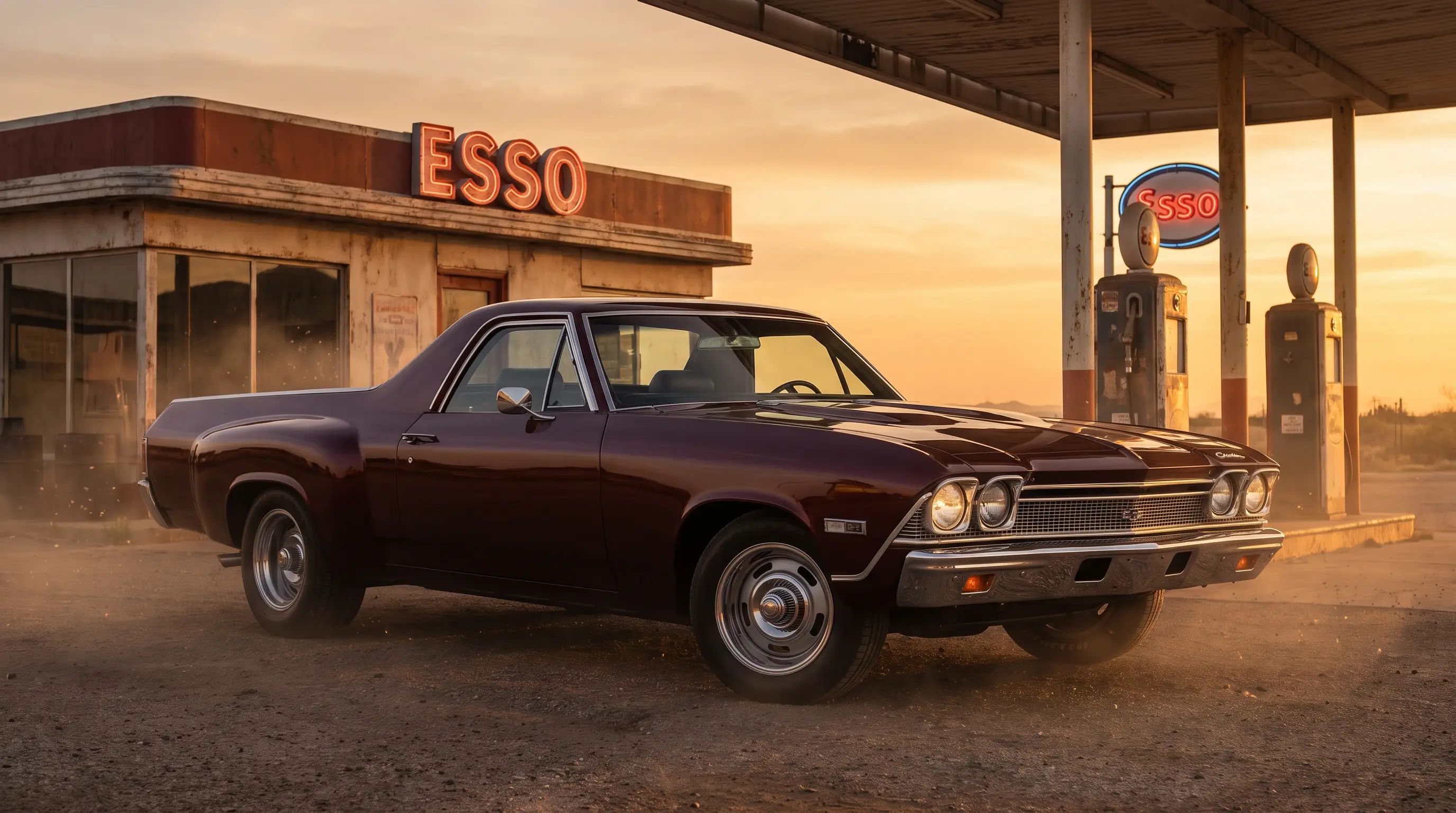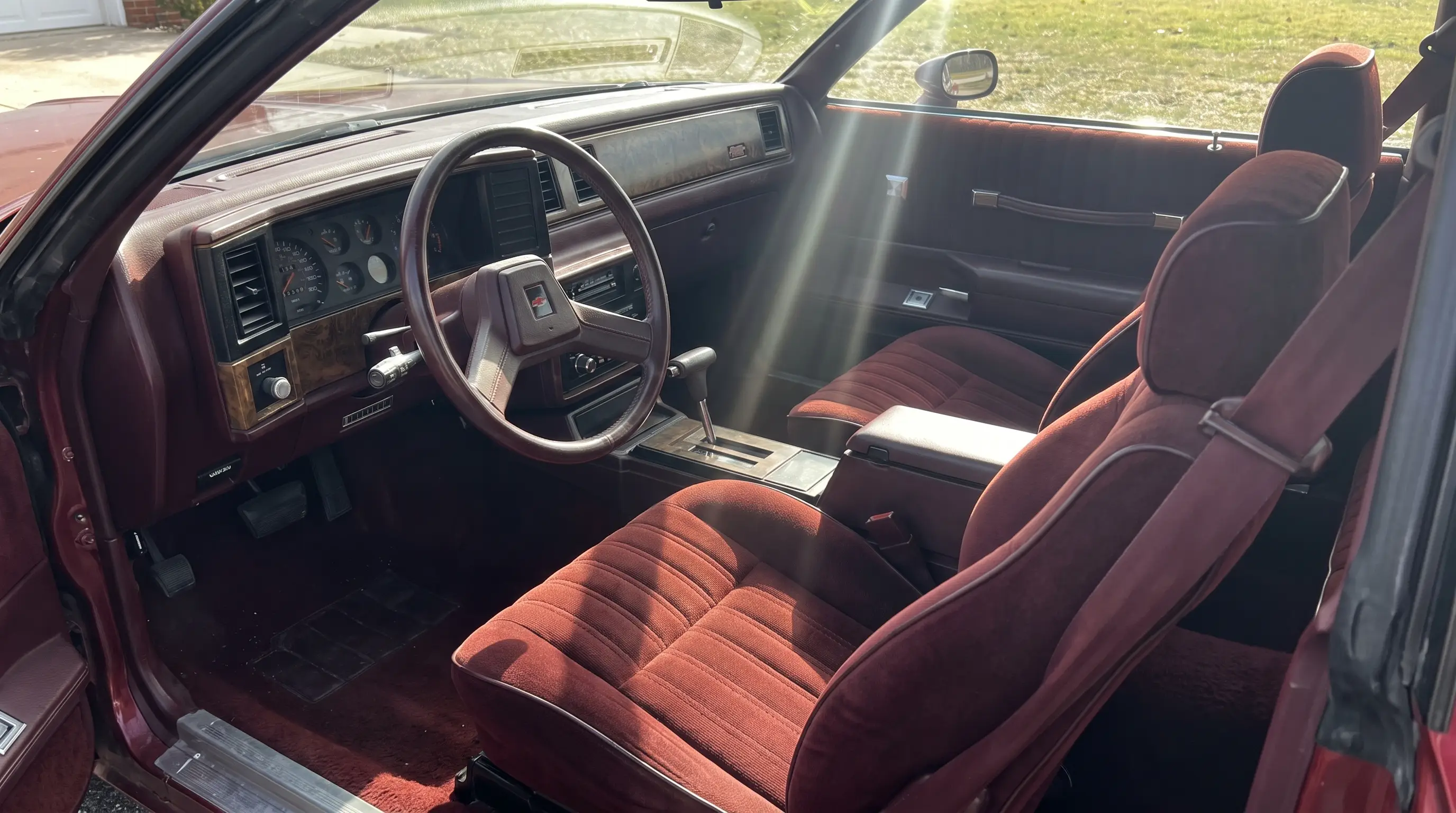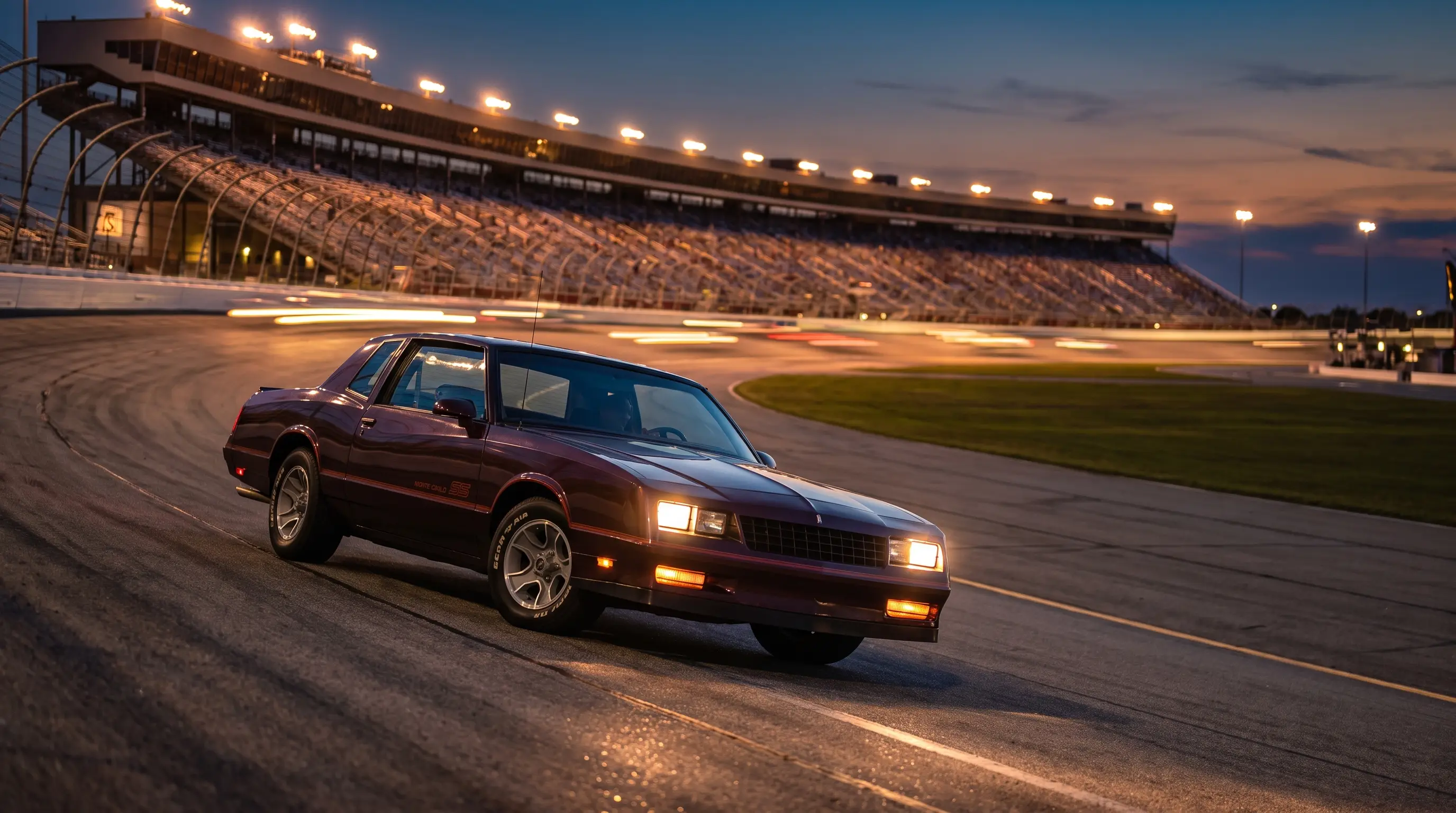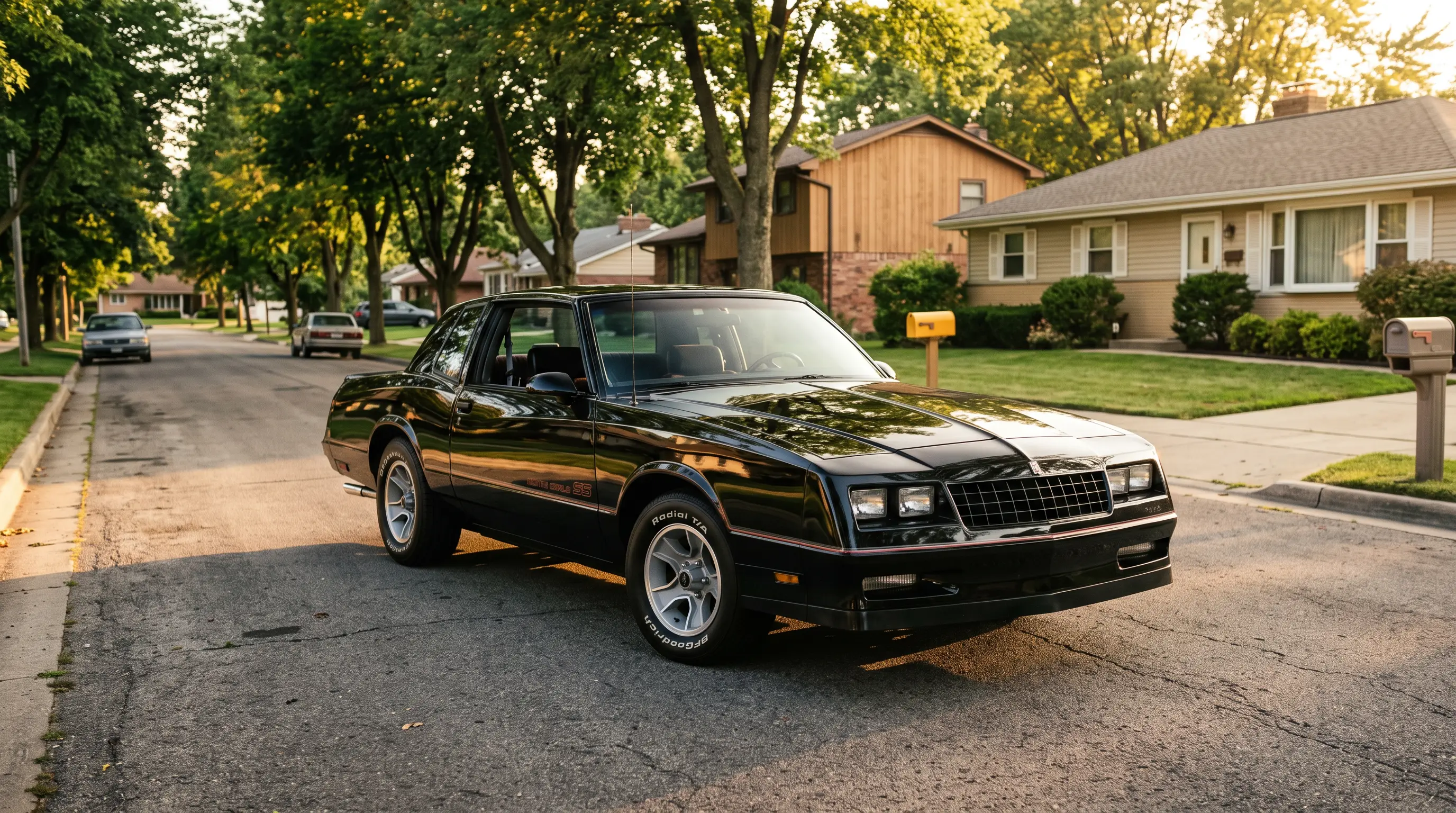
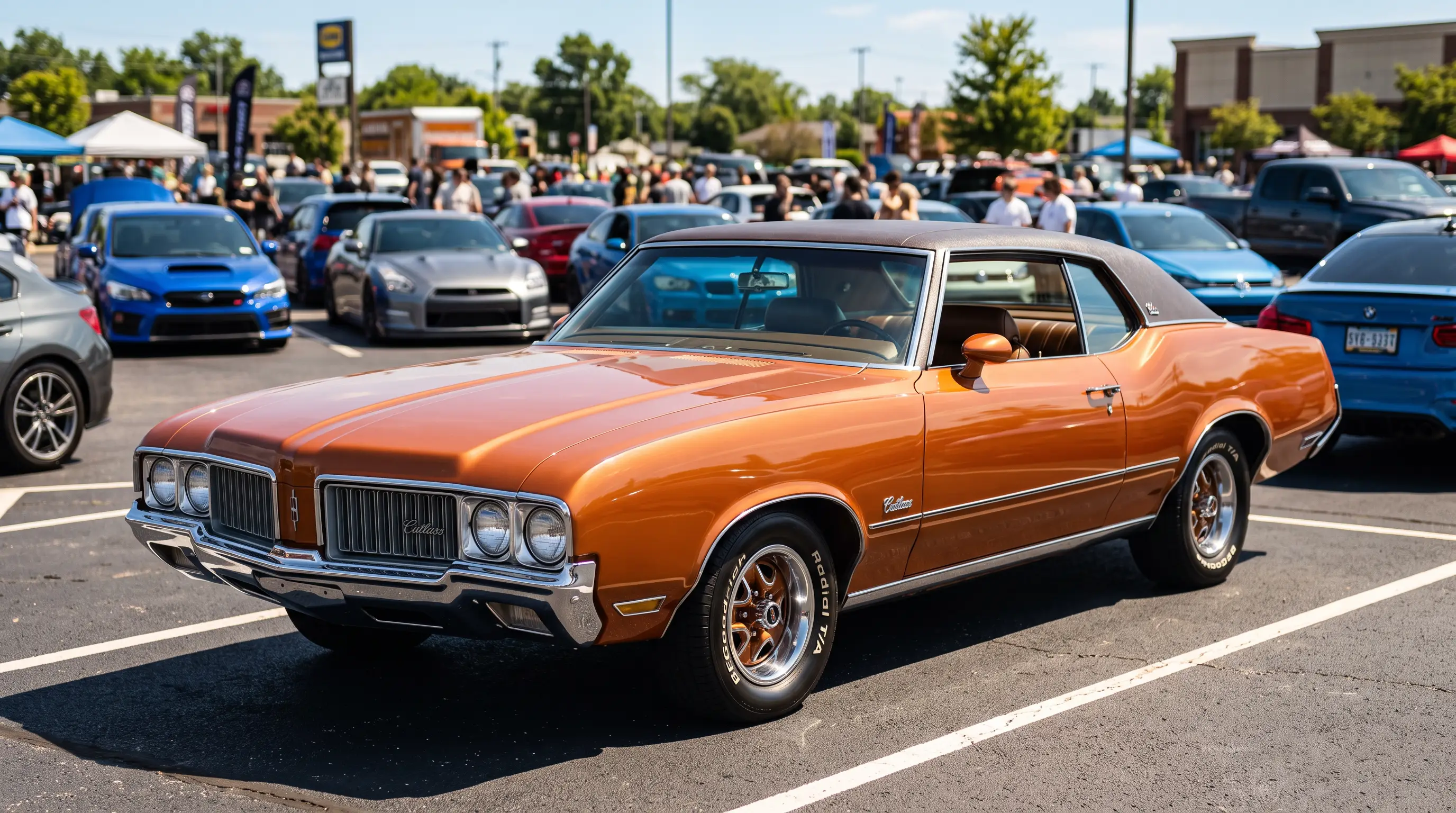
A twenty-six-year-old mechanic in Phoenix spent eight months of weekends chasing down a rust-free Cutlass Supreme coupe, and when a friend asked why he did not just buy something newer and easier, he had a ready answer. Nothing new made today, he said, looks like this or costs this little to own outright. That answer is showing up more and more among young classic car collectors, and the Oldsmobile Cutlass has become one of their favorite entry points into the hobby.
This is not a small trend confined to one city or one online forum. Auction data, club membership rolls, and the used-parts market all point the same direction: buyers in their twenties and thirties are showing up for a car their grandparents drove to work, and they are showing up in real numbers.
The affordability that still exists, barely
Part of the appeal is straightforward economics. While first-generation muscle cars and many pony cars have climbed into territory that shuts out a young buyer on an entry-level income, the G-body Cutlass Supreme from the 1980s remained, for years, a genuinely affordable classic. A clean, driver-quality coupe could still be found for the price of a decent used commuter car, and that price gap mattered enormously to buyers just starting out.
That window is narrowing. Prices on good G-body coupes have climbed noticeably over the past several years, with Hagerty pricing an excellent-condition Cutlass Supreme coupe at around $11,000 on average and clean T-top cars running closer to $17,000, driven in part by the very demand this article is describing. But relative to almost anything else from the muscle and personal luxury era, the Cutlass remains one of the more approachable ways into real American classic car ownership, and young buyers know a closing window when they see one.
A simple platform that rewards a first-timer
Affordability only gets a buyer in the door. What keeps them there is how forgiving the car is to actually own. The Cutlass, particularly the G-body generation, uses a body-on-frame layout with a V8 engine bay roomy enough to work in without skinned knuckles, and a parts supply built on decades of shared GM components. A first-time restorer can learn real mechanical skills on this car without the financial terror that comes with a rare, hard-to-source classic.
That matters more than it sounds. A young owner who ruins an expensive, scarce classic on a rookie mistake often leaves the hobby entirely, discouraged and broke. A young owner who makes the same mistake on a Cutlass, where a replacement part is a weekend errand rather than a months-long search, usually just learns the lesson and keeps going. The car's forgiveness has quietly built two generations of skilled amateur mechanics, and it is doing the same for a third right now.
Culture did the marketing nobody paid for
None of this happened in a vacuum. Younger buyers came to the Cutlass through channels that had nothing to do with traditional car magazines or dealership nostalgia. Lowrider culture, custom car social media, and decades of hip-hop references put the Cutlass in front of people who never set foot in an Oldsmobile showroom and never will. That story is told in full in the culture chapter of this car's history, but the short version is that the Cutlass became cool to a generation that discovered it entirely on its own terms.
That is a different kind of appeal than nostalgia, and it may be a more durable one. A buyer chasing a childhood memory eventually ages out of the hobby. A buyer drawn in by a car's look, its sound, and its place in a culture they still actively participate in tends to stick around, bring friends, and pass the enthusiasm along. The Cutlass has both kinds of buyers now, and the younger group shows no sign of losing interest.
Community that meets people where they already are
Young collectors also found a Cutlass community that met them halfway. Online forums, regional car meets, and social media groups built around the G-body and earlier Cutlass generations tend to be less gatekept than clubs built around six-figure muscle cars. Questions from a first-time owner get answered patiently instead of dismissed, and that welcome matters enormously to someone deciding whether this hobby is for them.
| Draw for young collectors | Why it matters |
|---|---|
| Relative affordability | Lower buy-in than most muscle-era classics |
| Simple mechanicals | Forgiving platform to learn on without ruinous mistakes |
| Deep parts supply | Shared G-body components across four GM brands |
| Cultural relevance | Lowrider and hip-hop history, discovered independently |
| Welcoming community | Forums and clubs that mentor rather than gatekeep |
"Every generation finds its own door into old cars. My father's generation walked in through muscle cars they remembered from high school parking lots. This one is walking in through a Cutlass they first saw in a music video, and honestly, that door works just as well as the one before it."
— Patrick Walsh
What this means for the car's future
A car only survives long term if new owners keep showing up to replace the ones who age out, and the Cutlass is doing better on that front than most of its muscle-era peers. The steady arrival of buyers in their twenties and thirties means parts demand stays healthy, restoration knowledge keeps passing down, and clean examples keep finding homes instead of scrapyards.
The next chapter in this look at the Cutlass follows that same energy into a harder-edged corner of the car's history, where the same young enthusiasm meets pure performance heritage. Read the next story in this set to pick up right where this one leaves off. And for anyone who reads this and decides it is time to start looking, a classic Oldsmobile Cutlass for sale is usually closer, and cheaper, than most people expect.