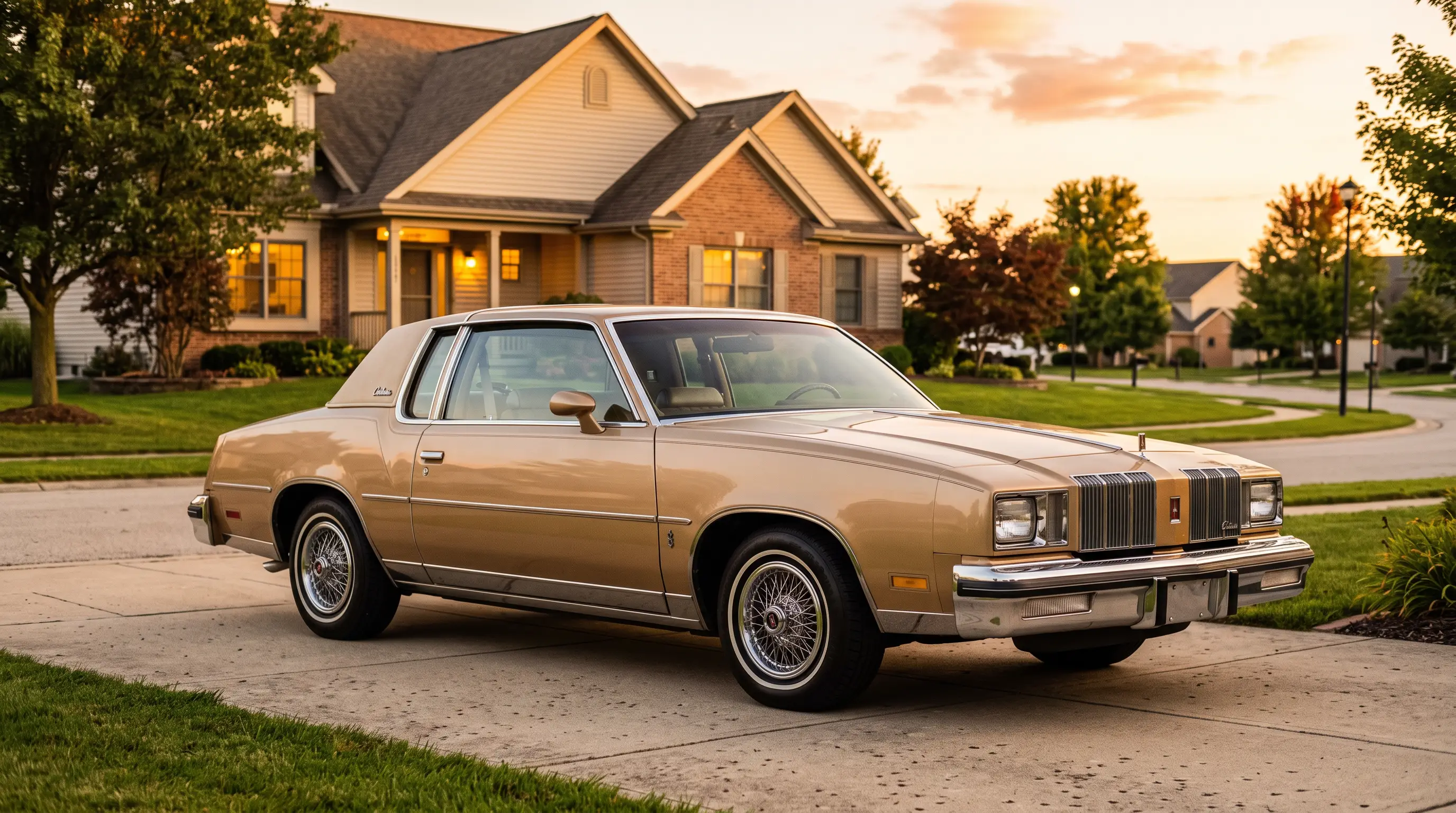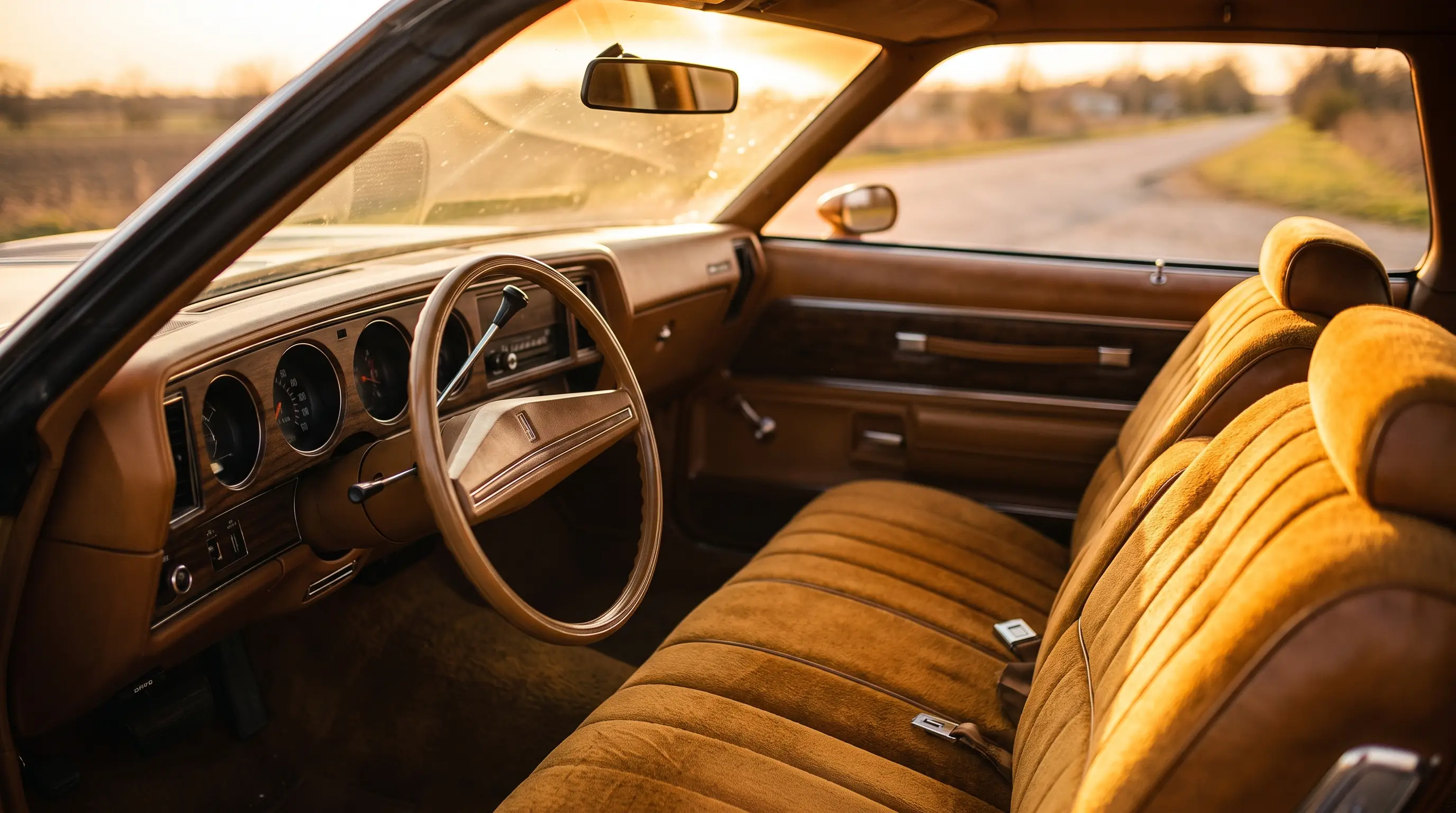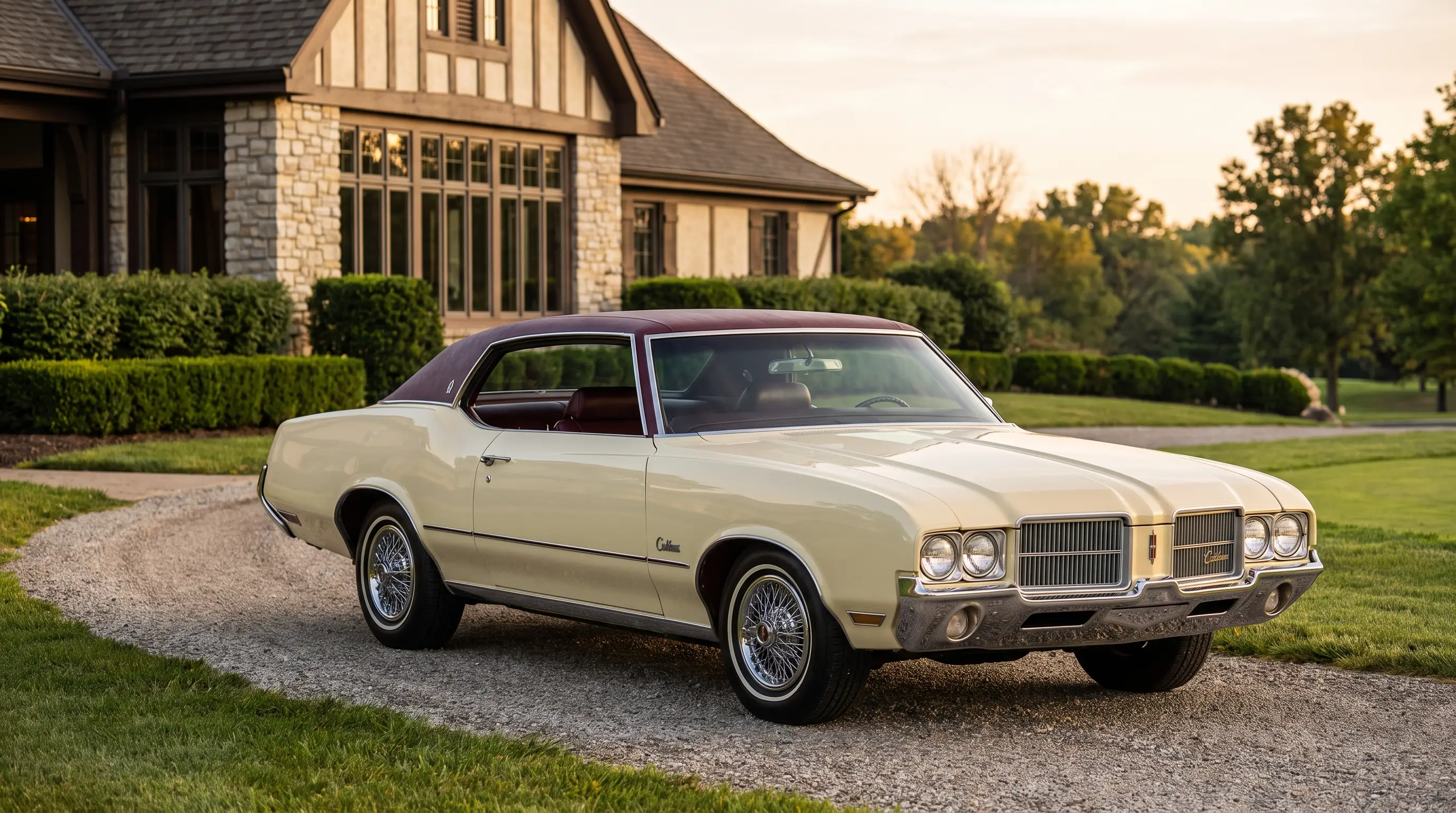
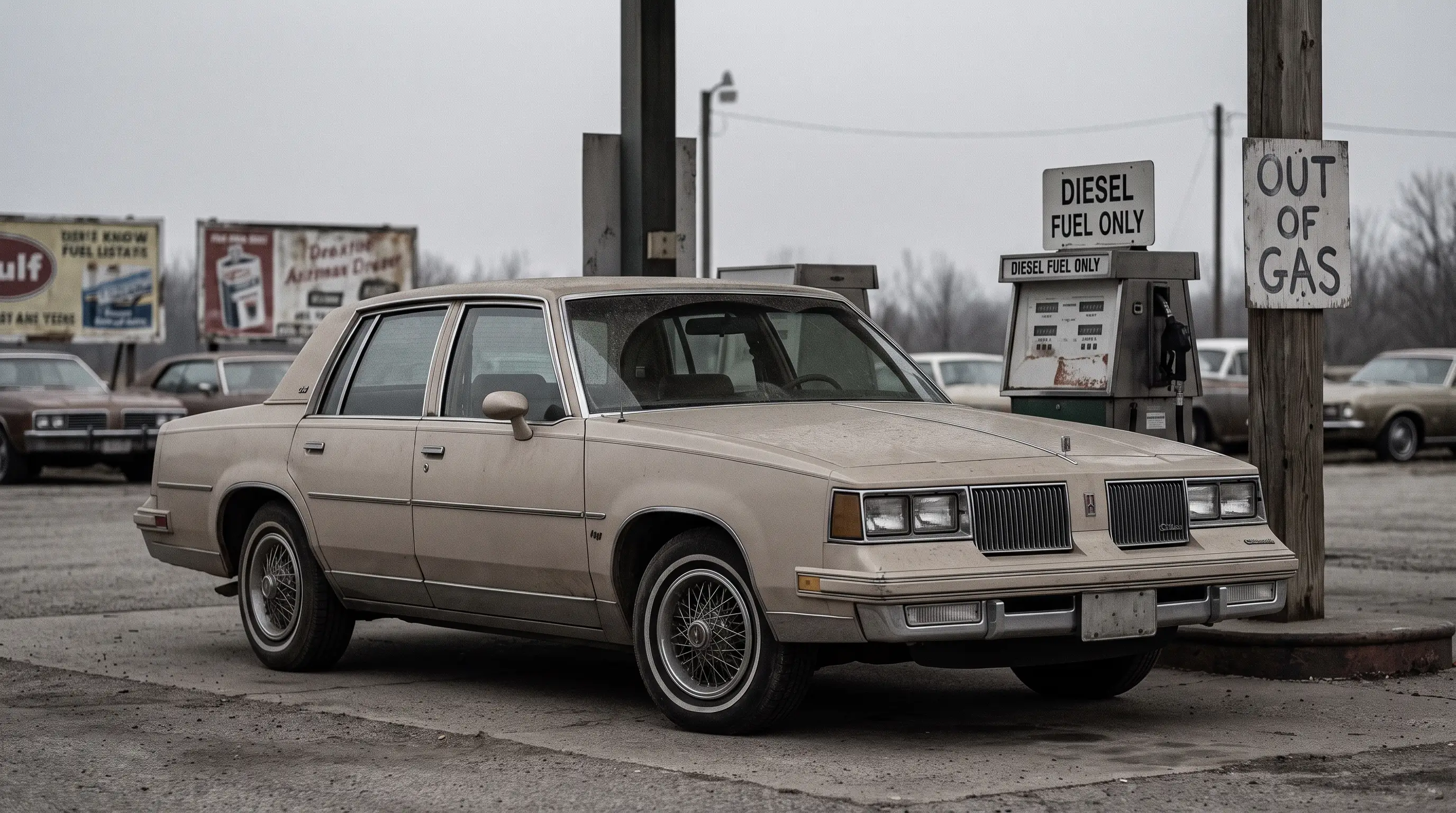
Picture a gas station line stretching around the block in the winter of 1979, tempers short, radios reporting the latest fuel shortage numbers, and a salesman on a nearby Oldsmobile lot pointing customers toward a car that promised to solve all of it: a Cutlass Supreme with a diesel engine under the hood. It sounded like exactly the answer a nervous country needed. What happened next became one of the more sobering lessons in American automotive history, and it happened, of all places, inside Oldsmobile's most popular nameplate.
A diesel built from a gas engine, and why that mattered
Oldsmobile's 350 cubic inch diesel V8 wasn't designed from scratch as a diesel. It was adapted from the existing gasoline 350 block, a shortcut that let GM get a diesel option to market quickly at a moment when fuel economy panic was reshaping the entire industry. The theory made sense on paper. Diesel fuel delivered better mileage, diesel engines were known for durability in trucks and heavy equipment, and American buyers were desperate for anything that eased the pain at the pump.
The practice turned out very differently. A gasoline block simply isn't built to withstand the compression and combustion pressures a diesel engine generates, and the corners cut to bring this engine to market quickly caught up with owners fast. Head bolts stretched and failed. Fuel and water separation systems that diesel engines need to survive proved inadequate, letting water into the fuel system and wrecking injection pumps. Owners who had bought into the diesel Cutlass Supreme expecting truck-like reliability instead found themselves back at the dealership within a year or two of driving off the lot.
The Cutlass Supreme buyer who wanted to do the smart thing
What makes this chapter genuinely painful, rather than just a footnote about a bad engine, is who actually bought these cars. The Cutlass Supreme diesel wasn't purchased by a niche crowd chasing something unusual. It was purchased by ordinary, sensible buyers doing exactly what the fuel crisis told them to do: choosing efficiency over horsepower, trusting their dealer's word that diesel meant durability, and paying a premium for an engine option they believed would save them money over years of ownership. Instead, many of them absorbed repair bills that dwarfed whatever they'd saved at the pump, and more than a few walked away from GM products for good.
The reputation damage that outlived the engine itself
GM kept the diesel V8 in production through the 1985 model year, well after the failure pattern had become undeniable, before finally discontinuing the troubled engine, but the damage to diesel's reputation among American car buyers proved far more durable than the engine ever was. For a generation of buyers, "diesel" became a word associated with breakdowns rather than efficiency, a perception that lingered over American diesel passenger cars for decades afterward and arguably slowed diesel adoption in the U.S. market long after the engineering problems had actually been solved.
That's the strange legacy of the Cutlass Supreme diesel. It wasn't a bad idea, fuel efficiency mattered enormously in that moment, and diesel technology genuinely could have delivered on the promise. It was a rushed execution that turned a smart concept into a cautionary tale, and Oldsmobile's most beloved nameplate ended up carrying that lesson for the whole industry.
Engineers who worked on later, more carefully developed diesel programs elsewhere in the industry have pointed back to this era as a lesson in what happens when a deadline outruns the development process. A diesel engine asks for a different foundation than a gasoline block provides, stronger internals, dedicated fuel handling, injection systems built for the job from the start, and skipping that foundation to hit a model year is a decision that costs far more down the road than it saves upfront.
"Every era has a car that promised to fix a real problem and instead became the reason people stopped trusting the solution. For American diesel, that car wore a Cutlass Supreme badge."
— Patrick Walsh
Finding one today, and what that says about collectors
Surviving diesel Cutlass Supremes are rare today, partly because so many were repaired with gasoline engine swaps or simply scrapped once repair costs outran the car's value. That scarcity has flipped the diesel variant's reputation among a small slice of today's collectors, who see genuine historical significance in a car that captures a specific, anxious moment in American life better than almost any other production vehicle. Owning one isn't about nostalgia for a great engine. It's about owning a piece of a story that shaped how an entire country thought about fuel, trust, and what a dealership was willing to promise.
Parts support for the diesel-specific components has thinned out considerably, which means an owner today is often restoring not just a car but a small piece of industrial history, sourcing injection pumps and glow plug systems that few shops still stock. That work isn't for everyone, but for the collectors who take it on, the reward is a running, driving artifact of a moment the rest of the industry would rather forget.
Anyone interested in where this fits inside the wider story of the personal-luxury Cutlass should know the diesel chapter is just one thread in a much longer arc, and readers who want to keep reading the series will find plenty more variants worth understanding. For the full sweep of Oldsmobile's Cutlass history, from humble compact to sales juggernaut to this particular misstep, the whole picture is worth the read. And for buyers drawn to the nameplate's better-remembered engines, there's still a healthy market of classic Cutlass Supreme for sale built around the gasoline V8s that never gave their owners a single sleepless night.
The diesel years didn't define the Cutlass Supreme's legacy, but they remain a necessary part of telling it honestly. A great nameplate survived a genuine misstep, and the fact that people still seek out both versions today, the reliable gas cars and the flawed, fascinating diesels, says something about how thoroughly this car earned its place in American driveways.
Sources and notes
- Oldsmobile Diesel engine, Wikipedia
- Federal Trade Commission, General Motors decision and order
- Curbside Classic, The 1977 Oldsmobile-Chevrolet Engine Scandal
- Curbside Classic, 1980 Delta 88 Royale with Diesel V8, a survivor profile
- CarBuzz, The Engineering Failure That Killed the Oldsmobile Diesel Engine
- DieselHub, 350 Olds Diesel Specs and History