The salesman at the Oldsmobile dealership in 1978 had a trick, and every good salesman on that lot knew it. He would walk a customer past the plain Cutlass Supreme coupe sitting up front, the one with the rubber floor mats and the bench seat, straight to the car parked under the showroom lights in the back. Same silhouette. Same doors. But this one wore a half vinyl landau roof, opera lamps set into the rear pillar, and a script badge on the fender that said something the base car did not. That badge was the whole business model. Oldsmobile discovered early that a Cutlass Supreme buyer did not just want a car. They wanted to choose which version of themselves they were going to drive home.
The cutlass supreme editions built across the 1970s and 1980s were never about horsepower. They were about layers, badges, and the particular American talent for making a mass-produced car feel like a personal decision.
Supreme and Supreme Brougham, the first fork in the road
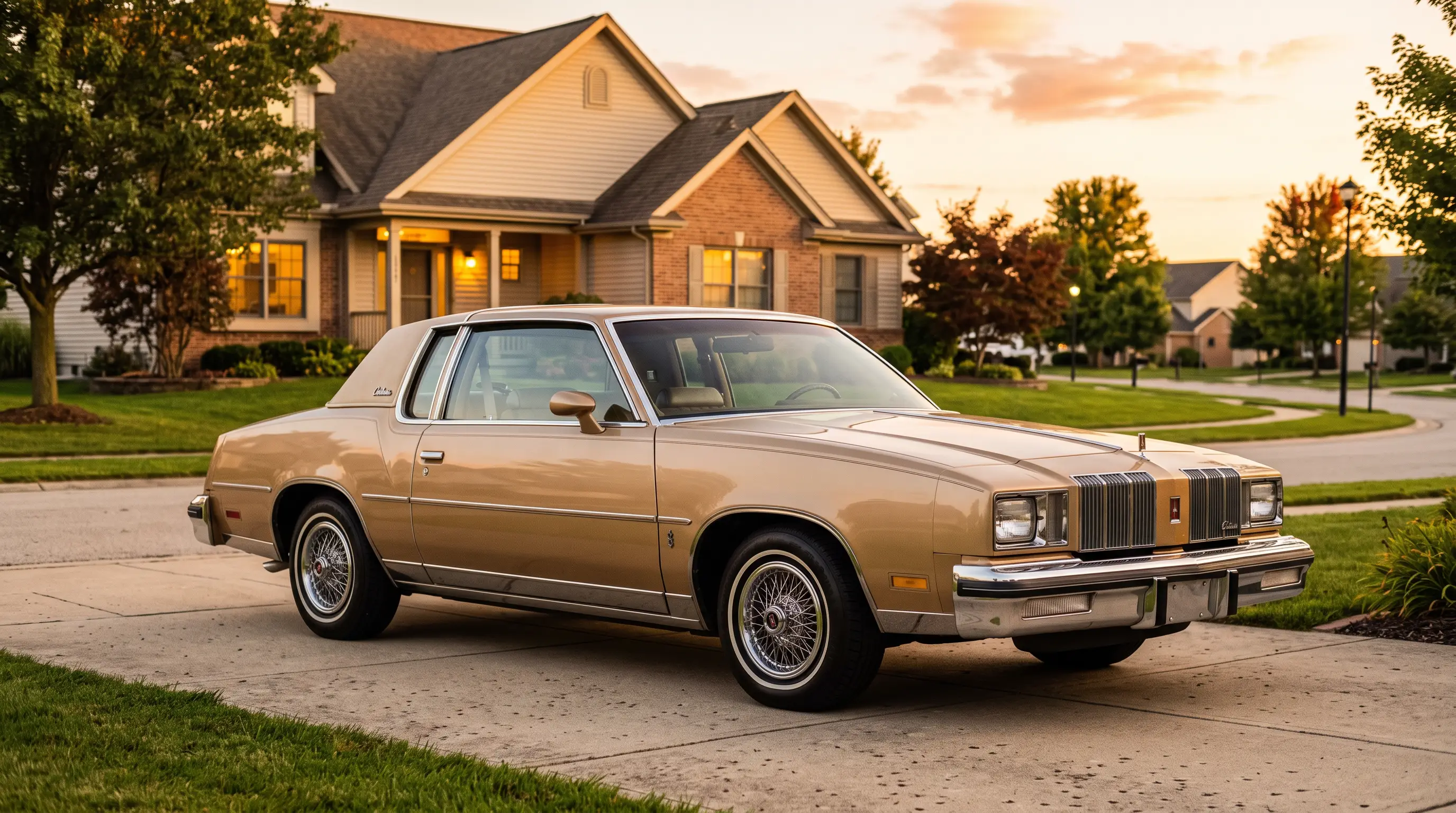
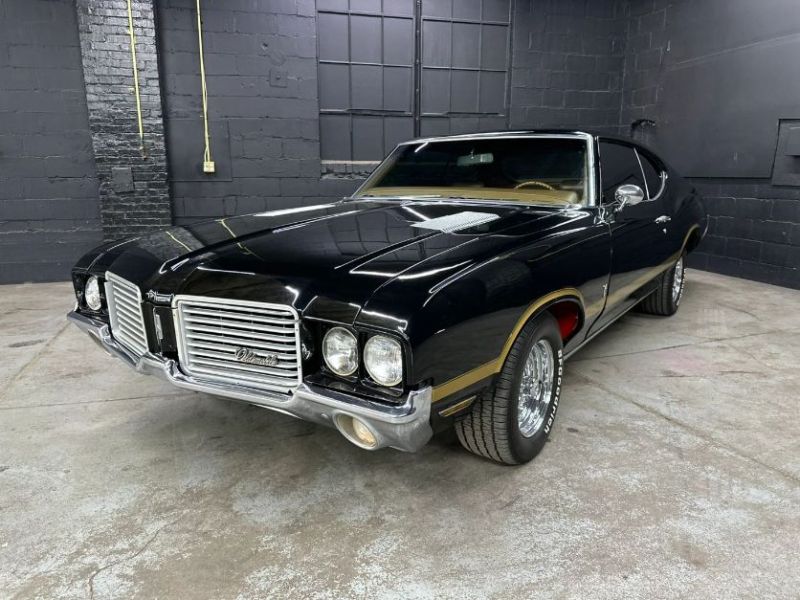
Every Cutlass Supreme buyer faced the same choice at the order desk. Take the standard Supreme, a handsomely trimmed notchback coupe that already outdressed most of its intermediate competition, or step up to the Supreme Brougham, introduced for the 1976 model year, which added velour or cloth upholstery, thicker door panel padding, extra sound insulation, and brightwork that pushed the whole car a rung closer to Ninety-Eight territory. The Brougham package was not subtle, and it was not supposed to be. It existed to let a Cutlass buyer feel like they had bought something a little grander without actually leaving the Oldsmobile showroom floor.
What made the Brougham edition work commercially was restraint elsewhere. The mechanicals underneath barely changed. A buyer paid for cloth, chrome, and the badge, and Oldsmobile kept the bulk of its margin. It is one of the cleanest examples in the entire personal-luxury era of a manufacturer selling atmosphere rather than engineering, and buyers lined up for it anyway.
Calais, the quieter option package
By the late 1970s, Oldsmobile added the Cutlass Calais trim as another rung on the ladder, aimed at a buyer who wanted the Supreme's shape without going all the way to Brougham territory. The Calais package leaned on distinct wheel covers, unique upholstery patterns, and its own badging, positioned as a lighter, sportier alternative to the plush Brougham rather than a direct step above it. It never carried the same cultural weight as the Brougham name, and today it is the edition most likely to get overlooked by buyers scanning listings for the familiar words.
That is worth remembering when shopping classic Cutlass Supreme for sale listings now. A well-kept Calais can be a more honest, better-documented car than a Brougham with a repainted badge and a story that does not quite add up.
The landau roof and the language of appearance packages
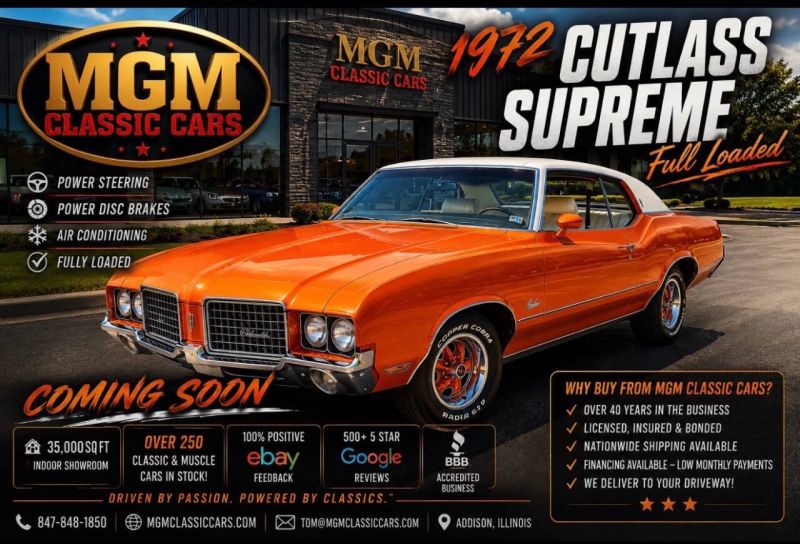
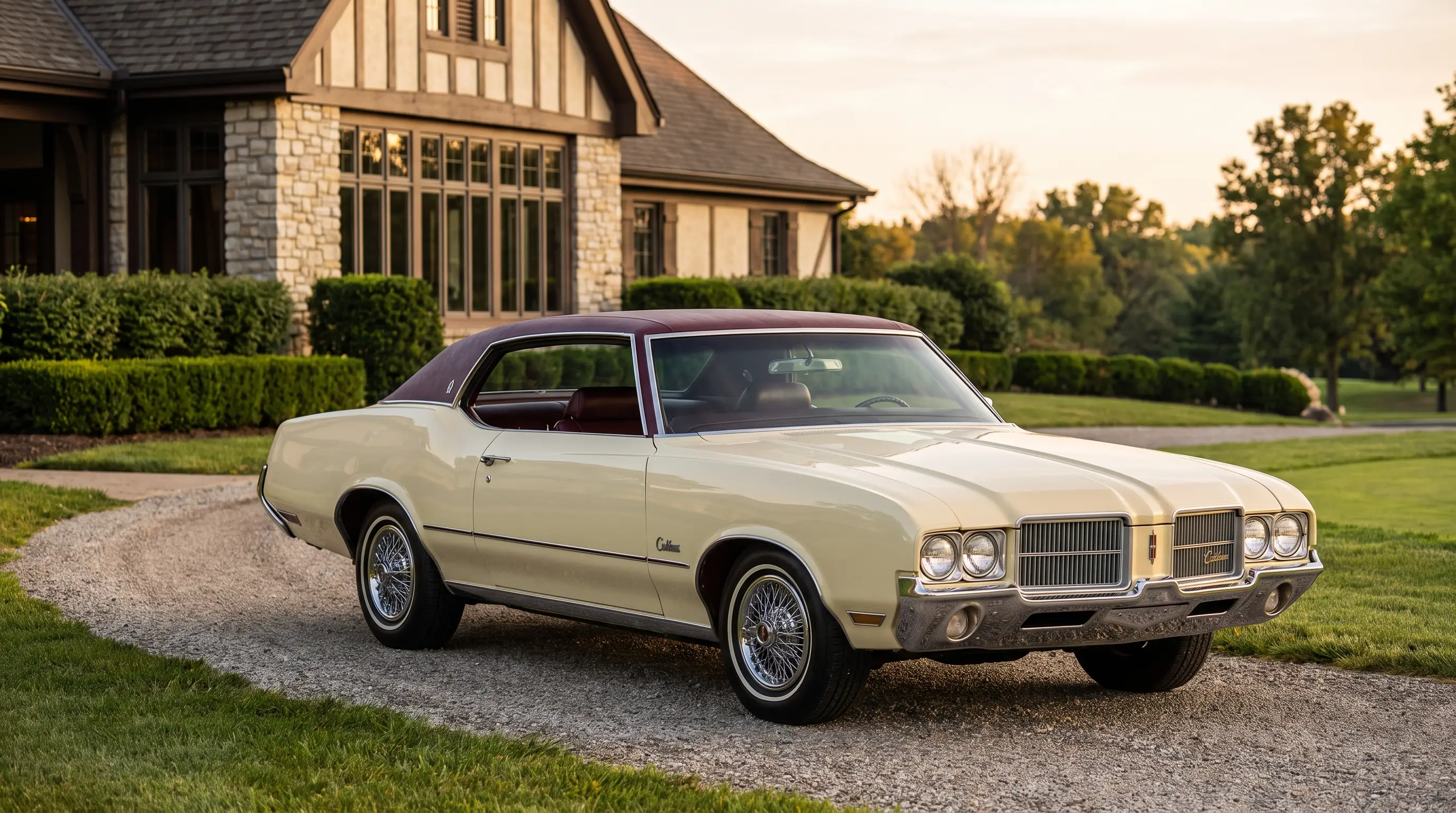
If there is one detail that separates a base Supreme from a dressed one at a glance, it is the roof. Oldsmobile offered a full vinyl top on plainer cars, but the signature look on the higher trims was the landau, a half vinyl treatment that covered only the rear portion of the roof and stopped at a chrome strip partway back, creating the illusion of a formal, coach-built rear section on an otherwise ordinary coupe. Paired with opera lamps and a padded rear pillar, the landau roof did more to signal trim level than almost any badge could.
These appearance packages layered on top of the trim ladder rather than replacing it, which is why two Supreme Broughams from the same model year can look meaningfully different depending on what boxes the original buyer checked. A car with the landau roof, wire wheel covers, and the two-tone paint option reads as a far more special edition than an otherwise identical Brougham ordered plain.
Special appearance and anniversary editions
Beyond the standing Brougham and Calais trims, Oldsmobile occasionally rolled out limited-run appearance packages tied to specific model years, bundling unique striping, two-tone paint combinations, or badging meant to mark a sales milestone or an anniversary in the nameplate's run. These editions rarely changed anything mechanical, and their rarity today has less to do with performance and everything to do with how few original buyers checked the option box in the first place. One of the best-documented examples is the 1988 Cutlass Supreme Indianapolis 500 Pace Car replica, a run of only about 50 hand-built convertibles marking the model's turn as that year's official pace vehicle, complete with unique graphics and trim rarely seen on a standard Supreme.
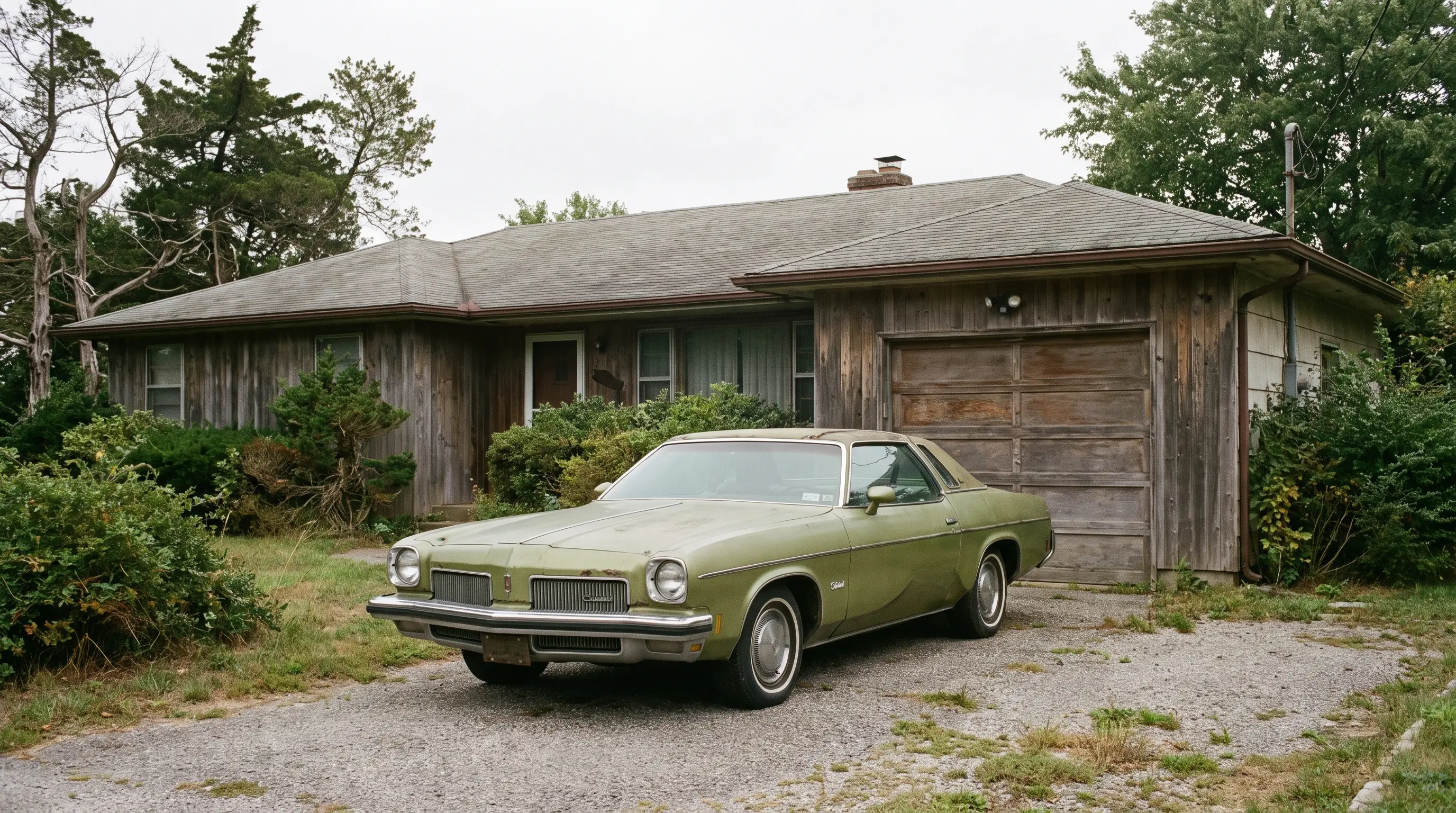
Finding one of these cars intact, with its original striping and badges still matching the factory build sheet, is more about patience than budget. Most were driven and traded in like any other family car, so survivors tend to surface through estates and long-term single owners rather than dealer lots.
| Edition | Key features | Positioning |
|---|---|---|
| Cutlass Supreme (base) | Notchback coupe, cloth or vinyl bench | Entry point to the personal-luxury line |
| Supreme Brougham | Velour interior, extra brightwork, sound insulation | The plush step-up trim |
| Cutlass Calais | Unique wheel covers, distinct upholstery | Lighter alternative to Brougham |
| Landau roof package | Half vinyl top, opera lamps | Appearance option across trims |
"Nobody bought a Cutlass Supreme Brougham because they read a spec sheet. They bought it because they sat in the velour and it felt like the nicest room in the house, and Oldsmobile understood that better than almost anyone else on the market."
— Nora Beckett
Why the editions still matter to buyers today
Understanding which edition a particular Cutlass Supreme actually is matters more now than it did new, because the badges and trim pieces that separated a base car from a Brougham are exactly the details that go missing over forty and fifty years of ownership. A car can wear Brougham script today and never have left the factory that way, and a plain Supreme can be mistaken for something lesser than it is simply because a previous owner stripped off the brightwork. None of that changes what is underneath, but it changes what a buyer should expect to pay and what story the car is actually telling.
This is the same idea that runs through the personal-luxury Cutlass as a whole. The Supreme sold on feeling, and the editions were simply Oldsmobile's way of selling more feeling to the buyers who wanted it, one option box at a time. Working out which edition sits in front of you is the first honest step toward understanding what that particular car is worth, and what it deserves from whoever owns it next.
There is more ground to cover in this set, starting with the next story in this set, which looks at how these editions have aged in the collector market and which ones are worth chasing today.
Sources and notes
- Oldsmobile Cutlass Supreme, Wikipedia
- Oldsmobile Cutlass Landau Vinyl Tops, 1966 thru 1988, TopsOnline
- 1973-1977 Cutlass Supreme Landau Top, TopsOnline
- 1973-1977 Oldsmobile Cutlass Supreme Guide, Moto Gallery
- Oldsmobile Cutlass Model Guide, Outright Oldsmobile
- Oldsmobile Reaches Peak Cutlass: The 1977 Cutlass Supreme, Mac's Motor City Garage