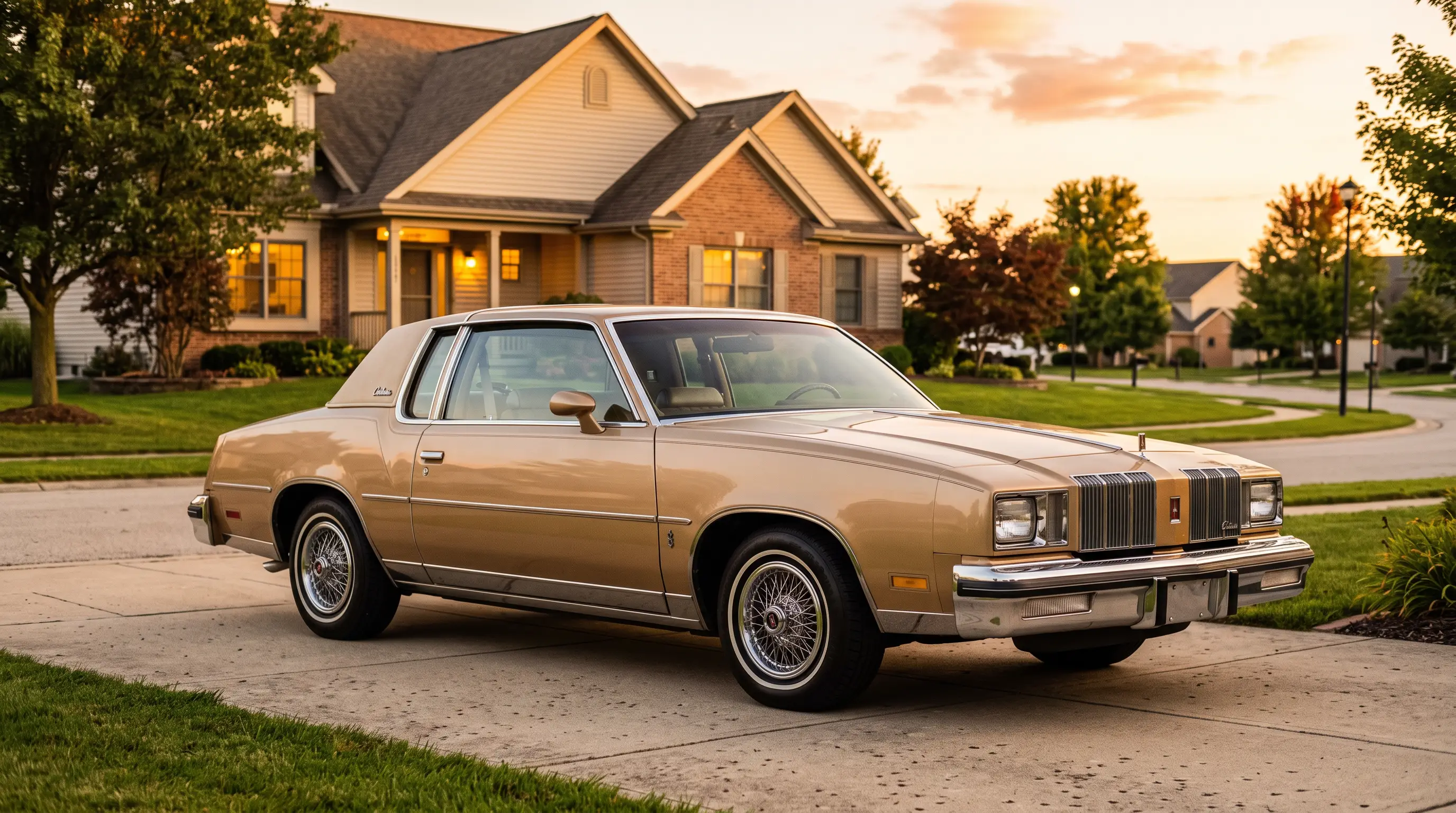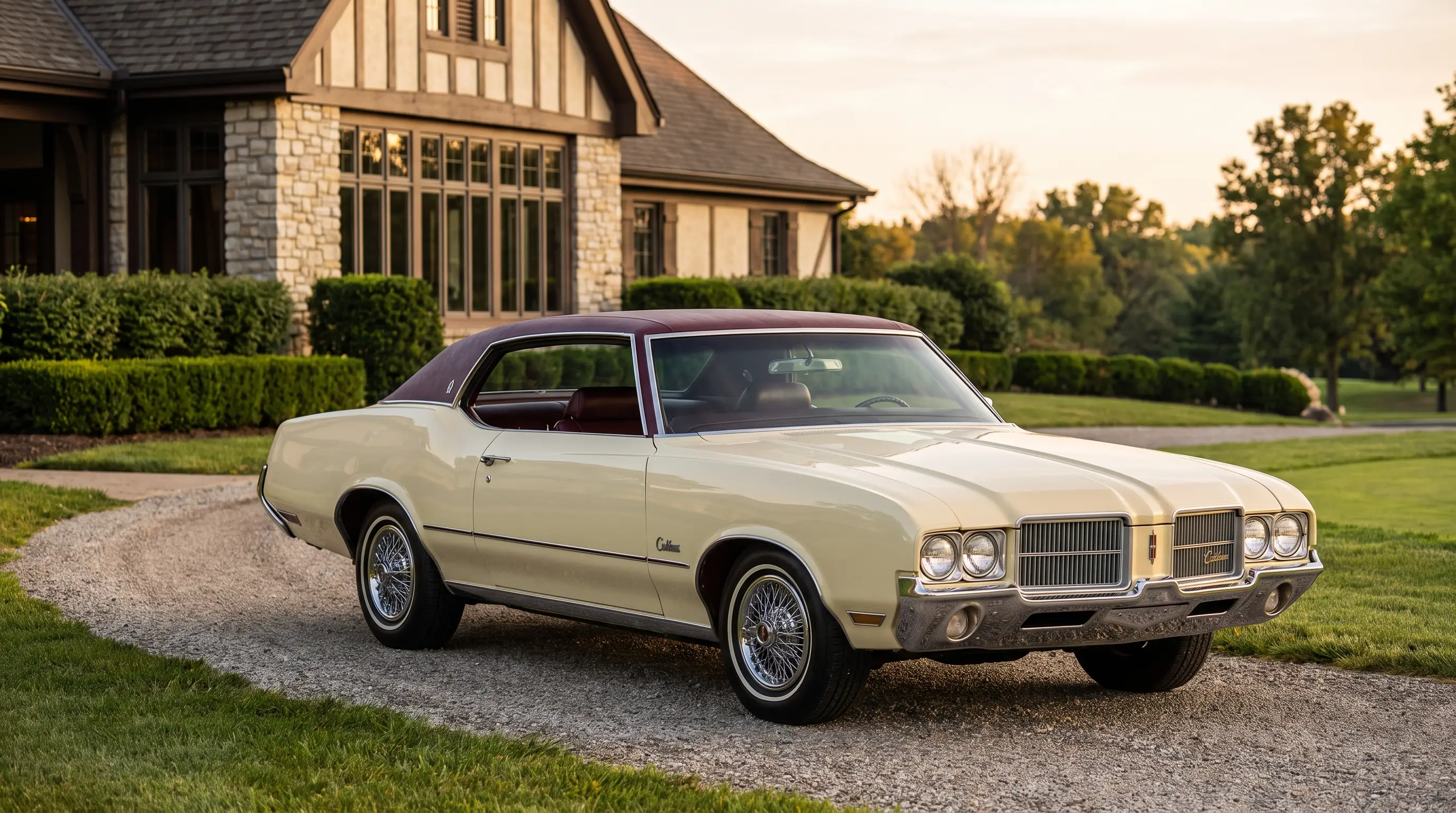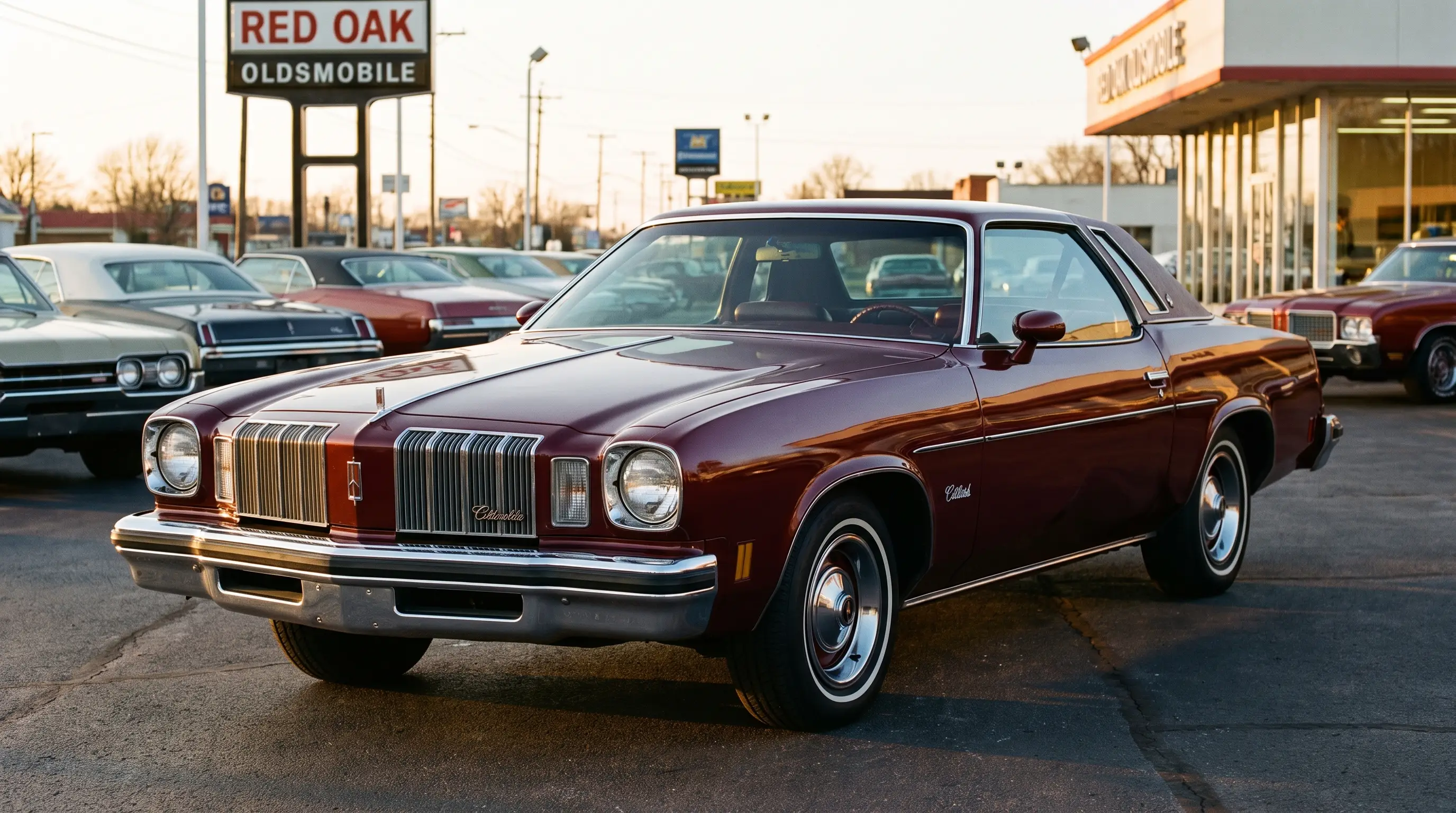
At a small regional car show a few years back, a man in his sixties stood next to a maroon Cutlass Supreme Brougham for most of an afternoon, answering the same question over and over. No, it was not for sale. Yes, it had been his mother's. No, he was not interested in what it might be worth, though he had a rough number in his head anyway, because someone had told him and he had not been able to forget it. Around him, cars with far more horsepower and far more history sat quietly while people kept drifting back to the Supreme, drawn by something none of them could quite name. It was familiar in a way the muscle cars were not.
That is the strange advantage the collectible cutlass supreme has over flashier classics. It was never rare, never fast, and never especially expensive when new, and all three of those facts are exactly why it is becoming interesting to collectors now.
An unlikely collector car, and why that is changing
For decades the collector hobby ran on scarcity and speed. Numbers-matching muscle cars commanded attention and money because so few survived in original condition, and because the engines underneath actually did something dramatic. The Cutlass Supreme never fit that story. It was built by the hundreds of thousands, it rode on a soft suspension tuned for comfort rather than cornering, and its most powerful engines were modest by the standards of the era.
What has shifted is who is buying and what they are buying it for. A generation of collectors is now old enough to chase the car their parents actually owned rather than the car they dreamed about in a magazine, and for an enormous number of American families in the 1970s and 1980s, that car was a Cutlass Supreme. Nostalgia, it turns out, is its own kind of rarity, and it does not care about horsepower figures.
What actually makes one collectible
Condition matters more here than almost anywhere else in the classic-car world, because so many examples exist that a buyer never has to settle for a rough one. A genuinely clean, low-mileage Supreme with its original interior intact is a very different proposition than the same car with a cracked dash, sagging headliner, and a repaint in the wrong shade. Because the Supreme was never engineered to be exciting, its appeal collapses almost entirely into presentation, so upholstery condition, brightwork, and an unmolested vinyl or landau roof carry outsized weight in what a buyer is willing to pay.
Documentation helps too, though it looks different than it does with a numbers-matching muscle car. Nobody is chasing a build sheet to confirm a rare engine option. What collectors want instead is a paper trail of ownership, ideally a single family for decades, because that kind of history explains why an ordinary car survived in extraordinary condition. A one-owner Supreme with service records going back to the original dealership tells a story that a stripped, repainted example simply cannot match, regardless of trim level.
Where the money actually goes
Pricing on these cars stays grounded compared to almost anything else with a similar body style parked at the same show. A driver-quality Supreme in decent but unrestored condition can still be found for a modest sum, which keeps the car accessible in a hobby that has priced plenty of newcomers out entirely. The real jump in value happens at the top end, where a documented, low-mileage, one-family car with an unmolested interior can bring several times what a tired example commands, simply because so few of those exist anymore relative to how many were built.
That gap between the bottom and top of the market is part of what makes the Supreme an interesting collector proposition right now. A buyer with patience can find an honest, driveable example without competing against deep-pocketed bidders, while the truly exceptional cars are only beginning to draw the kind of attention that pushes prices meaningfully upward. Whether that trend continues depends heavily on how many more of the original owners' families decide to sell rather than keep the car in the garage.
| Condition tier | What it typically looks like | Buyer takeaway |
|---|---|---|
| Driver / project | Some wear, possible repaint, mechanically sound | Most accessible entry point into the hobby |
| Solid original | Clean but unrestored, original interior intact | The sweet spot most collectors actually want |
| Documented low-mileage | Single or two-family ownership, records intact | Where real appreciation is happening now |
"People assume nostalgia is a soft reason to buy a car. I have watched grown men go quiet standing next to a Cutlass Supreme in the same shade their grandmother owned, and there was nothing soft about that moment at all."
— Nora Beckett
Buying one, and what to actually ask
Shopping for a collectible Cutlass Supreme rewards patience over urgency, mostly because the supply is still large enough that a good example will turn up again if the first one does not check out. Ask about ownership history before anything else, because a car with a single documented family behind it is worth chasing even if the asking price sits a little higher than a comparable stranger's car with no story attached. Inspect the roof and the metal underneath it carefully, since trapped moisture beneath old vinyl remains the most common hidden rust issue on these coupes, and confirm that any Brougham or Calais badging matches what the original build sheet or window sticker actually specified.
Anyone weighing whether to bring one of these cars home should start with the Supreme chapter for the broader context of why the nameplate mattered in the first place, since understanding the car's original role in the market makes it much easier to judge whether a particular listing is telling the truth about itself. And for buyers ready to move past research, there is almost always a classic Cutlass Supreme for sale somewhere waiting for someone who understands what they are actually looking at.
The production figures behind these cars explain a great deal about why so many still exist today, which makes the next story in this set worth reading before writing a check, and the Classic Cars Arena Cutlass guide ties the Supreme back into the wider history of the nameplate for anyone still deciding where this car fits in the bigger picture.