A guy at a cars and coffee in Ohio once told me the second-gen Charger was the only muscle car that looked like it was moving while parked. He'd owned three of them over the decades, sold two, and kept the third parked under a cover in his garage like it was a piece of furniture he couldn't bring himself to use. I asked him why he kept it if he barely drove it. He said some cars you own to drive, and some cars you own because getting rid of them would feel like admitting the era they came from is really gone.
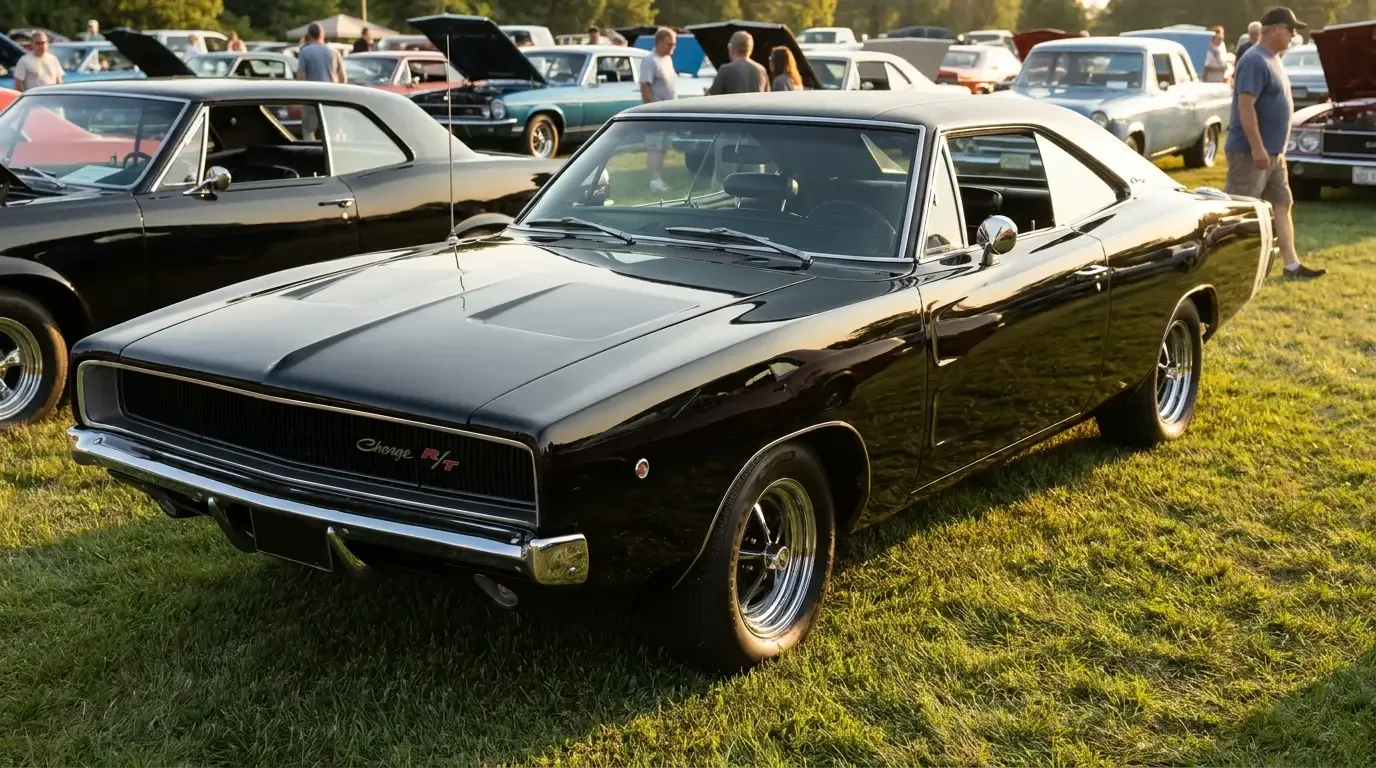
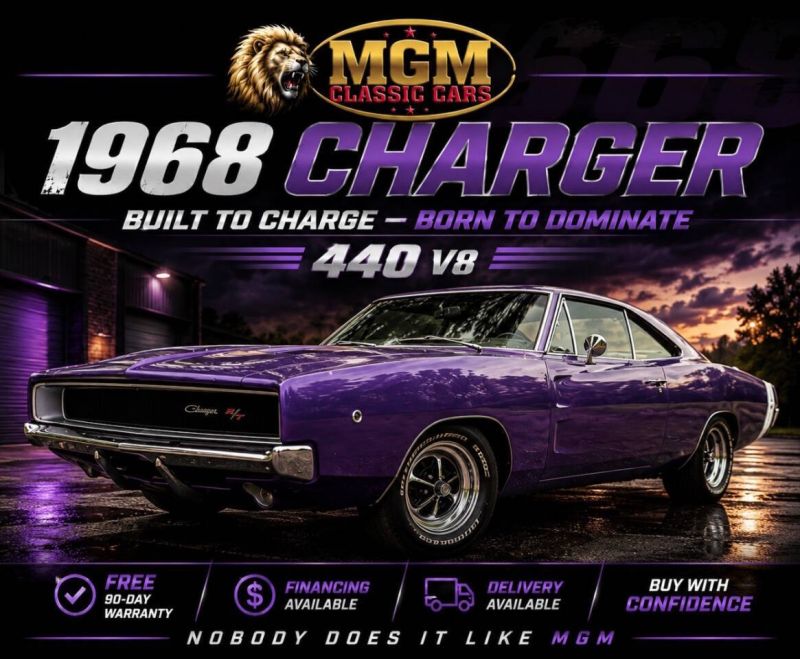
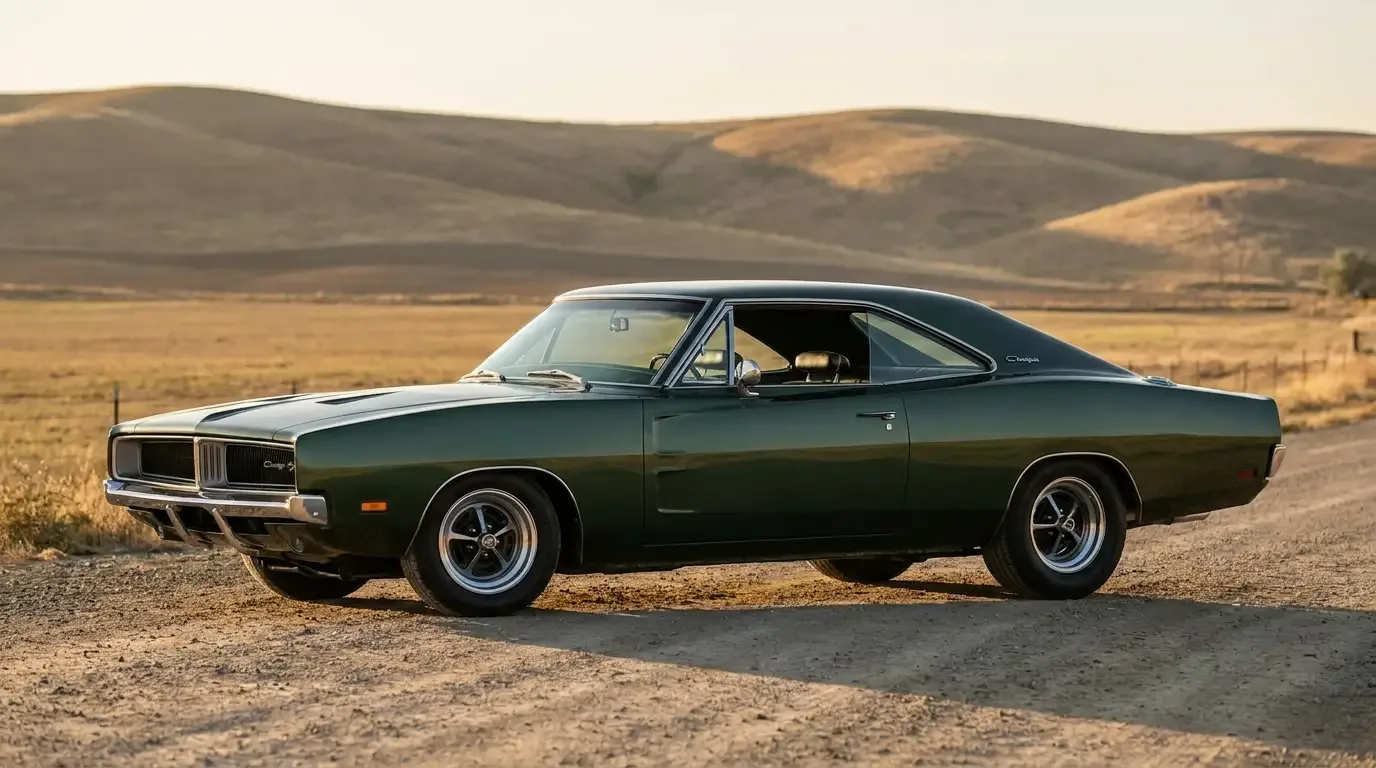
That's the pull of the 1968 through 1970 Charger, and it's the reason the argument over which Charger generation is the definitive one keeps coming back around at every show, every forum thread, every bench-racing session at a swap meet. There were other Charger generations before and after, but this is the one people mean when they say "the Charger" without qualification. This is the coke-bottle body, the tunnel-back roofline, the shape that ended up on television and in movies because it photographed like nothing else on the road.
What made the shape different, not just newer
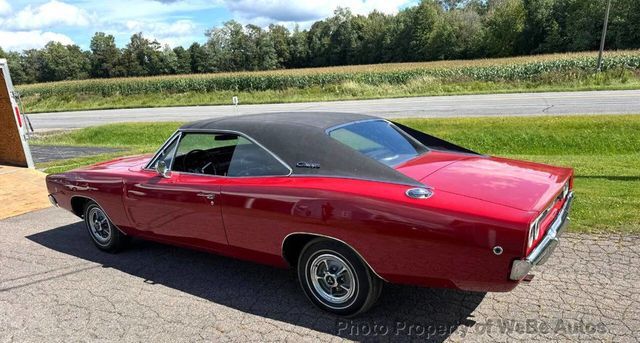
The first-generation Charger from 1966 and 1967 was a striking car in its own right, with a fastback roofline and full-width taillights that stood out in a lineup of boxier competitors. But the second-generation redesign wasn't an evolution of that shape so much as a replacement of it. The tunnel-back rear window, the hidden headlights carried over as an option, and the flowing coke-bottle sides gave the car a sculpted look that the earlier fastback didn't have. It read as aggressive from a standstill in a way few cars from the era managed.
Designers were chasing a specific effect, and by most accounts they got it. The car doesn't look like a rectangle with a wedge cut into the roof, which is a fair description of a lot of its contemporaries. It looks like it was shaped by air, even though anyone who's actually driven one at highway speed knows the aerodynamics weren't as sorted as the styling suggested. That mismatch between how the car looks and how it actually behaves in a crosswind is part of its personality, honestly.
The case for 1968 through 1970 as the high-water mark
Every Charger generation has defenders. The third-generation cars from the mid-1970s have their own following, people who like the more formal roofline and the personal-luxury direction the model took as the muscle car era wound down. But when collectors and buyers talk about value, cultural weight, and sheer recognition, the 1968 to 1970 cars sit at the top of the hierarchy, and it's not close.
Part of that is timing. These three model years landed at the absolute peak of the muscle car arms race, when engine options included some of the biggest displacement V8s Chrysler ever put in a mid-size body, and when styling departments across Detroit were competing to out-dramatize each other every single year. The second-gen Charger arrived into that environment and matched it, rather than following a trend that had already crested.
| Generation | Years | Defining trait |
|---|---|---|
| First | 1966-1967 | Fastback roofline, full-width taillights |
| Second | 1968-1970 | Coke-bottle body, tunnel-back window, peak muscle-era engine options |
| Third | 1971-1974 | Softer, more rounded styling, shift toward personal-luxury market |
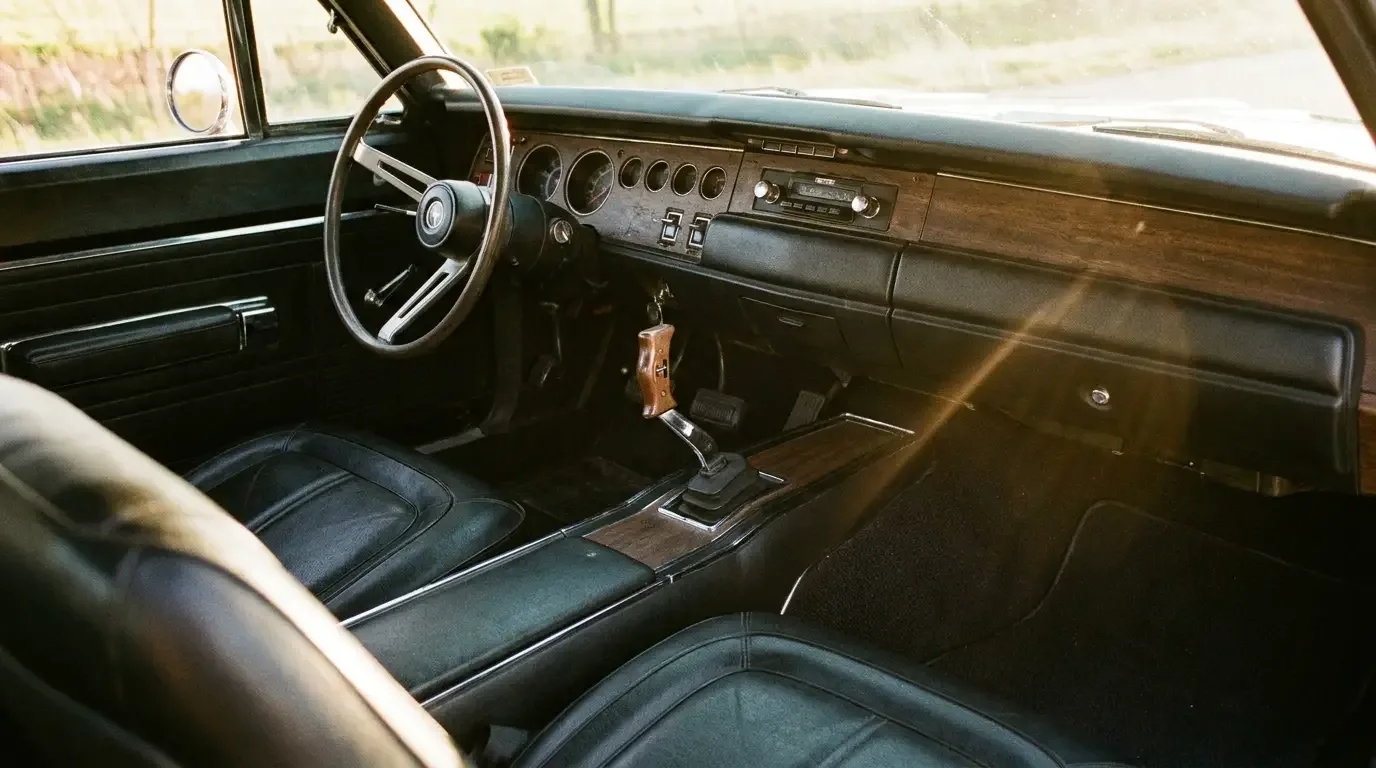
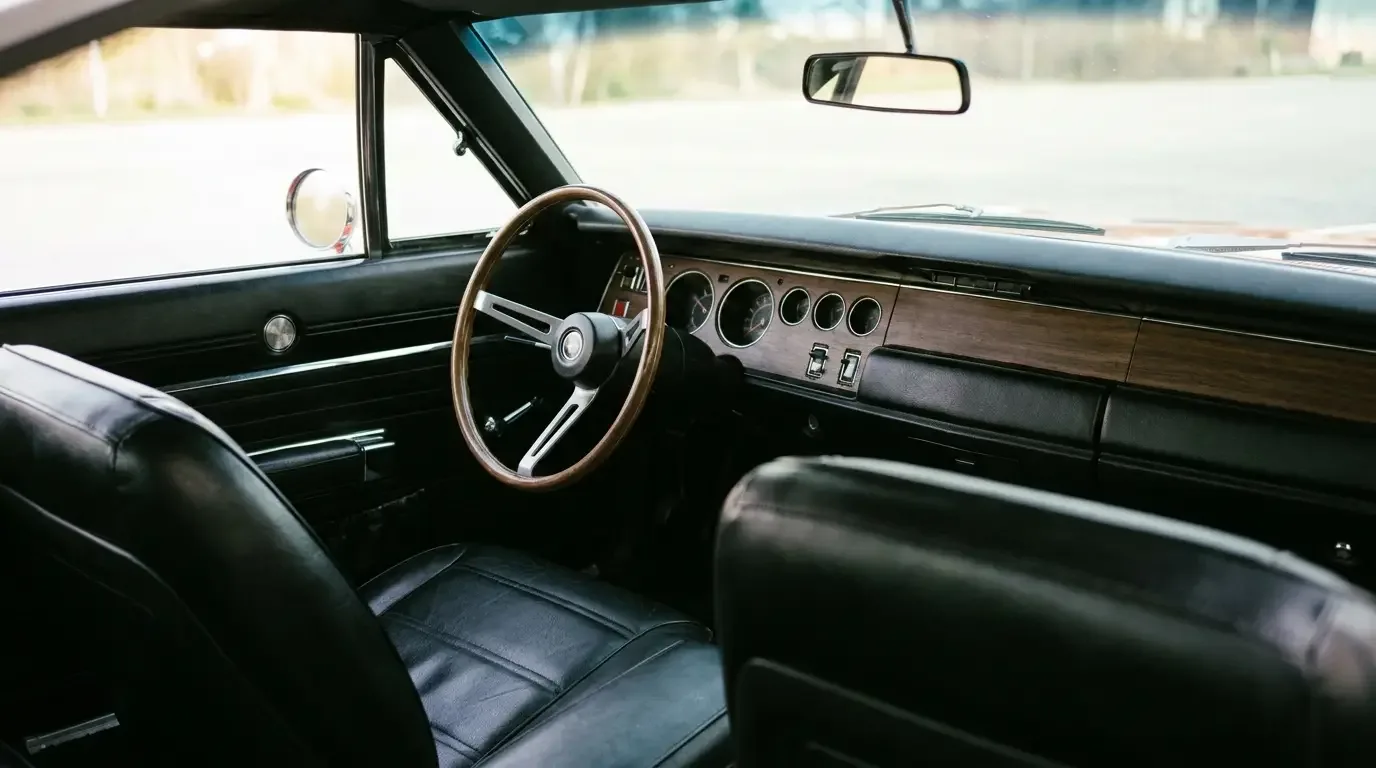
The interior tells the same story in miniature. The dashboard and cockpit-style layout from this generation gets discussed almost as much as the exterior sheet metal, and if you want the full breakdown of how that cabin came together, the 1969 Charger Interior story goes into the detail work that made it feel purposeful rather than decorative.
Cultural weight versus raw numbers
I'm not going to pretend the case for the second generation is purely about horsepower figures or 0-60 times, because those numbers vary wildly by engine and drivetrain combination and plenty of other muscle cars from the same years put up comparable or better figures on paper. The case is about presence. This is the body style that became the General Lee. This is the shape Steve McQueen's Bullitt villains drove through San Francisco. Those cultural touchpoints did more for the car's lasting reputation than any dyno sheet could, and they've kept new generations of buyers discovering the car decades after the fact, people who weren't alive when it was new and don't care about torque figures so much as they care about that silhouette.
The guy at that cars and coffee event, the one with three Chargers over the years, put it simply. He said other muscle cars from the era are respected. This one gets recognized by people who don't know anything about cars, and that's a different kind of achievement entirely.
"The guy I talked to at Carlisle had owned his car since 1974. Drove it there every single year, even the time the water pump let go outside Harrisburg."
— Patrick Walsh
None of this is meant to dismiss the earlier or later generations. Plenty of collectors will make a reasonable argument for a first-gen car's cleaner lines or a third-gen car's underrated value in today's market. But if the question is which generation defines the model in the public imagination and commands the deepest respect among serious collectors, the answer keeps landing on the same three years, and it's worth understanding why before you go shopping.
For the complete story of how this body style evolved and where it fits into the broader Charger timeline from 1966 through 1978, our in-depth Charger feature lays out the full arc across every generation. And if this era has you looking seriously at buying one, there are classic 1970 Chargers currently listed that represent the tail end of this generation's production run, when the styling and engine lineup had reached their fullest expression before the redesign that followed. There's also more on the second-gen Charger if you want the deeper mechanical and production context behind everything discussed here.
Sources and notes
- Wikipedia: Dodge Charger (1966 - 1978) - confirmed the first-gen fastback, the 1968 coke-bottle redesign, and the 1968 - 1970 generation span.
- Street Muscle: the Bullitt 1968 Charger R/T - verified the black 1968 Charger R/T 440 driven by the villains in the Bullitt chase.
- Hagerty: muscle-era history and values - context on the second-gen's cultural weight and collector standing.
- Allpar: the Dodge Charger 1968 - 74 - background on styling changes and the model's peak-era engine options.
- Silodrome: 1969 Charger R/T 426 Hemi - reference on the top-tier drivetrains that anchor the generation's reputation.