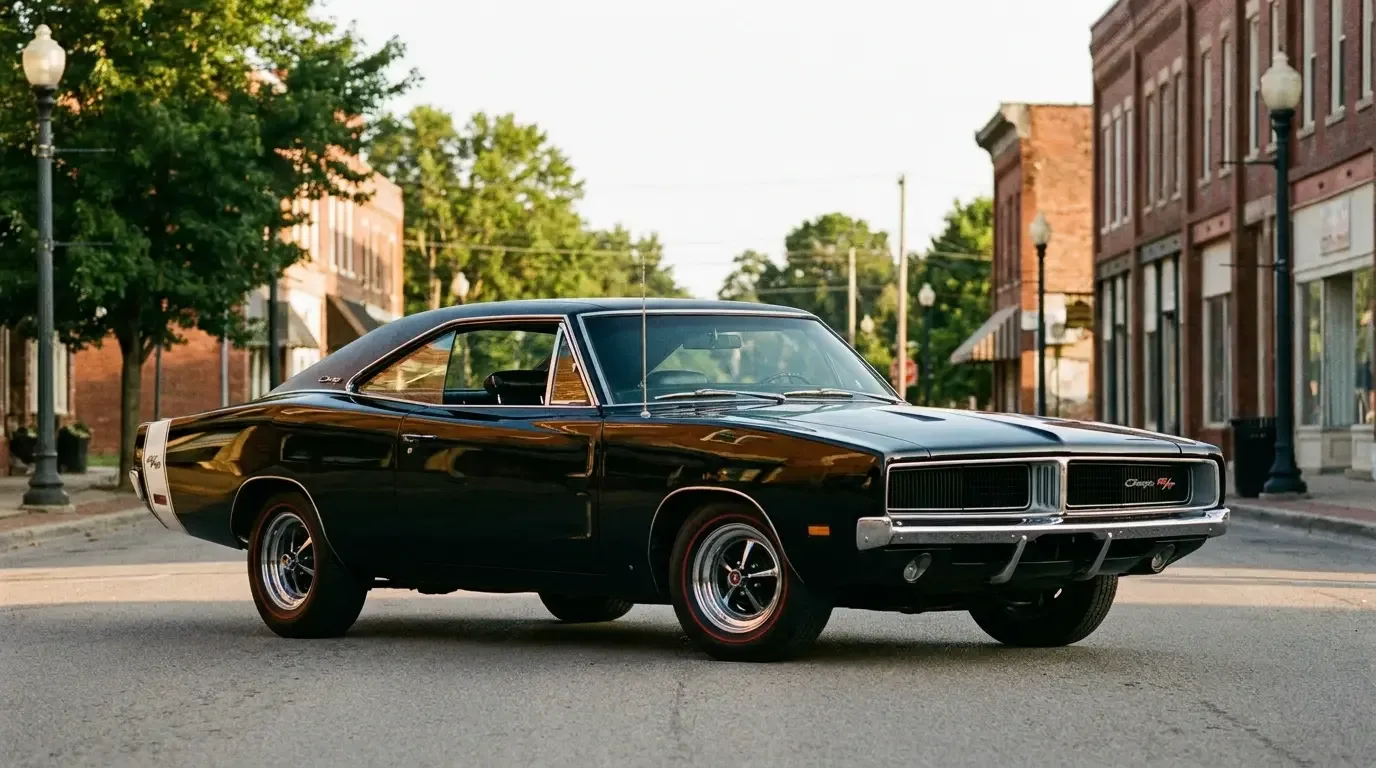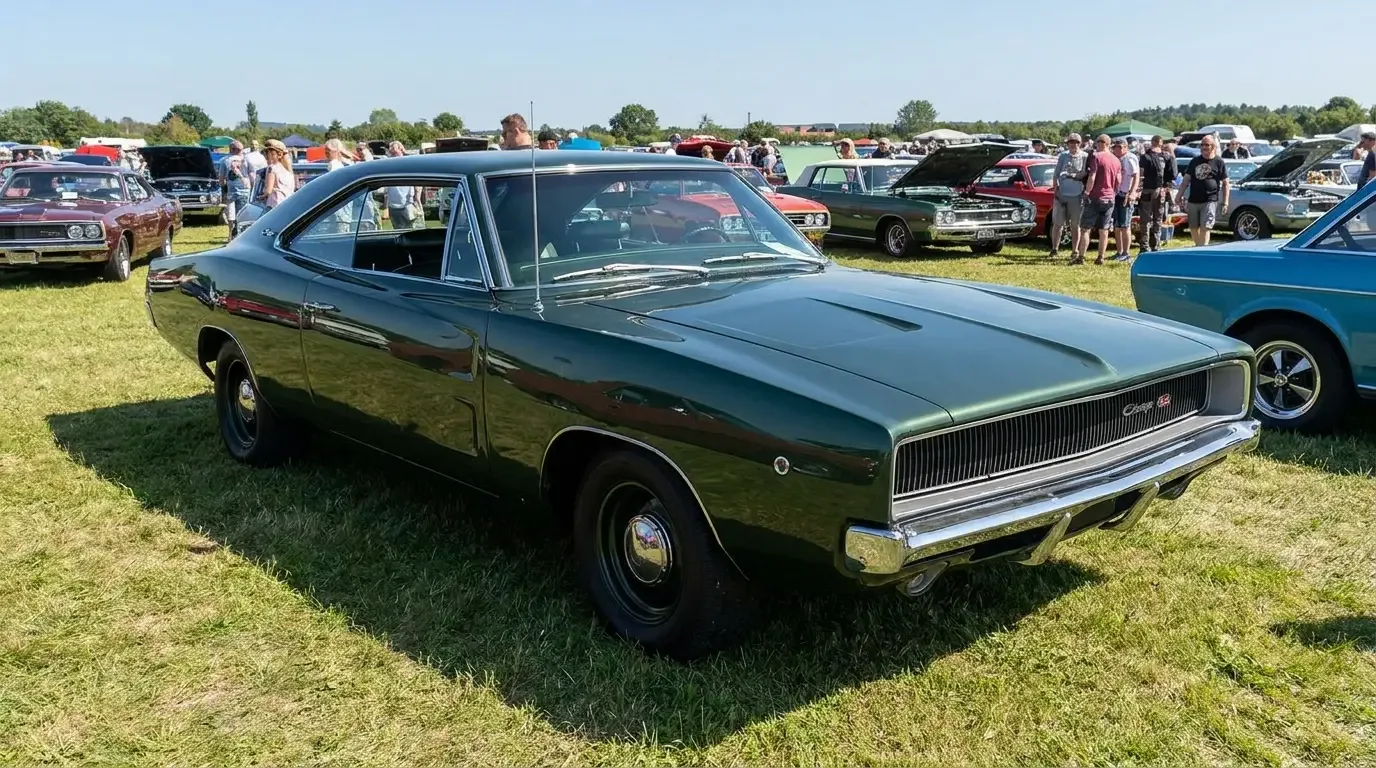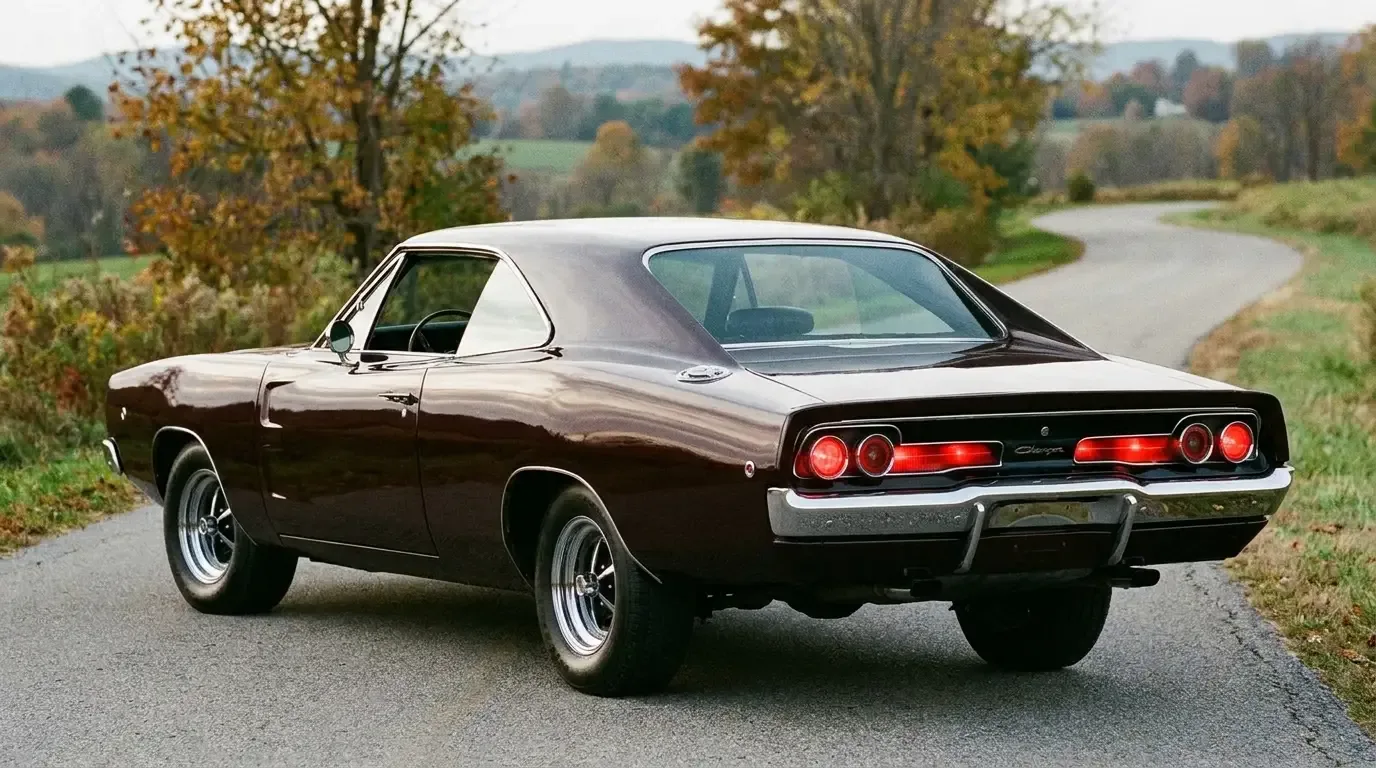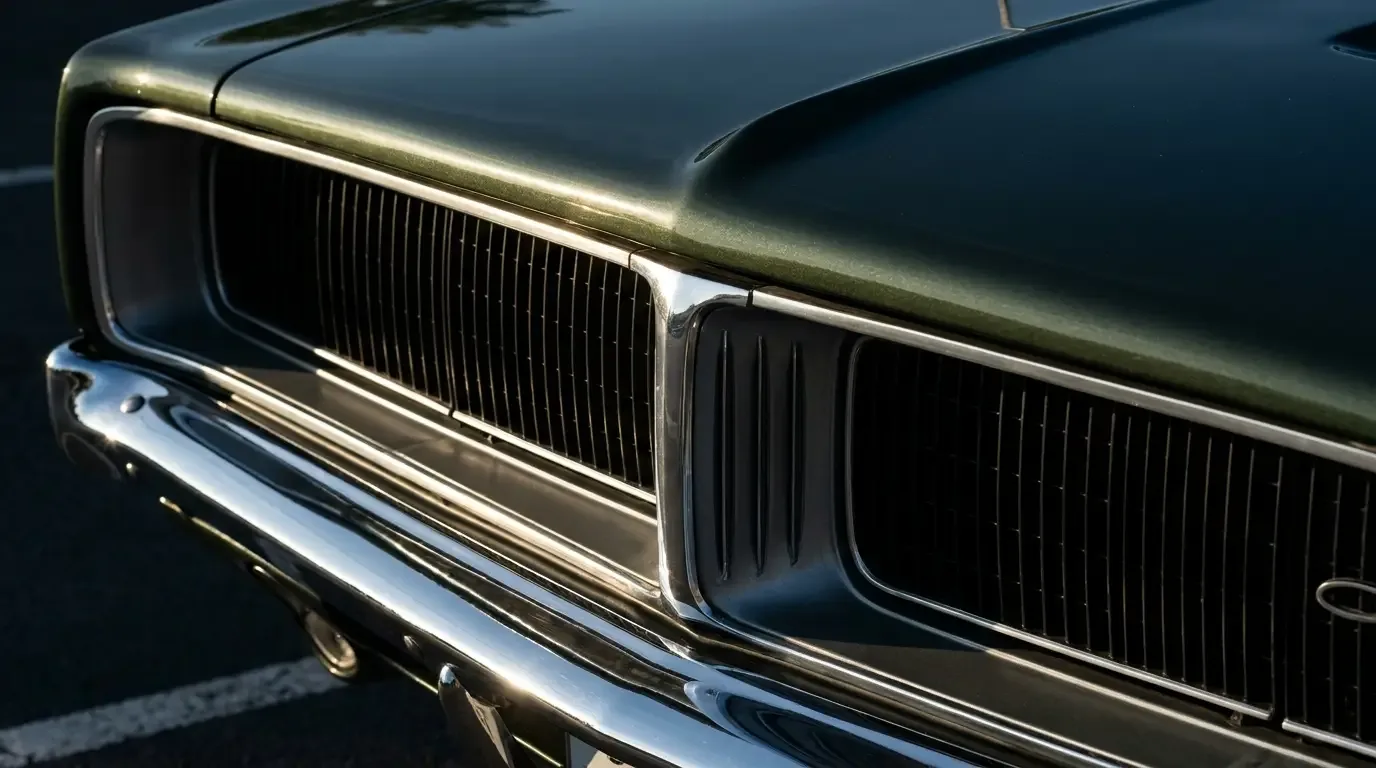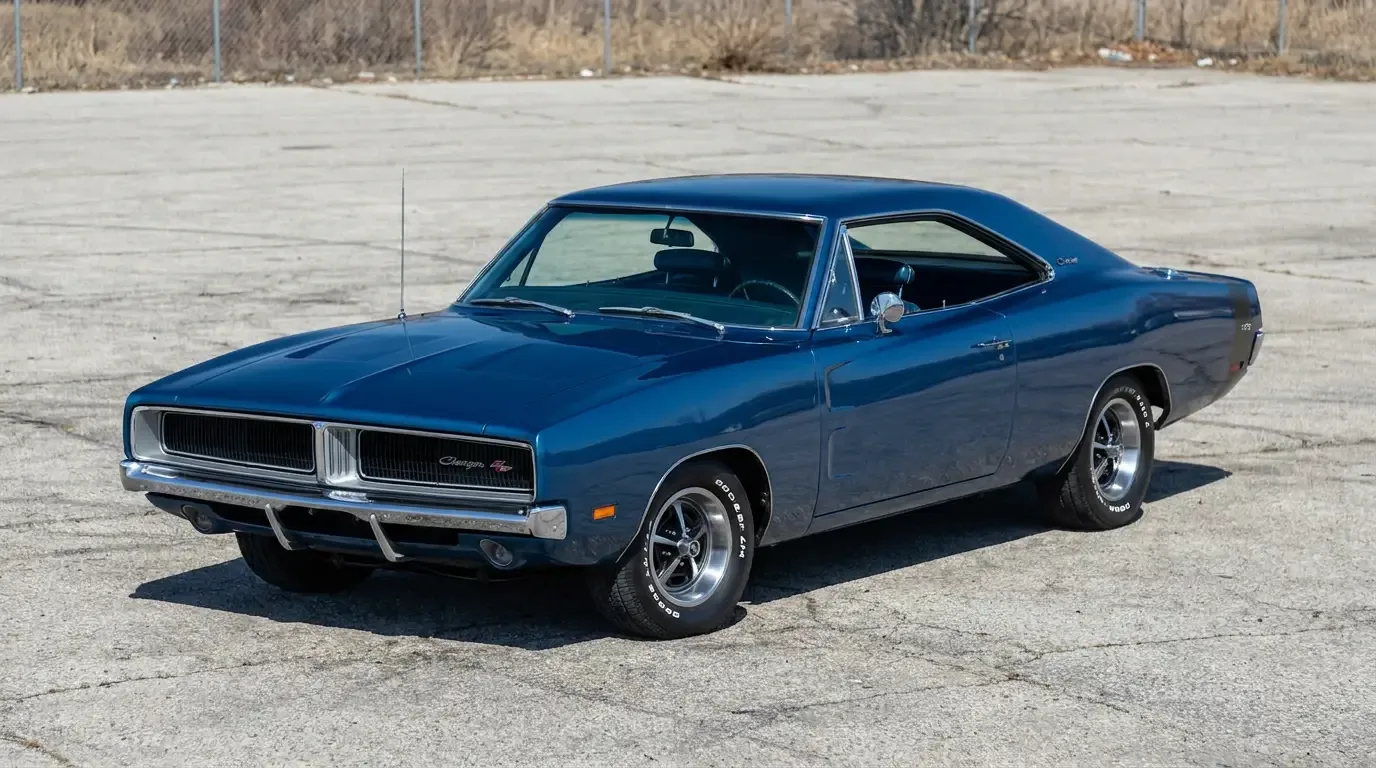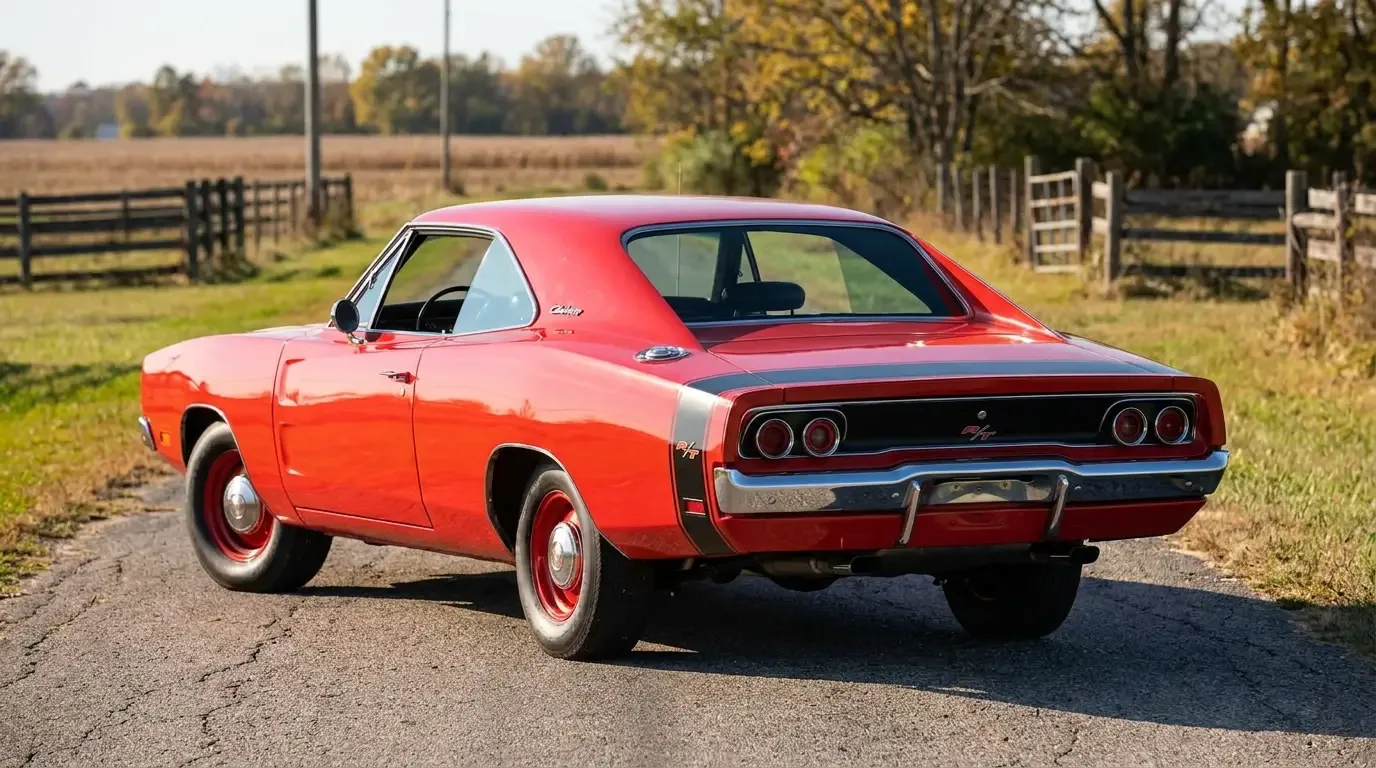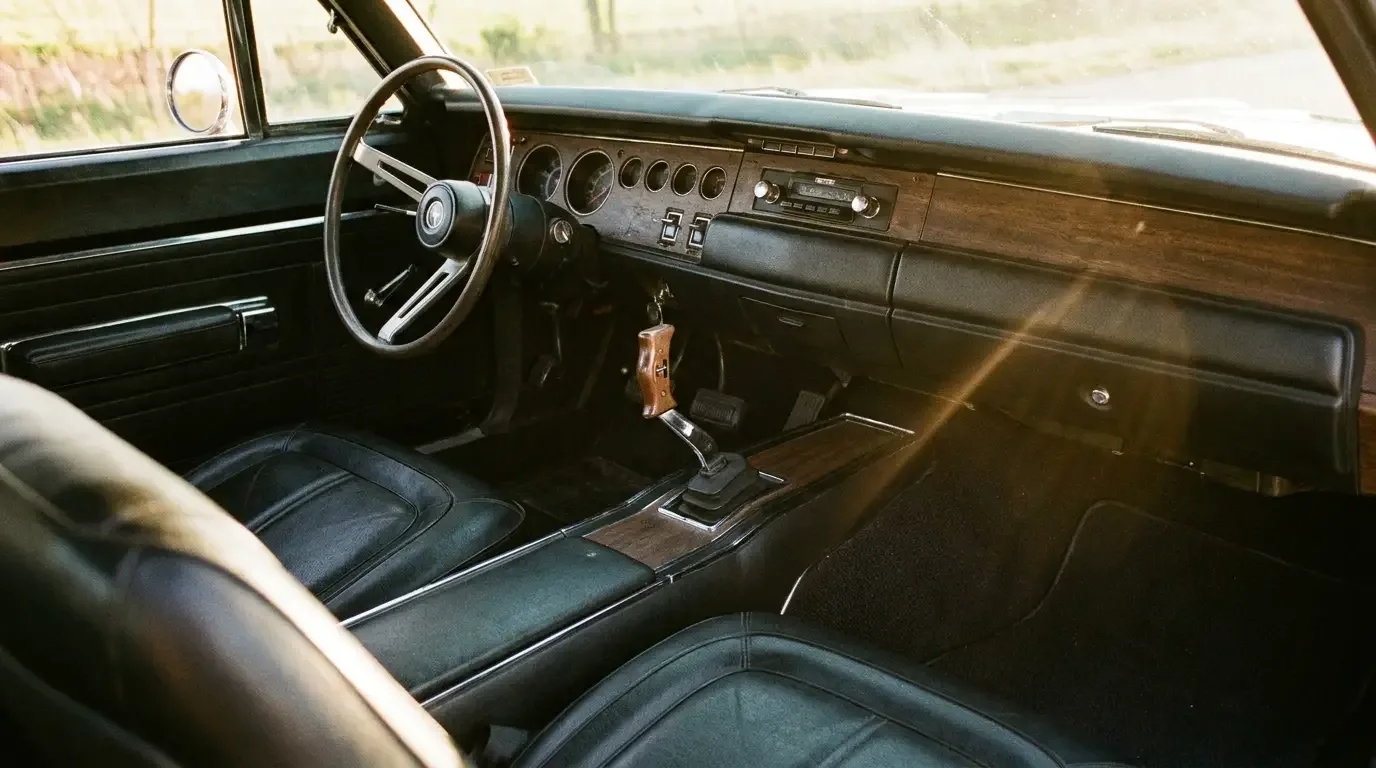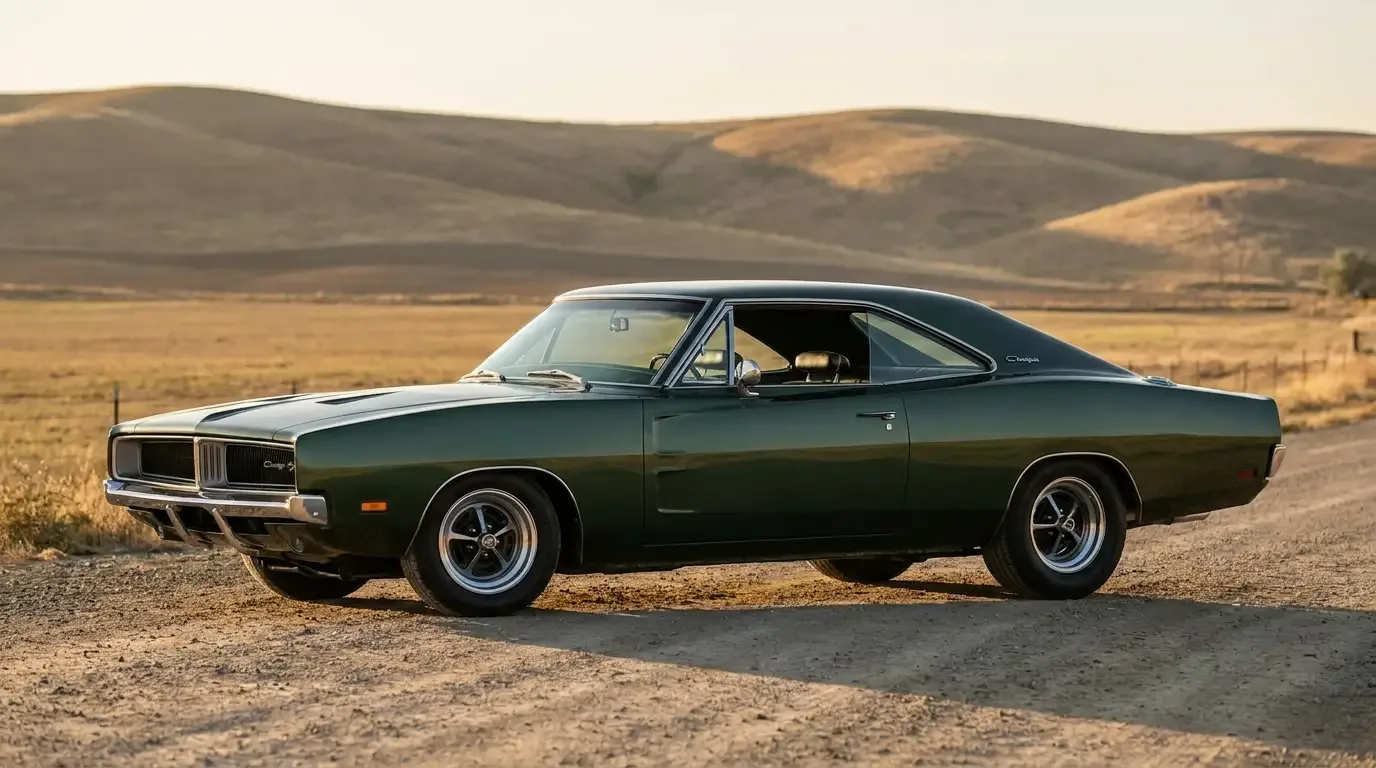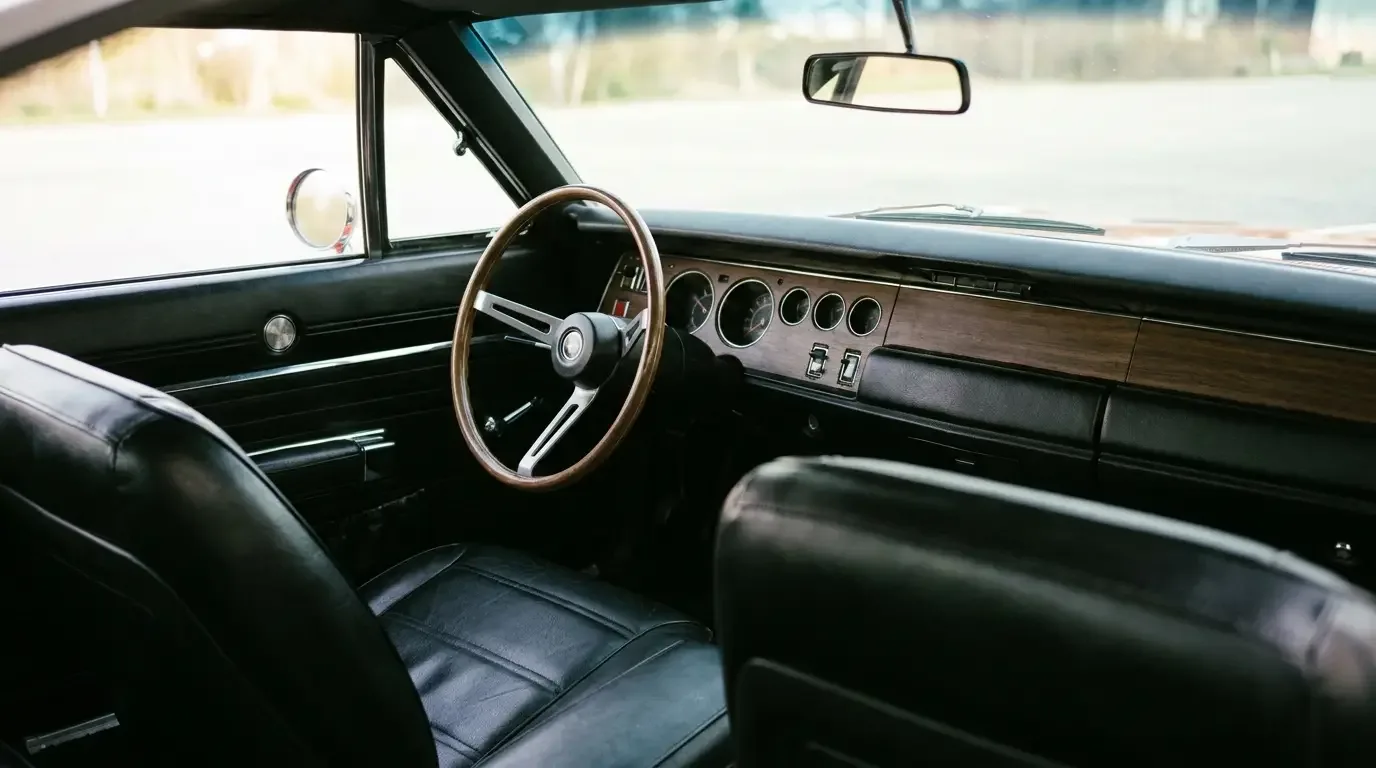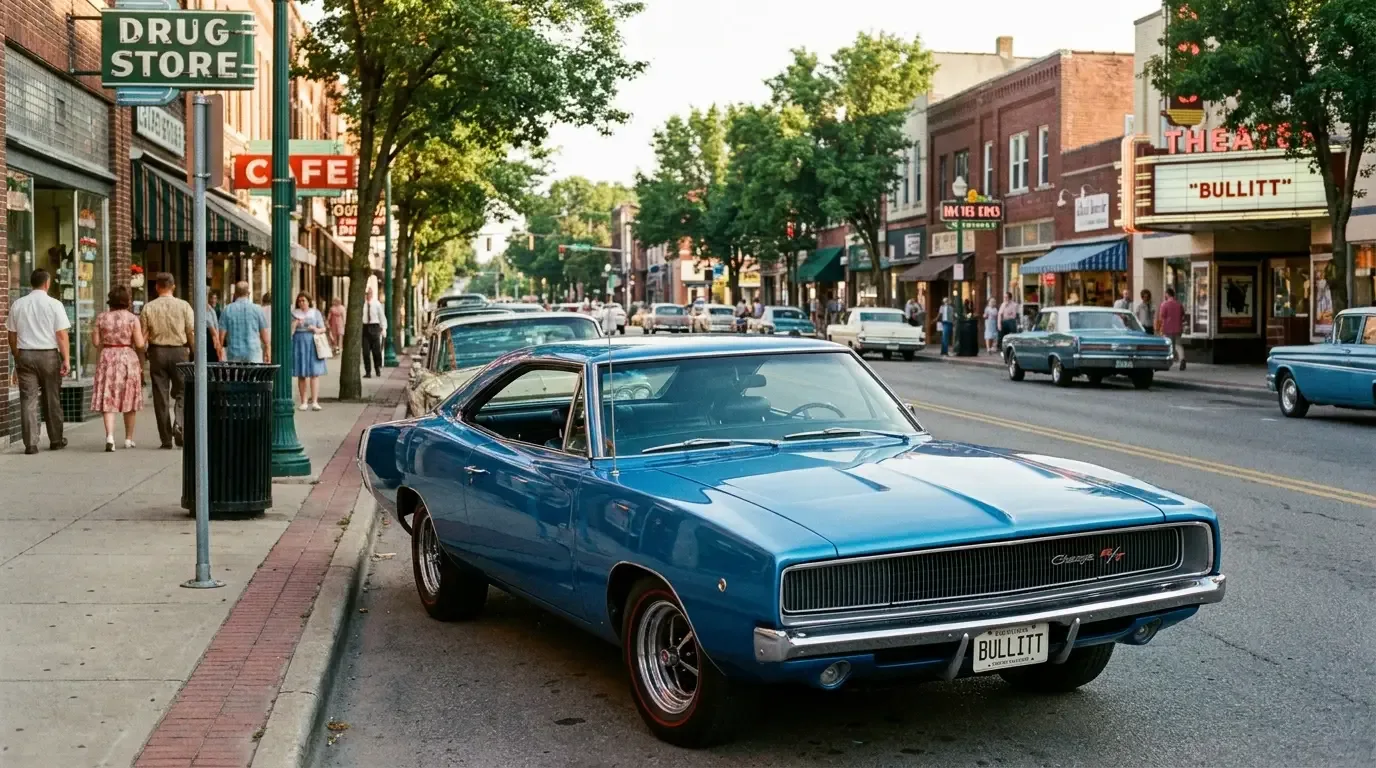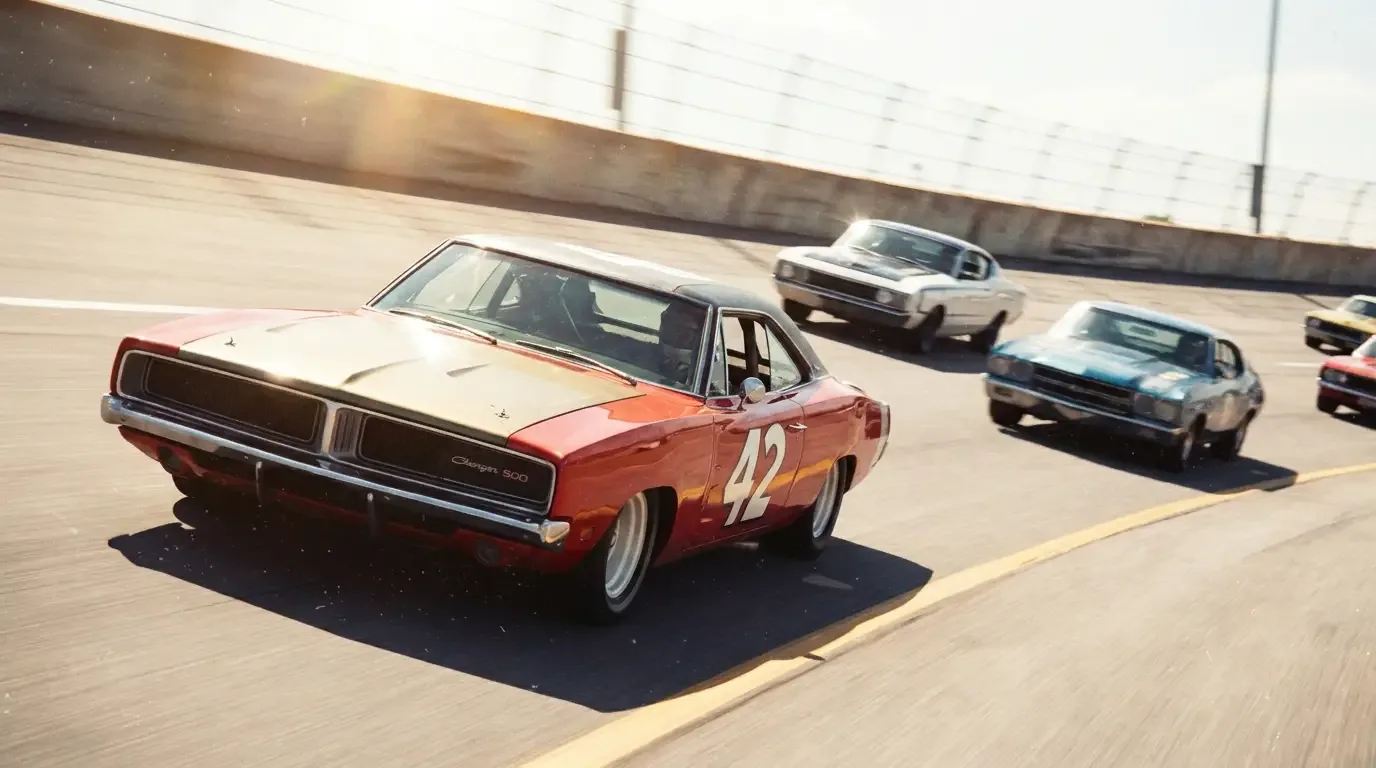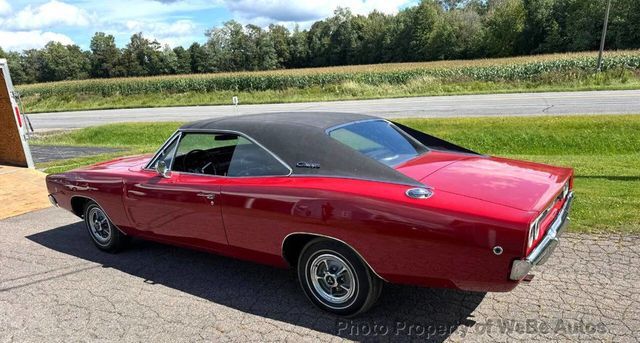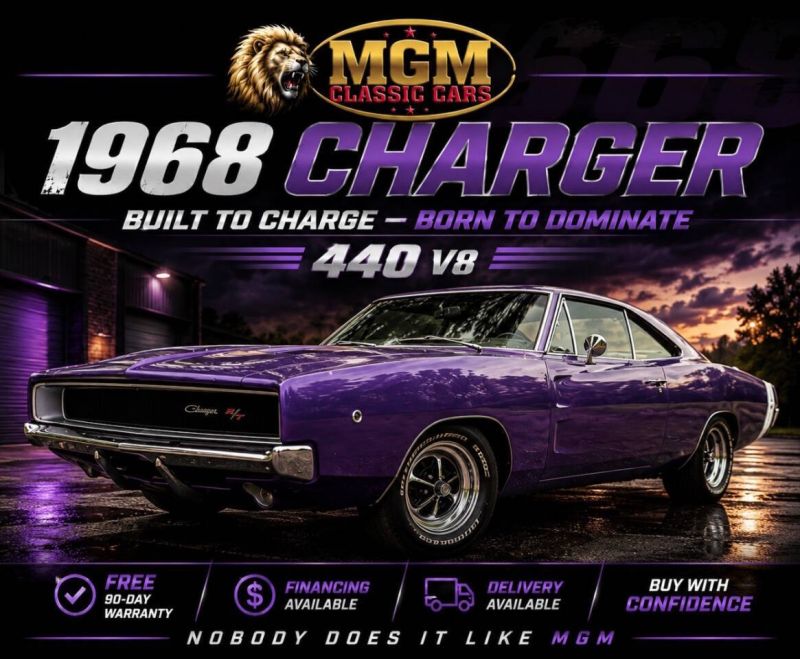
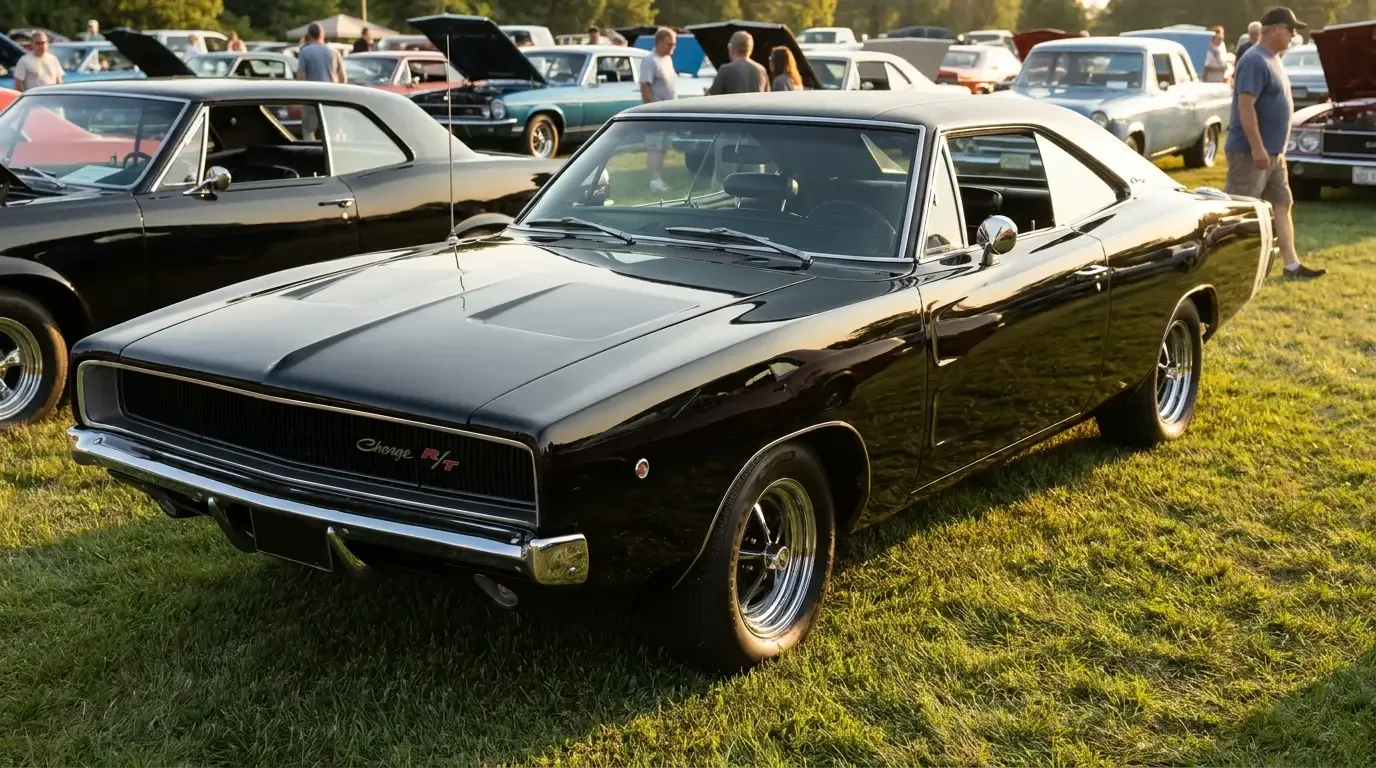
I've pulled apart enough of these to tell you the 1968 Charger is the one everybody pictures when they hear the name, even if they can't tell you why. It's the Coke-bottle body, the tucked-in waist, the hidden headlights that make the grille look like a solid black wall until the doors flip open. Chrysler took the slow-selling first-gen fastback, threw the design out, and came back with a car that sold roughly 96,100 units in its first year alone, more than triple what the 1967 car managed.
People throw the word icon around, but this is the rare case where it holds up. Three model years, a shape that barely changed, and a run of engines that went from sensible to genuinely dangerous. If you want the full arc of how Dodge got here and where it went afterward, the broader dodge charger history is worth reading, but the 1968 to 1970 window is where the car earned its reputation. Here's what those three years actually gave you, and what to watch for if you're shopping one now.
Why the 1968 redesign worked when the fastback didn't
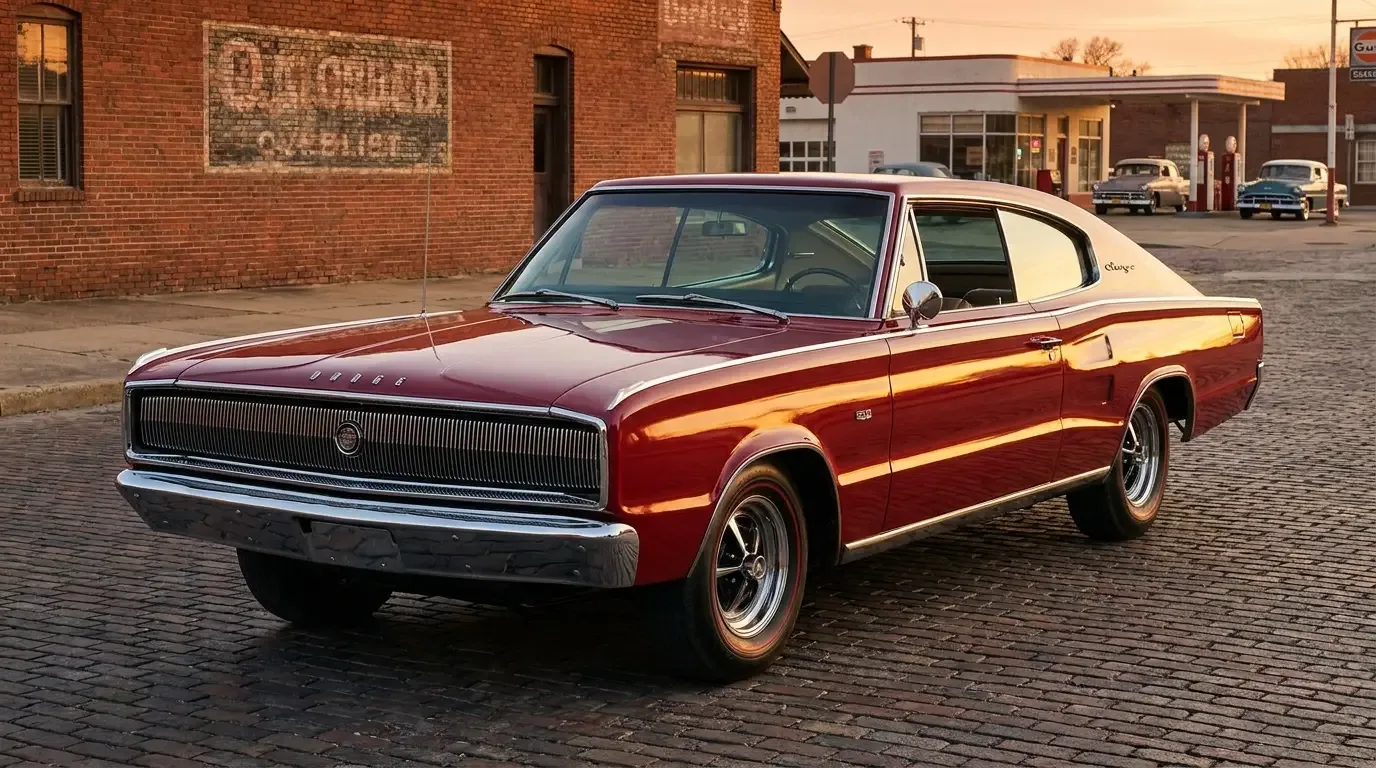
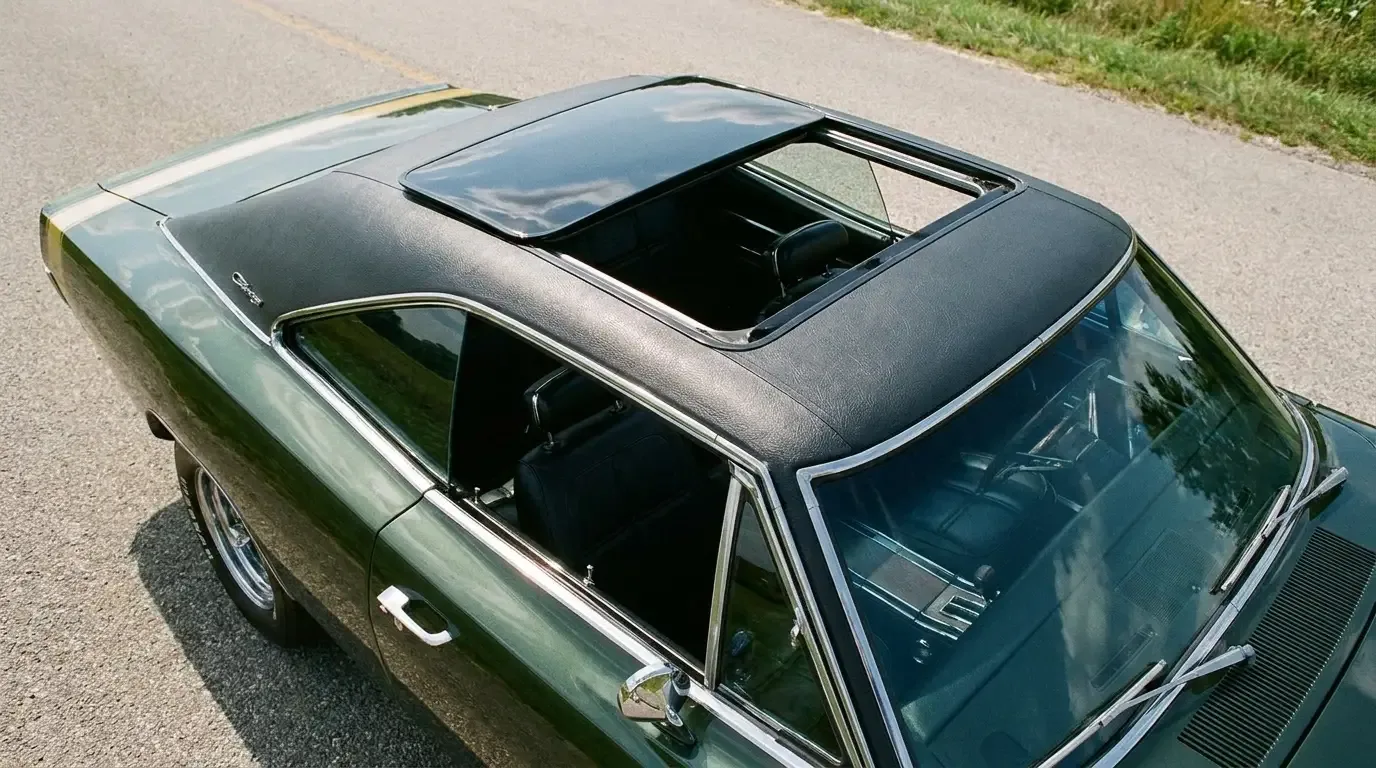
The first Charger, built for 1966 and 1967, was a fastback grafted onto a Coronet. It looked heavy in the back and it didn't sell. Dodge knew it, and for 1968 they handed the job to a clean-sheet body that kicked up over the rear wheels, pinched in at the doors, and dropped the roofline into a semi-fastback that actually flowed. The scalloped doors, the flying-buttress C-pillars, the round taillights, all of it landed at once.
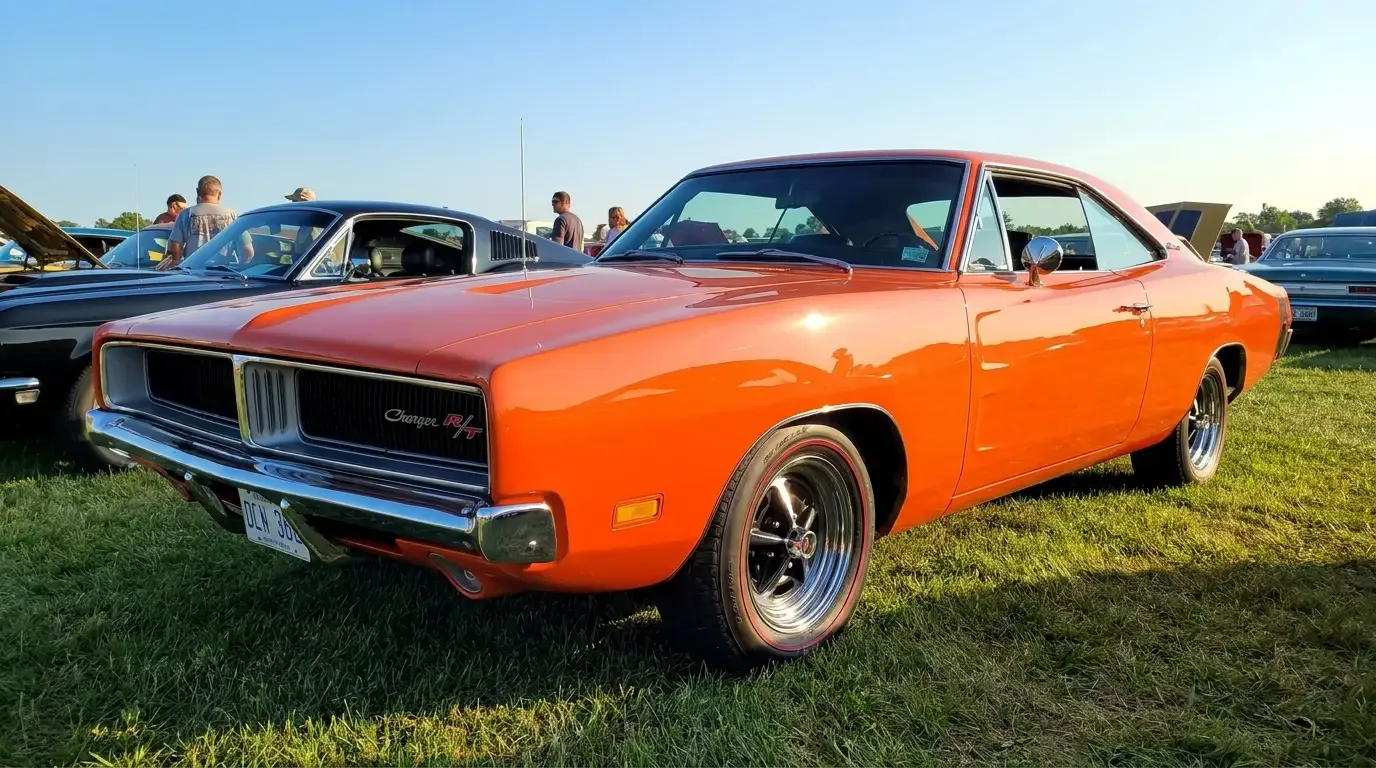
Underneath, it was still Chrysler B-body architecture on a 117-inch wheelbase, sharing bones with the Coronet. That's not a knock. It meant the car was cheap to build, easy to option, and it could swallow anything from a mild six to the biggest engines Dodge made. The 1968 and 1969 cars are near-identical to the untrained eye. The quickest tell is the grille: 1968 runs a single full-width opening, while 1969 splits it down the middle with a center divider. Out back, 1969 moved to a full-width taillight panel on some trims. Small stuff, but it matters when someone's selling you a "1969" that's wearing a 1968 nose.
The engine lineup, from grocery-getter to Hemi
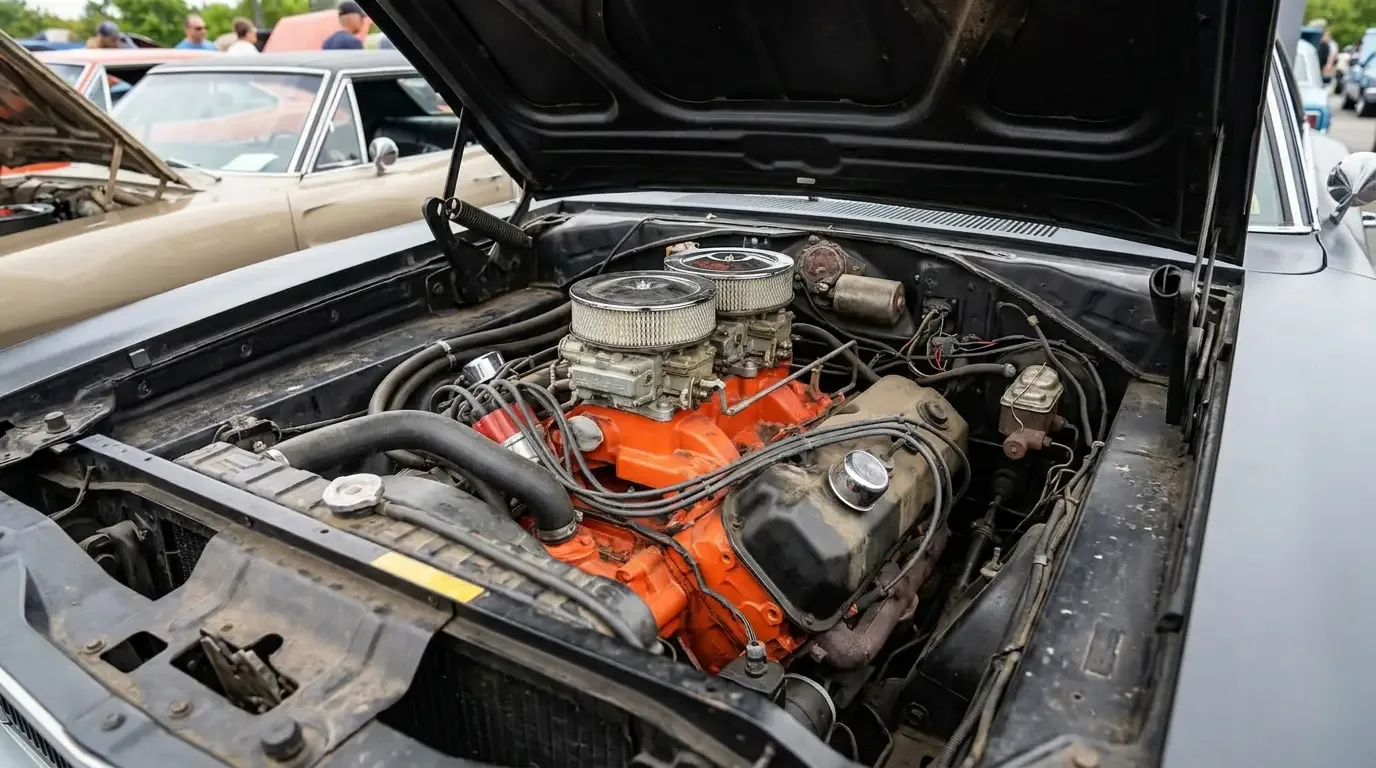
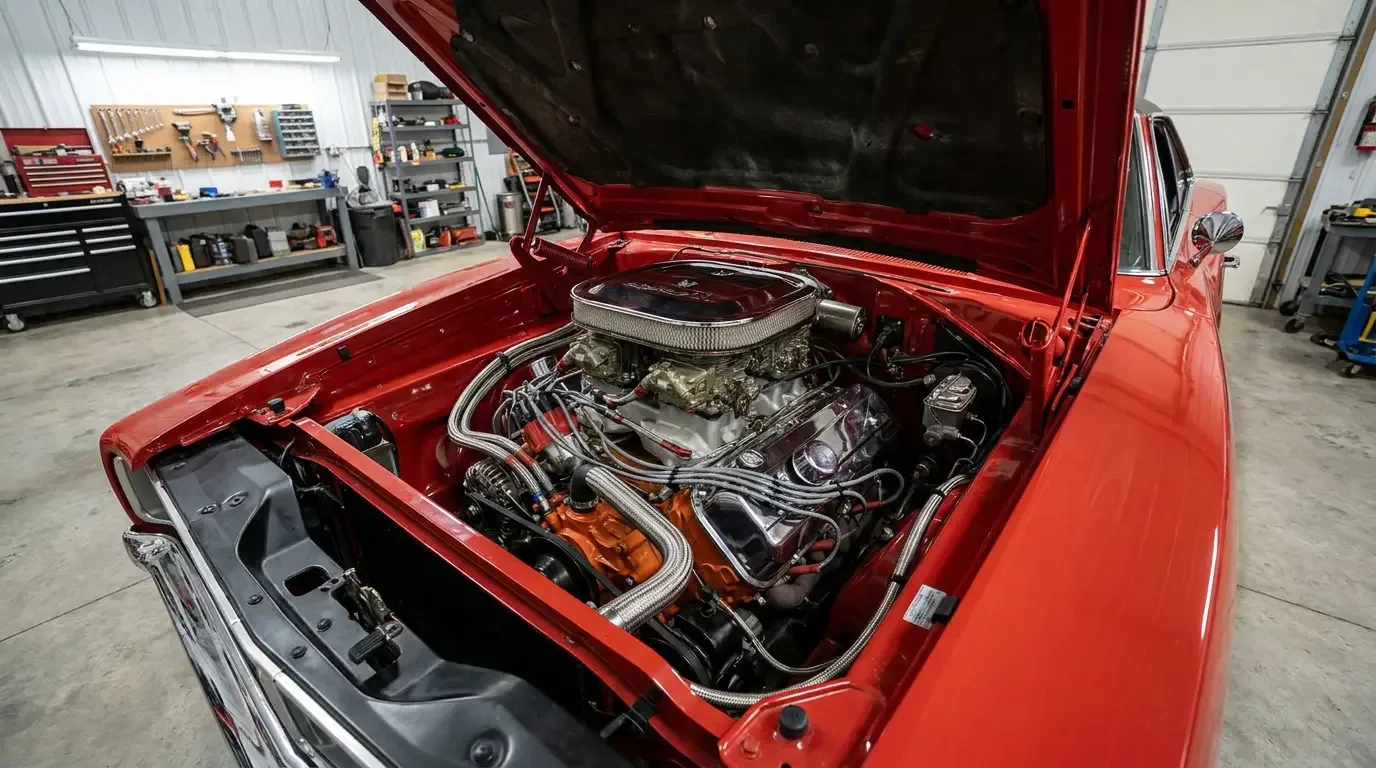
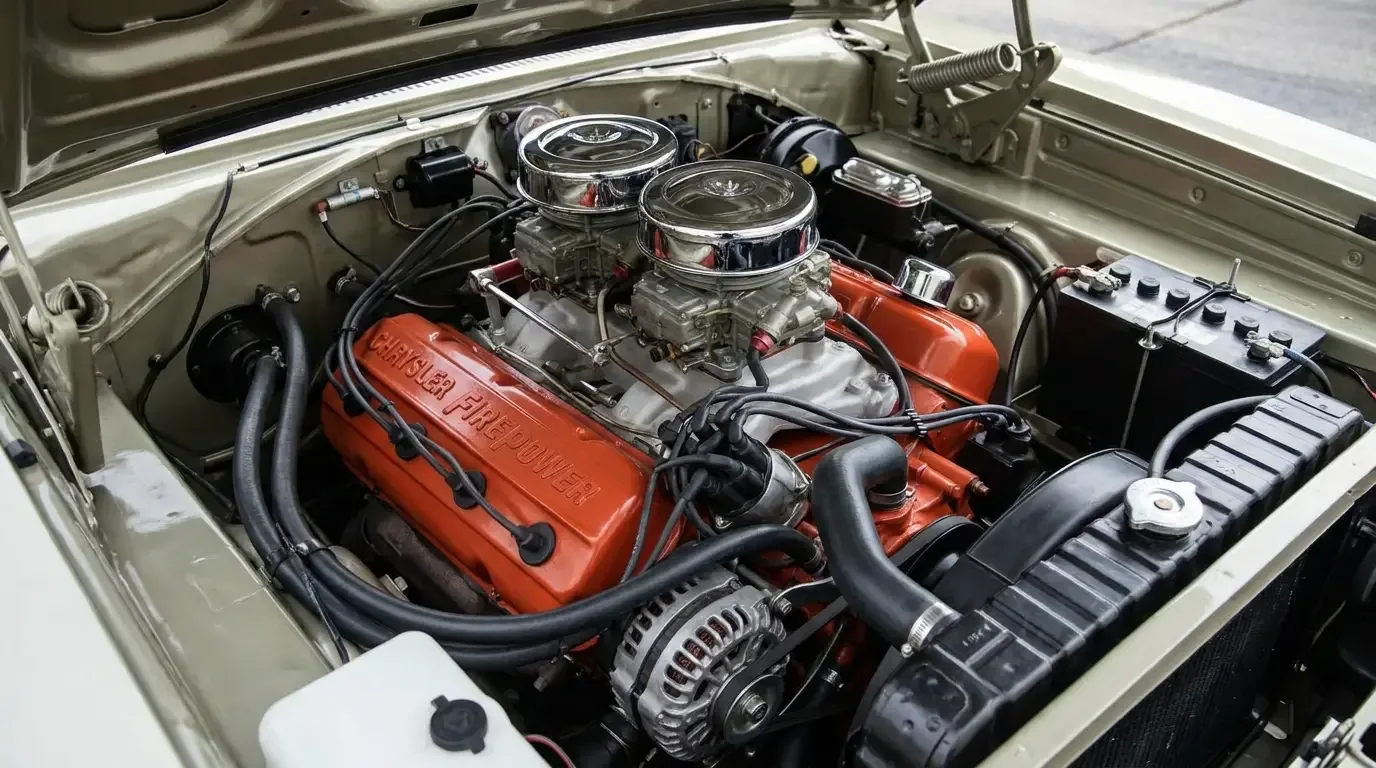
This is where buyers get lied to most, so pay attention to what actually left the factory. The base 1968 Charger came with a 225 slant six or a 318 V8, and plenty were built that way for people who just wanted the look. Step up and you got the 383, either two-barrel or in four-barrel form making 330 hp (gross). That 383 four-barrel is the sweet spot for a lot of drivers today: enough grunt to feel the era, cheap enough to live with.
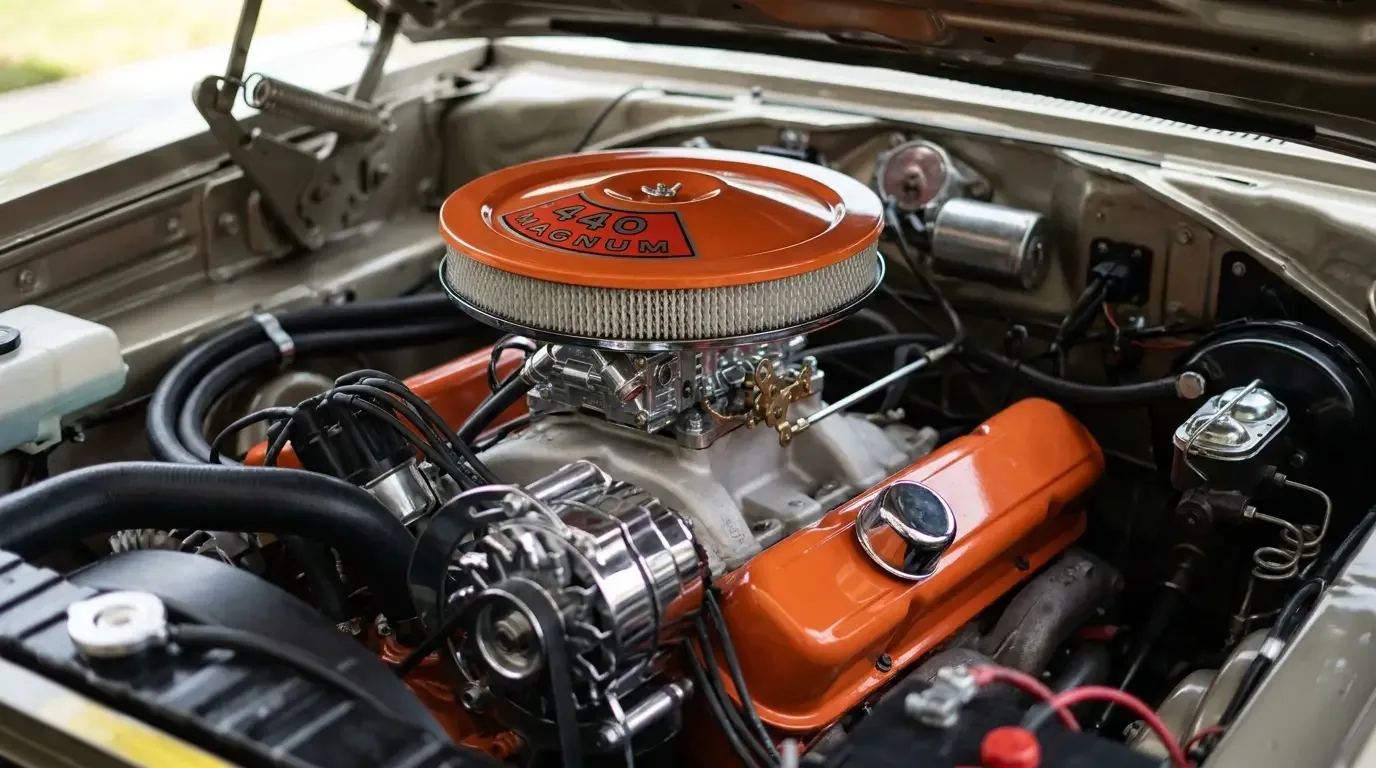
Above that sat the serious hardware. The 440 Magnum arrived making 375 hp (gross), a big torque motor that shoved the car down the road without the fuss of the top option. And then the 426 Hemi, rated at 425 hp (gross) on paper and famously underrated in reality. The Hemi was expensive when new, temperamental, and rare, only a few hundred Charger buyers per year checked that box. If someone's telling you their driver-grade Charger is a real Hemi car, ask for the fender tag and the build sheet before you get excited.
| Spec | 1968-1970 Charger (typical) |
|---|---|
| Body | 2-door hardtop, Chrysler B-body |
| Wheelbase | 117 in |
| Base engines | 225 slant six / 318 V8 |
| Popular V8 | 383 four-barrel, 330 hp (gross) |
| Big-block | 440 Magnum, 375 hp (gross) |
| Top engine | 426 Hemi, 425 hp (gross) |
| Transmissions | 3-speed auto (TorqueFlite) or 4-speed manual |
| 1968 production | ~96,100 units |
R/T: the package that made it a muscle car
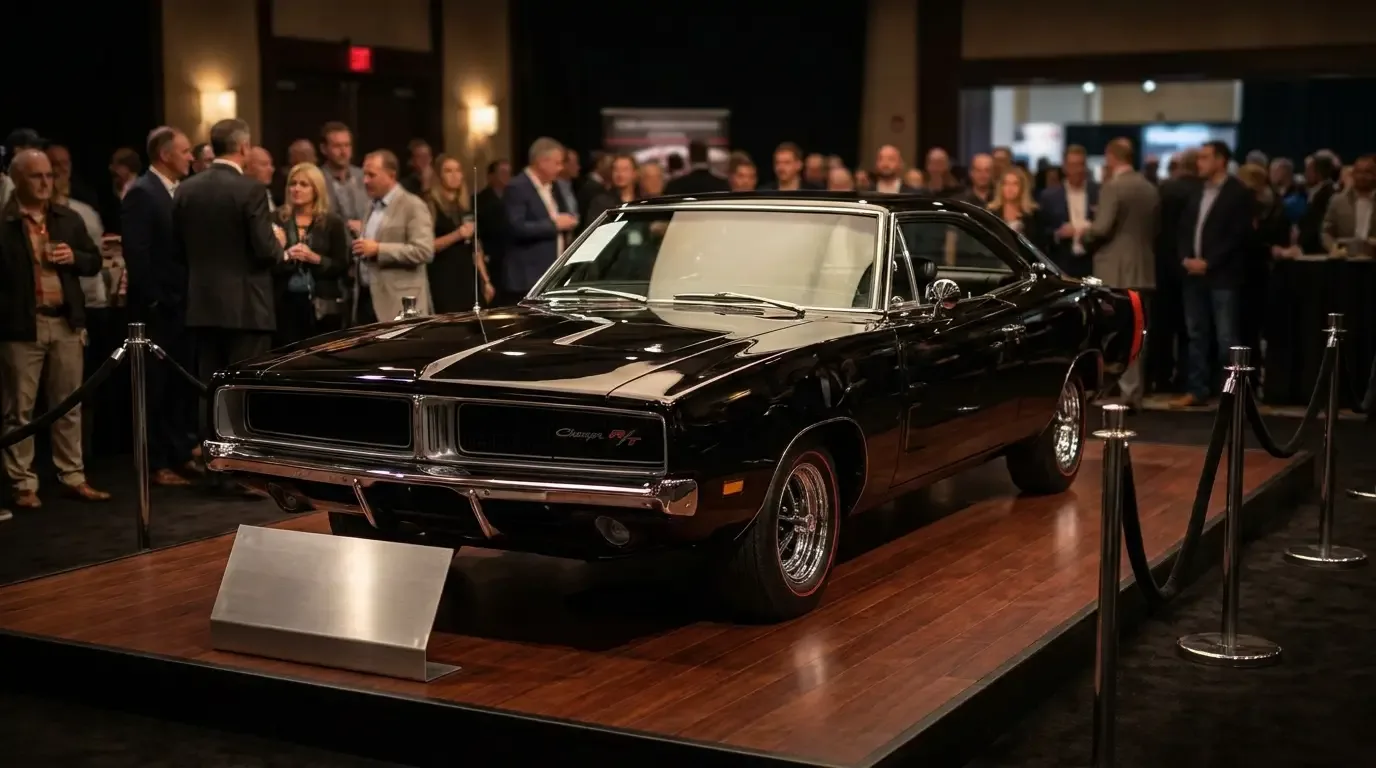
The letters R/T stand for Road and Track, and on a Charger they meant Dodge stopped pretending you might buy this thing for the commute. The R/T came standard with the 440 Magnum, upgraded the suspension with heavier torsion bars and rear springs, added bigger brakes, and dressed the car in bumblebee stripes wrapped around the tail. The Hemi was the only engine upgrade over the standard R/T 440, which tells you how serious the base R/T already was.
An R/T is what most people mean when they say they want a "real" second-gen Charger. It's also where the fakes cluster, because turning a base 383 car into an R/T tribute is a weekend of stripes and badges. The difference in value between a genuine documented R/T and a clone is enormous, so this is the one spec where paperwork isn't optional. The fender tag, broadcast sheet, and matching engine casting numbers are the whole ballgame.
The 1970 facelift and the aero cars
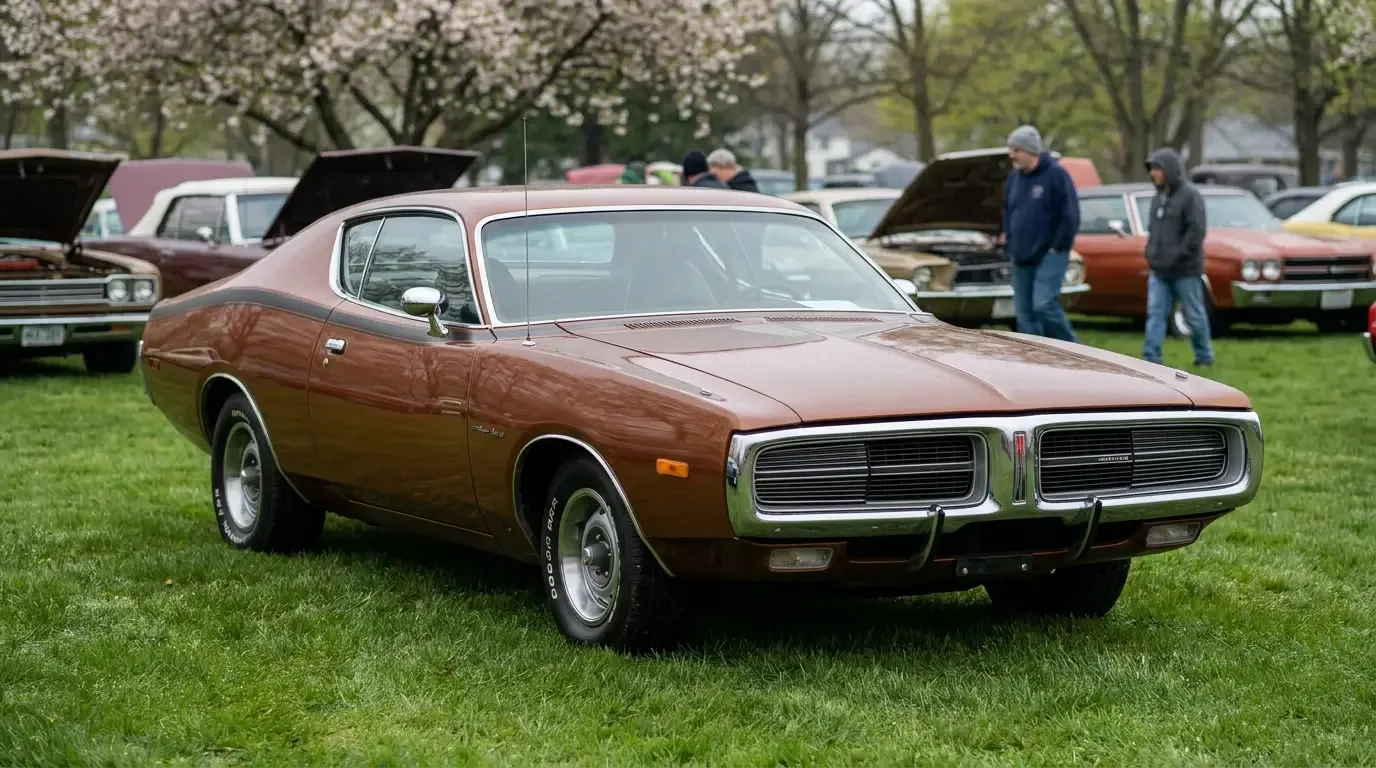
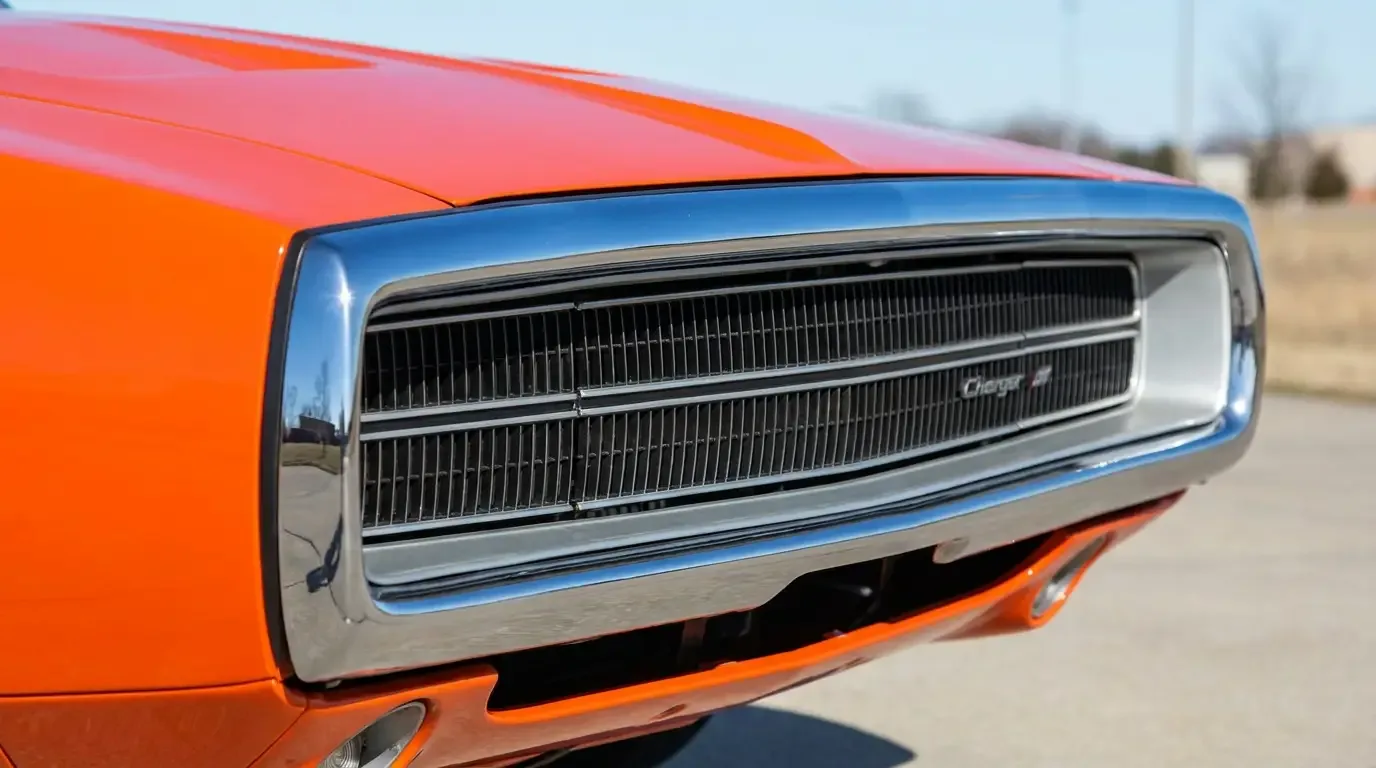
For 1970 Dodge freshened the front with a full-loop chrome bumper surrounding the grille, added a scalloped door treatment on some trims, and reworked the taillights. It's the easiest year to spot from the front, and some people love the loop bumper while others think it broke the clean 1968 face. That's a matter of taste. Mechanically it carried on much as before, with the 440 now available in the Six Pack setup running three two-barrel carbs for a rowdier top end.
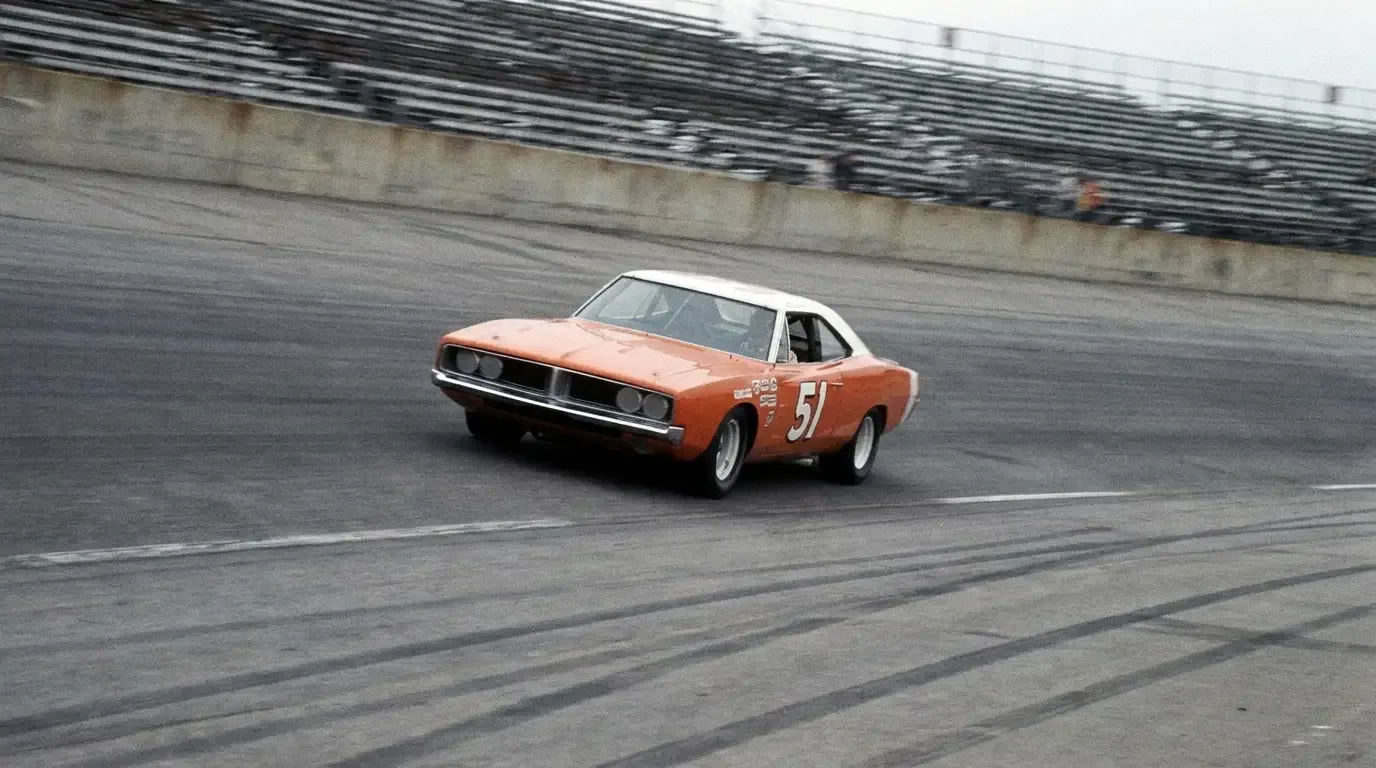
Nineteen seventy is also the year the winged Daytona had come and gone, its NASCAR aero experiment ending as the rules changed. The wild aerodynamic Chargers are their own rabbit hole, and while the street cars are what most of us can actually own, the 1970 model year is when the second generation started winding down toward the fuselage redesign. If you want to trace where the shape went next, the the fuselage Charger story picks up the thread. When people go shopping for a survivor from this final year of the second generation, listings for 1970 Dodge Chargers for sale tend to command a premium for documented big-block cars.
What to actually check before you buy one
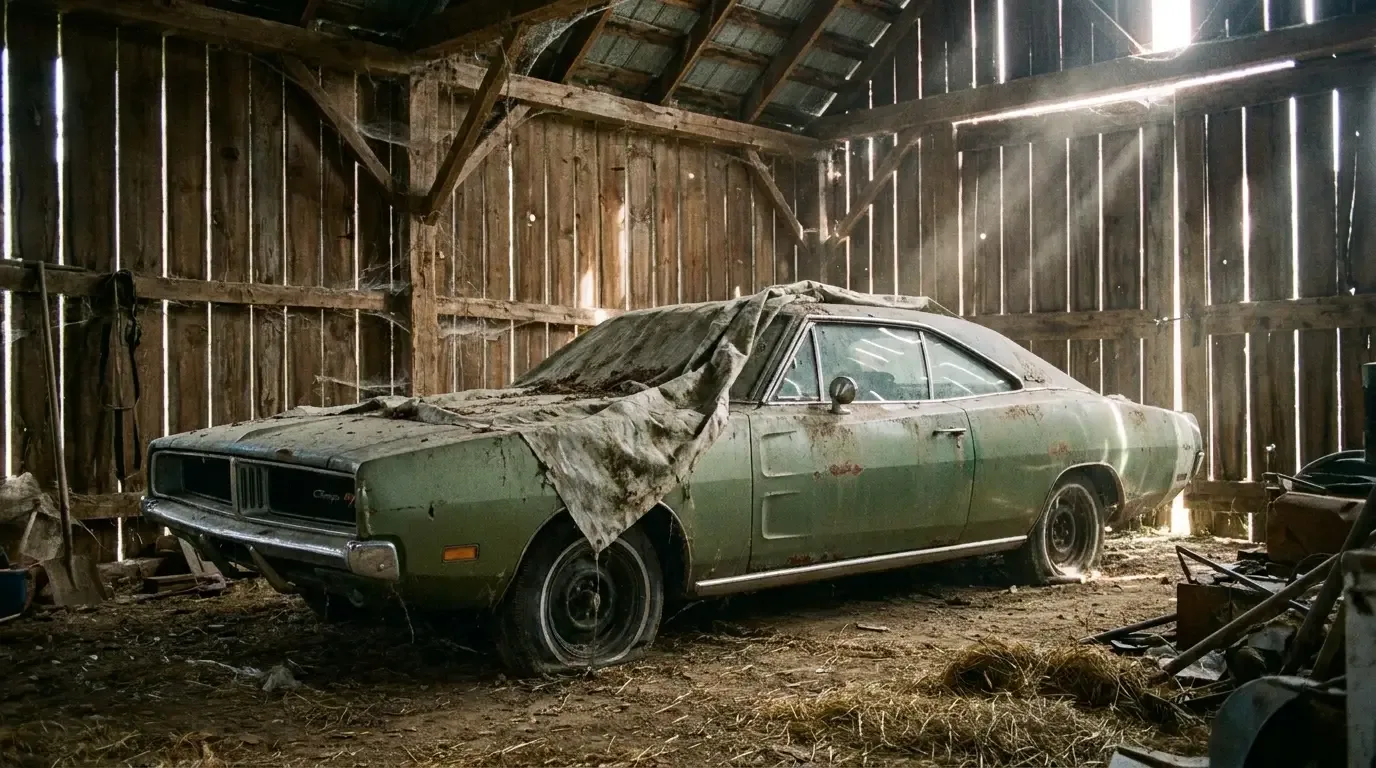
The paint looks right at fifteen feet on most of these. It's underneath where the money hides. These are 55-plus-year-old unibody cars, and rust is the thing that ends them. I've watched buyers fall for a straight body and ignore floors you could drop a boot through.
🔧 Inspection Priorities
- Trunk floor and rear frame rails. Water collects behind the rear window and rots the trunk pan and the rails under it. Full trunk floor replacement plus rail repair runs into the thousands, so lift the mat and look.
- Floor pans and torsion bar crossmember. Chrysler's torsion-bar front suspension anchors to the floor. Rot here is structural, not cosmetic, and it hides under carpet.
- Hidden headlight vacuum system. Cheap to live with but annoying to fix right. Test that both doors open and close on their own before you assume it's minor.
- Engine casting and fender tag match. On any R/T or Hemi claim, verify the block casting numbers, the fender tag codes, and a build sheet before you pay the premium. A tribute is a fine car at the tribute price, not the real-deal price.
- Frame rail alignment. These cars got raced and wrecked. Sight down both rails for ripples and check panel gaps side to side for old collision repair.
What they're worth and who should buy one
Prices swing hard on engine and documentation. A clean driver-grade 318 or 383 car sits in reach for a lot of buyers, while a documented 440 R/T climbs well past that, and a verified Hemi car is six figures and then some. The gap between a solid 383 driver and a numbers-matching R/T is bigger than most first-time buyers expect, and it's almost entirely about the drivetrain and the paperwork behind it.
My honest take: unless you've got Hemi money and a Hemi appetite, the 383 four-barrel or a 440 car is the one to own. It drives the way the shape promises, parts are everywhere, and you're not terrified to put miles on it. Buy the best body you can afford and let the engine be a slightly lesser motor, because straightening rusty floors costs more than swapping a carb ever will.
"Everybody wants the Hemi car until they price the rust repair on the cheap one they bought instead. Buy the solid body first. You can always build the motor later, but you can't un-rot a trunk floor on the phone with a seller telling you it's surface rust."
— Mike Sullivan
Three model years, one unforgettable shape, and a lineup that ran from sensible to lethal. The 1968 to 1970 Charger is the car that made the name mean something, and a good one still delivers exactly what it looks like it will. Just check the floors before you fall in love.
Sources and notes
- Wikipedia - Dodge Charger (B-body) - confirmed 1968 production of 96,100 (89,199 for 1969, 46,576 for 1970), the R/T package with standard 440 Magnum, and the 1970 loop-bumper facelift.
- Conceptcarz - 1968 Dodge Charger specifications - confirmed gross ratings of 330 hp (383 four-barrel), 375 hp (440 Magnum) and 425 hp (426 Hemi), plus the 117-inch wheelbase.
- Wikipedia - Dodge Charger Daytona - confirmed the 503-car homologation run, the nose cone and 23-inch wing, and Buddy Baker's first 200 mph NASCAR lap at Talladega in 1970.
- Supercars.net - 1969 Dodge Charger Daytona - confirmed the winged aero cars as NASCAR homologation specials and the 426 Hemi / 440 street engine options.
- MoparInsiders - 1969 Hemi Charger R/T sale - confirmed current six-figure Hemi values, with documented R/T cars trading from roughly $170,000 to well over $230,000.