The build record doesn't care what a seller calls a car. It only cares what left the factory, and for the second-generation Charger, 1968 through 1970, the factory changed enough details each year that a careful look at the front end, the taillights, and a handful of trim pieces will tell you the model year with real confidence, no title paperwork required. I get emails regularly from people who bought a car described as one year and later suspected it was another, sometimes an honest mistake by the seller, sometimes not. Here's how the record actually breaks down.
The front grille is the fastest tell
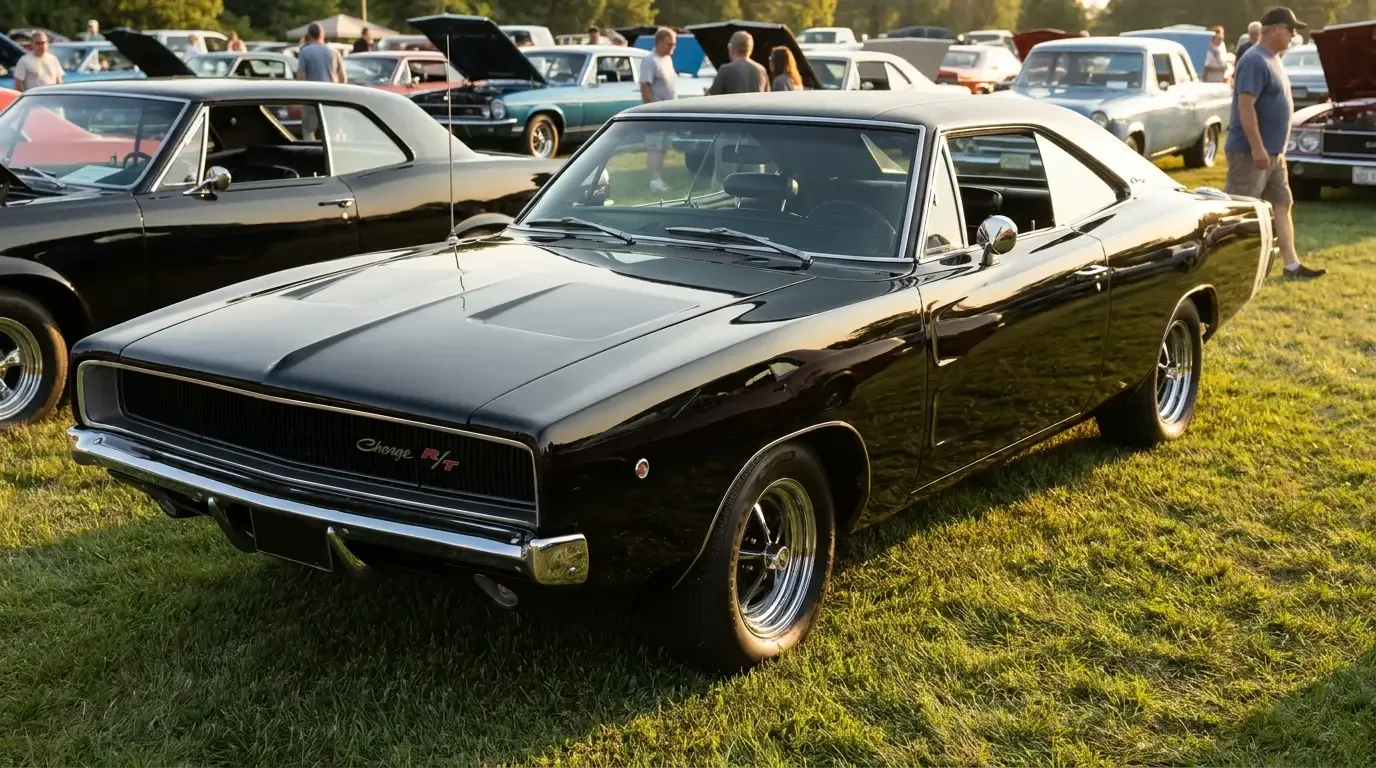
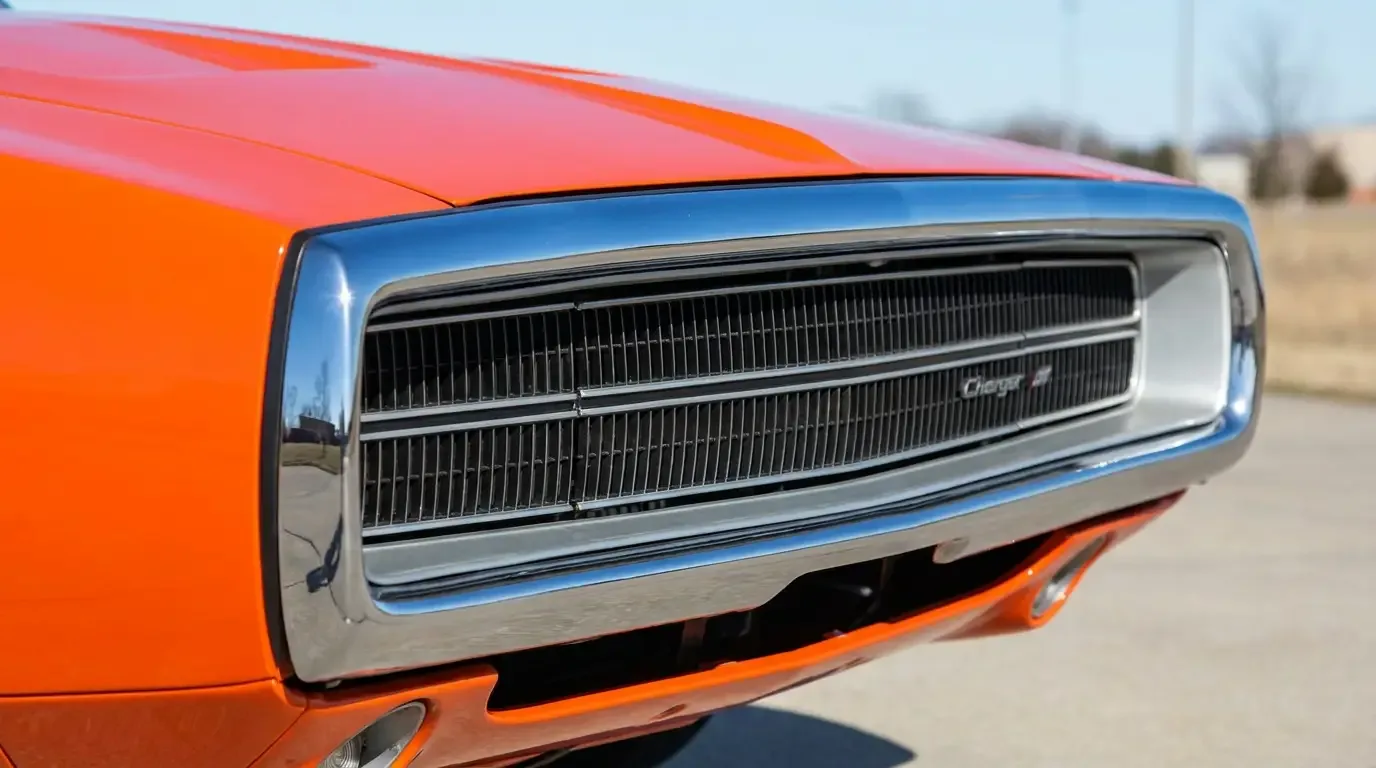
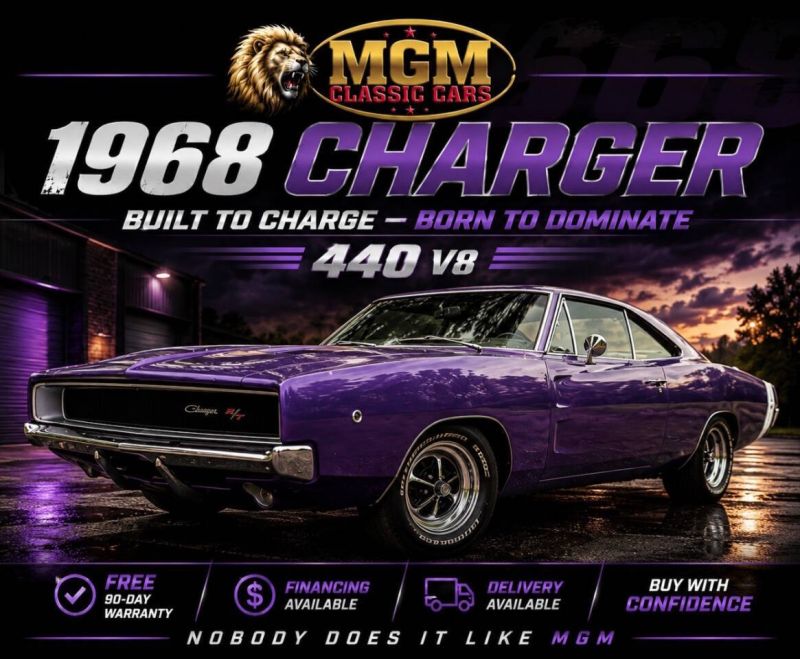
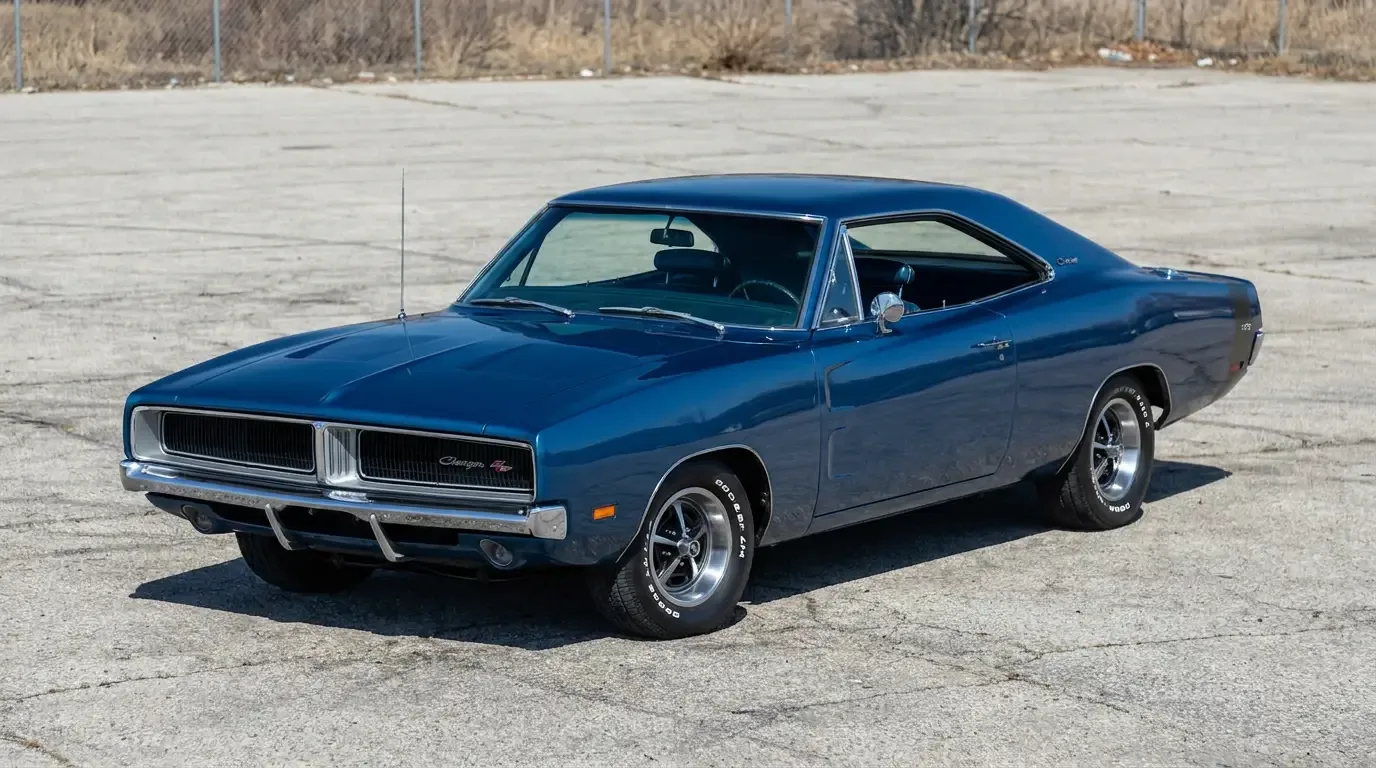
All three years share the same basic body and the same idea, a full-width grille with hidden headlights, but the execution changed every single year. The 1968 car has a single, unbroken grille opening, one continuous horizontal element running the full width of the nose with no center divider. For 1969, Dodge split that opening down the middle with a vertical bar, giving the front end a two-piece look, and moved the parking lamps into the grille itself. For 1970, the whole nose was revised again, with the bumper wrapping up and around the outer edges of the grille rather than sitting as a separate bar below it, a design collectors call the loop bumper. For the deeper engineering story behind why the 1970 bumper changed shape entirely, read on for the full second-generation history. For now, the short version: unbroken grille means 1968, split grille with a center divider means 1969, bumper looping around the grille opening means 1970. That single check resolves the great majority of year disputes on its own.
Taillights and rear treatment
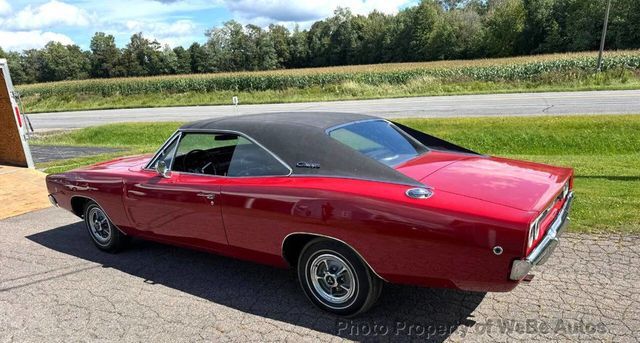
The rear of the car tells a similar story, though it takes a slightly closer look. All three years use round taillights set into a full-width rear panel, a design carried over from the body's original 1968 introduction, but the specific lens design and surrounding trim differ enough between years that period photographs and factory literature clearly distinguish them. Trim and lettering placement moved around as part of each year's cosmetic refresh, consistent with how Chrysler handled annual updates across the B-body line generally, keeping the core taillight concept while refreshing its execution to keep the car looking current on dealer lots. If a seller's photos only show the front of a car and the rear photos are missing or vague, that's worth asking about directly. A mismatched front and rear, a 1969 grille paired with 1968 taillight trim, for example, usually means either a repair using whatever parts a shop had on hand decades ago, or a car assembled from more than one donor vehicle. Neither is automatically a dealbreaker, but it's information that affects both value and originality claims, and it should be disclosed, not discovered.
Interior and dash differences
Inside the car, the dash layout and gauge cluster options carried some visible year-to-year variation as well, tied to running production changes Dodge made across the platform. This is a harder area to use for dating a car with confidence compared to the exterior, because interiors get swapped, reupholstered, and restored more often than sheet metal does, and a well-meaning previous owner may have installed a later or earlier dash pad or gauge face during a repair without realizing the mismatch. I'd treat interior details as supporting evidence at best, never as the primary basis for calling a car's year.
Engine and drivetrain notes across the three years
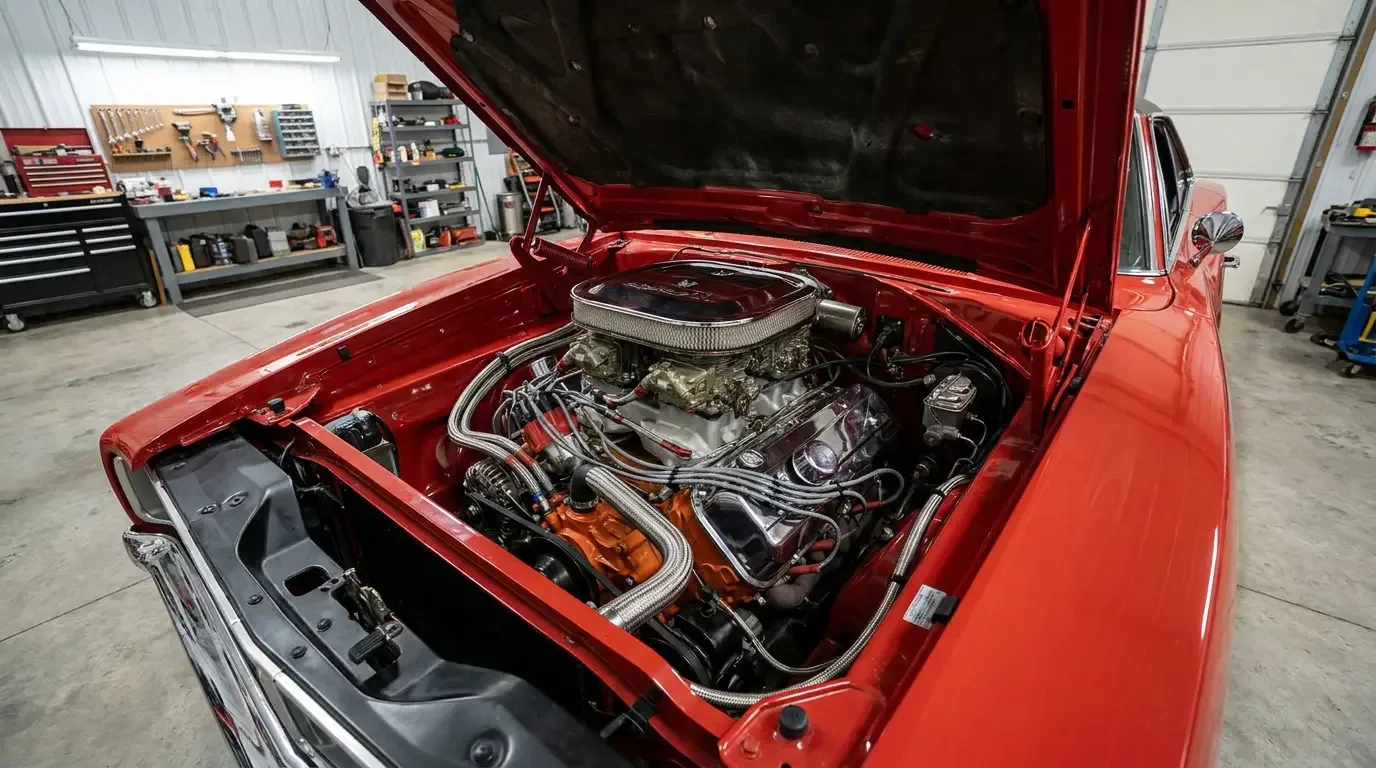
Engine offerings shifted somewhat year to year as well, part of the broader story covered in 1969 hemi charger, which goes into the production numbers and specifics of the Hemi-equipped cars across this run. What's worth knowing at a glance is that engine codes stamped into the VIN and visible on the fender tag are a more reliable dating tool than any visual trim detail, because they're tied directly to the factory build sheet rather than to cosmetic parts that can be swapped. If a seller can produce a broadcast sheet or a clear fender tag reading, that trumps any visual inspection I could do standing in a driveway.
| Year | Grille | Front bumper | Notable trim note |
|---|---|---|---|
| 1968 | Single unbroken opening, full width | Separate straight bar below grille | First year of this body, hidden headlights introduced on this generation |
| 1969 | Split into two sections by center divider | Separate straight bar below grille | Parking lamps moved into grille opening |
| 1970 | Recessed within bumper loop, simplified mesh insert | Wraps up and around outer grille edges (loop bumper) | Final year before the third-generation redesign for 1971 |
"I've had three separate people send me photos of the same car over the years, each one certain it was a different model year. The grille answered it in about ten seconds each time. People overthink this. The factory left plenty of evidence, you just have to know where to look."
— Tom Ramirez
Why getting the year right matters for value
Collectors and appraisers weight these three years somewhat differently depending on rarity of specific configurations, engine availability, and how each year's styling has aged in the collector market's taste. A car misrepresented by even one model year can mean a meaningfully different valuation once you factor in production numbers for that specific combination of body style, engine, and trim. Getting the year right isn't pedantry, it's the foundation every other claim about a car's rarity and value rests on. If you want the fuller picture of how this generation fits into the Charger's complete run from 1966 to 1978, the classic Dodge Charger story is worth reading end to end, but for a quick field identification, the grille and bumper checks above will settle the year question in nearly every case I've encountered.
A note on documentation versus visual inspection
None of this is a substitute for a build sheet, but it's a faster first pass than most buyers realize. I still recommend requesting a fender tag decode or broadcast sheet before any serious money changes hands, because visual identification tells you the year, not necessarily whether the car in front of you is the numbers-matching original its price implies. Plenty of honest cars have had panels replaced over fifty years of ownership, and that's not automatically disqualifying, but it needs to be known and priced accordingly rather than discovered after the sale. What I'd tell any buyer is this: use the grille and bumper as your first filter, walking a lot of cars in an afternoon at a swap meet or a large multi-car auction. Once something checks out visually and you're seriously interested, that's when the paperwork request goes from optional to mandatory. The two methods aren't competing, they're sequential, and skipping straight to the second without doing the first just wastes everyone's time comparing documents on cars that were never going to be a match to begin with.
Sources and notes
- Wikipedia: Dodge Charger (1966) - the shared 1968-70 body and the grille/trim changes that distinguish each model year.
- Muscle Car Facts: 1968 Charger - the 1968 single-opening grille and separate bumper baseline.
- ConceptCarz: Dodge Charger - the 1970 wraparound loop bumper and revised grille that mark the final year of the body.
- Classic Industries: Mopar production numbers - year-by-year Charger totals that make model-year accuracy matter for value.
- American Muscle Car Museum: 1969 Charger 500 - the 1969 recessed split grille and its aero-driven 500 variant.