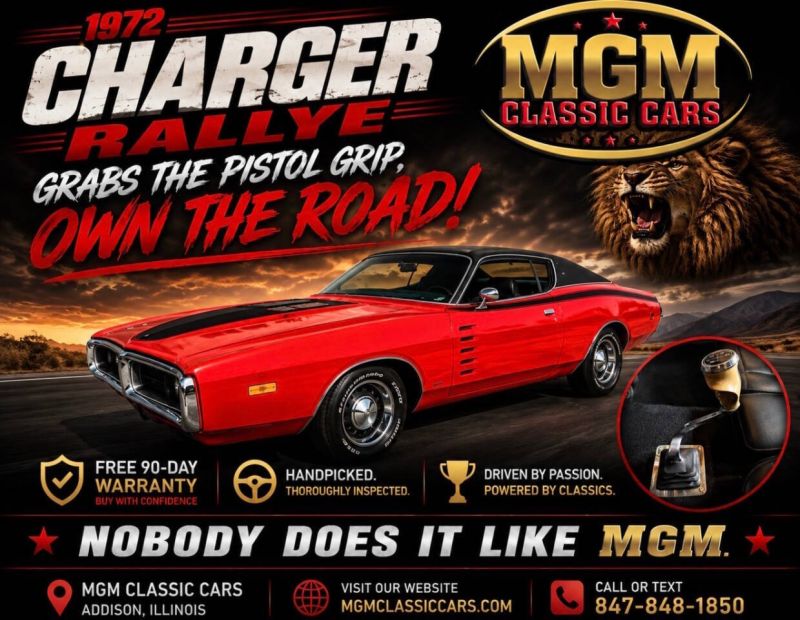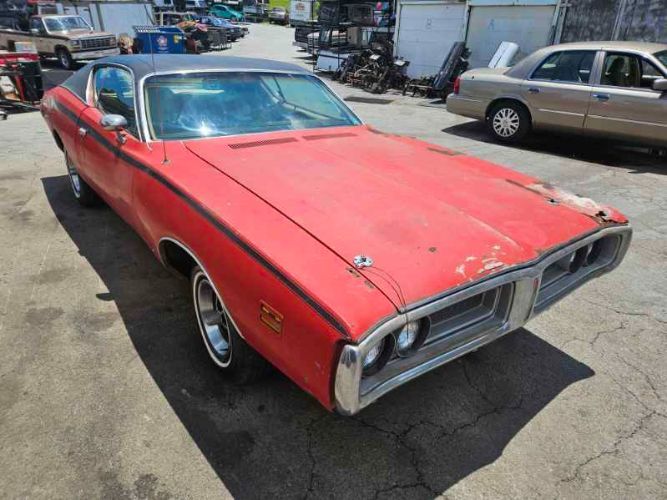
I get asked about the bumblebee stripe more than almost any other detail on these cars. Guys want to know if their car's stripe is right, whether it should have R/T badges with it, and whether somebody added it later to make a plain car look faster. Fair questions, all of them, because the stripe is one of the easiest things on a Charger to fake and one of the hardest things to fake correctly.
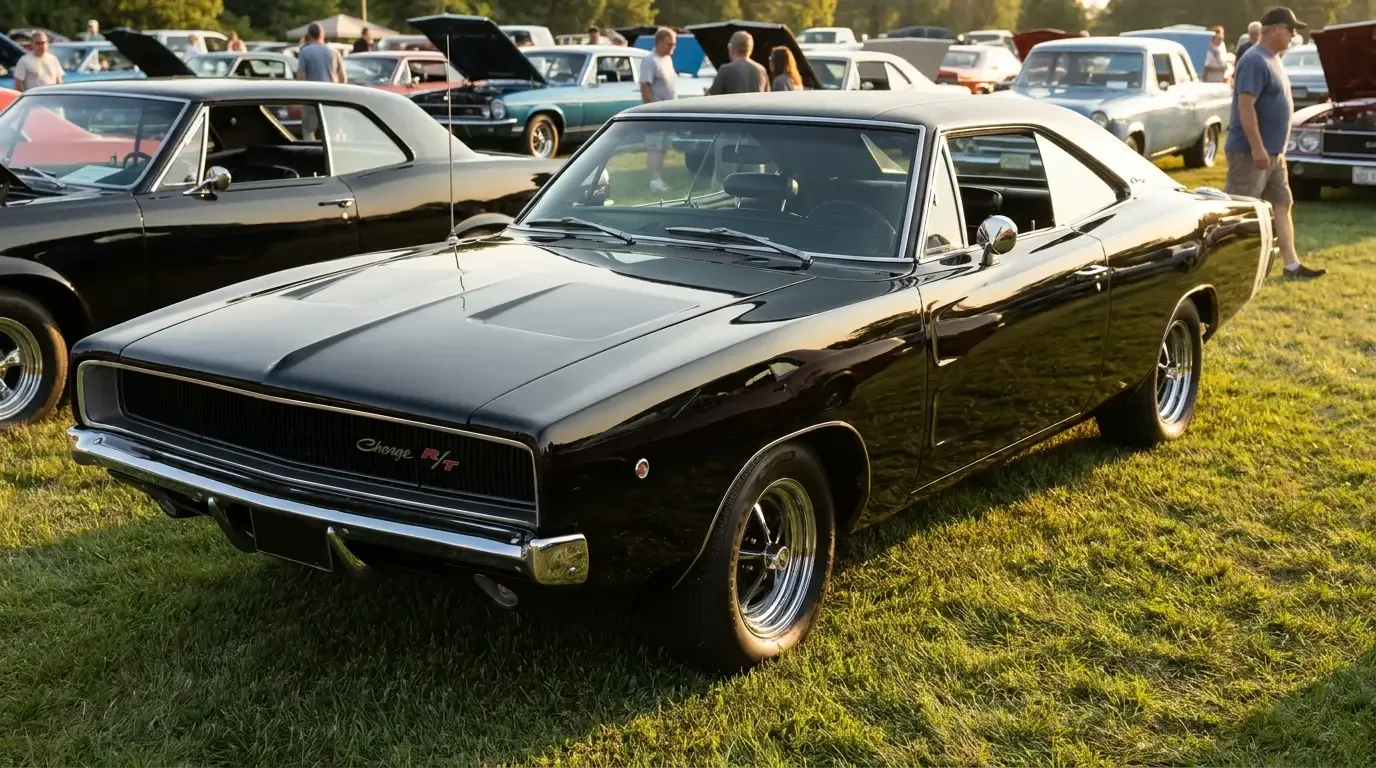
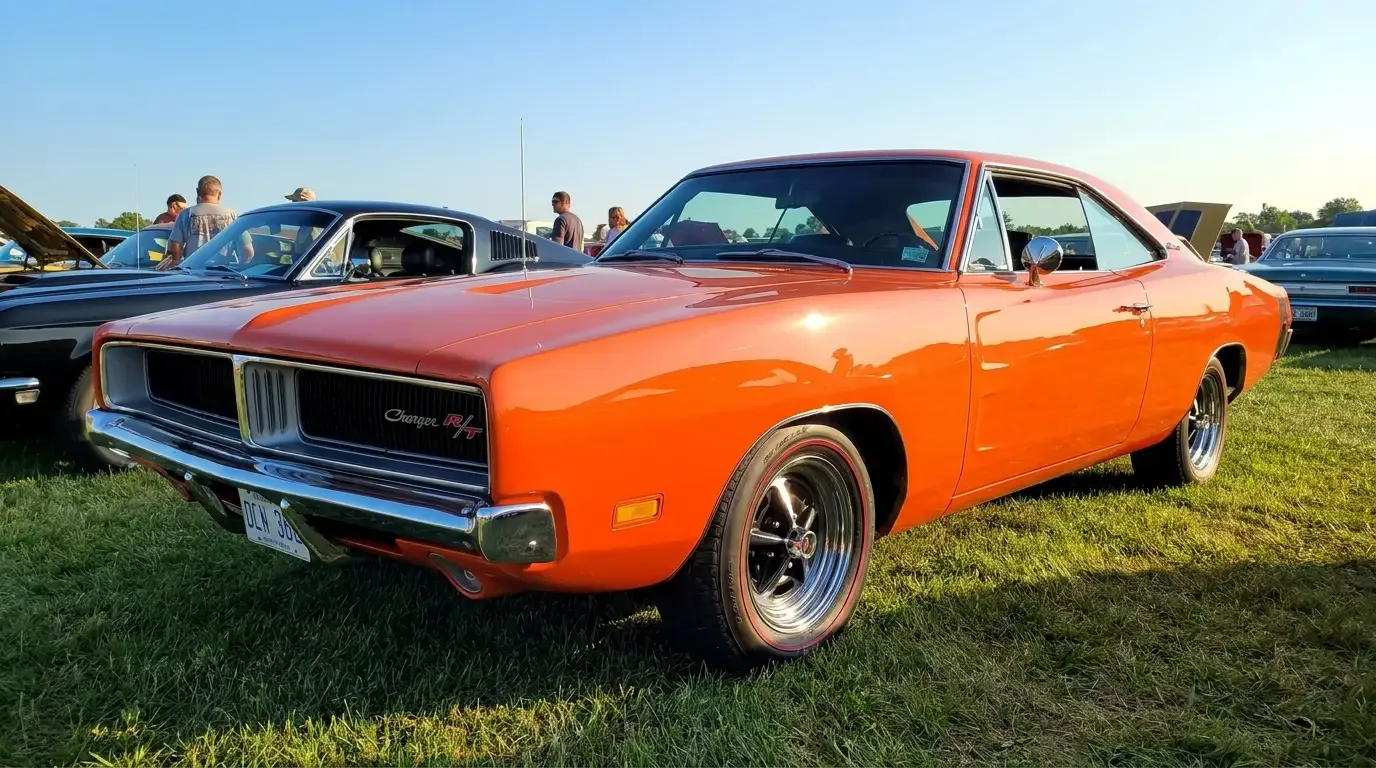
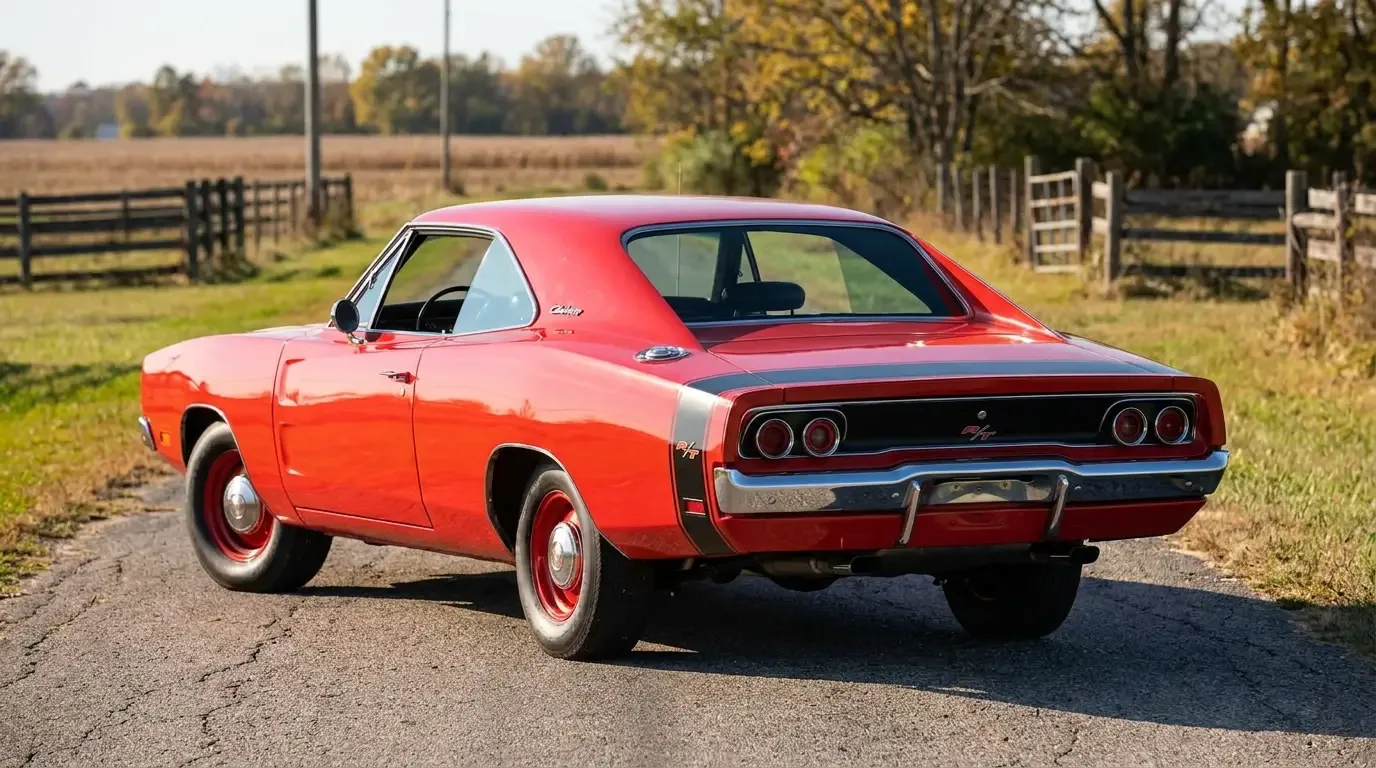
The wide stripe wrapping around the tail of a second-gen Charger is a factory option, not a dealer add-on, at least when it's done right. It wrapped across the trunk lid and around both quarter panels, usually paired with the R/T package, though the stripe and the R/T designation aren't strictly the same thing and people conflate them constantly.
What the stripe actually was and where it went on the car
The bumblebee stripe gets its name from the black and white banding look, though on most Chargers it showed up as a single wide black stripe rather than alternating bands. It ran across the rear of the car, over the trunk lid, and down onto the quarter panels on both sides, stopping short of wrapping all the way around the doors on most applications. The exact width and placement shifted by model year, and 1968 cars wore it differently than 1969 or 1970 cars did, so if you're trying to verify correctness, you need a year-specific reference, not a generic "Charger stripe" photo pulled off the internet.
R/T Chargers commonly carried the stripe along with R/T badging on the tail and sometimes the front fenders, but you could also get the stripe as a standalone appearance option on cars that weren't R/T. That's the detail that trips people up. A stripe alone doesn't mean R/T, and an R/T car without a visible stripe today doesn't automatically mean it's not a real R/T, because plenty of owners deleted the stripe over the decades during repaints.
Spotting a bad reproduction stripe
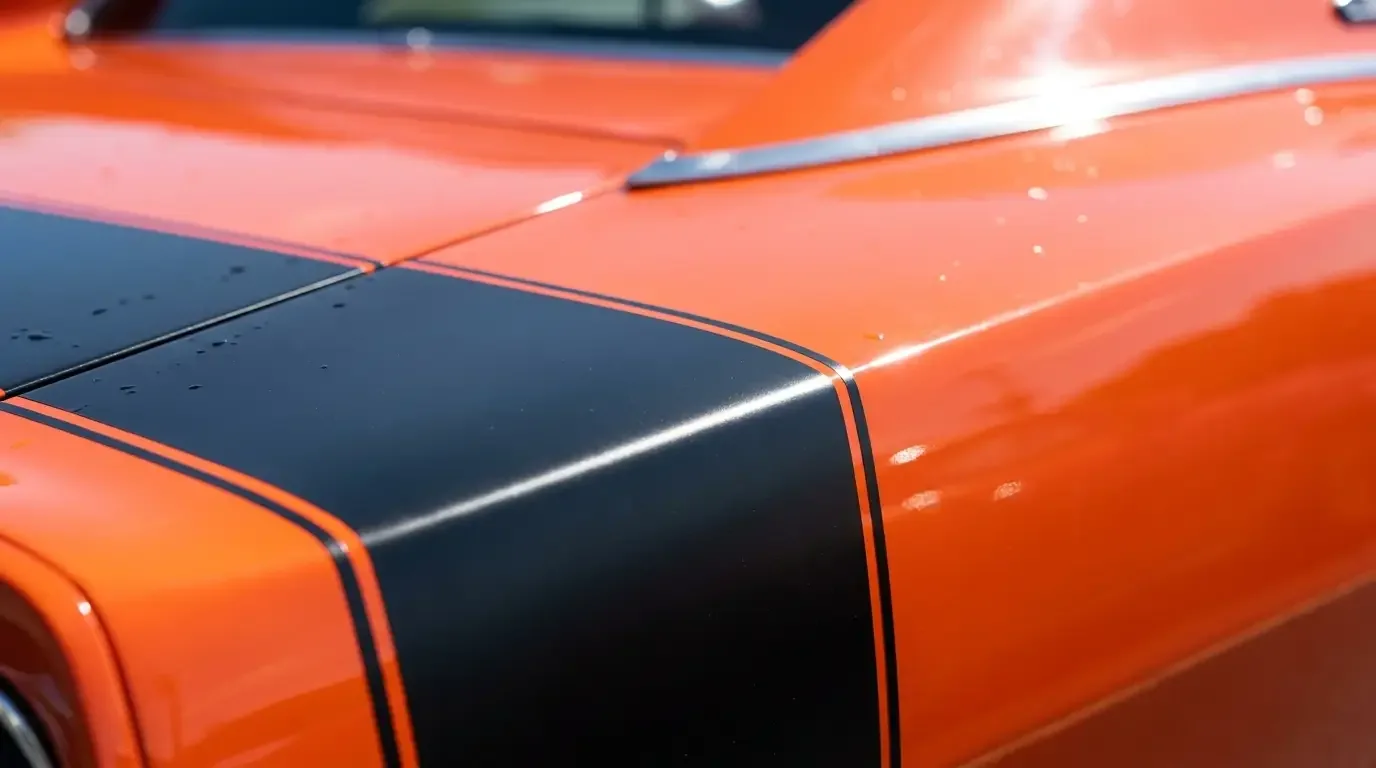
Here's what I look for when a car comes in claiming an original or correctly restored stripe. The edges matter. Factory application, and a well-done modern reproduction using the right vinyl, should have clean, sharp lines with no bleed or overspray bleeding under the tape line. A lot of shops doing budget restripe jobs use the wrong vinyl width or get the wrap-around point onto the quarter panel wrong, either stopping the stripe too early or carrying it too far forward.
Check the stripe against the body lines on the quarter panel. There's a specific relationship between where the stripe terminates and the wheel opening or the character line running down the side of the car, and it varies by year. If a stripe looks like it was applied by someone eyeballing it rather than using a factory template or a quality reproduction kit, that's usually visible once you know what to look for. Sloppy termination points, inconsistent stripe width from one side of the car to the other, or a stripe that sits noticeably off from where the trunk lid seam falls are all signs of an aftermarket job done without reference material.
| Check point | What correct looks like | Common flaw |
|---|---|---|
| Stripe width | Consistent, matches year-specific spec | Narrower or wider than factory, inconsistent side to side |
| Termination point | Aligns with body character line, per year | Stops short or overruns onto the door |
| Edge quality | Sharp, no bleed under tape line | Ragged edges, visible paint bleed |
| R/T badge pairing | Present on genuine R/T cars, absent on base stripe option | Badges added to a non-R/T car to inflate value |
That last row is the one that costs people money. I've seen non-R/T Chargers with R/T badges bolted on and a stripe added to match, dressed up to look like a car that's worth considerably more than what it actually is. The fender tag and the broadcast sheet tell you what the car left the factory as. The stripe and badges tell you what somebody wants you to believe today. Those two things don't always agree, and when they don't, believe the paperwork.
The paint underneath the stripe matters too, and that ties directly back into the second-gen Charger era more broadly, since color and stripe application changed together across the three model years the body style ran. A car with a documented original color and a period-correct stripe application is a different animal from one where both have been guessed at during a later restoration.
Why this detail is worth the extra scrutiny
None of this is about being paranoid for the sake of it. The stripe and badge package is one of the most commonly altered details on these cars precisely because it's visually dramatic and relatively cheap to add compared to actually building or sourcing a genuine R/T drivetrain. A correct stripe and badge treatment on a documented R/T car is worth real money in this market. The same treatment slapped onto a base car with a six-cylinder or a small V8 under the hood is cosmetic dressing, nothing more, and it should be priced and described as exactly that.
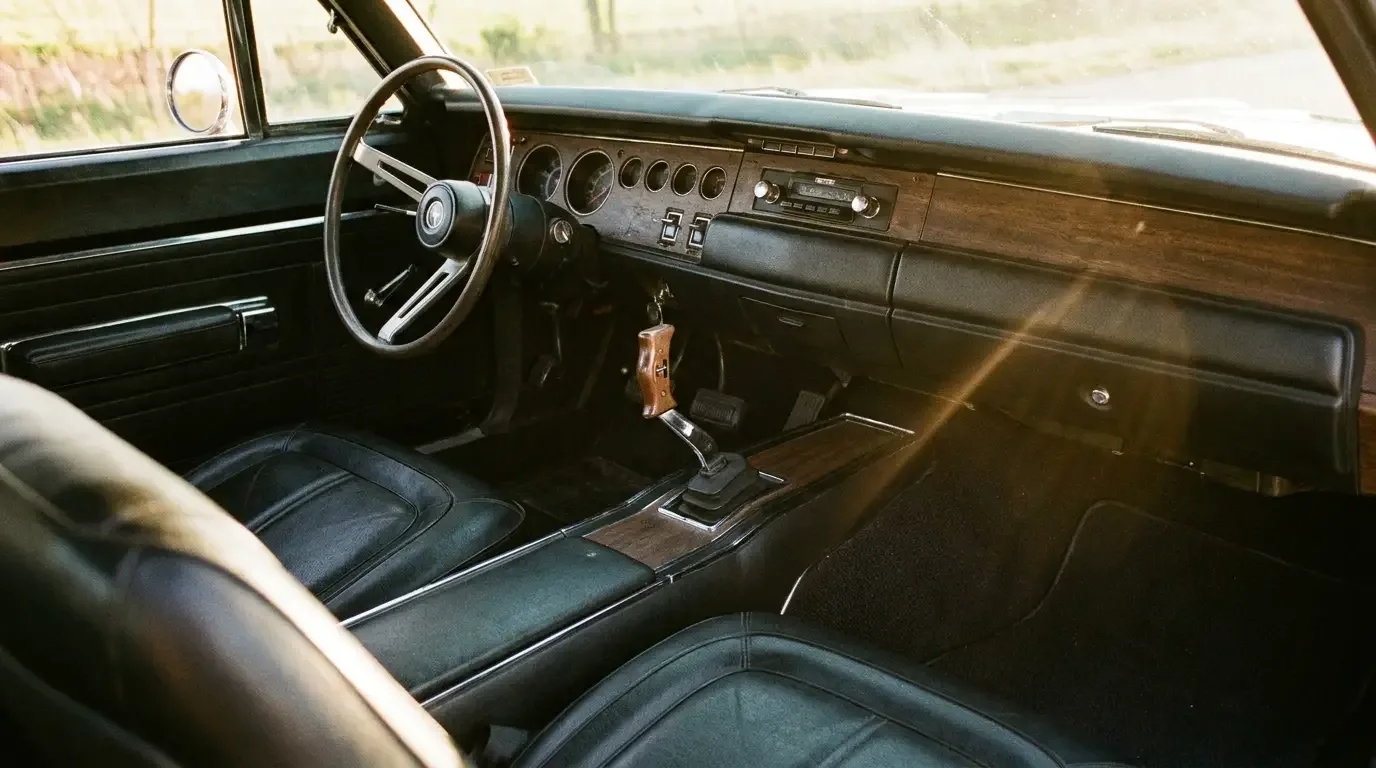
If you're shopping one of these cars and the stripe looks sharp, ask the seller for documentation before you get excited about the badges. And if you're restoring one, take the time to get the termination points and width right, because the people who know these cars will notice if you don't. There's more detail on how the shifter and drivetrain hardware questions play into verifying a genuine R/T car if you keep digging, read more here, since the badges and stripe are only half the story.
Sources and notes
- Performance Car Graphics: 1969 R/T Bumblebee stripe - confirmed the dual wrap-around stripe layout across the trunk and both quarter panels.
- Autoevolution: 1969 Charger R/T stripe-delete - verified the stripe was standard on the R/T and could be deleted (code V88), a relatively rare choice.
- Wikipedia: Dodge Charger (1966 - 1978) - background on R/T trim, badging, and the 1968 - 1970 body years.
- Stencils and Stripes: 1969 Charger stripe kit - confirmed factory stripe widths and placement used by reproduction kits.
- Hagerty: muscle-car color and trim history - context on how paint and stripe options were marketed together.