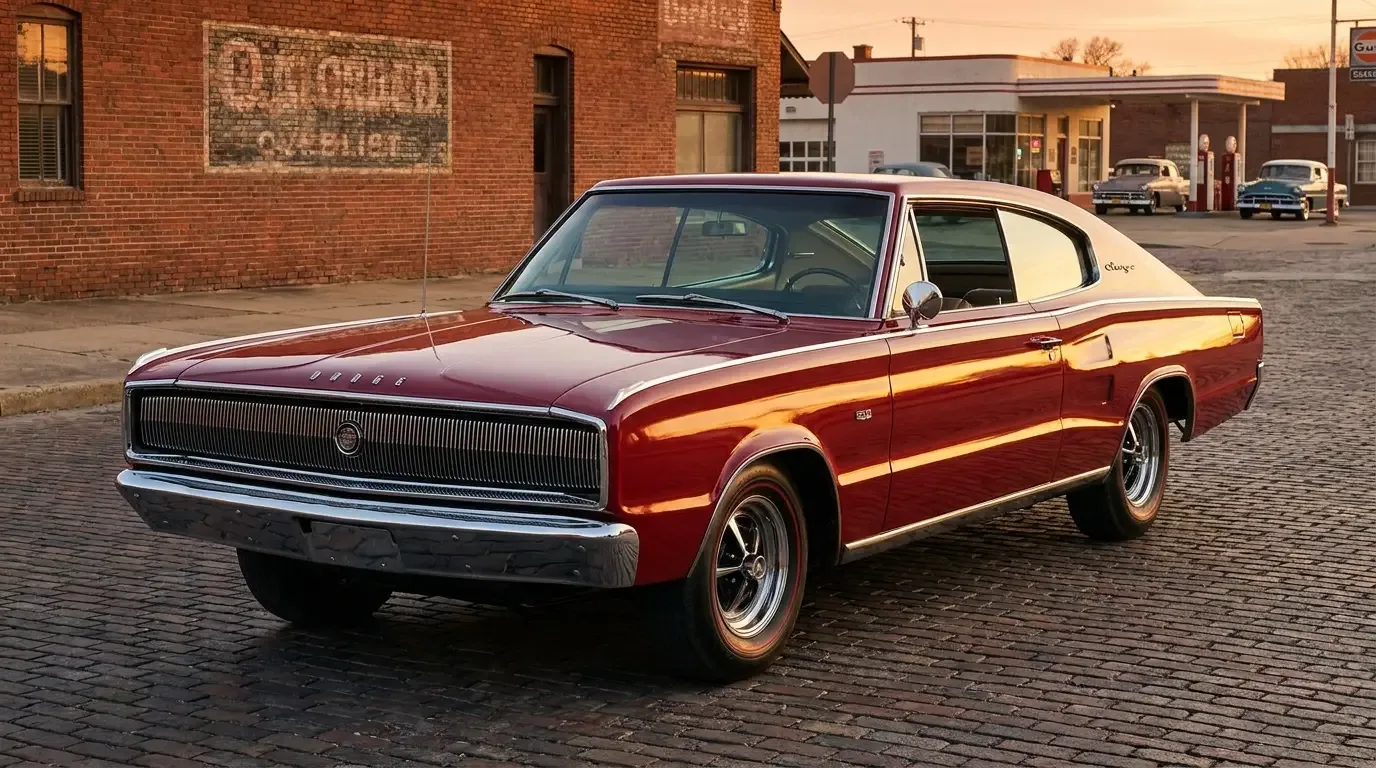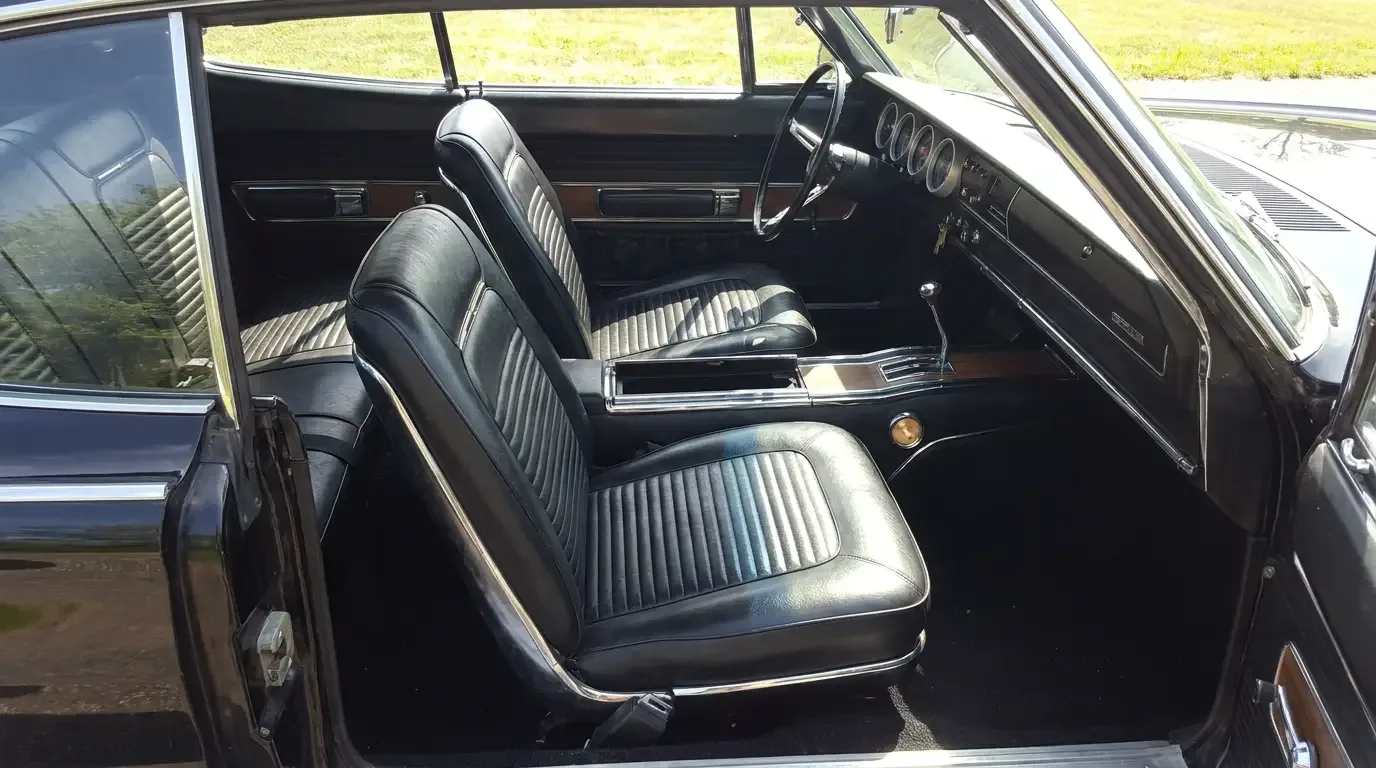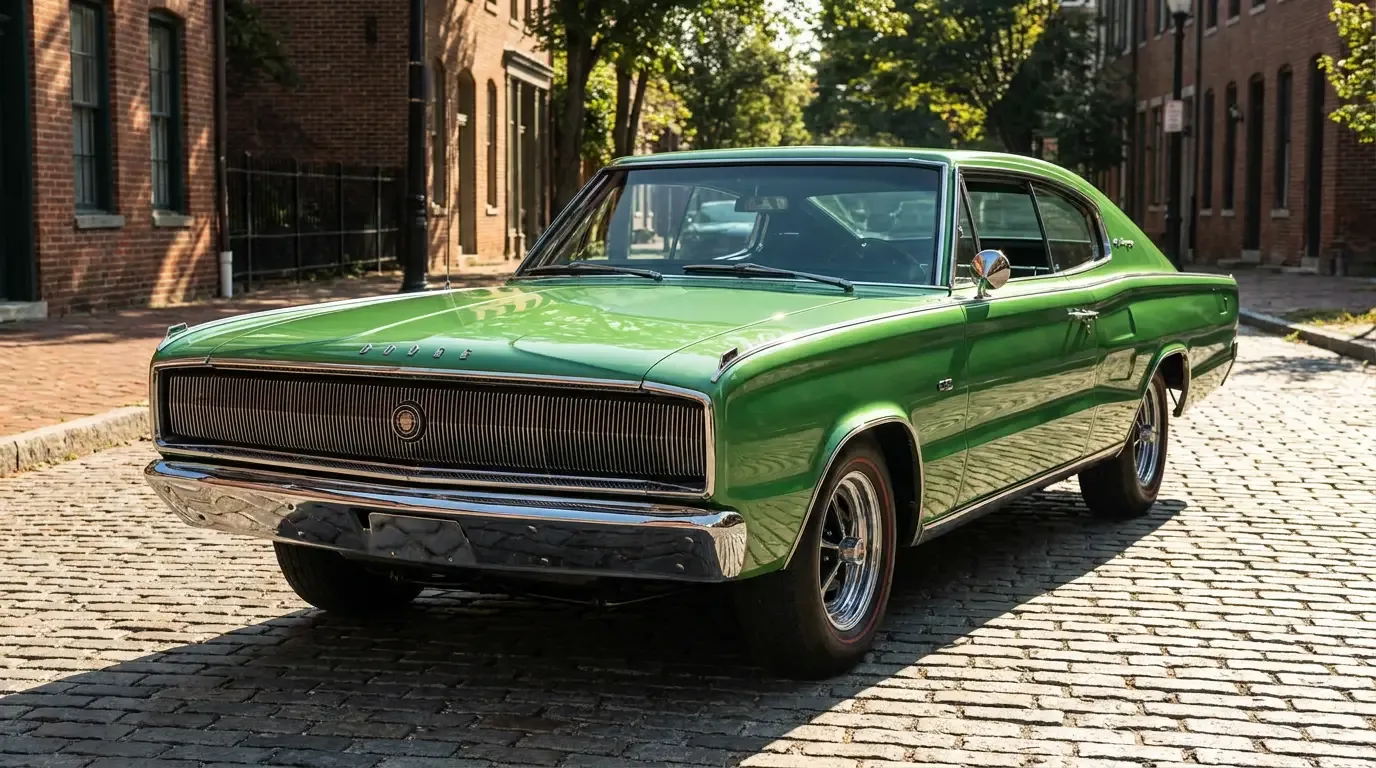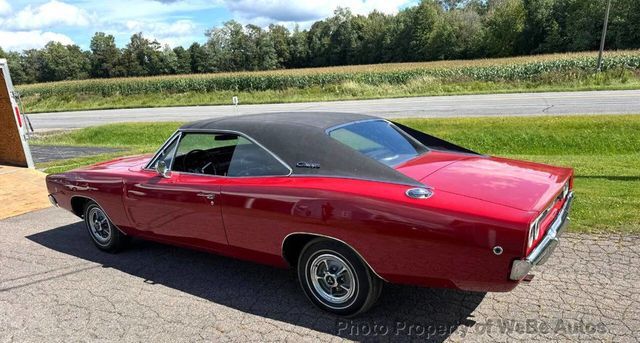
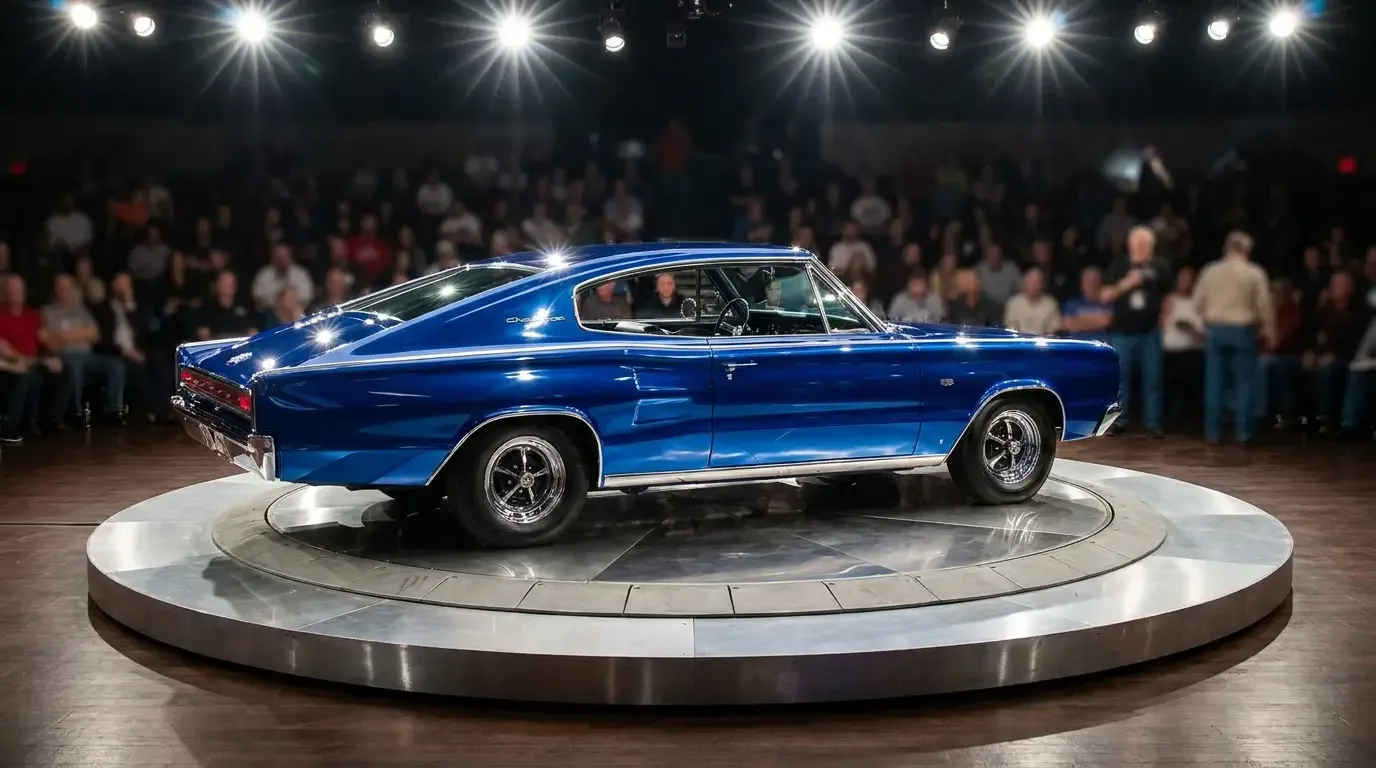
Some 37,344 Chargers left the factory in 1966. By 1967, that figure had dropped by more than half, down to 15,788 units. For a car that arrived with a genuinely novel design and a marketing push behind it, that's not a success story. It's a decline curve, and understanding why it happened tells you more about the first-generation Charger's real market position than any amount of enthusiast nostalgia does.
The initial number looked fine, until you check the trend
First-year sales figures for a new model are almost always inflated by curiosity. Dealers had something genuinely new to show, magazine coverage was heavy, and buyers who might never have considered a Coronet-based fastback walked in to see what the fuss was about. That gets you a healthy first-year number without necessarily proving the underlying product has staying power. The 1966 figure looked respectable next to other niche fastback offerings of the era, but the drop the following year is the more honest signal, and it's the one serious buyers of these cars should weigh more heavily than the launch-year total.
A car whose sales fall by half in its second year, with only modest trim changes and no major price cut, is telling you something about resistance in the broader market rather than a one-time fluke.
Compare that trajectory to the Mustang, which sold in the hundreds of thousands annually through the same years and barely dipped between its debut and its second full model year. The Charger was never aimed at that volume, and it's unfair to judge it against a car built on a completely different platform and price strategy, but the comparison does clarify how narrow the Charger's actual buyer pool was from the start. This was a niche product from day one, not a broad-market car that happened to underperform.
Why buyers hesitated
Three things worked against the Charger continuously through its first generation. The fastback roofline that made the car distinctive also cut rear headroom and visibility compared to a conventional Coronet hardtop, and a meaningful share of buyers cross-shopping the segment weren't willing to trade that practicality for style. The price point sat above the Coronet it was based on, without offering enough additional performance in its base trims to justify the premium to a value-conscious buyer. And the car occupied an awkward niche between true personal luxury coupes and out-and-out muscle cars, appealing strongly to a narrow audience rather than broadly to either camp.
None of that means the car was poorly built or badly conceived. It means Dodge built something distinctive enough to earn a following, but not broad enough to move Coronet-level volume, and the sales numbers reflect exactly that trade-off with no ambiguity.
Why that weak sales run matters to a buyer now
Here is the part that actually affects your wallet today. Lower original production, especially in 1967, means fewer surviving cars, and fewer surviving cars in good original condition means real scarcity in the current market. A first-generation Charger with solid documentation is not a car you find in volume the way you can with, say, a Mustang from the same years. Scarcity supports value, but only when it's paired with condition and paperwork. A poorly documented, heavily modified first-gen Charger isn't automatically valuable just because relatively few were built.
It also matters which body style and engine combination you're looking at within that already small pool. A base 318 fastback and a documented 426 Hemi both count toward that 1966 or 1967 production figure, but they occupy entirely different tiers of the market, and the low overall number tells you nothing about which tier a specific car sits in. Anyone quoting production totals as a value argument needs to be specific about what they're actually counting.
"Low production numbers get quoted like they settle the value question by themselves. They don't. A rare car with no build sheet and a repainted VIN tag is still a risk, just a rare one."
— Marcus Feld
Reading the numbers correctly
| Model year | Approximate Charger production | Market read |
|---|---|---|
| 1966 | 37,344 units | Launch-year curiosity, novelty demand |
| 1967 | 15,788 units | Sharp correction, genuine demand signal |
The takeaway for anyone appraising or shopping one of these cars is straightforward. The soft sales run through the first generation is exactly why documented, unmolested examples command real premiums today, and it's covered in more depth alongside the model's broader arc in dodge charger history. The specific changes Dodge made trying to address that second-year drop are worth knowing too, and they're detailed in the 1967 Charger story.
What this means at the negotiating table
Scarcity is a real value driver on first-generation Chargers, but it cuts both ways. A rare car with thin documentation is a #3 car wearing a #2 asking price, no matter how few were built that year. Ask for the build sheet, verify the VIN against the fender tag, and treat the production numbers as context for the negotiation, not as the entire argument for what the car is worth. That's how you avoid paying a rarity premium for a car that can't actually back it up on paper, and it's covered in more depth in the Charger feature on Classic Cars Arena.
The broader appraisal lesson here applies well beyond the Charger. Any car whose seller leads with production numbers before condition or documentation is asking you to accept scarcity as a substitute for proof. Scarcity is real and it does matter, but it's the second question you ask, never the first. The first question is always whether the paper trail actually backs up what the seller is claiming.
The first-generation Charger's soft sales run is not a mark against the car. It is simply the honest starting point for understanding why so few good ones remain, and why the ones that do come with clean paperwork keep pulling stronger prices year after year.
Sources and notes
- Wikipedia - Dodge Charger (1966) - confirmed 37,344 units for the 1966 mid-year launch.
- Wikipedia - Dodge Charger - confirmed 1967 production of 15,788 units and the second-year decline.
- Automobile-Catalog - first-gen Charger production data - corroborated the 1966 and 1967 production totals.
- Classic Industries - Mopar production numbers - cross-check on Dodge/Plymouth build totals for the period.
- Hagerty - Dodge's 1966-67 Charger Charts Its Own Path - context on how scarcity and documentation drive first-gen values.