A client asked me last year how many 1966 Chargers are still around. I told him the honest answer: nobody knows precisely, and anyone who quotes you a confident exact figure is selling you certainty the data doesn't actually support. What we can do is reason from what we know, and the reasoning matters more than the number for anyone thinking about buying one.
Starting from production, not survival
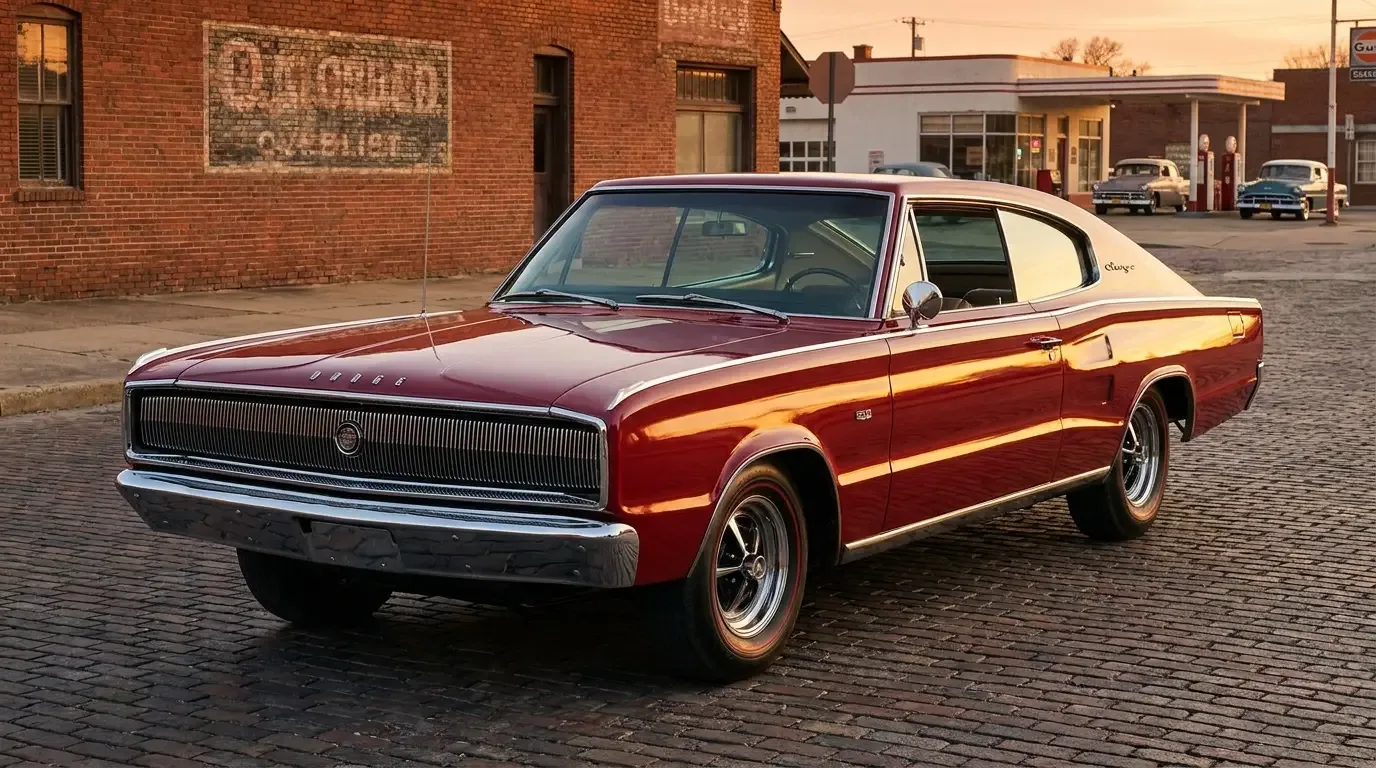
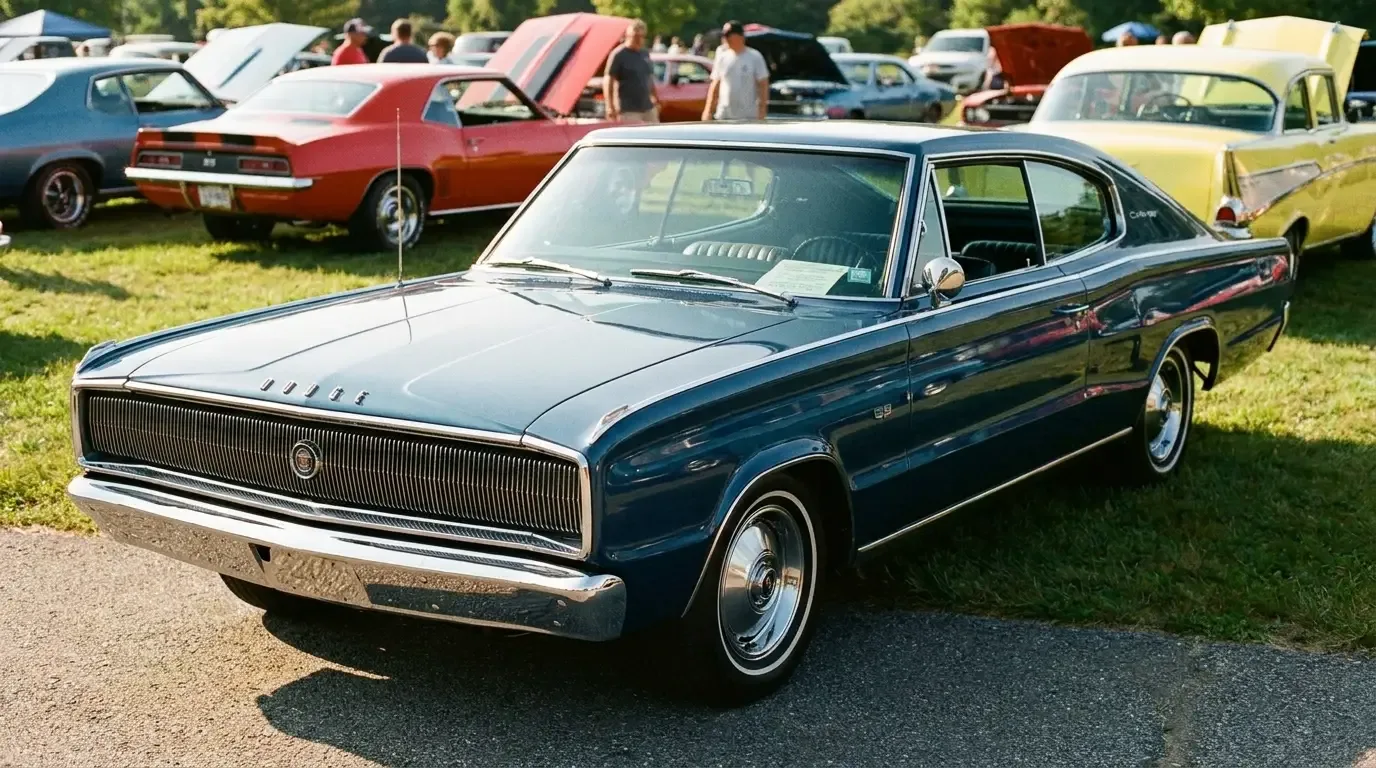
Dodge built 37,344 Chargers for the 1966 model year and a considerably smaller run for 1967, 15,788 units, as the fastback's novelty wore off and sales softened ahead of the 1968 redesign. That's the total production number, and it's the ceiling. Every survivor estimate has to start below that ceiling and work downward through five decades of scrapping, accidents, rust, and simple neglect.
Muscle cars from this era have a rough attrition curve. A meaningful share of the original production run was driven hard, wrecked young, or scrapped through the 1970s and early 1980s when these cars were simply used cars, not yet collectibles. Insurance data and registry estimates for comparable mid-1960s performance cars suggest survival rates roughly in the range of ten to twenty percent of original production by the time a model reaches collector status, though the range varies significantly by model and by how early the car developed a following. Applied to the Charger's original production numbers, that puts realistic surviving population somewhere in the low thousands, not tens of thousands, across both 1966 and 1967 combined.
Why the first-gen car survived worse than the second-gen car
Here's the part that matters for valuation, and it's a case where lower survival doesn't automatically mean higher value, at least not yet. The first-gen Charger never built the same cultural following the 1968-70 cars did. Fewer people were specifically hunting to save a first-gen car through the lean decades of the 1980s and 1990s, because fewer people had grown up wanting one specifically. That's a documentation and cultural-memory problem as much as a numbers problem, and it shows up directly in how many of these cars have clear, unbroken ownership histories versus how many surface today with gaps nobody can fully explain.
A #2 car with a thin paper trail isn't a #2 car when the check clears. It's a #3 with a good story, and the appraisal has to say so. That principle applies with particular force to first-gen Chargers, because the population of cars with complete, verifiable history is smaller, proportionally, than it is for the more collected second-gen cars. Buyers paying a premium for a documented first-gen Charger need to understand exactly what they're paying for the documentation itself, separate from the car.
| Factor | Effect on survivor count |
|---|---|
| Original production (1966-67 combined) | 53,132 units, the hard ceiling |
| Typical era attrition rate | Estimated 10-20% survival to collector status |
| Documentation gaps | Reduces count of provable, appraisable originals further |
| Regional rust exposure | Northeast and Midwest cars show higher structural loss |
Regional survival patterns worth knowing
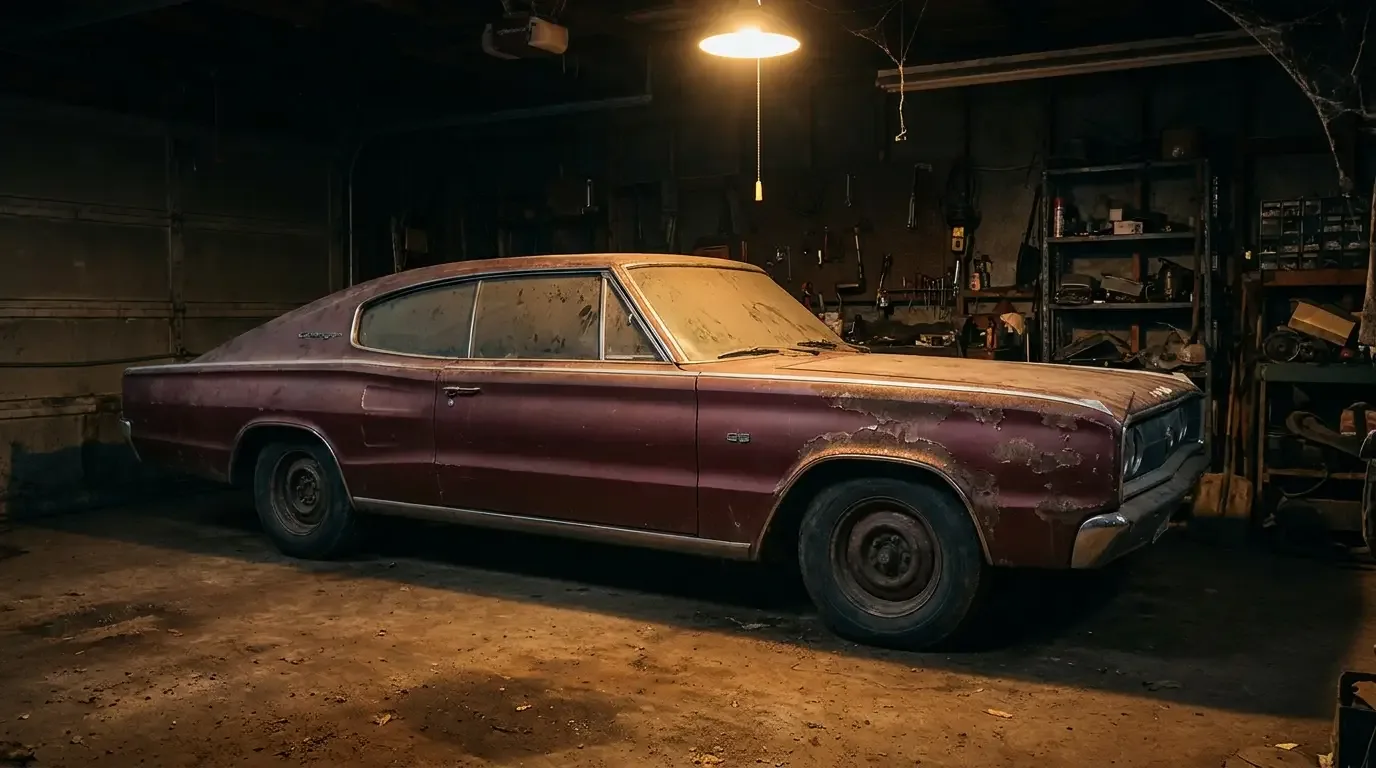
Where a car spent its first two or three decades matters enormously to whether it's still around today, and it matters more for this generation than people usually credit. Cars that stayed in the arid Southwest or parts of the South avoided the structural rust that claimed a large share of Northeast and Midwest cars through the 1970s and 1980s, back before rust-proofing and covered storage were things the average used-car owner thought about. A first-gen Charger with a documented Arizona, California, or Texas history carries real appraisal weight for exactly this reason, independent of anything about its engine or trim level.
That regional skew also explains part of why the surviving population isn't evenly distributed by original build location. A car built and sold in a rust belt state has a meaningfully lower chance of having survived structurally intact than one that spent its life somewhere dry, even accounting for the fact that plenty of cars have since relocated through resale over the decades. When I'm asked to appraise a car, first questions are always about where it lived, not just who owned it.
What this means for the market right now
Scarcity alone doesn't move a market. Demand has to be there too, and for a long stretch, first-gen Charger demand lagged behind the rarer numbers would suggest, because collectors gravitated toward the more recognizable second-gen body style. That's been shifting. As buyers who grew up wanting a 1968-70 Charger have largely already bought one, or priced themselves out of the market for the best examples, some of that demand has started to spill toward the first-gen car, precisely because it's harder to find and, relative to its rarity, still underpriced.
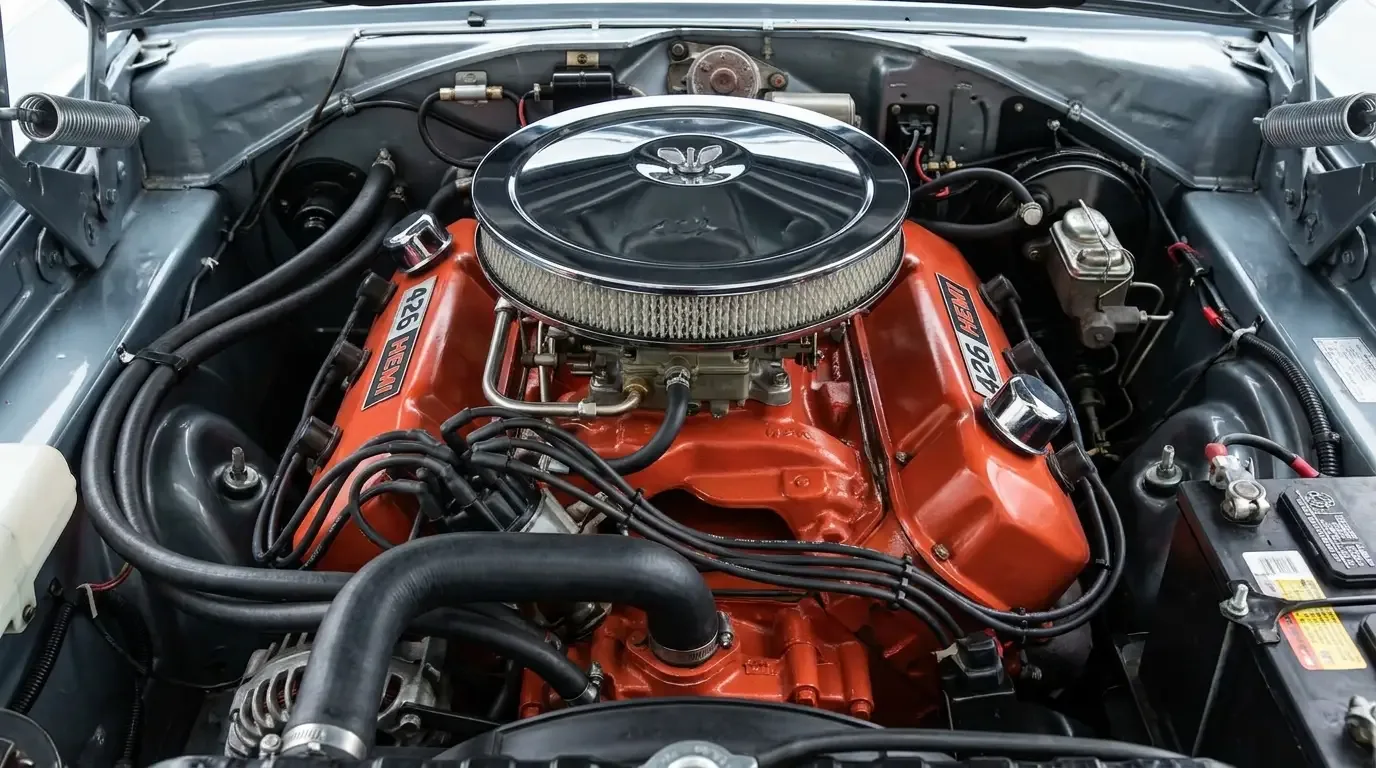
I'd frame that as an opportunity with a caveat attached. A genuinely rare, well-documented 1966 or 1967 Charger, particularly one with a desirable big-block or Hemi drivetrain, is a car whose scarcity hasn't been fully priced in yet by a market still catching up to what the production and survival numbers actually show. The caveat is liquidity. A rarer car in a smaller collector pool can take longer to sell at the price it deserves, and that matters if you're thinking about this as an investment rather than purely a car you want to own and drive.
"Everybody quotes a survivor number for these cars like it came from a spreadsheet nobody's seen. It didn't. It came from production totals minus five decades of scrapyards, and anyone selling you false precision on that math is selling you a story, not an appraisal."
— Marcus Feld
How to think about it as a buyer
If you're evaluating a first-gen Charger for purchase, treat the scarcity as real but treat any specific survivor count you're quoted with skepticism unless it's tied to a named registry or a documented data source. Weight your appraisal toward what you can actually verify about the individual car in front of you, the build sheet, the fender tag, the ownership chain, rather than leaning on the broader rarity argument alone. You can read the first-gen Charger story for the full production and model context, and if you're specifically thinking about this as a collecting decision rather than just a research question, read more here for what that actually looks like in practice today. The full arc of the nameplate, first-gen through the final 1978 cars, is covered in Classic Cars Arena's Charger story, and if you want to see what's actually available right now, you can browse 1967 Chargers currently listed.
Sources and notes
- Dodge Charger (1966) - Wikipedia - confirmed 1966 production of 37,344 and 1967 of 15,788 (53,132 combined), and that only 468 first-year cars carried the Hemi.
- Ate Up With Motor - 1966-1967 Charger history - confirmed the production totals, the sharp 1967 sales decline, and the rarity of high-performance drivetrains.
- Muscle Car Facts - 1966 Charger - cross-checked production breakdowns and Hemi-car rarity.
- Horsepower Memories - 1966-1967 Dodge Charger - background on the first-gen car's low production and modest period following.
- automobile-catalog - 1966 Charger 426 Street Hemi - reference for first-gen build and equipment data.