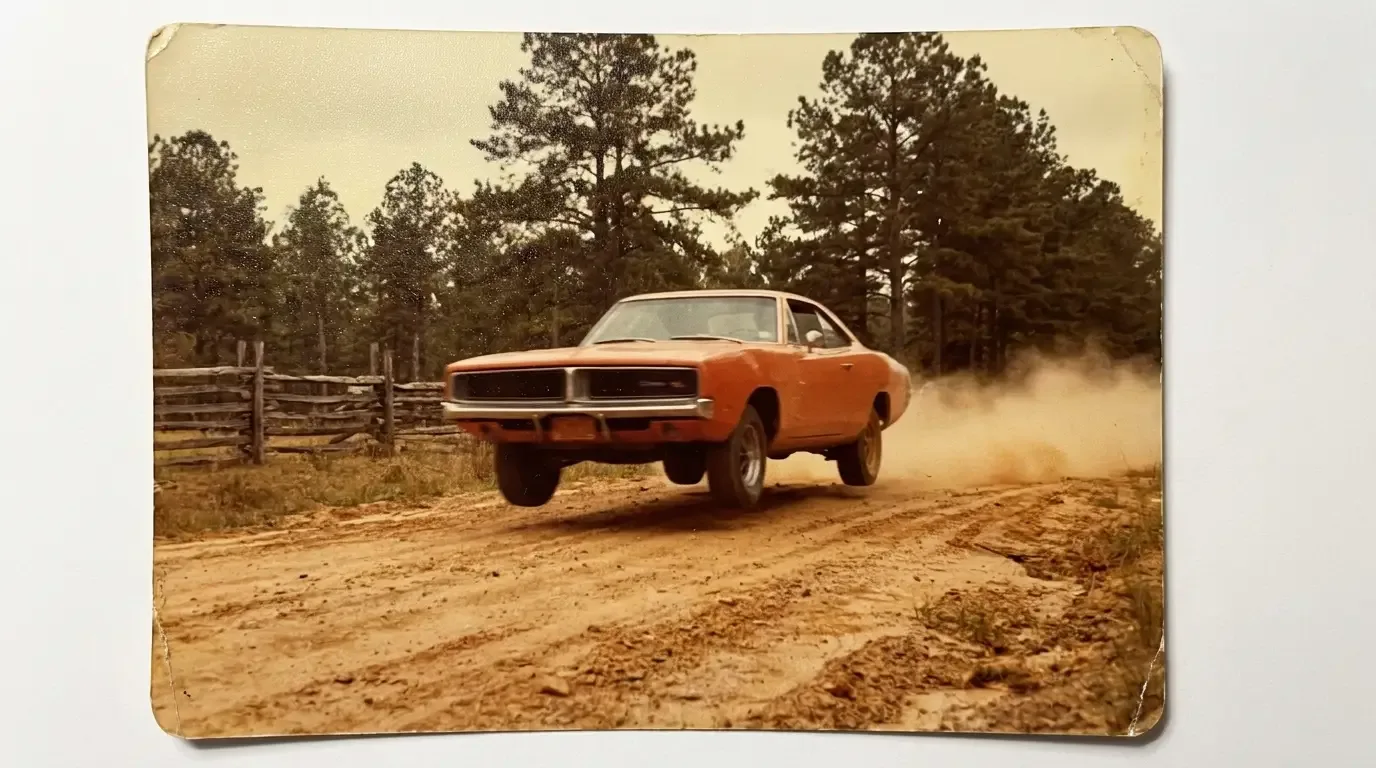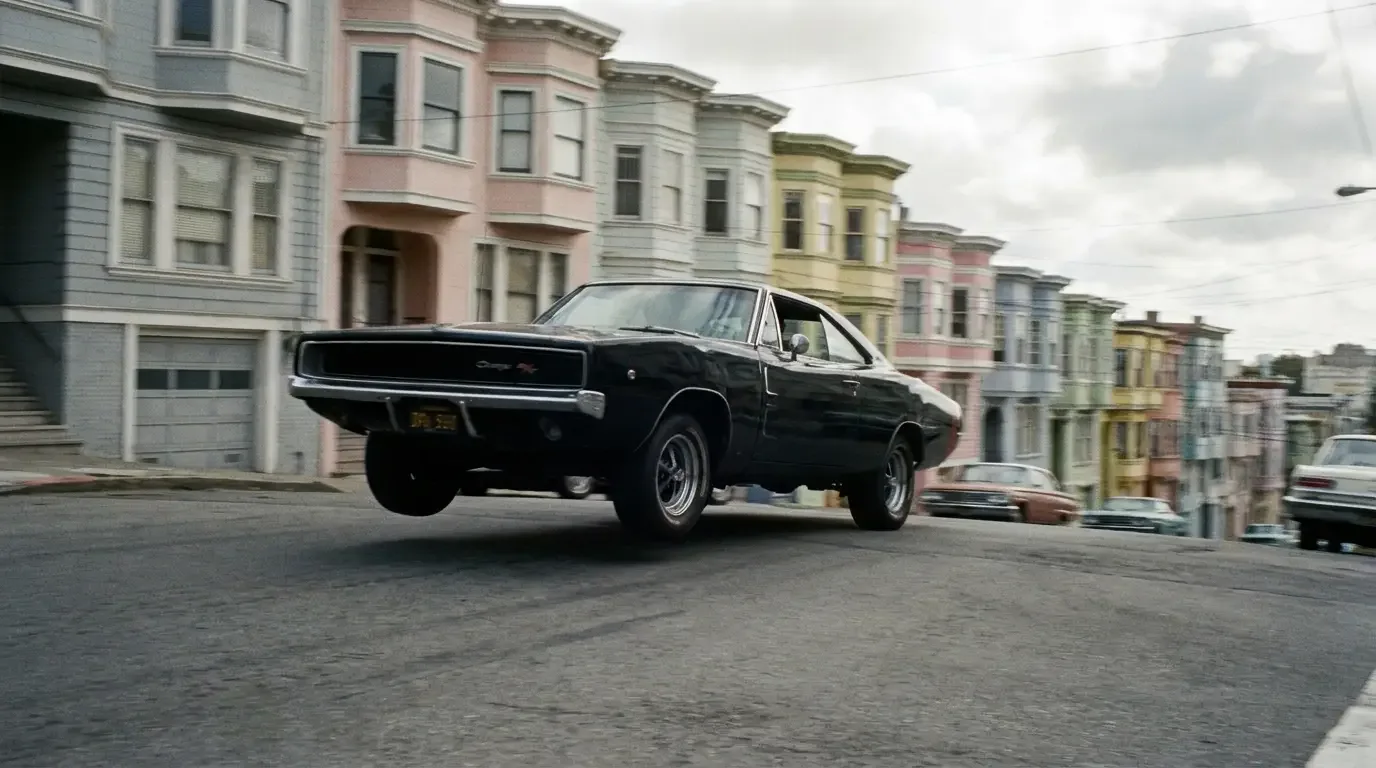
In the final scene of the first Fast & Furious movie, Dominic Toretto isn't running from the villain anymore. He is the one behind the wheel of the black 1970 Dodge Charger R/T, and for the first time in the Charger's screen career, the car isn't playing the menace chasing somebody else. It's the hero's own machine, built by his family, launched down a quarter mile in a scene that would end up defining an entire franchise's relationship with a car nobody in Hollywood had bothered to romanticize quite that way before.
The car behind Dom's Charger
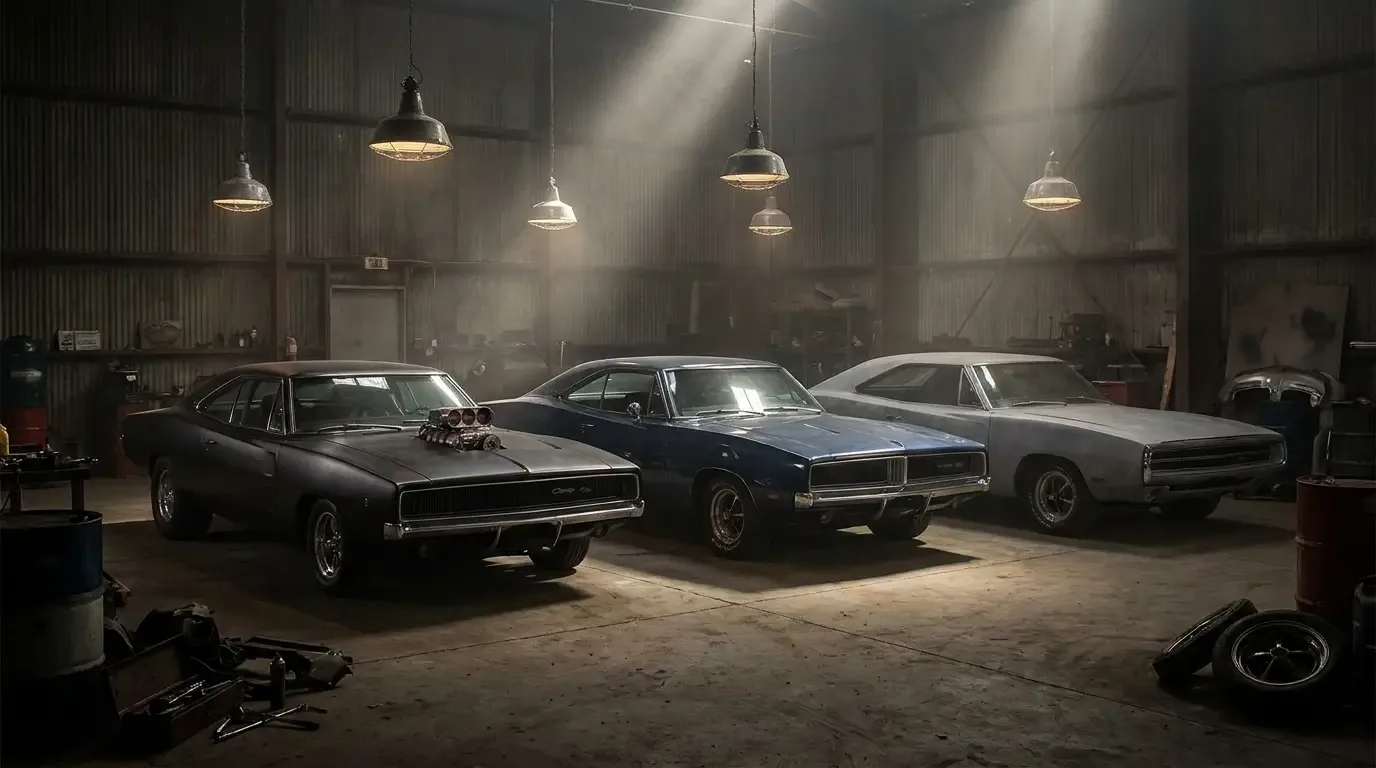
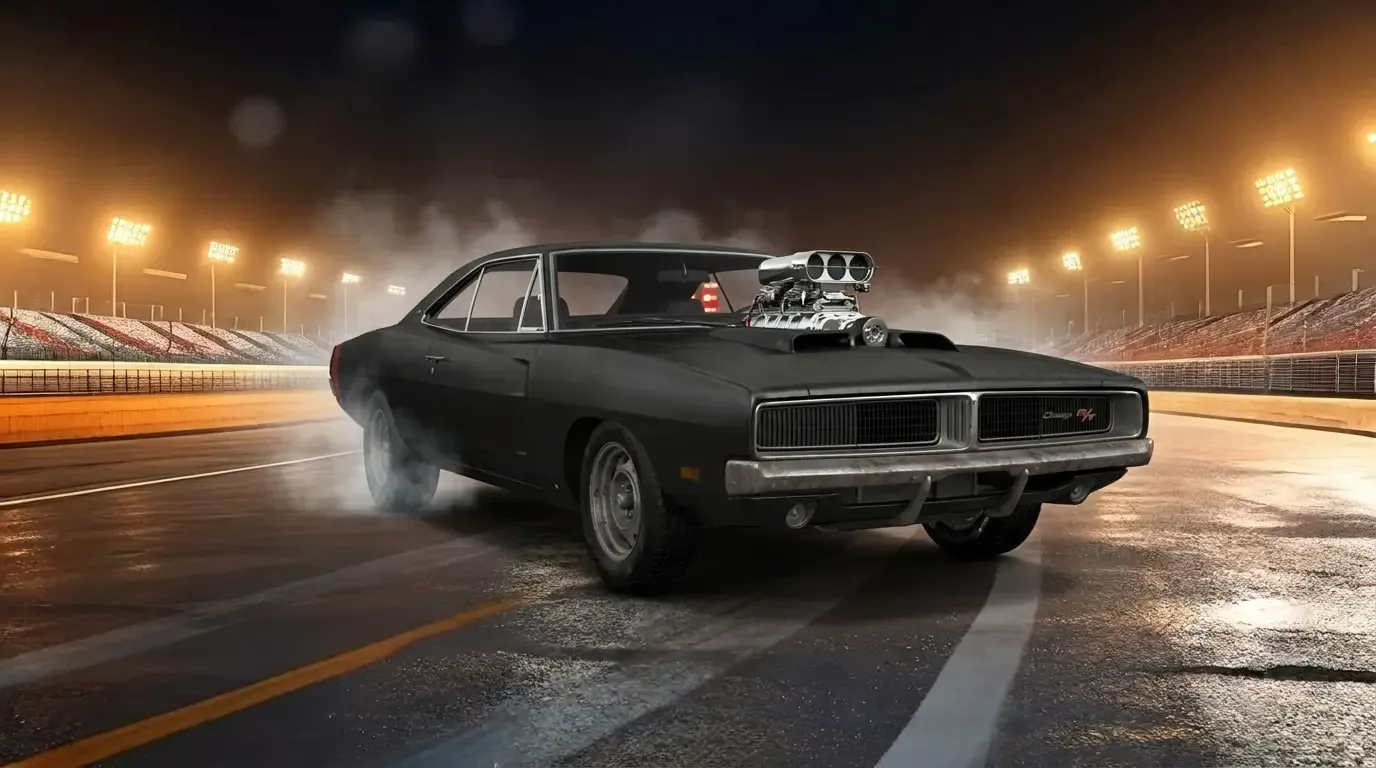
The Charger used in the 2001 film is a 1970 model, the last year of the second-generation body before Dodge moved to the more sculpted fuselage design for 1971. Production built several versions of the car for filming, ranging from show cars meant purely for close-up shots to functional stunt vehicles capable of surviving the film's climactic run against a freight train. The car's look and its mechanicals were two different things. On screen the Charger was dressed with a tall, chrome BDS-style Roots supercharger poking through the hood, part of a fictional backstory in which Dom's father built the car around a 900-horsepower blown Hemi. That blower was a non-functional prop; the actual hero car that did the driving ran a big-block 440 Magnum instead, since the scene calls for a burst of speed no showroom 1970 Charger, however well equipped, was ever built to produce.
What the production got right, deliberately, was the car's presence. A matte black or primer-look finish, a visible supercharger poking through the hood, and a stance that reads as raw and unfinished rather than polished, all of it signals a car built in a garage by people who know engines, not a studio prop dressed up for a single shot.
Why the 1970 Charger was the right choice
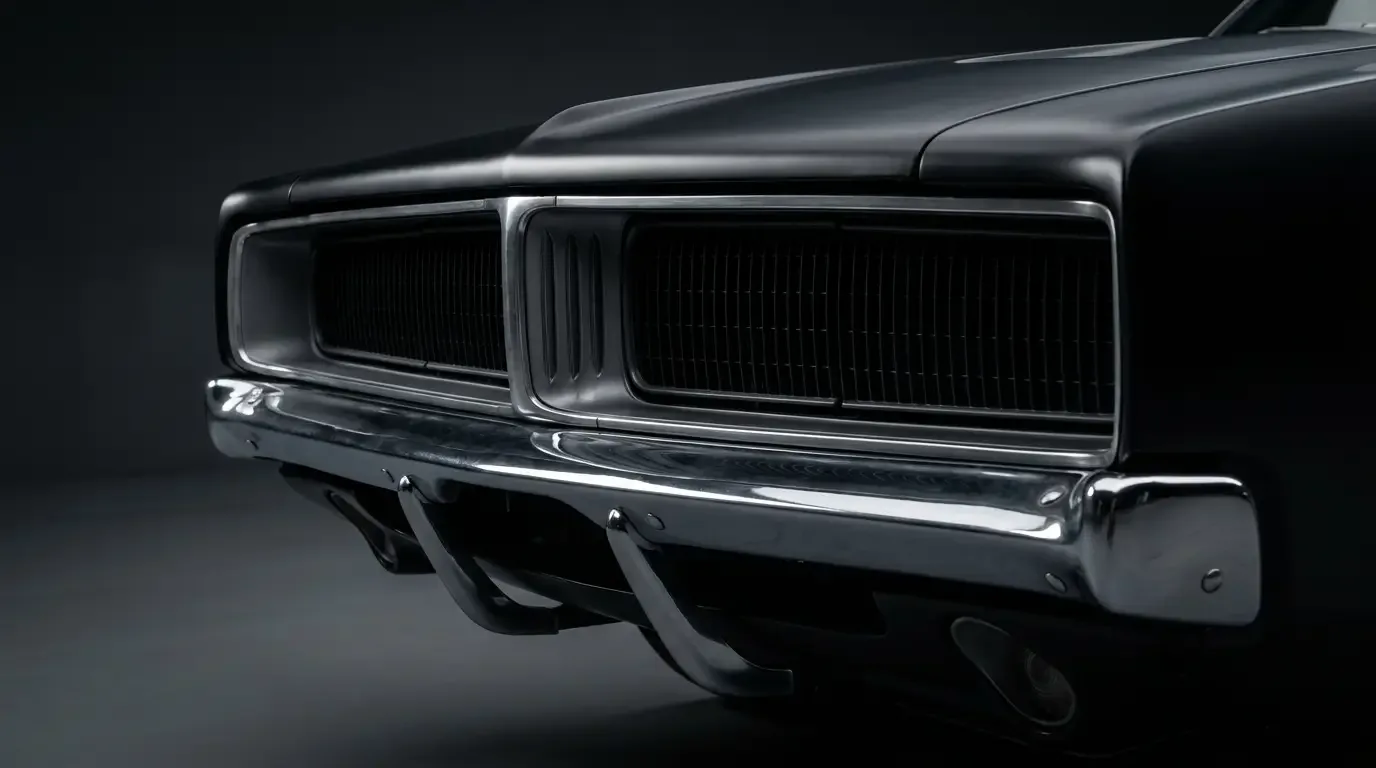
By 1970, the Charger had settled into its most aggressive second-generation form, carrying the split grille and loop bumper that gave the front end a genuinely menacing face, distinct from the softer 1968 and 1969 versions that came before it. For a character built around family, loyalty, and old-school Detroit muscle in a film otherwise obsessed with imported tuner cars, the Charger's size and weight made a specific statement. It was the one car in the movie that looked like it came from a completely different world than the modified Hondas and Mitsubishis surrounding it, and that contrast was exactly the point.
| Detail | Dom's Charger (2001 film) |
|---|---|
| Model year | 1970 |
| Body style | Second-generation Charger R/T |
| Film engine | Prop BDS-style blower over a fictional 900-hp Hemi; hero car ran a 440 big-block |
| Finish | Matte black / primer look |
| Signature scene | Quarter-mile race vs. Brian's Supra |
| Fate on screen | Destroyed in the film's final crash |
Building the look, not just the horsepower
Part of what sold the character was restraint. The production resisted the temptation to chrome-plate the car or hang a body kit off it the way the film did with its imported tuner cars. The Charger stayed heavy, plain, and mechanical looking, a deliberate contrast that told the audience everything about Dom's philosophy before he ever explained it in dialogue. A supercharger poking through a scooped hood did more storytelling in three seconds of screen time than most of the film's exposition managed in ten minutes.
That restraint is also why the car has aged well as a piece of film history. A gaudier, more heavily modified build would have dated quickly alongside the early-2000s tuner aesthetic surrounding it. The Charger, built to look like something that rolled out of a family garage rather than a computer rendering, still reads as credible today in a way some of the film's other cars simply do not.
The scene that made the car famous
The final race, staged against a semi truck hauling a rail car and ending in the Charger's dramatic, on-screen destruction, is the sequence most fans remember first. The car flips and is largely destroyed in the crash, a stunt that required multiple versions of the same vehicle to pull off safely across different camera angles and takes. That destruction, ironically, is part of why the film's Charger became so beloved rather than forgettable. It went out the way a hero's car is supposed to, spent entirely in service of the moment rather than preserved for a sequel.
The film's success turned what might have been a one-off prop choice into a recurring casting decision for the franchise, with later movies building out an even wider roster of classic and modern Chargers across the series, a broader survey covered in the Charger Fast And Furious story.
What it means for the Charger's reputation today
Dom's Charger did something few movie cars manage. It made a fifty-year-old muscle car feel current to an audience that had never seen one on a showroom floor, introducing the model to a generation that came to it through a movie screen rather than a family garage. That cultural footprint sits alongside the Charger's earlier screen roles, including its turn as the actual antagonist a full three decades earlier, a history laid out in the full write-up on the model's pop-culture arc.
"There's something almost funny about it. The Charger spent decades on screen playing the villain, the getaway car, the thing the hero was chasing. Then one movie flips it, and suddenly it's the car everybody wants to be driving."
— Nora Beckett
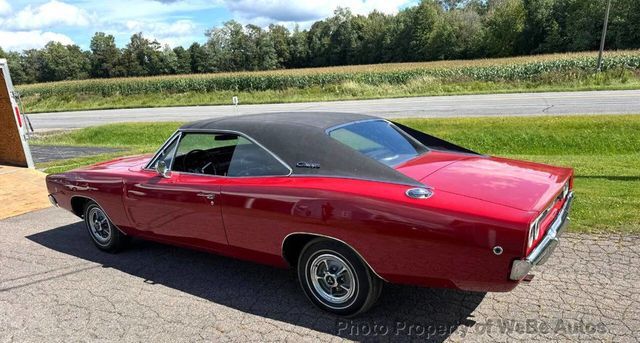
For anyone who wants to understand the car underneath the movie moment, before the supercharger and the matte black paint, where the Charger began traces the model's full production history, and genuine second-generation cars, R/T-equipped and otherwise, still turn up regularly among the classic Dodge Chargers for sale listed on this site.
None of that history required a supercharger or a stunt double to matter in the first place. A factory 1970 Charger R/T, running a 440 Magnum or the rarer 426 Hemi, was already one of the more capable muscle cars Detroit built that year. The movie just gave it a wider audience than Dodge's own advertising department ever managed to reach on its own.
Sources and notes
- The Fast and the Furious Wiki - 1970 Charger R/T - confirmed the 1970 model year, the fictional 900-hp blown Hemi backstory, and the false BDS 8-71 supercharger prop.
- Edmunds - Fast and Furious Cars: 1970 Charger - corroborated the car's role, matte/primer look and the climactic crash.
- TopSpeed - 10 Things About Toretto's Charger - verified that multiple cars were built and that the hero car ran a real big-block rather than the prop blower.
- HotCars - What Fans Don't Know About Dom's Charger - cross-checked the display-versus-driving engine distinction.
- Wikipedia - Dodge Charger (B-body) - confirmed 1970 as the last second-generation year before the 1971 fuselage redesign and the 440/426 Hemi options.