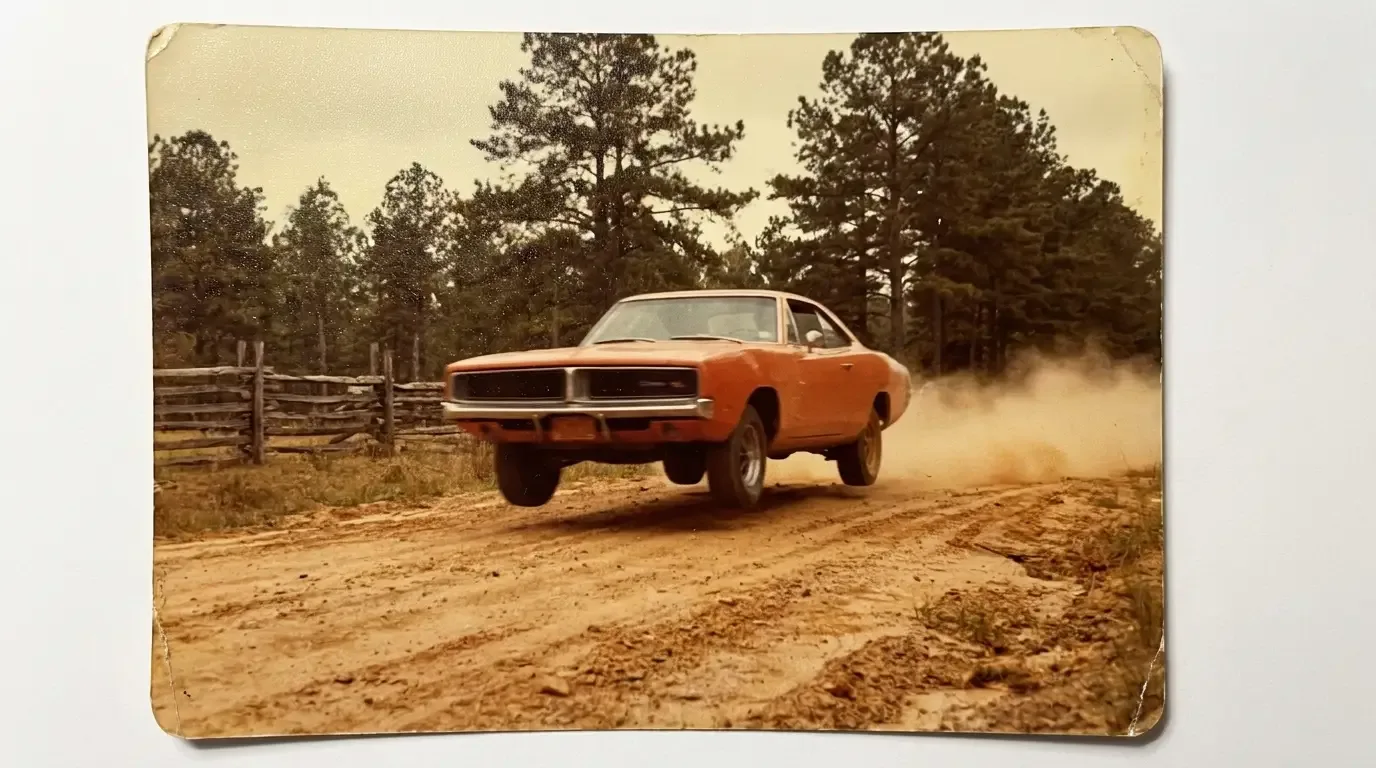
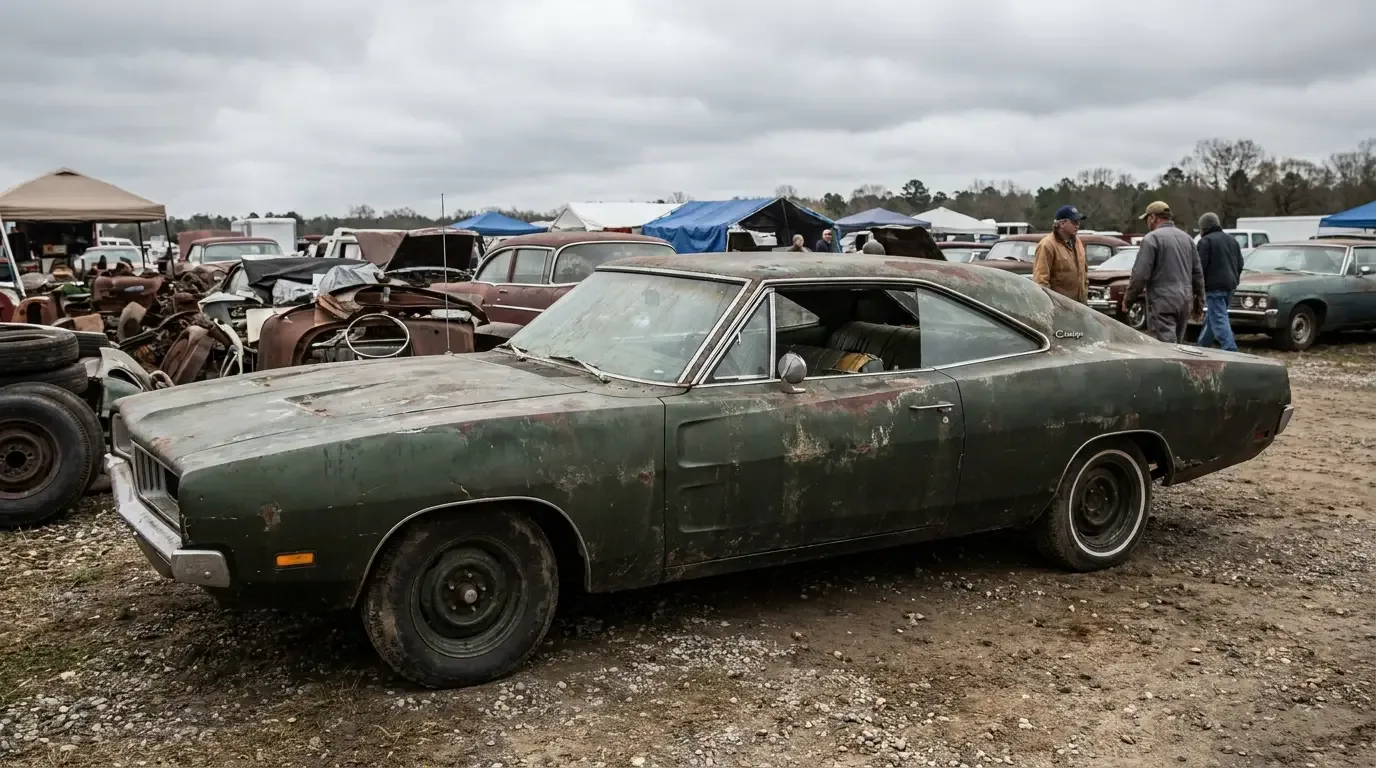
I met a guy at a swap meet outside Nashville a few years back who told me he bought his first Charger, a rough, non-running 1969 with a bench seat torn down to the springs, because his kid wouldn't stop asking about "the orange car." He didn't grow up with the show himself. He was too young. But the show had somehow made it three generations deep into his family without anyone in the middle explaining why, and that's the kind of cultural staying power that doesn't happen to most cars, classic or otherwise.
That's the story of the Dukes of Hazzard and the second-generation Dodge Charger in a nutshell. A television show about a fictional Georgia county turned a used muscle car into a permanent fixture of American iconography, and it did it almost by accident.
A used car, not a hero car, at first
When production began casting around for a hero vehicle in the late 1970s, the second-generation Charger wasn't chosen because it was rare or precious. It was chosen partly because it was affordable and available in numbers, the kind of car a production could buy several of without blinking, modify heavily, and destroy on camera without anyone treating it as a loss. That's an important detail that gets lost in the mythology. The car wasn't picked for its collector status. It didn't have collector status yet. The show created that status, retroactively, for a platform that had been treated as ordinary used iron just a few years earlier.
The bright orange paint, the door numbers, the horn, all of it turned a common Charger into a specific, instantly recognizable character, distinct from every other Charger built. That's a strange kind of alchemy: taking a mass-produced object and, through repetition and branding, making it feel singular.
What the show actually did for the platform's reputation
Before the show aired, the second-generation Charger's reputation rested mostly on its NASCAR success and its aero-package Daytona sibling, both respected within enthusiast circles but not exactly household knowledge. The show changed the audience entirely. Suddenly people who had never opened a muscle car magazine in their lives knew the silhouette of a 1969 Charger on sight. That's a different, broader kind of fame than a racing win delivers, and it built a collector base that didn't exist before, drawn less by horsepower figures and more by nostalgia and identity.
You can trace dodge charger general lee as the specific character that carried that reputation forward, but the deeper story is about how thoroughly a fictional television car reshaped demand for a real one. Prices for clean, original second-generation Chargers climbed steadily as the show's cultural footprint grew across syndication and later home video, decades after the original broadcast run ended.
"The guy who told me about buying his kid's first Charger wasn't chasing horsepower or numbers-matching paperwork. He was chasing a feeling he'd absorbed secondhand from a show that ended before he was born. That's not a small thing for a car company to have earned by accident."
— Patrick Walsh
The unintended consequences for collectors
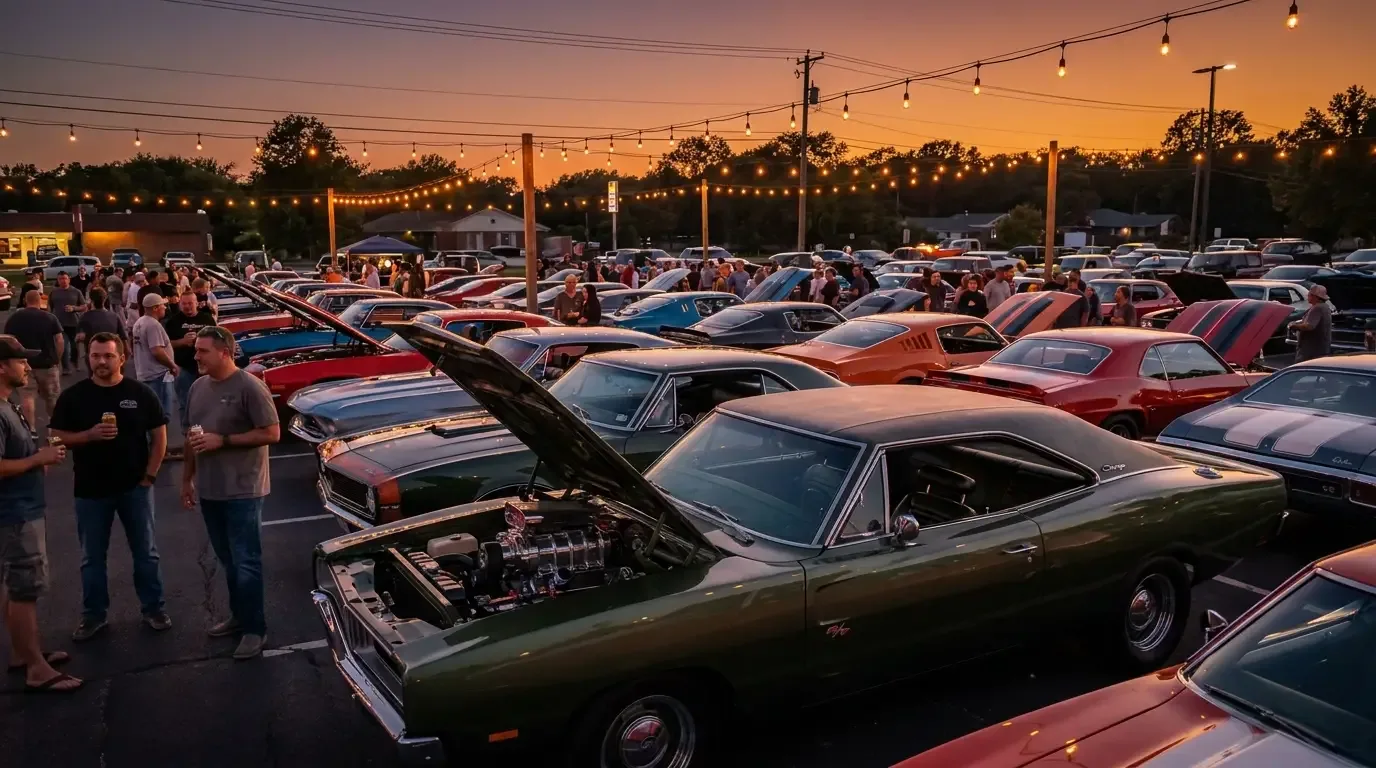
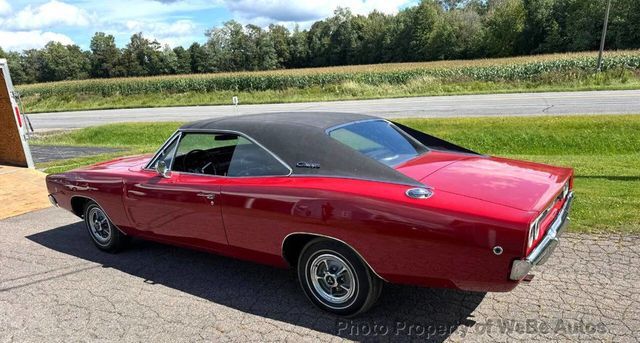
Popularity has a cost. As demand for anything resembling a Dukes tribute Charger climbed, so did the number of cars modified, sometimes crudely, to resemble the television character rather than preserved as original factory examples. That's created a real headache for buyers trying to find a genuinely stock second-generation Charger, since a percentage of the surviving population has been repainted, badged, and altered specifically to chase the show's aesthetic rather than the factory's original spec sheet. It's a case where a car's fame actively worked against the preservation of its original, unmodified form.
That tension hasn't gone away. Auction listings today routinely distinguish between "tribute" builds and documented original R/T or base-trim cars, a distinction that exists largely because the show created enough demand to make the difference financially meaningful. read more here for the wider picture of how the Charger's muscle-car reputation and its pop-culture reputation ended up intertwined rather than separate stories.
Why the legend outlasted the show
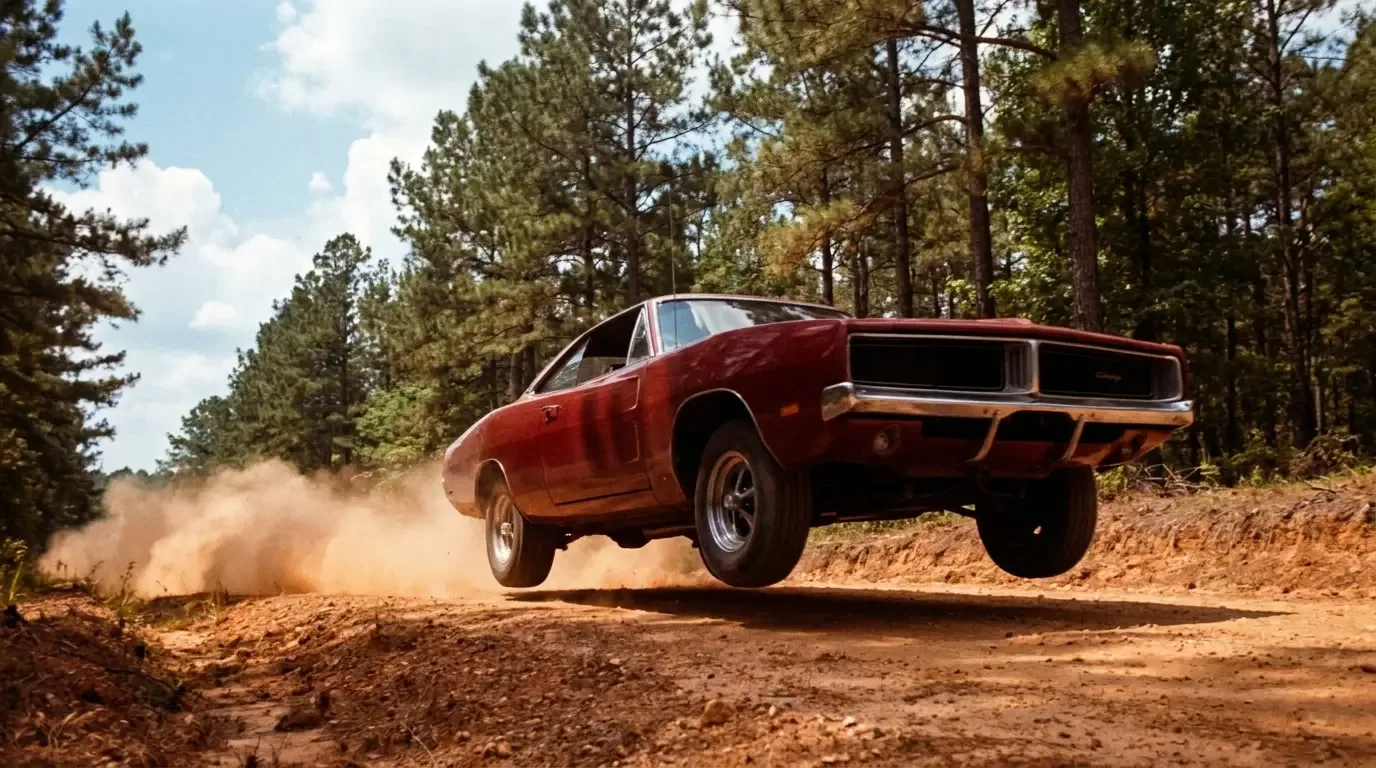
The original broadcast run ended in the mid-1980s, but the car's cultural presence never really receded. Syndication kept the show in front of new viewers for decades. Home video and later streaming extended that reach further still. Each generation that discovered the show discovered the car alongside it, and each of those waves has produced a fresh cohort of collectors and enthusiasts with no direct memory of the original air dates, only the inherited image of an orange Charger clearing a ditch.
That's an unusual pattern for a collector car's fame to follow. Most classic car reputations are built by period road tests, racing results, or magazine coverage that fades as the writers and readers who experienced it firsthand age out. The Charger's television-driven fame instead kept renewing itself through new audiences discovering old media, which has given it a kind of cultural permanence that a NASCAR win from 1971, on its own, likely wouldn't have sustained.
What this means for the car today
the Charger's origins matter more than ever to serious buyers now, precisely because the television legend has made documentation and originality more valuable, not less. A genuinely unmolested second-generation Charger, one that never got a number painted on the door or a horn swapped in, is worth pursuing on its own merits as a piece of Detroit engineering, separate from the fictional character it happens to resemble. If you're ready to start that search, you can browse classic Chargers and see what's actually out there today, tribute builds and original survivors alike.
A story that keeps finding new audiences
I think about that swap meet conversation more than I probably should. A kid who never watched a single original broadcast episode still knew, somehow, exactly which orange car he wanted his dad to find. That's not how most cultural fame decays. Most of it fades within a generation once the original audience moves on and nothing replaces them. This show, and by extension this car, kept getting handed down instead, through syndication reruns his own father half-remembered, then through streaming platforms neither of them had access to when the show first aired, then eventually through toys, model kits, and video game cameos that packaged the same silhouette for kids who'd never sit through a full episode.
Every one of those handoffs could have been where the chain broke. It never did. And that's really the whole story of how a used Georgia sheriff's chase car from a canceled television show ended up, decades later, still moving real money at auction and still pulling strangers over at a gas station just to ask about the paint.
Sources and notes
- General Lee (car), Wikipedia - confirmed the 1969 Charger basis, the estimate range of cars used, and the ~17 survivors.
- The Dukes of Hazzard, Wikipedia - confirmed the CBS run (1979-1985), 147 episodes, and the show's peak popularity.
- Mental Floss, "What Happened to All Those Chargers?" - confirmed roughly 300 cars used and how the fleet was sourced, wrecked, and cannibalized.
- SlashGear, "How Many Chargers Were Destroyed" - confirmed that '69 Chargers grew scarce during filming, forcing use of other years and disguised cars.
- Dodge Charger (B-body), Wikipedia - confirmed the second-gen's NASCAR/Daytona reputation that preceded the show's broader fame.