
I remember the custom car shows of the late sixties, walking through a fairground building full of chopped tops and flame jobs, and even in that crowd of wild one-off builds, a stock-bodied GTO could hold its own just sitting there under the lights. That tells you something about how the design landed with the customizer crowd. They didn't need to reinvent it. They just wanted to lean into what Pontiac's stylists had already gotten right.
Car Features
6 min read
Ed Roth, the Gasser Scene, and the GTO's Custom Side
The GTO didn't need chopping or raking to earn respect at custom car shows, its factory lines already spoke the gasser scene's language.
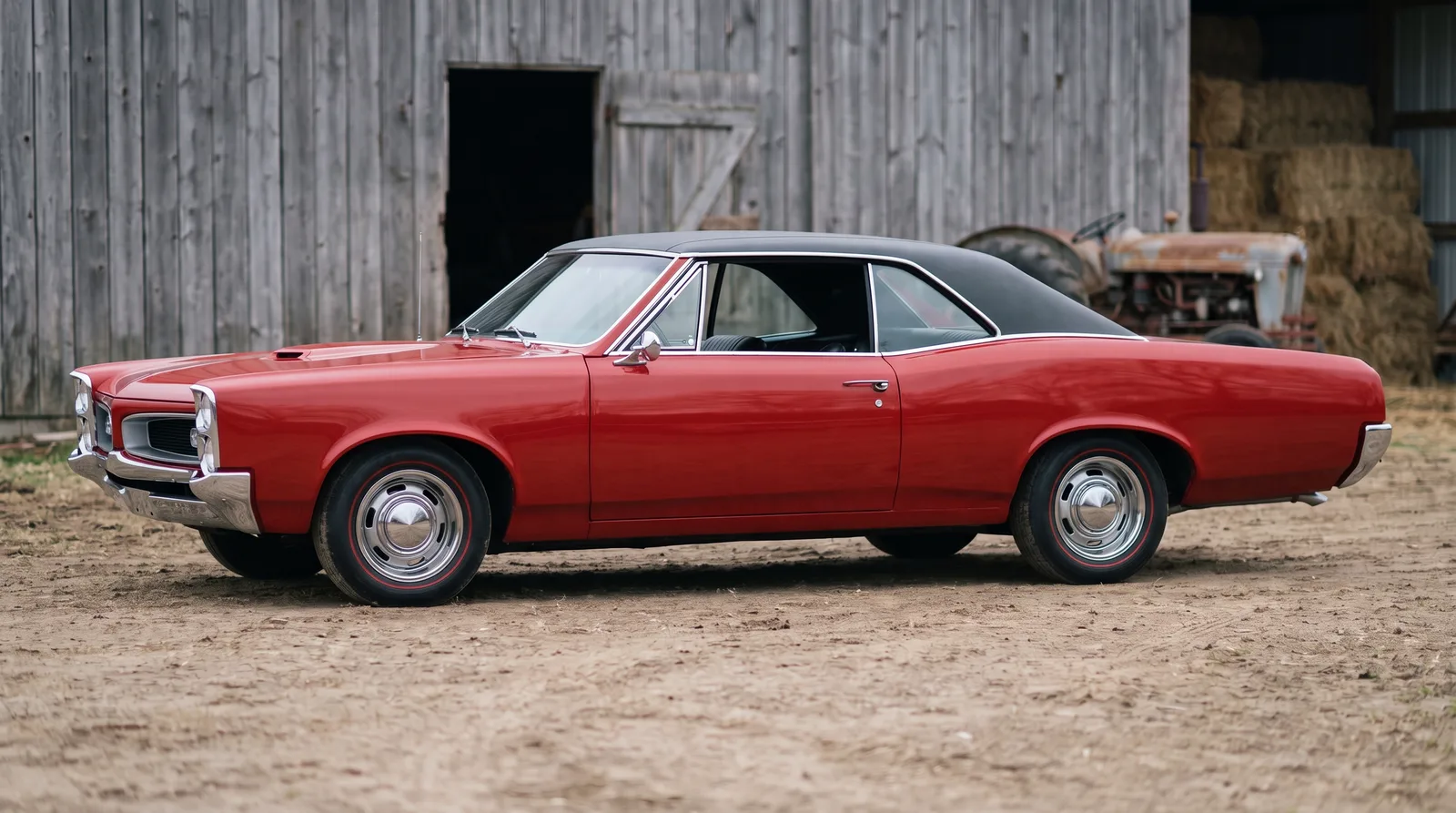
Ed "Big Daddy" Roth built his reputation on ground-up fiberglass show cars like the Outlaw and the Beatnik Bandit, plus one-off pieces like the twin-Ford-engined Mysterion, not on modifying Detroit production models, and there's no documented hands-on connection between Roth himself and the Pontiac GTO. What's better documented is the broader gasser and custom scene Roth helped define, and how much of that scene's energy fed back into how people saw a factory GTO sitting in a driveway.
The gasser scene's borrowed swagger
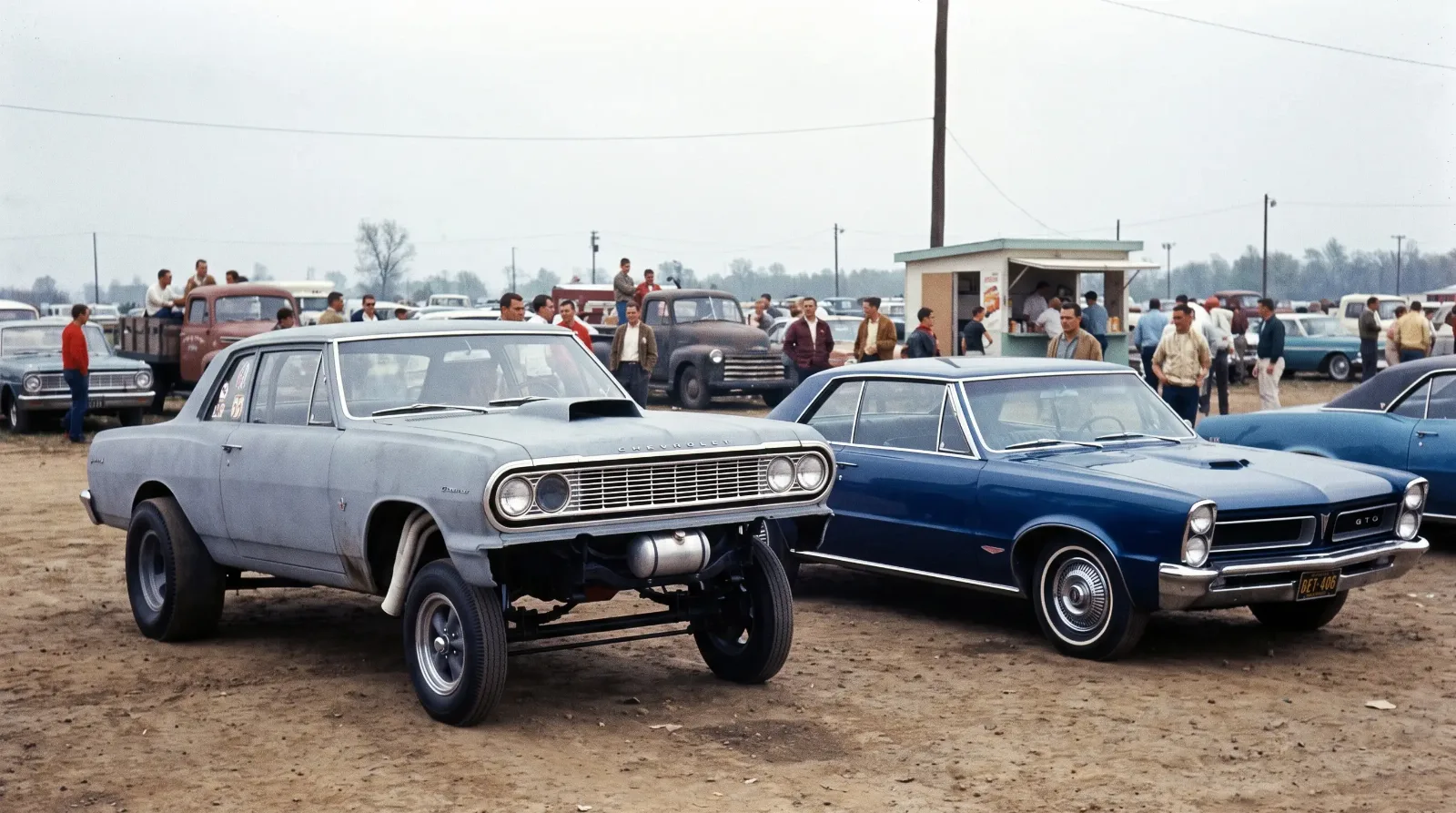
Gasser culture grew out of drag strip competition classes in the late 1950s and early 1960s, cars raised on the front end for weight transfer, running big engines in lightweight bodies, mostly built on older Willys and Anglia platforms rather than contemporary Detroit iron. By the time the GTO arrived in 1964, that whole aesthetic, the raked stance, the aggressive engine-forward look, had trained a generation of young car buyers to associate a certain visual language with real performance. The GTO didn't need a raised front end to borrow that credibility. Its proportions, the long hood, the aggressive grille, did a version of the same visual work right off the factory floor.
That's not an accident. Pontiac's design team under Bill Mitchell's broader GM styling umbrella understood what the custom and gasser crowd found appealing, and they built a production car that echoed those cues without requiring a single aftermarket modification. It's part of why the GTO photographed so well next to genuinely customized cars at shows, even completely stock.
How customizers actually treated GTOs
Owners who did modify their GTOs tended toward specific, recognizable changes rather than wholesale reinvention. Hood scoops, side pipes, aftermarket wheels, and paint schemes that pushed past factory color options were common, but full custom builds, chopped rooflines or radically altered bodywork, stayed relatively rare on GTOs compared to what happened to cheaper, more disposable platforms. Part of that comes down to value. A GTO already represented a meaningful purchase for most owners, and cutting one up the way a builder might treat a junkyard '32 Ford felt like a different kind of decision entirely.
| Custom trend | Common on GTOs? | Notes |
|---|---|---|
| Hood scoops, side stripes | Very common | Many available as factory or dealer options |
| Raked gasser stance | Uncommon | More typical on older, lighter platforms |
| Full custom bodywork | Rare | Owners protected the car's value |
The GTO's design language borrowed a lot of its confidence from a name with real racing pedigree, and if you want the full context behind that connection, the GTO legend traces exactly how a Ferrari racing designation ended up on a Pontiac fender.
Show culture and the muscle car crossover
Magazine coverage of the period reinforced the crossover further, with hot rod and custom-focused publications running features on factory muscle cars alongside their usual coverage of one-off builds, treating a well-optioned GTO as legitimate subject matter rather than an outsider to the custom scene's core interests. That editorial choice mattered, because it told readers who identified primarily with the custom and gasser world that a factory car could still be worth their attention, provided it had the right proportions and the right attitude behind the wheel.
Custom car shows of the era regularly featured GTOs alongside dedicated show rods, and the crossover wasn't limited to spectators. Plenty of builders who cut their teeth on gasser-style projects eventually bought a GTO as a daily driver, bringing an eye for proportion and stance shaped by years in the custom scene even when they left the car mechanically stock. That cross-pollination shaped how a generation of enthusiasts looked at Detroit muscle in general, filtering factory cars through a lens that custom culture had trained them to use.
"You didn't have to chop a GTO to make a statement with it. Pontiac's designers basically did the custom work for you before it ever left the factory, which is a rare thing to say about a production car from that era."
Gary Nowak
Where the two worlds actually diverged
It's worth being honest about the friction, too, because the custom scene and the factory muscle car crowd didn't always see eye to eye. Some hardcore gasser and show-rod builders looked down on stock production cars as fundamentally uninteresting, no matter how good the proportions, because the whole point of their hobby was building something with your own hands that nobody else had. To that crowd, a GTO parked next to their chopped, channeled build was still just a car off a dealer lot, regardless of how sharp the lines were.
That tension never fully resolved, and honestly it didn't need to. The custom underground kept building wild one-offs through the late 1960s and into the 1970s, and factory muscle cars kept selling in numbers no individual builder could ever match. What both camps shared, whether they admitted it to each other or not, was a genuine obsession with how a car looked in motion and at rest, and that shared obsession is what let a GTO sit comfortably at a show built mostly around cars its own owner probably couldn't have constructed himself.
A design that didn't need reinvention
What separates the GTO from a lot of muscle cars discussed in the same breath as custom culture is how little it actually needed customizing to earn a place in that world. Roth's own builds and the gasser scene he helped popularize pushed toward extremity, wilder stances, louder paint, more aggressive proportions. The GTO achieved a version of that same visual authority through restraint, factory lines that already did the work a custom shop would otherwise be hired to do. That's a design compliment few production cars from any era actually earn, and it's a big part of why the GTO still looks right sitting stock next to cars that were radically reworked to get the same attention.
The custom scene's fingerprints are all over how this car gets remembered, even in cases where the direct connection to any one builder is looser than legend suggests. What matters is the aesthetic conversation between factory Detroit and the custom underground, and the GTO sat right at the center of it. For how that visual influence rippled outward into everything that came after, read on.
Sources and notes
Related Reading
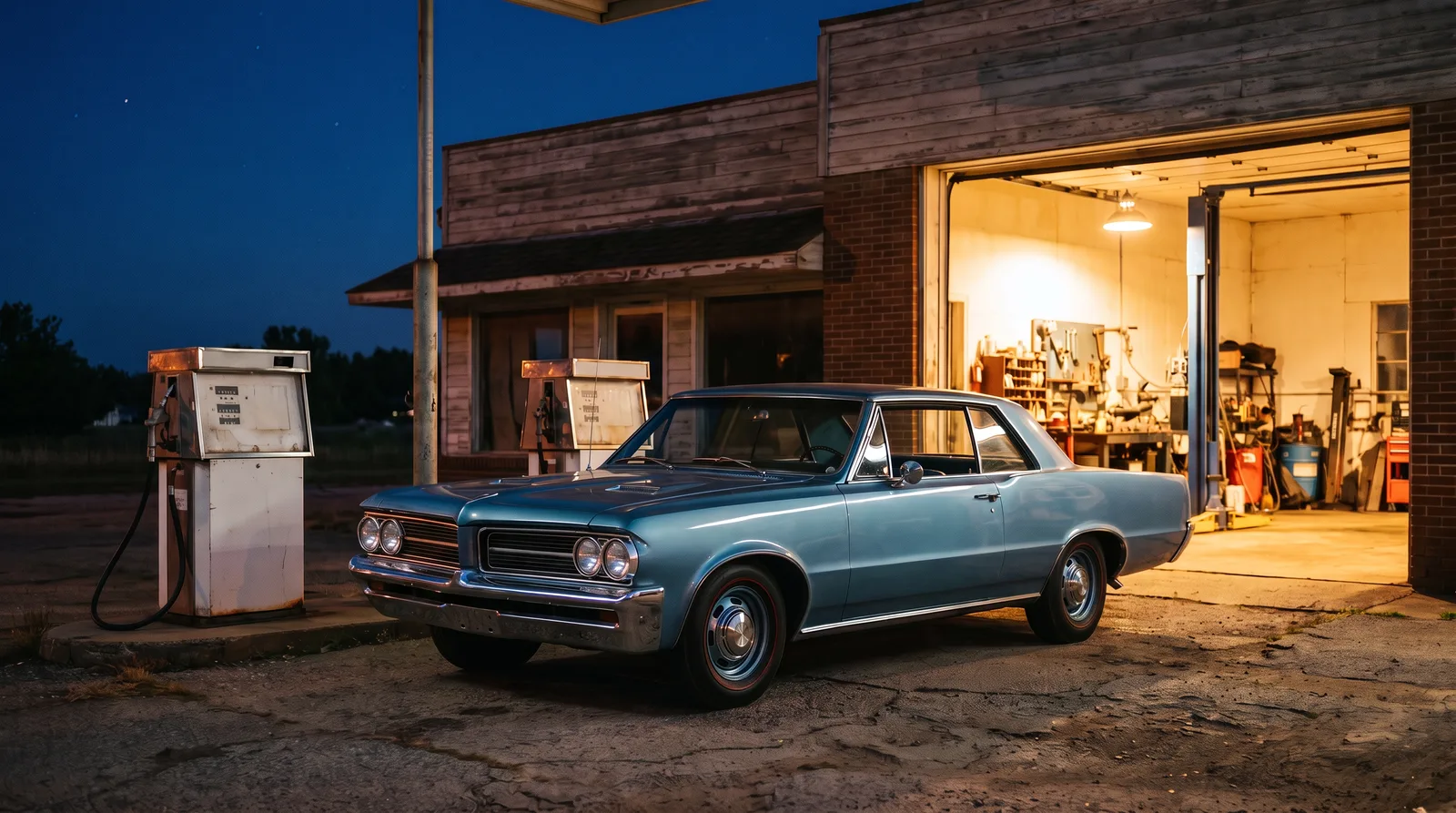
Have a
Pontiac GTO
for Sale?
Reach thousands of serious classic car collectors across the US.
Sell It Here →
Selling a classic? Here's how: sell my classic car
Are You a Classic Car Dealer?
List your full inventory and connect with targeted classic car buyers.
Join as a Dealer →

About the author
Gary Nowak
Lifelong Midwest rodder who has been building and driving traditional pre-war hot rods since the 1970s.
Related Listings - Pontiac GTO

More in Car Features
Comments
Be the first to comment on this article.