
Jim Wangers sat with a print ad layout in 1964, a mock magazine spread for a car that technically shouldn't have existed under GM's own internal rules, and he made a decision that would shape muscle car marketing for the next decade. He wasn't going to sell the GTO on horsepower figures alone. He was going to sell it on attitude, on the specific feeling of being the kind of person who drove one. That choice, more than the 389 under the hood, is why the GTO became a cultural object instead of just another fast option package.
Car Features
7 min read
The Ad Campaigns That Made the GTO Cool
Pontiac's ad team sold the GTO on identity, not horsepower figures, and built a marketing tone rivals spent years trying to copy.
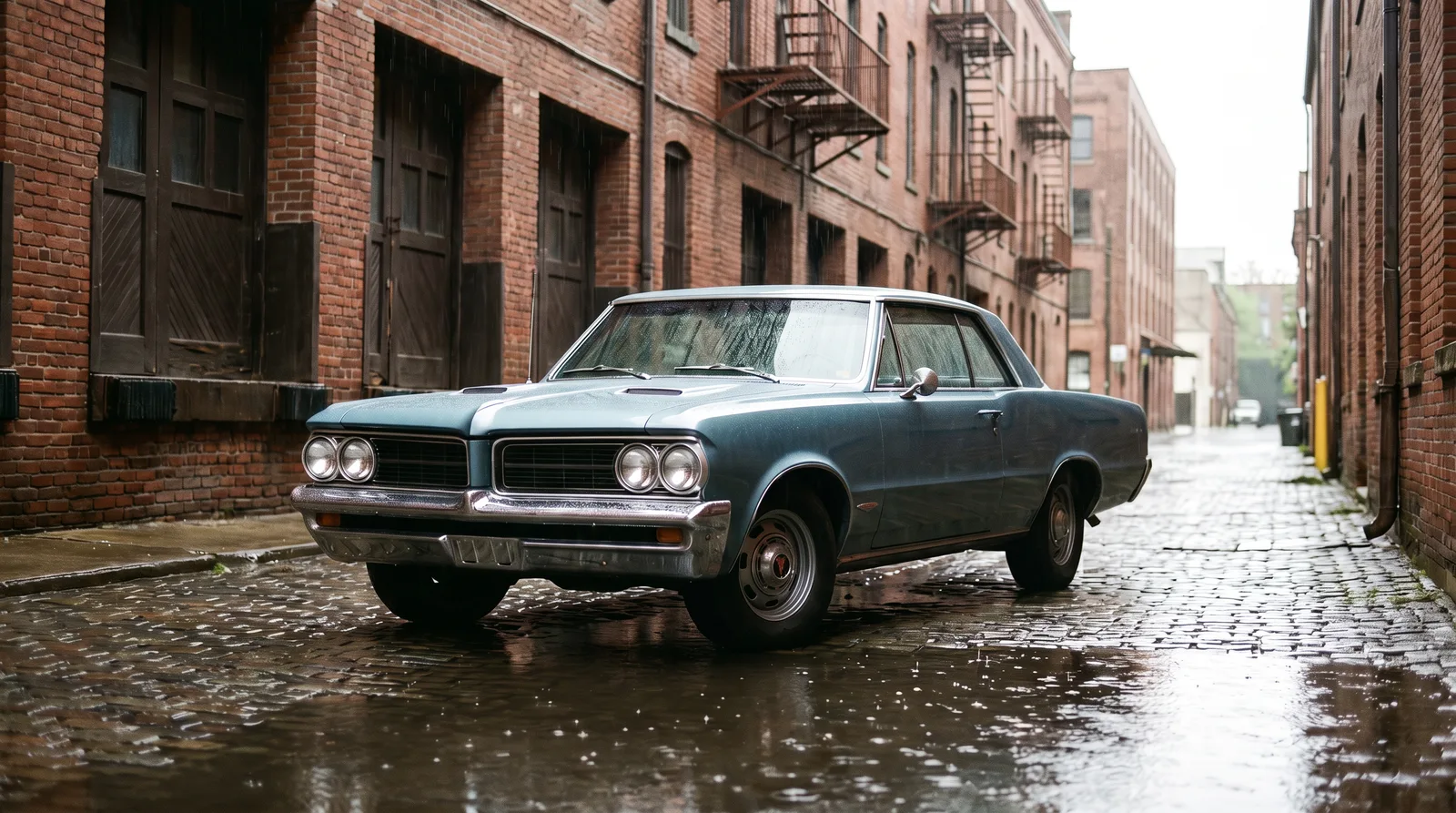
The campaign that followed leaned into humor, self-awareness, and a knowing wink toward an audience that was young, a little rebellious, and tired of car ads that read like engineering reports.
Selling attitude instead of specifications
Early GTO print ads referenced tiger imagery and borrowed the "Tiger" nickname that circulated around the car in its first year, a motif that had nothing to do with the actual engineering and everything to do with how the car made a driver feel. Pontiac's ad team understood something rival divisions were still catching up to, that a certain kind of buyer, mostly young men in their twenties with disposable income and a taste for status, didn't respond to torque curves. They responded to the sense that a car said something about who they were.
That insight produced ad copy that read almost like short fiction, scenarios and small stories rather than spec sheets, positioning the GTO as a character in its owner's life rather than a purchase decision. It was a genuinely different approach from the stiff, feature-list advertising most of Detroit was still running in the mid-1960s.
The songs that became advertising
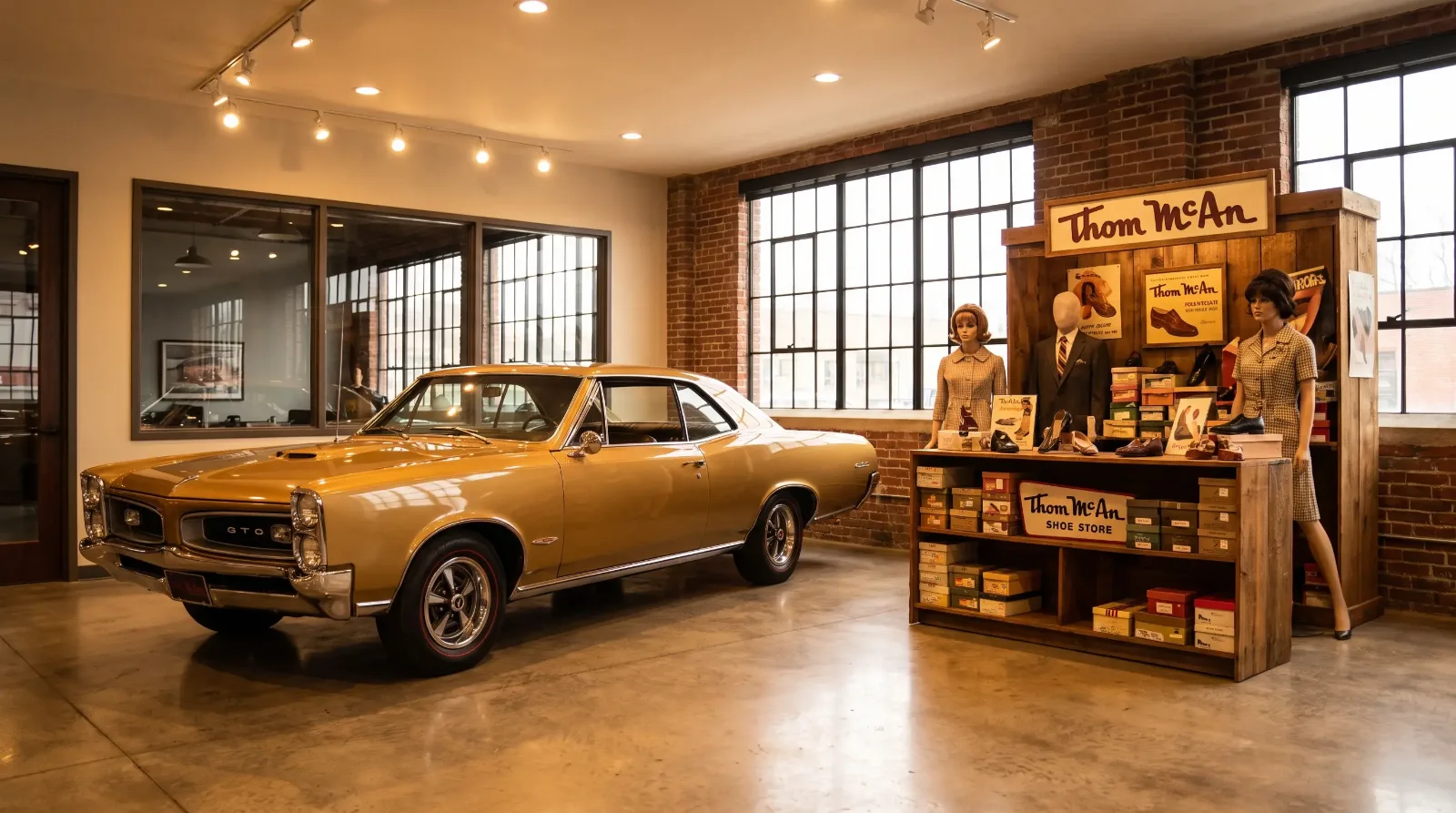
Pontiac's marketing team recognized quickly that Ronny and the Daytonas' hit single "G.T.O." functioned as free advertising more effective than anything the division could have commissioned directly. Rather than fight the association or ignore it, Pontiac leaned into the connection between the car and the music, letting the cultural moment do work that a traditional campaign never could have bought at any price. The company later commissioned its own promotional recordings tied to the GTO, understanding that music had become part of how young buyers processed car marketing in a way print alone couldn't replicate.
| Campaign element | Approach | Approx. era |
|---|---|---|
| "Tiger" print ads | Attitude and imagery over spec sheets | 1964-1966 |
| Musical tie-ins | Leveraged "G.T.O." single's popularity | 1964-1965 |
| Youth-targeted copy | Narrative-style ad text, informal tone | Mid-to-late 1960s |
The badge itself did a lot of quiet marketing work on its own, and if you want the fuller picture behind what GTO stands for, that borrowed racing pedigree gave the ad team a foundation of instant credibility they didn't have to manufacture from scratch.
A tone competitors struggled to copy
Print was only part of the effort. Pontiac's dealer showrooms got their own coordinated push, with point-of-sale materials, brochures, and salesman talking points all built to reinforce the same attitude-first message running in national magazines. That kind of top-to-bottom consistency, from a full-page magazine spread down to what a salesman actually said standing next to the car, was more disciplined than most Detroit marketing programs managed in the mid-1960s, and it meant a buyer's experience of the GTO's image stayed coherent whether they encountered it in a living room or on a dealer lot.
Other divisions tried to replicate the formula and mostly fell short of the specific tone Pontiac had found. Oldsmobile's early 4-4-2 advertising stayed closer to traditional performance messaging, more spec-forward and less personality-driven. Buick's Gran Sport ads reflected the brand's more mature customer base, softer and less aggressive than what Pontiac was running. It wasn't until Plymouth's Road Runner campaign, built around a licensed cartoon character and a horn that literally went "beep beep," that another manufacturer matched the GTO's willingness to treat marketing as entertainment first and information second.
"The ads never really told you what the car could do. They told you who you'd be once you owned one. That's a much harder trick to pull off than listing horsepower, and Pontiac's team pulled it off before most of Detroit understood it was even possible."
Nora Beckett
The line Pontiac wouldn't have gotten away with today
Reading the original GTO ad copy today requires some historical context, because a handful of lines that felt playful and rebellious in 1965 read very differently through a modern lens, particularly copy that leaned on aggressive, borderline reckless framing of speed and risk-taking as inherently desirable traits in a young man. That was standard practice across the entire automotive industry at the time, not unique to Pontiac, but it's worth noting because it shows how much of the GTO's original marketing appeal depended on a cultural moment that has genuinely shifted since.
What survived that shift, and what still feels relevant reading the ads today, is the underlying craft. Stripped of the era-specific attitudes, the copywriting itself was tight, funny, and confident in a way that a lot of contemporary car advertising still struggles to match. Wangers's team understood pacing, knew when to let an image carry the message instead of cramming in another line of copy, and trusted their audience to fill in gaps rather than spelling everything out. That restraint, more than any specific slogan, is the part of the campaign advertising students still study when they look back at how Detroit sold performance cars during the muscle era's peak years.
Why the campaign outlived the car
What's remarkable, looking back across sixty years, is how much of the GTO's original marketing tone still shapes how the car gets talked about today. Enthusiast writers still reach for the same attitude-first language Wangers's team pioneered, describing the car in terms of feeling and identity rather than pure specification. That's the mark of advertising that actually worked, not just in its own moment but as a template other campaigns kept borrowing for years afterward.
Television played a smaller but still notable role in the campaign's reach. Pontiac ran spots that paired the GTO with the same youthful, slightly rebellious energy carried through the print work, and the timing lined up well with a broader shift in automotive advertising toward television as a primary channel rather than an afterthought to print. Buyers who never read a car magazine could still absorb the GTO's attitude-first pitch from a thirty-second spot between other programming, which widened the campaign's actual reach well beyond the enthusiast audience the print ads were built to reach first.
The GTO could have been sold like any other option package, a list of numbers on a brochure page. Instead it was sold as a personality, and that decision is a big part of why the car's cultural footprint has outlasted so many rivals with comparable or even superior specifications. Custom culture picked up on that same energy almost immediately, and the story of how builders and customizers ran with it, read on, is where the GTO's image took its next turn.
Sources and notes
Related Reading
Have a
Pontiac GTO
for Sale?
Reach thousands of serious classic car collectors across the US.
Sell It Here →
Selling a classic? Here's how: where to sell your classic car online
Are You a Classic Car Dealer?
List your full inventory and connect with targeted classic car buyers.
Join as a Dealer →

About the author
Nora Beckett
Automotive features writer and photographer who tells the human stories behind the cars, from show fields to cross-country road trips.
Related Listings - Pontiac GTO

Comments (1)
B
Bandit_TA77
1 week ago
Breaker breaker, one of those 50 Thom McAn sweepstakes GTOs with the paperwork would bring a pile today. Catch you on the flip-flop.