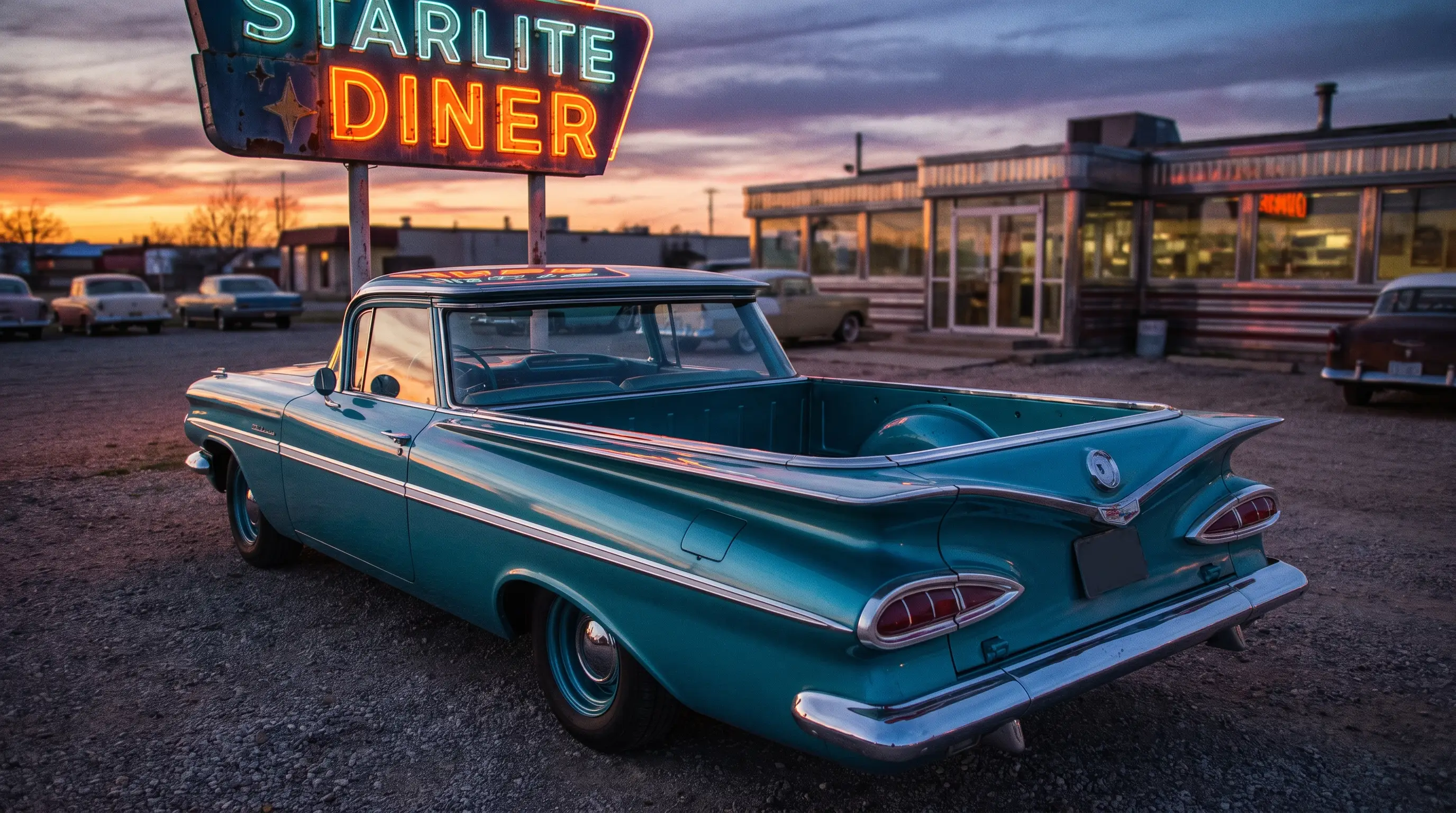
Two model years. That is the entire first life of the Chevrolet El Camino, 1959 and 1960, before Chevrolet shelved the name for three seasons and rebuilt it from a different platform in 1964. For a nameplate that would eventually run, on and off, for nearly three decades, that opening chapter is remarkably brief, and understanding why it ended so quickly says as much about the car-truck market of 1960 as anything about the El Camino itself.
A fast launch and a faster exit
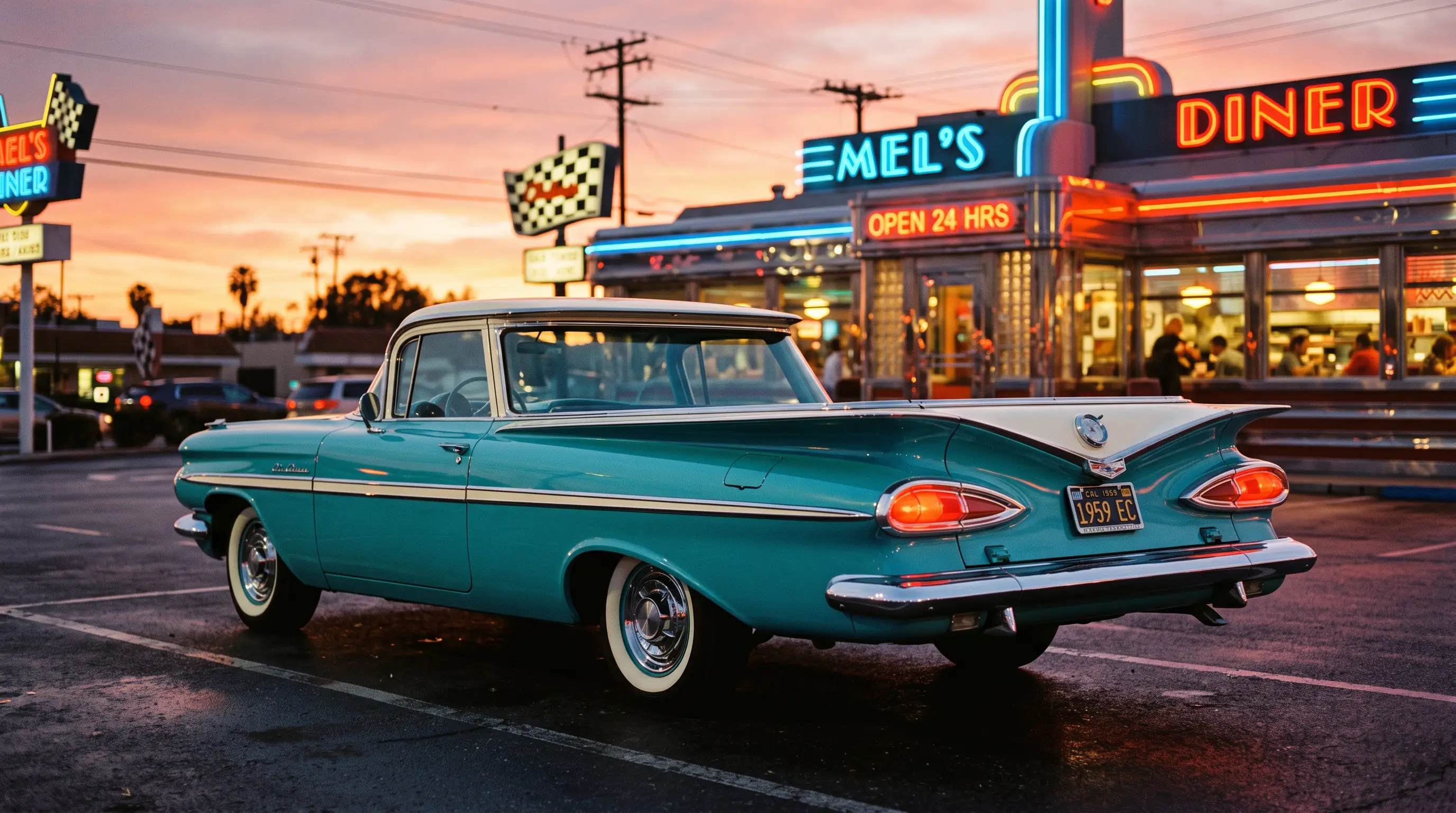
Chevrolet brought the El Camino to market for 1959 as a direct response to Ford's Ranchero, which had already been selling since 1957 on the smaller Fairlane platform. Chevrolet's answer arrived bigger, built on the full-size Brookwood station wagon chassis, wearing the same batwing tailfins and Impala-grade trim as the flagship passenger cars that year. The debut sold well by most surviving accounts, with a first-year total of 22,246 units, strong enough that nobody inside Chevrolet in 1959 would have guessed the whole project had less than eighteen months left to run.
1960 brought a toned-down restyle, smaller fins, a calmer grille, and a simplified rear end, but the underlying car stayed the same full-size platform, the same engine choices, and the same basic cargo-hauling concept. Then, after that second season, Chevrolet simply stopped building it. No 1961 El Camino followed. No 1962 or 1963 either. The nameplate went dark entirely until 1964.
That silence is easy to overlook now, decades removed from the actual buying decisions of the period, but it would have registered clearly with anyone shopping Chevrolet showrooms in the early 1960s. A customer who had bought a 1960 El Camino and gone looking for a newer one two years later would simply have found nothing to replace it with, no direct successor, no running change, just an empty spot on the order sheet where the car-truck used to be. Few Chevrolet products of that era disappeared and returned in quite so abrupt a fashion.
Why Chevrolet pulled the plug so soon
The most commonly cited reason is sales decline between the two years. Full-size car-trucks of this type occupied a genuinely small niche, and once the novelty of the 1959 launch faded, the second-year total dropped to 14,163 units, a steep enough falloff that Chevrolet's product planners had reason to question whether the segment justified a dedicated body style built off an expensive full-size platform.
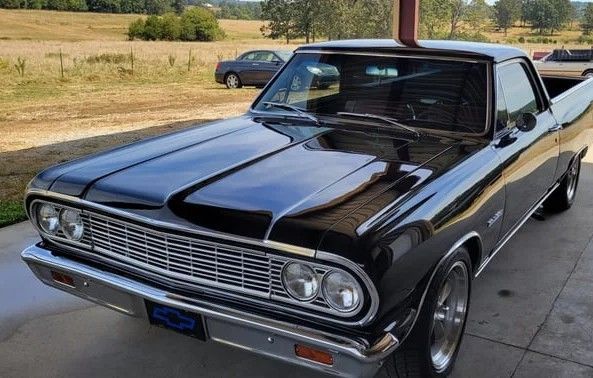
There is also a broader industry context. The full-size wagon platform underneath the El Camino was itself due for a significant redesign heading into the early 1960s, and rather than carry the low-volume El Camino through that transition, Chevrolet apparently decided it made more sense to wait and reintroduce the concept on a body that suited it better. That body turned out to be the Chevelle, an intermediate platform introduced for 1964 that gave the revived El Camino a lighter, more efficient structure than the full-size wagon chassis ever offered.
What the hiatus meant for the cars left behind
For the roughly two model years of production that did happen, the 1959 and 1960 El Caminos exist today as a genuinely closed set. There is no larger family of full-size El Caminos to expand into, no mid-cycle refresh, no additional trim levels added in a third or fourth year the way a longer-running model might accumulate. Everything about this generation is contained in those two seasons, which makes both years easier to research thoroughly but also means any given surviving example is that much rarer, since the total production run across both years combined is smaller than a single strong year of a longer-lived nameplate.
That compressed history also shapes how collectors and appraisers talk about the cars. A 1959 or 1960 El Camino is never described as an early example of an ongoing line the way a 1966 Chevelle might be. It is treated as its own distinct, self-contained chapter, bookended cleanly on both sides by dates that mark exactly when the story starts and stops.
Documentation for cars from this window benefits from that same tight framing. Because there are only two possible model years to research, owners and appraisers working on a first-generation El Camino can cross-reference production figures, option codes, and factory literature across a small, finite set of sources rather than wading through a decade or more of running changes the way owners of longer-lived nameplates often have to. That narrower research scope makes it genuinely easier to spot an inconsistency, a wrong-year part or a mismatched trim detail, than it would be on a model with a longer, messier production history.
"Most nameplates fade in slowly, a trim level dropped here, an option deleted there. The El Camino's first run just stopped. Two years, then nothing for three more. That is an unusually clean break for Detroit, and it makes the whole generation easier to document precisely because there is no long tail to untangle."
- Tom Ramirez
The 1964 return and what it left behind
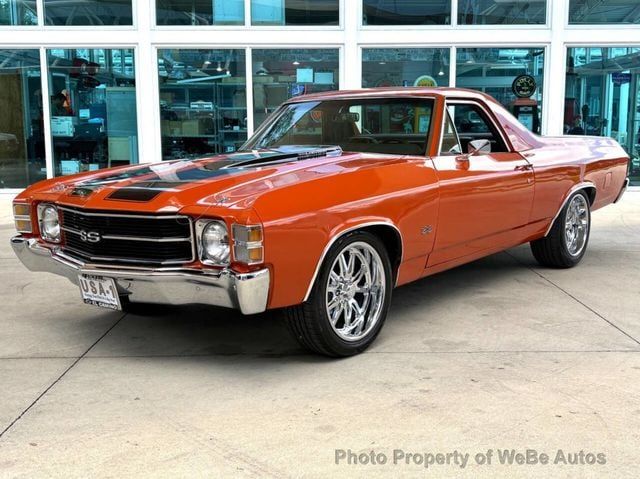
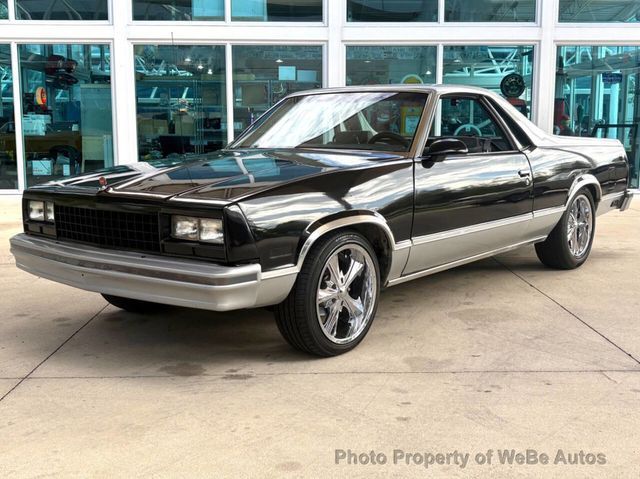
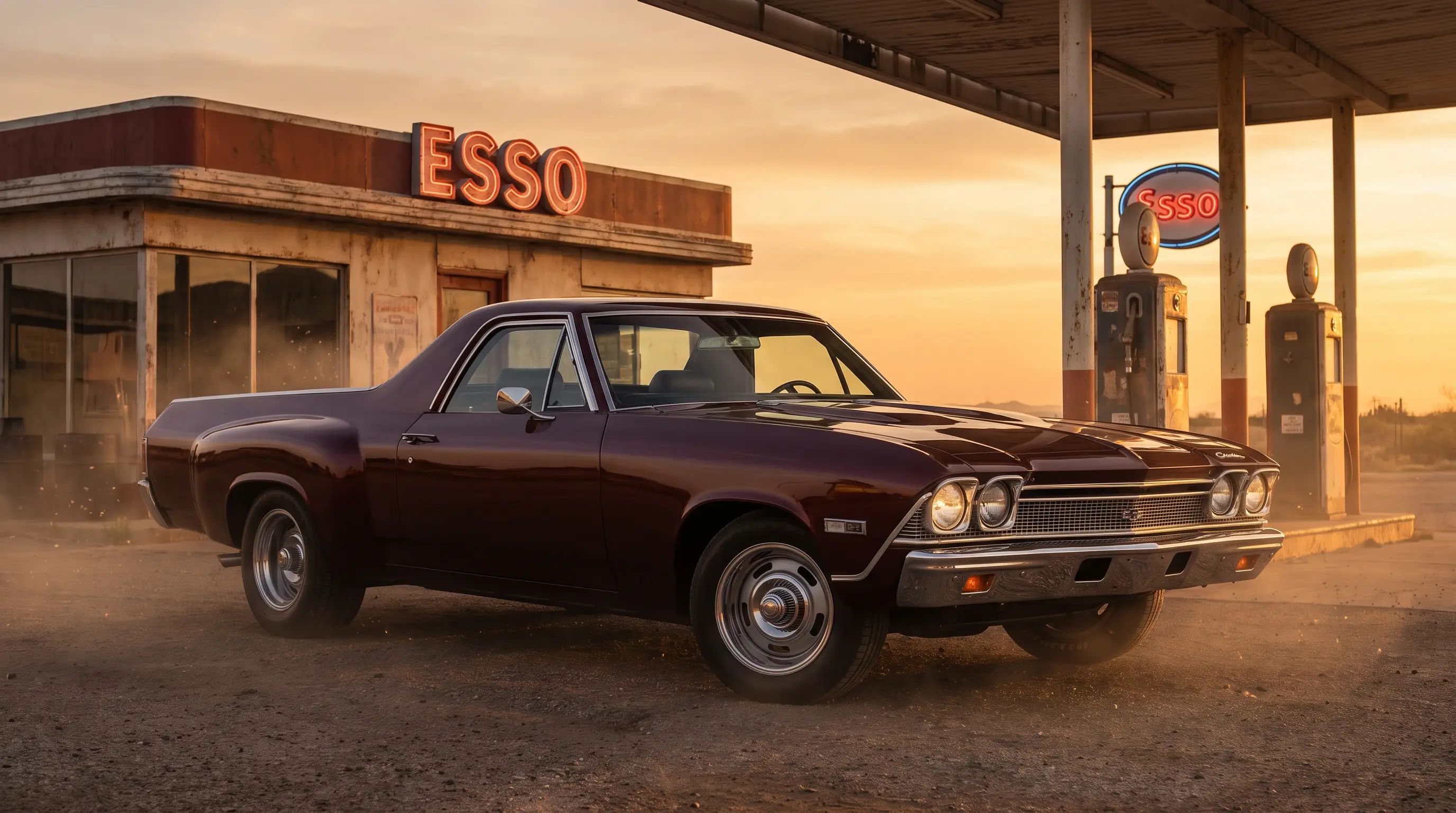
When the El Camino did come back for 1964, it returned as a fundamentally different vehicle, built on the Chevelle's unibody structure rather than the old full-size wagon frame. That new platform would carry the nameplate through its most famous era, including the SS-badged muscle truck years of the late 1960s, and eventually through the G-body generation into the 1980s. None of that later success required the full-size 1959 and 1960 cars to have continued uninterrupted. If anything, the hiatus gave Chevrolet room to rethink the concept entirely rather than incrementally updating a platform that may not have suited a long production run in the first place.
Viewed from that distance, the three-year gap looks less like a failure and more like a pause that let Chevrolet correct course. A company chasing quick sales might have carried the full-size El Camino forward regardless of declining demand, propping up a struggling nameplate with minor annual updates. Chevrolet instead walked away entirely, waited for a platform that actually suited the concept, and came back with something that ended up outliving Ford's Ranchero by several years. That is not the typical arc for a brief, two-year experiment, and it is one more reason the 1959 and 1960 cars deserve to be studied on their own terms rather than as a mere prelude to the more famous generations that followed.
For anyone researching the model, our 1959 el camino retrospective covers that opening generation in full, and a related story looks at how the car's Impala-based trim shaped its identity during this short run. Buyers interested in owning a piece of this brief first chapter can see what is currently available among El Caminos for sale now.