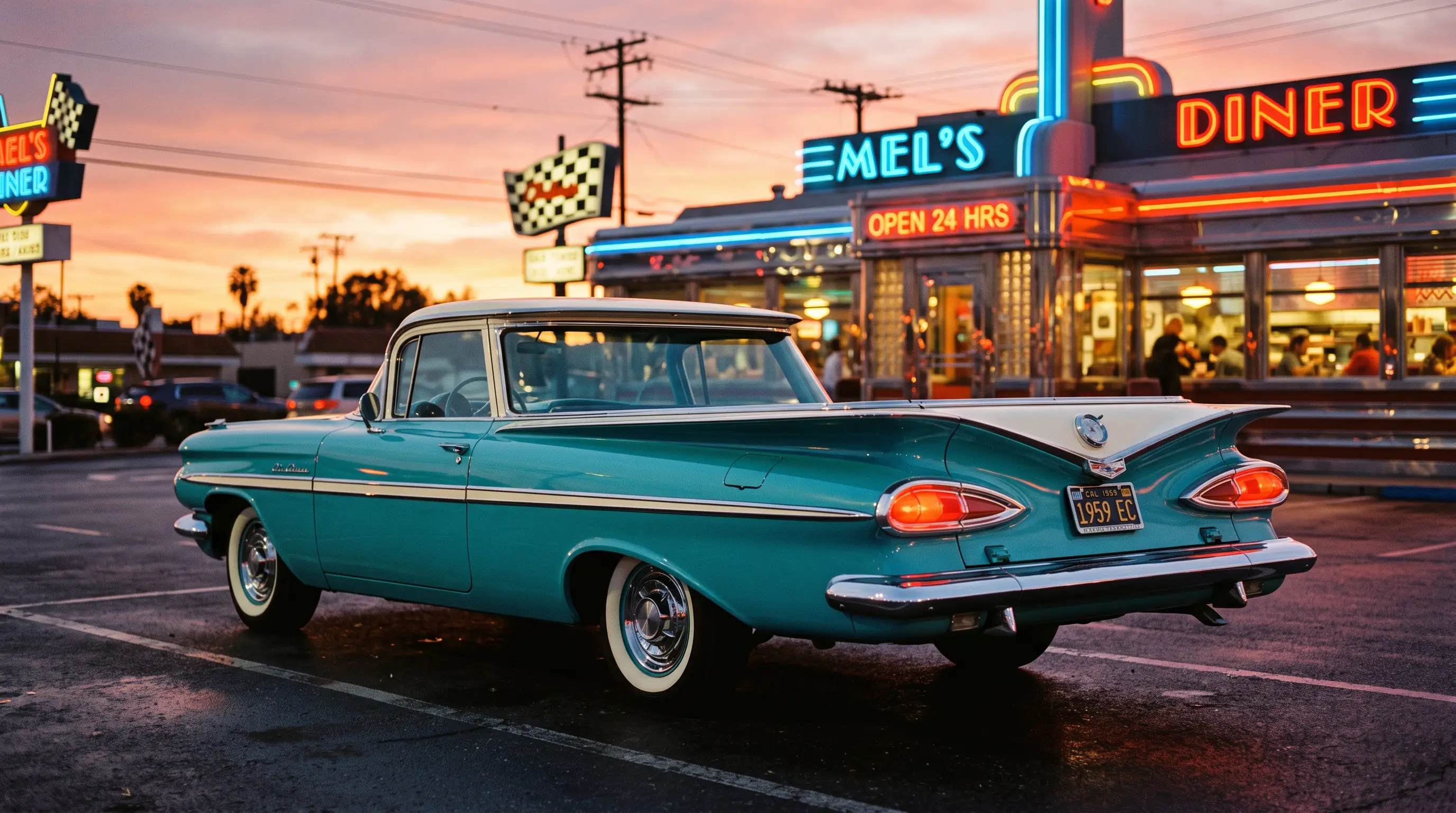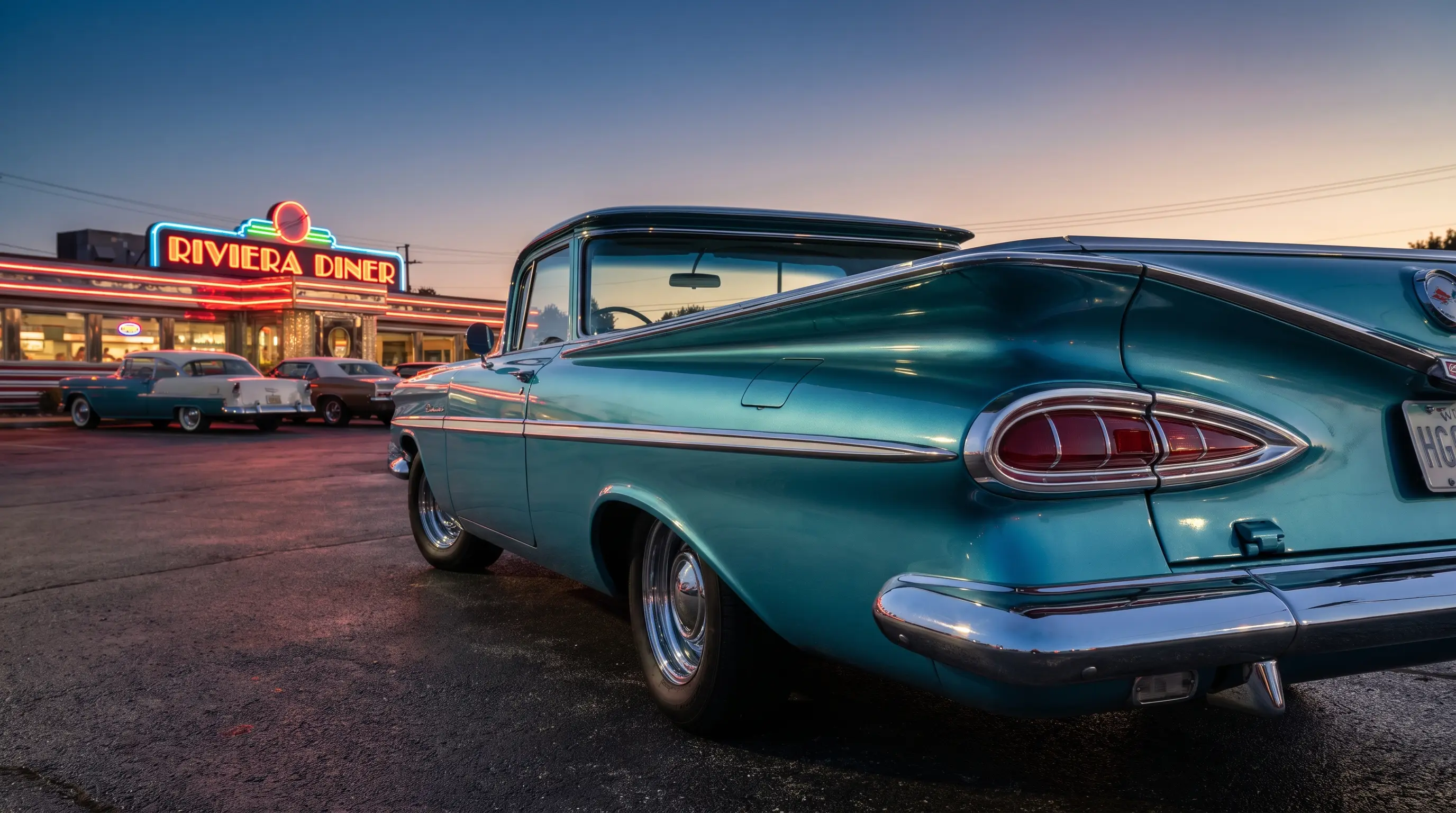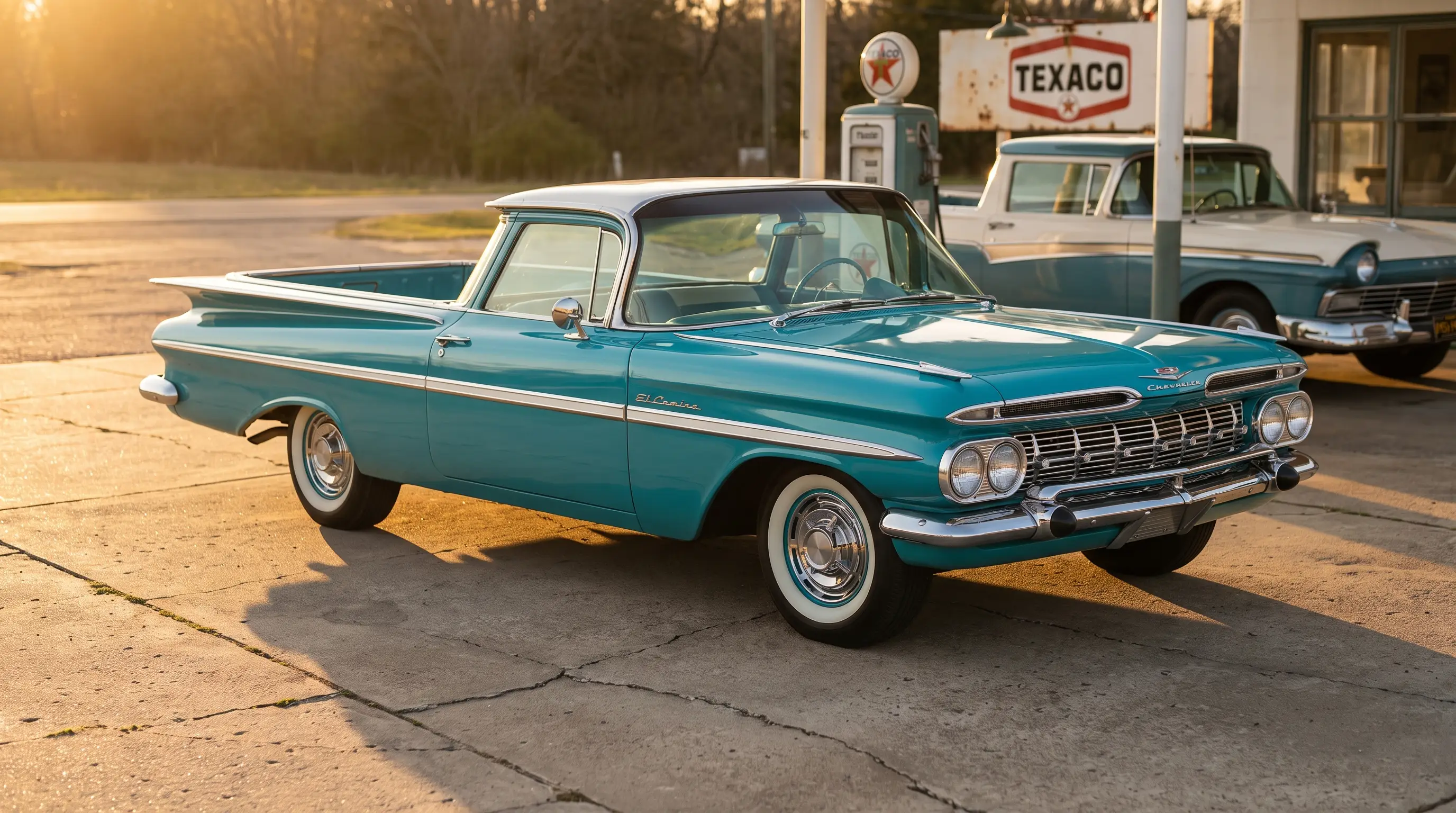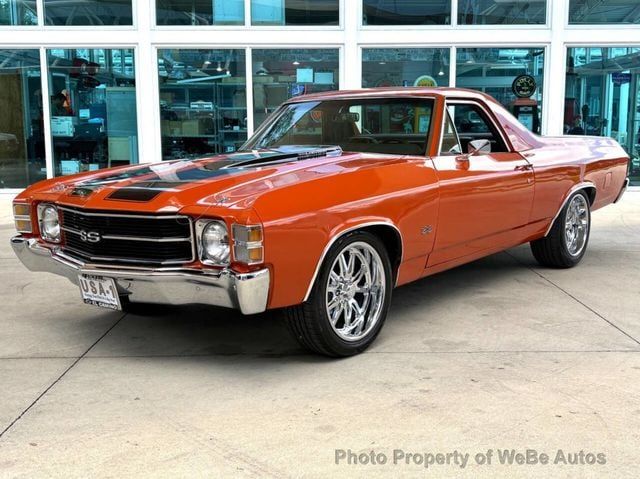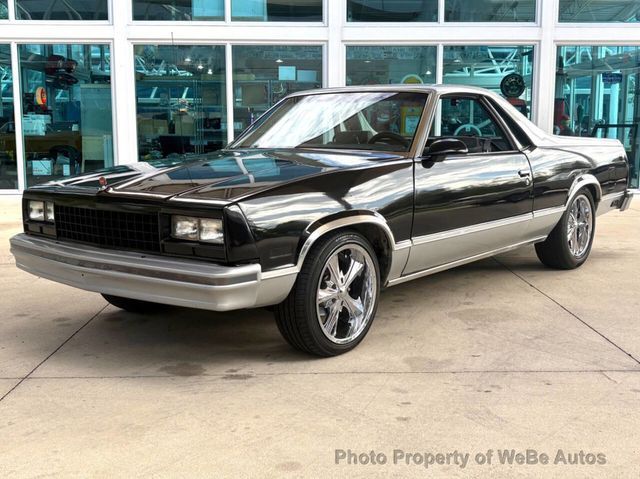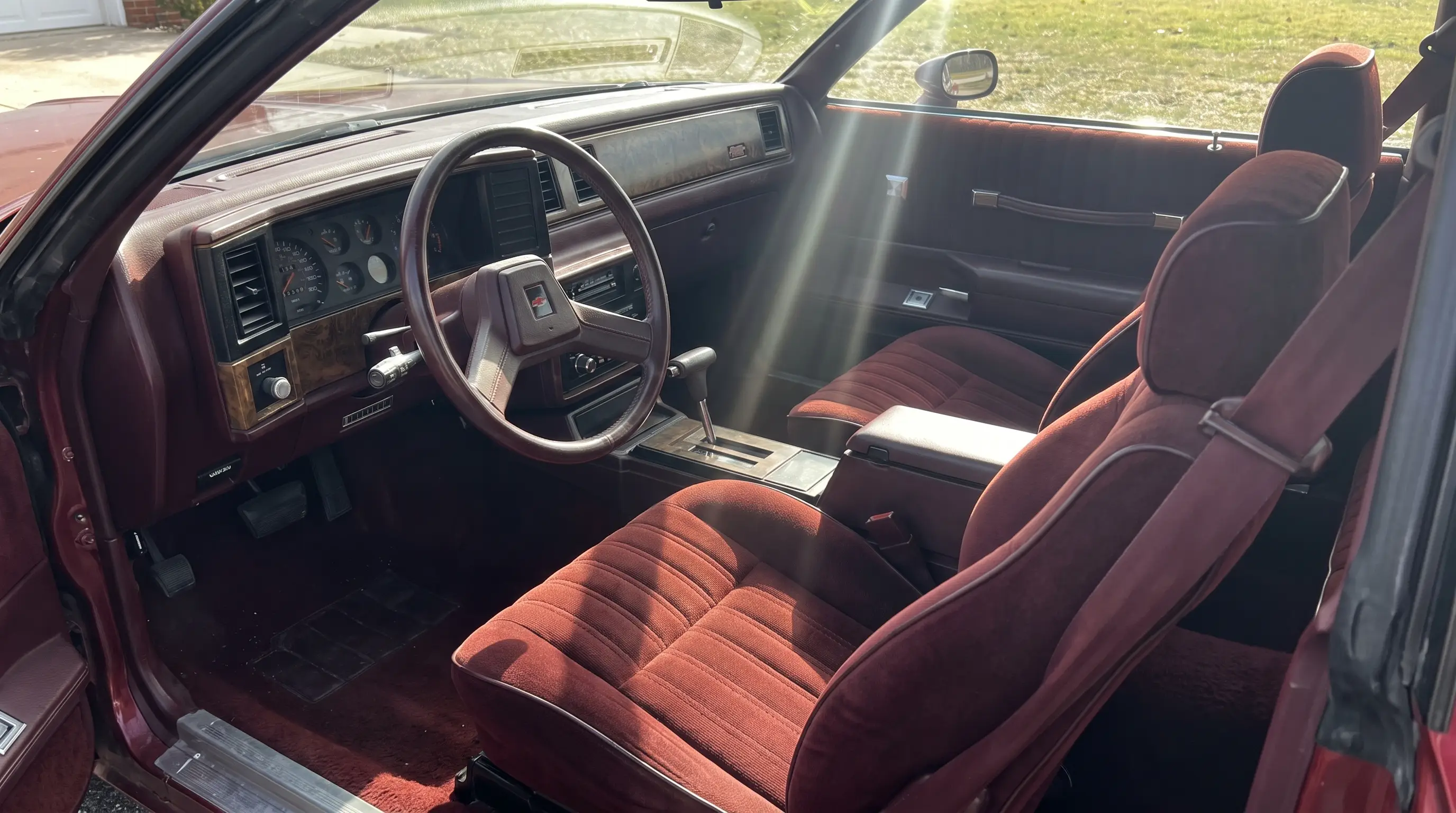
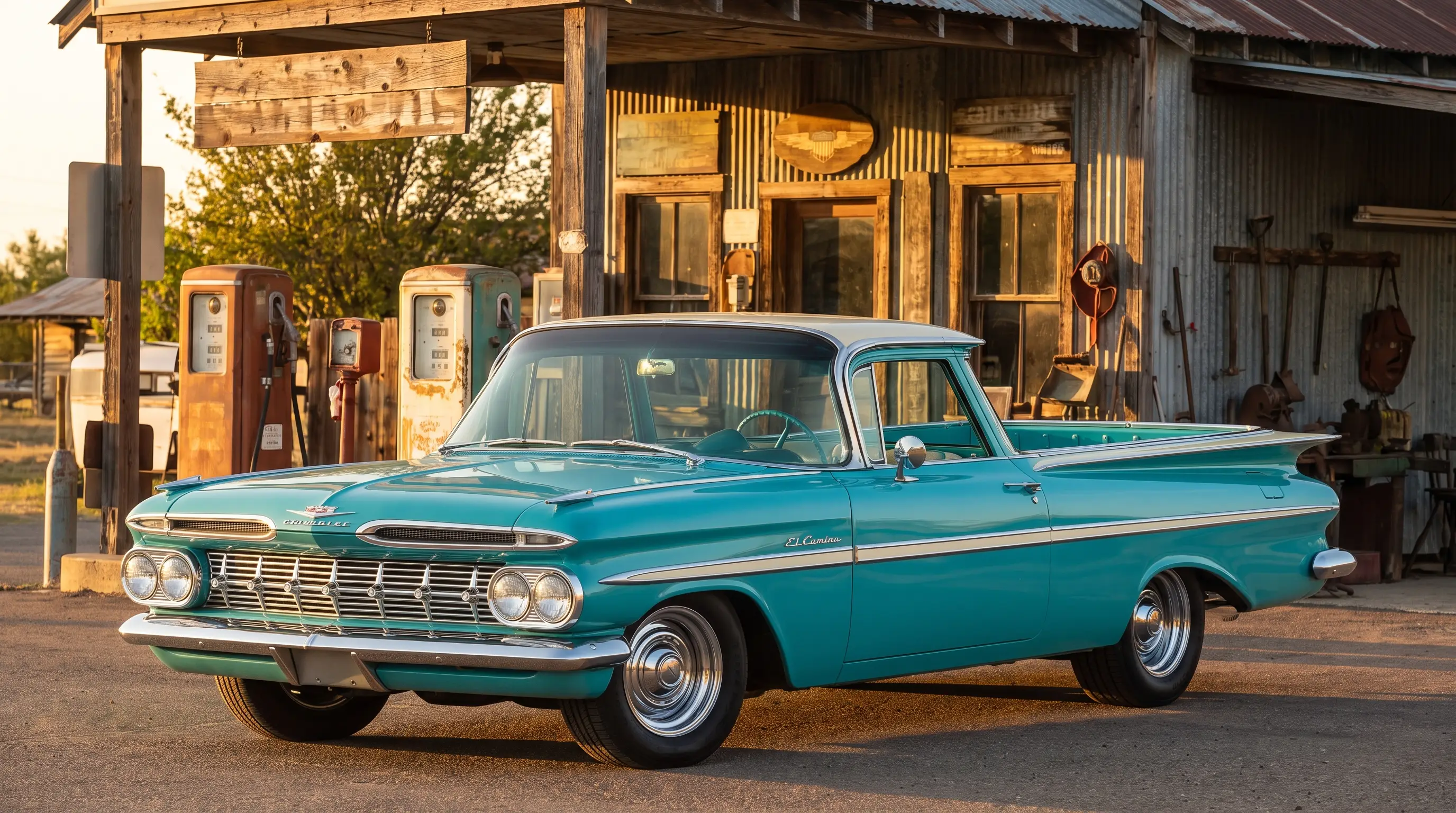
The 1959 Chevrolet El Camino is a full-size car underneath its bed rails, and that single fact explains almost everything else people find odd about it. It rides on the same 119-inch wheelbase as the 1959 Brookwood station wagon, shares that wagon's floor pan and cowl, and carries the same frame rails that hold up a full-size Impala sedan. Chevrolet did not shrink a passenger car to make a hauler. It took its biggest car and cut the roof off behind the front seat, and the El Camino's outsized dimensions are the direct result of that decision.
Built on the wagon, not a truck chassis
Chevrolet's engineering team started the El Camino project from the Brookwood two-door wagon rather than from any existing light truck platform. That choice mattered mechanically as much as visually. The wagon's frame was a full perimeter design with box-section rails meant to carry passengers and cargo without the ladder-frame flex of a dedicated pickup, and Chevrolet kept that frame essentially intact for the El Camino, trimming the wagon's roof and rear structure back to the B-pillar and fabricating a new steel bed section behind it. The result was a vehicle nearly seventeen and a half feet long overall, longer than a contemporary half-ton Task Force pickup, because it inherited a passenger car's proportions rather than a truck's.
That length shows up most in the front and rear overhangs. A dedicated truck of the period kept overhangs short to protect approach and departure angles for off-pavement use. The El Camino, built from a car that never expected to leave pavement, has a long front clip and a long tail section relative to its wheelbase, both there because the Brookwood wagon needed that proportion to carry its own sedan-style trunk and hatch.
Why "big" was the whole sales pitch
Chevrolet's marketing leaned directly into the size rather than apologizing for it. Brochures described the El Camino as offering car-like ride and handling with genuine cargo capacity, and the pitch worked because the car rode on full-size Chevrolet coil springs up front and a comparatively soft leaf-spring rear setup tuned closer to passenger-car settings than to a work truck's stiffer, load-focused calibration. Buyers cross-shopping a Brookwood wagon and an El Camino got nearly identical ride quality, and that similarity was the entire point of building the El Camino off that specific body rather than something smaller.
The bed itself measured roughly six feet long, with the tailgate folded down extending usable load length to around 91 inches, generous figures for the era, made possible only because the donor wagon had that much sheet metal to spare behind the cab. A smaller-platform hauler, the kind Ford was building with the Ranchero on its intermediate Fairlane body that same year, simply did not have that much steel to give away.
| Spec | 1959 El Camino |
|---|---|
| Platform | Full-size Chevrolet Brookwood wagon chassis |
| Wheelbase | 119 inches |
| Overall length | Approximately 210 inches |
| Bed length | Approximately 6 feet (about 91 inches with tailgate down) |
| Base engine | 235 cubic inch inline six |
| Top engine option | 348 cubic inch Turbo-Thrust V8 |
The engineering trade-offs of a car-truck
Building a hauler out of a full-size wagon solved some problems and created others. Ride quality and steering feel were genuinely car-like, a real selling point next to any contemporary pickup. But payload was more modest than a dedicated truck could offer, since the frame and suspension were tuned for passenger comfort first, cargo second. Chevrolet's own literature positioned the El Camino for lighter-duty hauling, lumber and garden supplies and the occasional motorcycle, rather than the heavier jobs a Task Force half-ton was built to shrug off.
That trade-off is still visible in surviving cars today. The rear leaf springs on a 1959 El Camino sit noticeably softer than the springs Chevrolet fitted to its actual pickups that year, and a loaded bed squats more than a truck buyer would expect. Owners who understand the car's wagon origins tend to respect that limitation rather than fight it, treating the El Camino as what it was designed to be: a comfortable car that could also carry a real load, not a truck wearing a costume.
Engine choices reinforced the car-first character of the platform. The base 235 cubic inch inline six was the same unit Chevrolet installed in Biscayne sedans that year, and the optional 283 and 348 cubic inch V8s came straight off the passenger car option sheet rather than from any truck-specific engine family. A buyer ordering the 348 with the Tri-Power triple-carburetor setup got genuinely quick acceleration for the era in a vehicle most people assumed hauled lumber, and that mismatch between straight-line performance and utilitarian purpose is part of what made the El Camino an odd, likeable outlier on 1959 dealer lots.
How that size still shapes the hobby today
Restorers sourcing a 1959 El Camino quickly learn that big chunks of the car, the doors, the front fenders, the dashboard, the front frame section, interchange directly with a same-year Brookwood or Kingswood wagon, since the two vehicles share the tooling. That parts overlap is one of the more useful facts a buyer can carry into a purchase, because it widens the pool of donor parts considerably beyond El Camino-specific listings. You can read the background on the model's full first-generation run, and the story of why Chevrolet felt it needed a car-truck at all is worth a look too.
"People ask why the 1959 El Camino feels so much bigger than a modern truck bed vehicle, and the answer is simple. It is not a small truck. It is a full-size station wagon that lost its roof, and every dimension on the car reflects that lineage."
- Tom Ramirez
Anyone chasing an original example should expect a genuinely large vehicle by modern standards, closer in footprint to a full-size sedan than to a compact truck, and that scale is exactly what made the El Camino stand out on dealer lots in 1959. Parking one next to a modern midsize pickup is often the fastest way to understand the comparison, since the El Camino's low beltline and long hood make it look lower and leaner even though it is not appreciably shorter overall.
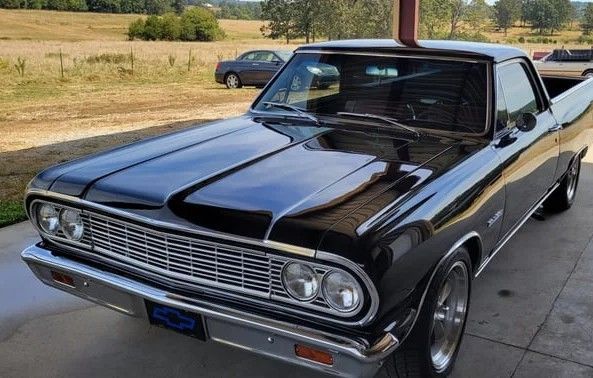
The car-truck concept did not survive past 1960 in this exact form. Chevrolet paused the nameplate for three years and brought it back in 1964 on the smaller, unibody Chevelle platform, a genuinely different engineering approach that traded the wagon-based bulk of 1959 for a lighter, more efficient structure. That switch means the full-size cartruck era stands alone as a two-year experiment, and it is one of the clearer examples in Chevrolet's history of an engineering team solving a market question with the platform already sitting on the shelf rather than building something purpose-made from scratch. Shoppers ready to see the proportions firsthand can shop classic El Camino listings currently available.