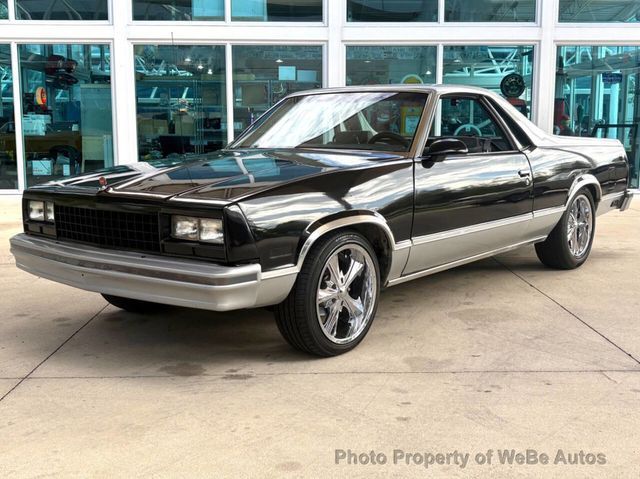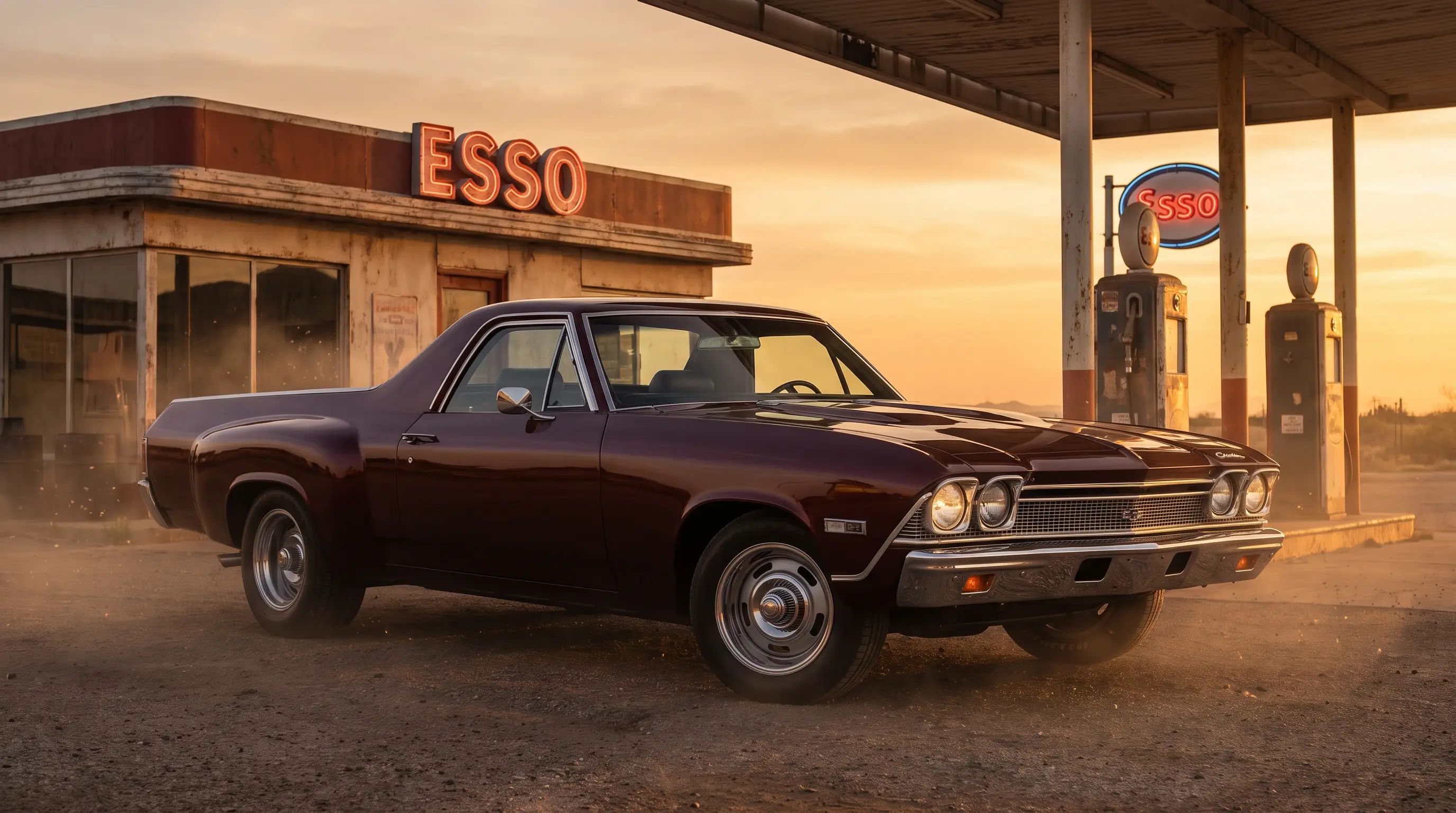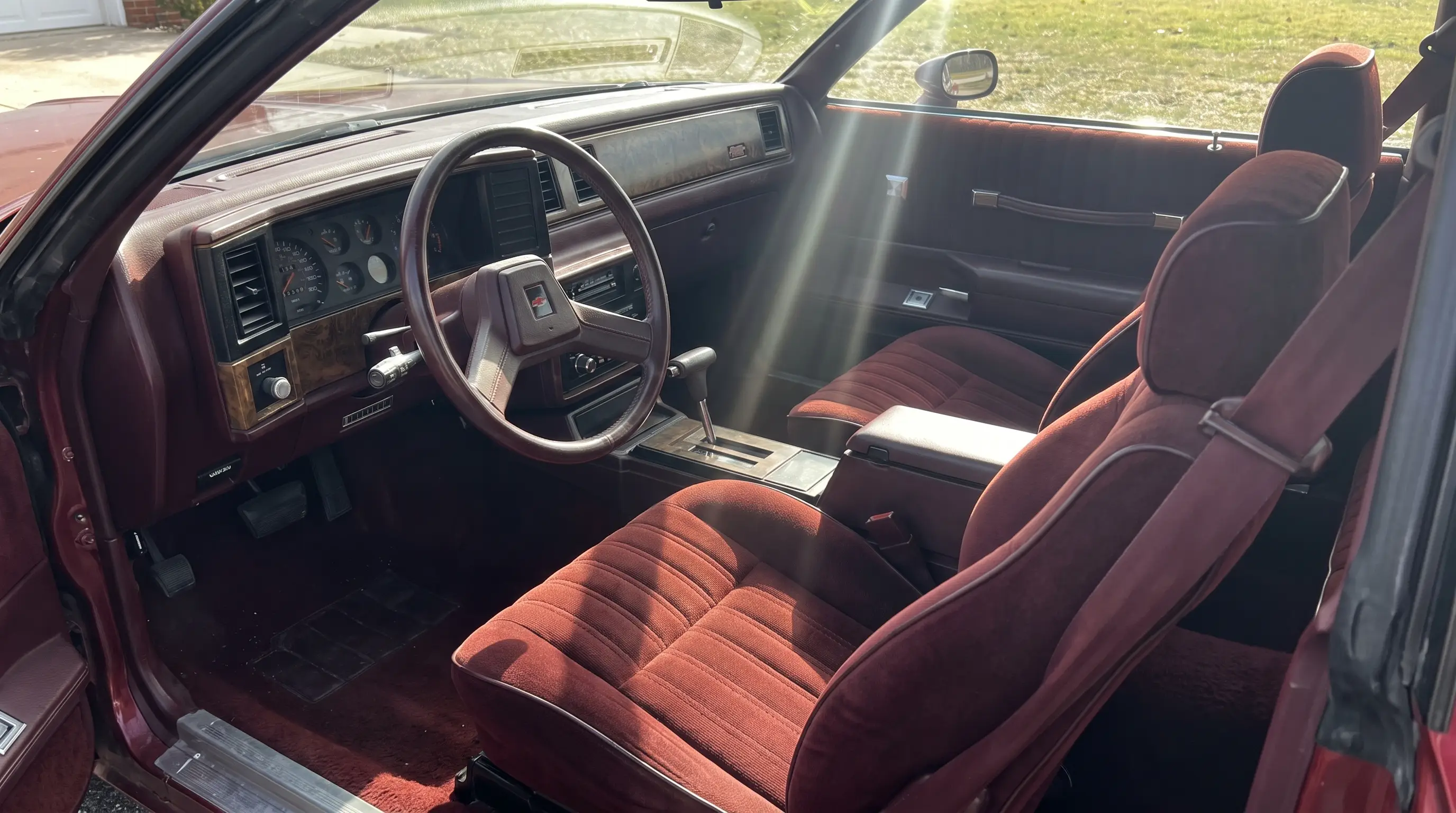
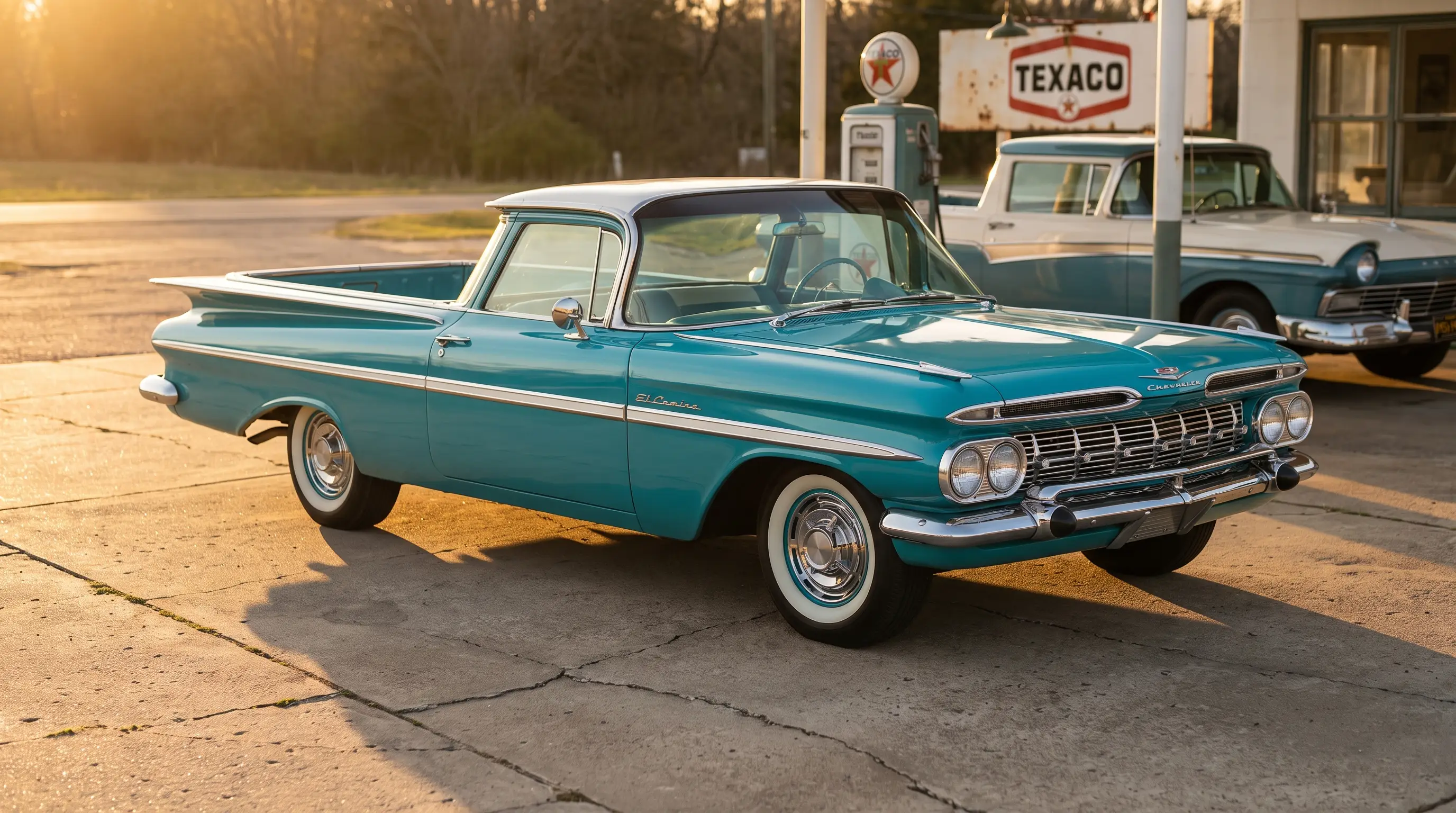
Chevrolet did not invent the car-based hauler concept. Ford beat it to market by two full years with the 1957 Ranchero, and the 1959 El Camino exists specifically because that head start bothered Chevrolet enough to respond. Understanding the El Camino as a reaction, not an original idea, changes how you read almost every decision Chevrolet made on the car, from its size down to its options list.
Ford's two-year lead
The Ranchero launched for the 1957 model year built on Ford's mid-size Fairlane platform, offering a passenger car's ride with a usable steel cargo bed grafted where the trunk used to be. It sold well enough, and drew enough attention in the trade press, that Chevrolet's product planners could not ignore it. Chevrolet had nothing directly comparable in its own lineup through 1957 and 1958, leaving Ford dealers with two full seasons to claim buyers who wanted exactly this kind of vehicle and had nowhere else in a Chevrolet showroom to look.
That gap mattered more than it might first appear, because the car-based hauler buyer of the late 1950s was often cross-shopping against both a full pickup and a passenger wagon, and whichever brand offered a genuine middle option first tended to keep that customer's loyalty through the next several purchase cycles. Chevrolet's response, when it came, needed to arrive with enough presence to reclaim ground Ford had already staked out.
Inside General Motors, the pressure to respond had been building since the Ranchero's first full year on sale. Chevrolet dealers reported losing walk-in customers to Ford showrooms specifically over the category, buyers who wanted the flexibility of a car and a truck in one vehicle and simply had no equivalent Chevrolet product to point to. That kind of direct, dealer-reported customer loss is exactly the sort of pressure that moves a product planning committee, and it explains why the El Camino went from concept to showroom in a compressed timeline rather than following the more leisurely multi-year development cycle Chevrolet used for genuinely new platforms.
Chevrolet's answer, and why it went bigger
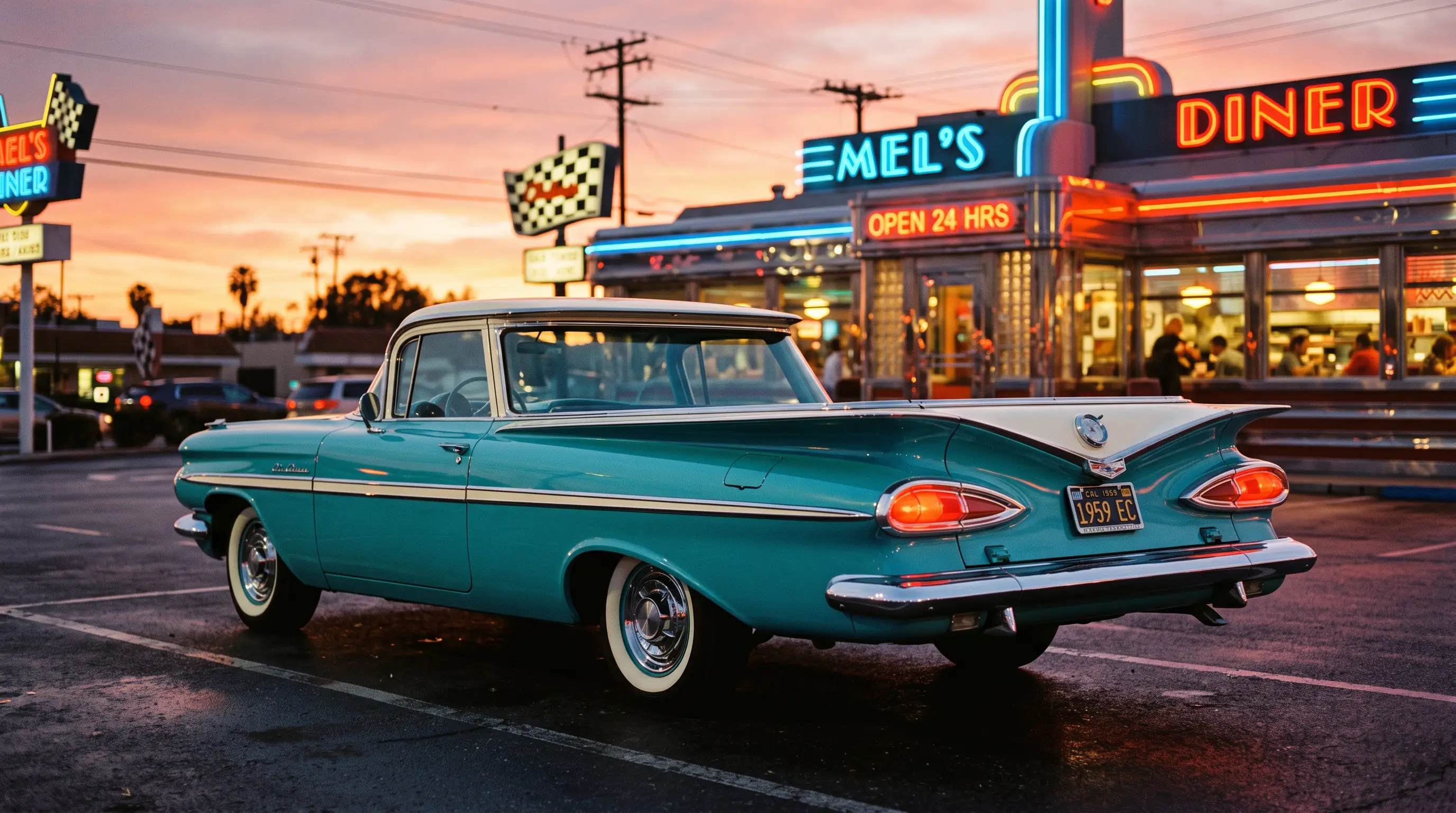
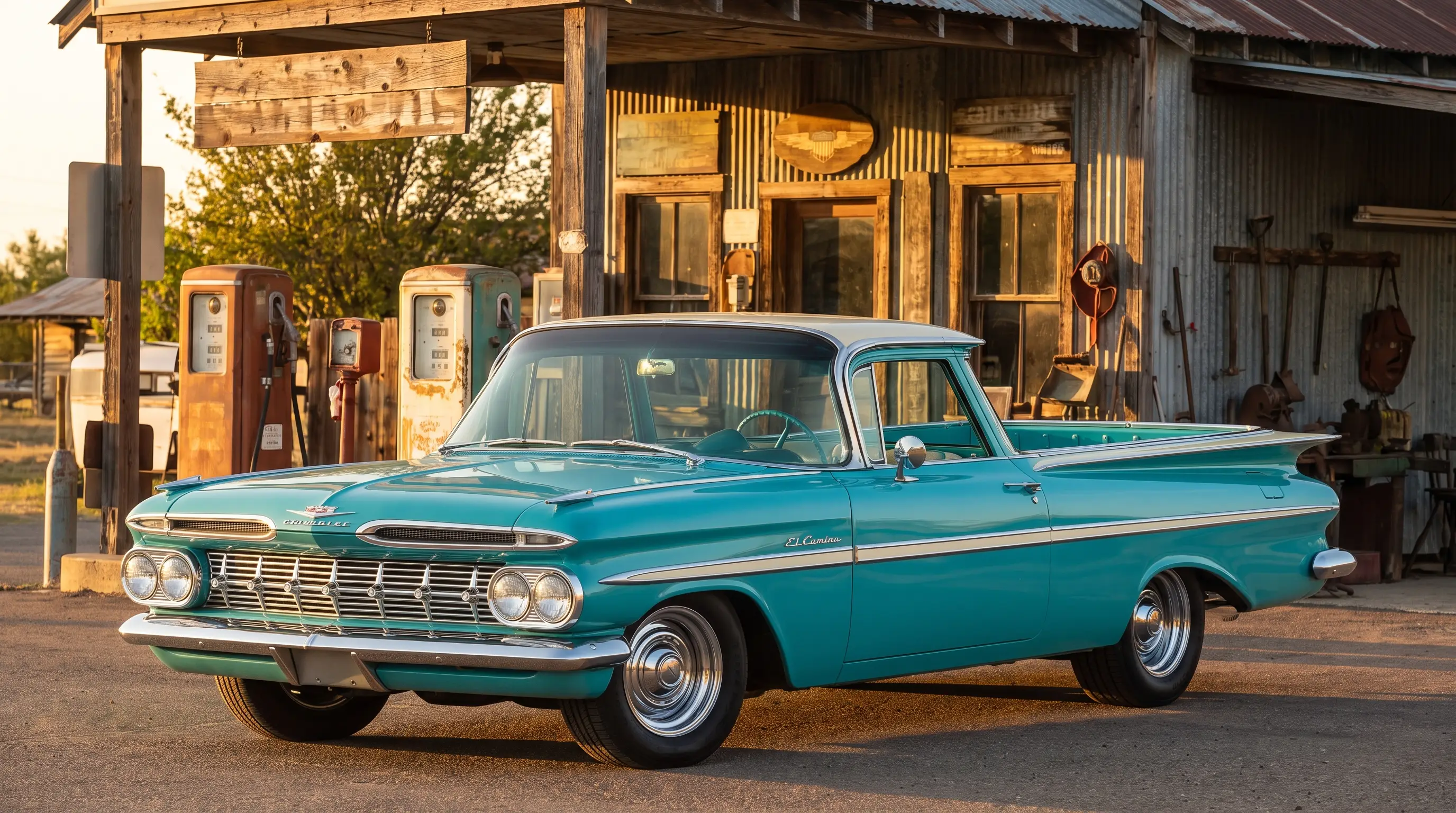
Rather than match the Ranchero's mid-size Fairlane-based approach, Chevrolet built its 1959 response on the full-size Brookwood station wagon platform, a genuinely different strategic choice. Where Ford offered a smaller, arguably more truck-proportioned vehicle, Chevrolet's El Camino arrived as a full-size car with a bed, wearing the same wraparound windshield, batwing tailfins, and Impala-grade brightwork as its flagship sedan. The decision to go bigger rather than simply match the Ranchero's footprint reads as a deliberate attempt to outflank Ford on presence and prestige rather than compete on size-for-size practicality.
That strategy shows up directly in the sales numbers each brand posted. Chevrolet moved 22,246 El Caminos in the 1959 model year, a strong debut that suggests the full-size approach connected with buyers who wanted the biggest, showiest version of this new category rather than the smallest, most truck-like one. Ford's Ranchero, by contrast, continued selling steadily on its smaller platform, and the two nameplates would trade design philosophies back and forth for decades afterward, with both eventually downsizing onto intermediate platforms by the mid-1960s.
Two different bets on the same idea
The Ranchero and El Camino approached the same basic proposition, a car with a bed, from opposite ends of the size spectrum in 1959. Ford's smaller Fairlane-based Ranchero offered better maneuverability and a lower price point. Chevrolet's full-size El Camino offered more presence, a larger bed, and the option of Chevrolet's biggest engines, including the 348 cubic inch Turbo-Thrust V8 with triple two-barrel carburetors. Neither company was wrong about what buyers wanted, since both nameplates found real sales success, but the philosophical split between them is one of the more interesting subplots in American automotive history for anyone who enjoys comparing how two competitors solve an identical problem differently.
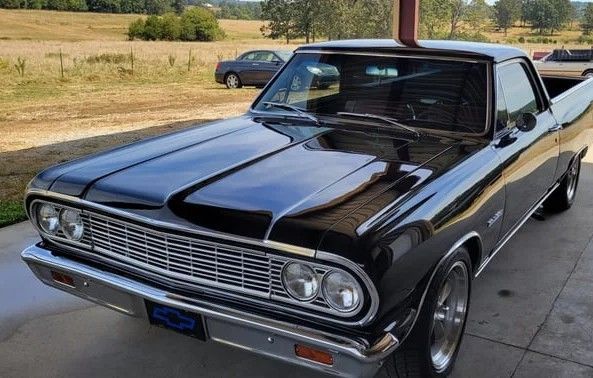
That competition cooled somewhat after 1960, when Chevrolet paused the El Camino entirely for three model years while Ford kept the Ranchero in continuous production. Chevrolet's return in 1964 came on the smaller Chevelle platform, essentially adopting the size philosophy Ford had used from the start, which suggests that in the long run the smaller, intermediate-based approach won the argument, even if the full-size 1959 and 1960 cars remain the most visually distinctive entries either company ever built in this category.
"Every time I catalog a 1959 El Camino, I think about how directly it answers the Ranchero. Chevrolet did not just build a competitor. It built the loudest possible version of one, and that decision is written into every panel of the car."
- Sarah Whitfield
What the rivalry means for collectors now
Buyers researching either nameplate today tend to end up comparing the two directly, and that comparison is worth making with real numbers rather than nostalgia. The El Camino's full-size dimensions mean more bed length and a genuinely different driving character than a Fairlane-based Ranchero of the same vintage, and values for clean, documented 1959 El Caminos have generally tracked upward as the styling story around the batwing year has become better known among newer collectors entering the hobby.
Parts availability tends to favor the El Camino side of that comparison too, since so much of the car's structure interchanges with the far more common Brookwood and Kingswood wagons Chevrolet built in the same body style that year. A Ranchero owner chasing trim or sheet metal is often hunting a smaller universe of shared Fairlane parts, while an El Camino owner has a wider net of full-size Chevrolet donor cars to draw from. That practical difference rarely factors into a buyer's first impression of either nameplate, but it matters considerably once real ownership and restoration work begin.
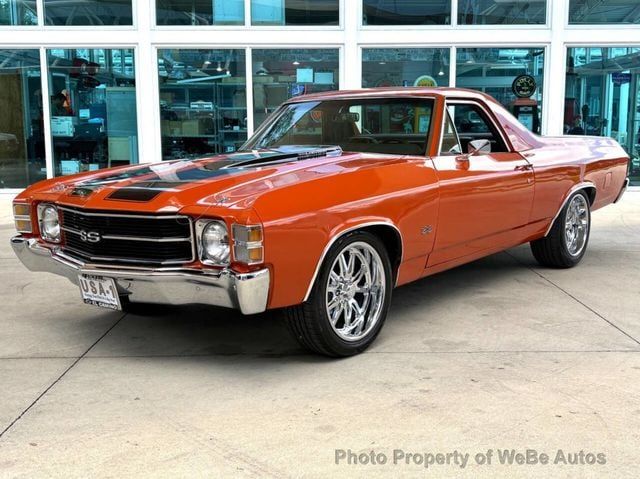
The rivalry did not end with the 1960s downsizing either. Ford kept building Rancheros through 1979, moving the nameplate onto ever-larger platforms as the decades passed, while Chevrolet's second-generation El Camino, launched in 1964 on the Chevelle body, eventually grew into its own muscle-car identity during the SS era of the late 1960s that had nothing directly to do with Ford's product anymore. By the time both nameplates disappeared in the 1980s, they had spent more than two decades leapfrogging each other's size, styling, and performance, a genuinely unusual multi-generation rivalry for a niche vehicle category that many casual observers assumed was a passing fad in 1957.
You can read more on the 1959 el camino for the full production and design history, and the broader arc of how this whole nameplate came together is covered in where this started. For anyone who wants to see how the full-size approach actually looks and drives, there are usually classic El Caminos on the market worth cross-shopping against a period Ranchero before deciding which side of this old rivalry appeals to you more.