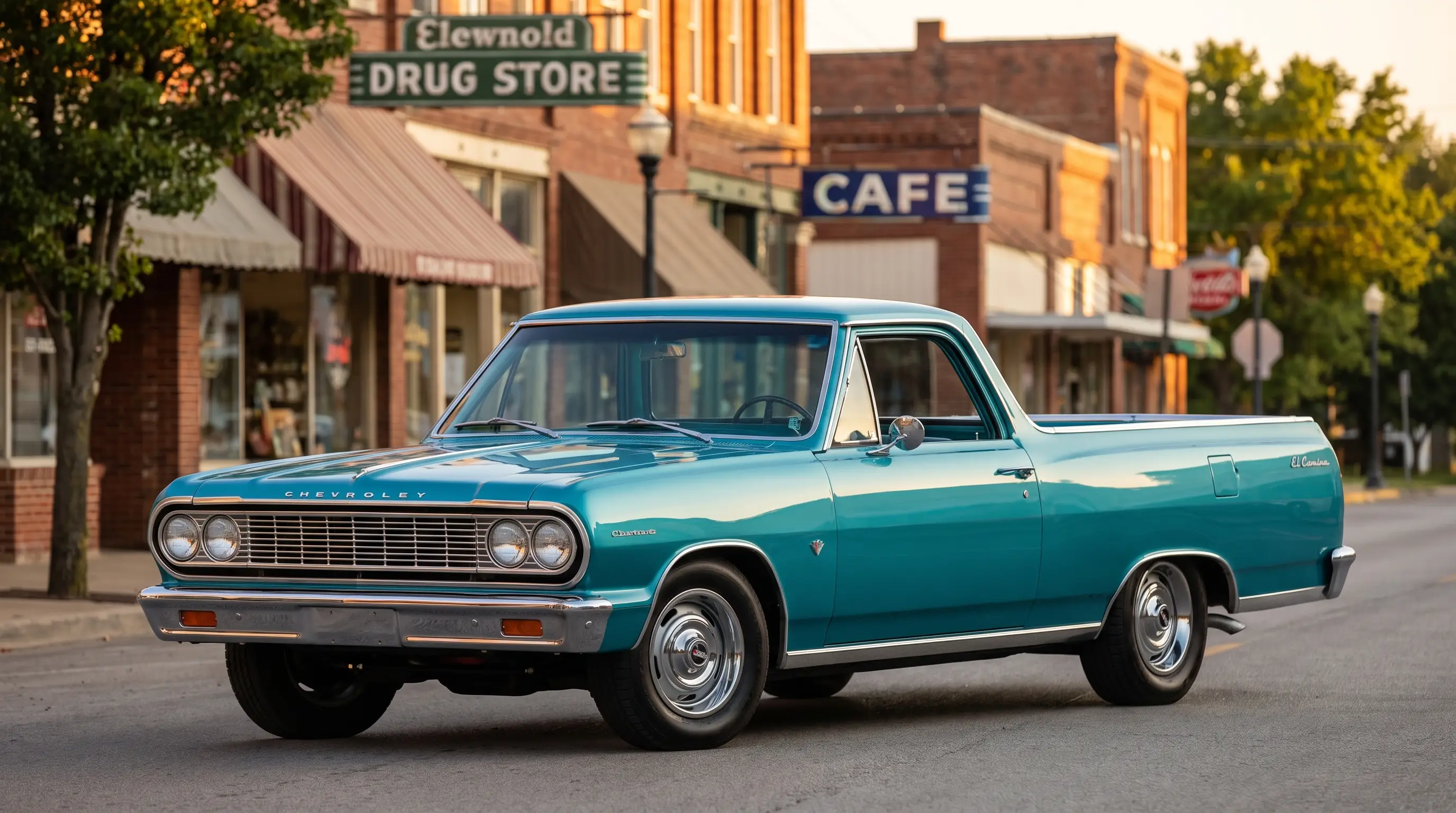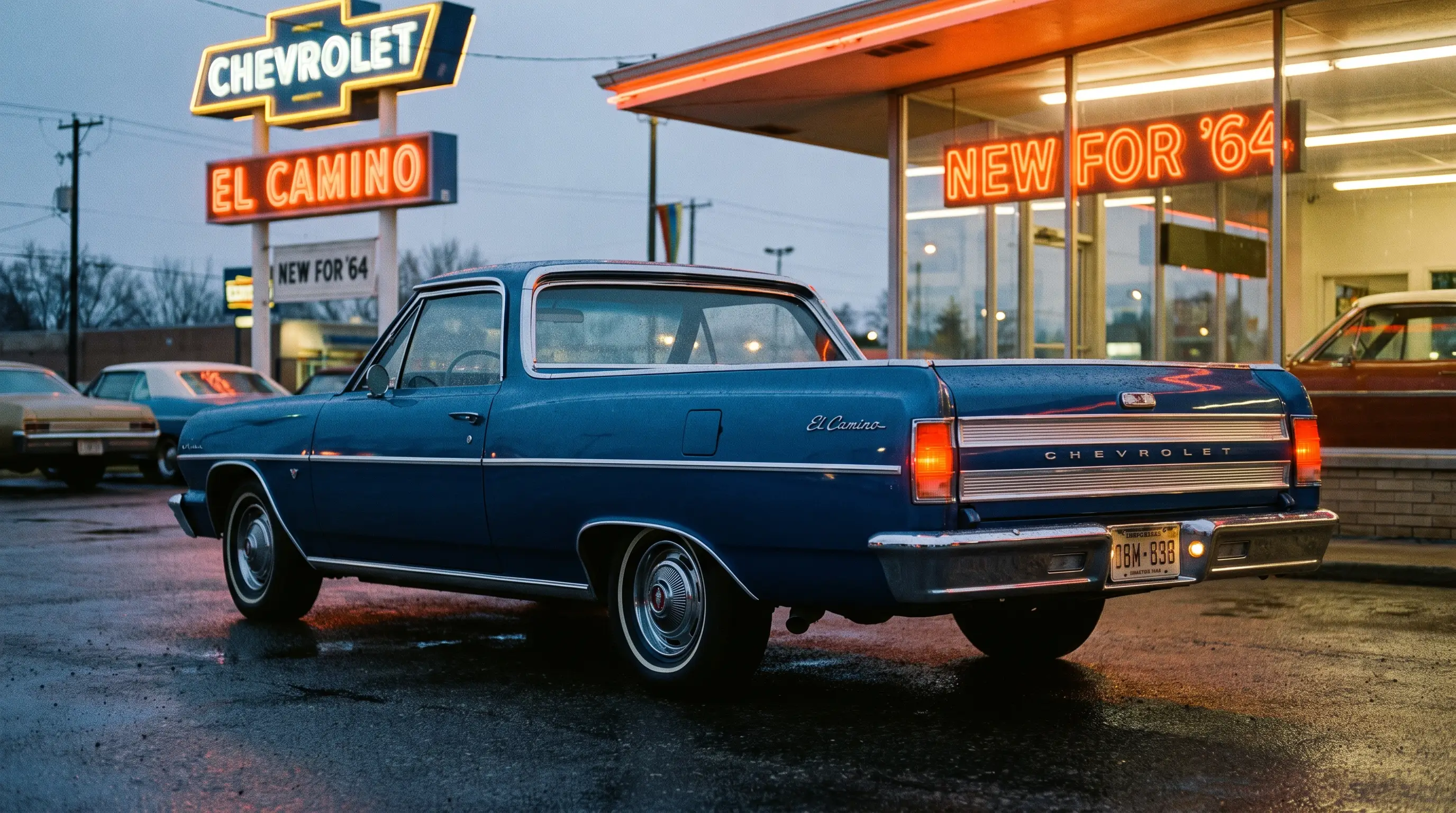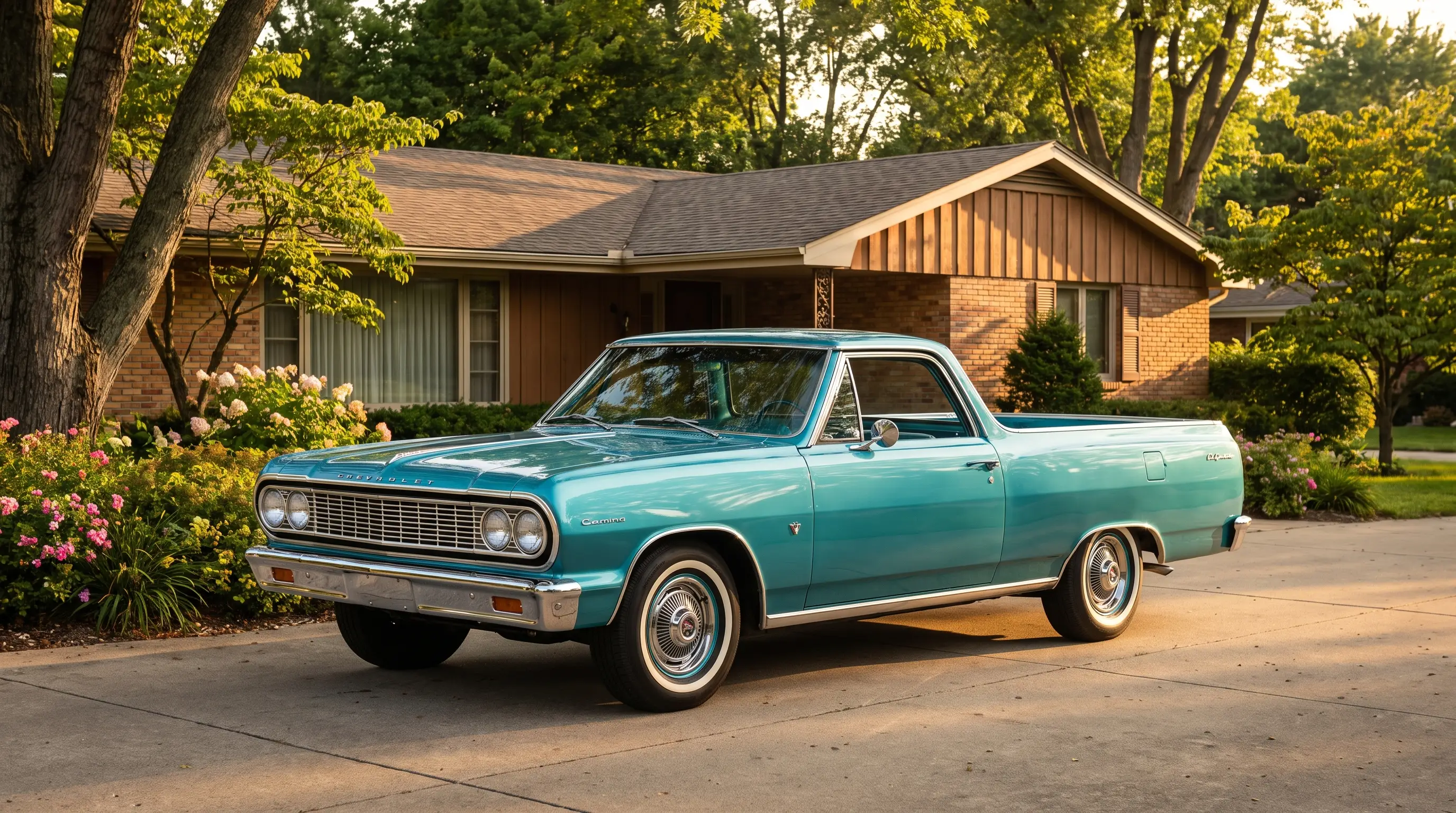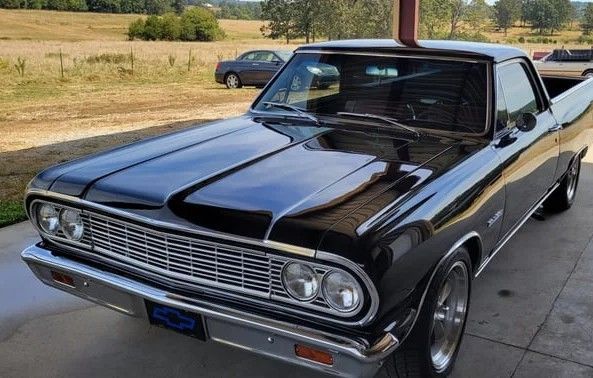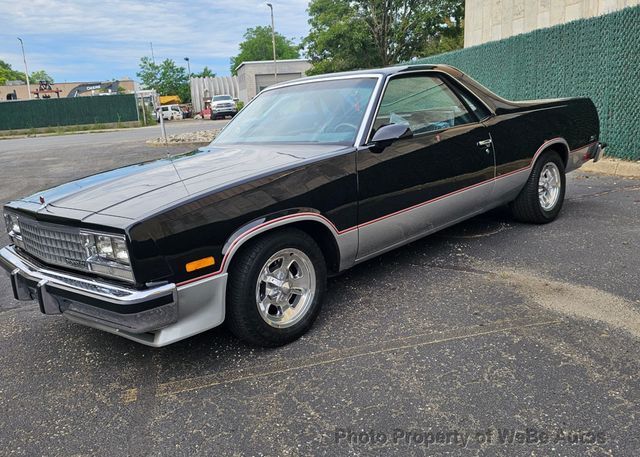
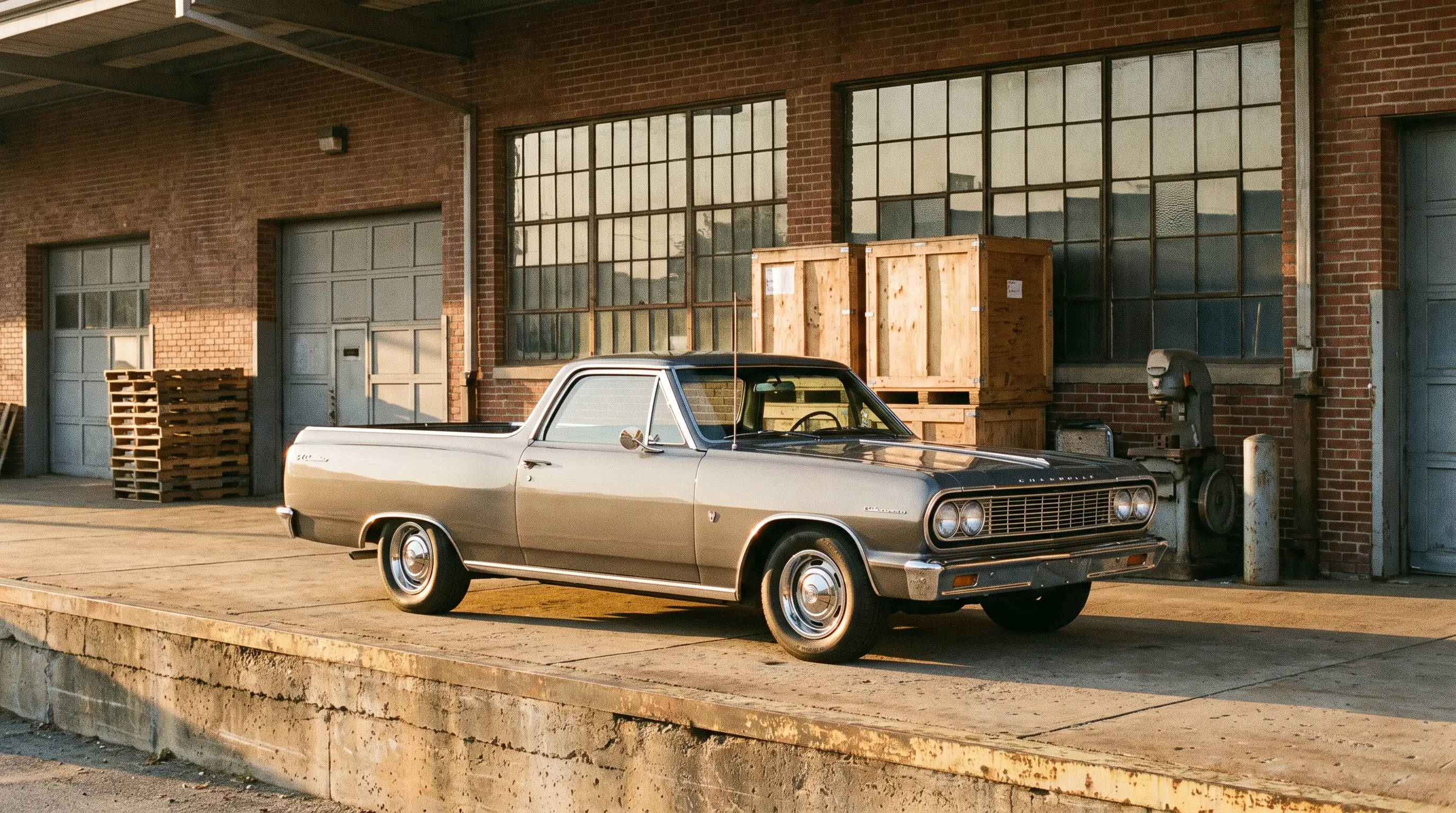
A car does not need a dramatic redesign to be reborn, sometimes it just needs the right foundation. That is the quiet truth behind the el camino 1964 chevelle platform genius, the engineering decision that took a discontinued nameplate and gave it a home sturdy enough to carry it through more than two additional decades of production.
Why the original platform failed the concept
When Chevrolet built the first El Camino for 1959 and 1960, it did so on the full size chassis shared with the Impala and Bel Air. That platform was never designed with a low volume derivative in mind. It was expensive to tool for a niche body style, heavy in ways that worked against the light utility purpose of a car truck hybrid, and priced in a range that limited the car's appeal to buyers who might otherwise have been drawn to something more affordable. The concept behind the El Camino was sound from the start, but the platform beneath it was fighting the idea rather than supporting it.
Chevrolet's decision to discontinue the model after just two years reflected this mismatch clearly. The problem was never a lack of interest in a car that could haul light loads while still driving like a passenger vehicle, it was that building such a car on full size underpinnings made the economics difficult to sustain at the modest volumes the segment could support.
The Chevelle solves the equation
The Chevelle, introduced for the 1964 model year as Chevrolet's new mid size entry, solved nearly every problem the original El Camino's platform had created. It was lighter than the full size car, built around a body structure that was cheaper to produce, and already scheduled for high volume manufacturing as a sedan, coupe, and wagon. Adding an El Camino variant to that existing production run required far less dedicated tooling than building the vehicle from scratch, since the cab, front clip, and much of the drivetrain lineup could simply carry over from the passenger car versions.
This is the genius in the platform decision, not a single stroke of design brilliance but a recognition that the El Camino idea needed to be a derivative of a high volume platform rather than a standalone product competing for its own dedicated resources. Once that alignment was in place, the car truck hybrid concept finally had the economic support it had lacked the first time around.
What the shared platform meant for buyers
For the customer standing on a dealership lot in 1964, the platform decision translated into a more attainable price and a more refined driving experience than the original El Camino had offered. The Chevelle's lighter unit body construction gave the new El Camino noticeably better road manners than the full size version, while the shared parts bin meant that maintenance and repair costs stayed reasonable, since replacement components were the same ones already flowing through dealer parts departments for the Chevelle sedan and wagon.
This kind of platform sharing was still relatively novel for Chevrolet's product planners in the early 1960s, at least at this scale for a low volume derivative. Earlier attempts across the industry to build variant body styles on shared platforms had often involved more compromise, with the derivative model absorbing awkward proportions or diminished capability in exchange for lower cost. The El Camino avoided that trap almost entirely, since its bed addition sat naturally behind the existing cab structure without requiring any unusual stretching or shortening of the wheelbase, which meant the finished vehicle looked like a purpose built design rather than an afterthought bolted onto an existing car.
Sarah Whitfield has examined the engineering documentation from this transition closely, and what stands out is how deliberately Chevrolet treated the El Camino as an extension of an existing successful platform rather than as its own isolated project. That approach reduced risk on both sides of the business, for Chevrolet in terms of development cost, and for the buyer in terms of long term ownership expense. For the fuller account of how this all came together, our complete history of the 1964 model covers the launch details this platform decision made possible.
"The Chevelle did not just give the El Camino a chassis to sit on, it gave the whole concept a business case that could survive more than two model years. That distinction is easy to overlook, but it is the entire reason the nameplate lasted into the 1980s."
- Sarah Whitfield
Shared components in practice
It helps to look at exactly what carried over between the Chevelle and the new El Camino, since the scale of that sharing is what made the economics work. This was not a case of two vehicles that merely resembled each other, it was a genuine parts sharing arrangement across the majority of the car.
| Component | Source |
|---|---|
| Cab and front sheet metal | Chevelle sedan and wagon tooling |
| Frame and suspension | Chevelle mid size unit body architecture |
| Engine and transmission options | Shared Chevelle drivetrain lineup |
| Bed structure | El Camino specific, added behind the shared cab |
That last line is really the only meaningfully bespoke piece of the entire vehicle. Everything forward of the cargo bed was, for all practical purposes, a Chevelle, which is precisely why the tooling investment stayed manageable and why Chevrolet could offer the El Camino at a price competitive enough to draw buyers away from Ford's Ranchero, its most direct rival throughout this era.
A decision that outlived its own generation
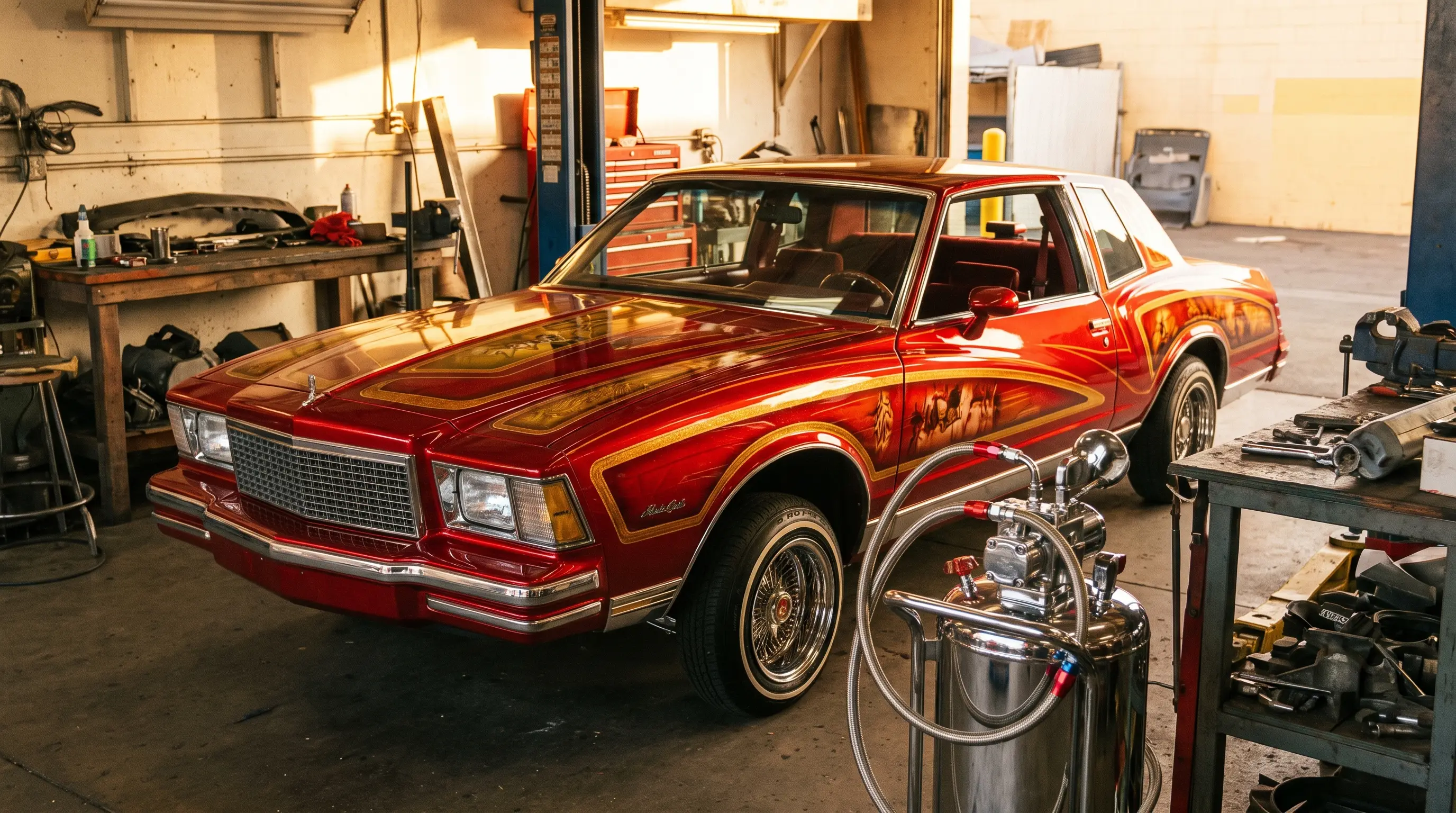
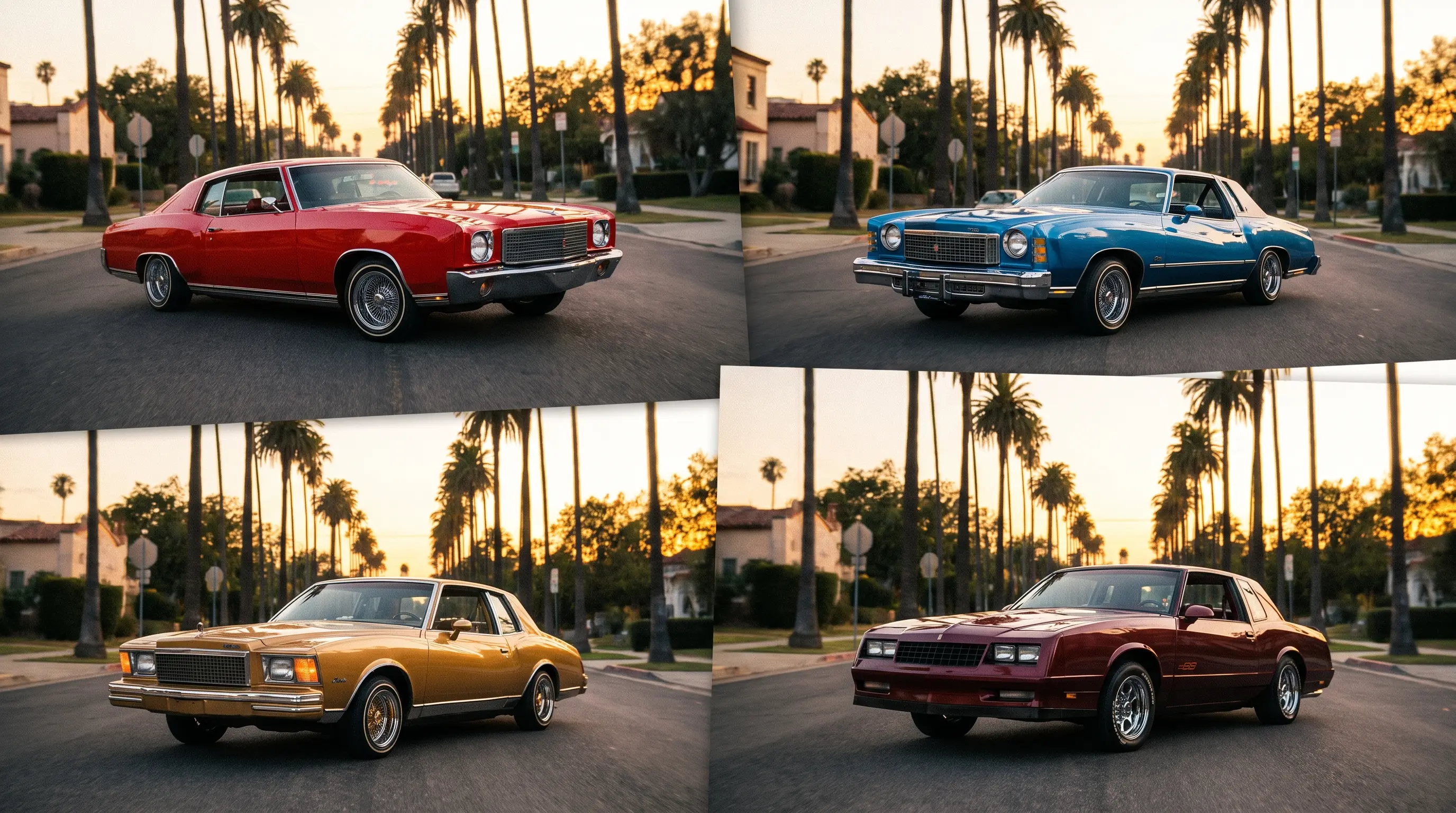
The Chevelle based approach did not just rescue the El Camino for 1964, it set the pattern the model would follow for the rest of its production life. When the Chevelle itself evolved through the muscle car era of the late 1960s, the El Camino evolved alongside it, gaining access to the same big block engine options and Super Sport trim packages that made the Chevelle famous. When GM moved to the downsized G-body platform in the late 1970s, the El Camino followed that transition too, again riding on a mid size architecture rather than reverting to anything resembling the original full size approach.
That consistency is the real legacy of the 1964 platform decision. It established a rule Chevrolet would not deviate from again, that the El Camino belonged on whatever mid size platform the company was currently building at scale, never on a bespoke or full size foundation. Readers who want to see cars built on the exact generation that established this rule can look at the find a classic El Camino listings currently available, each one a direct product of the platform decision that made the nameplate's long run possible in the first place.