
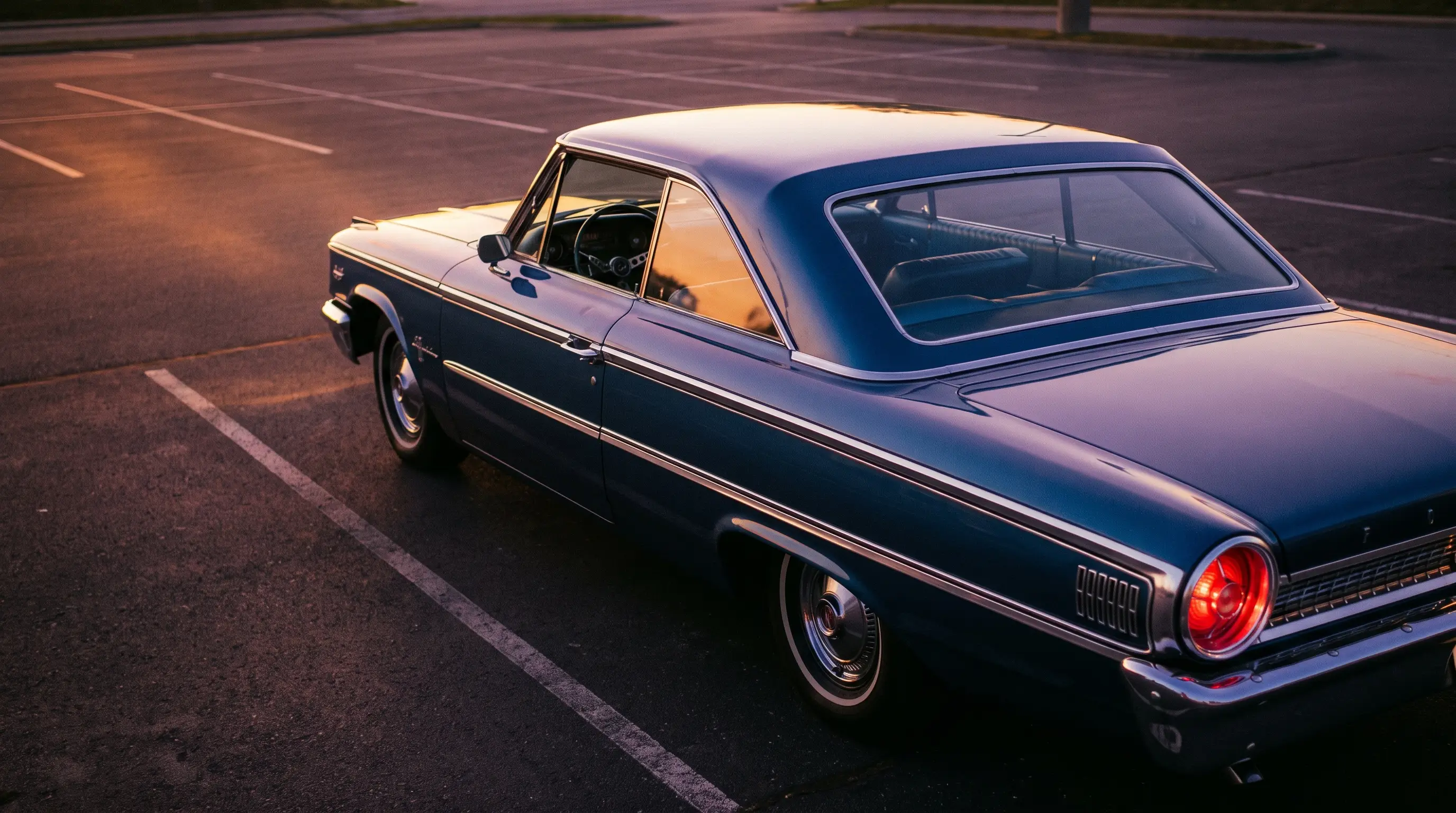
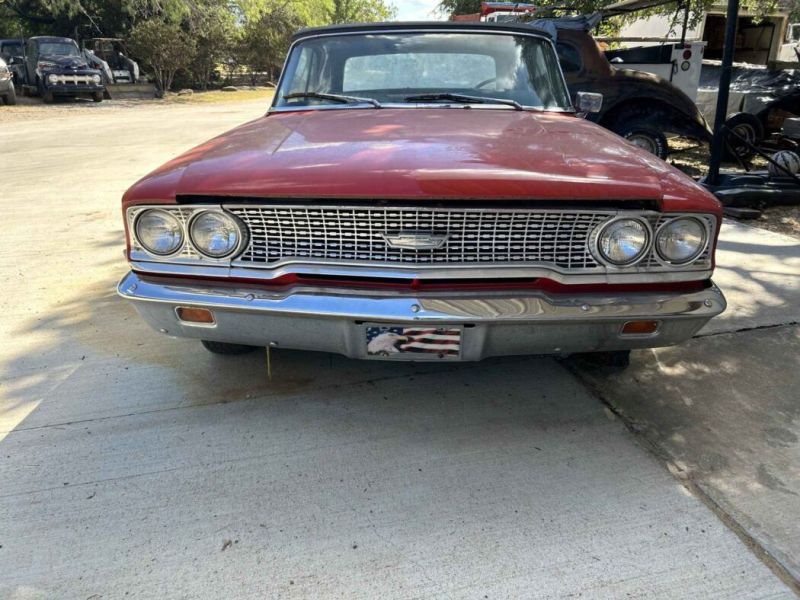
Somewhere in a Ford design studio in 1962, a stylist decided the Galaxie 500 XL deserved a roofline that ran like a single unbroken line from the windshield to the rear bumper, and the result became the ford galaxie 500 xl fastback sport hardtop, a body style that gave the whole XL package a silhouette distinct enough to spot from across a parking lot. It arrived quietly compared to the noise Ford made about engines and horsepower that same decade, but it changed how a full-size car could look without changing what it could carry, and that quiet change is the part of the XL story people tend to overlook first.
Car Features
6 min read
The XL Sports Hardtop: Fastback Style With Sport Trim
The Sports Hardtop fastback gave the Galaxie 500 XL a silhouette distinct enough to spot across a parking lot, and it still ages gracefully today.
A roofline built to suggest motion
Full-size American cars of the early sixties mostly carried upright, formal rooflines, the kind that made sense for a family sedan built to prioritize headroom and rear visibility over anything resembling drama. The Sports Hardtop fastback broke from that formula deliberately, sweeping the roof back in a shape that borrowed visual language from sportier, smaller cars and applied it to a full-size Galaxie. The effect was subtle rather than radical, since Ford never sacrificed the practicality that made these cars appealing to families in the first place, but the silhouette read as sportier the instant you saw one parked next to a standard notchback hardtop.
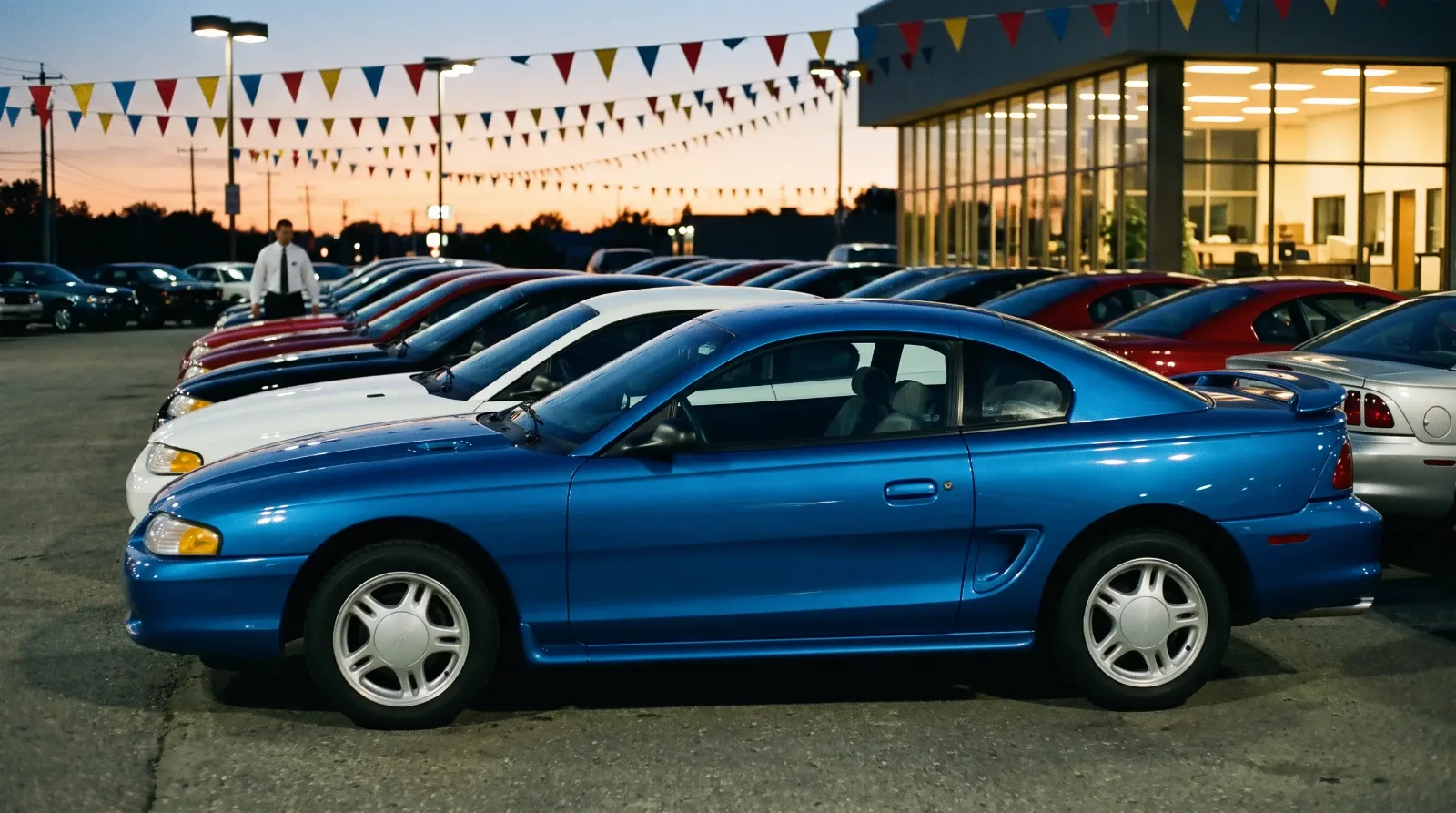
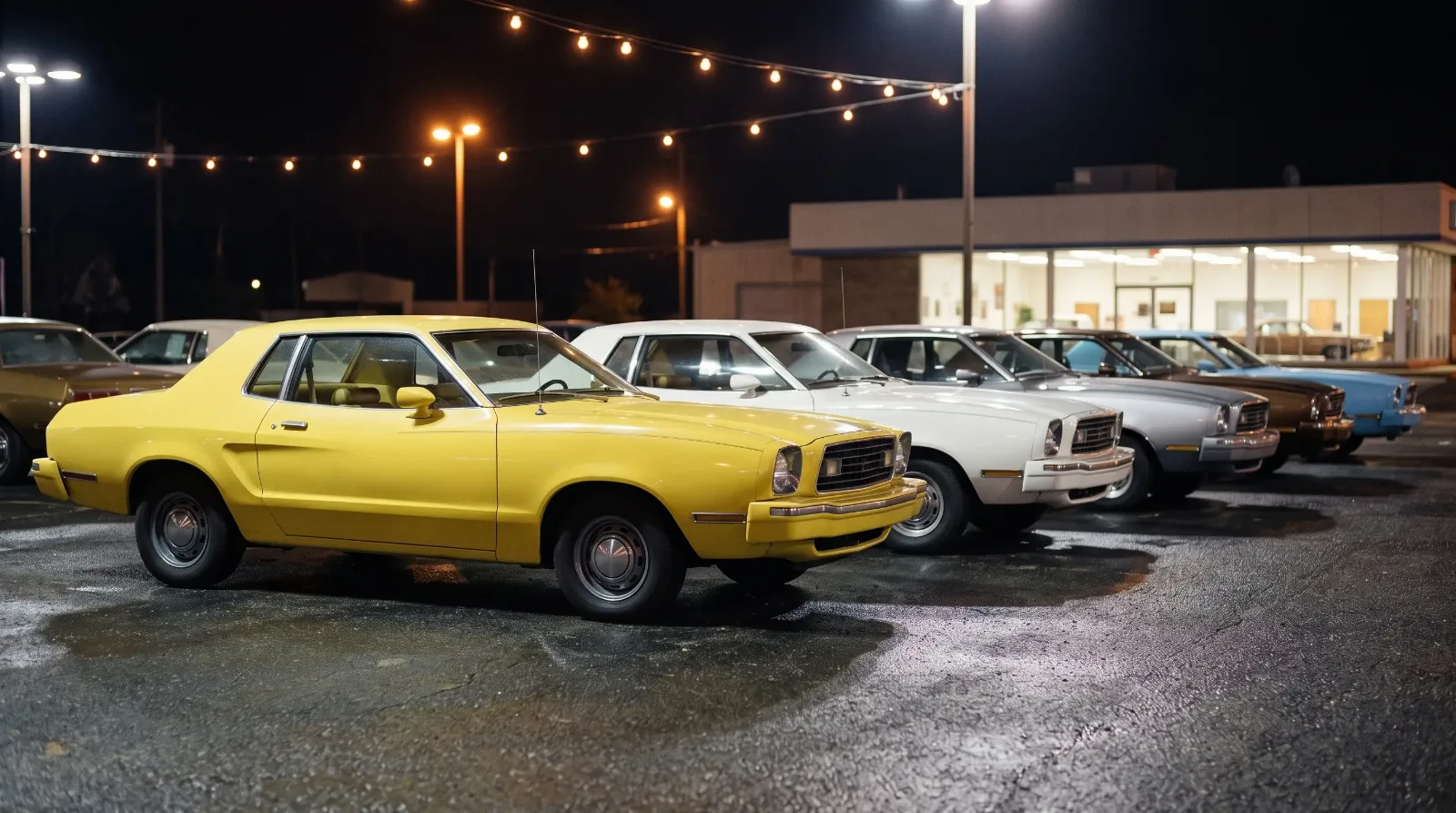
That design choice mattered because it gave the XL package something the bucket seats and console alone couldn't provide: a visual identity visible from fifty feet away, long before anyone got close enough to notice the interior trim. A buyer walking a dealer lot could spot the fastback roofline and know instantly they were looking at something dressed up beyond the standard Galaxie 500, even before a salesman said a word about the bucket seats waiting inside.
The people who chose this roofline
Buyers who specifically sought out the fastback Sports Hardtop tended to be people who cared about how their car looked parked in the driveway as much as how it drove down the highway. A father who wanted his family sedan to also feel like a personal statement gravitated toward this body style in a way he might not have toward a plain notchback Galaxie 500, even with an identical engine and interior underneath. The roofline sold a feeling, and Ford's dealer network understood that feeling was worth marketing on its own terms, separate from the horsepower conversations happening around the 427 elsewhere in the lineup.
There's something almost tender about that motivation when you sit with it. These weren't race car buyers chasing elapsed times. They were people who wanted their ordinary Tuesday commute to feel like it belonged to someone with a bit of style, someone whose car turned a head or two on the way to church or to a Friday night dinner out. The fastback roofline gave them that without asking them to give up a single practical thing they needed from a full-size Ford.
What became of these cars over time
Fastback rooflines age differently than notchback ones in the collector world, and the Sports Hardtop has aged gracefully. Where some period styling choices read as dated or overwrought decades later, the fastback's clean, unbroken line still photographs beautifully at a modern car show, standing next to far younger classics without looking out of place. That timelessness has helped keep interest in these specific cars alive among collectors who might otherwise have overlooked a full-size Ford in favor of something smaller and sportier.
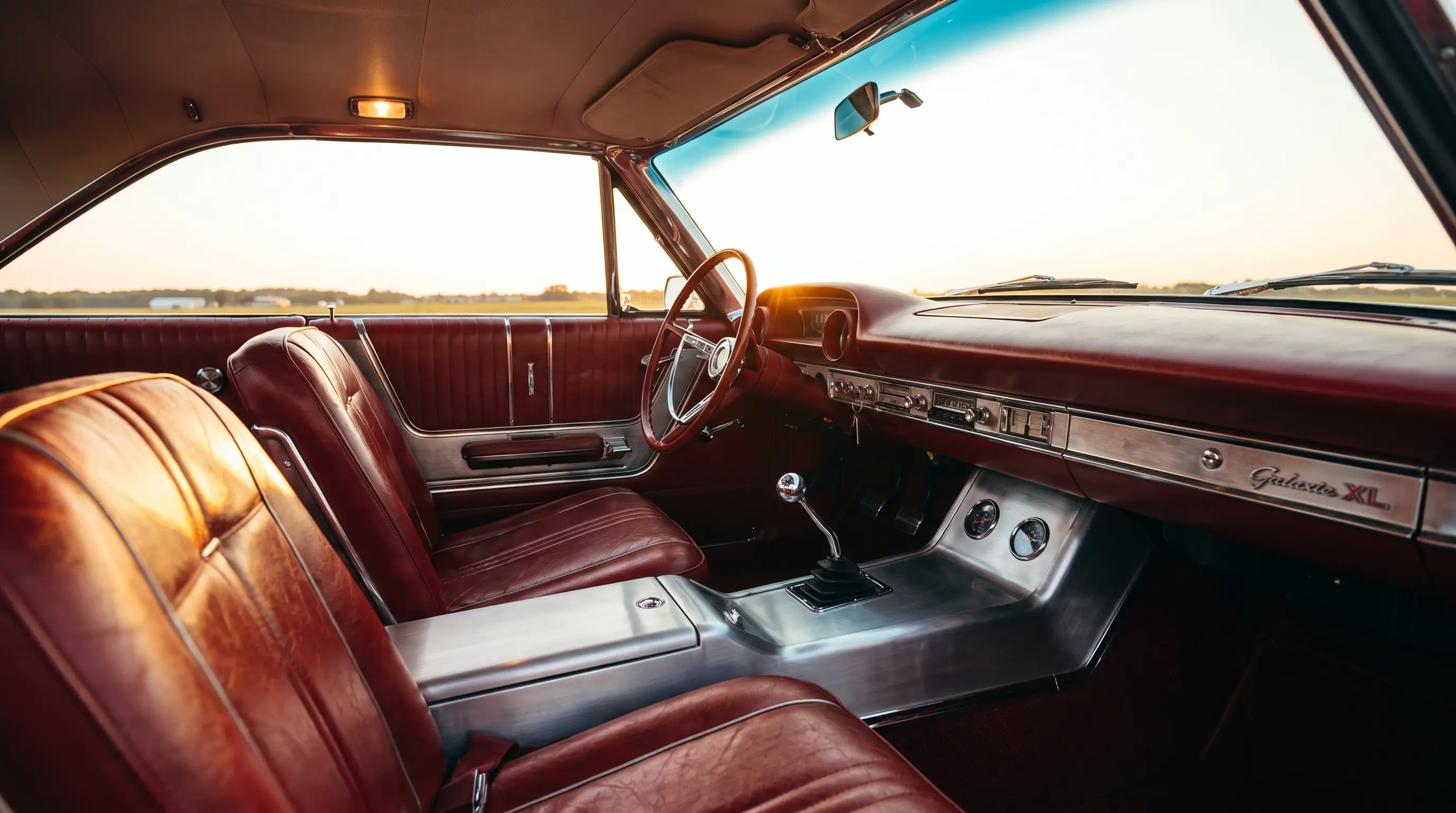
Survivors in original condition carry real value today, particularly when the fastback body style is paired with the bucket seat and console interior the XL package always promised. Finding one with both elements intact and unmolested, roofline and interior both honest to how the car left the factory, has become the kind of quiet find that rewards patient searching more than aggressive bidding at a headline auction.
"It's a roofline built for someone who wanted their ordinary Tuesday to feel a little more like a Saturday. That's a small thing, and it's also everything."
- Nora Beckett
How it looked next to its rivals
Ford was not the only manufacturer chasing this fastback look in the early sixties. Chevrolet and Pontiac both experimented with sweeping rooflines on their own full-size performance-adjacent models around the same years, part of a broader industry recognition that a car's silhouette sold buyers on an emotional level that spec sheets never could. What set Ford's Sports Hardtop apart was restraint. The line stayed clean rather than overly dramatic, avoiding the kind of exaggerated tailfin-era flourishes that dated some competing designs within a few years of their debut.
That restraint is precisely why the fastback still reads as handsome rather than a period curiosity today. A car styled to chase a passing trend usually looks like exactly that once the trend passes, but Ford's designers built something closer to a quiet, confident statement, one that has aged into a kind of understated elegance rather than a dated novelty. Walk a modern concours field and the fastback Sports Hardtop still holds its own against cars decades younger, which says something about how well the original design held up.
Finding one worth the search
Anyone drawn to this specific body style should expect to look a while before finding a genuinely correct example, since fastback production ran lower than the standard notchback hardtop across most of the years it was offered, and finding one that also carries a well-preserved bucket seat and console interior narrows the search further still. Patience pays off here more than almost anywhere else in the Galaxie world; a fastback found in honest, original condition carries a story worth telling that a more common body style simply can't match, and that story only gets better the longer an owner spends learning it.
For the broader arc of how the XL package came together across its entire run, read the background covers the trim line from its 1962 debut forward. Those ready to see what's currently on the market, fastback or otherwise, can find a classic Galaxie and begin the search for a car with this quiet, distinctive line.
Whoever eventually parks one of these in their own driveway is inheriting more than a roofline. They're inheriting the small, human decision of a person decades ago who looked at a lot full of ordinary Galaxies and picked the one shaped like something a little more special, for reasons that probably had less to do with logic than with how the car made them feel pulling out onto the road for the first time.
Sources and notes
Related Reading
Have a
Ford Galaxie
for Sale?
Reach thousands of serious classic car collectors across the US.
Sell It Here →
Selling a classic? Here's how: where to sell your classic car online
Are You a Classic Car Dealer?
List your full inventory and connect with targeted classic car buyers.
Join as a Dealer →
#collector cars
#fastback design
#classic Ford styling
#ford galaxie
#galaxie 500 xl
#1960s car design

About the author
Nora Beckett
Automotive features writer and photographer who tells the human stories behind the cars, from show fields to cross-country road trips.


Now, I came close on a '64 XL fastback years ago, buckets and console all there, 390 under the hood. Walked away over the trunk floor. The seller had patched it with a sheet of aluminum and pop rivets and called it solid.
Teched plenty of R-code Galaxies at Englishtown. Nice roofline. Still too heavy for the quarter. Always was.