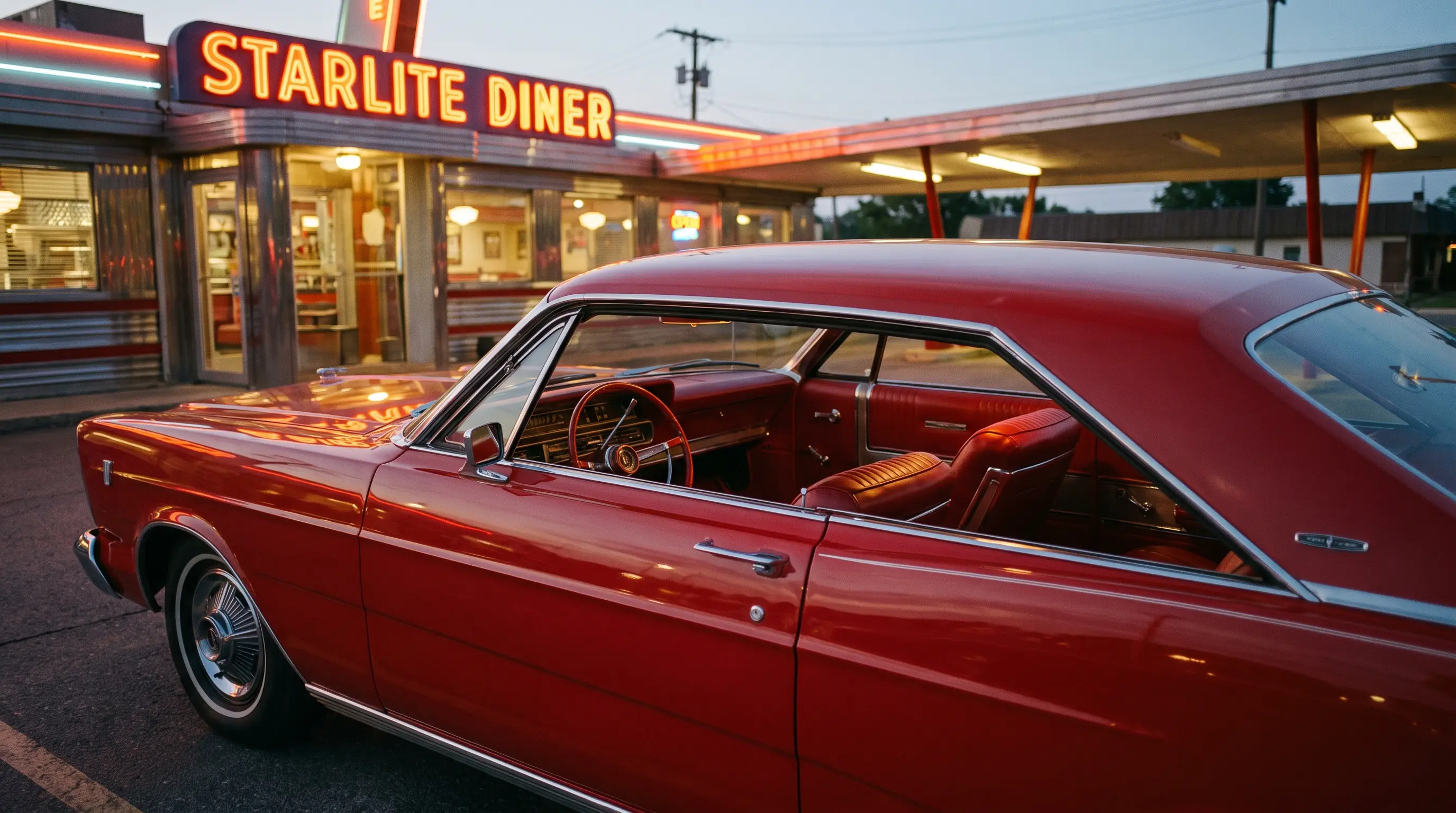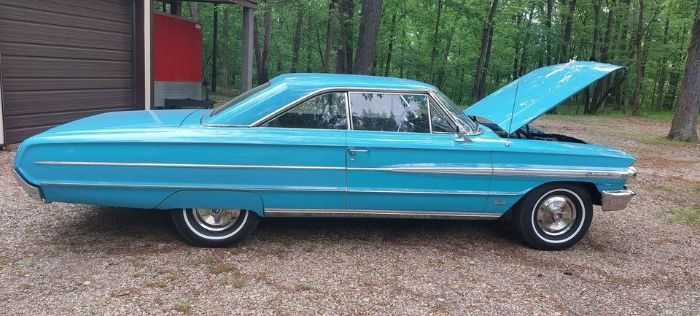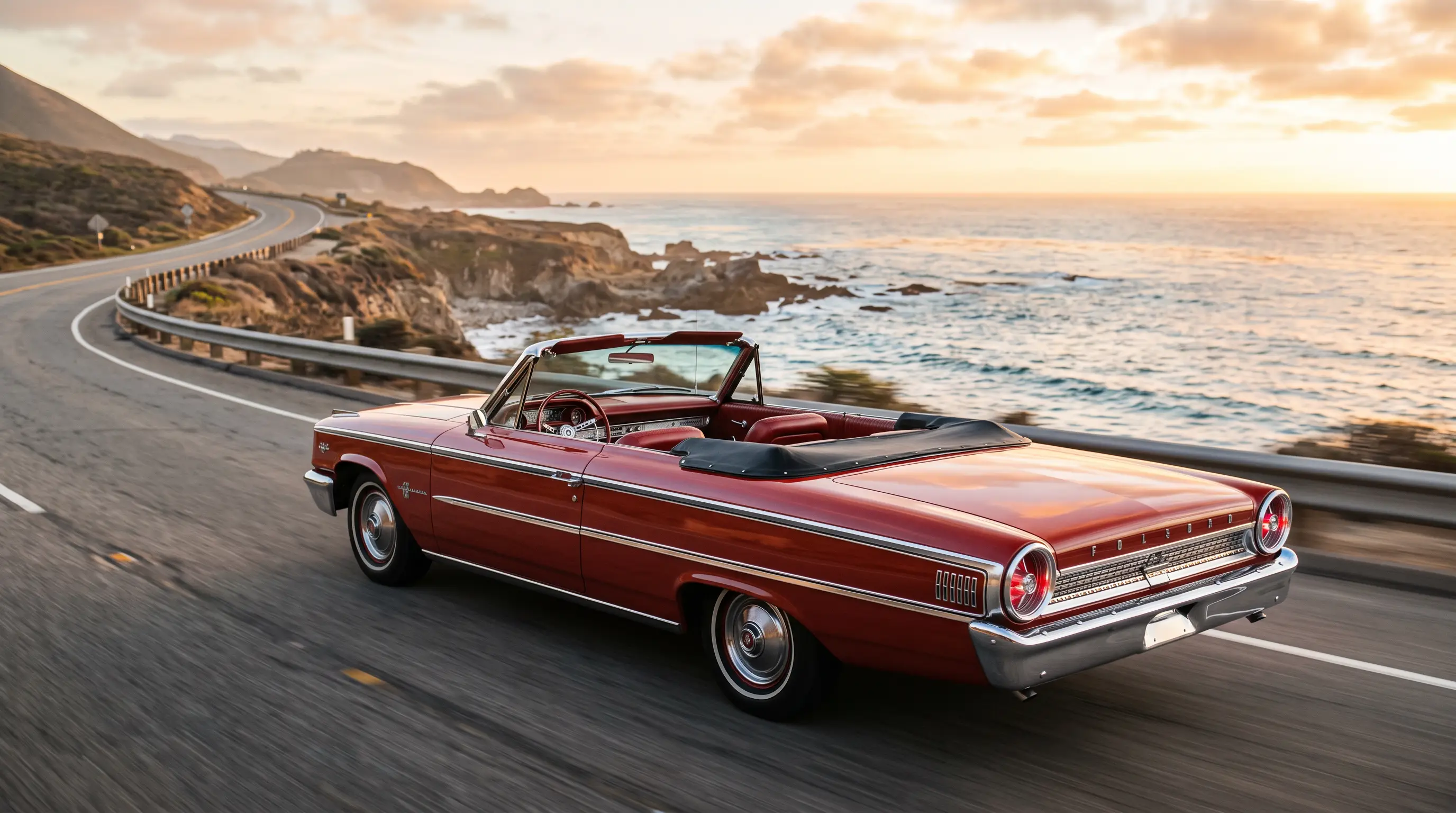
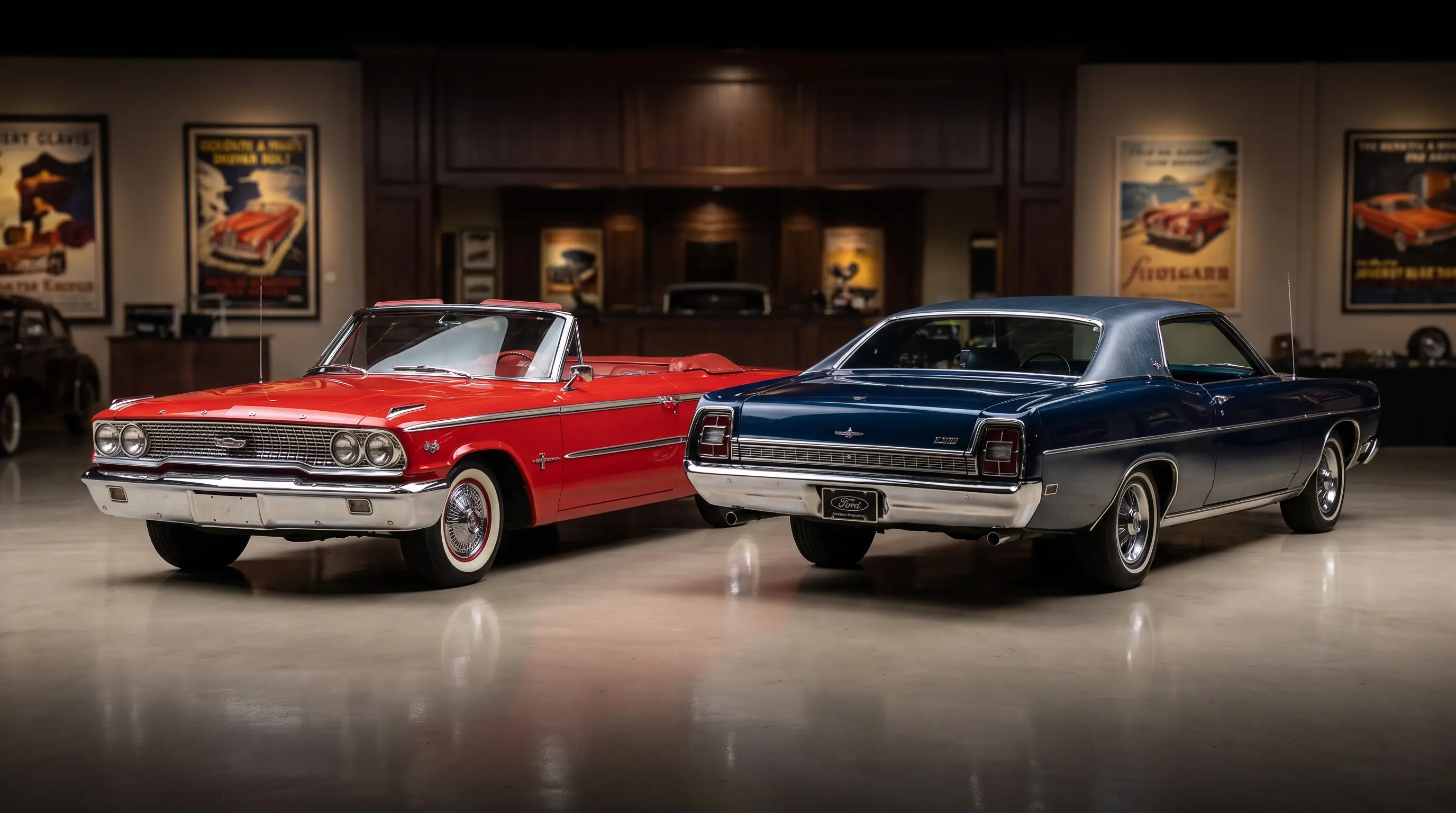
A Ford dealer in 1966 had a genuine problem on his showroom floor. Two cars, both built on the same full-size platform, both wearing a Galaxie badge somewhere on the body, and both aimed at a buyer who wanted more than the plain-Jane Galaxie 300. One was the 500 XL, bucket seats and a console and a sporting pretense. The other was the brand new LTD, quieter, plusher, and unmistakably aimed at a different kind of customer. The ford galaxie 500 xl vs ltd image split wasn't a marketing accident. It was Ford deliberately splitting its full-size lineup into two personalities at once, and it worked well enough that one of those personalities eventually swallowed the other.
Two cars chasing two different buyers
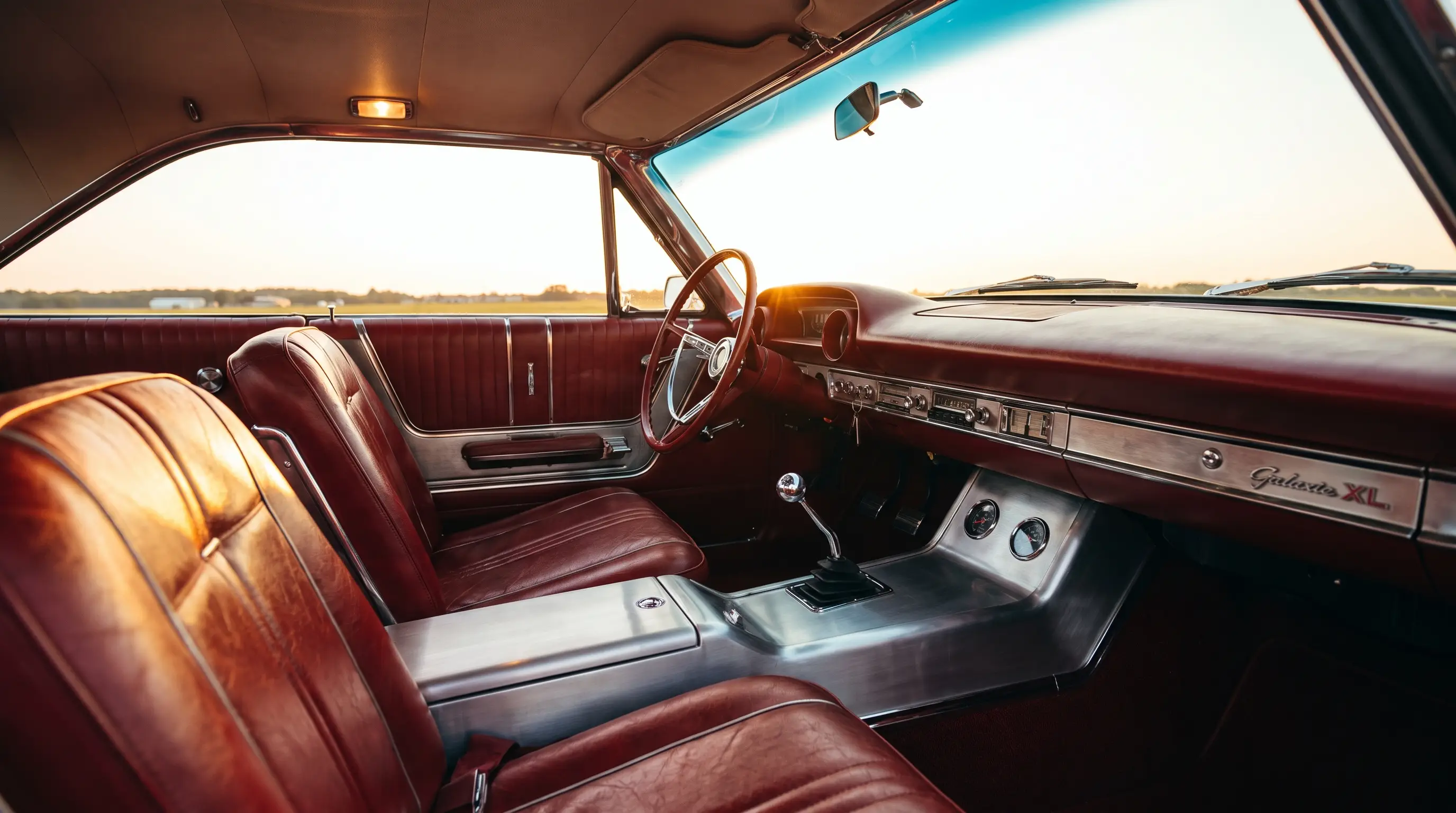
The 500 XL had been around since 1962, built on the idea that a full-size Ford could still feel sporty if you gave it the right seats and console. It leaned on bucket seats, floor shift availability, and a dash that looked like it belonged to something quicker than it usually was. The LTD showed up in 1965 as a top trim option, then became its own line by 1966, and it went the other direction entirely. Extra sound insulation, a padded vinyl roof standard on some versions, a plusher bench seat option, and interior materials that were closer to what you'd find in a Mercury than a mainstream Ford. Where the XL wanted to feel athletic, the LTD wanted to feel expensive.
That split showed up in advertising too. XL ads leaned on youth, motion, and often a NASCAR connection dropped somewhere in the copy. LTD ads talked about quiet rides and Rolls-Royce comparisons, a claim Ford actually made in print at the time about interior noise levels. Reading the two campaigns side by side, you'd barely guess they were selling variations of the same basic car.
What buyers were actually choosing between
Underneath the trim, a 500 XL and an LTD from the same model year often shared a huge amount of sheet metal, glass, and chassis engineering. The real difference sat in the cabin and in how each car was positioned to the buyer standing on the lot. Someone cross-shopping the two wasn't really choosing between two engineering packages. They were choosing an identity: sport coupe energy dressed in a full-size body, or a quieter, more formal car built for comfort over image.
Engine choices overlapped enough that horsepower rarely settled the argument. Buyers picked based on how the car felt to sit in and how it would read in the neighbor's driveway. That's a very human way to buy a car, and Ford understood it better than most manufacturers of the era.
I've talked to a handful of original owners over the years who cross-shopped exactly this pair on the same weekend, and the story is always some version of the same thing. One couple wanted the bucket seats and the console because their teenage kids would be riding along and the console meant less sliding around on turns. Another buyer, closer to retirement, wanted the quiet LTD ride because his commute was ninety minutes each way and he'd had enough of feeling every seam in the interstate. Neither one cared much about the badge itself. They cared about what the car promised their next five years would feel like.
Dealers noticed the pattern fast enough that showroom floor plans in this era often put the two nameplates near each other on purpose, letting the contrast do the selling. A salesman didn't need to explain much. Sit in one, then sit in the other, and the difference in seat bolstering and dash layout told the story faster than any brochure could.
How the styling told the story before you even opened a door
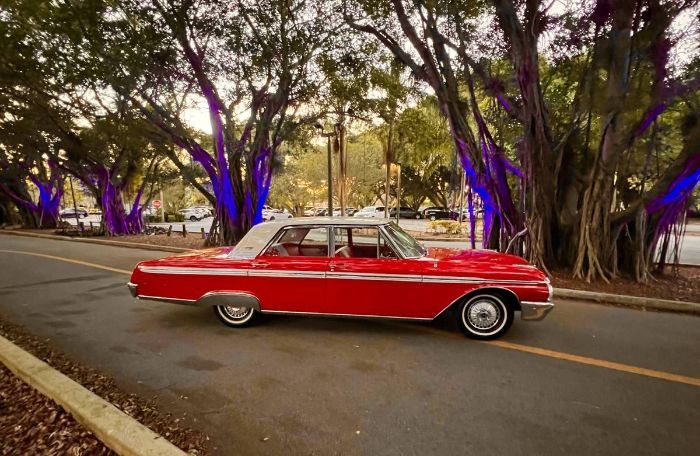
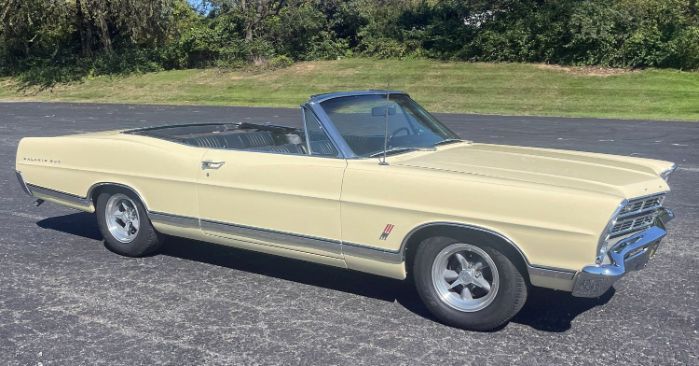
Ford's designers leaned into the split visually too. XL cars through the mid-1960s kept a lower, longer roofline on their two-door body styles and trim details that suggested speed even sitting still, chrome accents that ran horizontally to stretch the car's visual length. LTD styling, by contrast, favored a more upright greenhouse and softer creases, cues borrowed from Ford's Thunderbird and eventually its Lincoln lineup to suggest formality rather than motion. Stand a 1967 500 XL hardtop next to a 1967 LTD sedan and the family resemblance is obvious, but so is the intent behind each one. Ford wasn't just selling two trim levels. It was selling two different mental pictures of what a full-size car owner wanted to feel like behind the wheel.
Why the XL eventually lost the argument
Through the late 1960s and into the early 1970s, American buyers kept drifting toward comfort and quiet over sportiness in the full-size segment, and Ford's sales numbers tracked that shift closely. The LTD name kept climbing in importance while the XL package slowly got squeezed into fewer configurations, then folded away as Ford consolidated its full-size trims. It wasn't that the 500 XL was a bad car. It was that Ford's own buyers were telling the company, model year after model year, which personality they actually wanted to drive home.
Anyone who wants the ford galaxie 500 xl story from the beginning can trace exactly how that sporting identity got built up through the early 1960s before the LTD started eating into its lane.
"Ford basically ran a controlled experiment on its own showroom floor, sport versus luxury, same platform, same year, and let the buyers vote with their checkbooks. The LTD won that vote pretty decisively by the end of the decade."
- Patrick Walsh
What the split means for collectors today
That old rivalry actually shapes the collector market now, decades later. LTDs from the era exist in bigger numbers because Ford built more of them as the nameplate grew, while surviving 500 XLs, especially with bucket seats and a console still intact, carry a sportier reputation that draws a different kind of buyer. Neither car is objectively better. They're just still fighting the same argument they were built to have in 1966, just with a lot more patina and a lot fewer options on the lot.
If you want the full story of how the whole Galaxie line evolved around this split, it puts both cars in context against everything else Ford was building at the time. And if that argument has you leaning toward the sportier side of the family, there are usually a few classic Galaxies on the market worth cross-shopping against a comparable LTD before you decide which personality you actually want to own.
What's interesting is how little that original question has actually changed. Walk any large car show today and you'll still find the same two crowds gathered around the same two kinds of full-size Ford, one drawn to the console and the bucket seats, the other drawn to the extra brightwork and the plush bench. Ford built two answers to one question back in the 1960s, and both answers are still out there, parked a few rows apart, waiting for the right owner to walk up and pick a side.