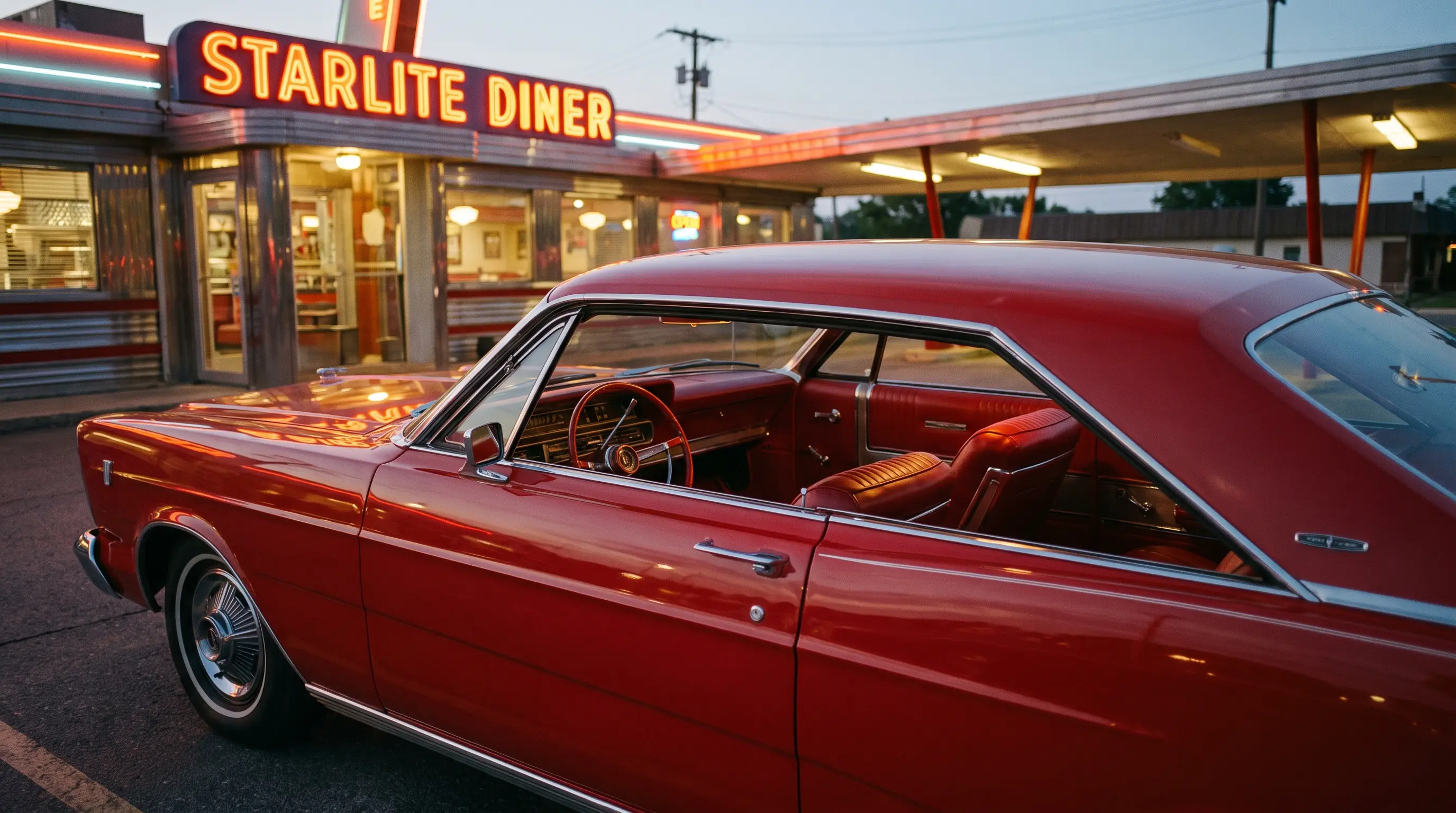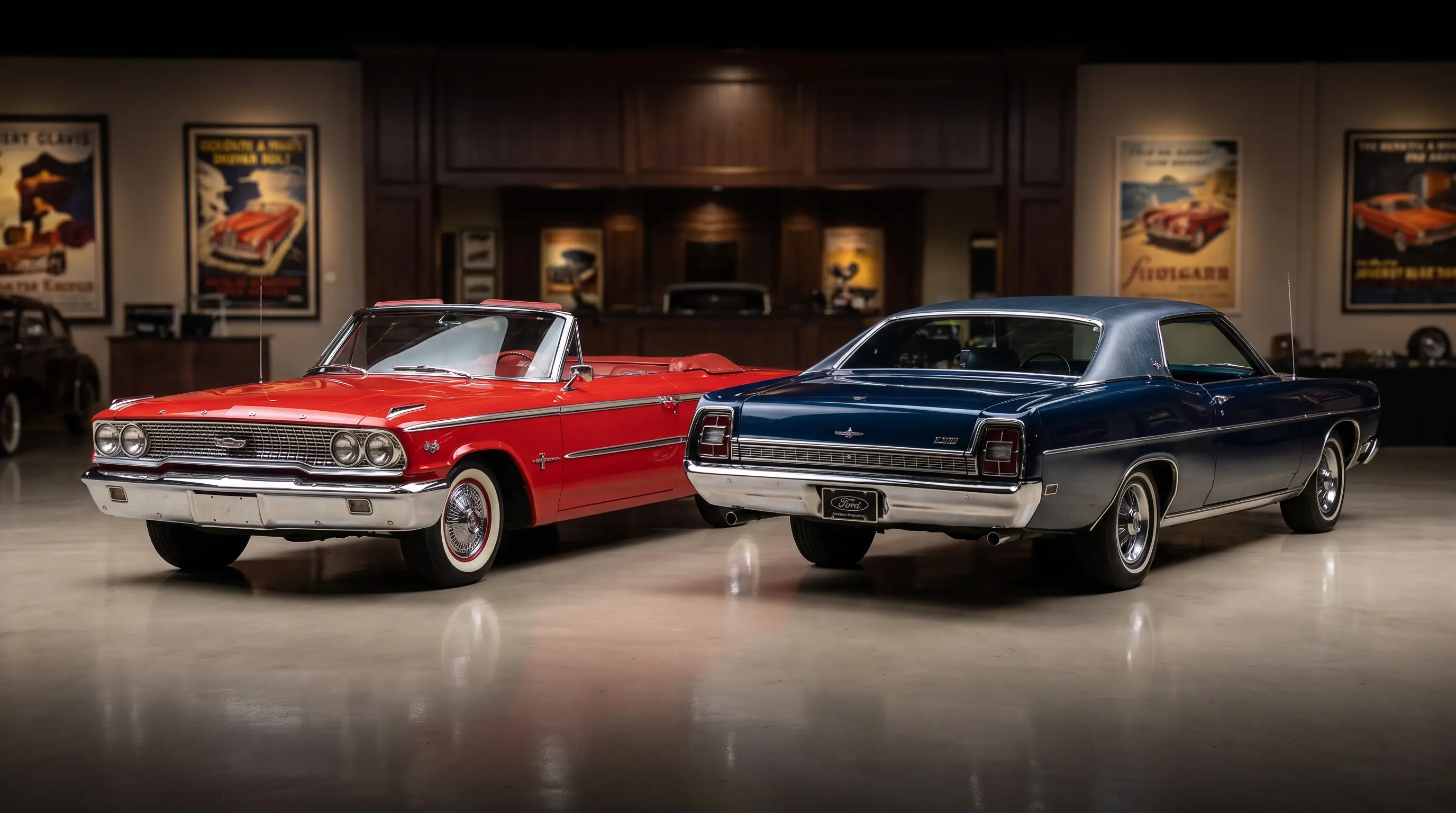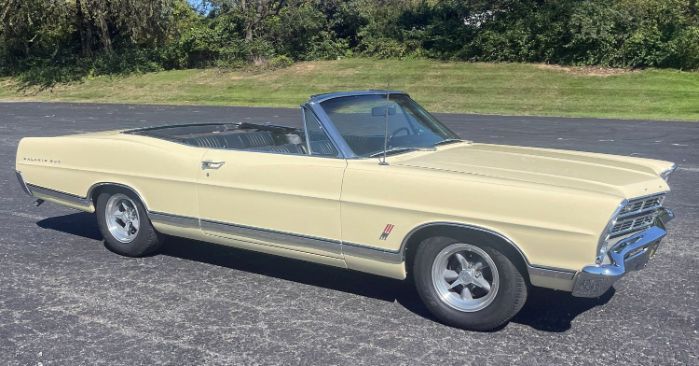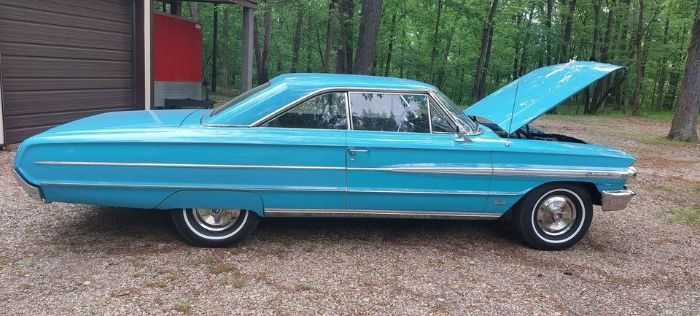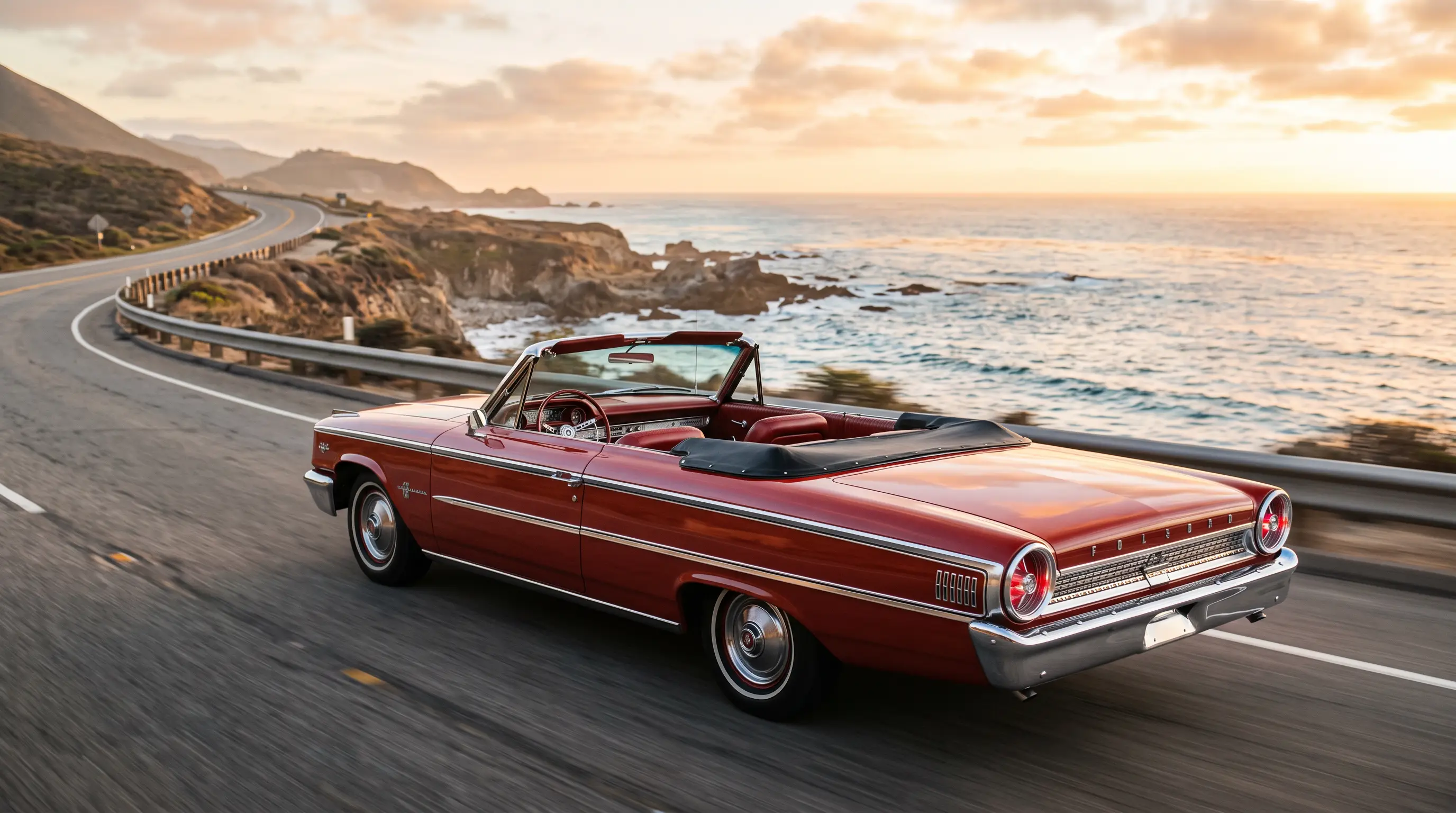
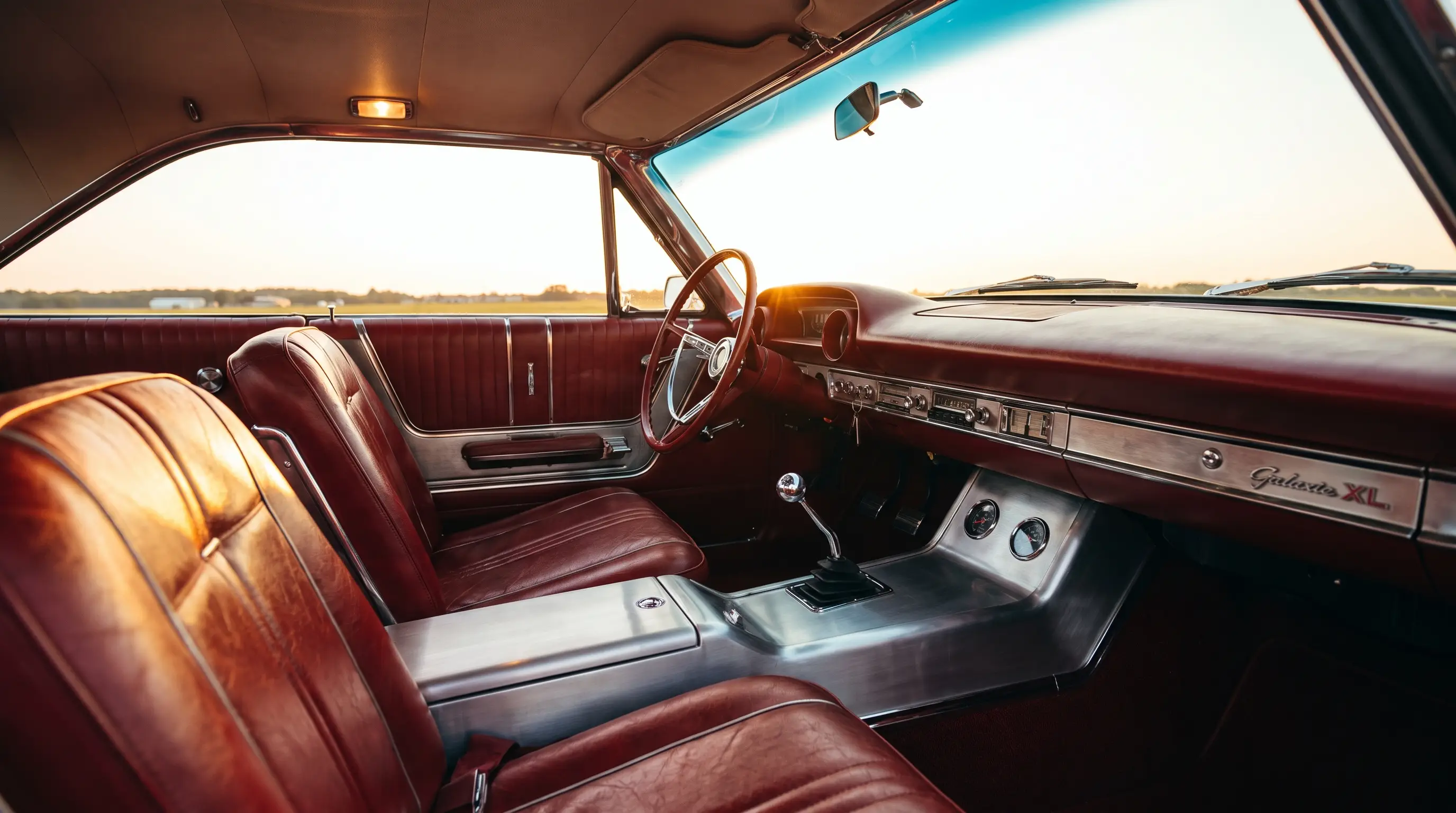
Pop the door on a real 1963 Ford Galaxie 500 XL and the first thing you notice isn't the badge, it's the seats. Ford's sport-luxury package inside the full-size Galaxie line was built to feel like a step up, and the ford galaxie 500 xl interior design still holds up as one of the better factory cabins of the early 1960s. I've had a dozen of these on the bench over the years, and the cabin tells you more about a car's history than the paint ever will.
What made the XL cabin different from a base Galaxie
Ford didn't just slap a bucket seat in and call it sporty. The 500 XL trim swapped the Galaxie's standard bench for individual front buckets, added a full-length console between them, and dressed the dash in brushed aluminum trim that the regular cars never got. Door panels picked up extra padding and stitched inserts. Even the steering wheel was different, thinner rim, simulated wood or a sport-pattern horn ring depending on the year. None of it was radical. All of it added up to a cabin that felt intentional rather than assembled from the parts bin.
What gets lost in casual conversation is that the XL package was never just an appearance option. It changed how the car was built on the line. The console housed the shifter on four-speed cars, and the buckets sat on their own tracks rather than the bench's mounting points. When I'm evaluating a car that claims XL trim, the first thing I check is whether the floor pan actually has the bucket mounting holes in the right place. A lot of cars get "XL-ified" later with reproduction seats bolted to a bench floor, and it shows the moment you get underneath.
Bucket seats and the console that mattered
The bucket seats themselves went through changes across the 500 XL's run, from vinyl-only early cars to cloth-and-vinyl combinations later in the decade. What stayed consistent was the shape, a taller bolster than Ford used on lesser trims, meant to at least suggest support even though these were still full-size cruisers, not sport sedans. The console wasn't just a styling piece either. It carried the shift mechanism, sometimes a small storage bin, and on some years an armrest that folded down from the rear seat to visually tie the cabin together front to back.
Original console material matters more than most restorers admit. Ford used a specific texture and color-matched vinyl on the console top that reproduction suppliers rarely nail on the first try. I've turned down console kits from three different vendors before finding one that actually matched the grain pattern on a numbers-matching survivor car I was using as a reference.
Trim levels, colors, and what actually left the factory
Interior colors on the 500 XL ran the usual early-60s palette, black, red, blue, and a few two-tone combinations that paired a darker vinyl on the seat bolsters with a lighter insert. Buyers could also spec a vinyl roof, which had nothing to do with the interior mechanically but everything to do with how the cabin read from outside, reinforcing the impression of a formal, upscale car sitting on a mainstream chassis. Woodgrain appliques showed up on some dash and door applications in later years, always a step below what Ford offered on its Mercury or Lincoln lines, but a clear signal the XL package was aimed at buyers who wanted more than a stripped Galaxie 300.
| Interior element | Base Galaxie | 500 XL |
|---|---|---|
| Front seating | Bench | Individual buckets |
| Console | Not offered | Full length, floor mounted |
| Dash trim | Painted metal | Brushed aluminum accents |
| Door panels | Basic vinyl | Padded, stitched inserts |
What a builder sees when the interior is wrong
When I get a 500 XL in the shop for interior work, I start by pulling the seats and checking the frame stampings against what the car's data plate says it should be. Mismatched seat frames, wrong-year door panels, and aftermarket console shells are common because these interiors get cannibalized for parts or replaced wholesale after decades of sun and use. None of that makes a car worthless. It just means the buyer needs to know what they're actually getting, original trim or a well-executed reproduction.
Sun damage is the other constant. Vinyl from this era wasn't built to survive fifty summers on a driveway, and dash pads crack in a pattern that's almost predictable by region. Cars that spent their lives in the upper Midwest tend to keep the vinyl supple longer but suffer more from moisture and rust creeping up through the floor pans into the carpet and seat frames. Sunbelt cars go the other way, dry rot on every surface but a floor pan you could eat off of. Neither one is automatically better. It just changes what you're going to be repairing first.
Wiring behind the dash is a separate headache specific to XL trim. The extra gauges, the console-mounted shifter linkage, and in some years a clock or tachometer option meant more harnesses running through a tight space than a base Galaxie ever had. I've seen well-meaning owners chase a phantom electrical gremlin for months because a previous repair spliced into the wrong circuit trying to add a stereo. If you're buying a car that's been "mostly restored," ask specifically whether the dash harness was left original or replaced, because that answer tells you more than the seller's asking price ever will.
The people who chase the whole picture on this car, not just the badge and the buckets, usually end up caring more about build sheets and trim tags than horsepower figures. That's the right instinct with a 500 XL. The engine bay tells you what Ford could bolt in. The interior tells you what Ford was trying to sell.
"Anybody can bolt on a set of repro buckets. Matching the console grain, the stitch pattern, and the trim tag code on the same car, that's where you separate a real 500 XL from a Galaxie wearing a costume."
- Jim Vasquez
Why the cabin still matters to buyers today
Collector interest in full-size Fords has been climbing steadily, and the 500 XL's cabin is a meaningful part of that appeal. A correct or well-restored interior adds real value because so many surviving cars have been reupholstered with whatever fabric was on the shelf at the time, not what Ford actually installed. Buyers who know the difference will pay for it. Buyers who don't will find out the hard way at their next concours judging or when they try to sell.
If you're hunting for a car with this kind of cabin still intact, or you want a project that still has its bones, you can shop classic Galaxie listings and start comparing interior condition against what actually left the factory. The bench work is the same whether the car cost you five thousand dollars or fifty. Get the interior right and everything else about the car reads honest.