
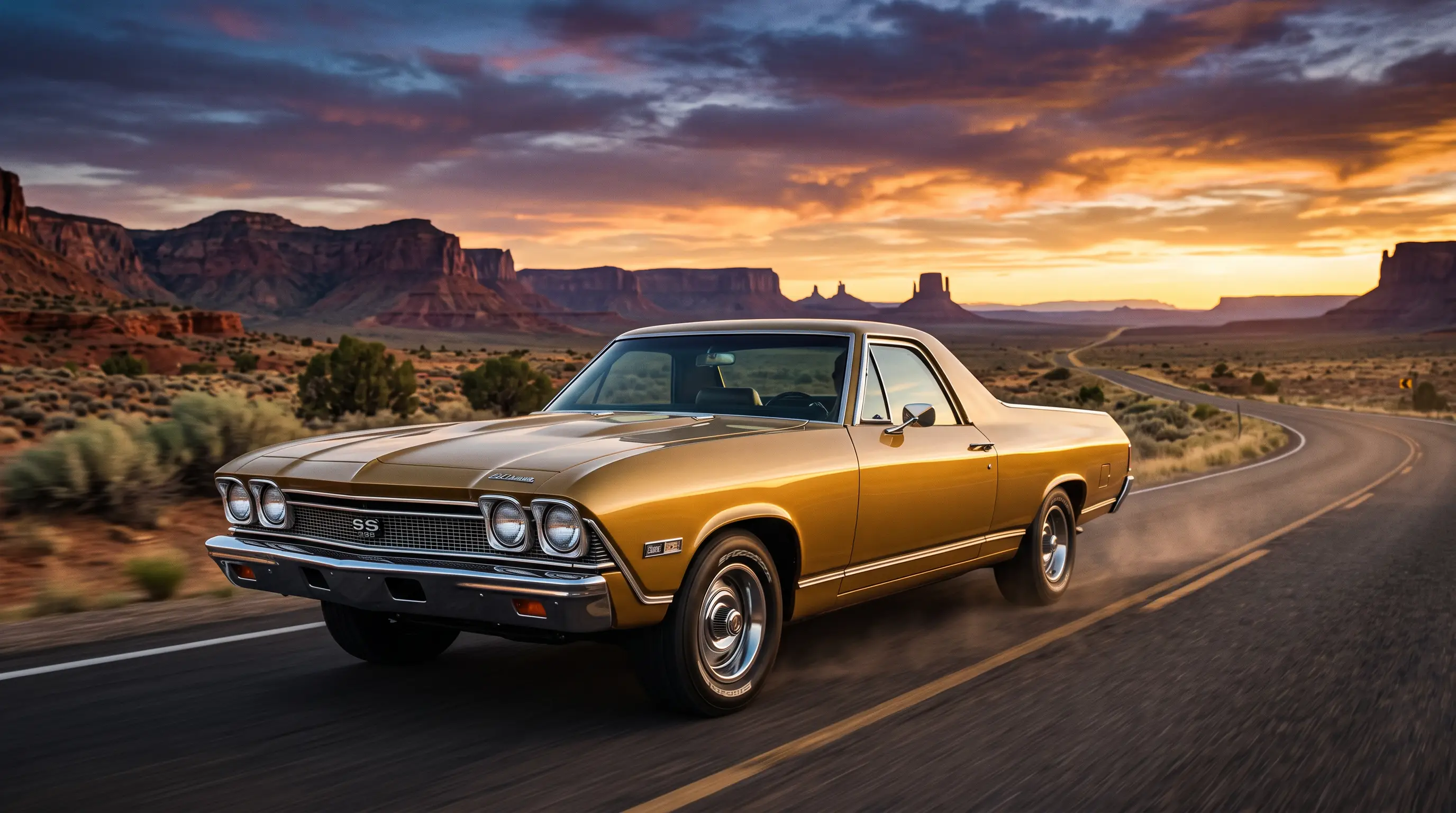
Chevrolet's own copywriters reached for a familiar phrase when the redesigned model reached showrooms, and the shorthand still holds up: el camino 1968 longer lower wider describes exactly what changed underneath the new sheet metal. This was not a cosmetic refresh of the 1964 to 1967 Chevelle based El Camino. The chassis, the glass, the roofline and the stance were all reworked at once, and the combined effect turned a tidy mid-size hauler into something that looked, and largely was, a different vehicle.
Car Features
7 min read
Longer, Lower and Meaner: The 1968 Reinvention
The 1968 El Camino grew longer and wider while dropping its roofline, a coordinated platform change that turned marketing language into real engineering.
What longer actually meant on paper
Overall length grew for 1968 as part of the new front end that pushed the nose out ahead of the front wheels and a rear end treatment that did the same at the tail. Wheelbase told a more complicated story. For the first time this generation, the new A-body split into two wheelbases: the two-door Chevelle coupe rode a tighter 112-inch chassis, while the four-door Chevelle sedans, wagons, and the El Camino shared a longer 116-inch wheelbase, a split that had not existed on the 1964-67 body, where every style used a common 115-inch wheelbase. Chevrolet's engineers were not simply stretching the old car. They were giving the two-door coupe a tighter, more planted footprint while the El Camino kept the longer wheelbase, sized closer to the wagon than to its Chevelle SS coupe cousin.
The net effect on the El Camino was a longer hood and cowl area paired with a wheelbase that felt shorter and more eager than the numbers alone would suggest. Contemporary road testers noticed the difference immediately, describing the car as feeling smaller from behind the wheel than its exterior dimensions implied.
Lower is not just a figure of speech
Overall height dropped for 1968, and the change is visible the moment you park a 1967 and a 1968 El Camino side by side. The roofline lost height, the beltline dropped, and the cowl sat measurably closer to the ground than the outgoing design. None of this happened by accident. Lowering a car's visual mass while keeping interior room usable requires reworking the floor pan, the seat mounting points and the door glass geometry all at once, and Chevrolet's engineers did exactly that for the new A-body platform.
The payoff was a roofline that read as a semi-fastback from the rear three-quarter angle, something the boxier 1964 to 1967 cars never achieved. Lower also meant a lower center of gravity, which mattered for handling on a car that, within the same model year, would be offered with a big-block engine option for the first time as a factory package rather than a dealer add-on.
Wider, and what it did for stance
Overall width increased as well, and combined with the lower roofline, the wider track gave the 1968 El Camino a stance that reads as planted rather than tall and narrow the way the earlier cars sometimes did in period photographs. Front and rear track both grew over the 1964-67 body, and Chevrolet's stylists used the extra width to flatten the wheel arches and let the fender flares sit more aggressively over the tires.
Concours judges who spend time with original, unrestored examples tend to notice this stance detail before anything else. A car sitting on period-correct tires with the original track width looks noticeably different from one that has been widened with aftermarket wheels and offset spacers, and that gap between factory proportion and modified proportion is one of the first things an experienced eye checks when evaluating originality.
| Dimension | 1967 El Camino | 1968 El Camino |
|---|---|---|
| El Camino wheelbase | 115 inches (shared by all body styles) | 116 inches (shared with the sedan and wagon; the two-door Chevelle coupe rode a separate 112-inch wheelbase) |
| Overall height | Taller, more upright | Lower, semi-fastback profile |
| Overall width | Narrower stance | Wider stance, flatter fender arches |
| Big-block availability | Dealer-added or limited | Factory-offered big-block package |
Why the three changes had to happen together
Any one of these adjustments on its own would have been a modest update. Together, longer, lower and wider amounted to a full platform reinvention, and that is why 1968 gets treated as its own era rather than a running change within the earlier generation. A car that is only lowered without also being widened tends to look pinched and awkward. A car that is only widened without lowering the roofline looks tall and top-heavy. Chevrolet's designers understood that proportion is a system, not a checklist, and the 1968 El Camino is a good example of getting all three variables to agree with each other.
For readers who want the full context behind this redesign, including how the mechanical package changed alongside the body, there is more on the 1968 el camino covering the model year in full. It is also worth tracing the story back further, since the redesign only makes sense against where this started a decade earlier with the very first El Camino.
"Longer, lower and wider is marketing language, but in this case the engineering actually backs it up. Every dimension on this car changed for a reason, and they all point the same direction."
- Sarah Whitfield
Spotting an original stance today
When examining a 1968 El Camino for originality, the proportions themselves are a useful check before you even open the hood. A car riding noticeably higher than period photographs, or sitting on a track width that looks narrower than factory, may have had suspension components swapped from a later or earlier model year during a prior repair. Because the 1968 body was engineered as one cohesive package, mismatched components tend to show up visually even before a technical inspection catches them.
The longer, lower, wider formula worked well enough that Chevrolet and its rivals kept refining it through the early 1970s, but 1968 remains the year the idea arrived in its purest, most deliberate form on this platform. If you want to compare original examples against restored or modified cars, it is worth taking time to look at classic El Caminos on the market and noting how much stance and proportion vary between well-preserved originals and cars that have drifted from factory specification over the decades.
Interior space did not shrink to pay for the new stance
A common assumption with a lower, wider redesign is that cabin room gets sacrificed for style, but the 1968 El Camino largely avoided that trade. The new floor pan and reworked seat mounting points meant headroom inside the cab did not collapse just because the roofline dropped outside. Shoulder room actually benefited from the wider body, since the door panels and seat width could grow along with the exterior track. Owners moving from a 1967 car into a 1968 model generally reported the cabin felt roomier across the shoulders even though the greenhouse looked noticeably lower from the outside.
Glass area shrank slightly with the new roofline, which is the one real compromise buyers accepted in exchange for the semi-fastback look. Rear three-quarter visibility took a modest hit compared to the more upright 1967 design, a trade every owner of this generation eventually learns to work around, particularly when backing up to a trailer or a loading dock.
How the changes showed up across the rest of the GM lineup
Chevrolet was not working in isolation on this redesign. Pontiac's Tempest and LeMans, Oldsmobile's Cutlass, and Buick's Skylark all received their own longer, lower, wider treatment for 1968 on related A-body architecture, though each division tuned the proportions differently to suit its own styling identity. Comparing the El Camino against its GM cousins from the same model year is a useful way to see how much latitude Chevrolet's studio had within a shared platform, and how deliberately Chevrolet chose a cleaner, less ornamented surface treatment than some of its sister divisions did that year.
Sources and notes
- Chevrolet El Camino - Wikipedia
- Chevrolet Chevelle - Wikipedia
- 1967 Chevrolet El Camino Specifications and Dimensions - Conceptcarz
- Your definitive 1968-72 Chevelle SS buyer's guide - Hagerty Media
- 1968-72 Chevrolet El Camino: 3rd Gen Guide and Specs - Motogallery
- 1964-67 Chevelle frame interchangeability - Team Chevelle forum
Related Reading
Have a
Chevrolet El Camino
for Sale?
Reach thousands of serious classic car collectors across the US.
Sell It Here →
Selling a classic? Here's how: where to sell your classic car online
Are You a Classic Car Dealer?
List your full inventory and connect with targeted classic car buyers.
Join as a Dealer →

About the author
Sarah Whitfield
Third-generation classic car collector specializing in pre-war American and European coachbuilt automobiles. Researcher and concours enthusiast.
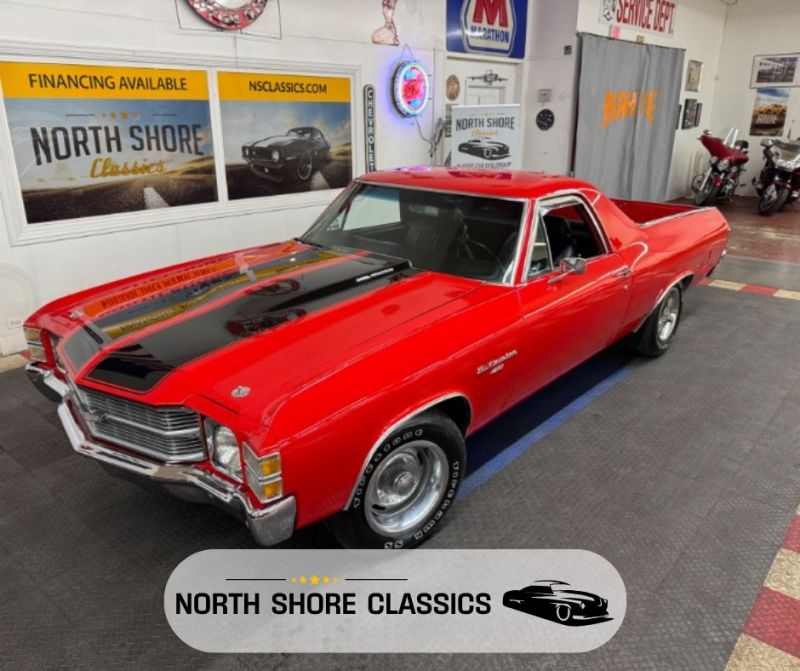
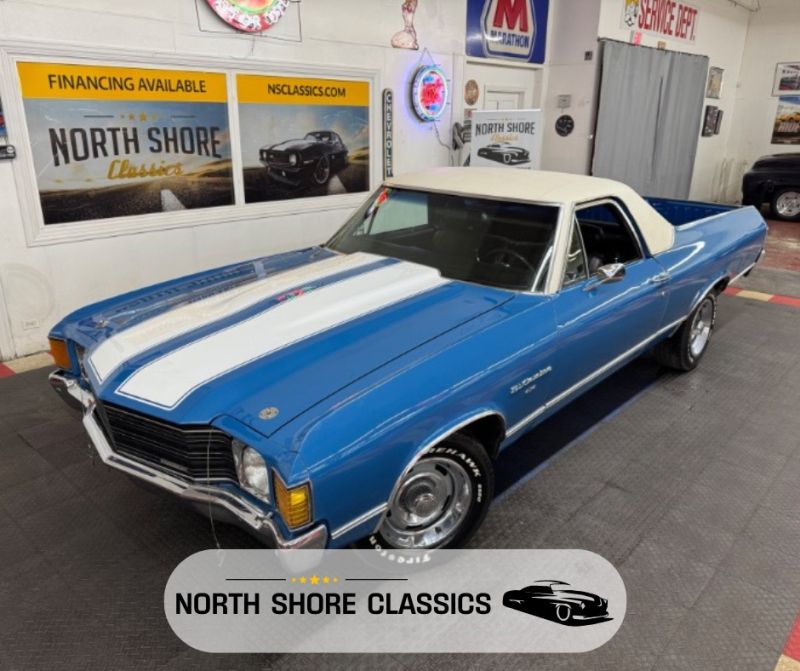
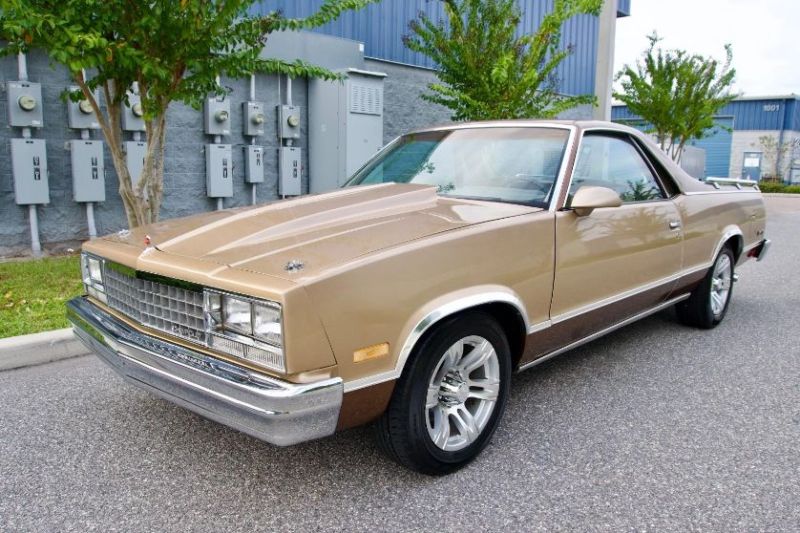
Related Listings - Chevrolet El Camino
Comments
Be the first to comment on this article.