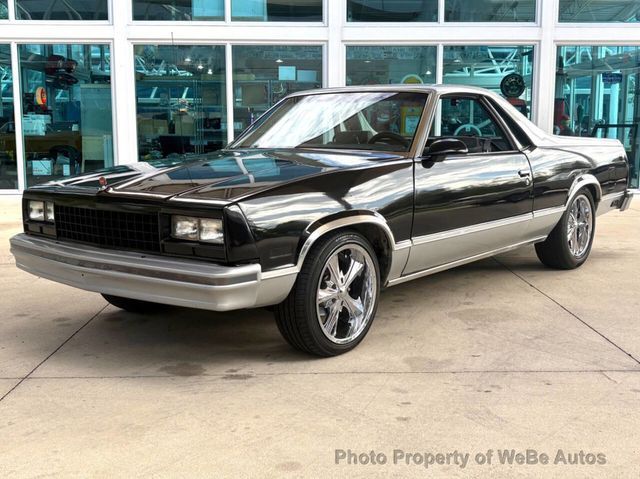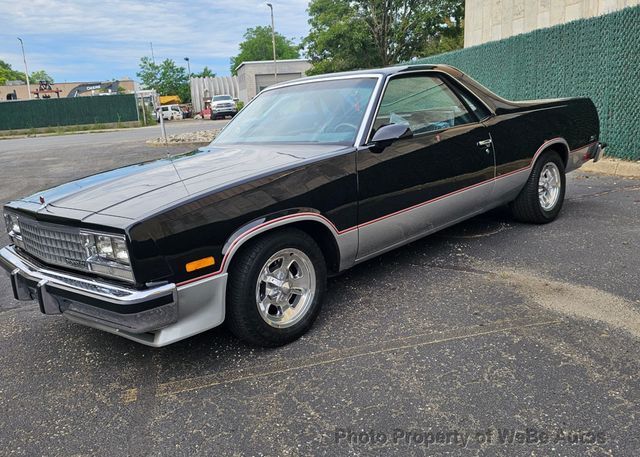
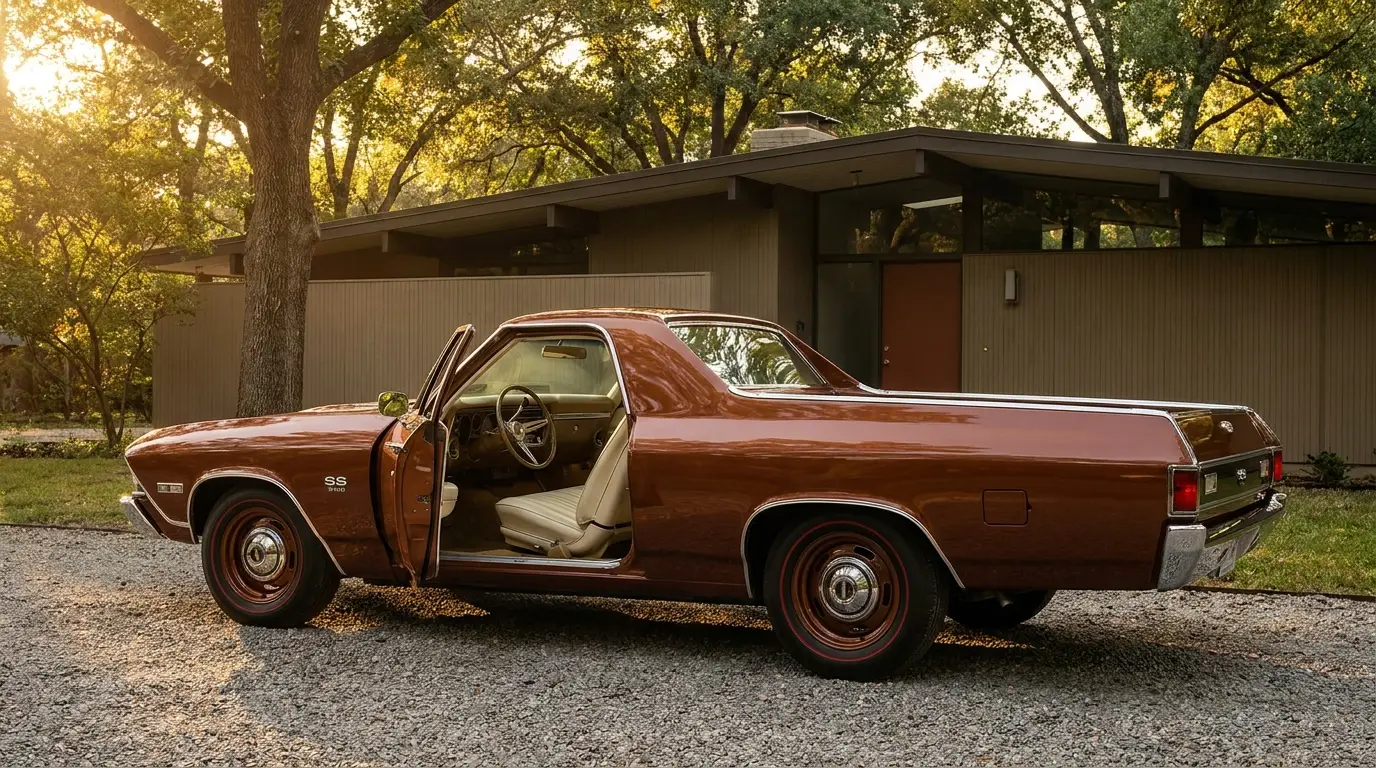
Ask an old El Camino owner what they remember first, before the engine size, before the badge, and they will usually describe a color. Maybe it was the exact shade of a father's work truck, or the interior vinyl that felt hot under bare legs every summer, or a two-tone paint job a neighbor spent a whole season getting right. The el camino 1968 color and interior vibe is not a footnote to the mechanical story. For a lot of families it was the story, the part that stuck in memory long after the engine specs faded.
A palette built for a restyled body
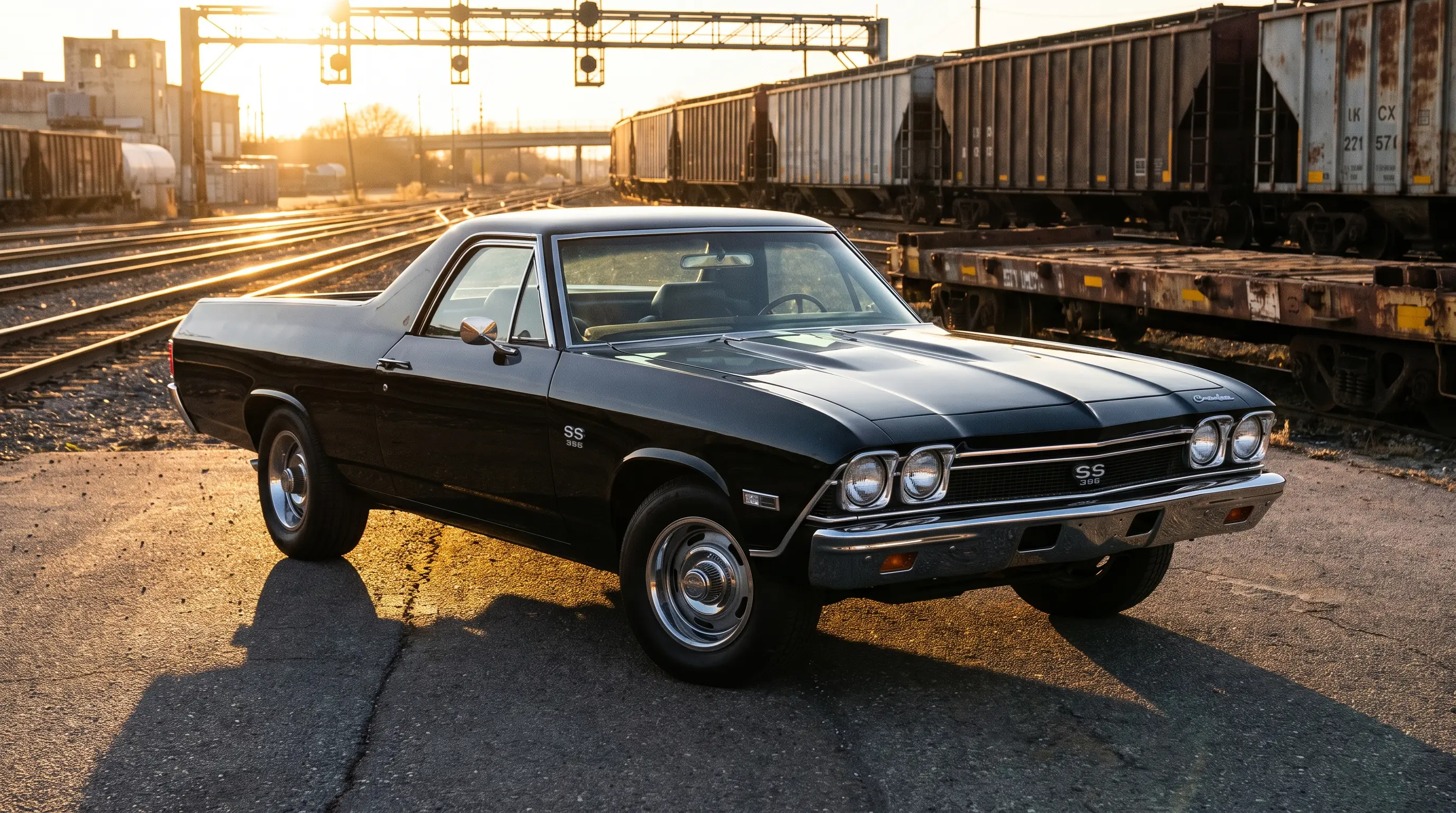
The 1968 restyle gave Chevrolet's stylists a longer hood and a cleaner side profile to work with, and the factory color palette that year leaned into it. Buyers could choose from a range of period colors that ran from restrained solids favored by fleet and business buyers to bolder options that showed up on cars ordered with the SS396 package. A car finished in a quiet color with body-side trim could look almost conservative, while the same body in a brighter shade with the right stripe package read as something else entirely. The paint alone did a lot of the work in telling you what kind of buyer had ordered the car.
What made 1968 distinct from the years just before it was how well the new, longer body carried these colors. The earlier, shorter-nosed El Caminos wore paint fine, but the 1968 restyle gave the car proportions that let a good color choice actually shine, especially along the coke-bottle curve through the rear quarters that the redesign introduced. A color that might look ordinary on a boxier shape had real presence on this one.
Interiors that borrowed from the Chevelle without apology
Inside, the 1968 El Camino was not a stripped-down work cab pretending to be a car. It used Chevelle interior architecture directly, which meant a buyer could order the same bucket seats, console, and gauge packages available on the passenger car sitting next to it on the showroom floor. Vinyl and cloth options came in colors coordinated to the exterior palette, so a buyer building a car with real intention could match the cabin to the paint rather than settling for whatever bench and rubber mat combination a basic work truck might have offered in an earlier decade.
That parity mattered more than it might seem at first. It meant the interior told the same story as the exterior. A car ordered in a quieter color with a matching, understated cabin read as a sensible daily vehicle. A car in a bolder color with contrasting buckets and a console read as something its owner wanted to be seen in, not just driven. The factory gave buyers the tools to make that statement, and plenty of them used it.
What the colors meant to the people who chose them
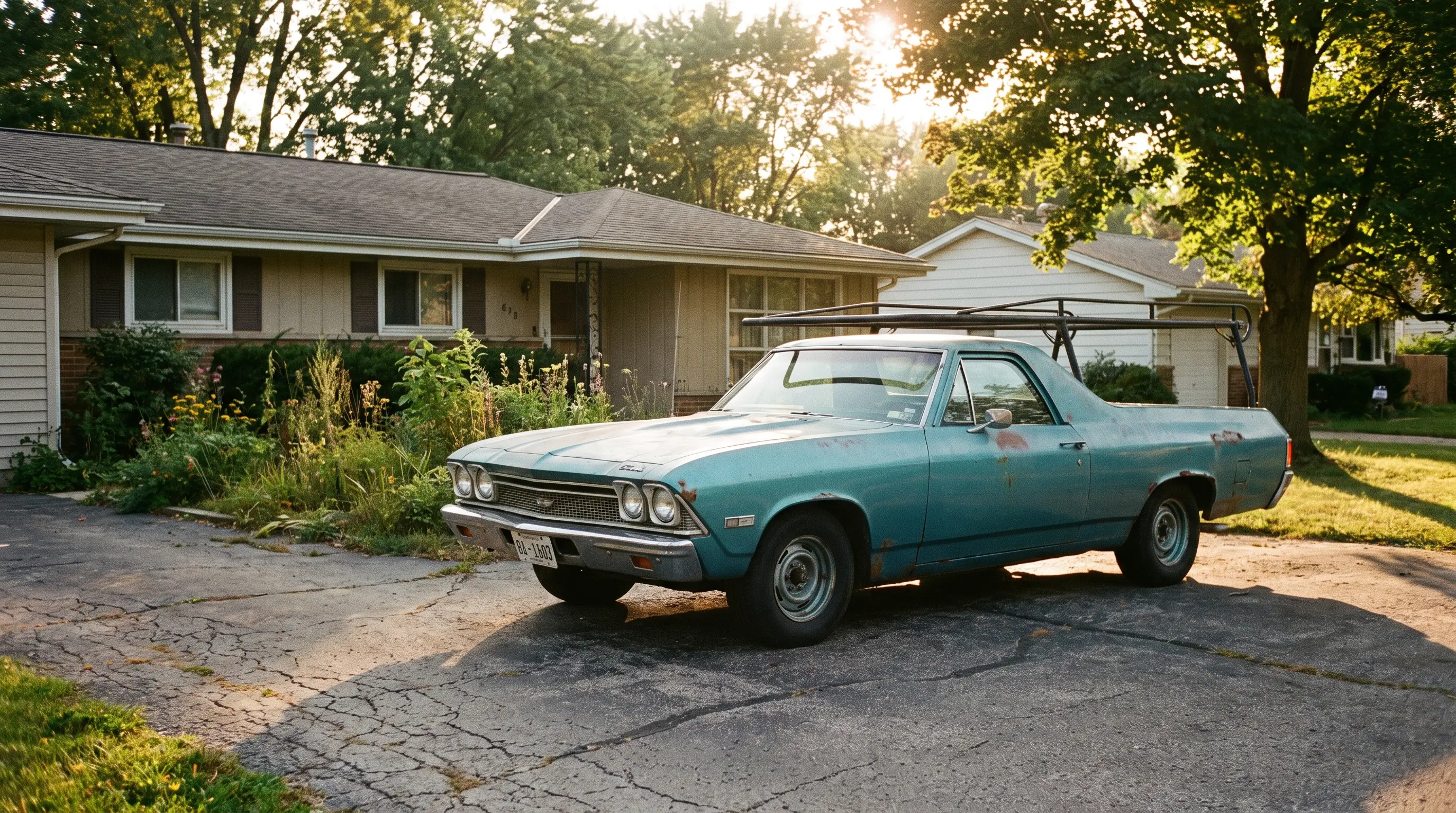
There is a version of this story that is purely technical, a list of paint codes and interior combinations pulled from a build sheet. That version has its place, and anyone chasing that detail can find the 1968 el camino story laid out with the rest of the model's history. But talk to enough owners and a different pattern emerges. People remember the color their family car came in the way they remember a house they grew up in. It was not decoration. It was identity, chosen once at the dealership and then lived with for years, through hot summers and cold mornings, until the car itself became inseparable from the memory of that particular shade.
A neighbor's El Camino in a color nobody else on the block had. A father who ordered the interior to match his wife's favorite color rather than his own. A teenager who saved up to have the whole thing repainted the moment he could afford it, chasing a look he had wanted since he first saw the car. These are small stories, and none of them show up in a production report. But they are why the color and interior of a 1968 El Camino still matters to people who never cared about horsepower figures at all.
| Element | 1968 El Camino detail |
|---|---|
| Exterior palette | Restrained solids through bolder SS-associated colors |
| Interior architecture | Shared directly with the Chevelle passenger car |
| Trim options | Bucket seats, console, coordinated vinyl and cloth colors |
| Body profile | Longer hood and coke-bottle rear quarters from the 1968 restyle |
"People ask me about engine codes all the time. What they actually remember, what makes them tear up a little describing the car, is almost always a color. The green their mother chose, the gold their father regretted. That is the real archive of this car, and it lives in people, not in build sheets."
- Nora Beckett
Why the look still resonates decades later
Restorers today put real effort into getting original colors right, not because a judge at a show demands it, though some do, but because the color is part of what makes a restoration feel true to the car rather than just correct on paper. A 1968 El Camino repainted in a period-correct shade with the matching interior trim is doing more than following a spec sheet. It is honoring the specific choice someone made in 1968, a choice that, for that original owner, said something true about who they were and what they wanted their car to say about them.
This is also why color and interior condition often carry more emotional weight in a sale than they do in a straightforward appraisal. A buyer walking up to a row of 1968 El Caminos at a swap meet will usually be drawn first to the one wearing a color that reminds them of something, a family car, a first crush's ride, a photograph they grew up looking at. The engine underneath matters, but it rarely wins the first impression. That instinct is not sentimental foolishness. It is the same instinct that has kept people restoring and preserving these cars for decades after the practical case for doing so stopped making much financial sense, long after the numbers alone would have argued for simply letting the car go.
That is part of what makes the full story of this model worth reading beyond the engineering details. The colors and the cabins are where the human side of the car lives, the part that outlasts any single owner's memory of horsepower or wheelbase. If a particular shade or interior combination from 1968 has stuck with you the way it sticks with so many former owners, there are classic El Caminos on the market right now, some of them wearing exactly the color someone loved enough to remember fifty years later.