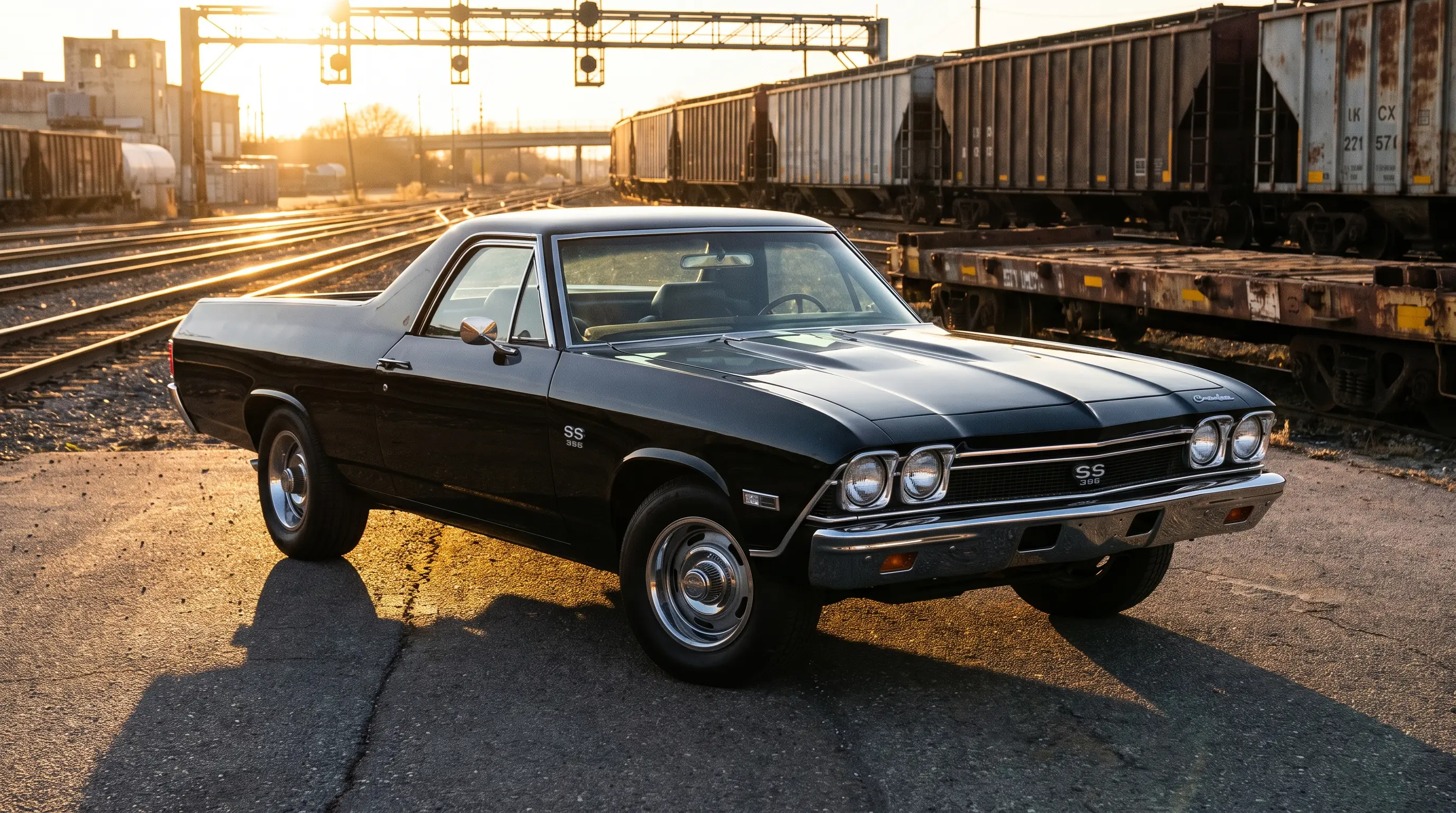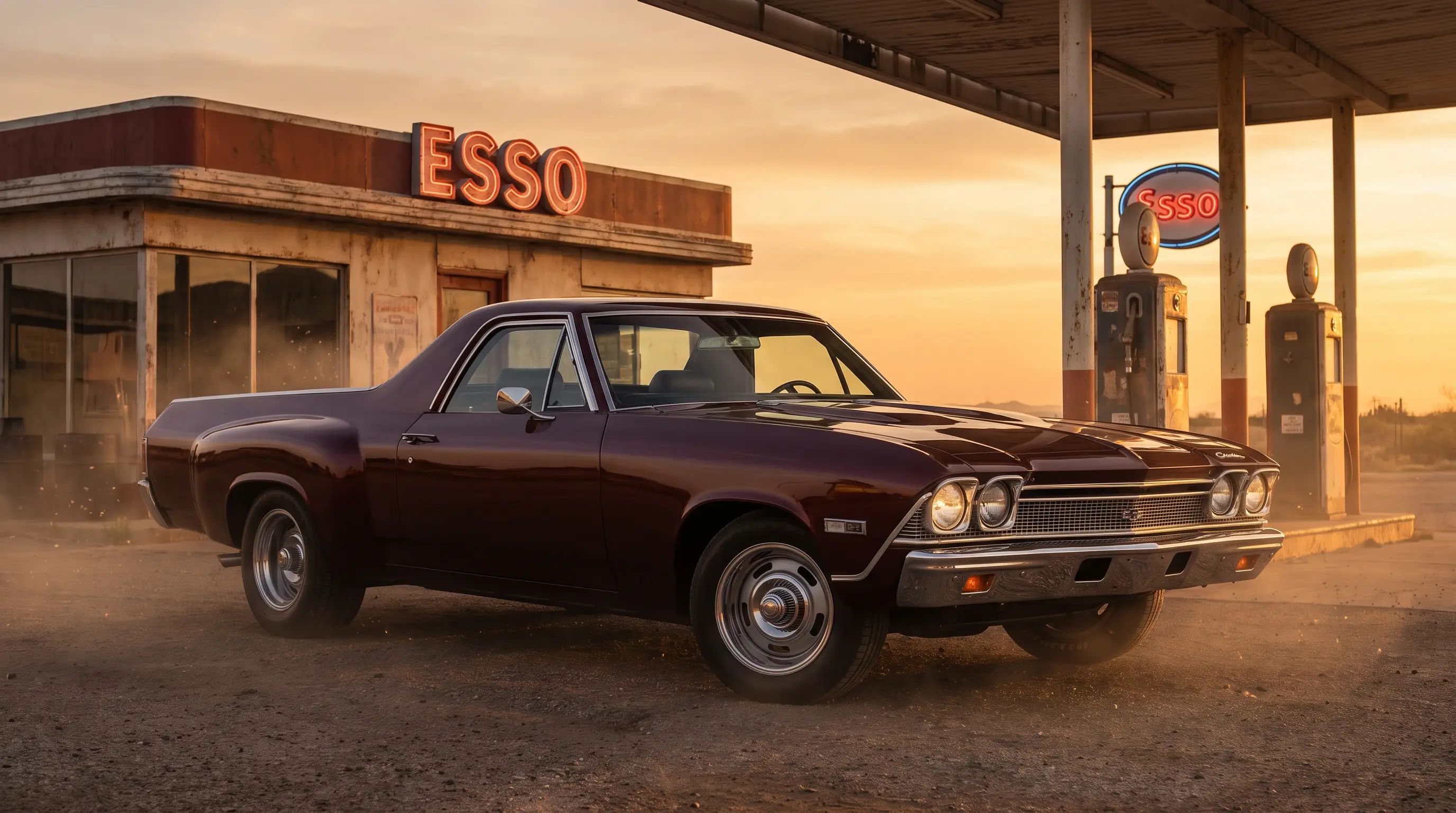
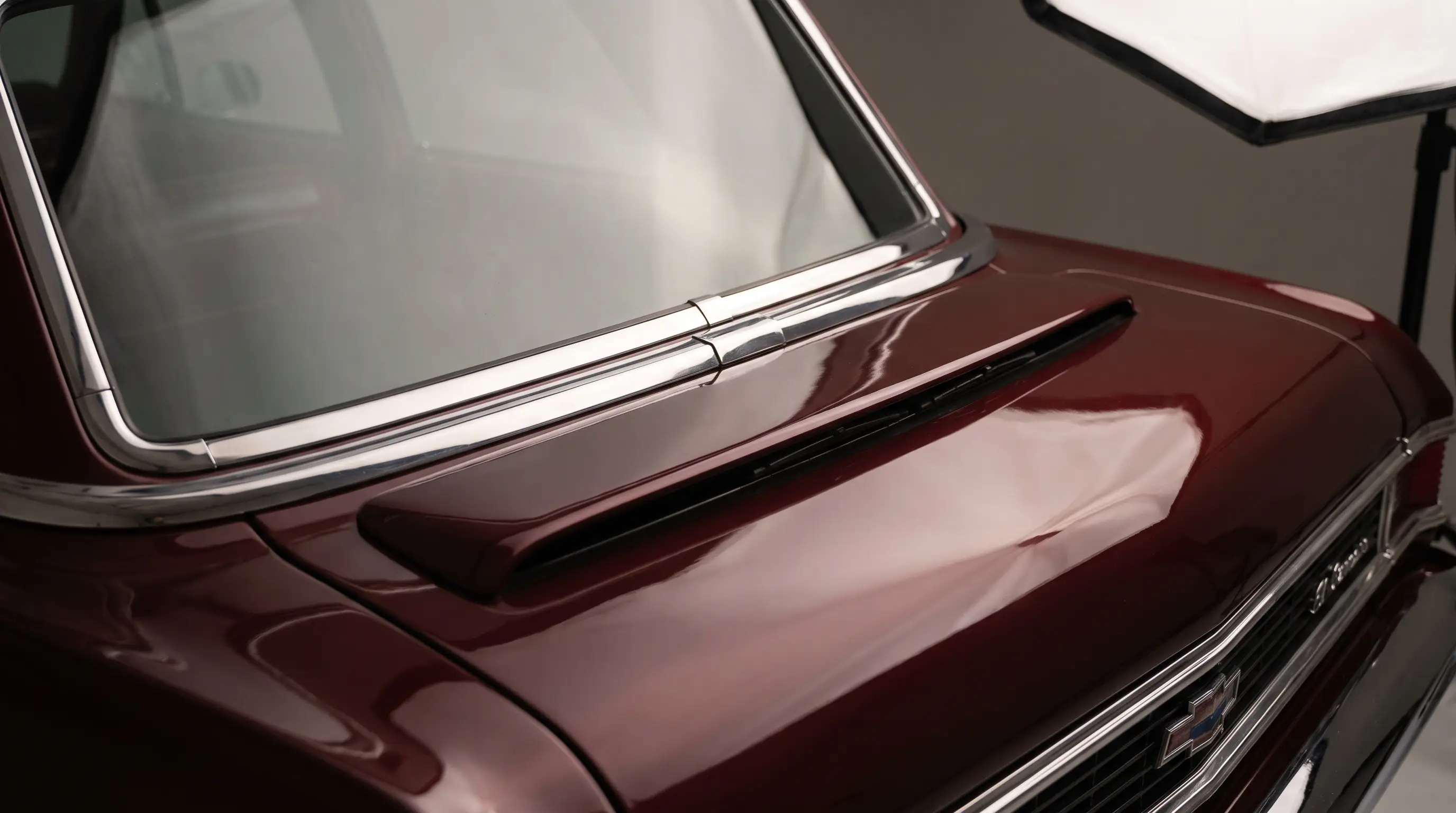
Most people who talk about the 1968 El Camino jump straight to the SS396 badge and the longer wheelbase, and those points deserve the attention they get. But a factory historian spends a lot of time in the small print, and the small print on this model year is full of details that rarely make it into the general story. The el camino 1968 hidden wiper details are one of those overlooked items, a piece of GM styling policy that shaped the front of the car in a way most owners today never think to check. It is worth walking through, because it explains a design decision that looks odd until you know why it was there.
The concealed wiper idea GM sold across its 1968 lineup
For the 1968 model year, General Motors pushed a styling trend across several of its car lines: wipers that tucked out of sight when parked, hidden beneath a trailing edge of the hood or a recessed cowl panel rather than sitting exposed on the cowl the way they had for decades. The idea was cosmetic as much as functional. A clean cowl line reads better on a restyled body, and 1968 was a big restyle year across GM's intermediate cars. The Chevelle line, which the El Camino shared its front clip and cowl structure with, picked up this treatment as standard equipment on the Malibu-series cars and SS396 models starting in 1968, and the El Camino, built on that same Malibu-level cowl and windshield structure, inherited it as standard along with the rest of the sheet metal changes that year. Lower trim lines in the Chevelle family did not always get the feature as standard in the years that followed, but on the 1968 El Camino it came as part of the shared body, not as a separate line-item option.
The mechanism itself was simple. A panel at the base of the windshield, ahead of the wiper arms, was shaped to let the arms rest flush and mostly out of view rather than propped up in plain sight the way earlier cowls displayed them. When the wipers were off, the front end presented a cleaner, less cluttered line. When they were running, the arms swept up into view and did their job like any other wiper system. It was not a complicated engineering feat. It was a styling decision dressed up as an improvement, and it worked well enough that owners today still ask about it when they are trying to pin down what year they are looking at.
How the cowl panel worked on the El Camino specifically
Because the El Camino used the Chevelle's cowl and windshield structure, the same concealed wiper treatment carried over directly. This is one of those cases where the car-based pickup benefited from being built on a shared platform rather than a bespoke one. Chevrolet did not need to engineer a separate cowl panel for the El Camino. It used what already existed for the coupe and sedan, which kept tooling costs down and gave the El Camino the same clean-front appearance as its passenger car cousins. You can read the background on how that platform sharing came together in our 1968 el camino retrospective, which covers the wheelbase split and the rest of the restyle in more depth.
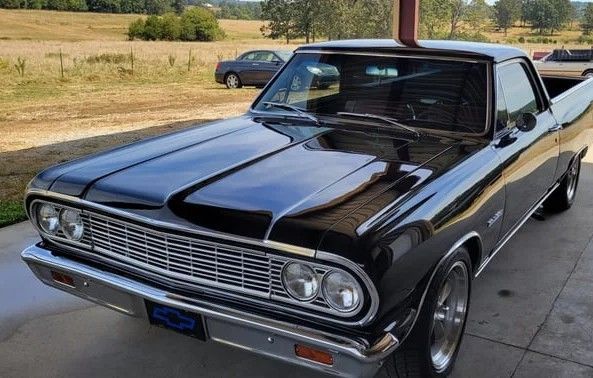
What matters for someone examining a car today is that the cowl panel and the wiper arm geometry are specific to this styling generation. A car with the wrong panel, or with wiper arms that sit exposed the way an earlier or later year's parts would show them, is telling you something about its history. Panels get swapped during collision repair more often than owners admit, and a mismatched cowl treatment is a small but real flag worth noticing before you take a seller's word for the model year.
The small details buyers noticed, and the ones the factory recorded
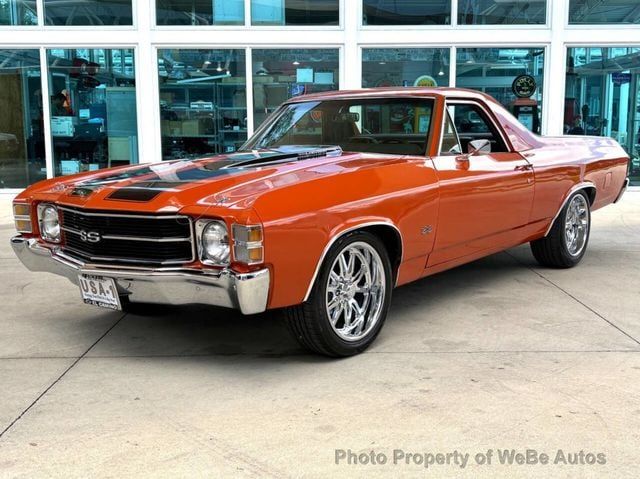
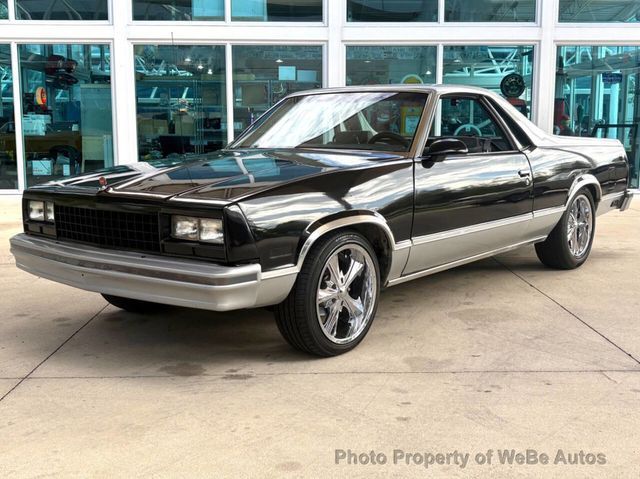
Wiper concealment was not the only quiet detail added for 1968. Side marker lights arrived that year as a new federal requirement, and they show up on the front fenders and rear quarters in a specific placement that changed again the following year. Trim scripts, wheel cover patterns, and even the grille texture were all revised for the restyle, and each of these small items is a dating tool in its own right. None of them get the attention that an engine code does, but together they form a fingerprint that tells a careful observer whether a car is genuinely a 1968 or something dressed up to look like one.
This is where factory paperwork earns its keep. A build sheet or a cowl tag will not spell out whether the wiper cowl is correct, but it will confirm the production date and assembly plant, which narrows down what parts should be present. Cross-referencing the visible small details against the documented build date is basic due diligence, and it is the kind of check that separates a serious buyer from someone going purely on a seller's description. I have seen cars advertised as unmolested originals that, on close inspection, carried a cowl panel and wiper arms from a different model year entirely, evidence of a repair nobody mentioned.
None of this diminishes the car. Plenty of honest 1968 El Caminos have had cowl or fender work done over fifty-plus years on the road, and a repaired panel is not a scandal. The issue is only when a seller represents a car as untouched when the small details say otherwise. Knowing what to look for protects you either way.
Reading the record: what to check before you buy
If you are evaluating a 1968 El Camino and want to confirm the small stuff lines up, start at the cowl. Look at how the wiper arms sit when the car is off. They should rest low and mostly concealed rather than standing up in the open the way an earlier body style would show them. Then check the side marker lights for the correct 1968 placement and lens shape, since these were revised again for 1969 and a mismatched set suggests parts swapped from a different year. Finally, ask for whatever paperwork survives, a build sheet, a Protect-O-Plate, or a dealer invoice, and use it to confirm the production date rather than relying on the badge or the seller's memory.
| Detail | 1968 El Camino specification |
|---|---|
| Wiper treatment | Concealed cowl panel, arms rest mostly hidden when parked |
| Side marker lights | New for 1968, federally mandated, placement revised for 1969 |
| Cowl and windshield structure | Shared with 1968 Chevelle |
| Documentation to request | Build sheet, cowl tag, Protect-O-Plate |
None of these checks require special tools. They require patience and a willingness to look past the badge on the tailgate, which is exactly the habit that separates people who get burned from people who do not.
Sources and notes
- Hidden wipers on 1968-72 Chevelle and El Camino - Team Chevelle forum
- 1968-72 Chevelle Windshield Wiper Motor With Hidden Wipers - Classic Chevy
- Side marker lights on the 1968-69 El Camino - El Camino Central Forum
- 1968-72 Chevrolet El Camino: 3rd Gen Guide and Specs - Motogallery
- 1968 El Camino Parts and Restoration Information - SS396.com
Why these small details matter to collectors today
It would be easy to dismiss wiper cowls and marker lights as trivia, but the collector market has always rewarded originality at this level of detail. A concours judge or a serious buyer is not just checking the engine code. They are checking whether the small, easily overlooked parts of the car match what left the factory in 1968. A correct wiper cowl by itself will not make or break a sale, but a pattern of small mismatches adds up, and experienced buyers learn to read that pattern before they read the price tag.
"The parts nobody photographs are usually the parts that tell you the truth about a car. Anyone can polish a fender. Getting the wiper cowl and the marker lights right takes actually having the correct 1968 parts, not just wanting the car to be a 1968."
- Tom Ramirez
For anyone chasing a related angle on how the 1968 restyle reshaped the model, there is a related story that looks at the SS396 side of that same year in more depth. And if the small details described here have you thinking about owning one, there are El Caminos for sale now worth a careful, detail-first look before you commit.
The 1968 El Camino did not need concealed wipers to be a good car. It needed them to look like the rest of the redesigned lineup, and that is exactly what they accomplished. Small decisions like this rarely get remembered on their own, but they are part of what makes an authentic 1968 car worth the extra scrutiny.