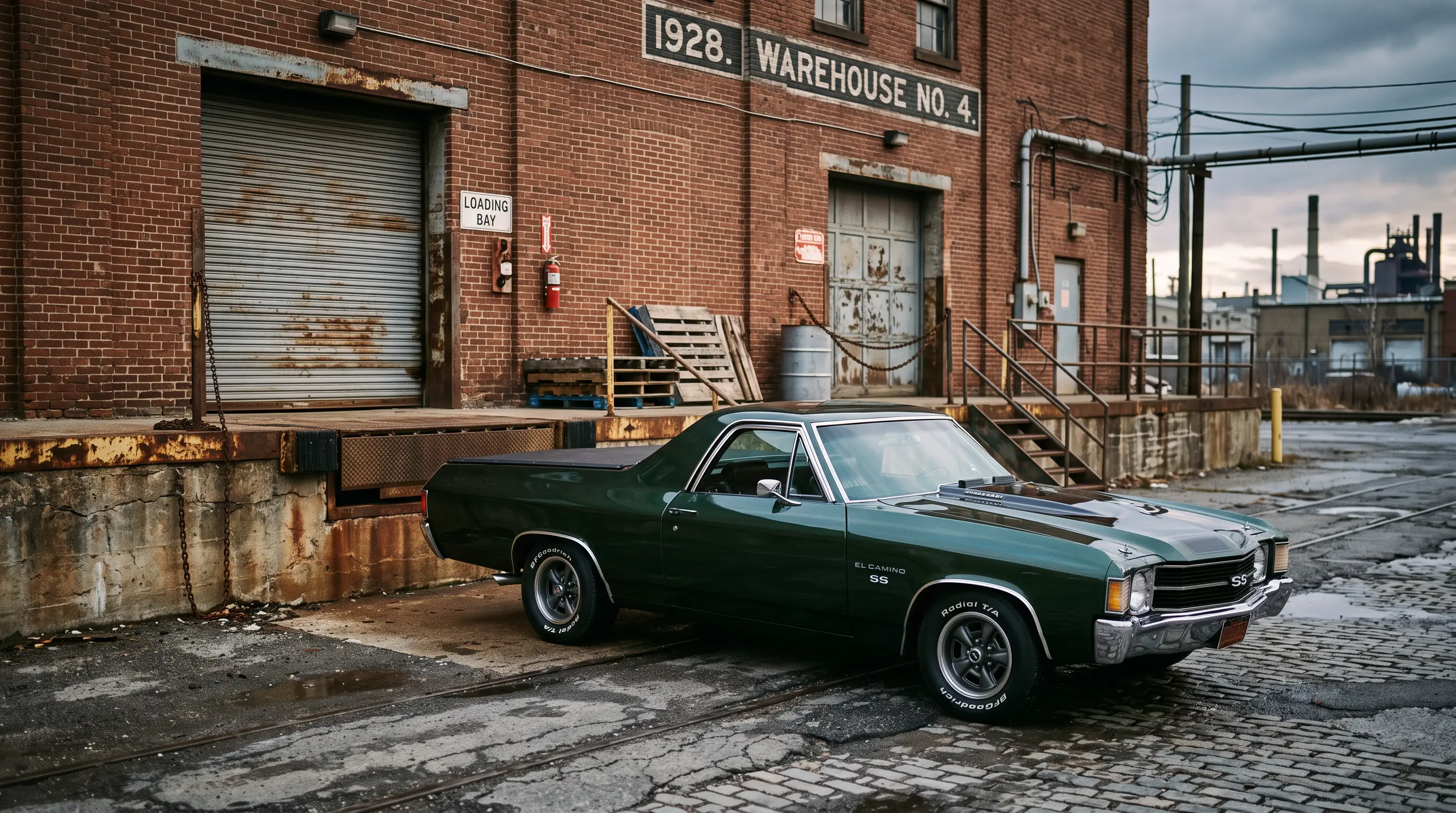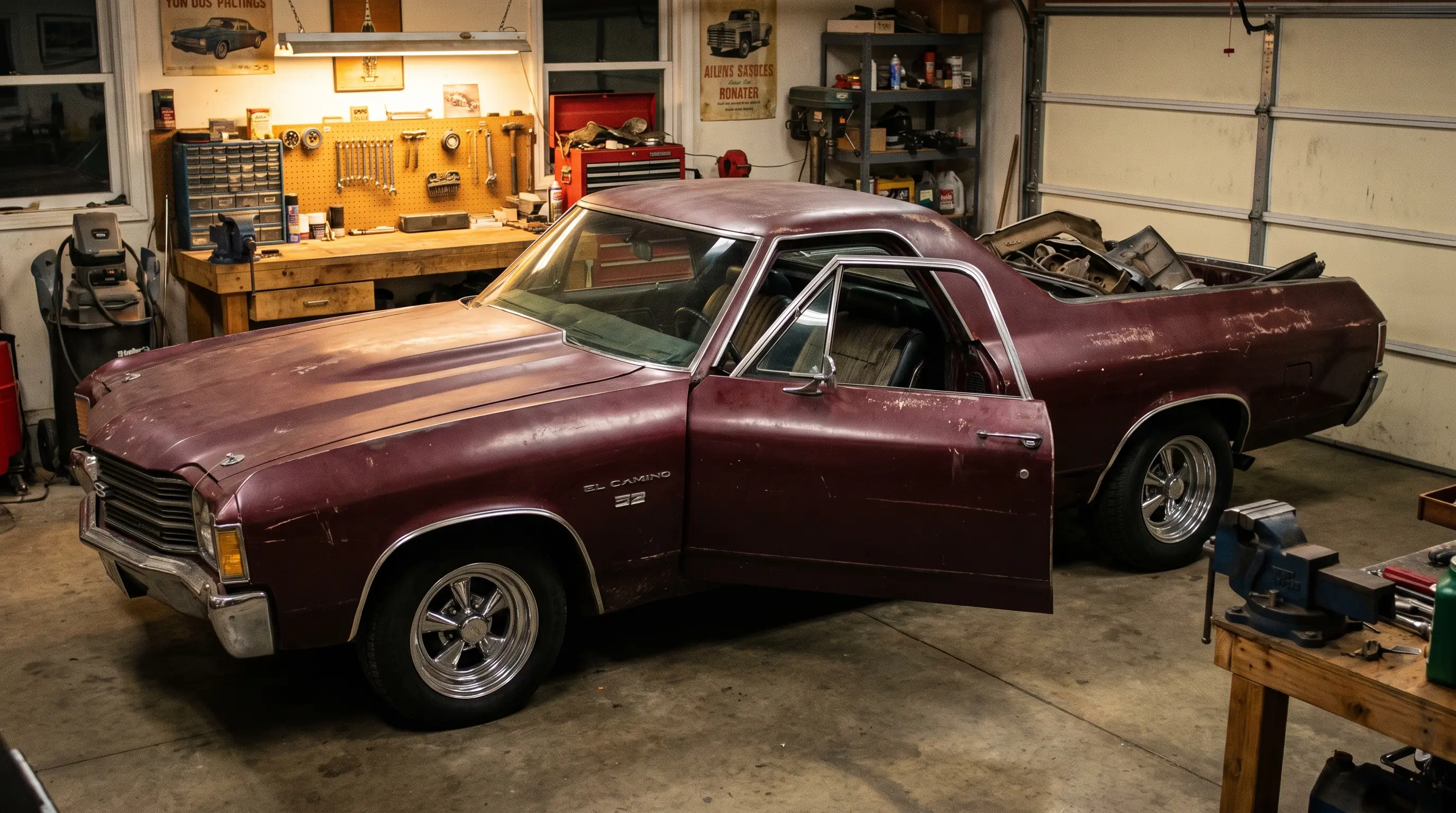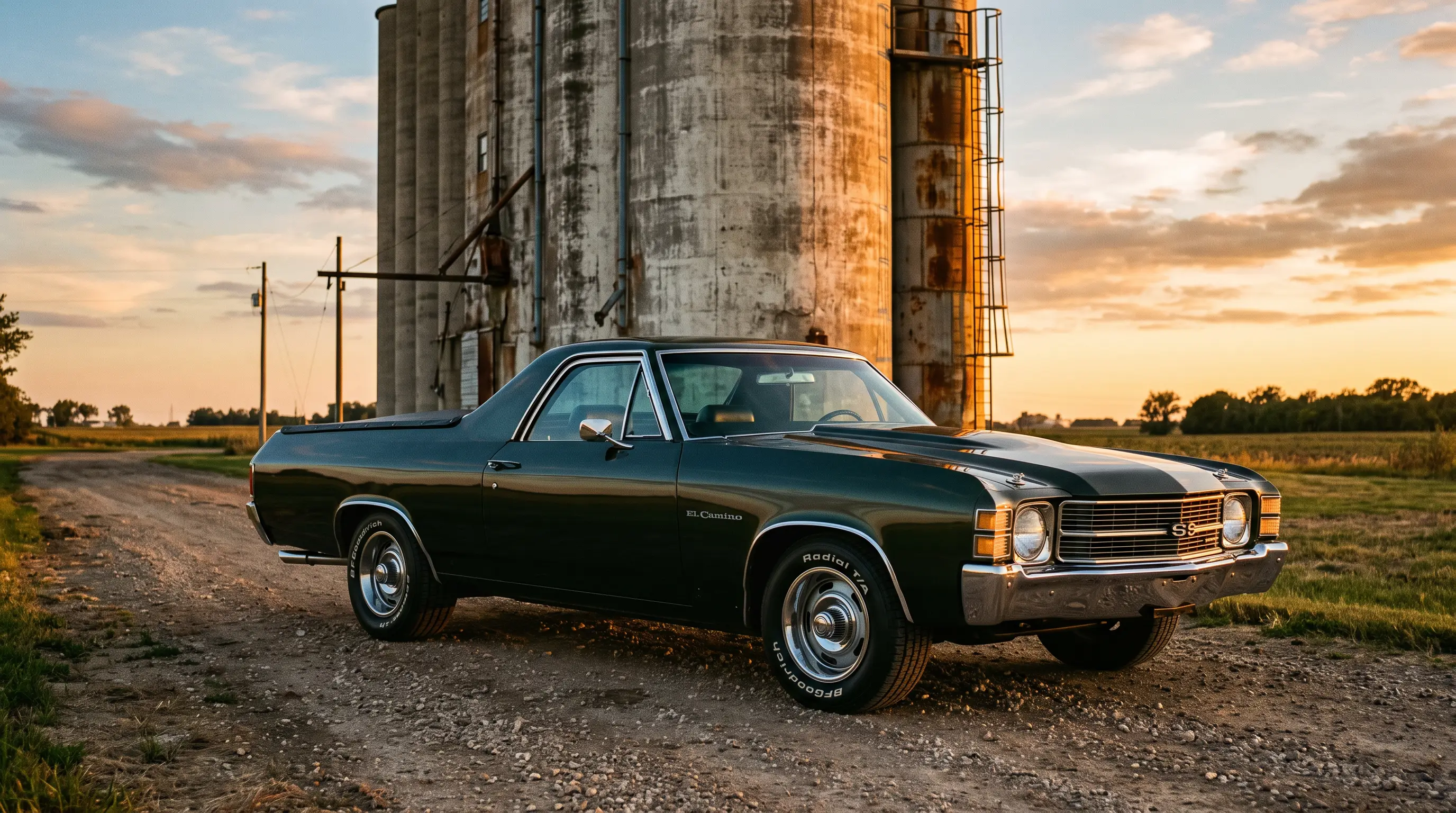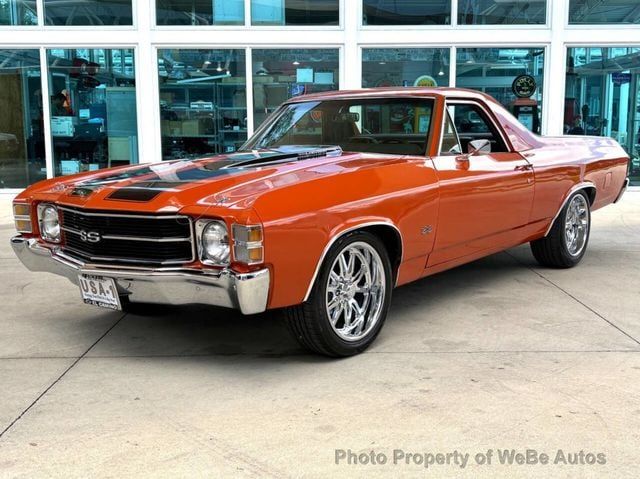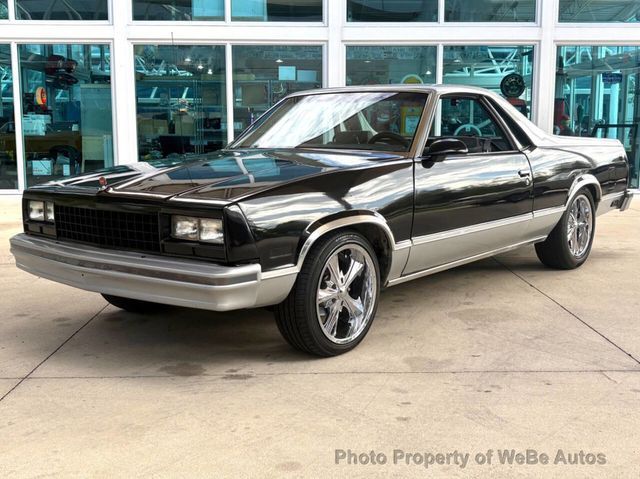
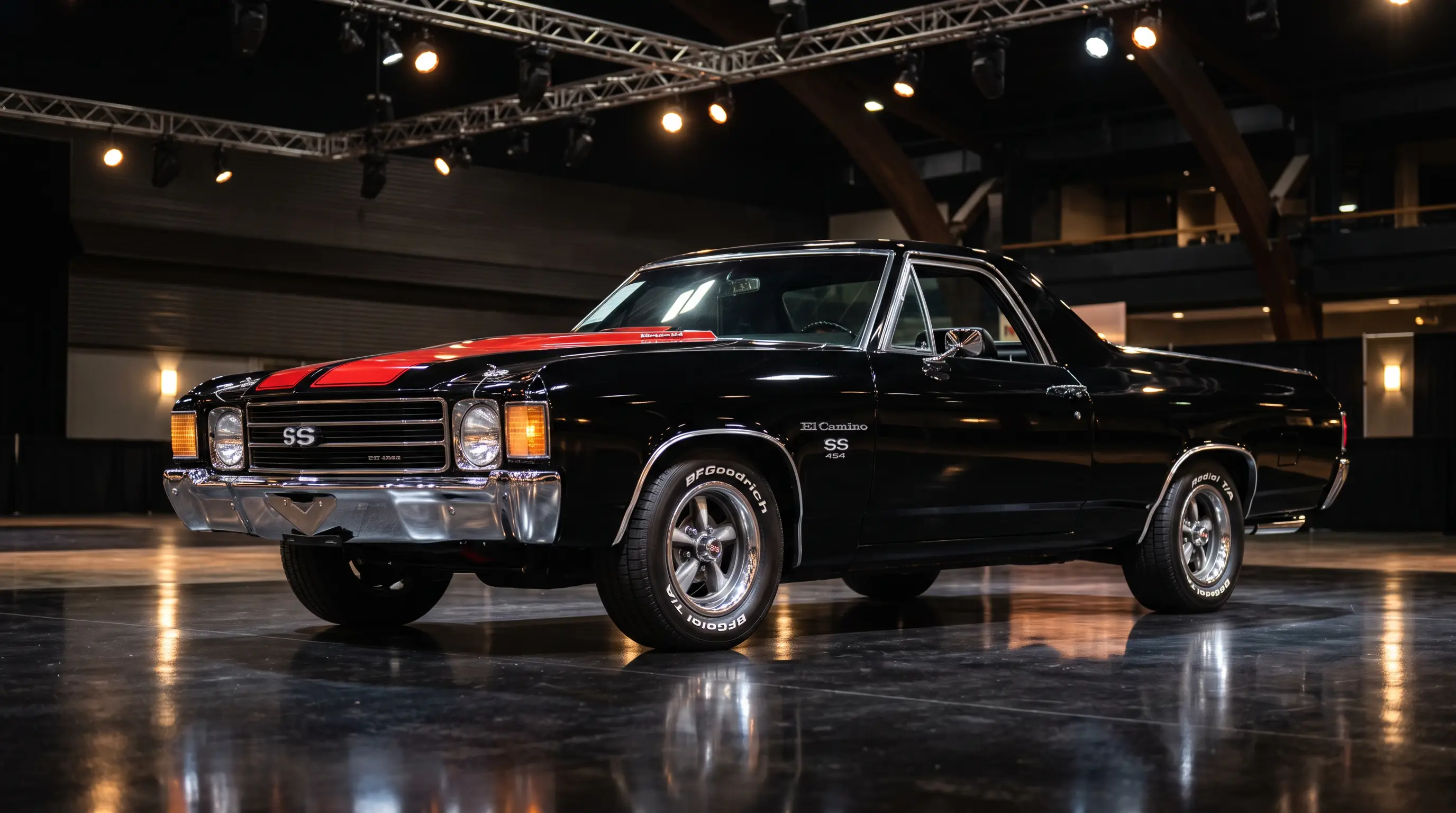
Auction results tell you what people actually paid, not what they say a car is worth, and that distinction matters most with a year like 1972. When a well-documented 1972 El Camino SS 454 crosses the block, the hammer price is a useful correction to the assumption that only 1970 cars command real money in this generation.
What the sale results actually show
Pull a range of completed sale prices for 1972 SS El Caminos over recent years and the pattern is consistent rather than dramatic. These cars sell steadily in the mid five figures for well-documented, numbers-matching examples with the 454 LS5, with condition and originality driving the spread far more than the model year itself does. Recent listing and sale data from outlets such as Hagerty Marketplace and Classic.com show well-documented 1972 SS 454 examples trading in roughly the mid-$20,000s to the low $50,000s depending on condition, options, and matching-numbers status, a range consistent with the model's underrated reputation. That steadiness is itself the story. Unlike 1970 cars, which can spike hard when two bidders decide they both want the same LS6 example, 1972 sales tend to track closer to a predictable curve based on documented condition.
That predictability is exactly what a serious buyer should want. Volatile markets reward luck. Predictable markets reward research, and 1972 rewards research because the population of buyers competing for any given car is smaller and less emotional than it is for the marquee years.
Small-block and mid-tier big-block 1972 SS trucks, the 350 and 402 cars, trade at a further discount to the 454 examples, which is exactly what the drivetrain hierarchy should produce. What is worth flagging is how narrow that gap has been at some recent sales compared to what the same hierarchy produces in 1970. When a 402 car and a 454 car sell within a few thousand dollars of each other, it tells you the market for 1972 as a whole has not yet fully priced in the drivetrain differences the way the 1970 market has, which again points toward room for the segment to mature.
What separates a strong result from a weak one
In every auction result I have reviewed for this generation, the same handful of factors separate a strong price from a disappointing one. Matching numbers on the engine and transmission move a sale meaningfully higher than a correctly optioned but non-matching example. Original paint or a well-documented restoration to factory specification outperforms a car with an undocumented repaint, even one that looks better in photographs. Build sheet and trim tag verification, confirming the SS and 454 designation actually belongs to that specific car rather than being added later, separates buyers who bid confidently from buyers who hesitate and drop out.
Presentation quality plays a smaller role than most first-time bidders expect. A car with excellent paint and chrome but a thin documentation file will frequently sell for less than a mechanically identical example with average cosmetics and a thick folder of receipts, build sheets, and prior-owner correspondence. Serious bidders at this level of the market have learned to discount appearance in favor of paper trail, because appearance can be bought in a weekend and a genuine history cannot be manufactured at any price.
| Factor | Effect on final price |
|---|---|
| Numbers-matching drivetrain | Meaningful premium |
| Verified original SS/454 build | Meaningful premium |
| Undocumented repaint or bodywork | Discount, even if cosmetically excellent |
| Missing or incomplete build sheet | Buyer hesitation, softer bidding |
"A hammer price only tells you what one buyer was willing to risk on one specific day. What tells you the real story is whether that same car would sell for close to the same number again next month."
- Marcus Feld
Reading the results as a buying signal, not just a sale record
The most useful way to use auction data on 1972 El Caminos is forward-looking rather than nostalgic. A tight cluster of results across several sales at similar money tells you the market has settled on a value range for genuine, documented cars. That gives a buyer confidence to act when a comparable example turns up, rather than guessing. For a fuller sense of what makes a genuine 1972 SS worth chasing in the first place, where this started lays out the model year's full context.
My general read on this segment of the market has not changed in years of watching it. A properly documented 1972 SS 454 remains one of the more defensible buys in the entire Chevelle-based El Camino run, priced below its reputation rather than above it. Anyone actively comparing current listings can go directly and shop classic El Camino listings from this exact model year to see where today's asking prices sit relative to the auction data.
How private sales compare to public auctions
Public auction results only capture part of the transaction volume for this generation. A meaningful share of 1972 El Caminos change hands privately, through club networks, online classifieds, and word of mouth, and those sales rarely surface in the databases most price guides rely on. That gap matters for a buyer trying to gauge fair value, because private sales often settle at slightly lower numbers than the equivalent car would bring at a televised auction with a live bidding crowd and a buyer's premium added on top. A private-sale price and a public hammer price are both real data, but they are not measuring quite the same thing, and treating them as interchangeable can lead a buyer to overpay or a seller to undervalue their own car.
The risk that still exists
None of this removes ordinary due diligence. Verify the trim tag against the VIN, confirm engine casting numbers match the era and displacement claimed, and get an independent inspection before committing serious money regardless of how clean the auction comparables look. Documentation risk is lower on 1972 cars as a class, not eliminated. Treat every individual truck on its own paperwork, not on the reputation of the year.
Buyers should also be wary of sellers who lean too hard on the underrated-year narrative itself as a substitute for evidence. A truck being a genuinely good value proposition does not mean every individual example offered at that price is actually what it claims to be. The value argument for 1972 is a market-level observation about a whole population of cars, not a guarantee about any single truck sitting in front of you. Confirm the specifics before the discount becomes the reason you skip the inspection.
The steadiest way to protect a purchase at this level is to treat every claim on a listing as a question rather than a fact until it has been checked against the trim tag, the build sheet if one exists, and where possible the original dealer paperwork. That discipline costs an afternoon. Skipping it can cost thousands of dollars in a car that turns out to be a 350 wearing borrowed 454 badges, a substitution that has happened often enough across this generation to remain a genuine and recurring risk rather than a rare edge case.
Sources and notes
- 1972 Chevrolet El Camino SS 454 sale listing, Hagerty Marketplace
- Chevrolet El Camino overview, Wikipedia
- 1968-1972 Chevrolet El Camino SS engine and value guide, MotoGallery
- 1970 LS6 El Camino authenticity discussion, El Camino Central Forum
- 1972 Chevrolet El Camino 454 SS result, Iconic Auctioneers