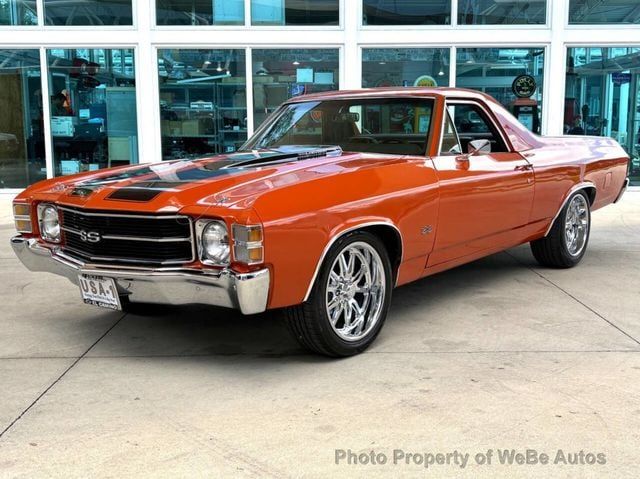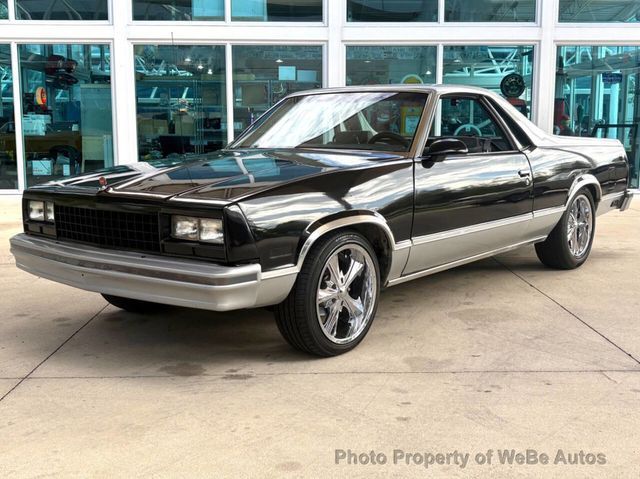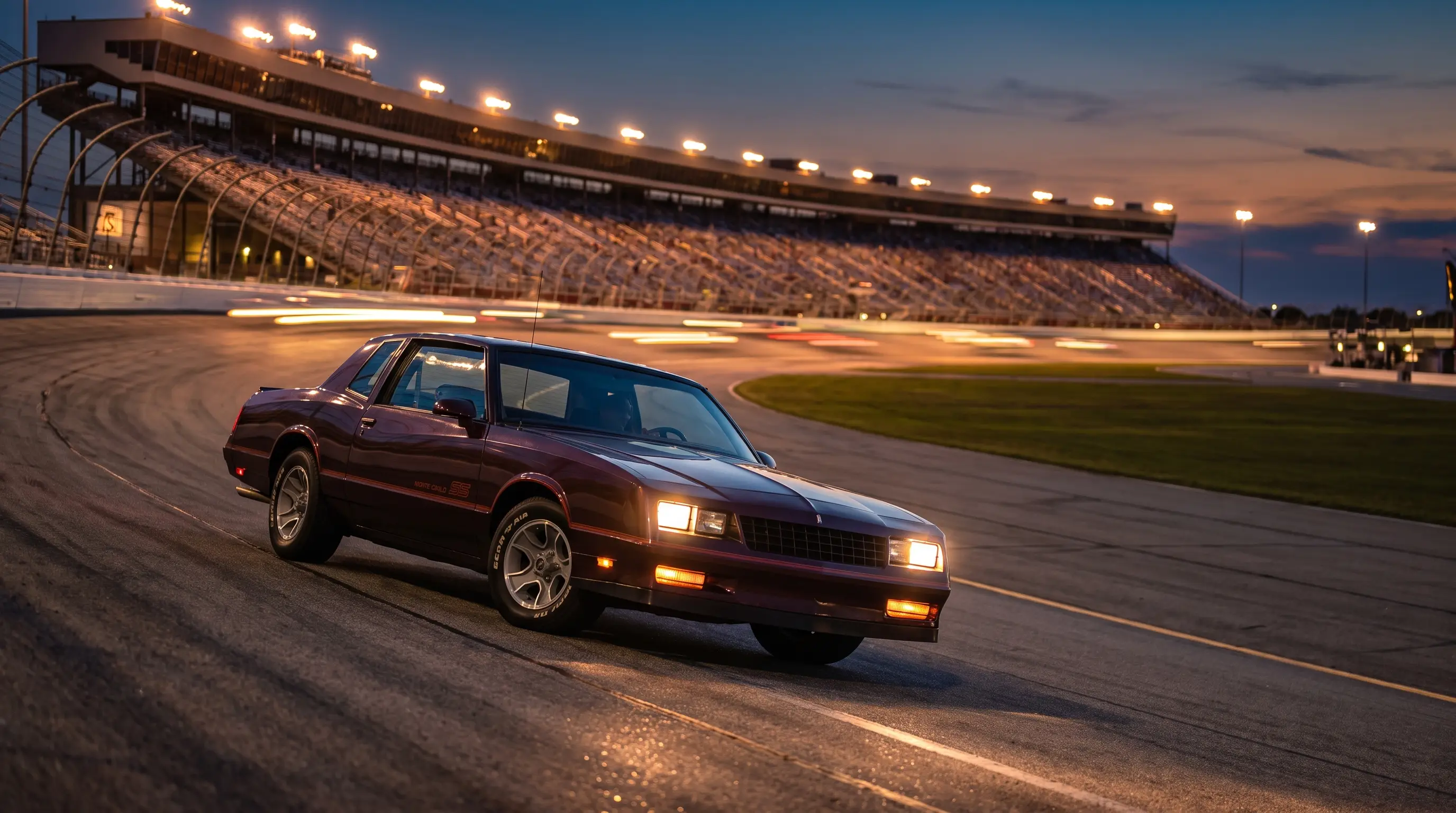
Open a 1972 El Camino brochure and the first thing that strikes you is not the engine chart, it is the paint chip page. The early 1970s were the last moment before American cars retreated into browns, tans, and safety beige, and Chevrolet's palette that year still had some real nerve to it. Understanding the colors and vinyl trims offered on the 1972 El Camino tells you almost as much about the era as the spec sheet does.
A palette caught between two decades
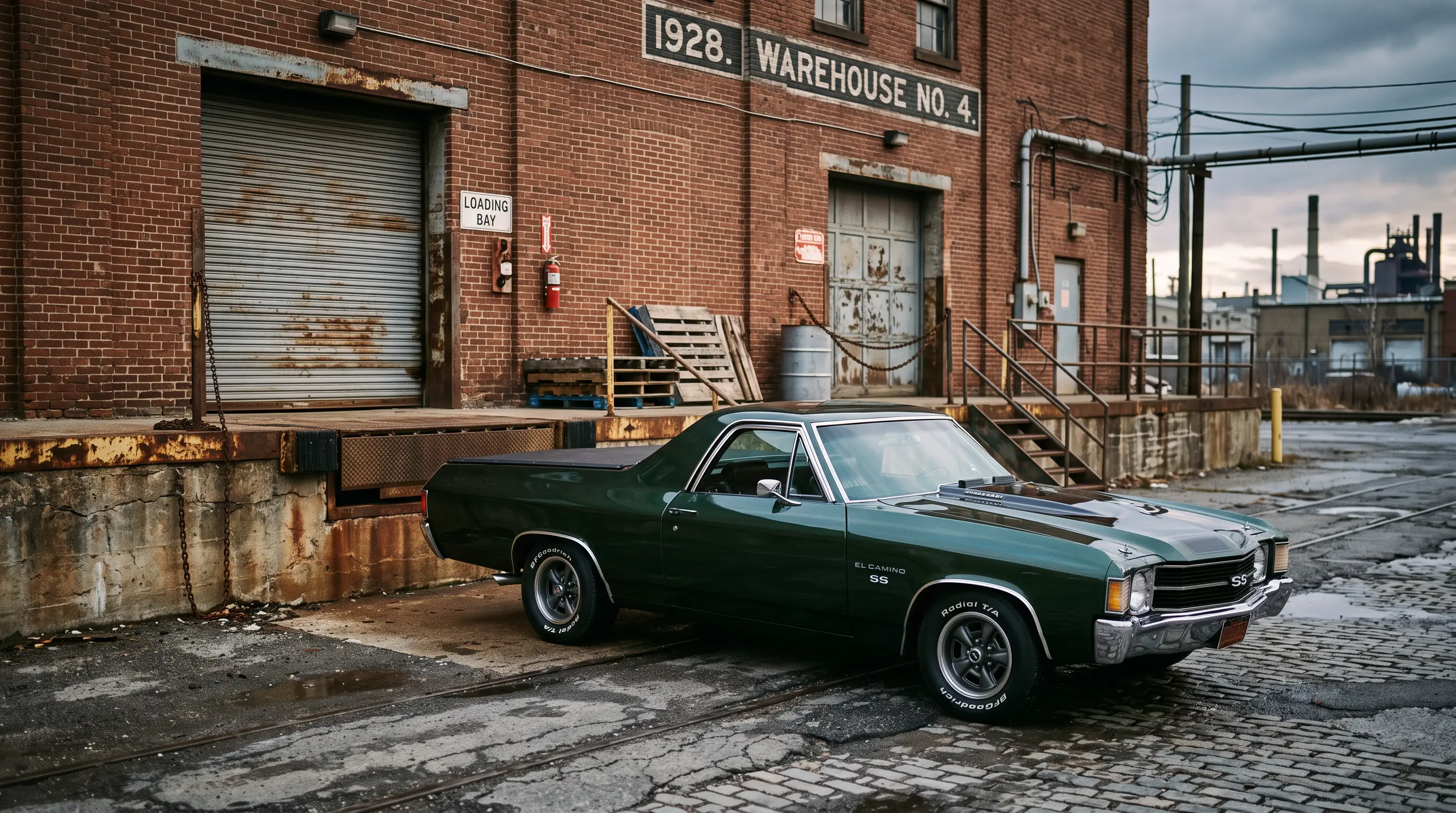
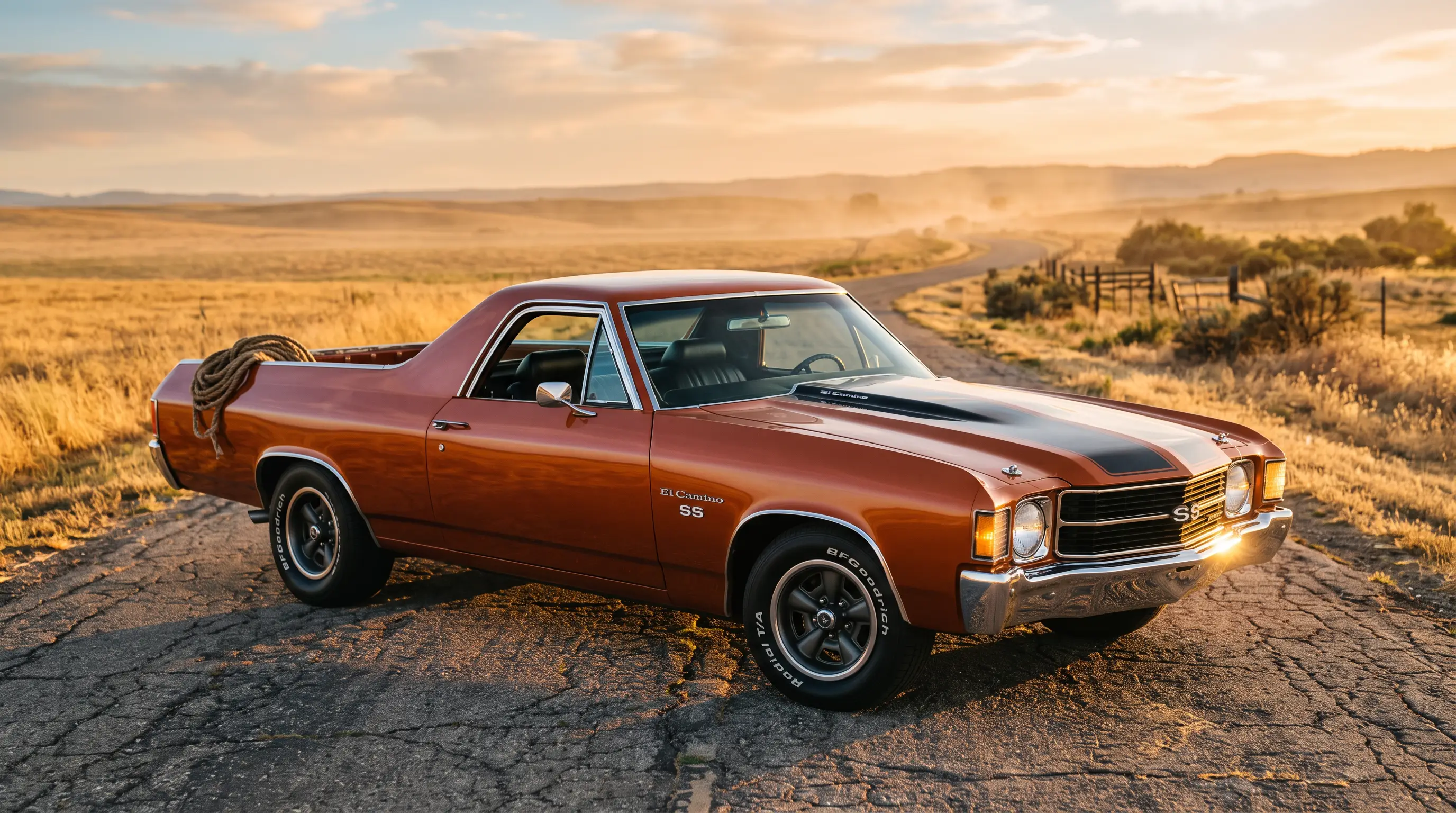
By 1972 the psychedelic extremes of the late sixties had cooled, but the color names on the order form still leaned toward drama rather than restraint. Buyers could choose shades such as Cranberry Red, Placer Gold, Antique White, and deeper greens and blues that read as confident rather than shy. These were colors meant to be seen in a driveway, not colors chosen to disappear into a parking lot. The 1972 order sheet also included shades such as Ascot Blue, Mulsanne Blue, Spring Green, Sequoia Green, Covert Tan, Cream Yellow, Golden Brown, Mohave Gold, Orange Flame, and Midnight Bronze, with Tuxedo Black offered only as a special order color that year.
What makes 1972 distinct within the early-70s stretch is that it still carries forward some of the bolder combinations from 1970 and 1971, while quietly setting up the more muted direction the industry would take once the 1973 oil shock changed how people thought about cars altogether. In that sense the 1972 palette is a hinge point, the last year that felt unapologetically like the muscle era rather than the fuel-crisis years that followed.
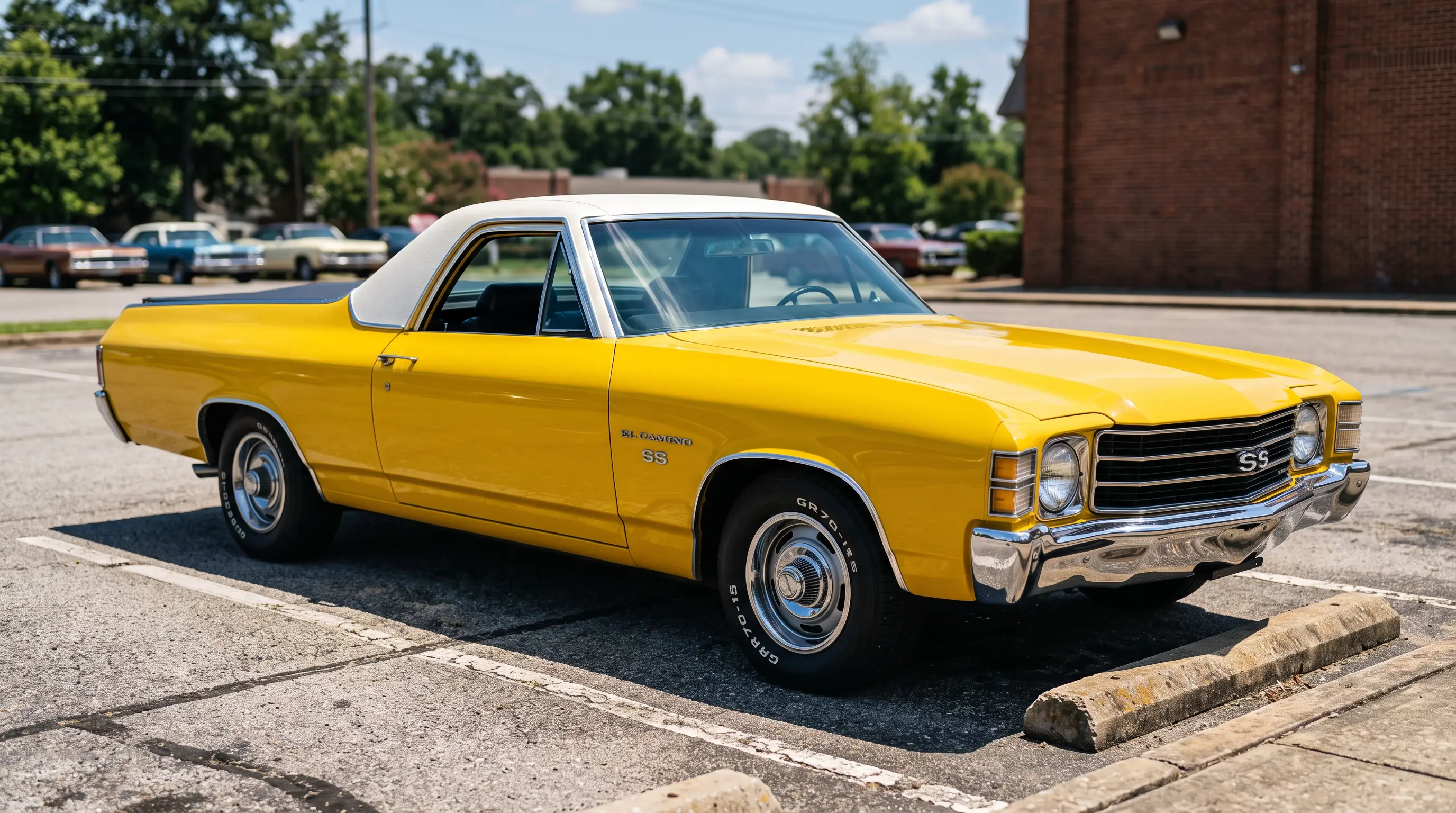
The two-tone stripe treatment offered on the SS models added another layer to that argument. A body-length stripe running along the lower rocker panels or across the hood, usually in a contrasting shade to the main paint, gave the truck a visual energy that had nothing to do with the engine underneath. Chevrolet's designers understood that a muscle-era buyer wanted the car to announce itself before the exhaust note did, and the 1972 stripe and paint combinations delivered exactly that kind of visual confidence.
Vinyl tops as a style statement
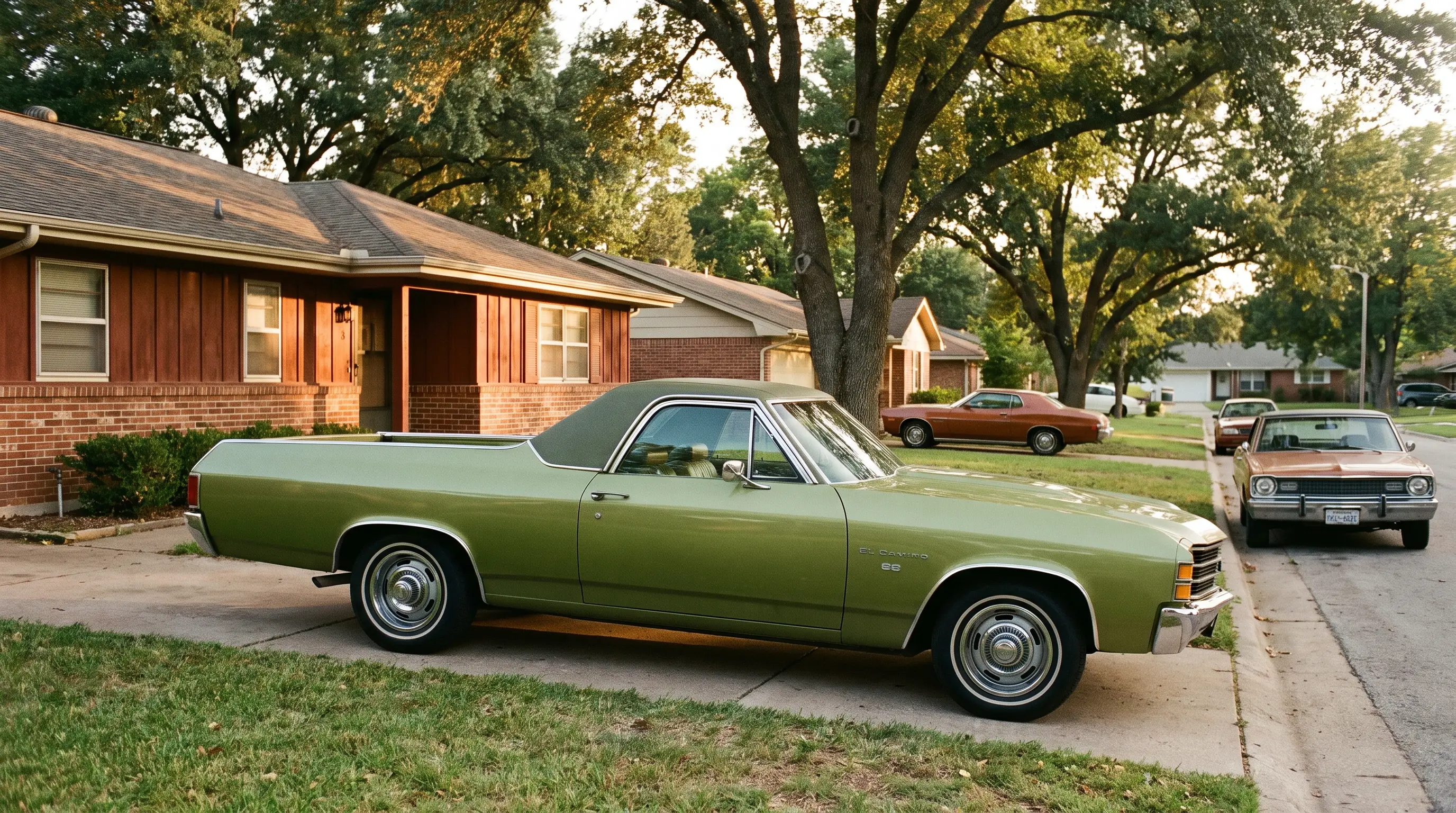
The vinyl top option deserves its own conversation, because in 1972 it was not a niche add-on, it was close to an expected feature on a well-dressed El Camino. Buyers could order the roof panel over the cab in a contrasting or complementary color, and the choice said something about the owner. A white vinyl top over a dark body read formal and clean. A black vinyl top over a bold body color read tougher, closer to the SS ethos. The vinyl top also visually separated the cab section from the cargo bed in a way that made the two-in-one nature of the El Camino, half car and half truck, look intentional rather than compromised.
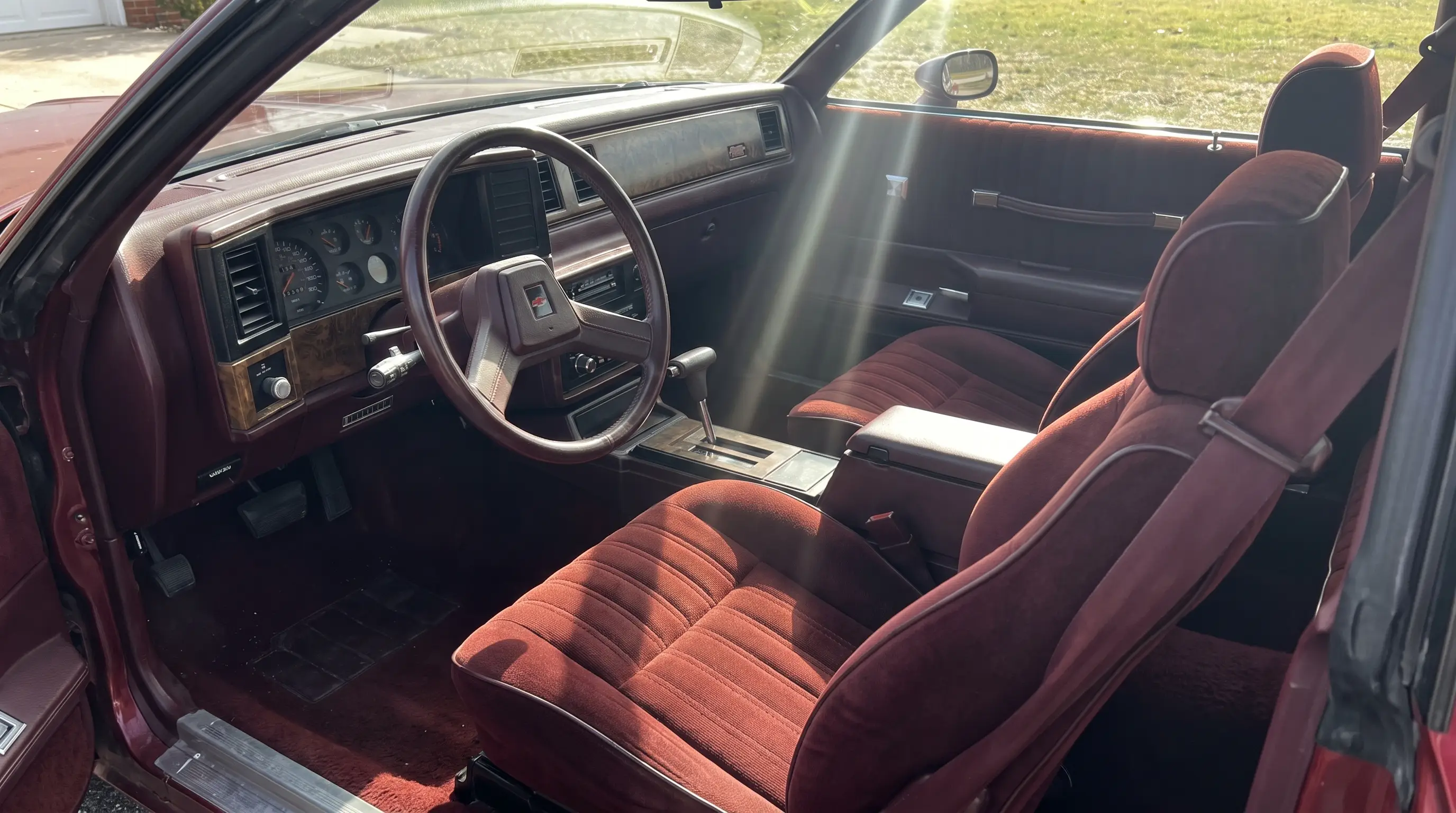
Inside, houndstooth and plaid cloth inserts showed up on several trim levels that year, paired with vinyl bolsters in coordinating colors. It was a distinctly early-70s combination, bolder patterned fabric against solid vinyl, and it aged into a look that current owners now treat as a period signature rather than a dated compromise.
Dashboard and door panel colors followed the same confident approach as the exterior. Rather than defaulting every interior to black or a single neutral tone, Chevrolet coordinated dash pads, door panels, and carpet in shades that matched or complemented the exterior paint. A gold exterior might be paired with a saddle or ivory interior, while a darker green or blue body color often carried through to a black or matching-tone cabin. That level of coordination is part of what makes a correctly preserved interior feel so distinctly of its moment when you sit inside one today.
Reading a car's originality through its paint and trim
For anyone shopping a survivor or a restoration today, color and interior trim are not just cosmetic details. They are a way to check a car's story against its paperwork. The trim tag lists the factory color code and the interior trim code, and matching those against the physical car is one of the simplest ways to confirm a 1972 El Camino has not quietly been repainted into a more fashionable shade or had its vinyl top color changed to something that never left the factory that way.
| Element | Where to verify it | Why it matters |
|---|---|---|
| Exterior paint code | Body/trim tag | Confirms original color against paperwork |
| Vinyl top color | Trim tag and factory build sheet | Some combinations are period-correct, others are later additions |
| Interior trim code | Trim tag | Matches seat and door panel material to factory spec |
That kind of detail work matters more for 1972 cars than people expect, because as covered in our complete history of the model year, 1972 sits right at the point where several color and trim options were being phased out ahead of the 1973 redesign, so not every combination that looks plausible was actually offered.
Restorers chasing period accuracy also need to account for how paint has aged unevenly across surviving cars. Original lacquer and enamel finishes from the early 1970s often mellow or shift tone over five decades of sun exposure, which means a car that looks like it wears a slightly different shade than the brochure photo may simply be showing its age honestly rather than hiding a repaint. Cross-referencing the trim tag code against a verified factory color chip, rather than trusting the eye alone, is the only reliable way to settle that question.
"A paint chip is a small thing until you realize it is the closest object left that tells you exactly how someone in 1972 wanted the world to see them."
- Nora Beckett
Why the look still resonates
Part of the enduring appeal of a well-preserved 1972 El Camino is that the color and vinyl combination is instantly readable as a specific moment in American design, sitting between the psychedelic late sixties and the muted, safety-conscious late seventies. A buyer who wants that exact visual signature, and who is browsing to browse classic El Camino listings, should treat the paint and trim combination as seriously as the engine code. Both tell you what era of Chevrolet history you are actually bringing home.
There is also a simpler reason this generation's color story keeps drawing attention. Modern factory palettes have narrowed dramatically toward white, black, gray, and a handful of safe blues, which makes the confidence of a 1972 exterior and interior combination stand out even more sharply by comparison. A buyer walking a car show today notices a well-preserved period-correct 1972 El Camino precisely because nothing built new looks or feels like it anymore. That contrast, more than any single color name on the order form, is what keeps the early-70s palette relevant to a generation of enthusiasts who never lived through it firsthand.