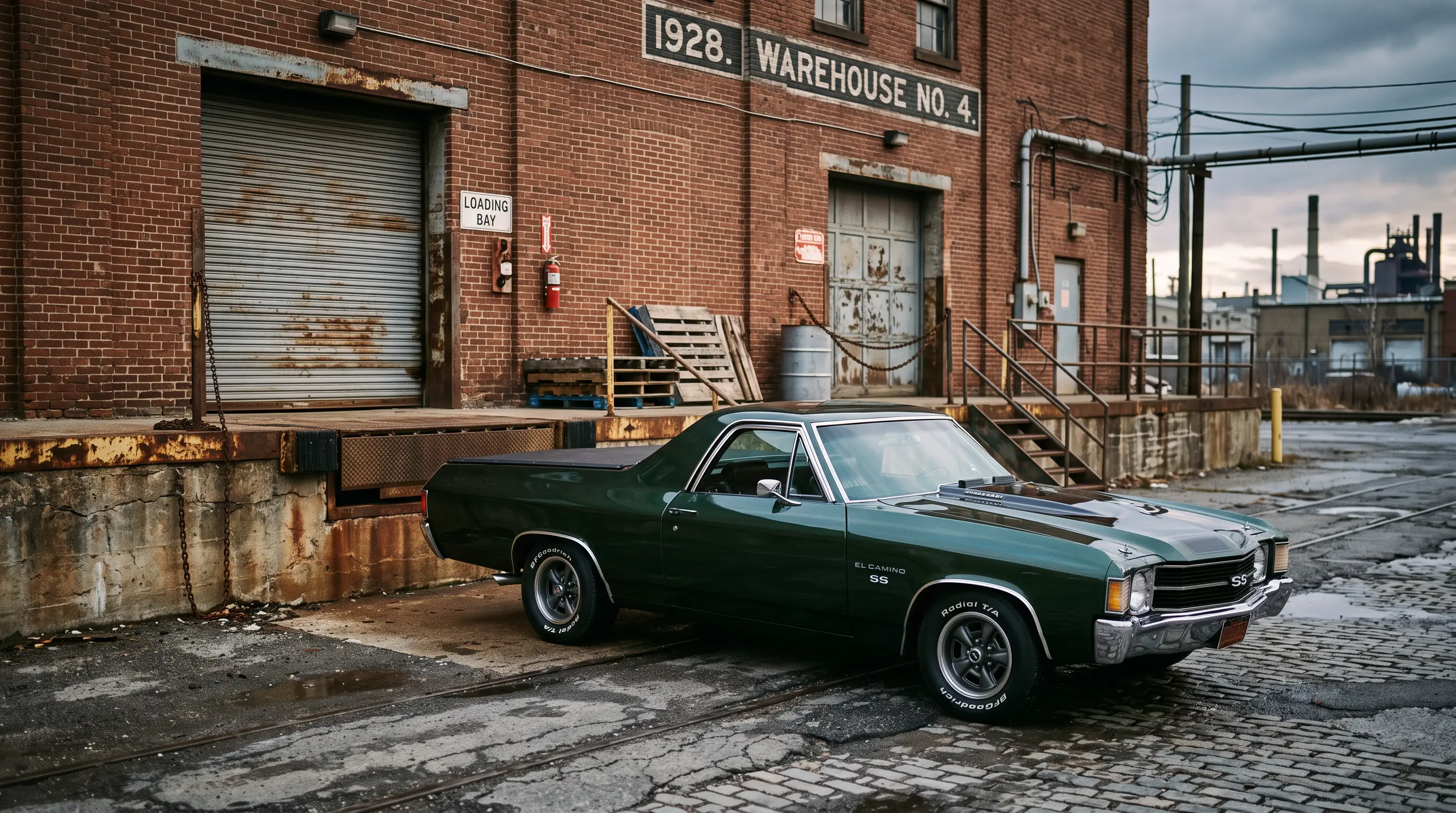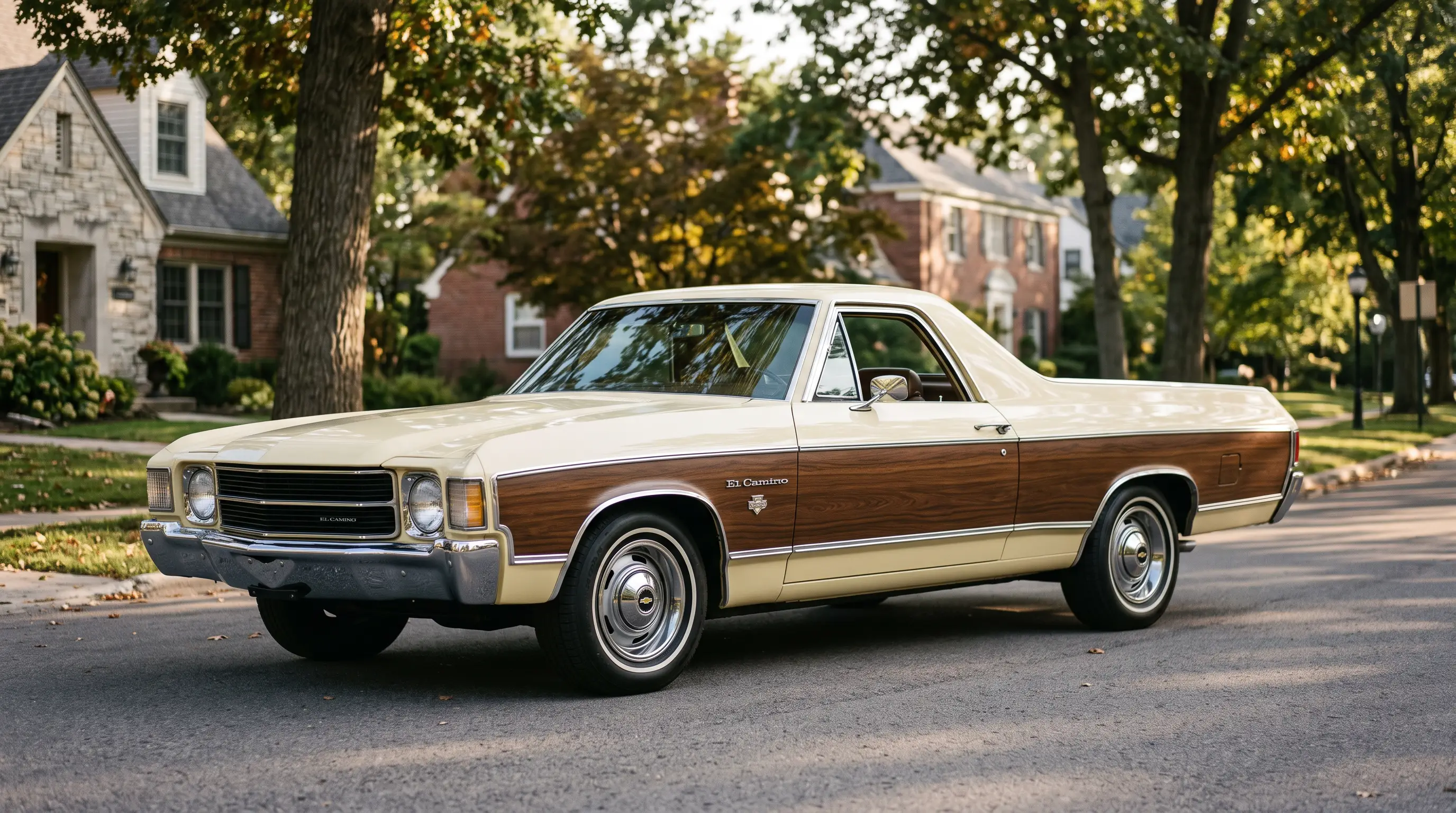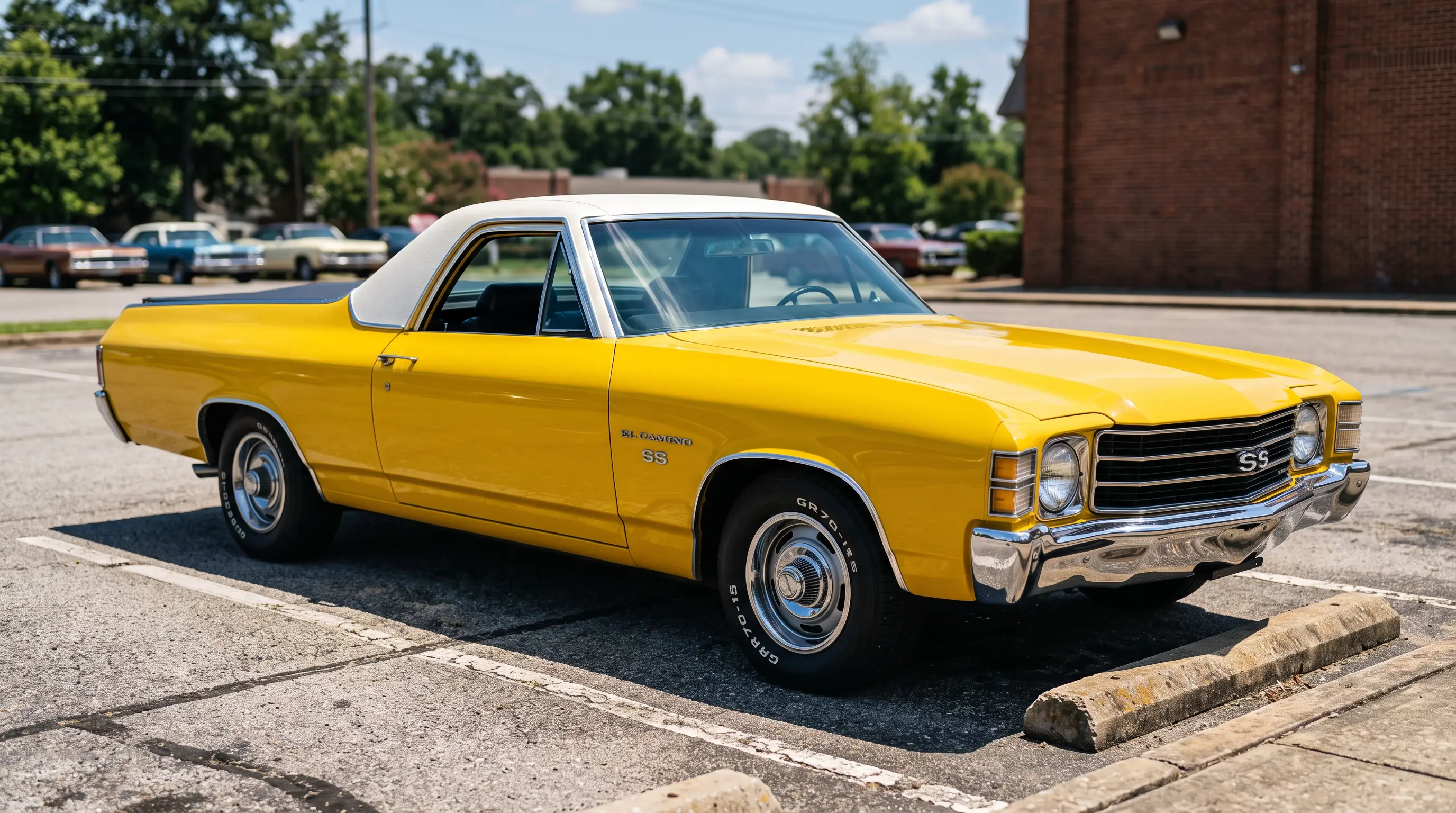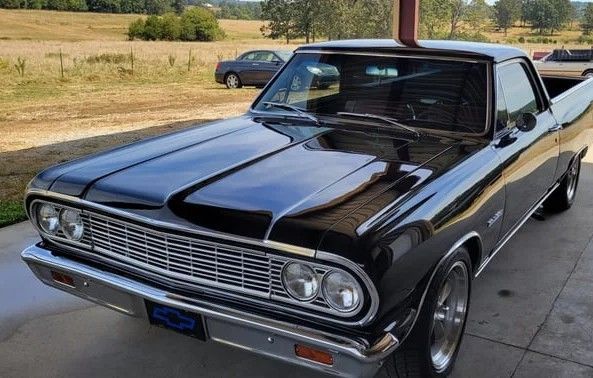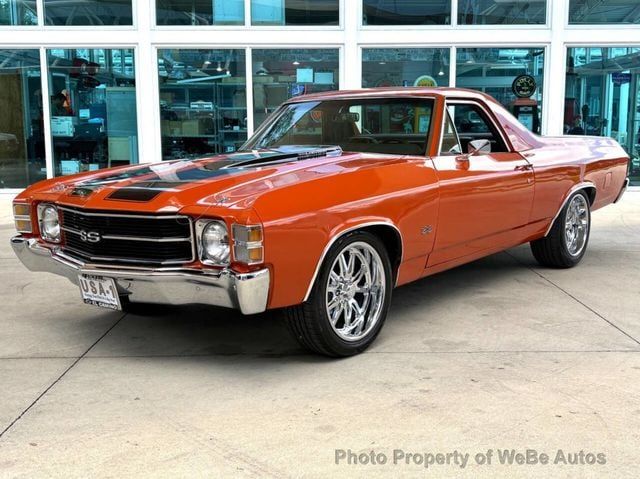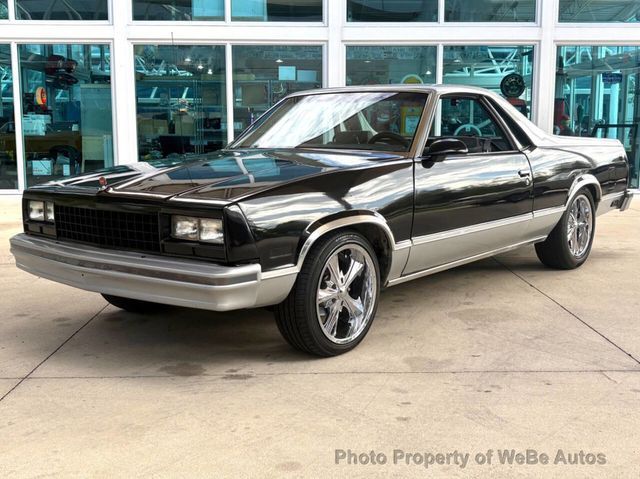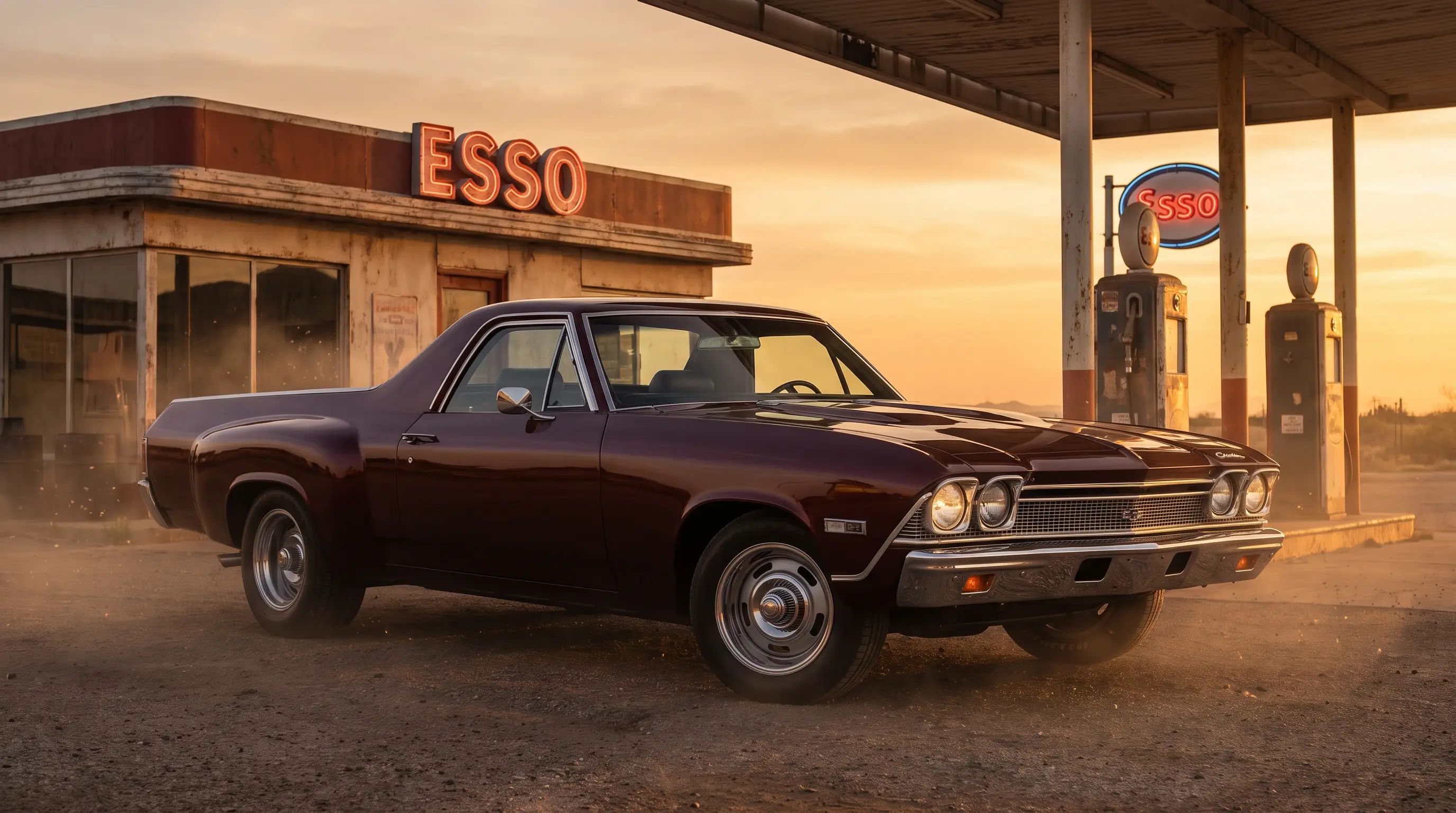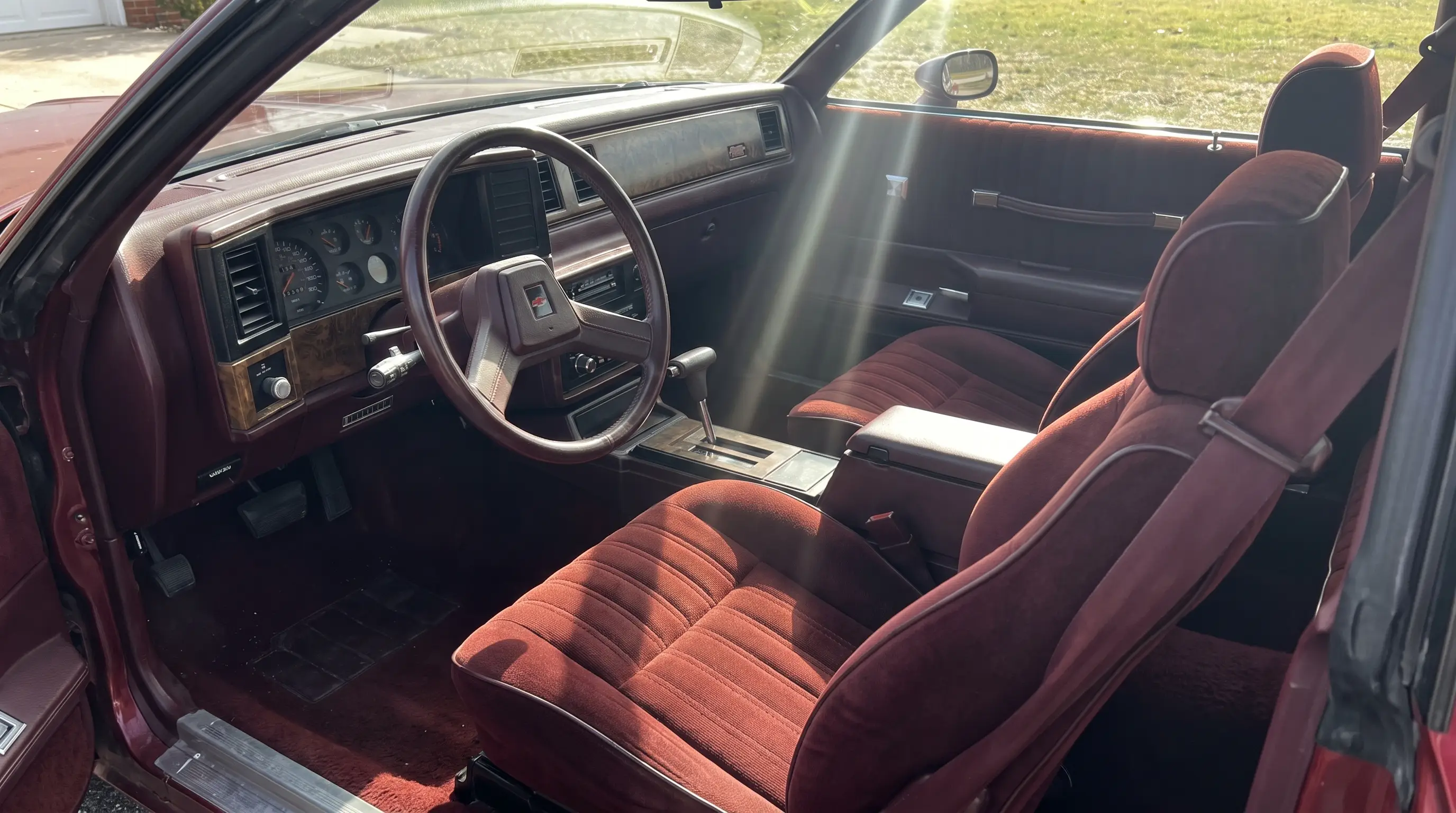
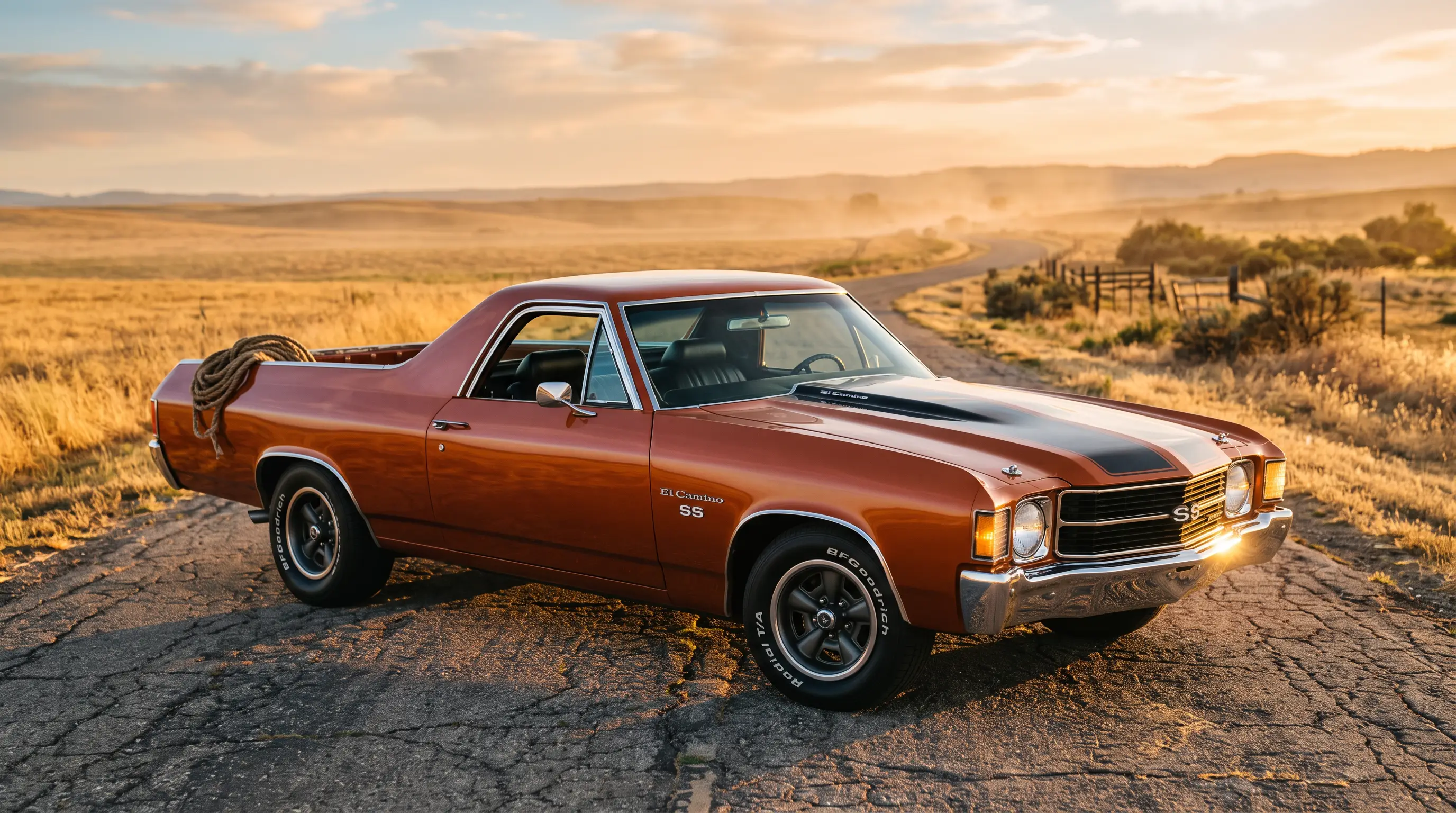
The 1972 El Camino gets skipped over more than almost any other year of the Chevelle-based truck, and that is exactly what makes it worth a second look. Collectors chase the 1970 for its LS6 454 and they chase 1968 and 1969 for being first with the SS badge. That leaves 1972 sitting quietly in the middle, priced like a footnote when it is actually the last full expression of the second-generation body before emissions rules reshaped everything that followed.
Why 1972 gets ignored
Ask a casual buyer to name a great El Camino year and 1972 rarely comes up. The reason is timing, not merit. By 1972 the horsepower wars were already retreating. General Motors had dropped compression ratios across the board starting in 1971, and 1972 was the year the industry switched from gross to net horsepower ratings, so a 454 that might have read 360 hp gross a few years earlier now showed a lower net number on the window sticker. Buyers scanning spec sheets decades later see the smaller figure and assume the car is weaker. It is not weaker. It is measured differently, and that single accounting change did more to bury the reputation of 1972 than anything mechanical.
There is also the calendar problem. 1972 was the final model year before the 1973 redesign moved the El Camino to the Colonnade-era Chevelle platform, with its body-color bumpers and heavier federal crash structure. Because the change was coming, 1972 never got remembered as a beginning or an end of anything dramatic. It is the quiet last chapter of a body style everyone already associates with 1970.
Insurance surcharges compounded the problem in period. By the early 1970s, underwriters had started singling out big-block muscle cars for higher premiums, and buyers shopping in 1972 increasingly steered toward smaller-displacement engines just to keep their monthly bills manageable. That shift in showroom behavior meant fewer 454 cars left the factory that year compared to the peak years, which in turn shaped how the model gets remembered today. A car class perceived as expensive to insure rarely gets remembered as a high point, even when the hardware underneath tells a different story.
What you actually get for the money
Strip away the marketing narrative and the hardware tells a different story. A 1972 El Camino SS could still be ordered with a 454 cubic inch V8, the LS5 version, rated at 270 hp net (the first year Chevrolet quoted SAE net rather than gross figures on the window sticker). That is a genuine big-block in a body that shares its floor pan, subframe, and most of its structure with the 1970 car that routinely commands double or triple the price. The eggcrate grille, the SS badging, the Endura-style front cap options all carried over largely unchanged. You are buying the same driving experience for a fraction of the outlay, and classic El Camino for sale listings from this year regularly prove it when they turn up.
Rarity plays a role too. Because 1972 was less popular when new among buyers chasing the biggest numbers, and because it has been less popular with collectors since, fewer surviving cars have been restored to concours standard. That means a well-kept driver-quality 1972 SS can be a genuinely uncommon sight at a local show, even though it is not treated as rare in the price guides.
The mid-range engine options tell a similar story of unrecognized substance. A buyer who could not stretch to the 454 in 1972 still had a 402 cubic inch big-block on the order sheet, badged simply as a 396 out of habit even though displacement had grown, alongside a range of 350 small-blocks tuned for either economy or performance. None of these were afterthought engines. They were the same basic architecture Chevrolet had spent years refining, installed in a body that looked every bit as purposeful as the flagship 454 truck parked next to it on the lot.
Where the value gap actually sits
The clearest way to see the underrated status is to line the years up side by side.
| Model year | Reputation | Typical driver-condition price signal |
|---|---|---|
| 1970 | Peak muscle year, rare and disputed LS6 documented on some cars | Highest |
| 1968-69 | First SS El Camino, historically significant | High |
| 1971 | Compression drop begins, still gross-rated | Moderate |
| 1972 | Net horsepower ratings, last of the body style | Lowest of the SS years |
That gap is the whole argument. Mechanically the 1971 and 1972 trucks are close cousins to the more celebrated 1970, sharing the same basic chassis, brakes, and body dimensions, yet they sit at the bottom of the price ladder simply because they arrived after the year everyone remembers.
Watch that gap over a long enough stretch of time and it tends to close rather than widen. Markets for collector vehicles are rarely static, and buyers priced out of the flagship year of any given generation eventually turn their attention to the closely related years sitting just below it. That has already happened with other muscle-era nameplates, where a formerly overlooked model year quietly became a respected buy in its own right once enough shoppers did the mechanical comparison for themselves. There is no reason to think 1972 will be permanently exempt from that same correction.
Engine and options that hold up today
Beyond the headline 454, the 1972 order sheet included a genuinely broad range of factory options that still matter to a buyer today. Power front disc brakes, a heavy-duty cooling package for the big-block cars, and a choice between the Turbo Hydra-Matic automatic and a four-speed manual all remained available that year, giving 1972 buyers the same core menu of serious hardware that 1970 shoppers had. A correctly optioned 1972 SS with the manual transmission and factory disc brakes drives with the same confidence a 1970 example does, because underneath the trim differences it is essentially the same machine.
"Every silo has a year like this. The market falls in love with a headline number from one specific model year and quietly forgets the trucks built right around it were built from the same blueprint."
- Tom Ramirez
What to check before buying one
A smart shopper still does homework specific to 1972. Confirm the cowl tag and trim tag match the VIN derivative for the engine claimed, since 454 cars are worth meaningfully more than 350 or 402 equipped trucks and cars get swapped over the decades. Look for correct 1972-specific trim, since the grille inserts and some emblem details differ subtly from 1970 and 1971 even though the sheetmetal looks similar at a glance. Buyers who want the full background on this generation before they commit can read the full story of the 1972 model year to understand exactly what set it apart from the trucks built just before and after it.
None of this makes the 1972 El Camino a secret muscle car. It makes it a well-documented one that the market has simply not caught up to yet. For a buyer who wants the SS experience without paying a 1970 premium, that gap between reputation and reality is the whole opportunity.