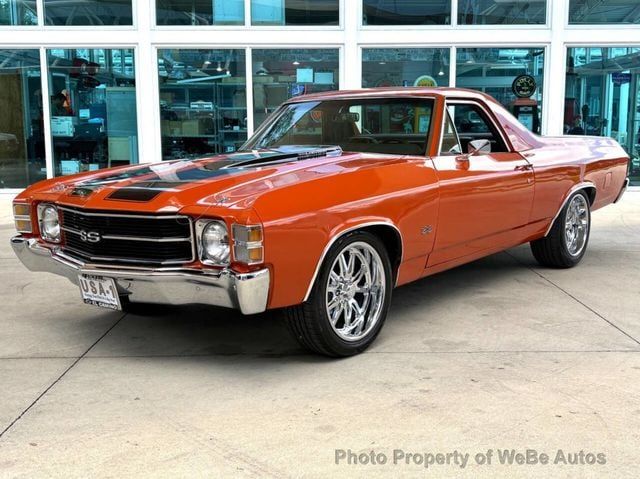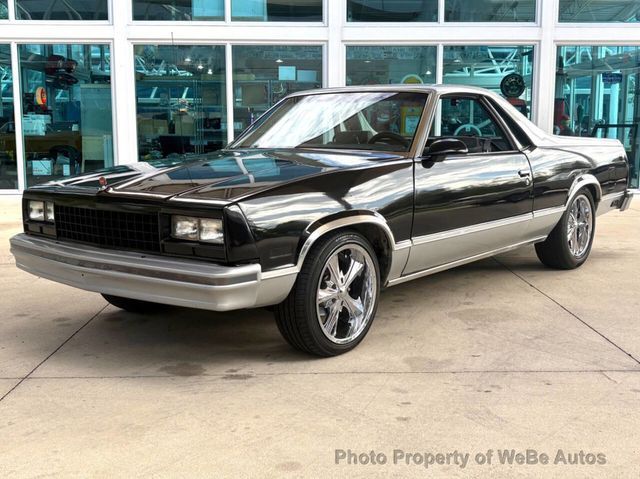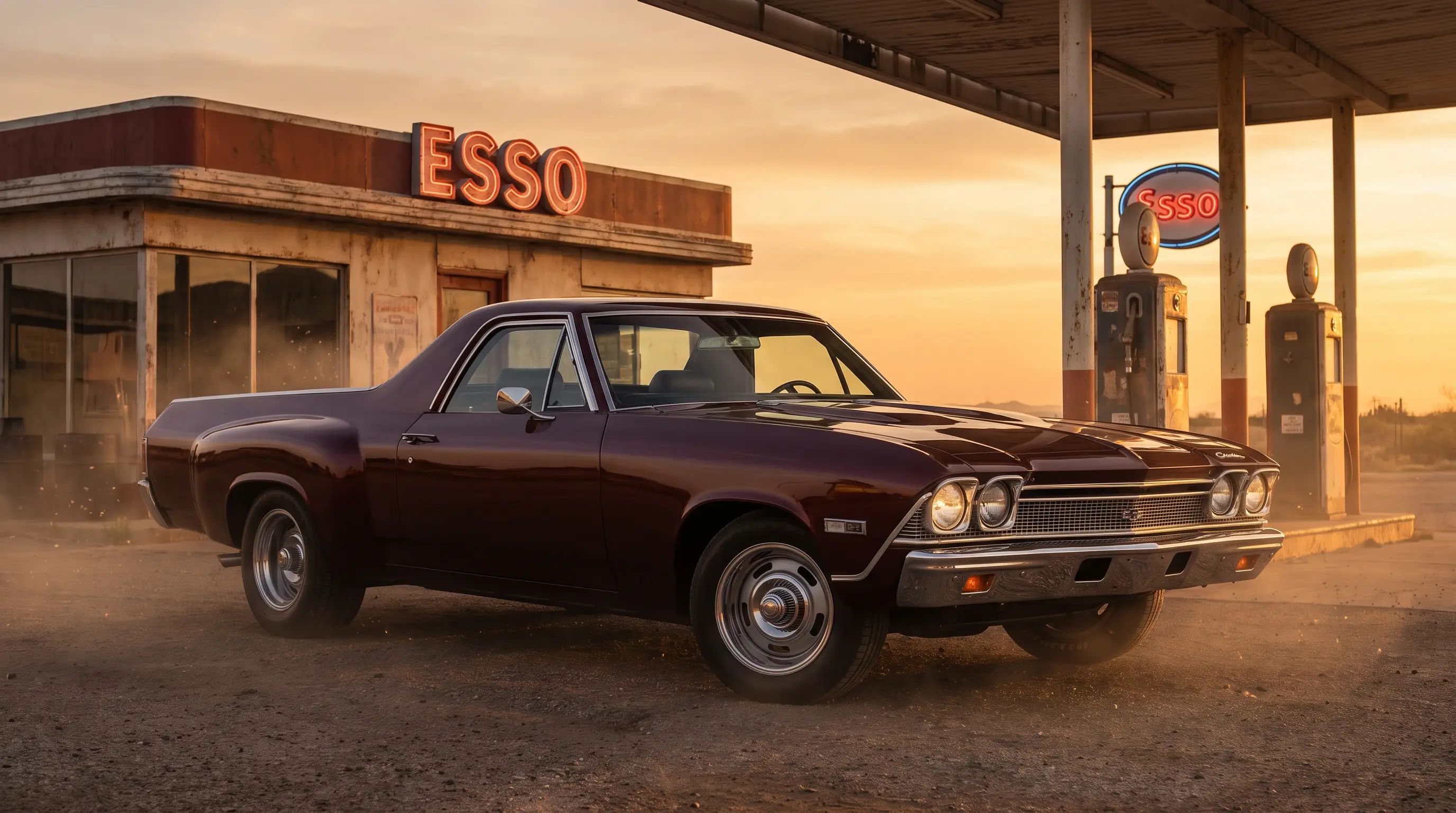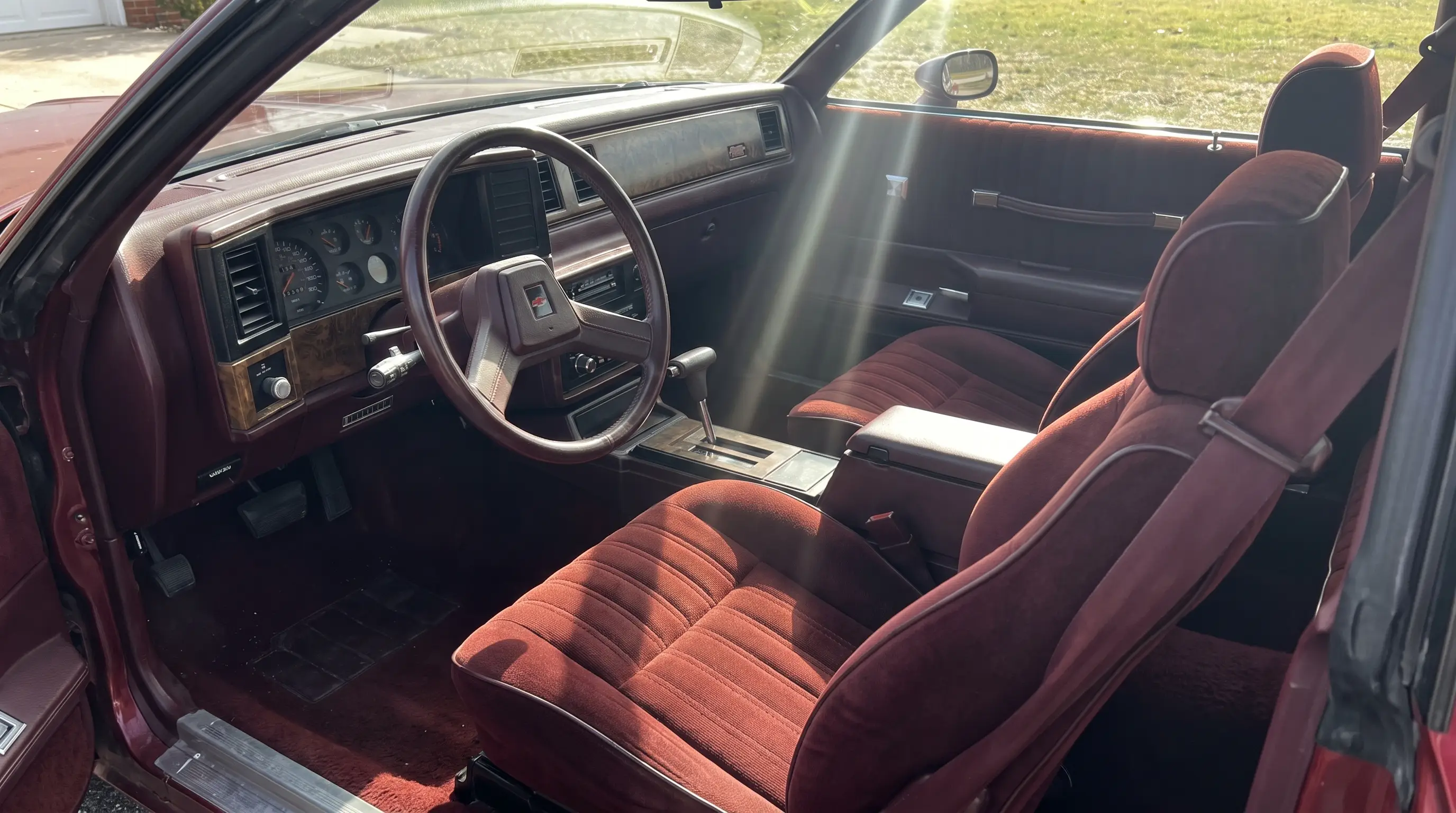
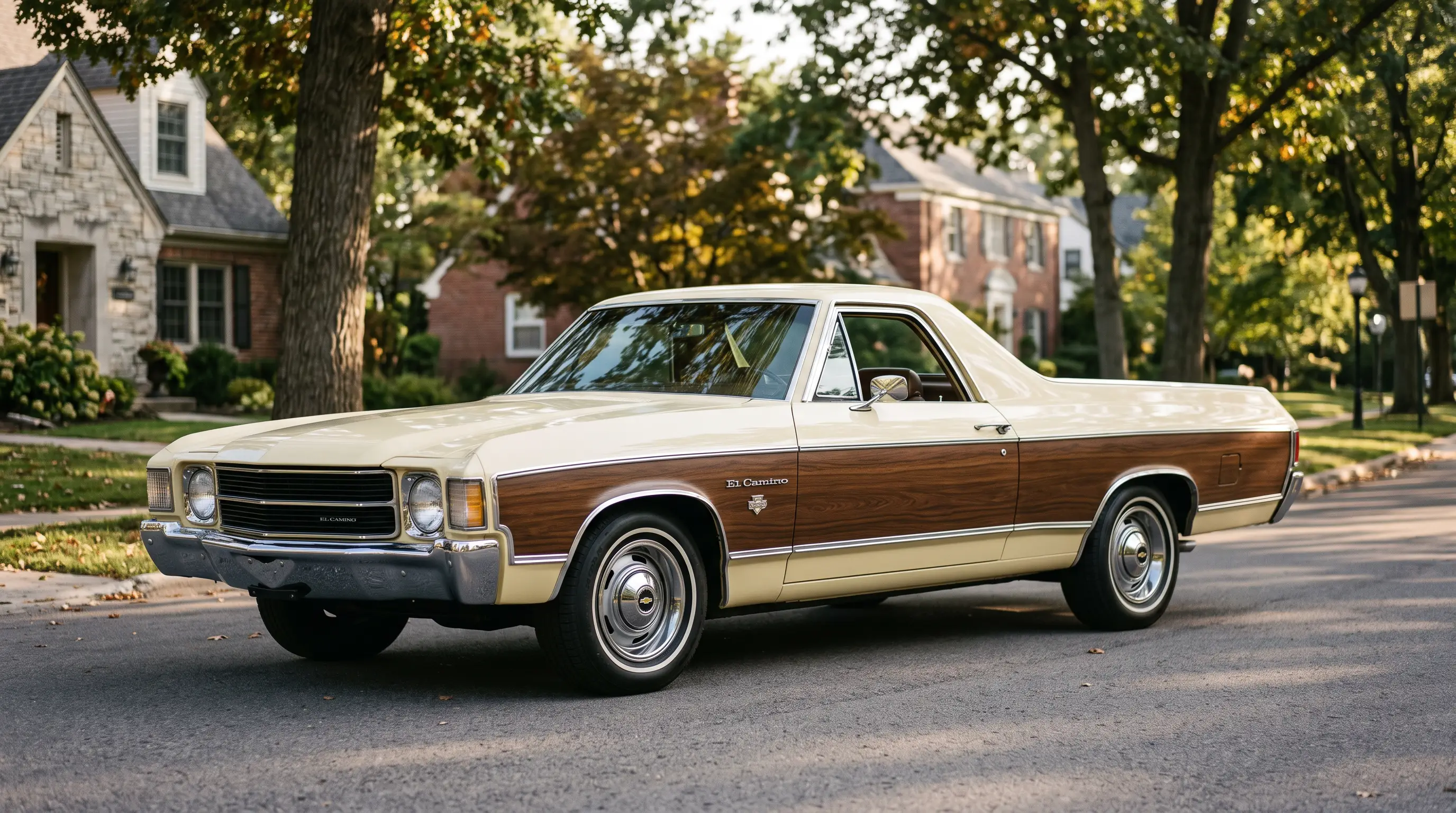
Not every buyer walking into a Chevrolet showroom in the early 1970s wanted the SS package and its performance-first pitch. Some wanted a nicer interior, a quieter ride, and trim that read more like a personal car than a muscle machine, and Chevrolet answered that demand with the Conquista package, a comfort-and-appearance option that arrived for the 1973 model year, the very next season after the Chevelle-based El Camino gave way to the new Colonnade generation, as a genuine alternative to the SS-badged performance route. The 1972 El Camino sold out its run one model year before that option existed, but the shift toward a comfort-and-appearance alternative to the SS package was already building in 1972, and Conquista is the direct result of that buyer demand finally getting its own line on the order sheet.
What Conquista actually offered
Where the SS package leaned on suspension upgrades, engine options, and performance-oriented badging, Conquista leaned the other direction entirely. The package brought upgraded interior trim, distinct two-tone exterior paint and badging, and a general emphasis on presentation over performance, aimed at a buyer who wanted the El Camino's practicality without the loud visual language of the SS cars sitting one row over on the dealer lot. It gave Chevrolet a second clear story to tell about the same basic vehicle, expanding who the car could reasonably be marketed to beyond the traditional muscle-car buyer, starting the model year right after the 1972 El Camino closed out the Chevelle-based generation.
This mattered more by the time Conquista actually arrived than it might have a few years earlier. Insurance surcharges on performance packages had climbed steadily through the early 1970s, and a segment of buyers who wanted an El Camino's practicality without that insurance premium found a genuine answer in Conquista once it reached the lineup, rather than being pushed toward the SS option or away from the nameplate entirely.
Why the timing made sense
By the early 1970s the broader muscle car market was already cooling, with rising fuel costs and tightening compression ratios reshaping what buyers expected from performance vehicles across the entire industry. A comfort-and-trim package aimed squarely at buyers who wanted style without the performance overhead fit that shifting market better than it would have during the peak muscle years just a few seasons earlier. Conquista's 1973 arrival, timed to the same model year as the new Colonnade-based El Camino, gave Chevrolet a way to keep selling the nameplate's practical appeal to a broader audience even as the performance-focused segment of that same audience began to shrink.
| Package | Primary emphasis | Typical buyer |
|---|---|---|
| SS option (1968-72 and beyond) | Performance suspension and engine choices | Enthusiast, performance-focused |
| Conquista option (from 1973) | Interior trim and exterior appearance | Comfort and style-focused |
How Conquista shaped the model's reputation
Having a genuine comfort-trim alternative to set against the SS option broadened the El Camino's identity beyond the muscle-car framing that dominates most retrospective coverage of this era. The car was never only a performance vehicle wearing a truck bed, and Conquista, arriving the year immediately after the Chevelle-based generation ended, is direct evidence of that broader identity, a factory acknowledgment that plenty of buyers wanted the practicality and style of the El Camino without any interest in the performance side of the equation at all.
That dual identity, performance option on one side and comfort option on the other, is part of what makes the nameplate's run through the early 1970s more interesting than a simple muscle-car narrative allows for. Readers researching the 1972 el camino story get the fuller picture of what the outgoing Chevelle-based generation actually offered buyers, and that story traces back to the full story of the nameplate's whole run.
"Conquista tells you something the SS badge never will: that plenty of original buyers wanted this car for reasons that had nothing to do with a quarter-mile time."
- Sarah Whitfield
Where Conquista sits in the wider GM naming pattern
GM divisions leaned on similar upscale, Spanish-language trim naming across several product lines during this period, a marketing habit that suggested refinement and distinctiveness without the expense of engineering an entirely new model. Buyers cross-shopping other GM intermediates in the early-to-mid 1970s would have recognized the general pattern even if the specific package name differed from one division to another. That familiarity likely made Conquista an easier sell to a buyer already primed by similar naming conventions elsewhere in the showroom, rather than a wholly unfamiliar concept requiring extra explanation from the sales floor.
Within the El Camino's own history, Conquista represents one of several attempts to widen the car's appeal beyond a single buyer type, alongside more utilitarian base trims aimed at strictly practical buyers and the performance-first SS option at the other end of the spectrum. Seen together, these parallel trim strategies show a nameplate that Chevrolet worked hard to keep relevant to several distinct kinds of buyers simultaneously, rather than a car built for one narrow audience and marketed the same way year after year.
Documenting a genuine Conquista car today
As with the SS package, confirming genuine Conquista content on a surviving car means checking factory build documentation rather than trusting trim and badging alone, since exterior stripe kits and badges have been reproduced widely enough that presence alone does not prove originality. A build sheet, invoice, or period photograph showing the correct badging in place at the point of sale gives the strongest confirmation available, and it matters just as much for a comfort-trim car as it does for a performance-optioned one, even though Conquista cars rarely draw the same scrutiny SS cars receive from buyers focused purely on performance provenance.
For a shopper weighing a Conquista-optioned 1973 or later car against an SS-optioned 1972, the choice really comes down to what kind of ownership experience and body style you want rather than which car holds more value on paper. Both represent genuine, factory-documented options built for two different kinds of buyers who wanted a version of the El Camino for very different reasons, and both are worth considering alongside classic El Caminos on the market.
Why Conquista deserves more attention than it gets
Collector coverage of the 1968-72 generation skews heavily toward the SS story, for understandable reasons given how much of the hobby's attention follows performance history from that era. Conquista itself sits just outside that generation's window, arriving with the redesigned 1973 model, and it remains something of a footnote in most retrospectives even though it represents a genuinely different, well-documented factory approach to the same nameplate. A researcher building a complete picture of what the El Camino offered buyers across the early 1970s should treat Conquista as equally worth documenting, not as a lesser option overshadowed by the more famous SS package that defined the outgoing generation. The fuller history of any nameplate includes the buyers who chose comfort over horsepower just as much as it includes the ones who chased the fastest available engine.
A car with genuine Conquista documentation, correct badging, and matching interior trim is not a lesser find because it lacks an SS code on the build sheet. It is a different, equally authentic slice of what Chevrolet built and sold in the years immediately following the 1972 El Camino, and treating it that way gives collectors a more complete, more honest picture of this nameplate's transition out of the Chevelle-based generation than the performance-only narrative usually provides on its own, one that finally gives the comfort-minded buyer their fair share of the story.