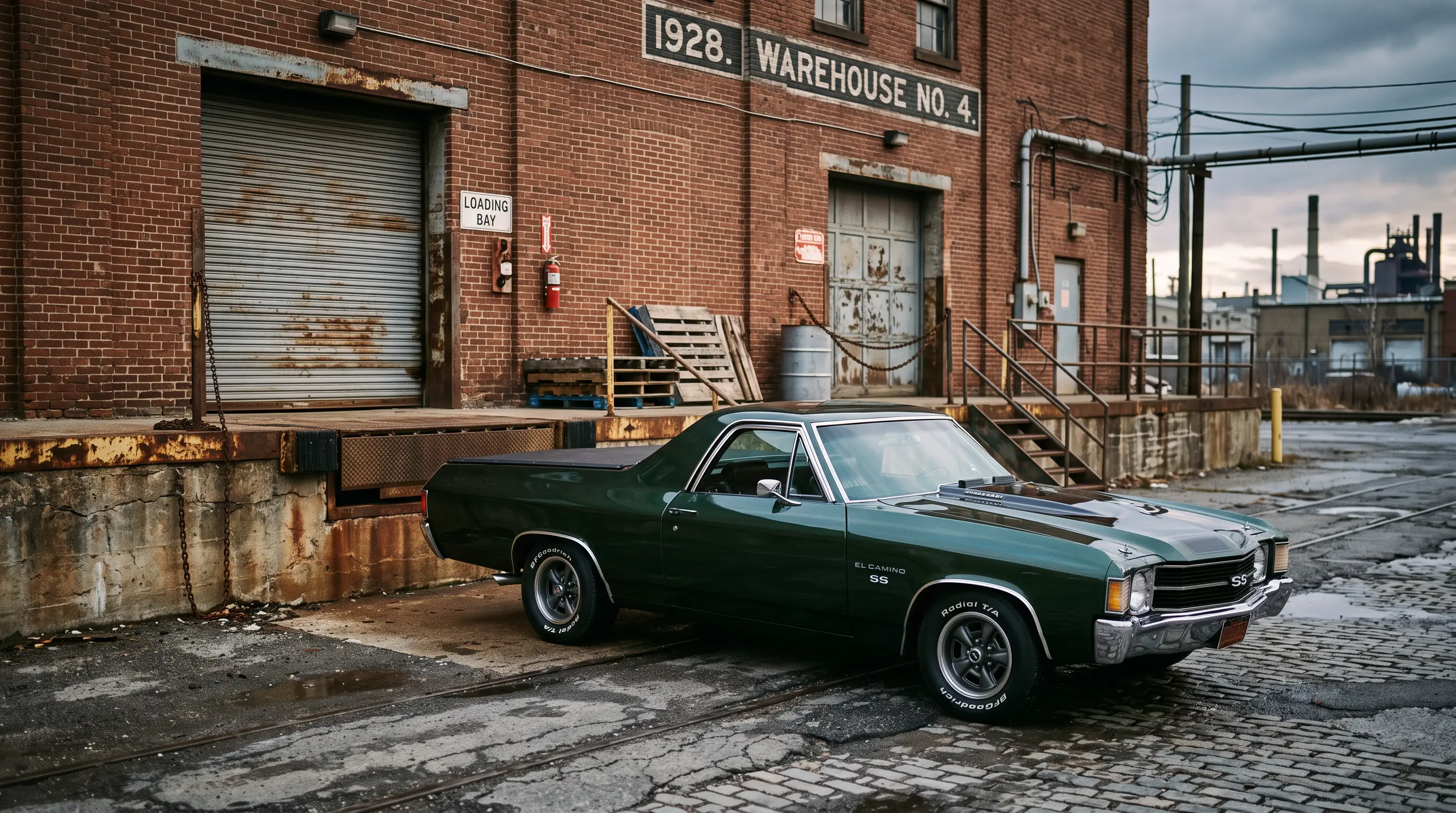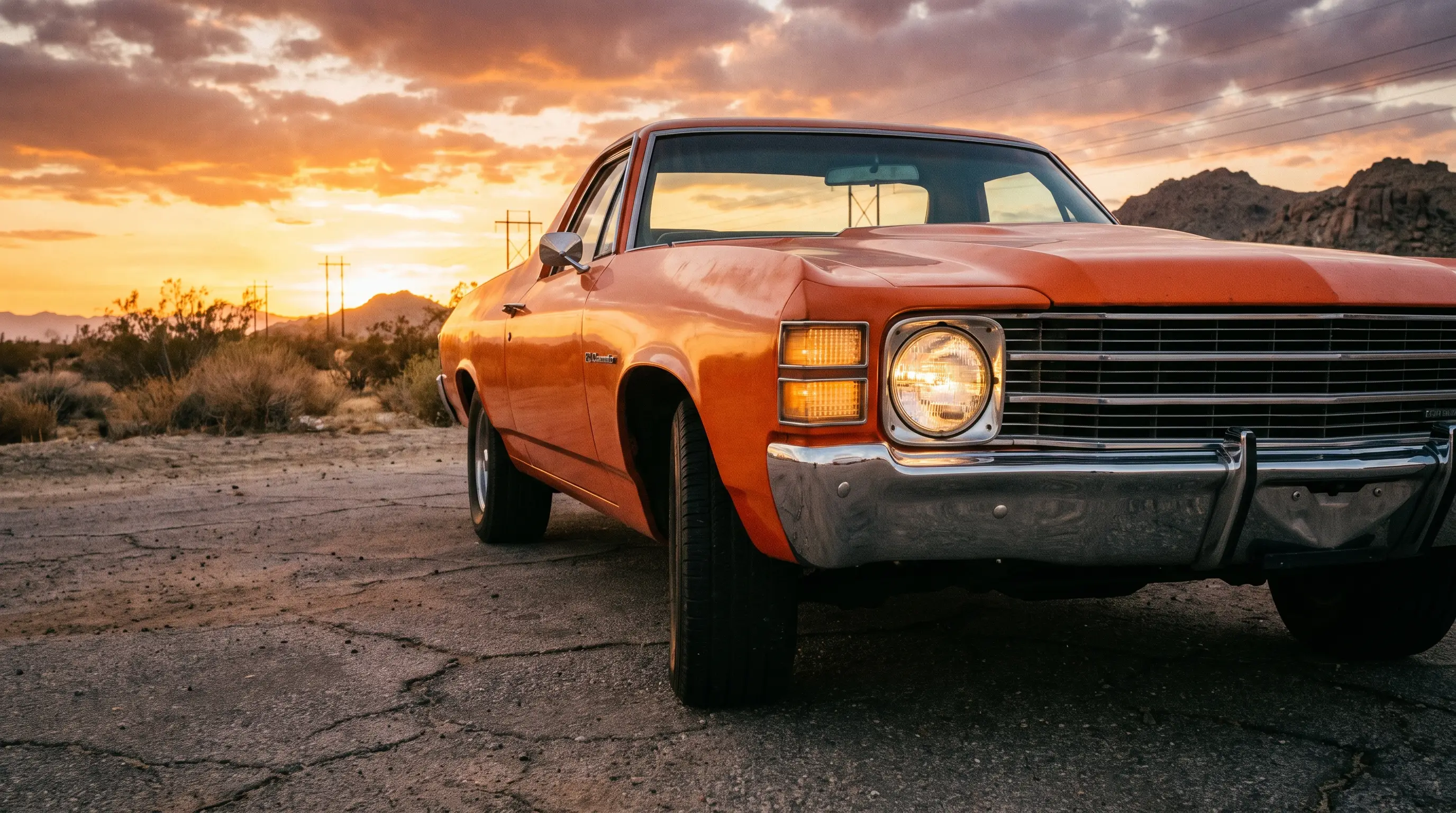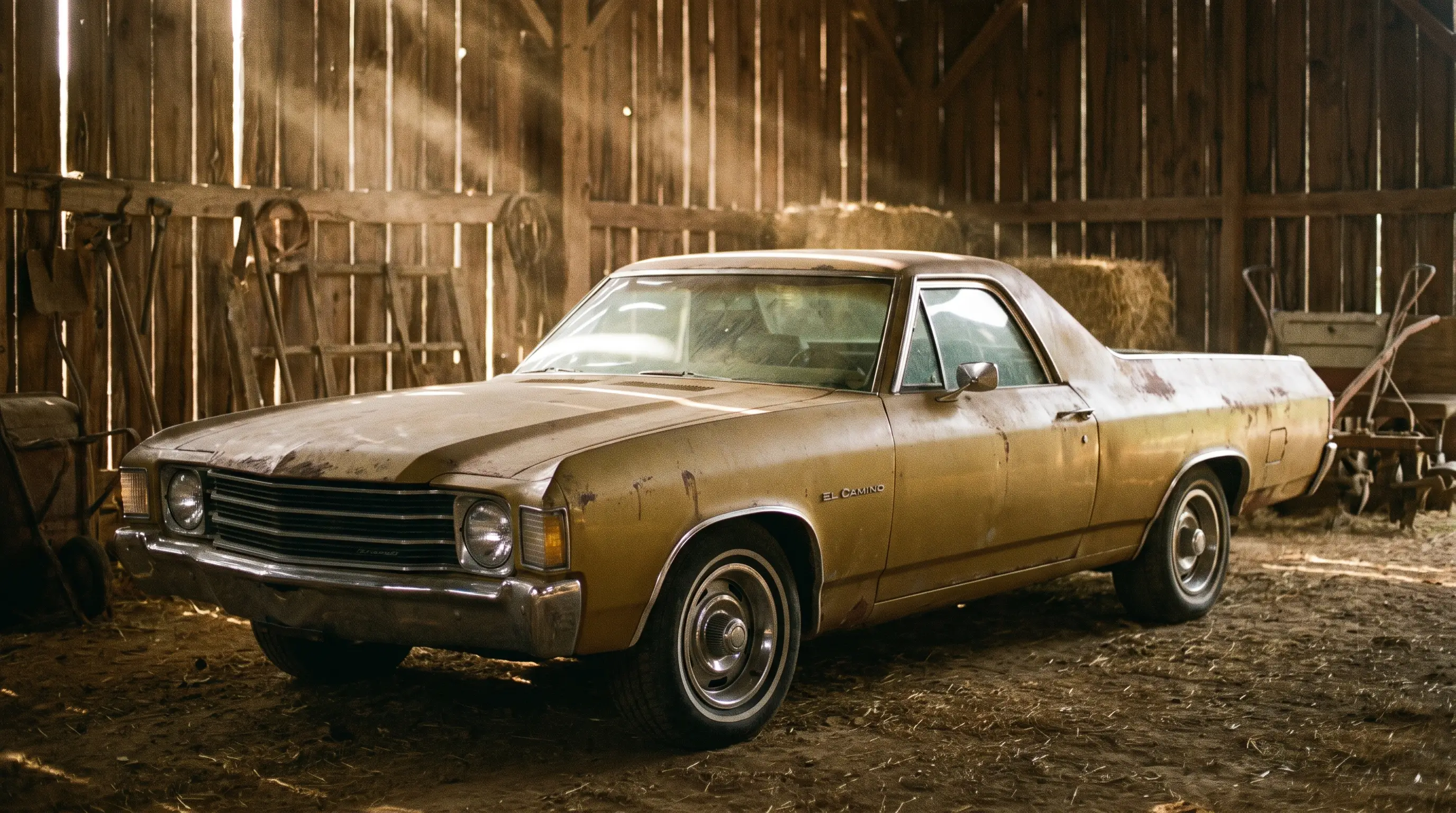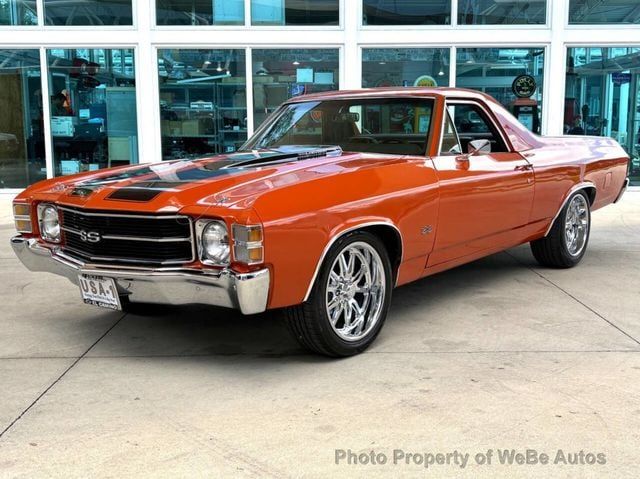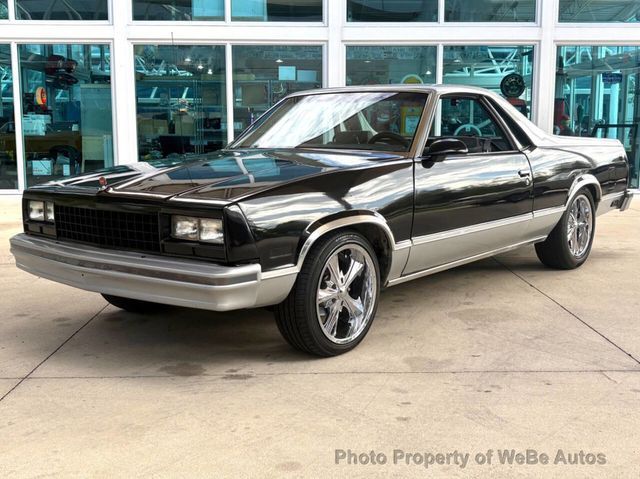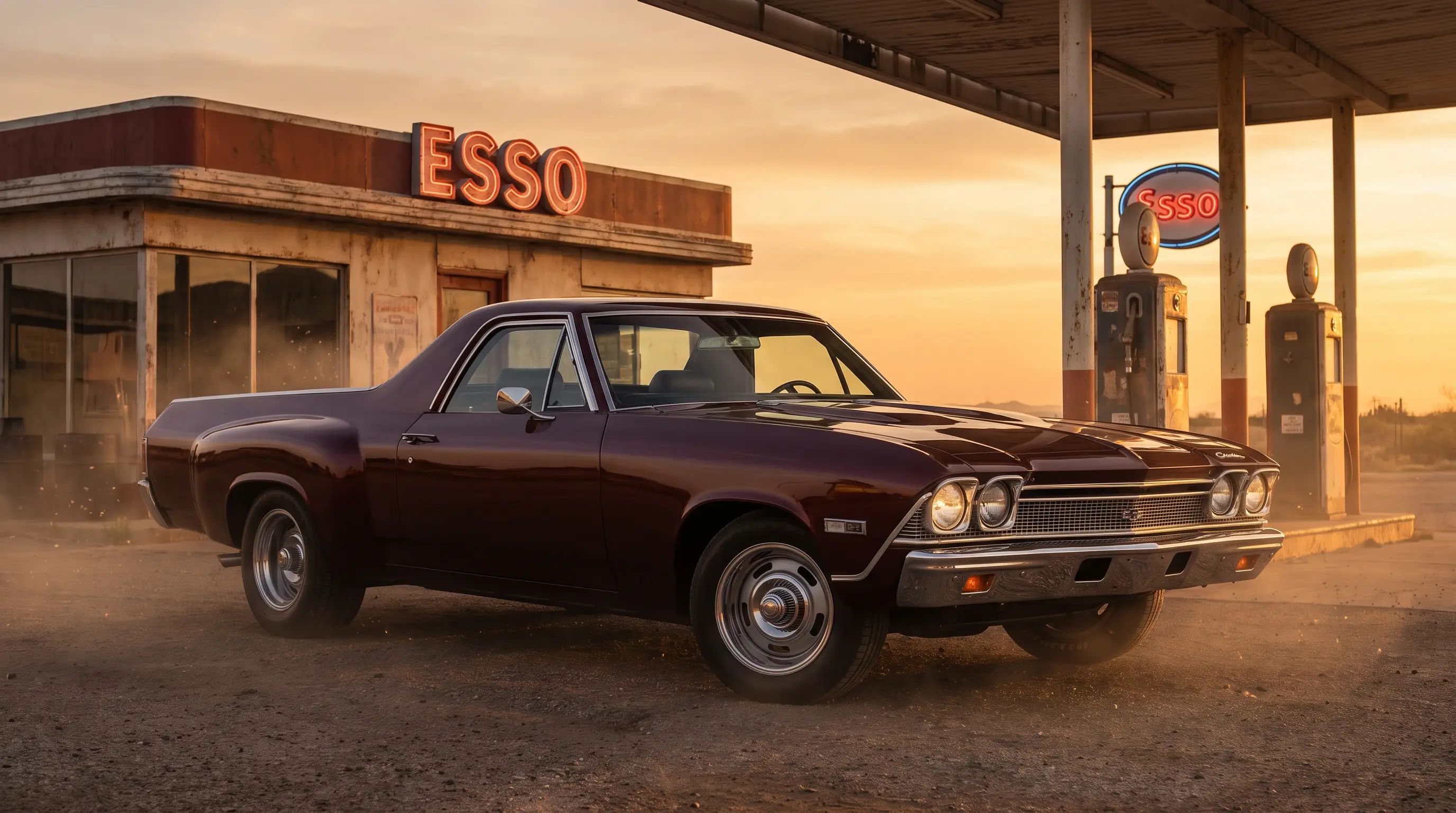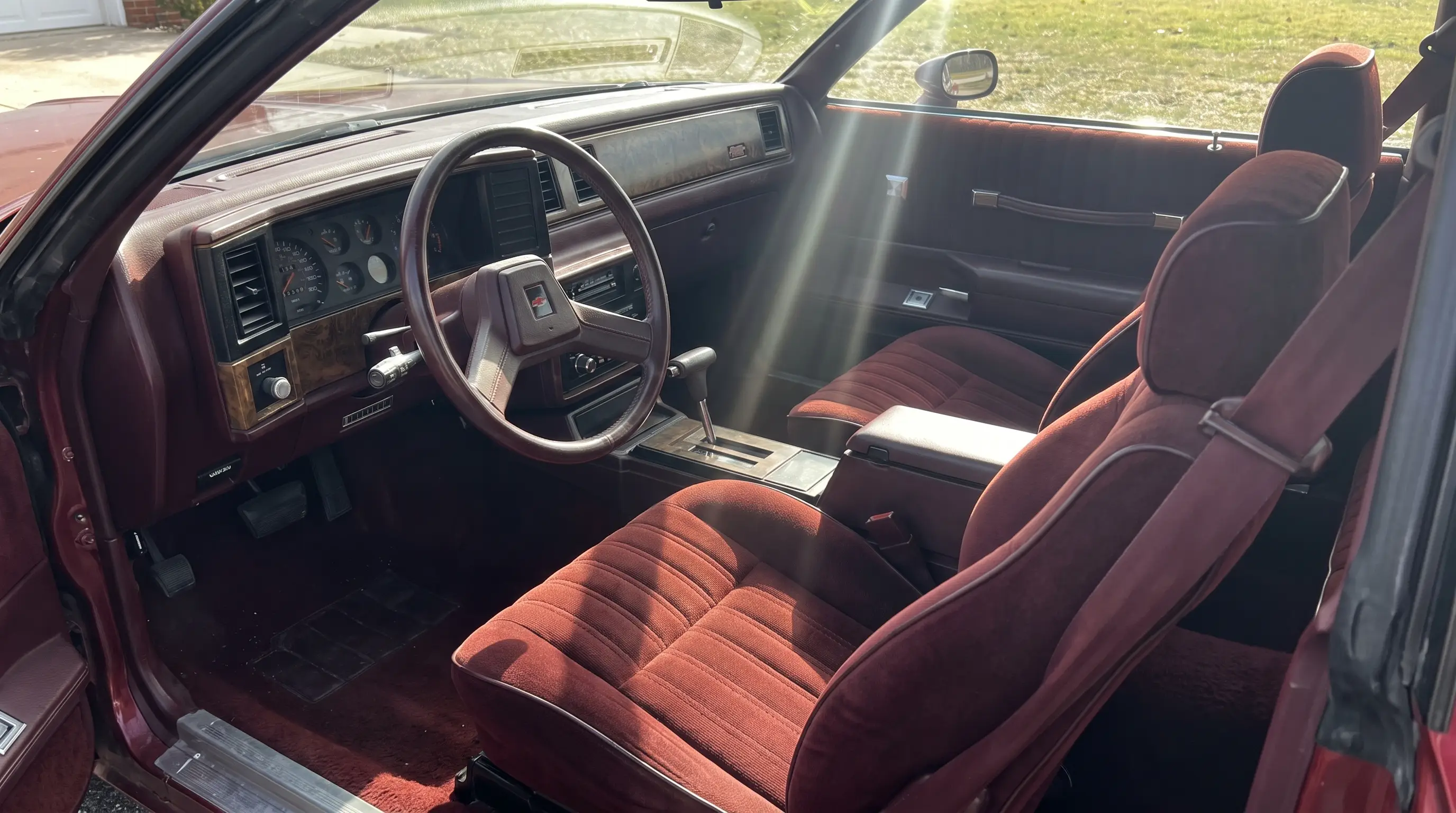
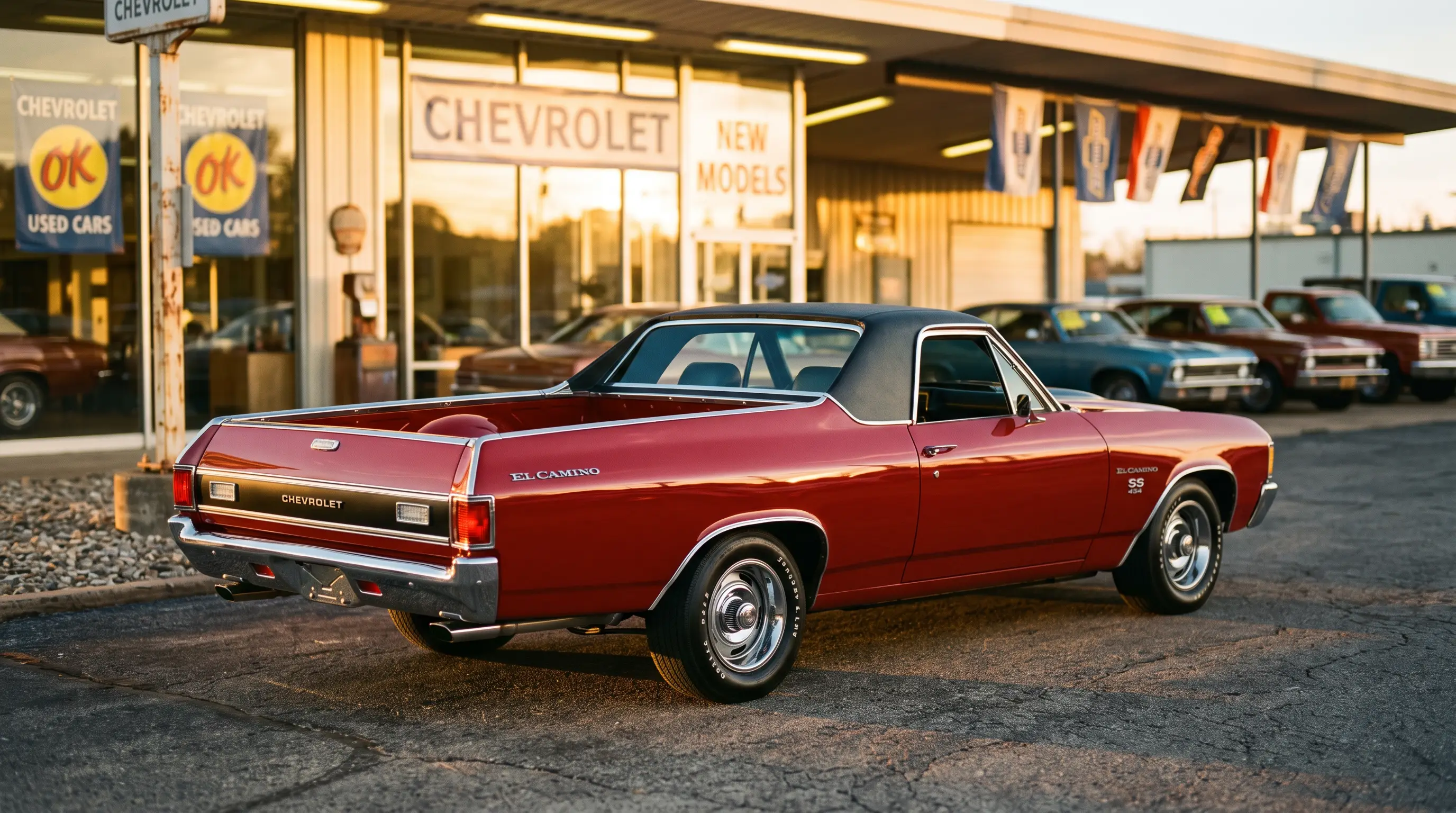
A persistent misconception follows the El Camino SS around collector circles: the idea that it was once its own separate model, a distinct nameplate that later got demoted to a mere option box on an order form. The paperwork tells a different story. The El Camino SS was built on an option code from the start, and what actually happened by 1972 was a quieter shift in how that option was marketed and packaged, not a fall from some earlier standalone status it never technically held.
What the RPO code actually covered
Chevrolet's Regular Production Option system assigned the Super Sport treatment its own code, RPO Z15, from the package's earliest years on the El Camino, bundling stiffer suspension components, a specific engine menu, SS badging, and interior trim upgrades into a single line item a dealer could check on the order sheet. That structure never changed in its fundamentals across the whole run. What changed year to year was how aggressively Chevrolet's advertising treated the package, and how much standalone attention it got in showroom literature separate from the standard El Camino it was built on top of.
In the late 1960s and into 1970, dealer brochures gave the SS package its own spread, its own photography, and language that made it read almost like a model in its own right even though the factory paperwork always classified it as an option. By 1972, that marketing emphasis had faded. The SS package still existed, still delivered the same category of hardware, but it appeared in brochures as one line among several trim and performance choices rather than as the star of its own section.
Why the marketing tone shifted
The broader muscle car market was contracting by 1972. Insurance surcharges on high-performance packages had climbed for several years running, fuel prices were becoming a real concern following the early stages of the energy crisis, and compression ratios across the industry had already dropped to run on lower-octane unleaded fuel. Chevrolet had less incentive to spotlight a performance package the way it had in 1968 or 1970, when muscle car sales were near their peak and every manufacturer wanted its performance option front and center in the catalog.
None of this means the 1972 SS package was a lesser piece of hardware than its predecessors. The suspension and trim content stayed comparable to prior years, and the 454 remained available under the option for buyers who wanted it, now rated at 270 net hp under RPO LS5 instead of the higher gross figures earlier years advertised. What changed was the volume of the marketing, not the substance of the mechanical package underneath it.
| Model year | SS marketing treatment | Package structure |
|---|---|---|
| 1968-70 | Dedicated brochure spread, distinct visual identity | RPO option package |
| 1972 | One line among several trim choices | Same RPO option package structure |
What this means for documentation today
For anyone researching a specific car, this history has a very practical consequence. There is no shortcut through the VIN that proves SS authenticity, because the option was never siloed into its own numbering. Confirming a genuine SS car means tracking down the original build sheet, the factory invoice, or a Protect-O-Plate style document that lists the RPO codes as they left the plant, then checking those codes against the badging and hardware still on the car. Reproduction badging exists, and it has existed for long enough that badge presence alone proves very little on its own.
This is exactly the kind of misconception that a careful look at the production paperwork clears up quickly, and it is worth keeping in mind alongside the wider changes the model went through that year covered where this started for the 1972 model as a whole.
"People ask when the SS stopped being its own model. It never was one. The RPO code was always an option line, from the very first year it existed."
- Tom Ramirez
Where the misconception actually comes from
Most of the confusion traces back to how enthusiasts talk about these cars rather than to anything the factory ever claimed. Decades of casual shorthand, calling a car "an SS" the same way someone would call another car "a Malibu," blurred the line between an option and a nameplate in everyday conversation. Once that shorthand became the common way to describe these cars, it was an easy leap for later generations of buyers to assume SS had once been a formal model designation that Chevrolet later folded into a checkbox. The paperwork never supported that assumption, but paperwork is not what most people read before they start repeating a story they heard at a car show.
Restoration shops and marque historians have spent real effort correcting this record over the years, mostly because the misconception affects buying decisions. A shopper convinced that SS status was once its own model line might expect a distinct VIN sequence or a separate factory designation that simply never existed, and that expectation can lead to disappointment or, worse, to accepting a seller's unverified claim of SS pedigree without asking for the one document that actually proves it.
Reading period documentation correctly
Original dealer brochures from 1972 are more useful for understanding the marketing shift than they are for proving any single car's authenticity, since brochures describe the option as offered, not which specific cars actually received it. The factory build sheet remains the primary source, and where a build sheet has not survived, a dealer invoice or the original window sticker fills the same role. Anyone selling a 1972 El Camino as an SS without one of these documents is asking a buyer to trust badging alone, and badging alone has never been sufficient proof for a car built on an option code rather than a distinct series.
The bigger picture for 1972 shoppers
The lesson scales beyond just this one option code. Buyers researching any factory performance package on a mid-century American car should ask the same basic question up front: was this ever a distinct model with its own numbering, or was it always an option layered onto a standard car. Getting that distinction right up front changes what documentation is reasonable to expect, and it saves a lot of wasted argument later with a seller who genuinely believes, in good faith, a story that simply is not how the factory built the car.
None of this diminishes what a genuine SS-optioned 1972 El Camino actually is. It remains a well-equipped, factory-documented performance package built on a platform in its final model year before a full redesign. The correction here is narrower than it sounds: SS was never demoted from model to option, because it was an option from day one. What shifted in 1972 was simply how loudly Chevrolet chose to talk about it, and that distinction matters when you are classic El Camino for sale and trying to separate documented history from marketing nostalgia.