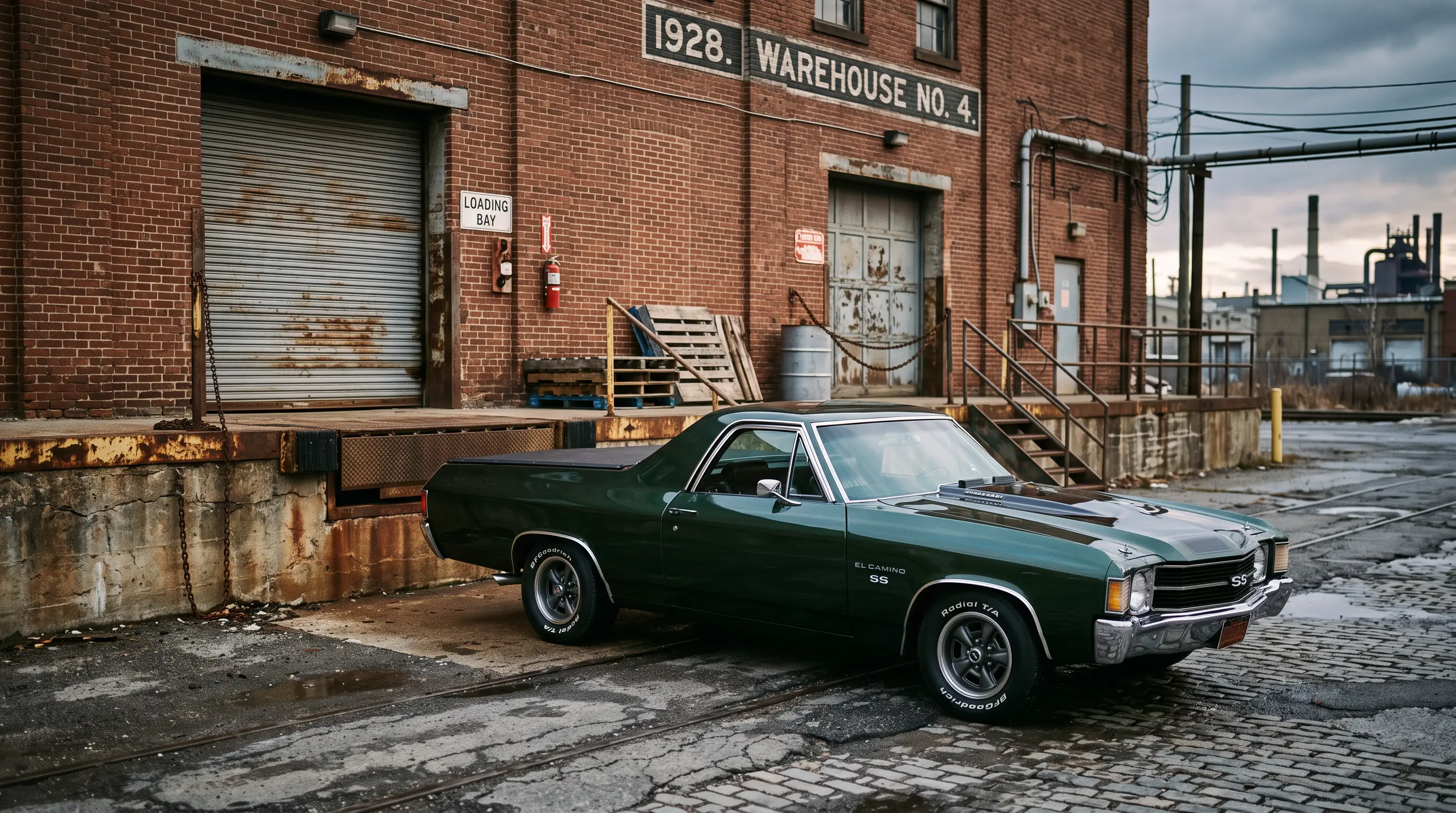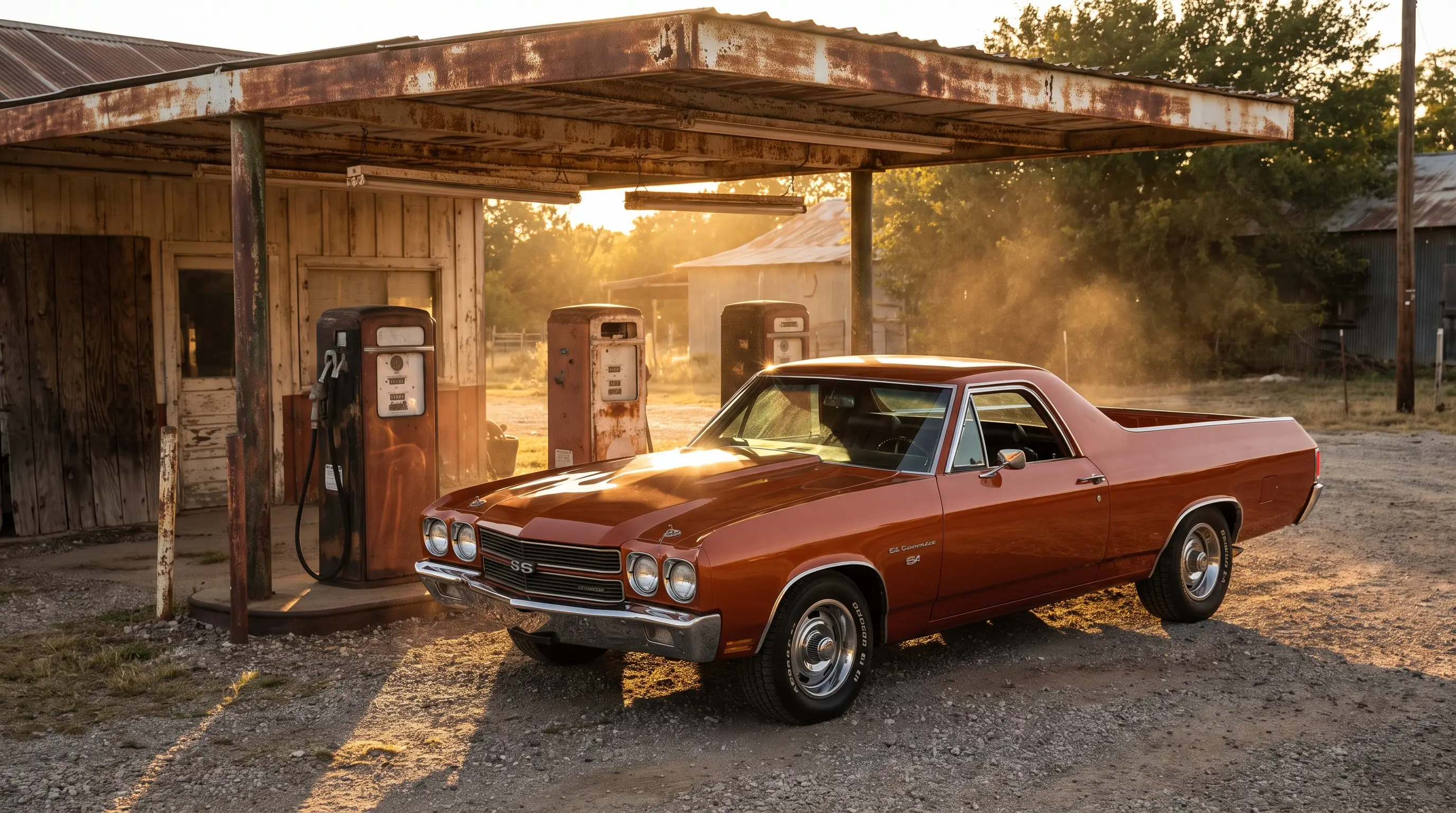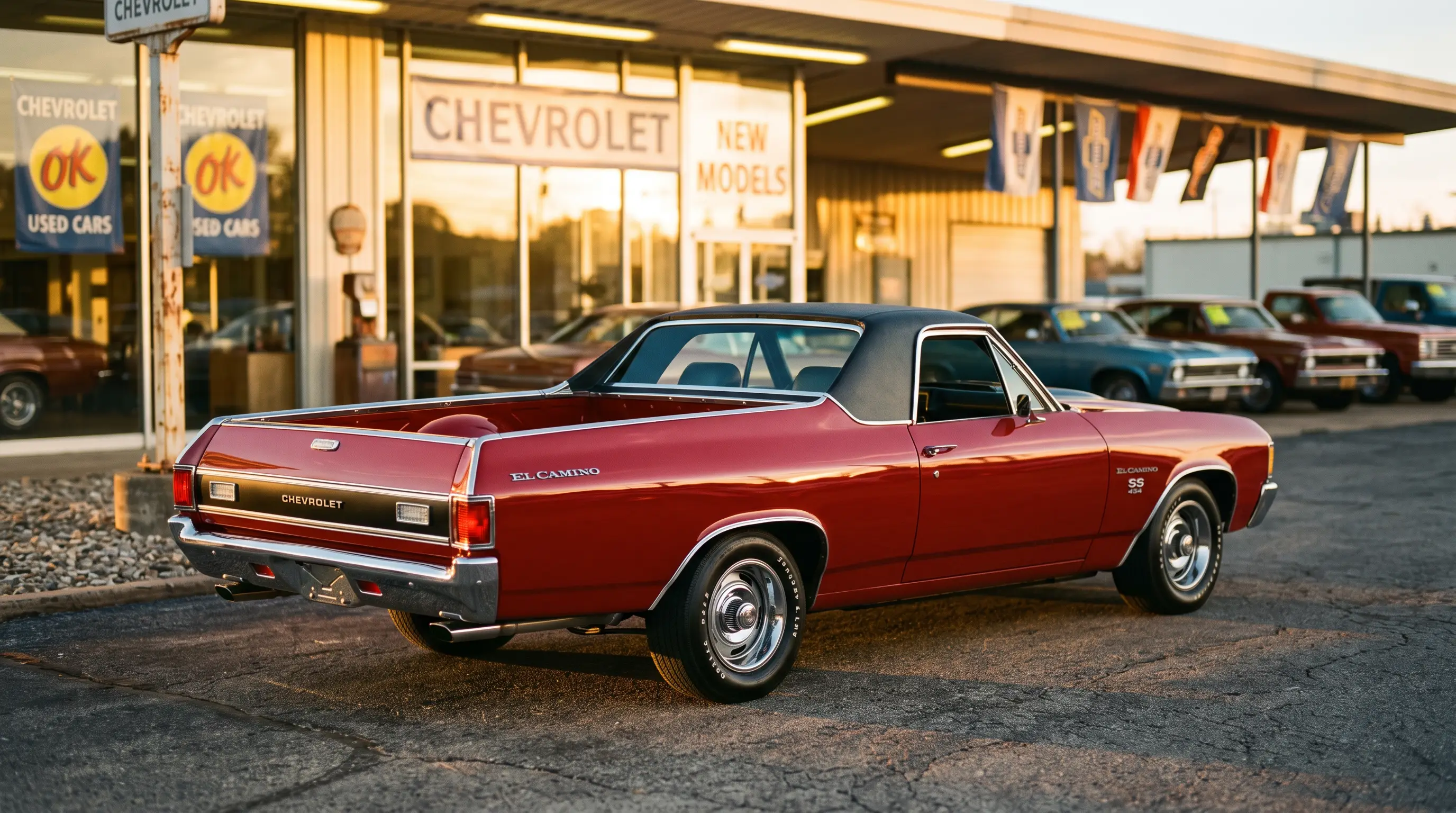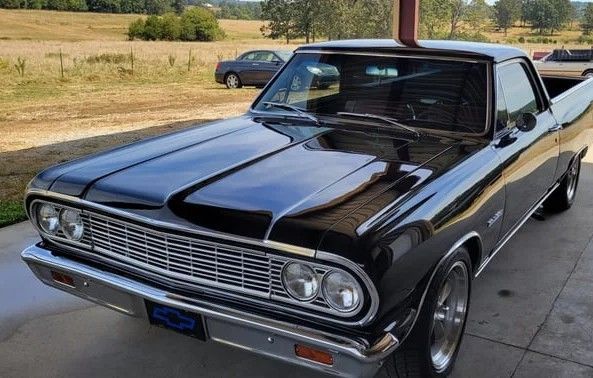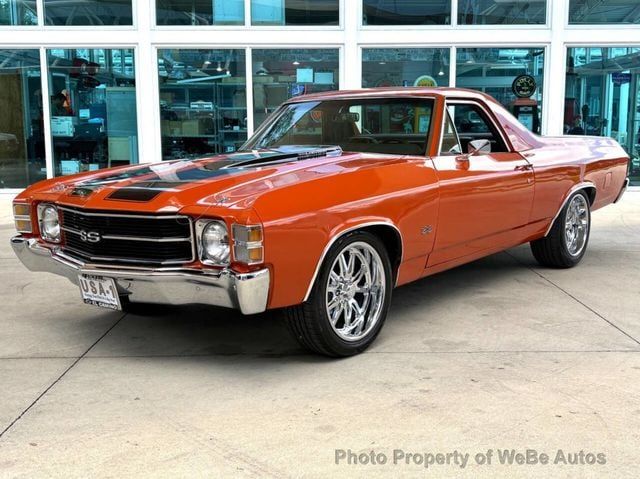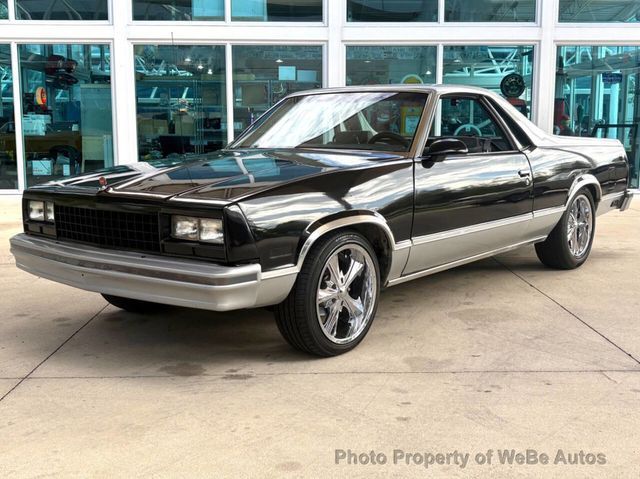
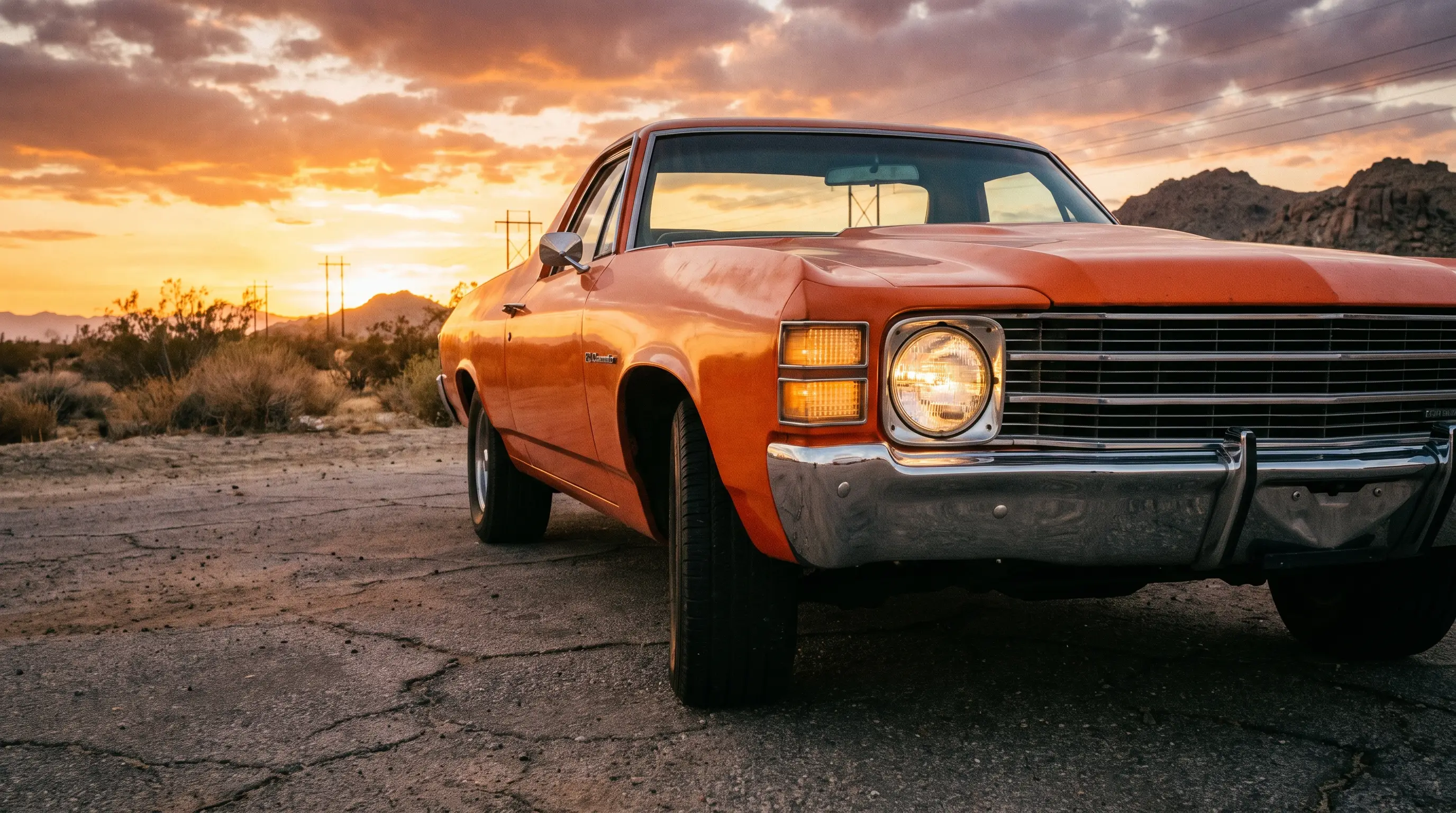
Park a 1970 El Camino next to a 1972 El Camino and the first thing a period buyer noticed was not the fender badge or the exhaust note. It was the face. The single-headlamp look that the 1972 El Camino wears actually arrived a year earlier, as a 1971 facelift, and 1972 simply carried that same front end forward unchanged for one more season. It replaced the wide quad-lamp front end that had defined the 1970 model year, and that single change reshaped how the car photographed, how it aged in the eyes of collectors, and how easily a shopper could date one at a glance decades later.
What the front end actually looked like
The 1970 face carried four round headlamps set into a wide chrome surround, a look shared across several GM intermediates of the period and one that gave the nose a squared, aggressive stance. Starting with the 1971 model year, Chevrolet simplified the arrangement to a single, larger "Power-Beam" headlamp on each side, set into a revised grille opening with less brightwork clutter around the lamps themselves, and the 1972 model carried that same face over with only minor trim differences. The change was not unique to the El Camino. It touched the Chevelle range the car was built alongside, since both rode the same A-body platform and shared sheet metal above the beltline.
The result reads quieter today than the quad-lamp cars, and that quietness is exactly why some collectors regard the 1972 face as the more mature version of the same basic shape, while others miss the visual drama of four round lamps staring back from a parking lot. Neither reaction is wrong. They are just different tastes applied to the same body.
Why the switch happened
Facelifts on a multi-year platform exist to keep a car looking current without the expense of a full redesign, and GM ran this playbook across its intermediate lines through the early 1970s. A grille, a headlamp bezel, and a taillamp lens could be retooled far more cheaply than stampings for doors, quarters, or roof panels, so a running platform got a new face every year or two while the structure underneath carried on unchanged. The single-headlamp treatment was one of those cheaper refreshes, introduced for 1971 and carried over unchanged into 1972, which turned out to be the final year of this particular Chevelle-based El Camino generation before a full redesign arrived for 1973.
That timing matters to how the styling reads now. A one-year-only face on a car built for one final season before a bigger change carries a specific kind of scarcity appeal, since nothing else on the road wears quite that combination of grille and lamp layout. Collectors chasing a specific model year sometimes value that uniqueness more than they value the more dramatic quad-lamp face that came before it.
Spotting a 1972 at a glance
For anyone trying to date an El Camino from a photo without checking a VIN, the headlamp count is one of the fastest tells available, alongside grille texture and taillamp shape. A quad-lamp car is almost certainly a 1970 or earlier. A single-lamp car with the same general A-body proportions points toward 1971 or 1972, and telling those two apart takes a closer look at grille texture and other year-specific trim. This kind of visual dating matters more than it sounds like it should, because sellers occasionally misdate a car in an ad, whether from genuine confusion or from hoping a more desirable year sticks in a buyer's mind.
| Model year | Headlamp layout | Notes |
|---|---|---|
| 1970 | Quad round lamps | Wide chrome surround, squared-up front-end styling |
| 1971-72 | Single "Power-Beam" lamp per side | Facelift introduced for 1971 and carried over into 1972, the final year of this generation's face before the 1973 redesign |
How the look ages in the collector market
Restorers researching a car with faded or replaced trim sometimes lean on period photographs specifically to confirm the headlamp bezels and grille texture line up with the model year the paperwork claims, since reproduction parts do not always distinguish between years as carefully as the factory did. That kind of cross-checking is quiet, unglamorous work, but it is the difference between a documented 1972 and a car wearing a mismatched face from a parts-bin repair.
Value-wise, the single-headlamp 1972 has never chased the quad-lamp cars dollar for dollar, largely because the earlier years carry bigger factory horsepower claims and a longer production run behind them. That gap has narrowed as buyers increasingly shop the whole 1968-72 generation as one story rather than ranking years strictly by grille count, a shift more on the 1972 el camino covers in fuller detail, and one that traces back to where this started for the nameplate as a whole.
"Match the grille to the lamp count to the taillamp lens before you trust any date a seller gives you. The metal tells you the year faster than the paperwork does."
- Sarah Whitfield
Documenting a genuine 1972 face
Provenance research on this generation of El Camino means treating the front clip as its own small archive. A grille shell, headlamp bezels, and the sheet metal they sit in were all specific to the model year they were built for, and a car that has been in a collision or gone through a casual repaint may carry a mix of years without anyone noticing at a glance. A careful appraisal checks casting numbers on the grille components against factory literature for the year claimed, cross-references dealer brochures showing the correct lamp arrangement, and looks for telltale mismatches like a 1972 grille opening paired with 1971 bezels salvaged from a parts car.
None of this is glamorous work, and it rarely shows up in an auction description. It is the quiet groundwork that separates a documented, correct 1972 from a car that merely wears 1972 trim over a mixed history. Buyers who care about matching-numbers accuracy on the drivetrain tend to extend that same rigor to the body, and the front fascia is one of the easiest places on the whole car to verify or disprove a claimed model year.
The face in period advertising
Chevrolet's own 1972 sales literature leaned into the cleaner single-lamp face as evidence of a more refined, grown-up El Camino, contrasting it against the boldness of the earlier quad-lamp years without directly criticizing the cars that came before it. That kind of brochure language was standard practice across the industry every time a facelift arrived, since dealers needed a reason for shoppers to prefer the newest sheet metal over a nearly identical car from one or two years earlier still sitting unsold on a competitor's lot. Reading those period brochures today gives a useful window into how the factory itself framed the change, distinct from how collectors read it decades later with the benefit of knowing this was the final year for the whole body style.
What this means for a buyer today
If the single-headlamp face is the look you want, know that you are buying a styling cue shared with the 1971 model, applied to a 1972 car built at the tail end of its generation, and that the final-model-year appeal comes from the whole car rather than from the front-end styling alone. For everyone, it is simply the face that closed out the Chevelle-based El Camino before the whole shape changed again, and it is worth knowing on sight if you are classic El Caminos on the market and comparing years side by side.