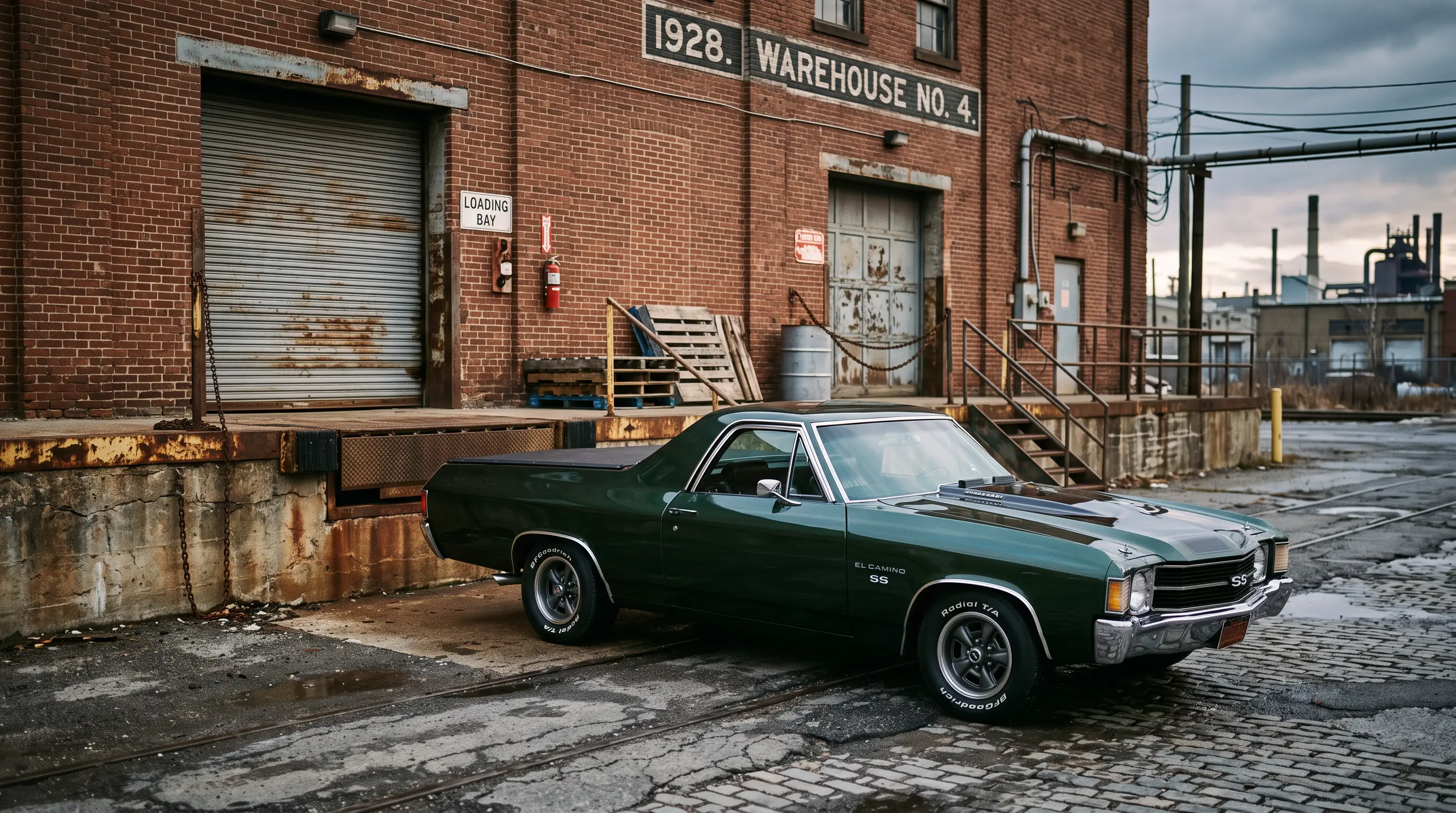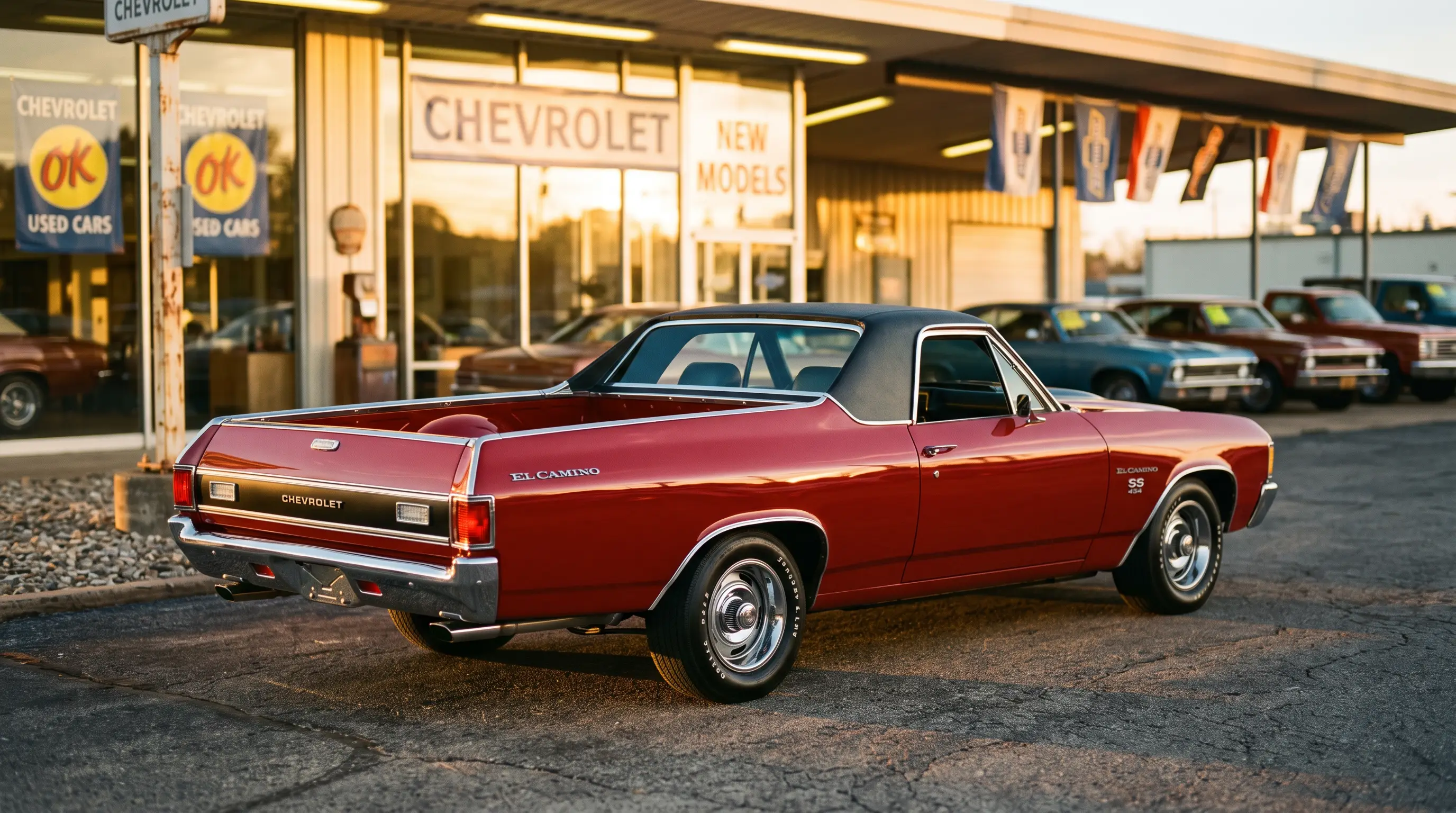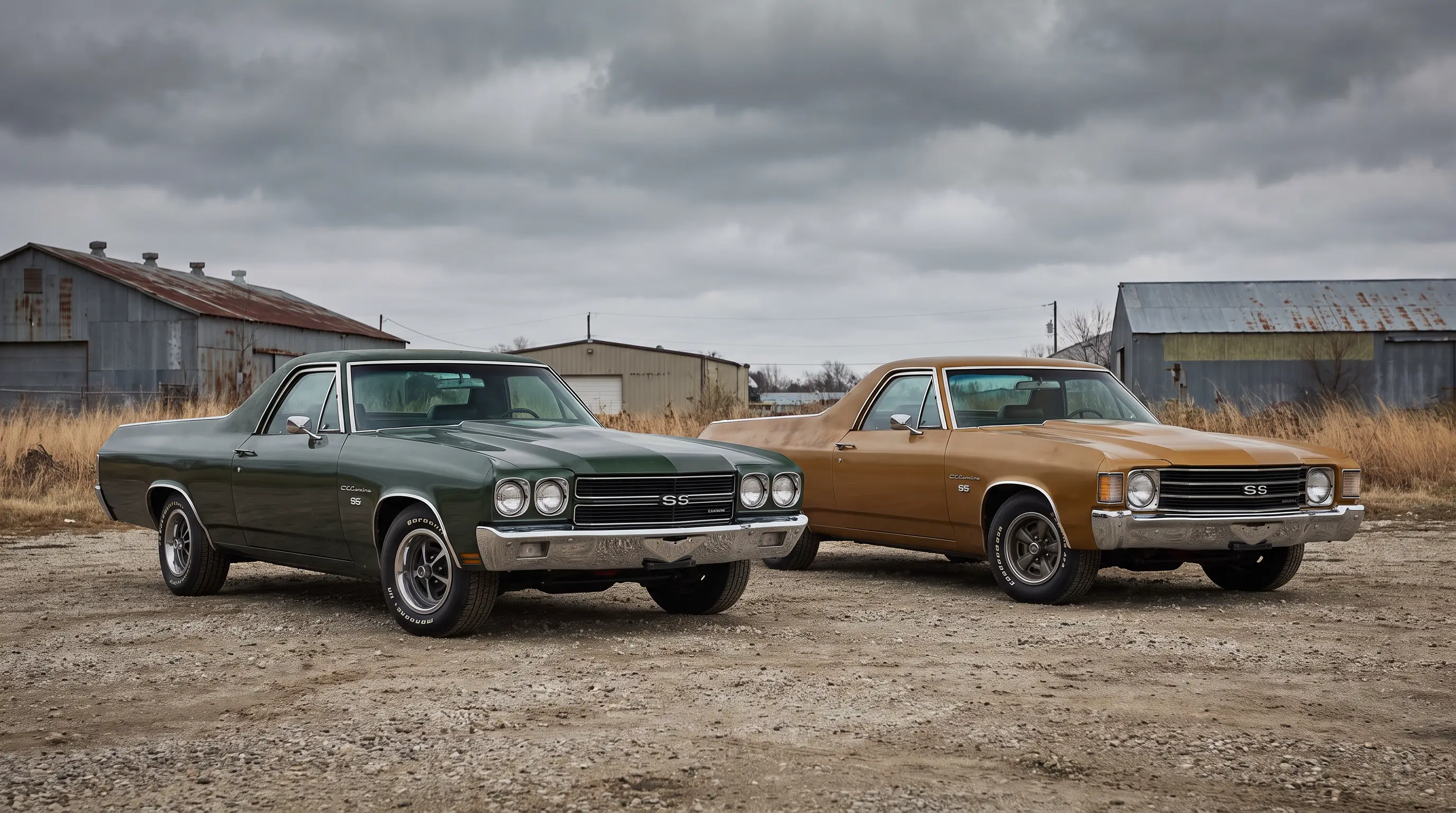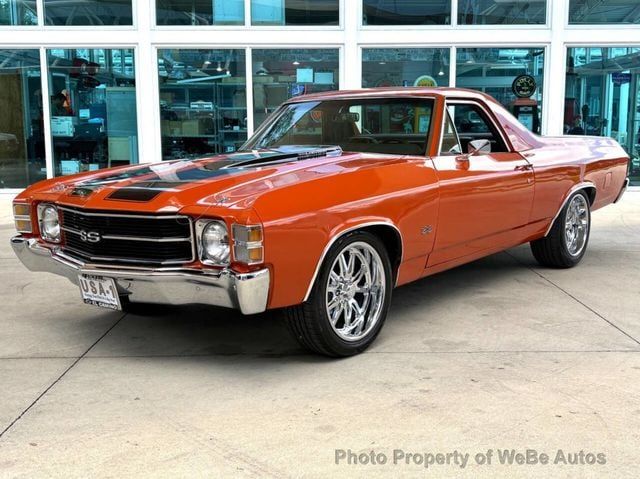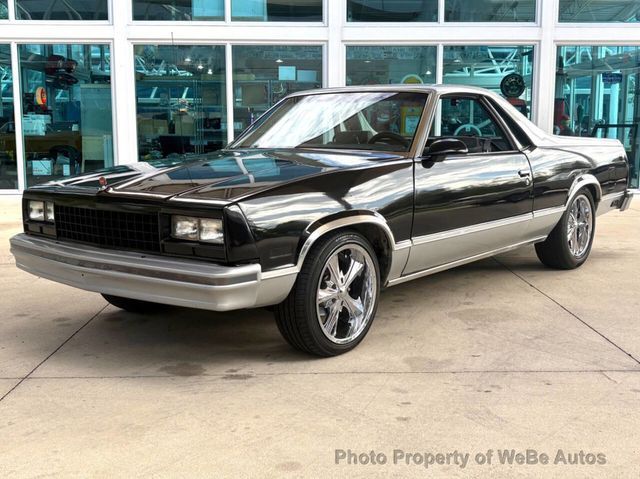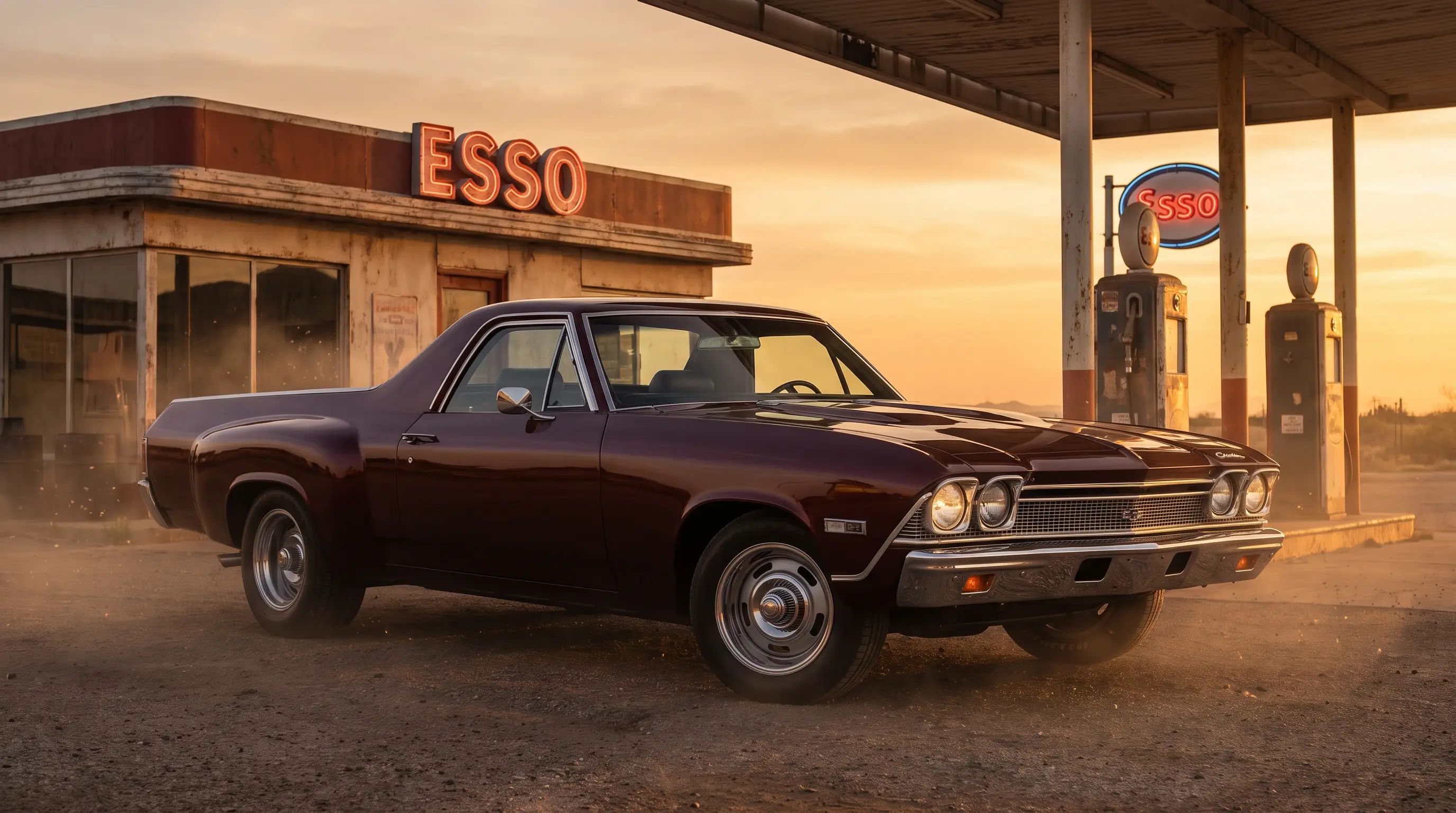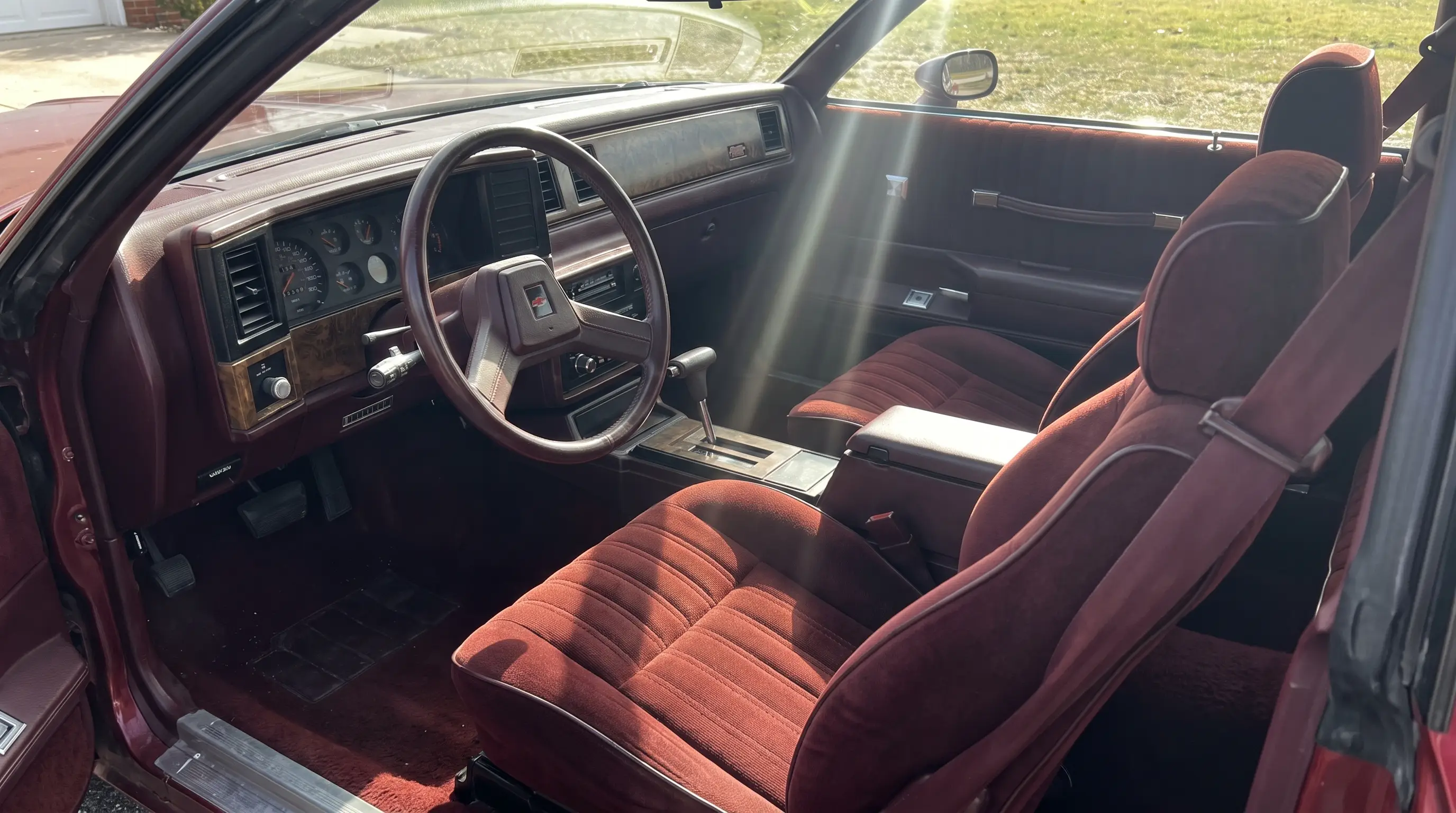
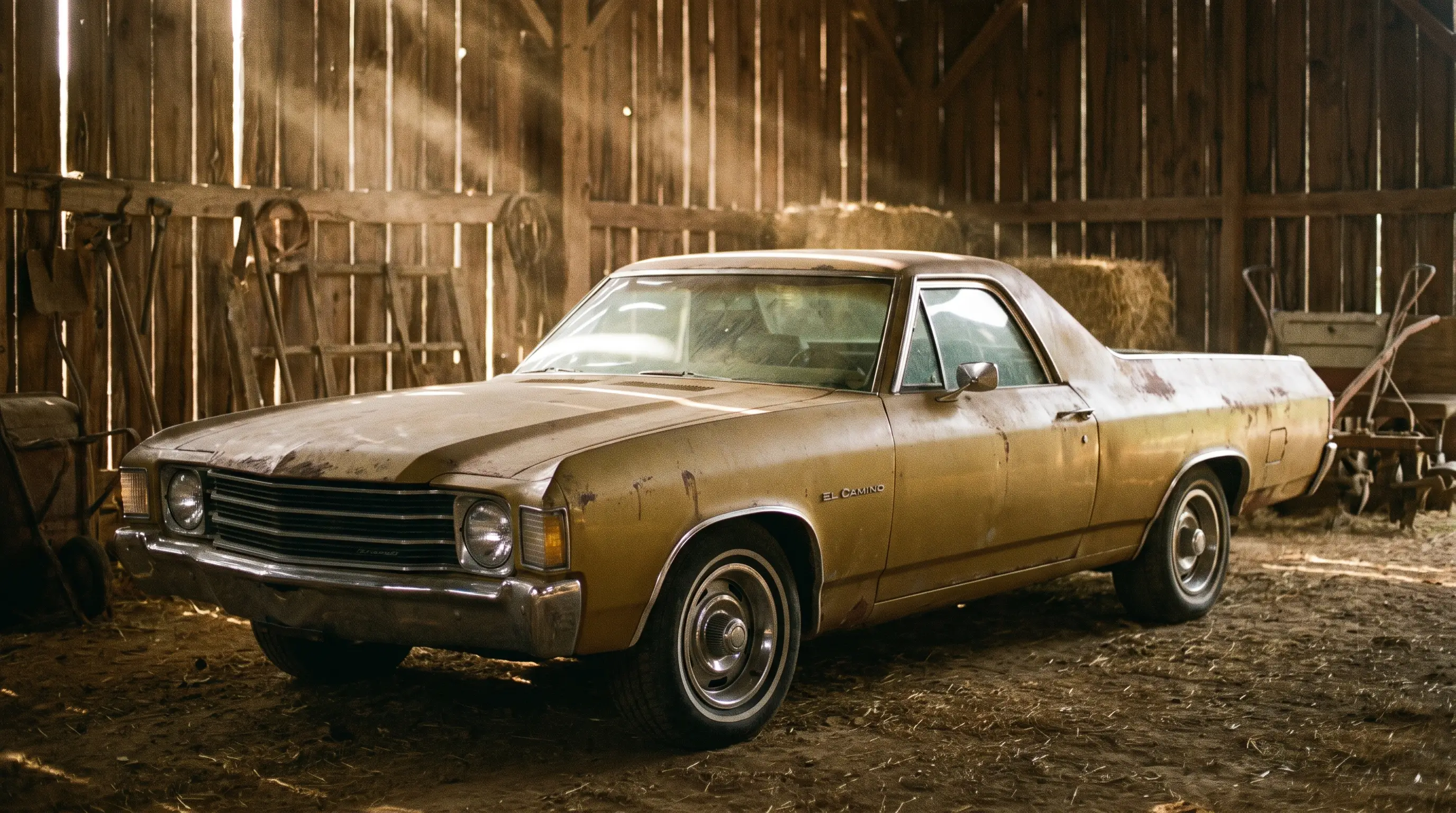
The 1972 El Camino closed a chapter without much fanfare. It was the last model year of the Chevelle-based generation that had run since 1968, the platform that carried the car through its most celebrated muscle era, and when Chevrolet moved to an entirely new Colonnade-style body for 1973, the shape that buyers had come to know for four straight years simply stopped being made. Nobody threw the 1972 a farewell party at the time. It was just another model year on the order sheet, until it was the last one.
What actually ended in 1972
The generation that ran from 1968 through 1972 shared its basic structure with the corresponding Chevelle, the same platform underpinning both the sedan-and-coupe Chevelle lineup and the utility-bodied El Camino built on the same chassis. Across those five model years the car went through the squared-up, quad-headlamp facelift of 1970 and the single-headlamp update that arrived for 1971 and carried into 1972, covered in the single-headlight look, but the fundamental body structure, the greenhouse, the basic proportions, stayed the same family of car the whole way through. 1973 replaced all of it with a heavier, more rounded Colonnade body shared with a redesigned Chevelle, a shift big enough that period buyers immediately recognized the new car as a genuinely different vehicle rather than another yearly facelift.
That makes 1972 the last chance to buy the version of the El Camino that had carried the nameplate through its highest-profile performance years. The SS 454 option, the same one that had defined the car's muscle-era reputation since 1970, was still on the order sheet in 1972 even as horsepower ratings fell under the new net measurement standard, giving buyers one final season to drive home a genuinely period-correct performance El Camino before the whole body style disappeared.
Why the change happened when it did
GM ran its intermediate platforms on a roughly five- to six-year redesign cycle through this period, and the Chevelle-El Camino family was due for exactly that kind of refresh by 1973. The timing collided with a broader industry shift away from raw horsepower marketing and toward comfort, quietness, and emissions compliance, pressures that were already reshaping compression ratios and engine tuning across the 1971-72 lineup. The new Colonnade body answered those pressures directly, with a heavier structure built partly around emerging federal rollover and side-impact standards that the older 1968-72 platform had never been engineered to meet.
None of that made the older car obsolete in any functional sense. It simply meant Chevrolet had decided the next generation needed to look and behave differently, and 1972 was the last year buyers could choose the older approach instead.
| Generation | Years produced | Platform |
|---|---|---|
| Second-generation El Camino | 1968-1972 | Chevelle A-body |
| Third-generation El Camino | 1973-1977 | Colonnade A-body |
Why collectors treat this year differently
A last-of-a-generation model year tends to carry its own kind of collector interest, separate from whichever year had the highest factory horsepower rating or the flashiest options list. Buyers chasing the final example of a specific body style will pay attention to 1972 for exactly that reason, even when the paper specifications look less impressive than a 1970 sitting one lot over. That interest sits alongside, rather than instead of, the more familiar horsepower-driven and options-driven ways people rank these years.
Production numbers for the last year of a generation do not always dip, and this one did not: Chevrolet built roughly 57,000 El Caminos for 1972, more than the approximately 47,700 built for 1970. The end-of-an-era case for the 1972 rests on being the final example of this body style rather than on any production shortfall, since total El Camino output actually rose across the run into its last season.
"Every generation has a last year. Most of the time nobody notices until decades later. The 1972 is the last true Chevelle-based El Camino, full stop, and that fact alone earns it a place in the story."
- Sarah Whitfield
How the 1973 replacement actually compared
The Colonnade-based El Camino that followed in 1973 was a heavier car with a more rounded, formal roofline, and while it kept the same basic pickup-bed-on-a-coupe formula, the driving character shifted noticeably toward comfort over the raw performance emphasis of the outgoing generation. Reviewers at the time noted the new car rode more smoothly and isolated road noise better, trading some of the sharper handling and lighter feel of the 1968-72 body for a quieter, more couch-like experience aimed at a buyer who wanted less rattle and more refinement in daily use.
That tradeoff is precisely why the outgoing 1972 holds a specific kind of appeal today among buyers who want the older character rather than the newer comfort. A shopper who prefers the tighter, lighter feel of the earlier body has exactly one more model year to choose from before the whole formula changes, and that scarcity is baked directly into the calendar rather than into any single spec or option.
Documenting a genuine end-of-generation example
Confirming that a car is a true late-build 1972, rather than an early 1973 misdated by a careless seller or a title clerk, comes down to checking the same production paperwork that verifies any other detail on these cars. Build dates, VIN sequencing, and factory invoices all distinguish the two generations clearly, since the structural differences between the 1972 and 1973 bodies are far larger than a typical single-year facelift and nearly impossible to confuse once the paperwork is in hand. Given how much weight collectors place on being the last of a generation, this is one area worth double-checking rather than taking a seller's word alone.
Reading 1972 in the full arc of the nameplate
Seen against the whole El Camino story, 1972 sits at a genuine hinge point, closing out the body style that had carried the car through its most recognized muscle years and handing off to a heavier, more comfort-oriented third generation. Understanding that hinge helps explain why enthusiasts researching the full story of the model year keep returning to the end-of-generation framing rather than treating 1972 as simply another year in a long, undifferentiated run. For anyone shopping this specific window of production, that context is worth carrying into a listing search, and it is available to weigh directly against the field when you browse classic El Camino listings.
Every nameplate with a long production run accumulates these quiet hinge points, years that mattered more in hindsight than they did on the showroom floor at the time. The 1972 El Camino earns its place among them not because of a headline spec or a record sales figure, but because it is the exact point where one recognizable era stopped and a different one, built around different priorities, began. That is a simpler kind of significance than a horsepower record, and arguably a more durable one, since it does not depend on any single number holding up against later competition.