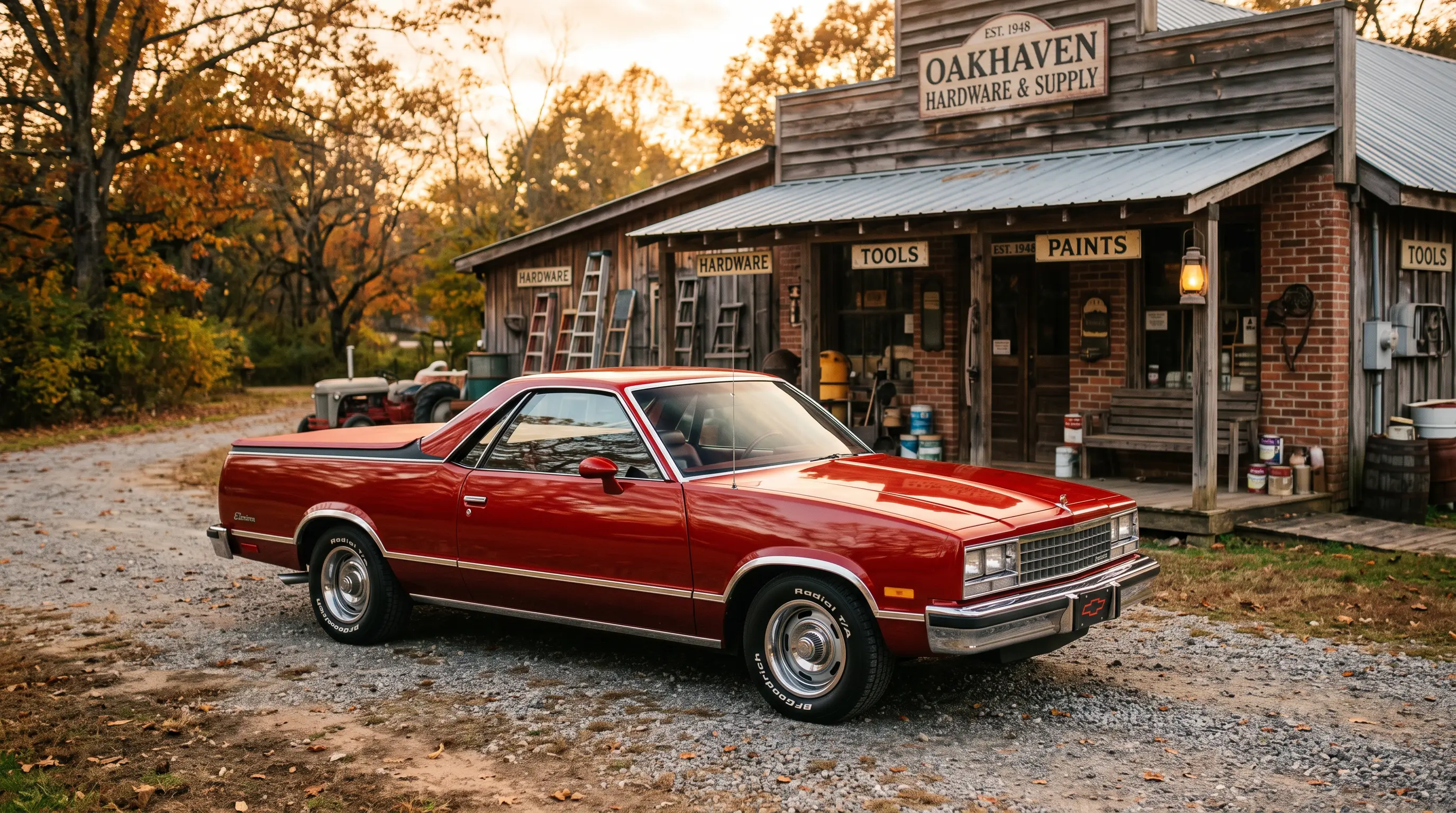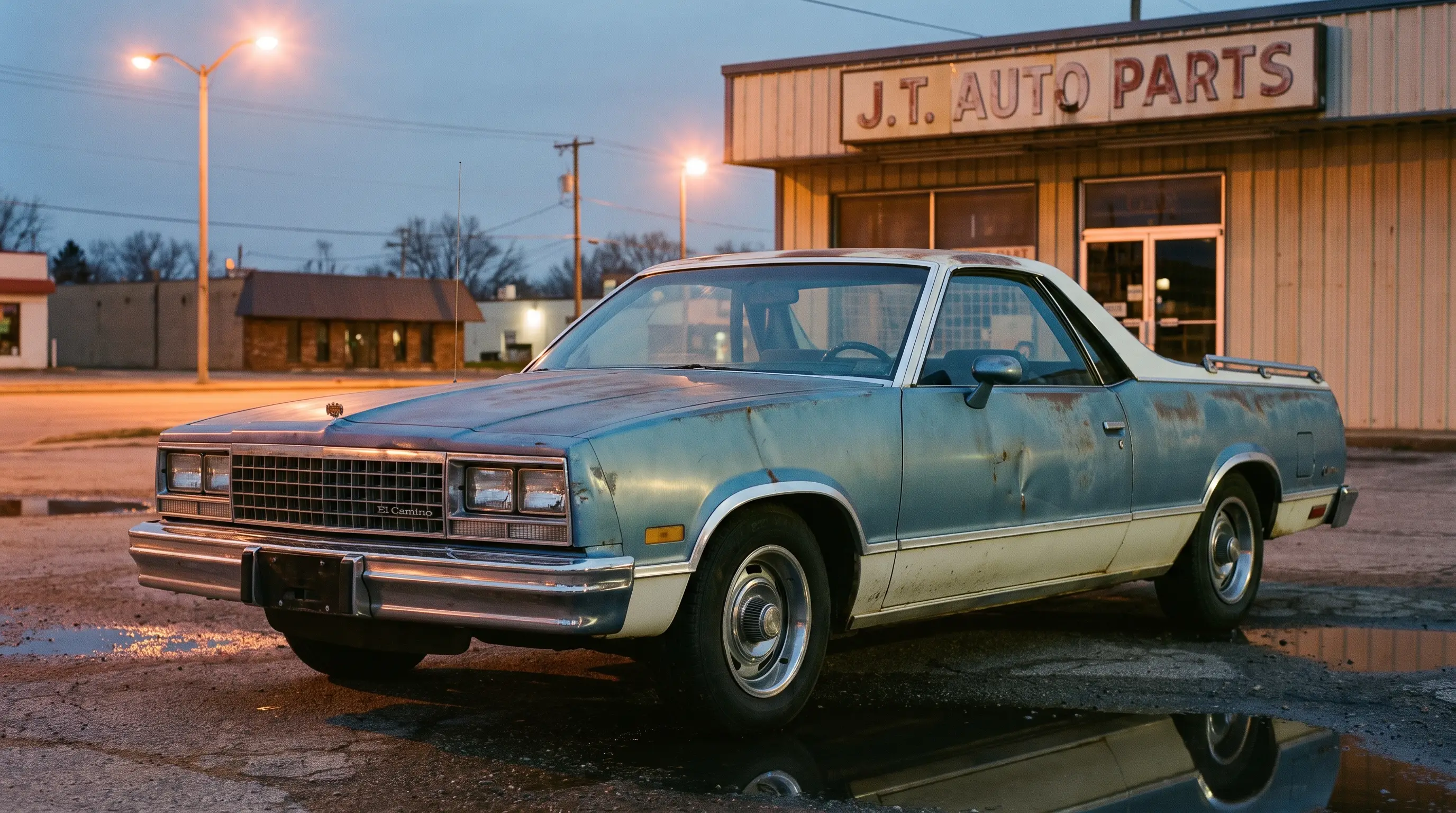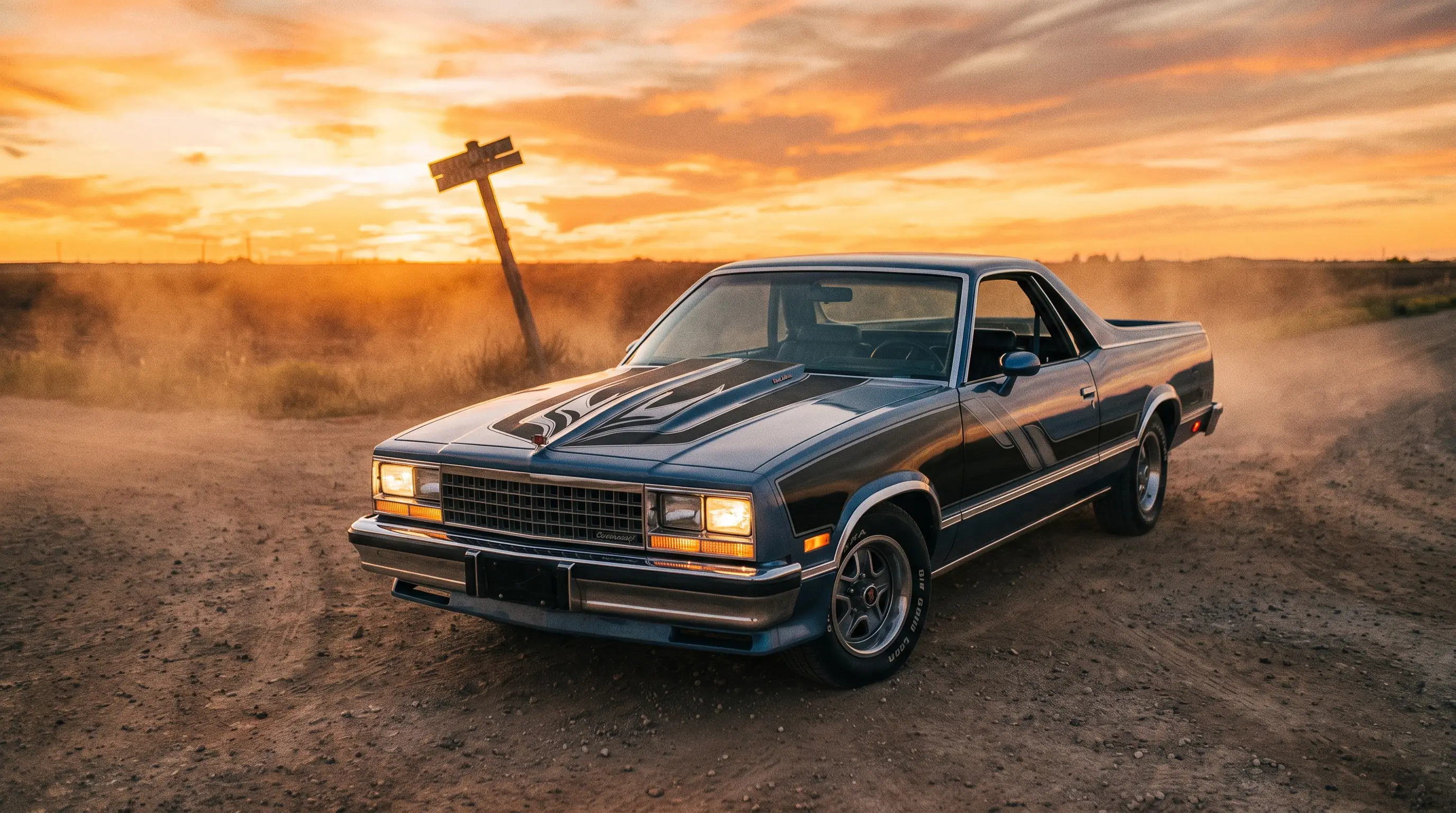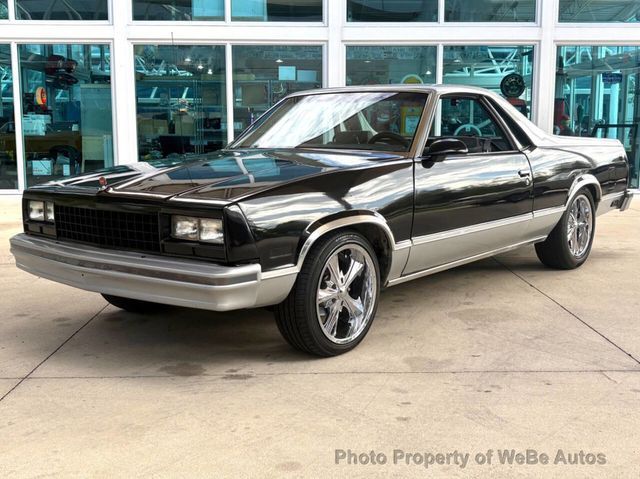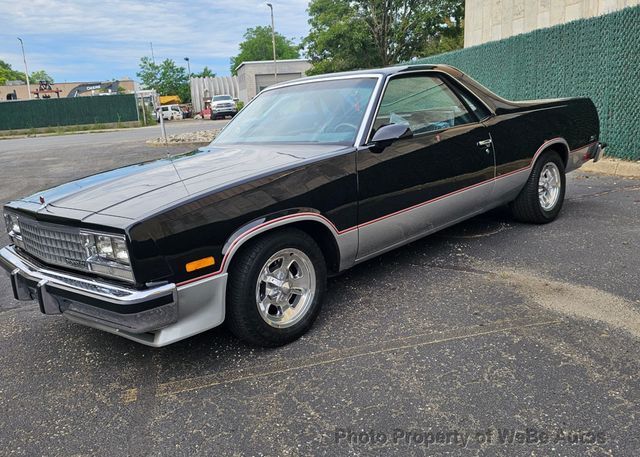
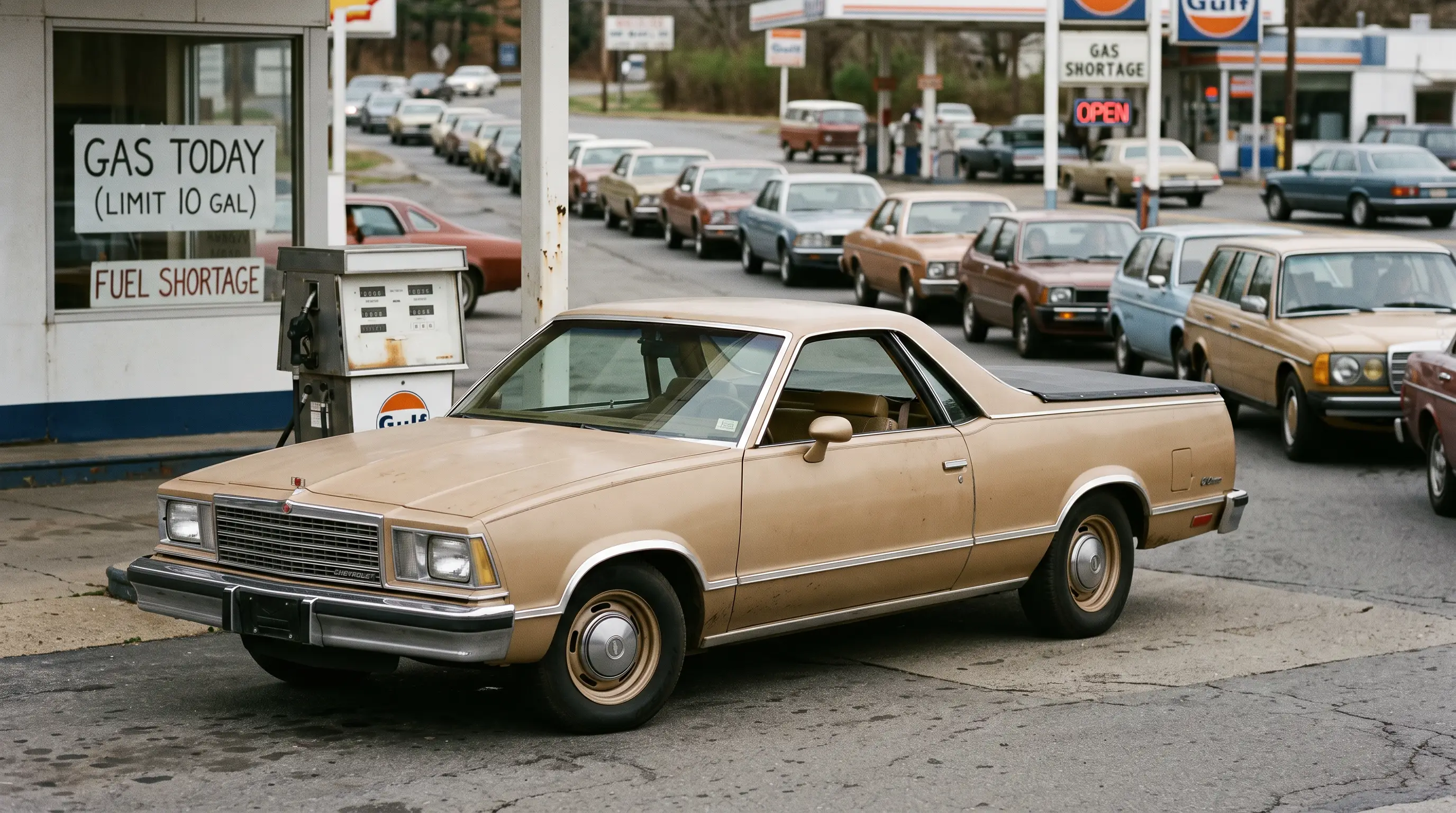
The Chevrolet El Camino nearly lost its identity in 1978. General Motors was shrinking every mid-size car in its lineup that year, and the El Camino, built on the Chevelle platform since 1964, had to shrink with it. What emerged was shorter, lighter, and quieter than the truck-car hybrid buyers had known through the muscular 1968-72 years, and the change split opinion the moment showroom floors filled with the new G-body version.
Why GM downsized in the first place
The fuel crises of the 1970s had already forced Detroit to rethink size and weight. By the middle of the decade, GM's engineers were drawing up the G-body platform, a smaller, lighter architecture meant to replace the aging A-body Chevelle underpinnings across several divisions. The El Camino, along with the Malibu it was based on, moved to this new platform for the 1978 model year. Overall length dropped by roughly a foot compared to the 1977 model, and curb weight fell by several hundred pounds, numbers that mattered enormously once fuel averaged well over a dollar a gallon and emissions rules tightened year after year.
The change was not cosmetic. GM redesigned the frame, narrowed the track, and reworked the suspension geometry, all in service of a car that could still haul a load in the bed while meeting corporate average fuel economy targets that had not existed a decade earlier. Chevrolet had to prove the El Camino could still do its job as a genuinely useful vehicle, not just survive as a smaller shadow of what came before.
What the 1978 buyer actually got
Base engines for the first G-body year leaned toward the modest side, a 200 cubic inch V6 or a 305 cubic inch V8 depending on trim and options, a far cry from the 454 big blocks that once powered SS models. Chevrolet still offered an SS package, but the muscle era's raw output numbers were gone, replaced by more modest horsepower figures shaped by catalytic converters and lower compression ratios. Buyers cross-shopping the new El Camino against the outgoing model noticed the difference in a straight line, but they also noticed the smaller car rode tighter through corners and used noticeably less fuel on a road trip.
Interior space actually held up better than the exterior dimensions suggested. GM's engineers had learned from the mistakes of earlier downsizing efforts and packaged the cabin efficiently, so front seat room stayed close to what the outgoing Chevelle-based El Camino offered. The bed, however, shrank along with everything else, a tradeoff that mattered to buyers who used the vehicle for actual hauling rather than as a personality statement.
The reaction from the market
Reception was mixed at first. Enthusiasts who remembered the 1970 SS 454 with its rare LS6 option, factory rated at 450 hp but installed in only a few hundred El Caminos and still debated among collectors over authenticity today, treated the smaller car as a diminished thing, a sedan wearing a truck bed rather than the other way around. Fleet buyers and everyday commuters, though, appreciated a vehicle that cost less to fill up and maneuvered easier in daily traffic. Sales figures for the downsized generation held reasonably steady through the early 1980s, proof that Chevrolet had read the market correctly even if the car lost some of its swagger in the transition.
Collectors today treat the G-body years differently than they treat the 1968-72 SS models. The downsized cars are cheaper to acquire, easier to insure, and simpler to live with, which has made them an entry point for people who want the El Camino name without the price tag attached to the big block years. our complete history of the 1985 model covers how the platform matured over its production run, from the initial 1978 shrink through the graphics packages and trim levels that followed.
Why the downsizing mattered long term
Without the 1978 diet, the El Camino likely would not have survived into the 1980s at all. Full-size and mid-size car sales across the industry were shrinking as buyers shifted toward smaller, more efficient vehicles, and a nameplate that could not adapt risked cancellation outright. The G-body platform gave the El Camino a second decade of life, one that included the Super Sport packages, the two-tone Conquista trim, and eventually the Royal Knight graphics package that became a period signature in its own right.
Looking back, the 1978 redesign reads less like a retreat and more like a survival strategy that worked. The car that emerged was smaller and less powerful, but it kept the El Camino nameplate alive through a decade when many of its contemporaries simply disappeared from Chevrolet's lineup entirely.
"People forget that shrinking a car and killing a car are two very different things. Chevrolet chose to shrink it, and that choice is the only reason we still have El Caminos to argue about from the 1980s."
- Sarah Whitfield
Comparing the old and new dimensions
Numbers tell the downsizing story better than impressions do. The outgoing 1977 El Camino, still built on the older intermediate platform, dwarfed the 1978 replacement in nearly every exterior measurement, while interior room held up far better than the shrunken sheet metal suggested it would. The table below lays out the broad strokes of what changed, drawn from period specifications for the two generations that bookended this transition.
| Measure | 1977 (outgoing) | 1978 (G-body) |
|---|---|---|
| Overall length | Approx. 216 in | Approx. 201.6 in |
| Curb weight | Roughly 3,200-3,900 lbs by trim | Roughly 3,200-3,300 lbs |
| Base V8 displacement | 350 cubic inch | 305 cubic inch |
| Wheelbase | Approx. 116 in | Approx. 117.3 in |
The shrinkage in overall length changed how the car looked far more than it changed the wheelbase, which held close to its prior dimension since Chevrolet's engineers gave the El Camino a longer wheelbase than the Malibu sedan specifically to protect cargo capacity. Owners who drove both generations back to back described the 1978 model as noticeably tighter through corners, a benefit of the narrower track and modestly lower weight, even as straight-line performance suffered against the outgoing big block options that briefly overlapped with the new platform's debut year.
How the platform aged through the decade
The G-body architecture that debuted in 1978 stayed in production for the El Camino all the way through 1987, meaning the downsizing decision effectively defined the nameplate's final decade on the market. Chevrolet made incremental changes across those years, adjusting trim offerings, engine choices, and appearance packages, but the fundamental chassis and body dimensions established in 1978 never changed again. That stability gave engineers and suppliers a decade to refine a platform that arrived somewhat unproven, and later G-body El Caminos benefited from a level of mechanical maturity the first 1978 models could not offer straight out of the gate.
Viewed against that decade-long run, the initial downsizing looks less like a single event and more like the opening chapter of the El Camino's final era. Everything that followed, the SS decal packages, the Conquista two-tone trim, the Royal Knight graphics, all built on the foundation the 1978 redesign established.
For anyone chasing a G-body El Camino today, values remain approachable compared to the earlier SS generation, and clean examples still turn up regularly. If the downsized years appeal to you, it is worth taking time to find a classic El Camino in the condition and trim level that matches what you actually want to own.
Sources and notes
- Chevrolet El Camino - Wikipedia
- 1978 Chevrolet El Camino Specifications & Dimensions - Conceptcarz
- El Camino Evolution: Revisiting the 1973-'87 models - Old Cars Weekly
- 1970 El Camino SS LS6 454/450hp - Legendary Motorcar
- 1978-1987 El Camino Database
- 1978 Chevrolet El Camino Base - Hagerty Valuation Tools