
Ask a dealer which sells faster, a clean El Camino or a comparable Ranchero, and you will get the same answer nine times out of ten. The El Camino moves first, and it usually moves for more money. That is not brand loyalty talking, that is what the auction results and the classified listings actually show once you strip out the anecdotes and look at the numbers side by side.
Car Features
6 min read
El Camino or Ranchero: Which Collectors Chase Today
Auction data shows a consistent price gap between El Camino and Ranchero. Here is what drives it, and which one is the smarter buy right now.
What the auction data actually says
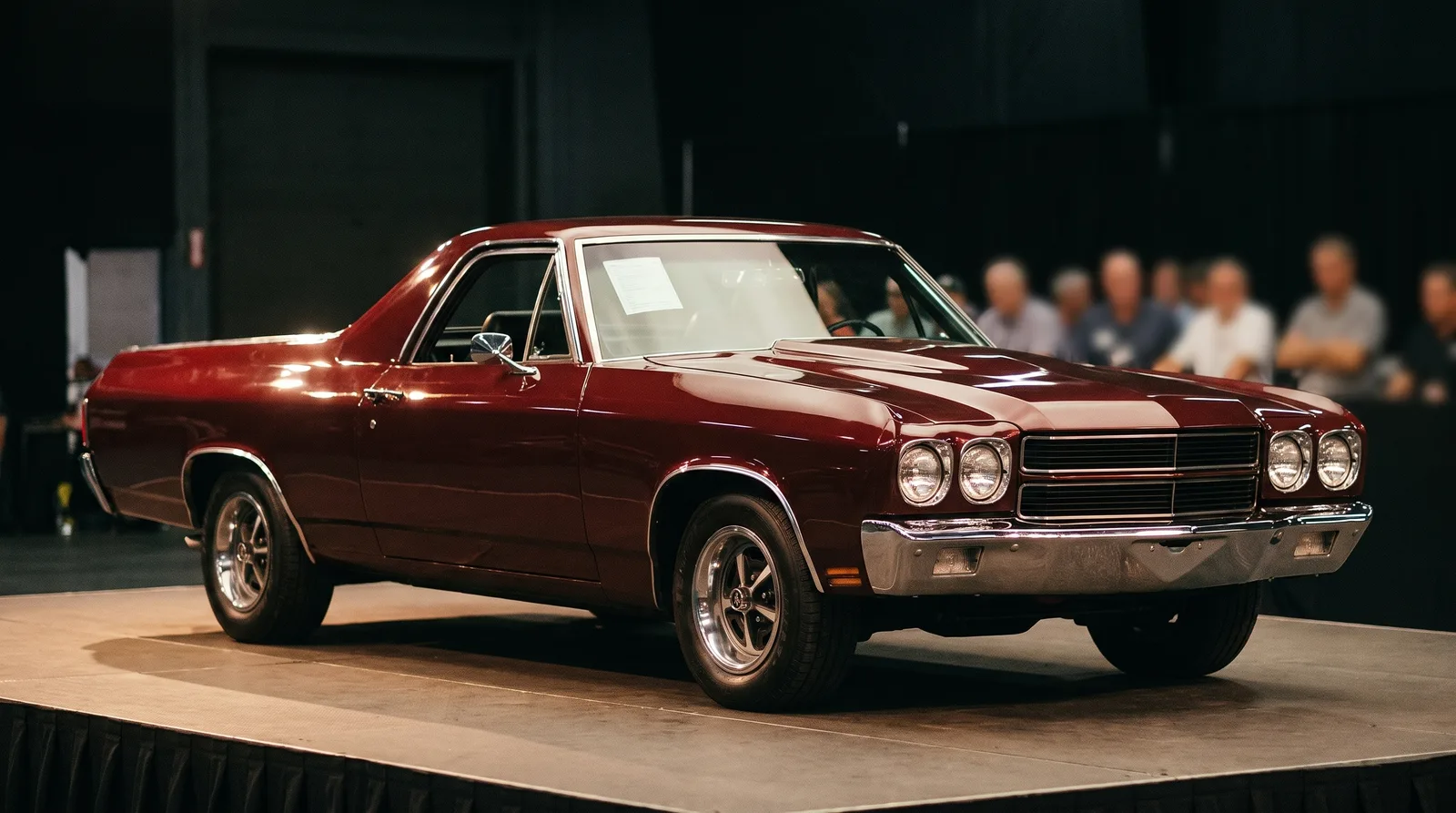
Pull results from the major auction houses over the last several years and a pattern holds up consistently. A solid, driver-quality 1970 El Camino SS 396 with a 350 or 396 engine typically brings somewhere in the neighborhood of $30,000 to $50,000, with genuine SS 454 LS6 cars pushing well past six figures when the documentation is airtight, Hagerty's guide has placed a #2-condition LS6 car around $105,000. A comparable Ranchero GT from the same era, even one with the 429 Cobra Jet, tends to land noticeably lower, often in the $20,000 to $35,000 band for a nice driver, with genuine Super Cobra Jet cars closing part of that gap but rarely matching El Camino SS 454 money dollar for dollar.
That gap is not new and it is not shrinking. It has held fairly steady across multiple market cycles, including the run-up in muscle car values during the mid-2000s and the more recent surge in interest from buyers under fifty. Whatever else has changed about who is bidding, the relative ranking between these two nameplates has stayed remarkably consistent.
| Segment | Typical El Camino price | Typical Ranchero price |
|---|---|---|
| Base six-cylinder or small-block driver | roughly $12,000 to $22,000 | roughly $8,000 to $16,000 |
| SS 396 / GT big-block driver | roughly $30,000 to $50,000 | roughly $20,000 to $35,000 |
| Documented SS 454 LS6 / Super Cobra Jet, top condition | $100,000 plus | roughly $60,000 to $90,000 |
Why the gap exists in the first place
Three things drive that spread, and none of them are mysterious once you lay them out. First, population. Chevrolet built El Caminos across a much longer stretch of years than Ford built Rancheros, and later generations kept feeding new collectors into the hobby right up through 1987, while Ranchero collectors have been working from a fixed, shrinking pool since 1979. More buyers chasing a nameplate with a steady trickle of fresh interest pushes prices up over time.
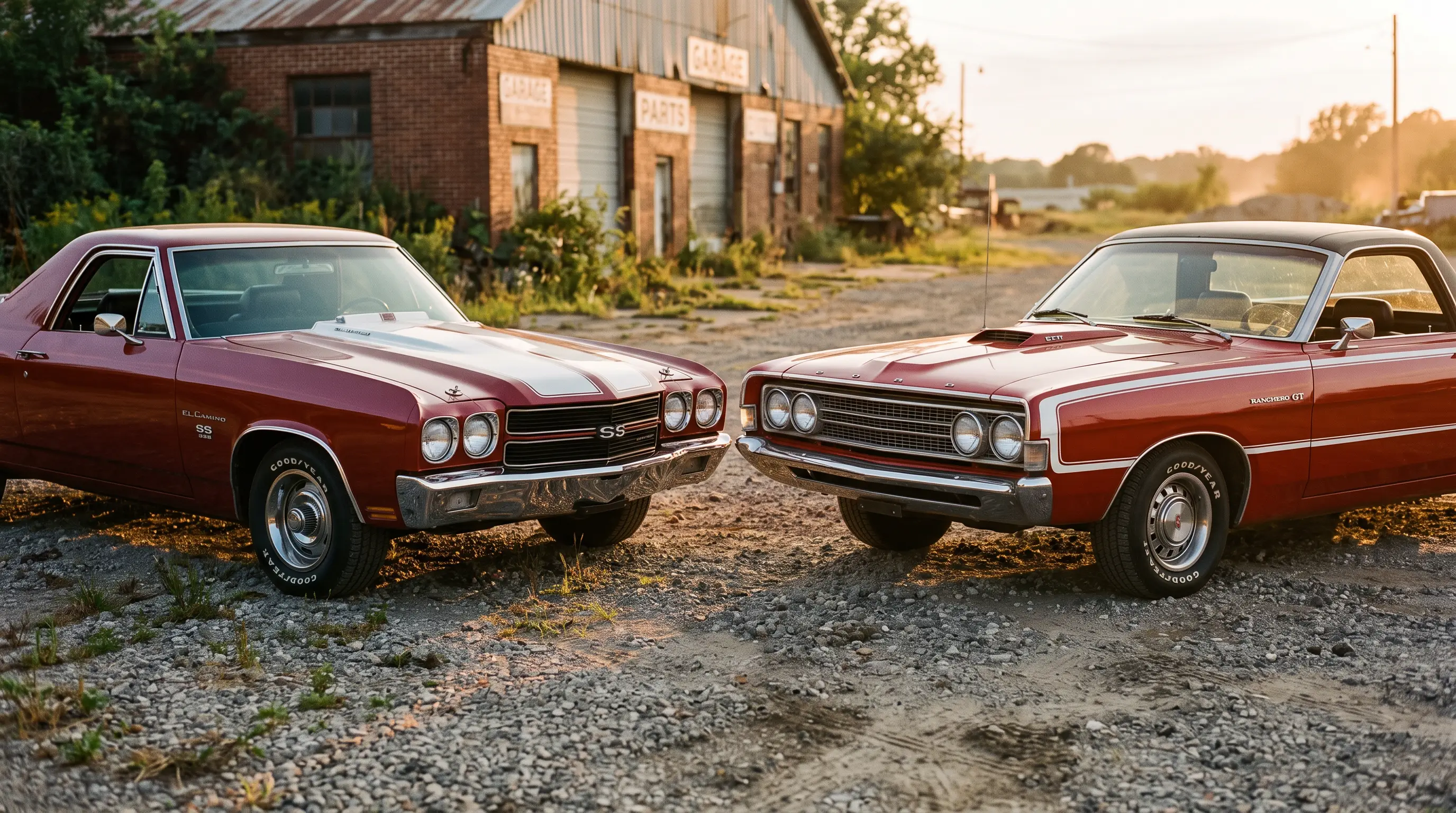
Second, brand halo. The SS badge on a Chevelle-based car carries weight that transfers directly to the El Camino, and Chevrolet's broader muscle car reputation from the same era lifts everything wearing a bowtie. Ford's Torino and Fairlane muscle cars never built quite the same cult following as the Chevelle did, and the Ranchero inherited that smaller following along with the platform. More on the el camino vs ranchero rivalry itself explains how that reputation gap opened up generation by generation, which is useful background if you want the full case instead of just the price data.
Third, parts and restoration cost. A larger surviving population and a bigger aftermarket support network make El Camino restorations more predictable and often cheaper per dollar of value added, which encourages more buyers to take on project cars in the first place. Ranchero parts, especially trim and interior pieces specific to the GT, can be harder to source, and that friction discourages some buyers before they even start.
The levers that move price inside each nameplate
Do not lose sight of the fact that the spread between El Camino and Ranchero is smaller than the spread within each nameplate. A rough six-cylinder El Camino with a rusted floor is worth less than a documented, numbers-matching Ranchero GT in excellent condition, full stop. Condition, originality, and paperwork move the needle far more than badge does once you get outside the top tier of both markets.
Matching numbers is the single biggest multiplier I track. A big-block car with the original engine, verified against build sheets and casting dates, routinely brings a substantial premium, often in the range of thirty to fifty percent, more than an otherwise identical car with a replacement engine, on either side of this rivalry. Rust-free floors and original sheet metal come next, since both of these platforms are prone to trouble in the bed floor, rocker panels, and rear quarters, and buyers pay a real premium to avoid that repair bill. Color and options matter too. Factory bucket seats, console shifters, and rarer exterior colors add measurable money to both cars, though the effect is somewhat larger on El Caminos simply because more buyers are competing for the same well-optioned examples.
My actual buy recommendation
If you are buying purely as an investment and want the strongest resale liquidity, the data says El Camino, and specifically a documented SS with matching numbers. That is where the deepest buyer pool sits and where values have shown the most consistent upward pressure. I would not talk anyone out of that trade.
But if you are buying to drive and enjoy rather than to flip, the value case for a Ranchero GT is genuinely stronger than the raw numbers suggest. You are paying less for comparable performance and condition, the cars are rarer in absolute terms simply because Ford built fewer of them, and rarity paired with lower relative demand sometimes means you get more car for your money today, even if the ceiling on appreciation is lower. Our complete history of the El Camino nameplate covers the production numbers behind that population gap in more detail if you want to see exactly how the two model runs compare year by year.
"The spread between these two nameplates is one of the more predictable patterns in the muscle car market. It has held through three separate boom cycles, which tells me it is not a fad, it is a durable difference in buyer depth."
- David Mercer
Where the market goes from here
I do not expect that gap to close anytime soon. If anything, as the buyer base ages into people who grew up watching El Caminos in movies and lowrider culture rather than remembering the original muscle car era firsthand, the El Camino's cultural visibility gives it another advantage the Ranchero simply does not have anymore. That said, undervalued does not mean bad, and a Ranchero bought smart today is a reasonable hedge against a segment where one nameplate has clearly become the default choice among buyers building a collection rather than chasing a single car. If you want to see where current asking prices actually sit, go look at classic El Caminos on the market and compare them directly against whatever Ranchero listings you can find in the same condition bracket.
Sources and notes
Related Reading

About the author
David Mercer
Classic car market analyst with two decades of experience tracking collector car valuations, auction results, and investment trends.
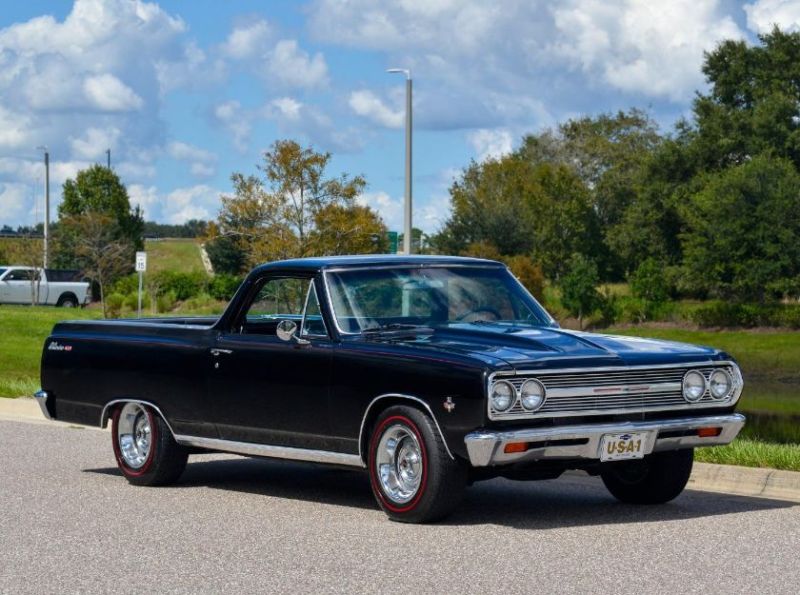
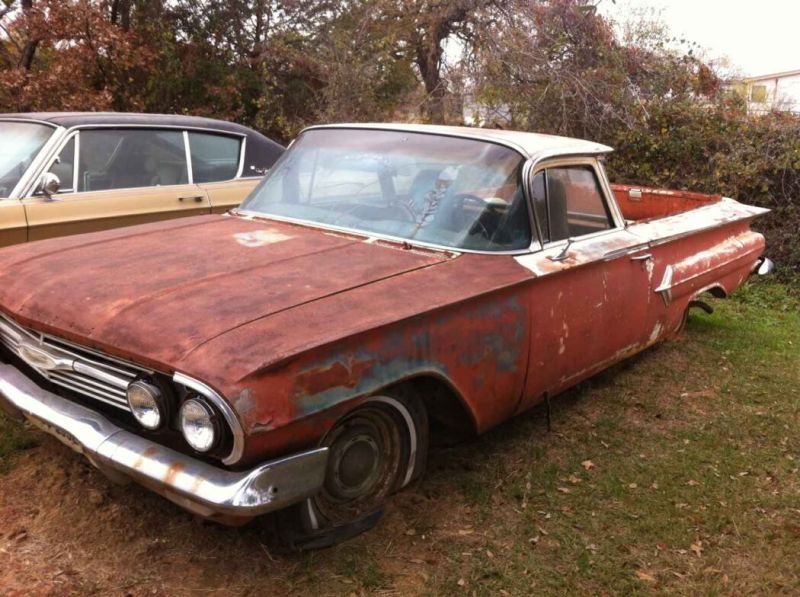
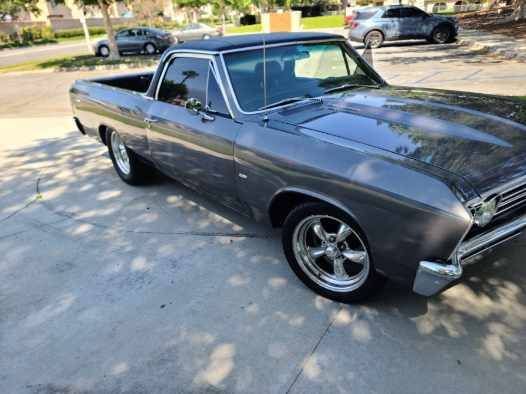
Related Listings - Chevrolet El Camino

Comments
Be the first to comment on this article.