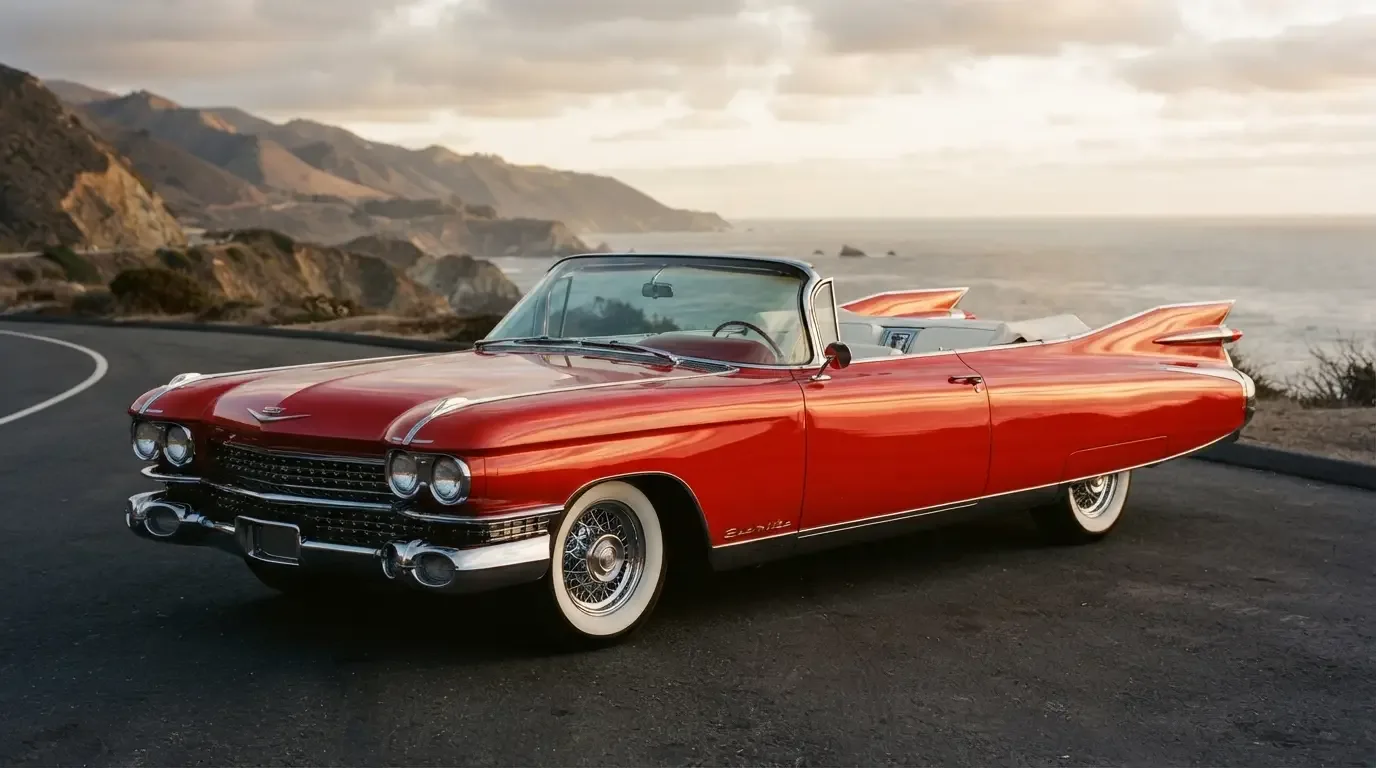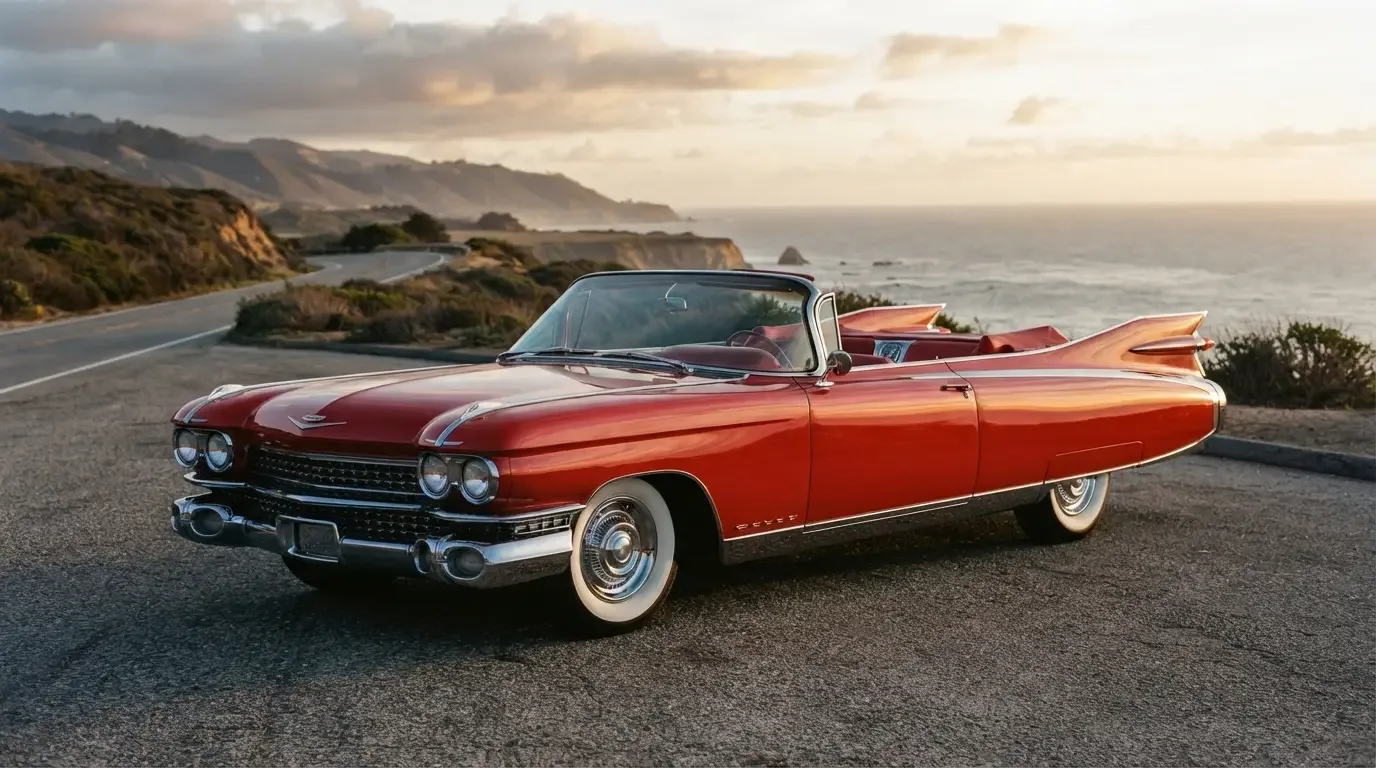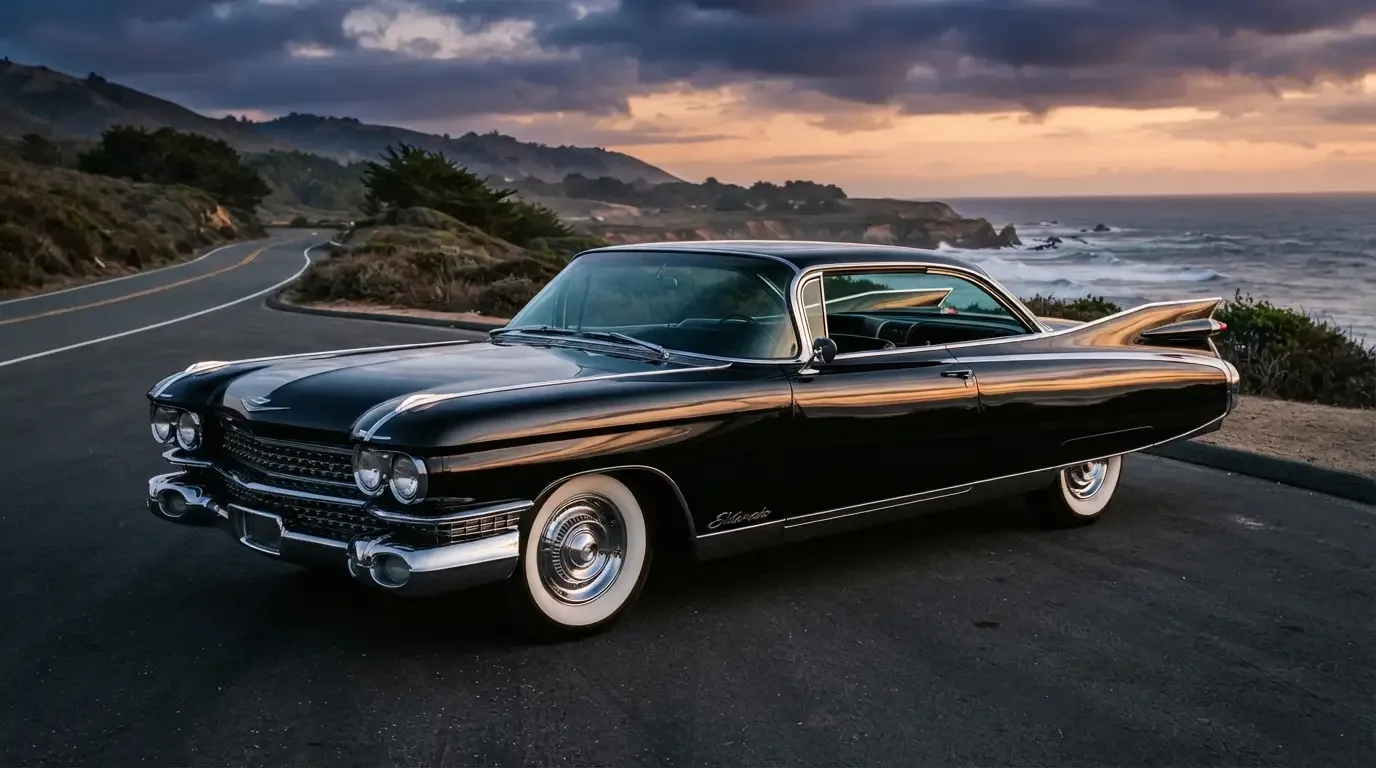
The 1959 Cadillac Eldorado Biarritz is one of the small handful of American convertibles that reliably clears six figures at auction, and the number is not hype. It is the result of genuine scarcity, instantly recognizable styling, and a market that has spent decades deciding this specific car deserves a category of its own. Anyone weighing whether to buy one needs to look past the styling story and into what these cars actually trade for, because the gap between a rough project and a documented, correct example is enormous.
What made the Biarritz different from the Seville
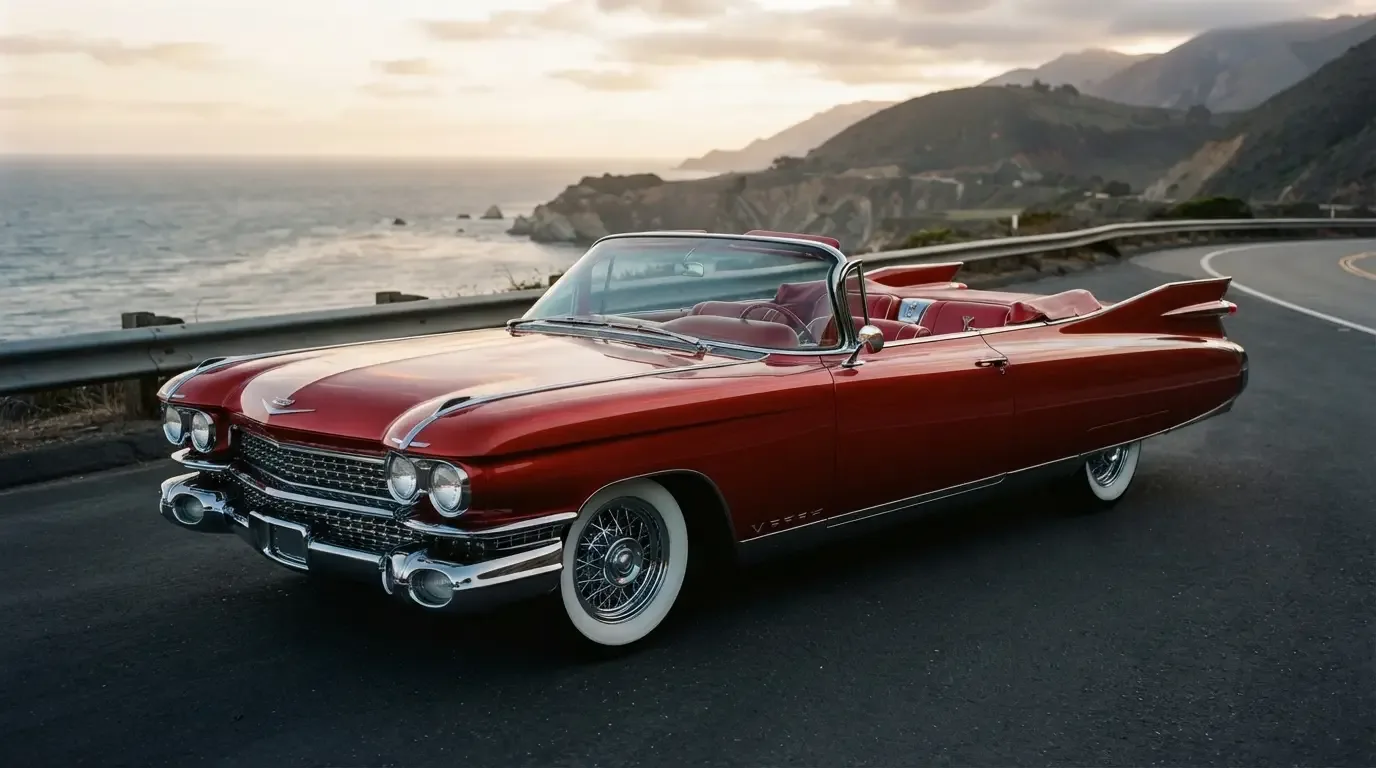
Cadillac split the 1959 Eldorado into two body styles that year, the Seville hardtop and the Biarritz convertible, and the Biarritz carried the higher price and the lower production number of the two. It wore the same tallest-in-Eldorado-history tailfins and twin bullet-shaped taillamps as the Seville, but as a convertible it offered the open-air presence that has always commanded a premium over closed cars in the collector market, especially for a design this visually dramatic. A convertible lets the entire rear fin treatment read even more clearly with the top down, which is a real part of why the Biarritz specifically became the more collected of the two body styles over time.
What Biarritz values actually look like
Auction results for genuine, well-documented 1959 Eldorado Biarritz convertibles have consistently landed in the low-to-mid six figures over the past several years, with the top end reserved for cars carrying strong provenance, matching numbers, and minimal restoration compromises. Rougher, driver-quality examples trade well below that, sometimes by half or more, and unrestored project cars can still be found for a fraction of what a concours-ready Biarritz commands. That spread is wide even by classic car standards, and it exists because condition and originality matter more on this car than on almost any other Eldorado model year.
The gap comes down to sheet metal. The Biarritz's rear quarter panels carry the same complex compound curves as the Seville's, and replacement panels in that shape are extremely difficult to source today. A car needing serious quarter panel work costs real money to bring back to a standard buyers expect, and that repair cost gets priced directly into what a rough Biarritz sells for versus a clean one. Buyers should treat any listed price as incomplete until they know the actual condition of that specific sheet metal.
| Factor | Impact on Value |
|---|---|
| Matching-numbers drivetrain | Significant premium over replacement engine |
| Original quarter panels | Major premium, rare to find intact |
| Documented ownership history | Meaningful premium at major auctions |
| Prior poor-quality restoration | Can reduce value below driver-quality unrestored cars |
Is the 1959 Biarritz a buy right now
My honest read is a qualified yes, but only for a specific kind of buyer. If you are chasing appreciation on a short timeline, this is not the car. Values have already climbed substantially over the past couple of decades and the easy gains are behind us. If you want a genuinely blue-chip American convertible that holds its place at the top of the classic Cadillac hierarchy, is instantly recognized at any show, and has a collector base deep enough to support long-term liquidity, a documented, correct Biarritz is one of the safer six-figure classic car purchases available today.
The buyers who get burned on this model are the ones who chase a bargain price without asking hard questions about panel originality and prior repair work. A Biarritz priced well under market for its stated condition usually has a reason, and that reason is almost always hiding in the quarter panels or the drivetrain's documentation. Pay for verified condition. Do not pay for a story. That is the same discipline I would apply to any six-figure asset, and there is no reason a classic car should get a pass on it just because the styling is compelling enough to make buyers emotional.
"People ask me if the 1959 Biarritz is overpriced. It is not overpriced. It is correctly priced for what it is, which is one of the rarest, most recognizable American convertibles ever built. The risk is not the price tag. The risk is buying one without verifying what you are actually getting."
- David Mercer
How the Biarritz compares to its own siblings
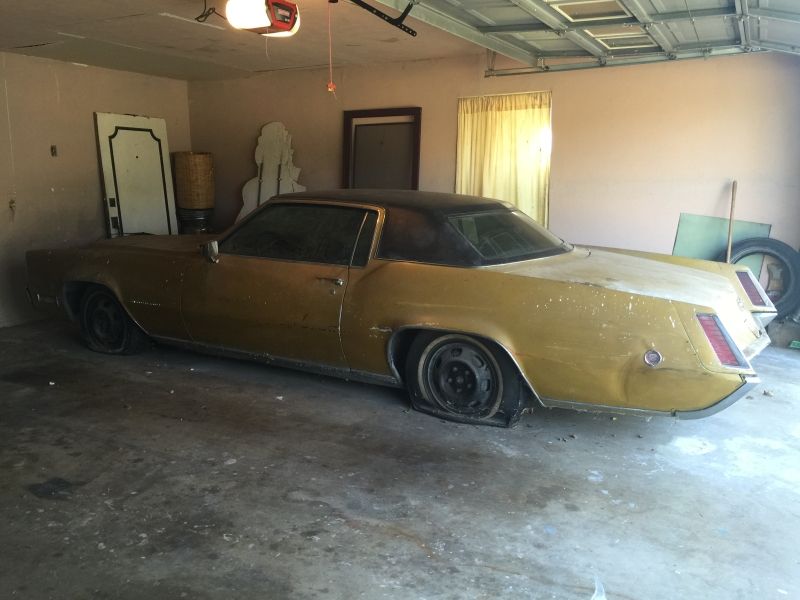
It helps to see the Biarritz against the rest of the Eldorado lineup rather than in isolation. The 1959 Seville hardtop, built in similar low numbers and wearing essentially the same styling minus the open top, typically trades at a real discount to the Biarritz despite sharing most of the same rarity arguments. That gap tells you the market is pricing the convertible top itself as a meaningful factor, not just the sheet metal or the badge. Compare either 1959 car to a 1976 Eldorado convertible, built in far higher numbers, and the difference is stark. The 1976 car has genuine cultural cachet as the marketed last American convertible, but it was never scarce in the way the 1959 cars were, and pricing reflects that gap clearly.
This matters for buyers thinking about where to put their money inside the Eldorado universe. A collector chasing maximum long-term stability with real rarity behind it should be looking hard at the 1959 Biarritz specifically, not just any Eldorado convertible with fins. The nameplate covers nearly fifty years and a wide range of price points, and treating "Eldorado" as a single investment category rather than a set of very different cars with very different scarcity profiles is a mistake I see buyers make regularly.
Doing the homework before you bid
Before bidding on any 1959 Eldorado Biarritz, pull whatever ownership history and prior auction results exist for that specific chassis if it has crossed the block before. Major auction houses keep searchable records, and a car with a documented trail of sales, photos, and condition reports carries far less risk than one appearing for the first time with a thin story attached. Compare the asking price against recent results for cars of genuinely similar condition, not against the highest headline sale you remember from a magazine, since that top result almost always represents an exceptional car rather than a typical one. Get an independent inspection from someone who specifically knows late-1950s Cadillac sheet metal, not a generalist appraiser, because the specific failure points on this car are narrow enough that generic classic car knowledge will miss them.
For the fuller context behind why this specific model year commands the prices it does, read our complete history of the 1959 Eldorado. Buyers ready to compare what is actually available right now, across this generation and others, can find a classic Eldorado and weigh real listings against everything covered here.
Sources and notes
- Hagerty Insider: 1959 Cadillac Eldorado Biarritz Sale of the Week
- RM Sotheby's: 1959 Cadillac Eldorado Biarritz, The Elkhart Collection
- Gooding Christie's: 1959 Cadillac Eldorado Biarritz Convertible
- Conceptcarz: 1959 Cadillac Eldorado Biarritz Auction Results and Sales Data
- Broad Arrow Auctions: 1959 Cadillac Eldorado Biarritz
- Wikipedia: Cadillac Eldorado