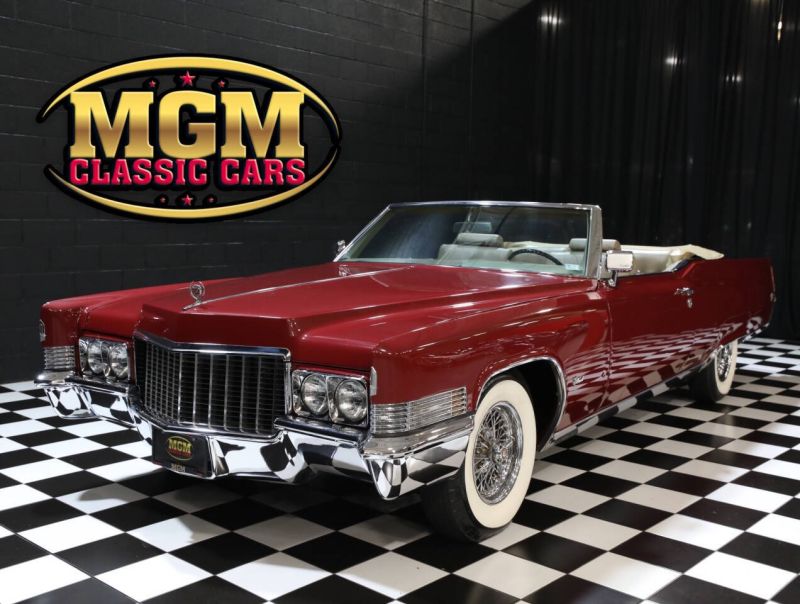
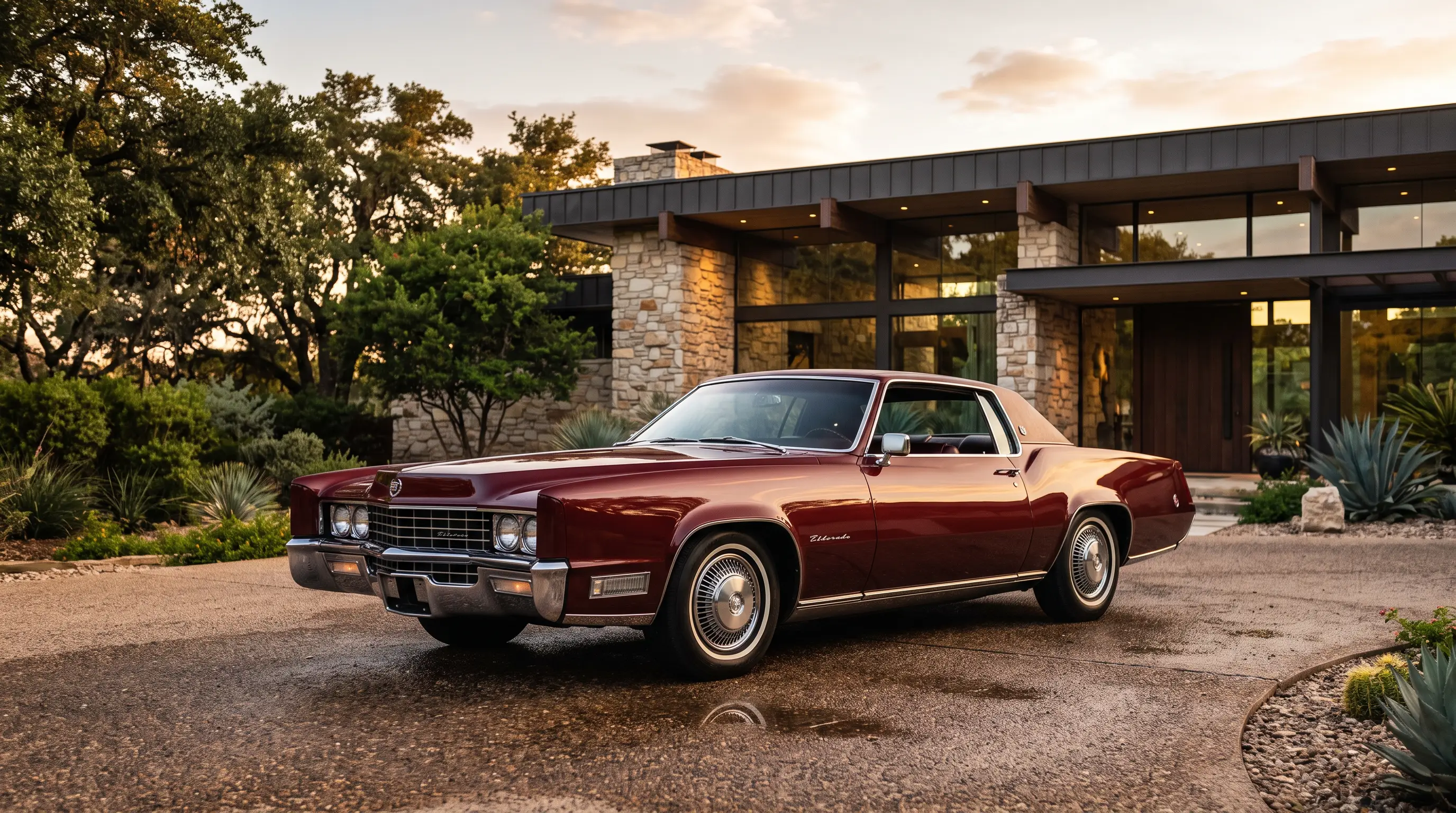
I have stripped paint off enough front-drive Eldorados to know that the color on the car when you buy it is rarely the color it left the factory wearing. Between repaints, partial resprays, and thirty-plus years of sun damage before anybody thought to protect these cars, figuring out what a 1967 through 1970 Eldorado actually came in from Cadillac takes real digging, and it is worth doing right before you commit to a color for a repaint.
What Cadillac actually offered
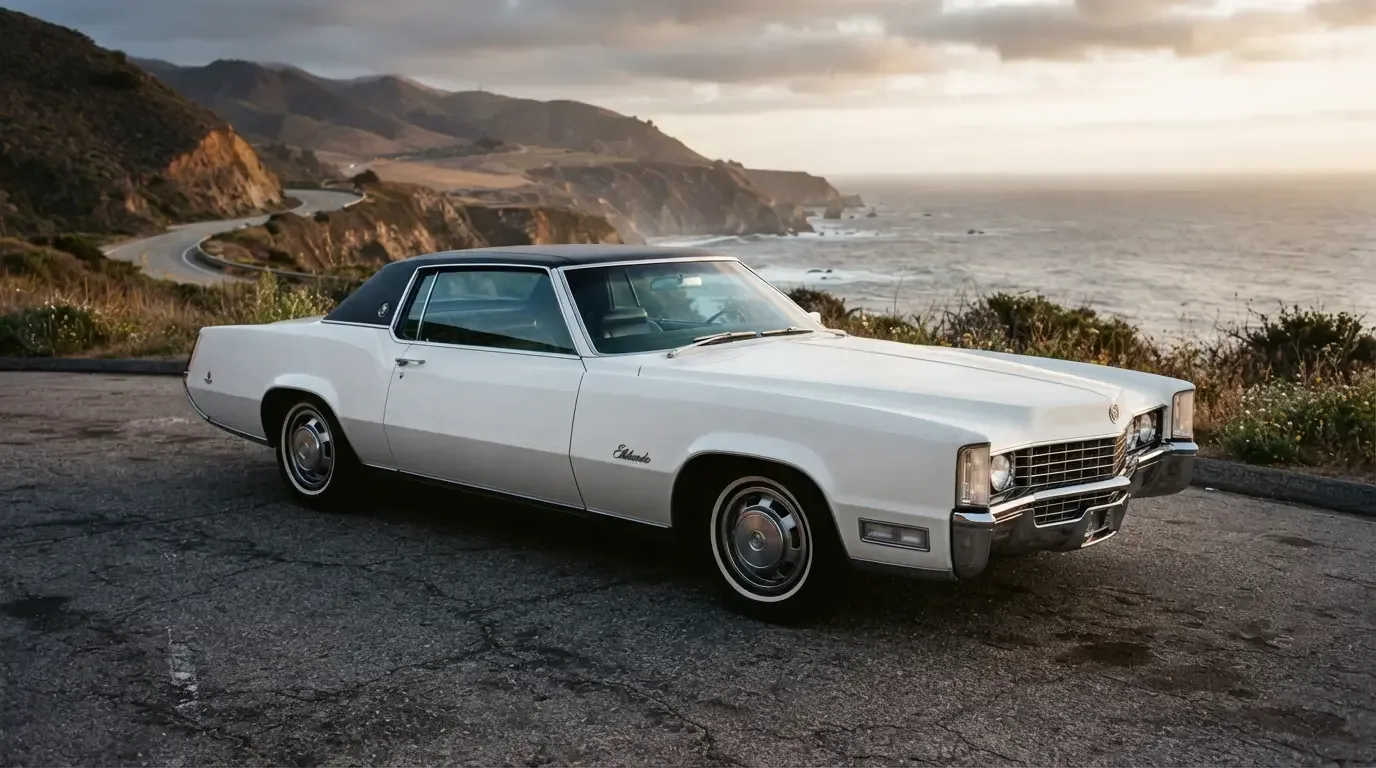
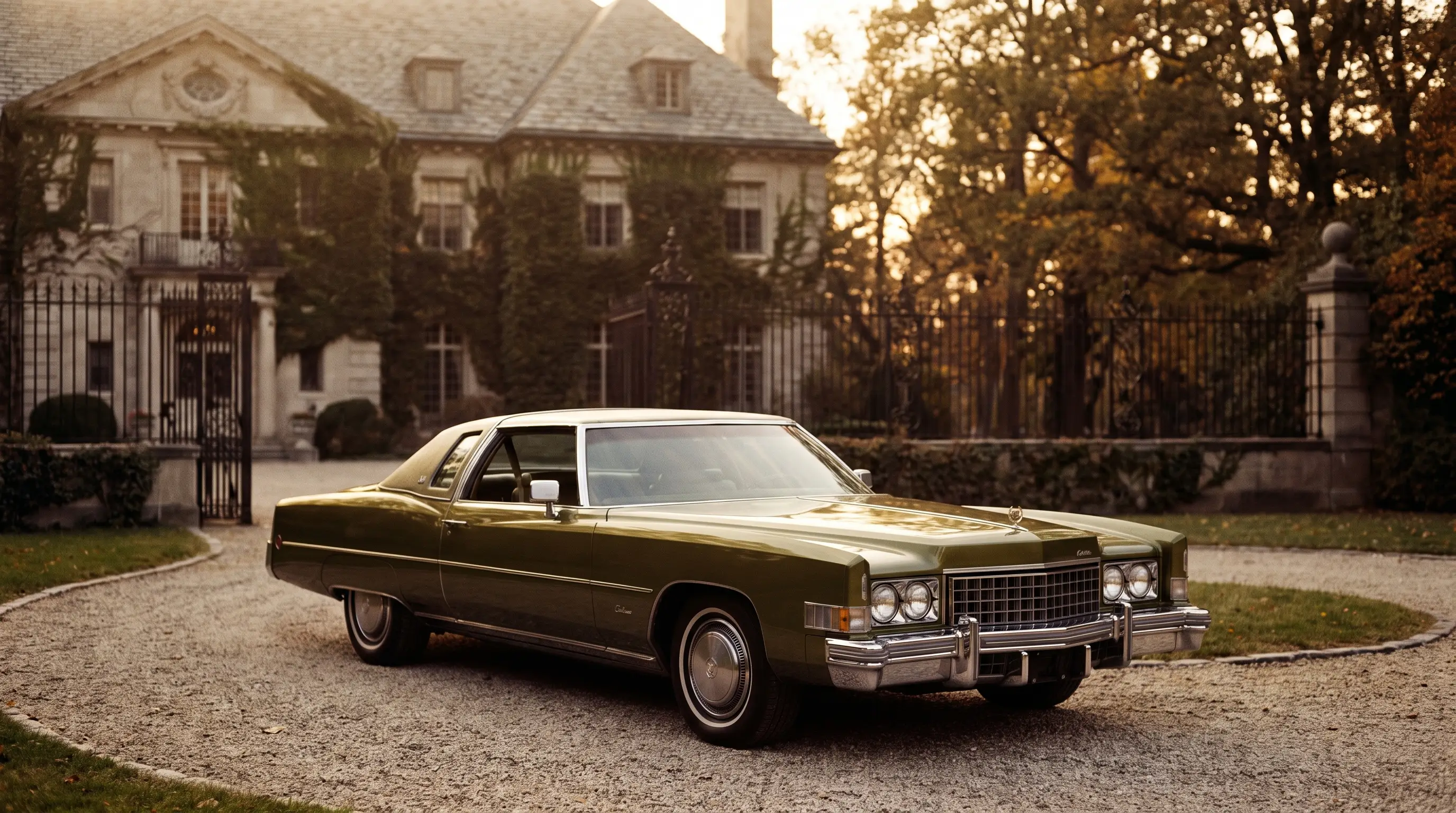
Cadillac's color palette for this generation ran through the usual full-size luxury spread of the late sixties, whites, blacks, a range of blues and greens, and several metallic silvers and golds that catalogs of the era loved to photograph under studio lighting. Firemist paints, Cadillac's premium metallic finish option, are the ones that get collectors excited today, because they used a genuinely different application process than standard lacquer and produce a depth under sunlight that flat colors simply cannot match. If you are working on a restoration and your car's build sheet or cowl tag references a Firemist code, that is worth confirming before you let a paint shop mix you something close, because close is not the same as correct on a car people will judge panel by panel at a show.
Cadillac changed its color lineup essentially every model year through this generation, new names, new codes, and a handful of standard shades dropped or added each season, along with a rotating set of Firemist metallics offered at extra cost, so a color and code correct for a 1967 car is very often wrong for a 1969 or 1970 car even when the shade looks close on a chip. That year-to-year churn is exactly why I will not hand a customer a single master color list and call it done. What I can tell you from direct shop experience is that the build sheet or cowl tag is the only reliable source for a specific car, not a repro paint chip chart bought off the internet, and not what the previous owner told you the car "always was."
Reading a cowl tag like a builder
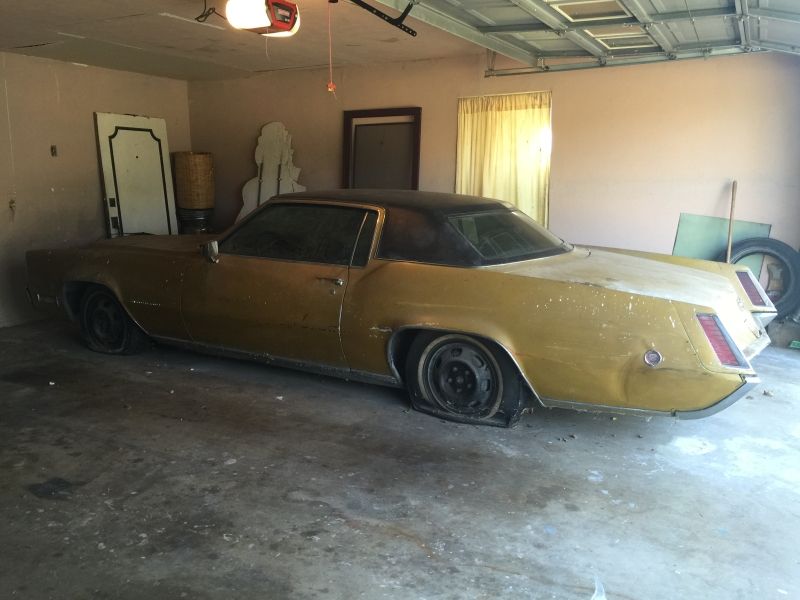
The cowl tag on these cars carries a trim code and a paint code, usually a two-digit or alphanumeric string that maps back to a specific Cadillac color name and formula. Any decent classic paint supplier can cross-reference that code against period documentation, but you have to have the actual code first, and that means physically locating and reading the tag, not guessing from memory or trusting a bill of sale that just says "blue." I have seen more than one car sold as its "original color" turn out to be a repaint from decades ago that has simply been repainted so many times since that nobody living remembers the actual factory shade underneath.
Paint code aside, undercoating and interior color codes on the same tag matter just as much for anyone doing a full restoration, since Cadillac coordinated exterior color with specific interior trim and carpet combinations, and mixing eras or combinations that never left the factory together is exactly the kind of detail a knowledgeable judge or buyer will catch immediately.
"Anybody can slap a color on a car. Getting the right color, the one that actually matches the cowl tag and the era's formula, is the difference between a restoration and a repaint. I've turned down jobs because a customer wanted a color that never came on this car, and I'd rather lose the work than build something that lies about itself."
- Jim Vasquez
Period-correct versus poseur paint
There is a real difference between a car wearing its correct factory color, even if it has been repainted since, and a car wearing a color that never came on this platform at all. I see the second kind more than you would think, usually a custom shade chosen because it looked good on a similar-era muscle car or because a previous owner just liked it, applied to a Eldorado without any regard for what Cadillac actually offered that year. That is not automatically a bad car, but it is a different kind of car, a custom rather than a restoration, and it should be represented and priced that way rather than passed off as original.
Metallic and Firemist finishes in particular are hard to fake convincingly with modern paint unless the shop doing the work actually understands the period application process, since the depth and flake pattern of a correctly done Firemist job does not look like a generic modern metallic clear coat job, even when the underlying color name matches.
Prep work nobody wants to pay for
The part of color-accurate restoration nobody wants to hear about is how much of the budget goes into bodywork before a single drop of paint touches the panel. A correctly matched color on top of poor metal work looks worse than an incorrect color on top of straight, well-prepped panels, because a bad repair telegraphs through any finish once it is under direct light. On these front-drive Eldorados specifically, I pay close attention to the lower quarters, the rocker panels, and the trunk floor, since rust in those areas is the most common reason a car needs more than a cosmetic respray to begin with. Skipping proper metal repair to save money on a color-correct job is a false economy that shows up within a year or two as the paint cracks or bubbles over the hidden problem underneath.
I also tell customers to budget time, not just money, because a genuine color-matched restoration on one of these cars is not a weekend job. Between sourcing the correct code, test-spraying panels to confirm the match under different lighting, and doing the metal prep right, a serious repaint on an Eldorado of this vintage realistically runs several weeks in a competent shop, longer if the car needs structural rust repair first. Anybody promising a fast turnaround on a color-accurate job on a car this size is cutting a corner somewhere, and it usually shows.
What this means for buyers and builders
If you are shopping for a car and color originality matters to you, ask for the cowl tag before you ask anything else. A seller who cannot produce it, or who gets vague when you ask, is telling you something about how much documentation exists for that car generally, not just its paint. The full story on how this front-drive generation came together covers the broader engineering and design context that the color program grew out of, and it is worth reading before you commit to any specific restoration plan.
For those hunting an actual project or driver, current listings under classic Eldorado for sale are a decent starting point, though I would still tell anyone serious about originality to verify the paint code against the cowl tag in person rather than trust a listing description alone.
Get the color right and everything else about a restoration reads as more credible, because judges and serious buyers notice paint accuracy before they notice almost anything else on the car. Get it wrong, and no amount of correct mechanical work underneath will fully make up for it in the eyes of somebody who actually knows what they are looking at.