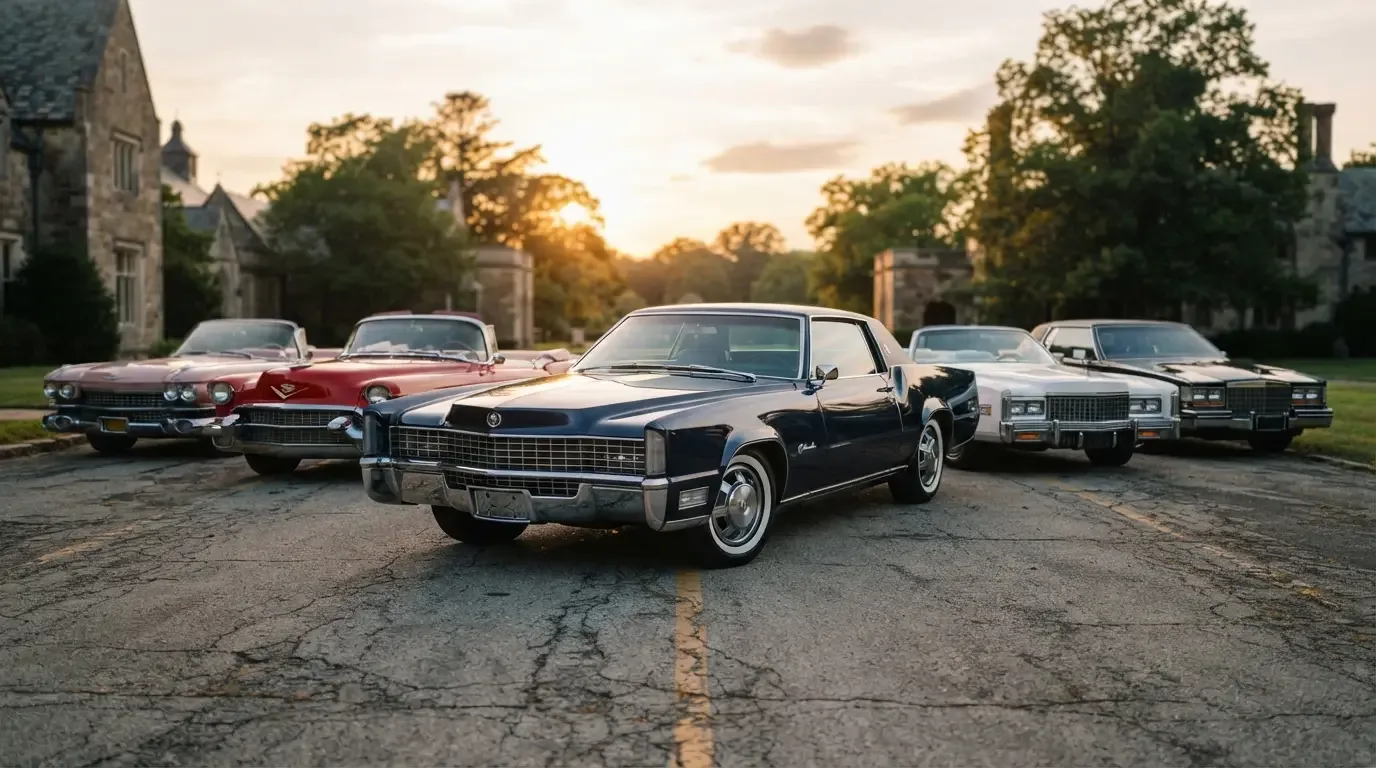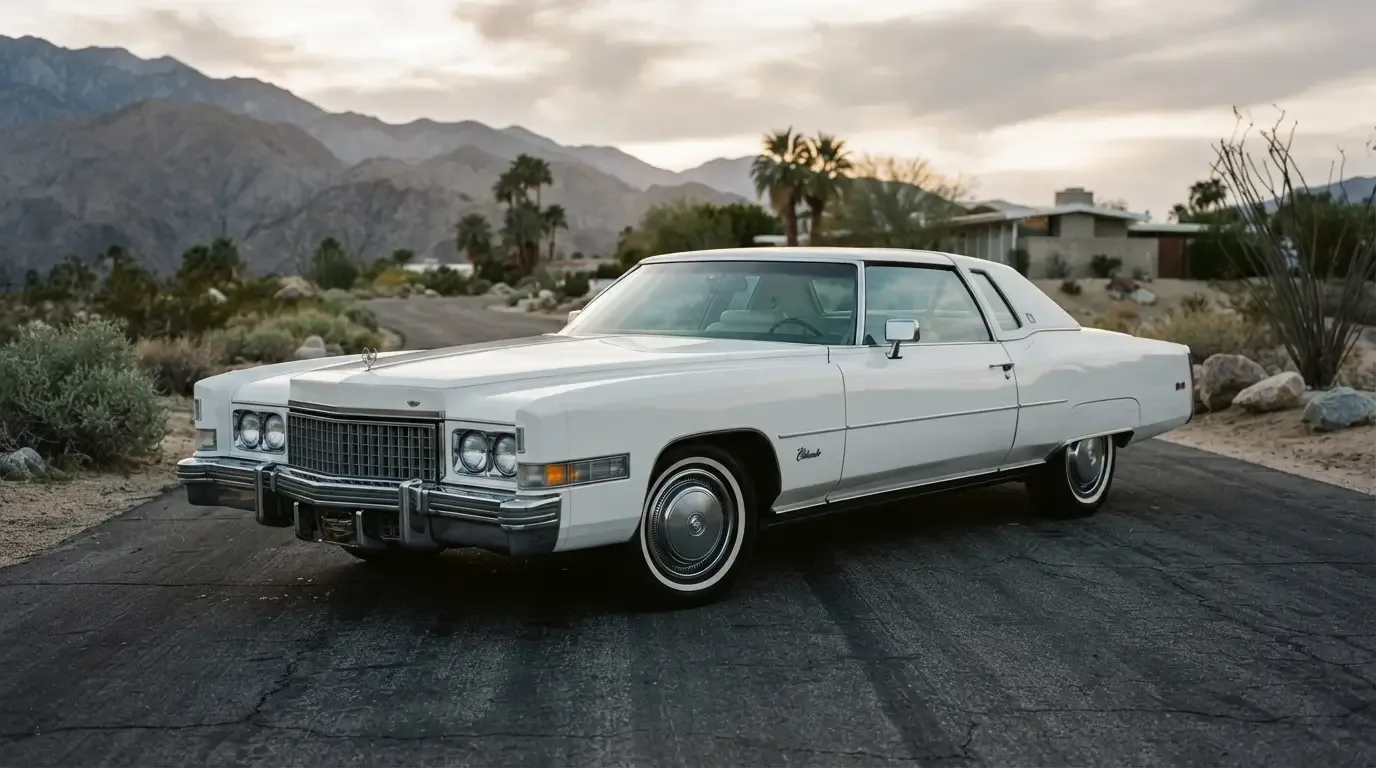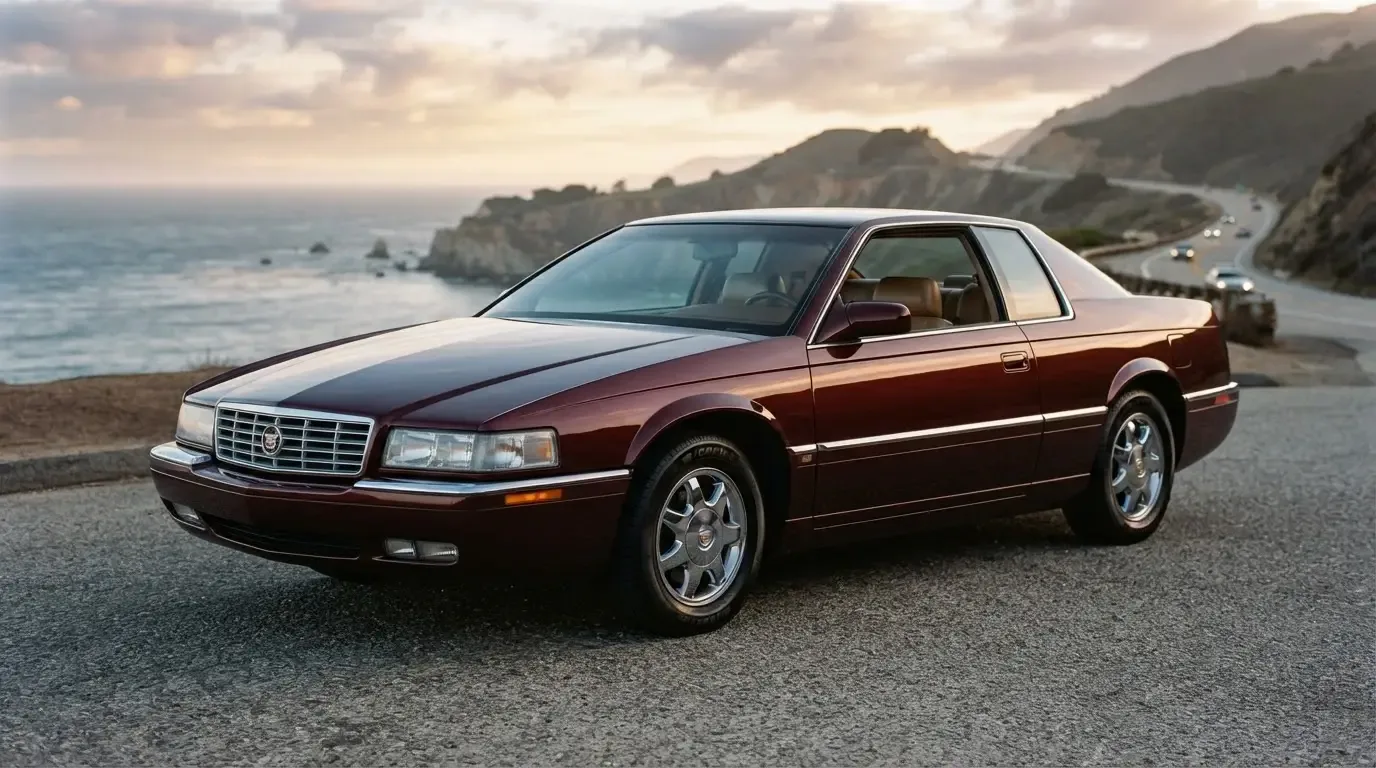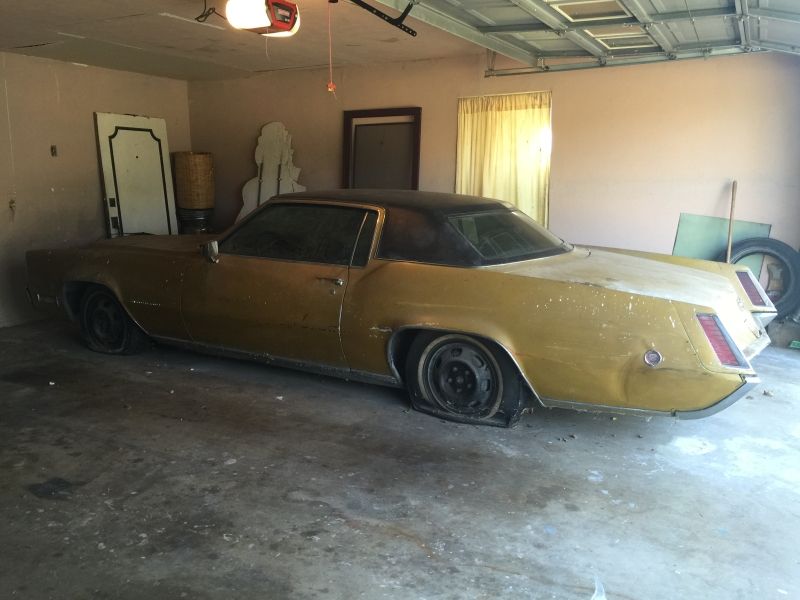
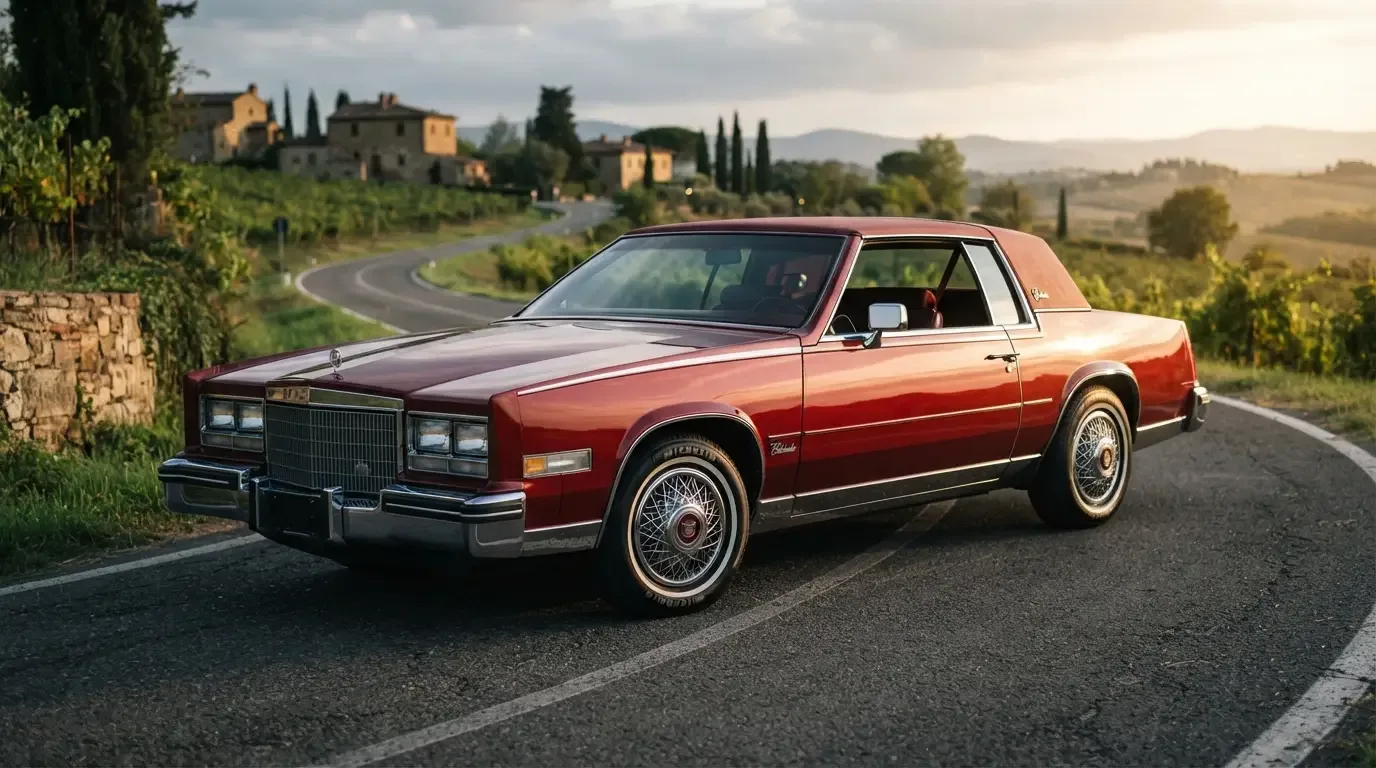
Few single model-year changes in Cadillac's history provoked as much buyer backlash as the 1986 cadillac eldorado downsizing. After nearly two decades of front-drive coupes that had grown progressively larger through the 1970s, Cadillac cut the Eldorado down dramatically for 1986, shrinking its length by well over a foot and reducing weight substantially in the process. Longtime buyers who associated the Eldorado name with imposing scale felt genuinely betrayed, and the sales figures that followed reflected that disappointment for several years afterward. It remains, by most measures, the single most dramatic year-over-year size reduction the nameplate ever underwent.
Why Cadillac downsized in the first place
The 1986 redesign was not an isolated decision. Federal fuel economy standards under the Corporate Average Fuel Economy program had been tightening since the late 1970s, and General Motors had already downsized most of its full-size lineup earlier in the decade. Cadillac had trimmed the Eldorado once before, in 1979, but that first reduction kept the car's essential proportions recognizable. The 1986 cut went much further, moving the Eldorado onto GM's compact E-body platform shared with the Buick Riviera and Oldsmobile Toronado, a platform built around efficiency targets rather than the visual presence that had defined the Eldorado since 1953.
Corporate pressure inside General Motors played a real role too. Sharing a single compact E-body platform across Cadillac, Buick, and Oldsmobile allowed GM to spread enormous engineering and tooling costs across three divisions at once, a financial logic that made sense on a spreadsheet even if it diluted each division's ability to differentiate its flagship coupe. Cadillac's designers pushed for as much visual separation from the Riviera and Toronado as the shared platform allowed, but the underlying dimensions, glass area, and basic proportions were locked in well before styling ever got a say.
What actually changed
The numbers tell the story plainly. The new 1986 Eldorado measured roughly sixteen inches shorter than the outgoing 1985 model, dropping from about 204.5 inches to 188.2 inches overall, with the wheelbase shrinking about six inches to 108 inches and curb weight falling by roughly 350 pounds. Styling shrank to match, with a smaller greenhouse, reduced overhangs, and a more upright, boxy profile that looked closer to a mid-size sedan than to the sweeping coupes Cadillac had built through the 1970s. Under the hood, the standard V8 shrank too, a far cry from the 500-cubic-inch engine the Eldorado had carried just over a decade earlier. Cadillac's HT4100 V8, a much smaller aluminum-block engine developed specifically to meet tightening emissions and fuel economy targets, became the standard powerplant, and it lacked the effortless torque longtime Eldorado owners associated with the model. Reliability problems with that engine, well documented across Cadillac's lineup in the mid-1980s, only compounded buyer frustration with a car that already looked and felt smaller than what they expected from the badge.
How buyers reacted
The response was immediate and largely negative. Cadillac's loyal customer base, many of whom had bought increasingly larger Eldorados throughout the 1970s specifically because size signaled luxury and success, saw the 1986 model as a step backward rather than forward. Sales dropped noticeably compared to the final land yacht-era years, and dealers reported customers cross-shopping smaller Cadillacs against European imports that offered genuine engineering sophistication rather than just reduced dimensions. Cadillac had, in effect, shrunk the car without fully rethinking what buyers actually wanted from it, a miscalculation the division spent years correcting.
Automotive journalists at the time were somewhat more sympathetic than the buying public, noting that the smaller Eldorado actually handled with more composure than its land yacht predecessor and made better use of its interior space relative to its exterior footprint. That praise did little to change public perception in the showroom, though, because most Eldorado buyers were not cross-shopping for handling precision. They wanted a car that announced its owner's success from across a parking lot, and the compact 1986 model simply did not do that job as effectively as the cars it replaced.
| Aspect | 1985 Eldorado | 1986 Eldorado |
|---|---|---|
| Platform | Full-size front-drive | Compact E-body |
| Body length | 204.5 inches | 188.2 inches (about 16 in. shorter) |
| Design language | Sweeping coupe lines | Boxy, upright profile |
| Buyer reception | Established, strong | Widely criticized at launch |
"Cadillac wasn't wrong that the market was moving toward smaller, more efficient cars. Where they miscalculated was assuming Eldorado buyers specifically wanted that shift. Those buyers had spent fifteen years being told bigger meant better, and Cadillac couldn't just reverse that message in a single model year without consequences."
- Sarah Whitfield
The slow road back
Cadillac spent the remainder of the 1980s and into the early 1990s gradually restoring size, power, and visual presence to the Eldorado without abandoning the front-drive compact platform entirely. Styling grew more resolved with each passing model year, and the arrival of the 32-valve Northstar V8 in 1993 finally gave the downsized Eldorado genuine performance credibility to match its reduced dimensions. By the time the seventh and final generation closed out in 2002, the downsizing controversy of 1986 had faded into a footnote, though it remains one of the most instructive examples in Cadillac's history of how a design change driven by regulation can collide badly with established buyer expectations.
Sales figures across the late 1980s tell the recovery story clearly enough without needing exact numbers to make the point. Eldorado volume dipped noticeably through the downsized model's early years before climbing back as Cadillac refined the styling, added power, and gradually convinced buyers the smaller car deserved the badge. That recovery took the better part of a decade, and it is worth remembering how close the Eldorado nameplate came to losing its cultural relevance entirely before the Northstar era rebuilt its reputation from the ground up.
Readers who want the fuller context behind why Cadillac made this call, and how it fits alongside every other major redesign the Eldorado went through across 49 years, should read the background at read the background, which traces the model from its 1953 debut all the way to the Collector Series that closed out the nameplate.
The downsized generation and its later, more refined Northstar-era successors both turn up regularly on the used market today, often at a meaningful discount to the fin-era and land yacht generations that preceded them. Buyers interested in comparing the full range can find a classic Eldorado from any point in the model's history, downsized 1980s coupes included.
Collectors researching a downsized Eldorado today should pay particular attention to which model year they are considering, since the difference between an early, HT4100-powered 1986 car and a later, more sorted example from the very end of this generation can be substantial. Condition, documented maintenance history, and any evidence of the powertrain issues that plagued the earliest cars all matter far more here than with generations where reliability was less of a defining concern.